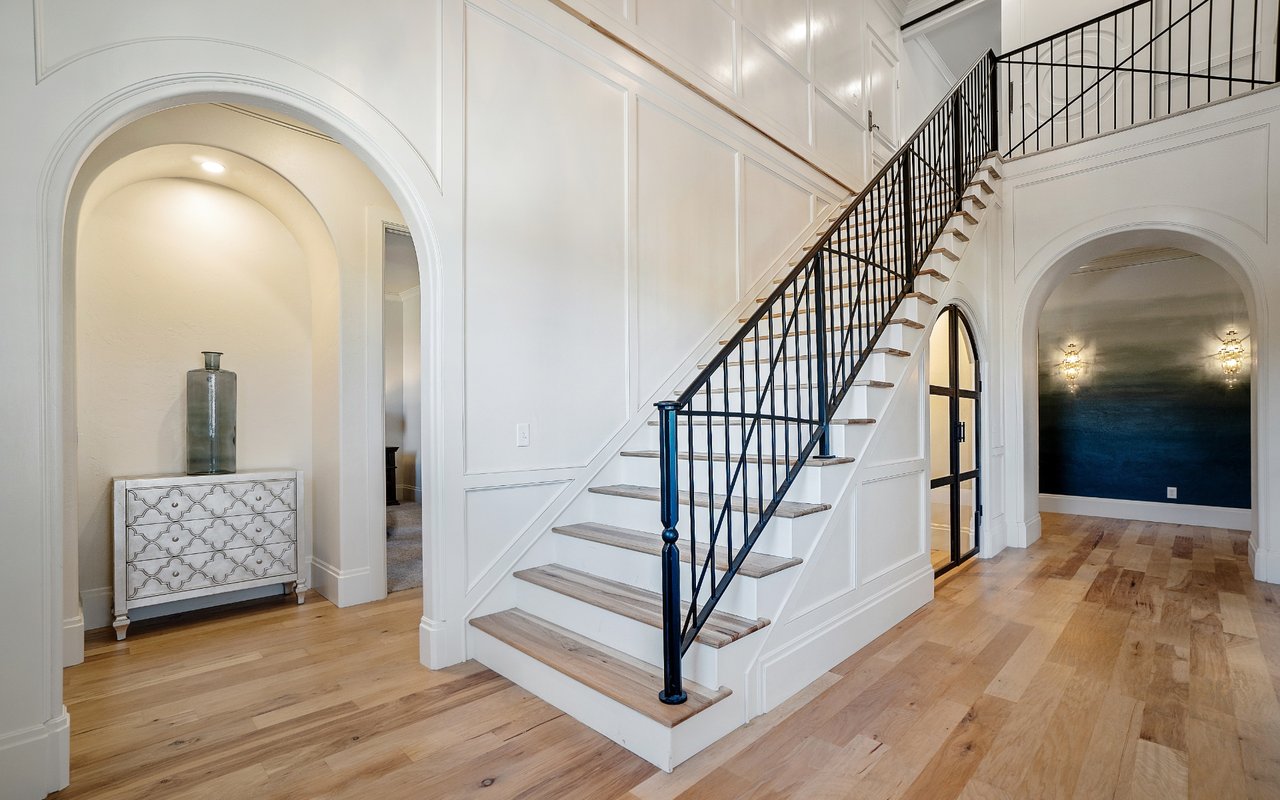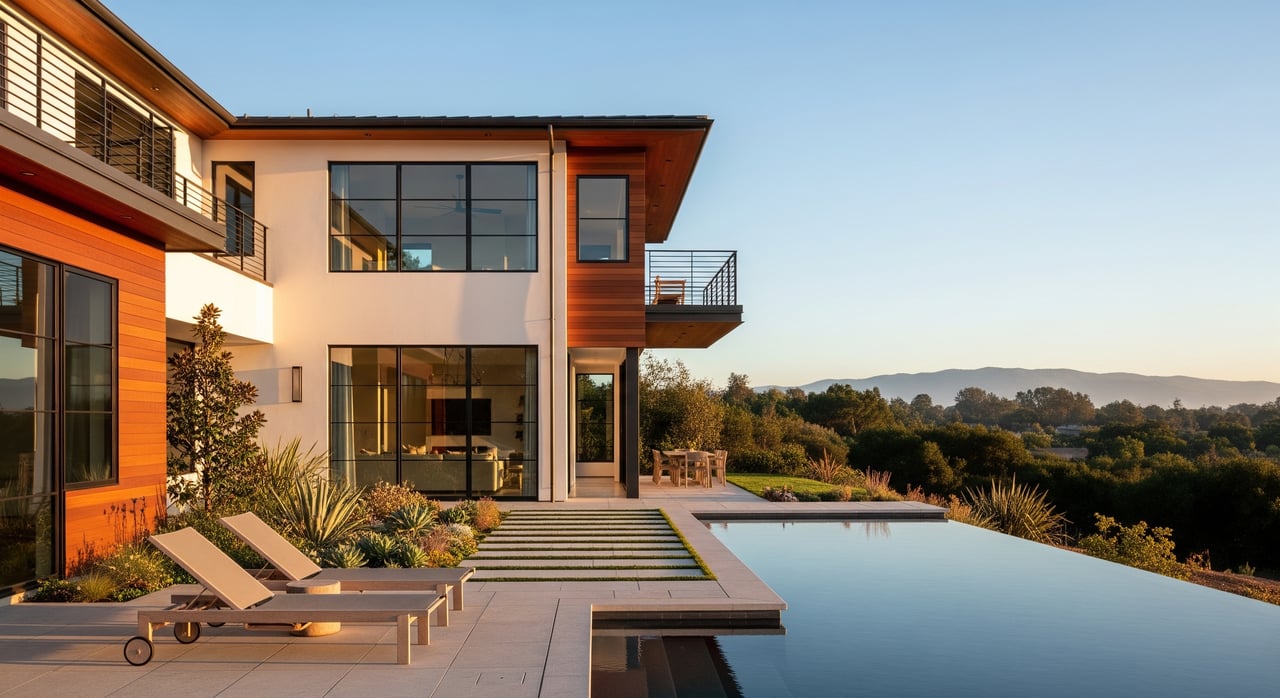
Outgrowing your starter home and craving more space, a yard, and room to grow? You’re not alone. Many San Jose buyers reach this point and start weighing options across the city and the Valley. If you want more square footage without leaving San Jose, you’ll want to take a close look at Blossom Valley. In this guide, you’ll learn what housing looks like, how the commute plays out, what everyday life feels like, and a step-by-step checklist to decide if it fits your goals. Let’s dive in.
Why Blossom Valley appeals
Blossom Valley offers a suburban feel with a wide mix of single-family homes, often at a more accessible price point than some of San Jose’s most expensive neighborhoods. You’ll find family-friendly streets, established subdivisions, and quick access to major corridors across South San Jose. If you want a larger home and yard within city limits, this area often delivers strong space-for-value.
The neighborhood sits south of central San Jose and within reach of the Santa Teresa and Almaden foothills. That puts trails and open space close by, while everyday shopping and dining are available along Blossom Hill Road and nearby arterials.
Housing stock and what you get
Typical homes
Housing in Blossom Valley is primarily single-family detached properties built from the 1950s to the 1990s, with scattered newer infill. Floor plans that appeal to move-up buyers are common, including 3 to 5 bedrooms and multiple baths. Older ranch and split-level homes can be modest in size, while many two-story 1980s–1990s models offer larger footprints.
Lots and ADU potential
Lots are typically suburban and usable, giving you room for outdoor living and the possibility of an addition or an ADU, depending on city guidelines and parcel specifics. Many buyers choose Blossom Valley because they can modernize or add square footage over time. When you tour, pay attention to backyard orientation, usable space, and garage size to confirm the lot matches your long-term plans.
HOAs and new builds
Most detached homes in the area are not part of an HOA, which keeps monthly ownership costs predictable. You will find some townhome and condo communities with HOAs along commercial corridors, plus occasional infill or newer townhouse developments. If an HOA is part of your target property type, review dues and coverage early so you can budget with confidence.
Inspections and upgrades
Age-related items are common in older homes. Expect to evaluate plumbing lines, electrical panel capacity, and roof condition. Many homes still have single-pane windows or older HVAC systems. In some cases, you may want to plan for seismic updates, chimney work, or sewer lateral repairs. Build an upgrade budget into your plan so you’re not surprised after closing.
Price positioning reality
Within San Jose, Blossom Valley often comes in below premium areas like Willow Glen or Peninsula-adjacent cities, while still offering the benefits of being inside the city. Buyers who want a larger single-family home for the money tend to see strong relative value here. Inventory can run tight by historical standards, so be ready to act when the right home hits the market.
If you’re comparing neighborhoods, look at price per square foot along with lot size and renovation potential. That view can clarify where Blossom Valley fits in your budget and whether you want turnkey or a value-add path.
Commute and transit overview
Driving routes and variability
Blossom Valley connects to key Silicon Valley corridors, which can make cross-valley driving more straightforward than from outlying areas. That said, peak-hour congestion on I-280, CA-85, US-101, and CA-87 can shift travel times significantly. The best approach is to test door-to-door routes during your real commute window from the specific property you’re considering.
Transit and biking options
VTA bus routes serve residential and commercial streets in South San Jose, but many commuters still find driving faster for most job centers. Caltrain and other rail options are accessible from nearby stations with a short drive or transfer. If you plan to bike, note that terrain near the foothills can vary and some streets have rolling grades, so review local bike maps and test the route.
Pro tip: test your routes
Try multiple paths at peak and off-peak times. Some arterials back up earlier than freeways, and small adjustments can save you time. If you need first-mile or last-mile parking, confirm availability before you commit to a transit plan.
Everyday living and amenities
Parks and open space
Southern parts of Blossom Valley enjoy easy access to Santa Teresa County Park and the Almaden foothills for hiking, views, and weekend outdoors. You’ll also find neighborhood parks and fields throughout the area. If trails and open space matter to you, factor that into your home search radius.
Shopping and services
Day-to-day errands are simple with multiple grocery options, small shopping centers, and regional retail nearby. The Westfield Oakridge area serves many South San Jose residents with dining, entertainment, and major retailers. You can also expect a wide selection of family services, including daycare and pediatric care, though availability and waitlists vary by provider.
Community character and walkability
The area reads suburban and residential, with car-dependent pockets and walkable nodes near commercial corridors. Walkability varies block by block, so scout your target streets to see how close you are to parks, groceries, and coffee. For safety context, check official local crime maps and recent reports to understand patterns in the micro-areas you’re considering.
Is it a fit? A decision checklist
Use this checklist to pressure-test Blossom Valley for your move-up goals:
- Home and lot
- Do the bedroom and bath counts meet your near-term needs?
- Is there clear space for an addition or ADU if you need it later?
- How is natural light, yard usability, and garage capacity?
- What is the condition of roof, HVAC, windows, and electrical panel?
- Location and lifestyle
- Measure peak and off-peak drive times to primary work locations.
- Map your weekly errands: parks, groceries, healthcare, and childcare.
- Visit at different times to get a feel for street activity and traffic flow.
- Market and budget
- Compare price per square foot with other San Jose neighborhoods.
- Decide if you want turnkey or value-add potential.
- Estimate ownership costs: property taxes, utilities, and any HOA dues.
- Offer and negotiation
- Get pre-approved and know your offer limits.
- Plan for likely upgrades and add a renovation buffer.
- Align timelines if you are buying and selling at the same time.
How it stacks up nearby
If you’re balancing space, price, and location within San Jose, Blossom Valley often offers more square footage and yard for the budget compared with premium-price areas. It can also feel closer to nature with access to foothills and regional parks. If you need the shortest possible drive to northern job centers or want a highly urban environment, you may prefer other locations. If you want a family-friendly suburban base with renovation upside, this area should be on your short list.
Smart move-up strategies
- Buy-and-sell coordination. If you need proceeds from your current home to buy, plan your timeline early. Contingency strategies, rent-backs, and flexible closings can help you bridge the gap.
- Presentation power when selling. If you’re listing a starter home to fund the move, smart prep can boost your net. Tools like Compass Concierge can help you tackle strategic updates and staging so your sale funds your upgrade.
- Liquidity options. If timing is tight, ask about solutions designed to help qualified buyers write stronger non-contingent offers while unlocking equity from their current home.
- Renovation planning. Many buyers here choose to modernize. Get preliminary contractor input during your search to validate costs for windows, HVAC, kitchen, bath, flooring, and possible additions.
Bottom line
Blossom Valley often hits the sweet spot for move-up buyers who want larger single-family homes, usable yards, and access to South San Jose amenities while staying inside city limits. You get a broad mix of homes, many with strong renovation potential, plus parks, trails, and practical shopping close by. Commute times can expand during peak hours, and older homes may need meaningful upgrades, so plan accordingly.
If you want clear guidance on neighborhoods, budgets, and a plan to win the right home, connect with The Samit Shah Team. Our client-first approach, local insight, and platform-enabled tools make your move-up path smoother and more predictable.
FAQs
What makes Blossom Valley good for move-up buyers?
- You’ll find a large supply of single-family homes with 3–5 bedrooms, suburban lots with room to grow, and relative value compared with some of San Jose’s pricier neighborhoods.
How does Blossom Valley pricing compare in San Jose?
- It typically offers more space for the budget than premium-priced areas, while staying within San Jose and near South Valley amenities; always compare price per square foot and lot size across target neighborhoods.
Can I add an ADU or expand in Blossom Valley?
- Many lots are suitable for additions or ADUs, subject to local codes and parcel constraints, so verify feasibility with the city and review setbacks, utilities, and access early.
Are most homes part of an HOA in Blossom Valley?
- Most detached homes are non-HOA, while some townhomes and condos have HOAs; confirm dues, coverage, and rules during your search.
What commute should I expect from Blossom Valley?
- Commute times vary with peak traffic and route choice; test door-to-door at your actual commute hours and compare freeways and arterials to identify the most reliable path.
What inspections matter most for older homes here?
- Prioritize roof, HVAC, windows, electrical panel capacity, plumbing lines, sewer laterals, and any seismic or chimney needs so you can budget for sensible upgrades.