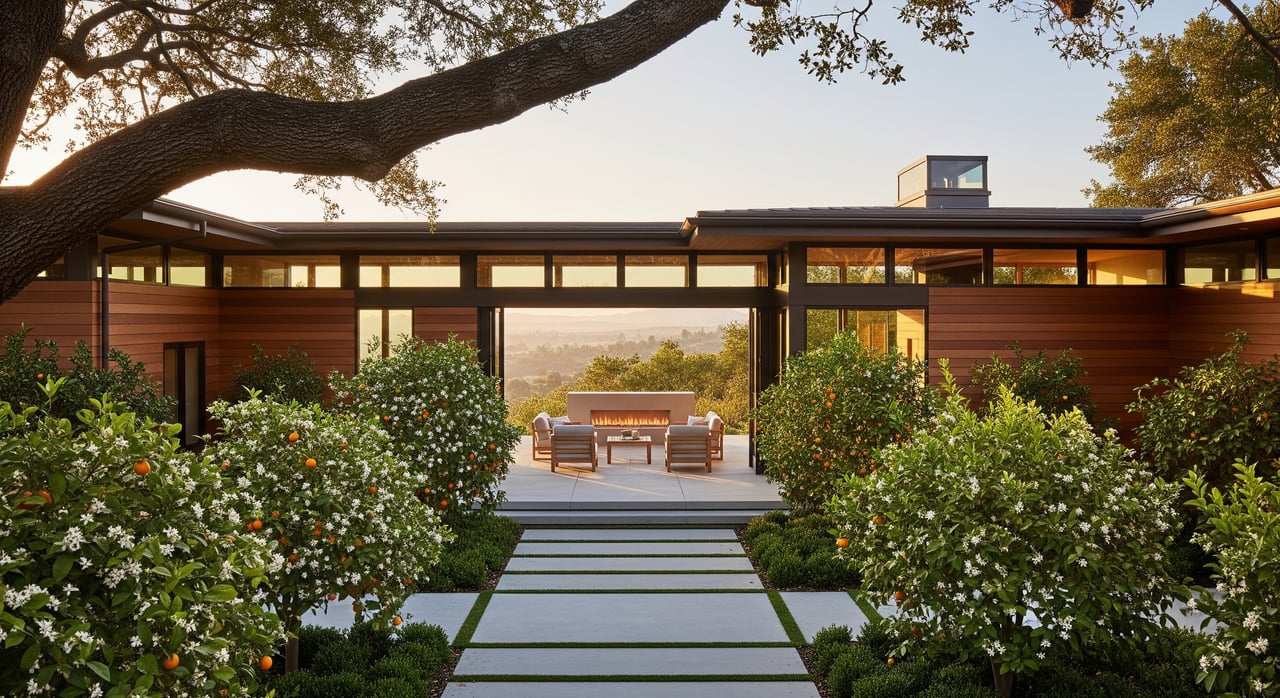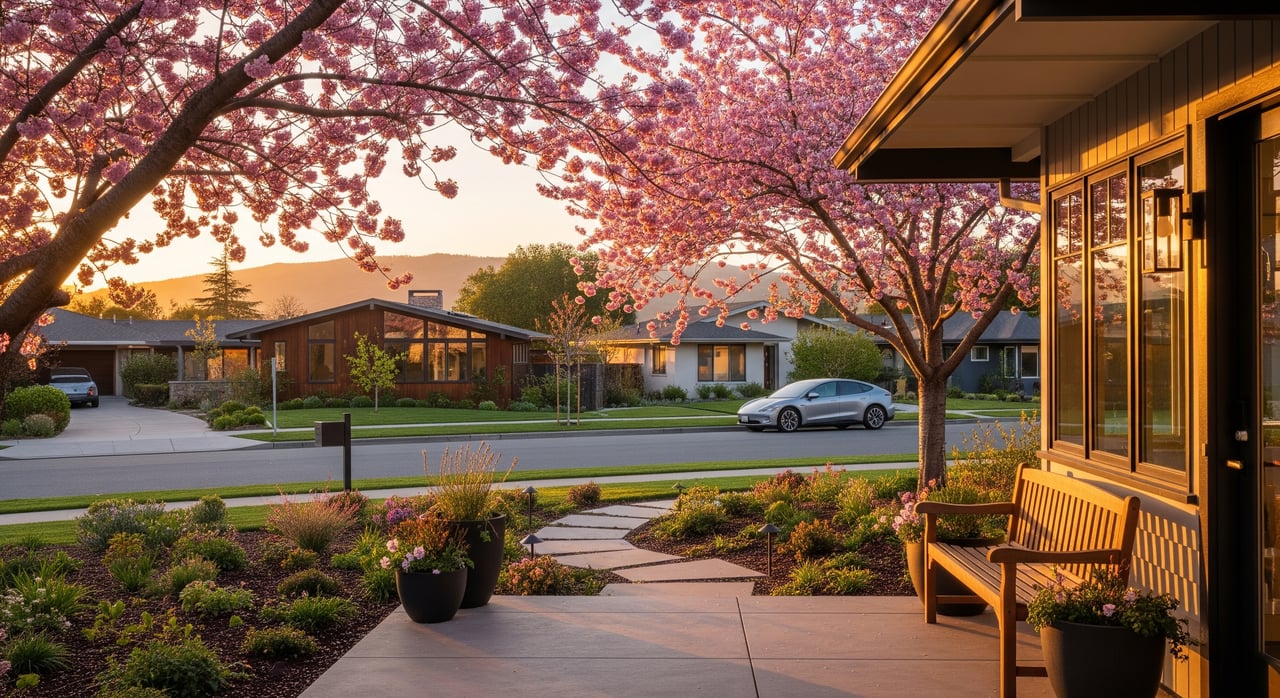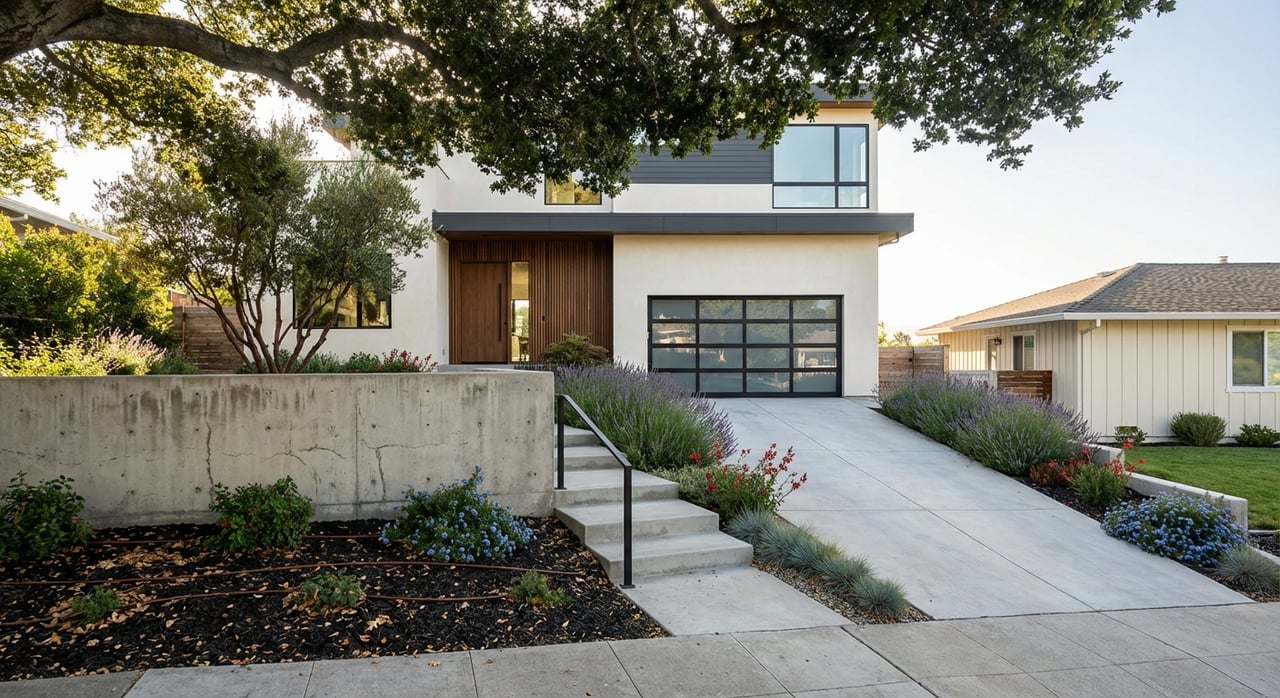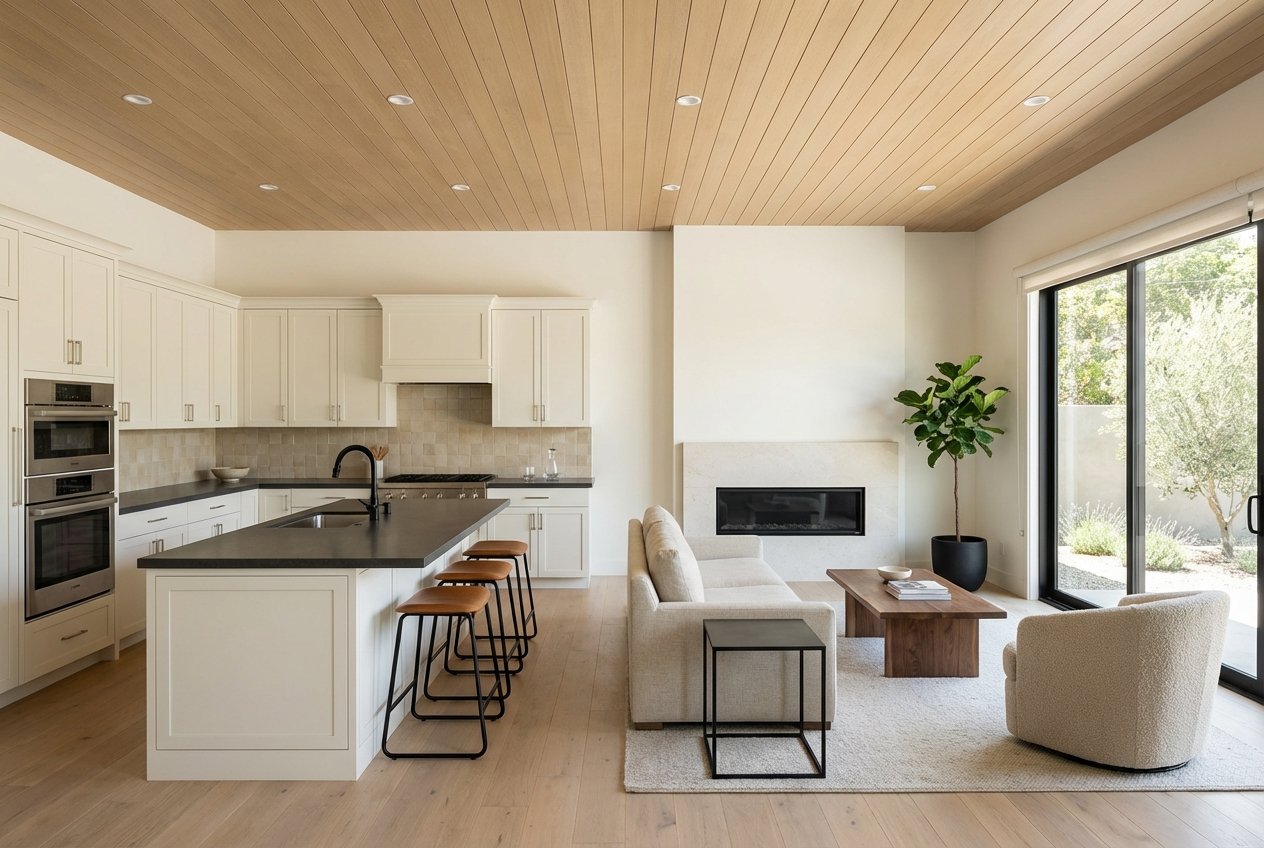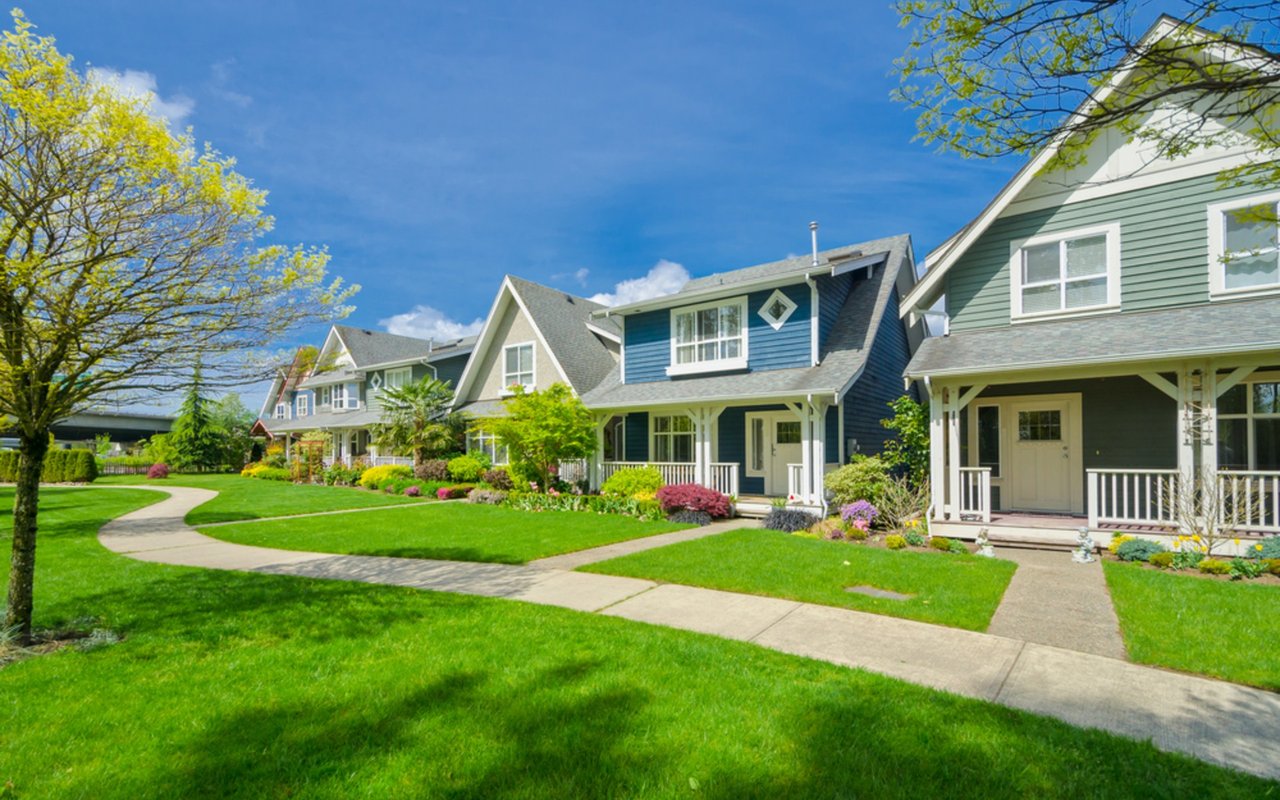
Explore Cambrian Homes for Sale in San Jose
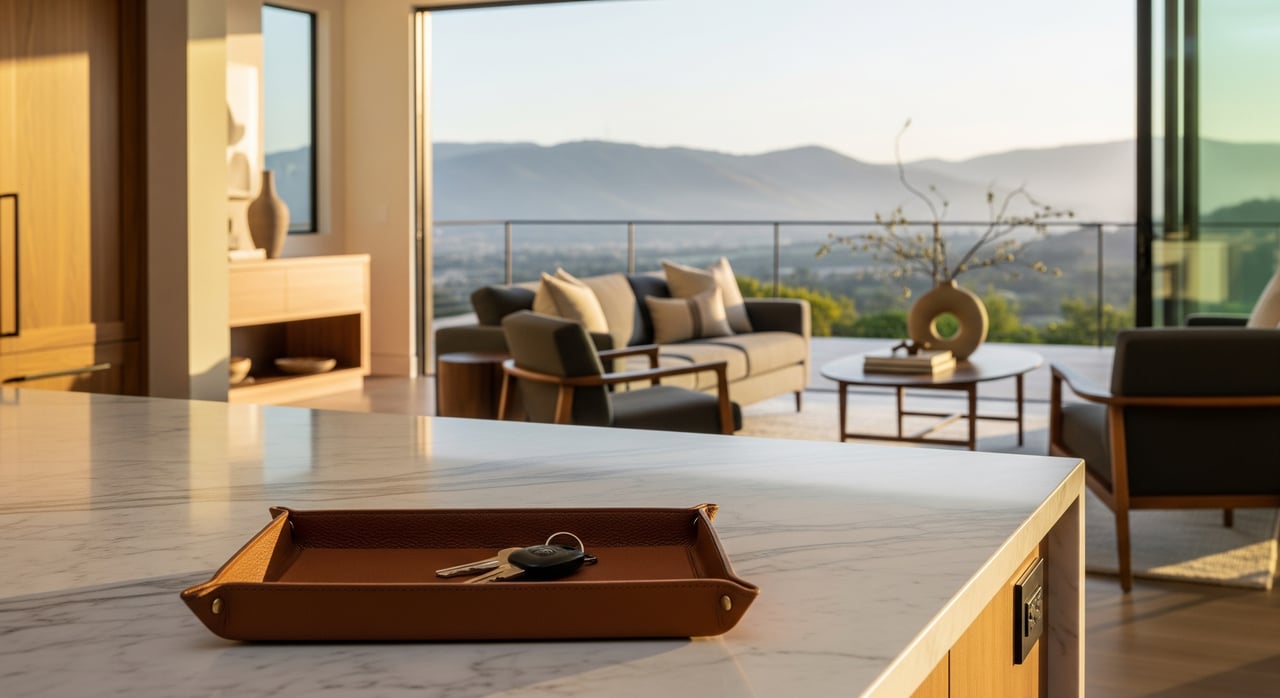
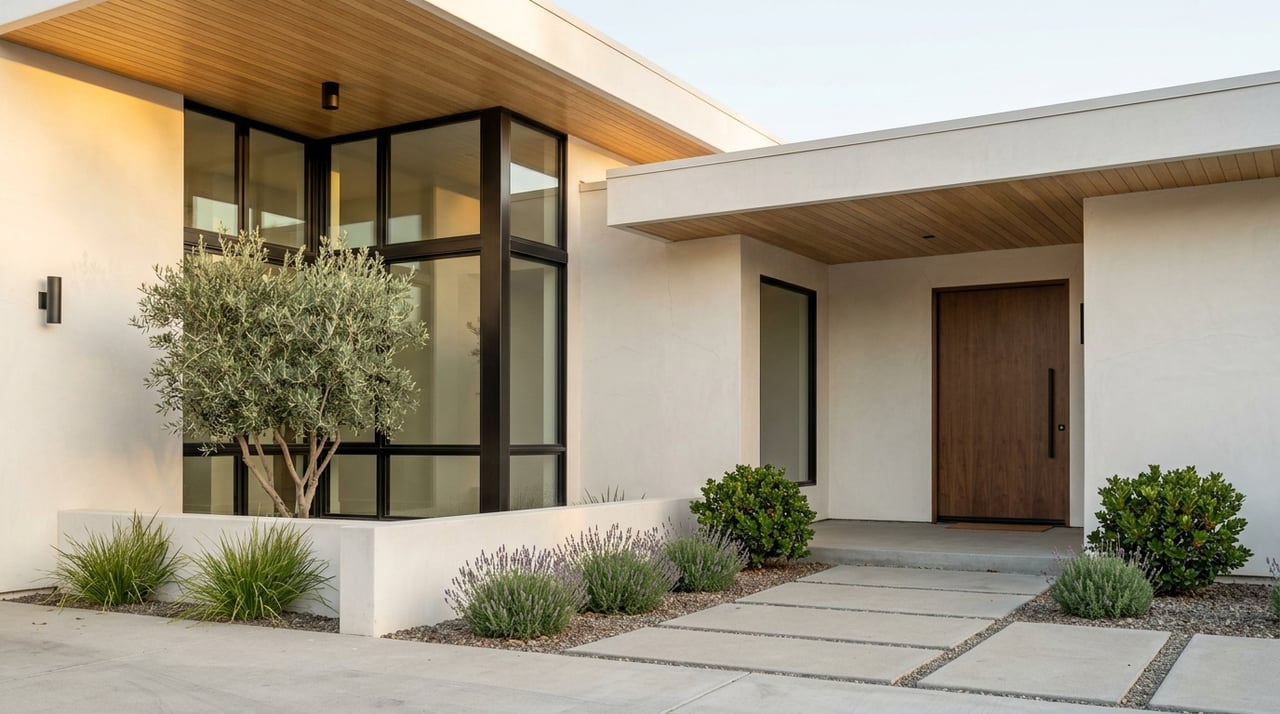
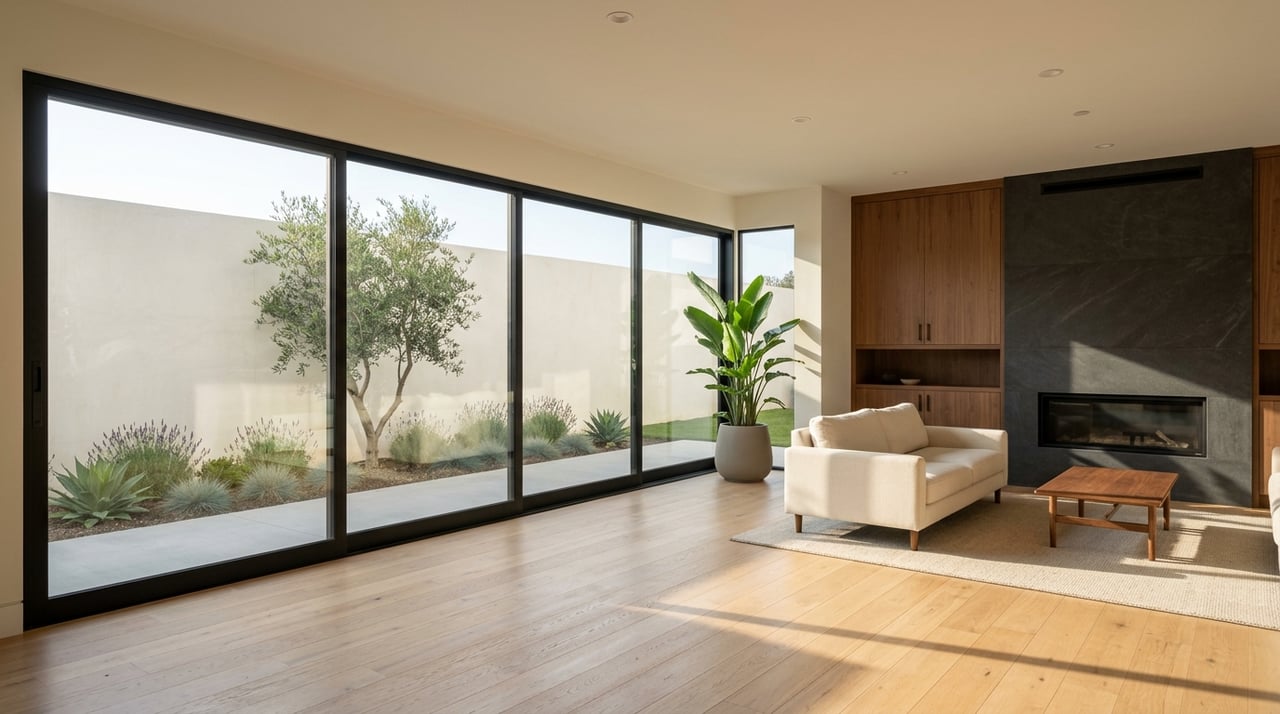
Search Cambrian Park, San Jose homes for sale, including luxury homes and new listings
5,809 people live in Cambrian, where the median age is 41 and the average individual income is $75,923. Data provided by the U.S. Census Bureau.
Total Population
Median Age
Population Density
Average individual Income
Cambrian—known locally as Cambrian Park or Cambrian Village—is one of southwestern San Jose's most enduring residential communities, the kind of place where families settle in and stay for decades. What gives Cambrian its identity is something most Silicon Valley neighborhoods lack: a name that comes not from a developer's marketing brochure but from a school. In the 1870s, a Welsh immigrant ranch hand named David Lewis donated funds to build the area's first schoolhouse and asked that it be named Cambrian, after Cambria, the Latin word for his homeland of Wales. Because early Santa Clara County communities were mapped by the boundaries of their school service areas, the name spread outward from that single building until it defined the entire region.
The land itself tells a familiar Valley story. What is now a grid of quiet, tree-shaded streets was once orchard country—apricots, prunes, peaches, and walnuts stretching toward the Santa Cruz foothills. After World War II, returning veterans and a surging electronics industry created enormous housing demand, and the orchards gave way to the single-story ranch homes that still define Cambrian today.
One important nuance to understand up front: most of Cambrian sits fully inside the San Jose city limits, but a small unincorporated pocket remains as an official Census-Designated Place covering roughly 0.6 square miles under Santa Clara County jurisdiction. Cambrian has never had a traditional downtown of its own. Its historic anchor has always been the Cambrian Park Plaza, built in 1953 and beloved for its spinning, jewel-toned carousel sign—now a designated historical landmark and currently at the center of a major neighborhood redevelopment.
Cambrian occupies the southwestern corner of San Jose, positioned almost exactly where the city brushes up against several neighboring Silicon Valley municipalities. To the north lies Willow Glen; the City of Campbell borders it to the west and northwest; the Town of Los Gatos sits to the south and southwest; and Almaden Valley and Blossom Valley round out the eastern and southeastern edges.
The neighborhood falls primarily within the 95124 and 95118 ZIP codes, with minor overlap into 95008 near the Campbell line. Because Cambrian is defined more by school boundaries than by legal city limits, its edges can feel fuzzy—but the major arterials give you a working outline. Foxworthy and Curtner Avenues mark the rough northern boundary, Blossom Hill Road anchors the south along the Los Gatos foothills, South Bascom Avenue defines the western edge, and Almaden Expressway with Highway 87 closes it off to the east.
That location is a large part of Cambrian's appeal. Sitting at the convergence of Highway 85, Highway 17, and Almaden Expressway, the neighborhood functions as a commuting pivot point, giving residents unusually flexible access to the tech corridors of the West Valley, downtown San Jose, and the route over the mountains to Santa Cruz.
Cambrian's history mirrors the larger arc of the Santa Clara Valley—from indigenous homeland to agricultural heartland to suburban tech enclave.
Long before European settlement, the Ohlone people lived on this land. Under Mexican rule it formed part of sprawling ranchos, including Rancho San Juan Bautista Narvaez and Rancho Rinconada de Los Gatos, used mainly for grazing cattle and sheep. The community's name arrived in the 1870s with David Lewis and his donation toward that first Cambrian schoolhouse. By the turn of the century, grain fields had been replaced by dense orchards, and Cambrian became part of the region romantically nicknamed the "Valley of Heart's Delight," shipping its fruit to the canneries of nearby Campbell.
The transformation into suburbia came fast after 1945. As second-generation farmers sold off their orchards, the land was subdivided into mid-century residential tracts, and the Cambrian Park Plaza opened in 1953 as the community's commercial and social heart. In the 1960s, residents actually attempted to incorporate Cambrian Park as its own independent city. The effort fell short, and over the following decades San Jose annexed most of the area—leaving behind only the small county enclave that persists today. That failed bid for cityhood is a small but telling detail: even sixty years ago, Cambrian residents thought of themselves as a distinct place.
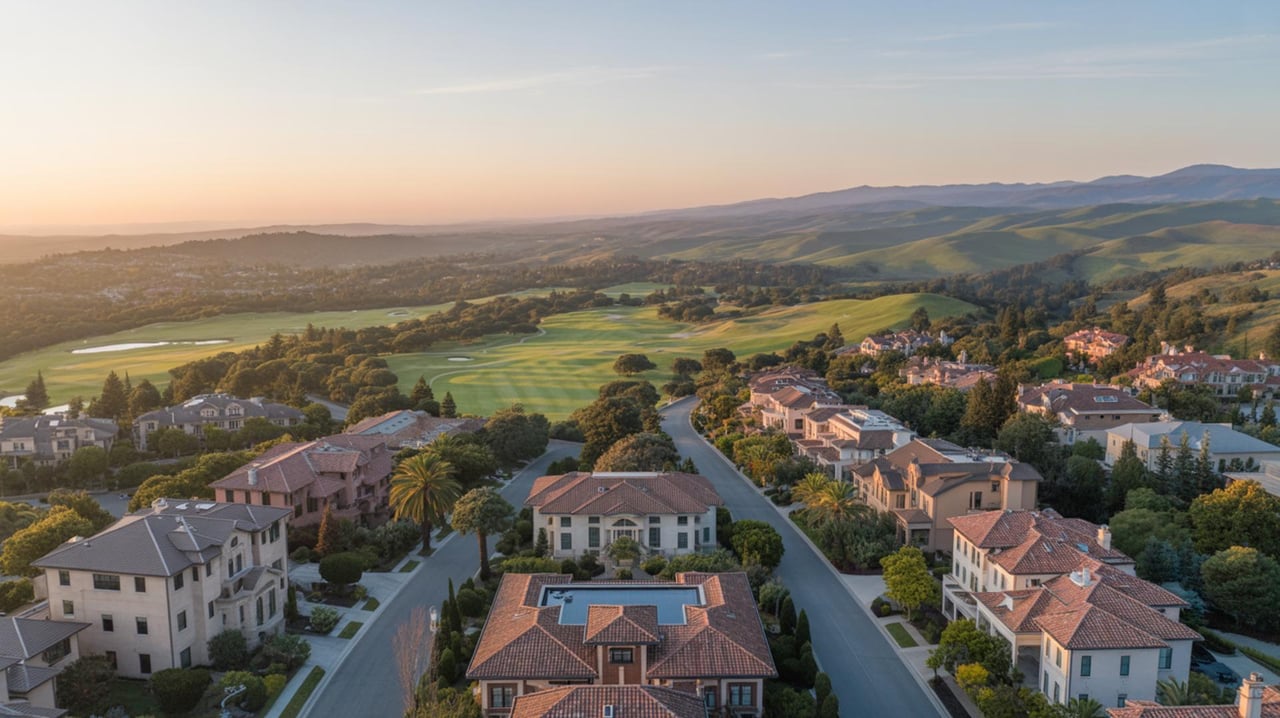
Cambrian is consistently regarded as one of Silicon Valley's most desirable suburban markets, and the reasons are structural rather than trendy. Demand stays high because inventory is tight, the public schools rank among the region's best, and the commute to major employers is genuinely manageable. For buyers priced out of Palo Alto, Saratoga, or Los Gatos, Cambrian offers a compelling middle path: comparable school quality and a similar family-first feel, with meaningfully more house and lot for the dollar.
Single-family homes here typically trade in the $1.8M to $2.4M range, while condominiums and townhomes generally run from $700K to roughly $1.1M. Pace is the defining feature of this market. Well-presented single-family homes in prime pockets often sell in as little as ten to nineteen days, frequently drawing multiple offers, while attached homes move at a more measured twenty to thirty-five days and tend to be more price-sensitive.
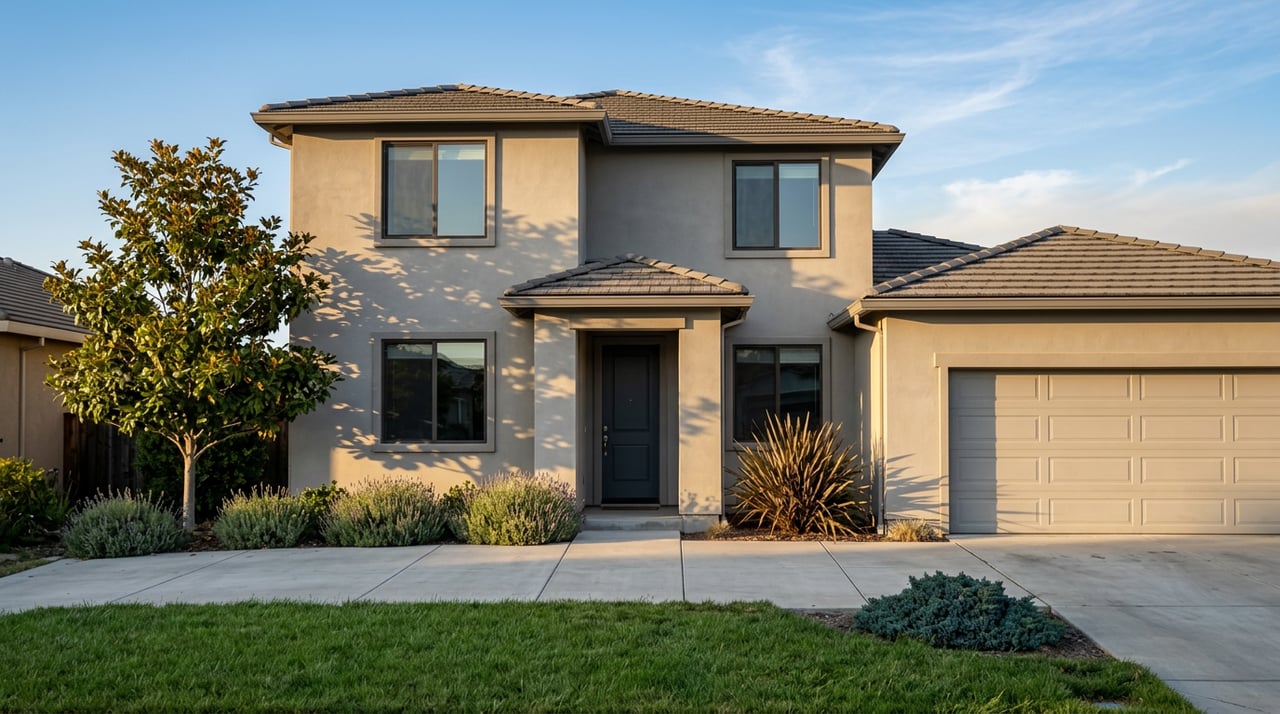
The housing stock is overwhelmingly the single-story 1950s and 1960s California ranch, usually between 1,200 and 2,200 square feet on lots of 6,000 to 9,000 square feet. Because so many homes are now sixty to seventy years old and land is scarce, the market rewards condition dramatically: turnkey remodels and tasteful teardown rebuilds command significant premiums over original-condition houses. For those considering rental income or an investment angle, three-bedroom single-family homes generally rent for $4,000 to $5,000 a month, with condos and smaller apartments closer to $2,500 to $3,200.
Cambrian's streetscape is a well-preserved slice of mid-century suburban California, and understanding its housing types helps buyers know what they're really shopping for.
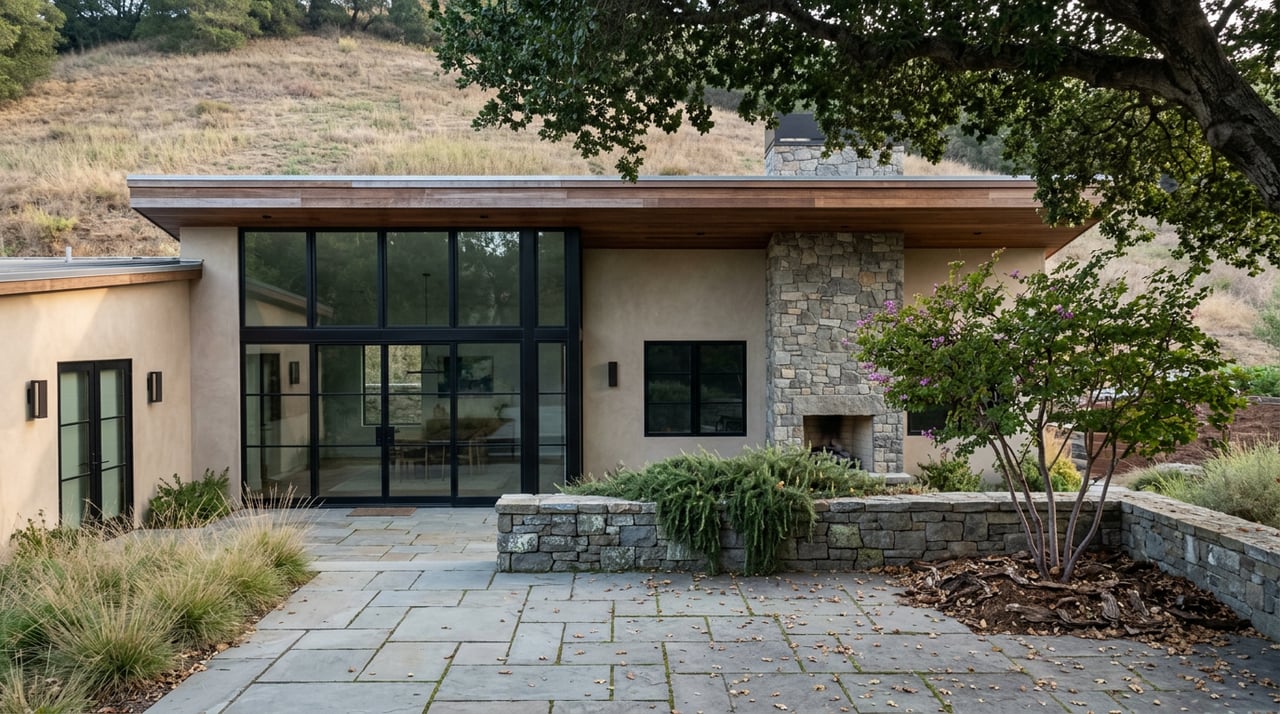
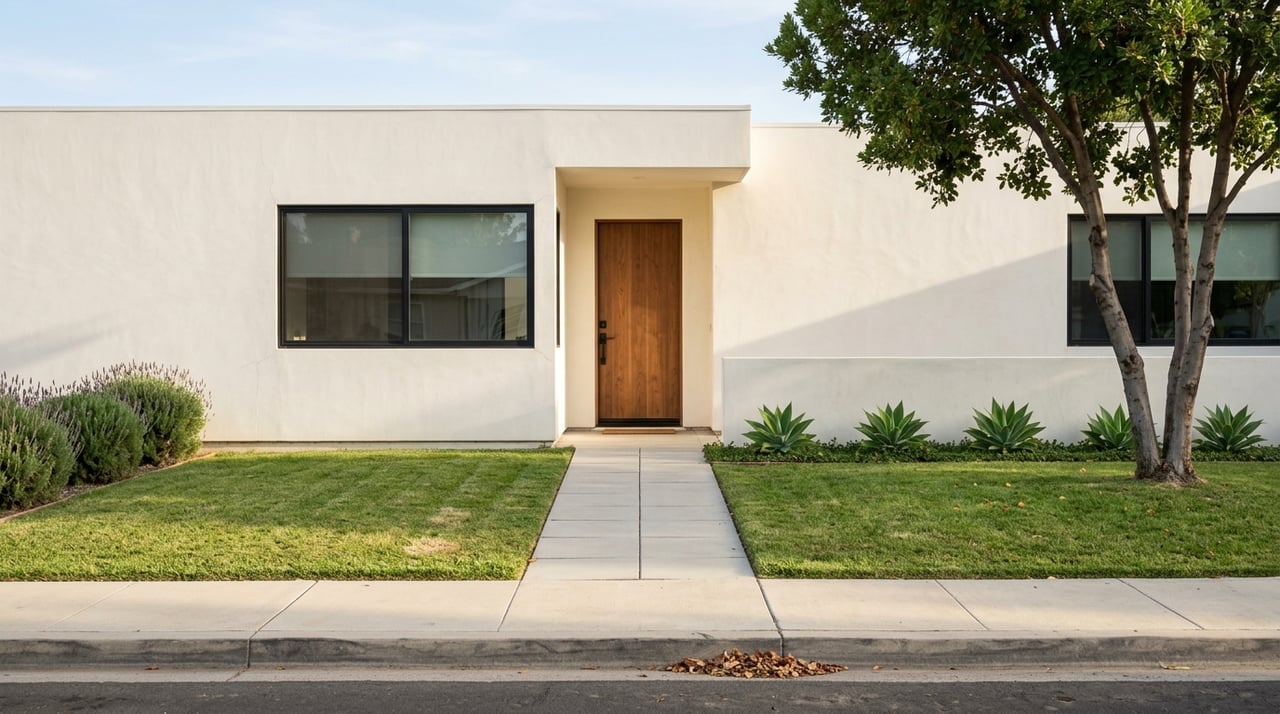
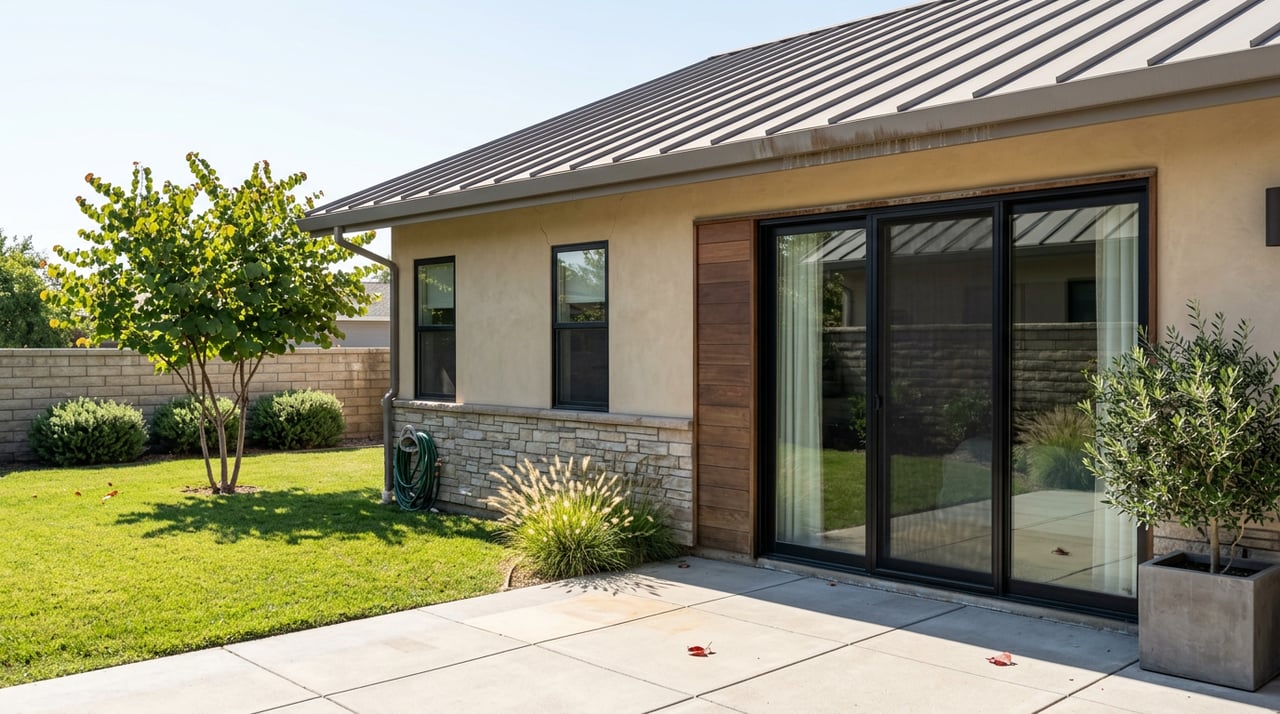
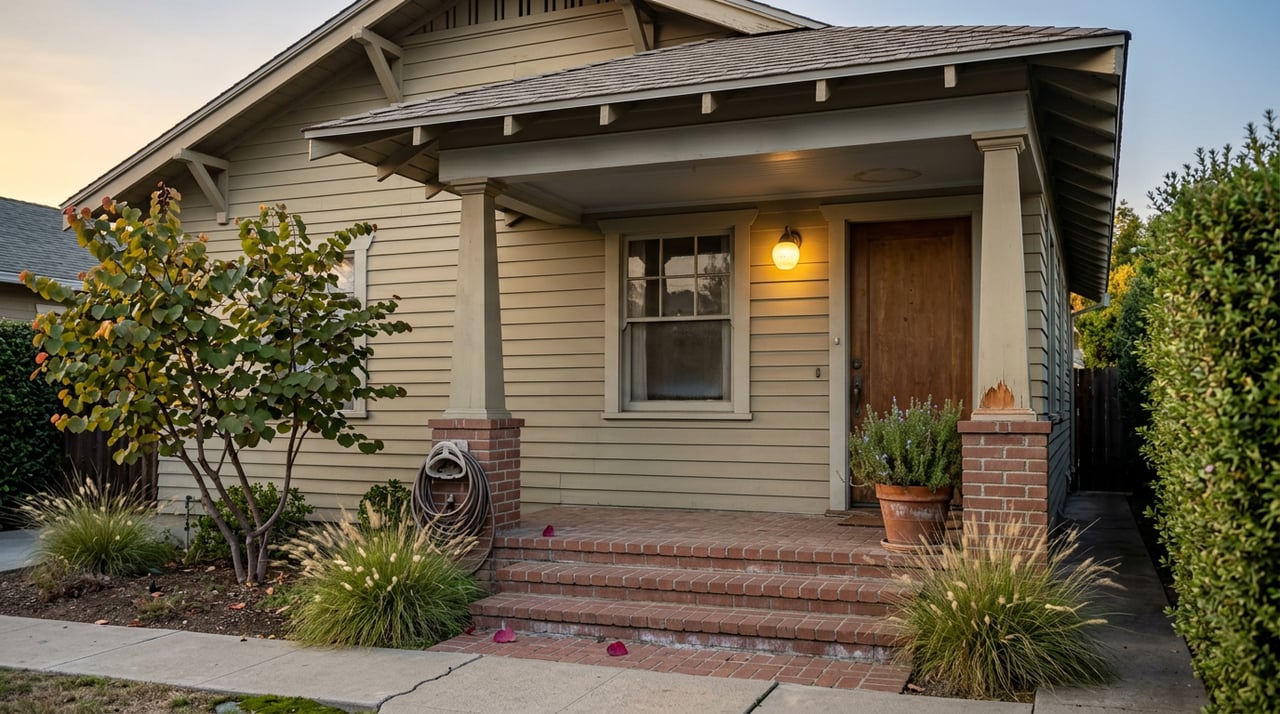
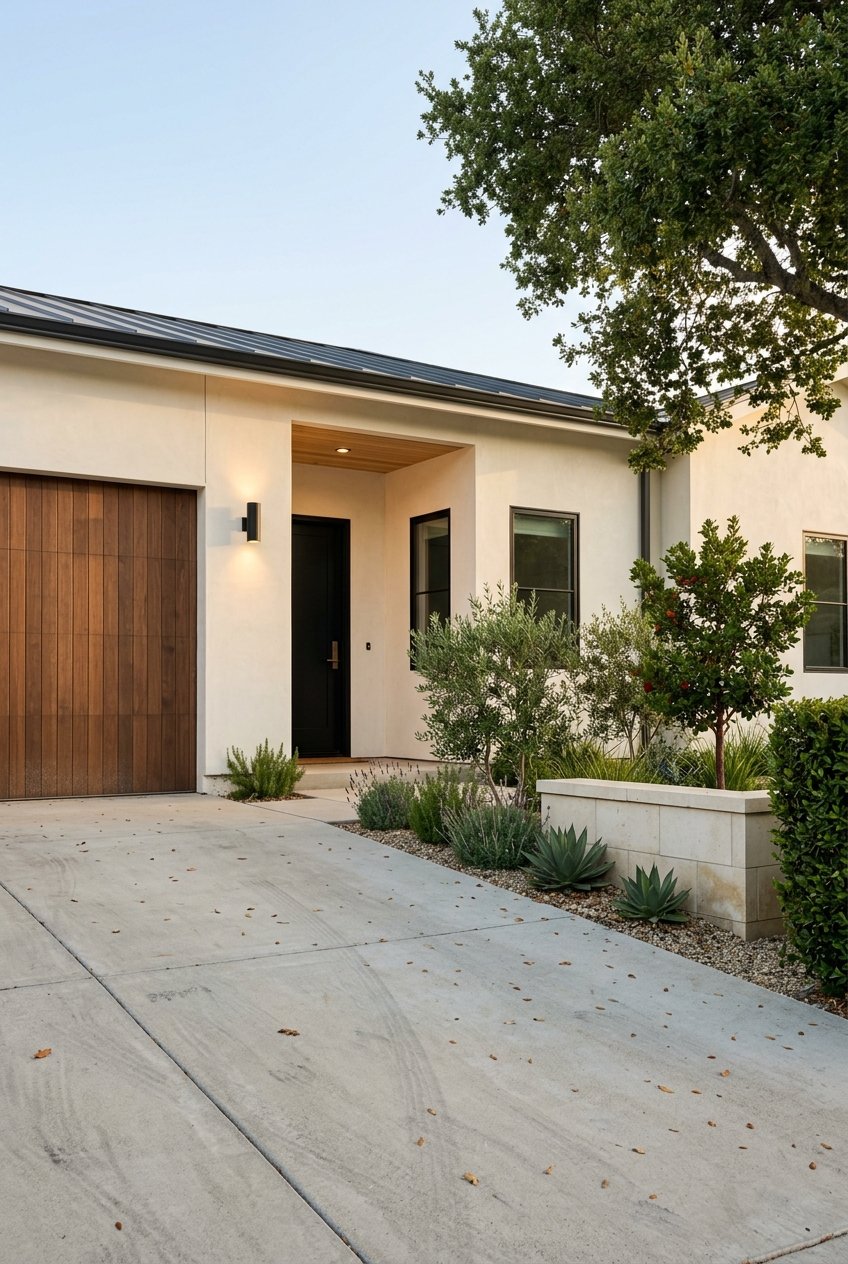
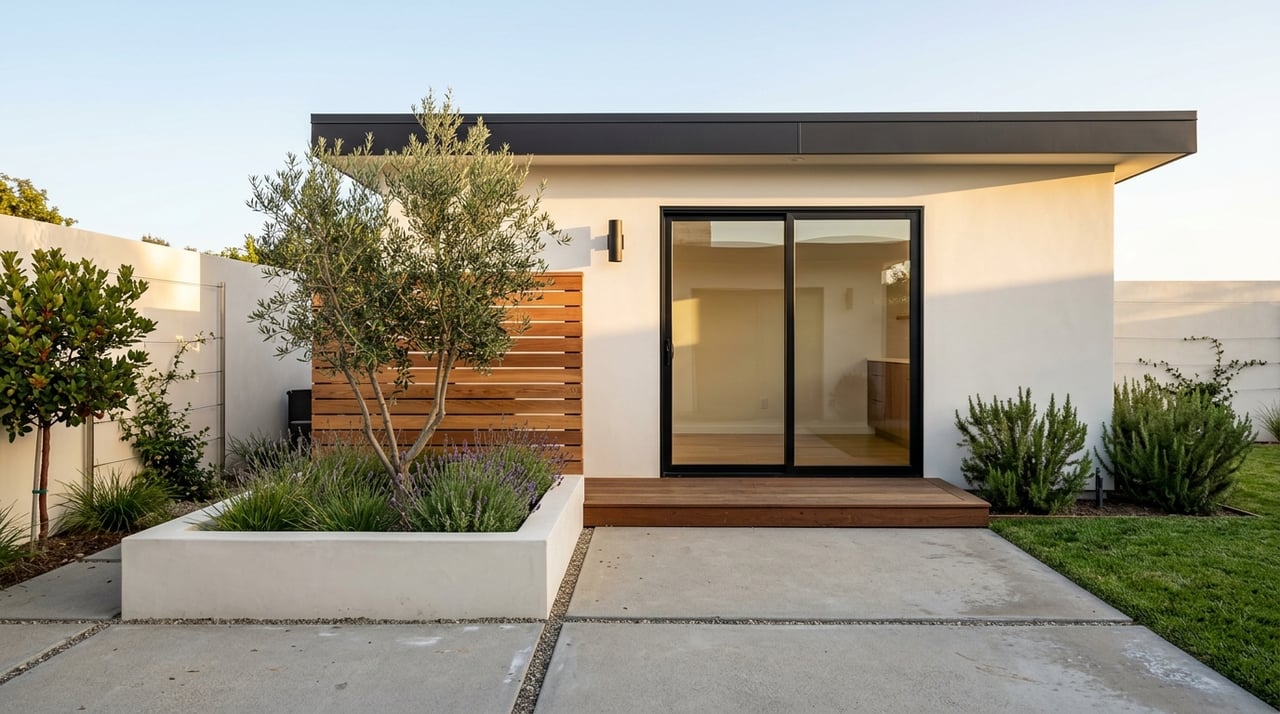
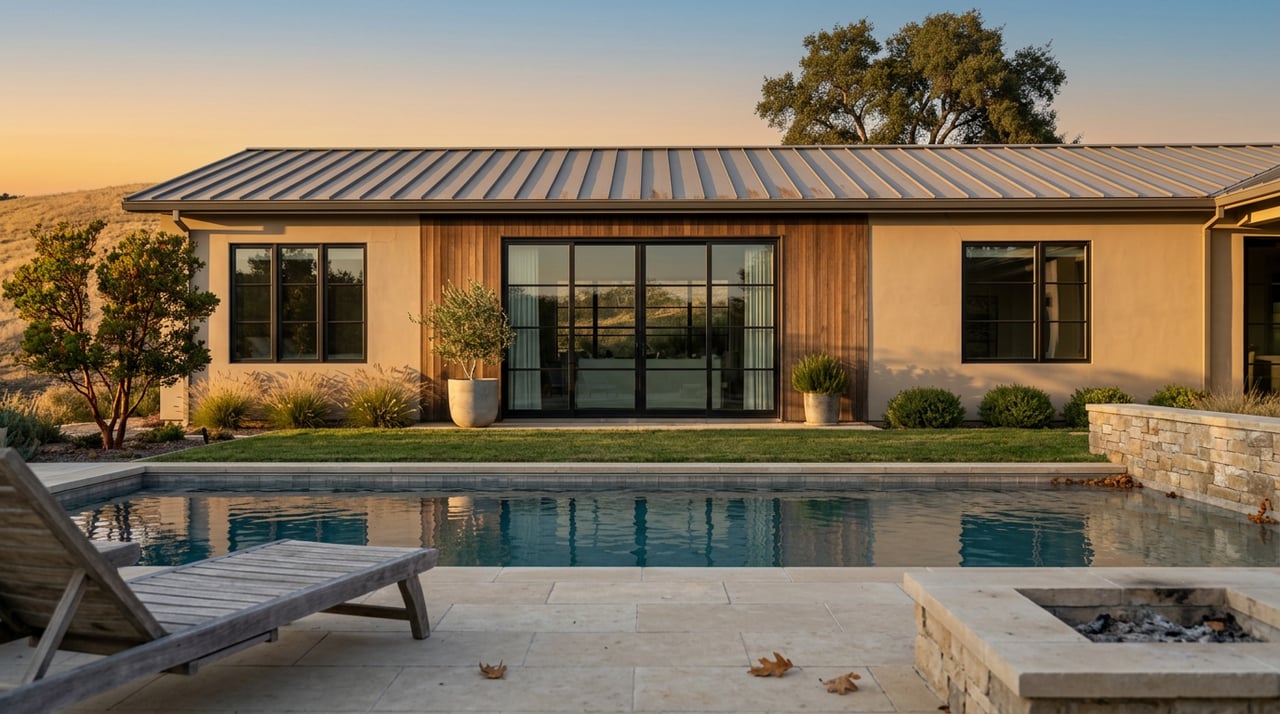
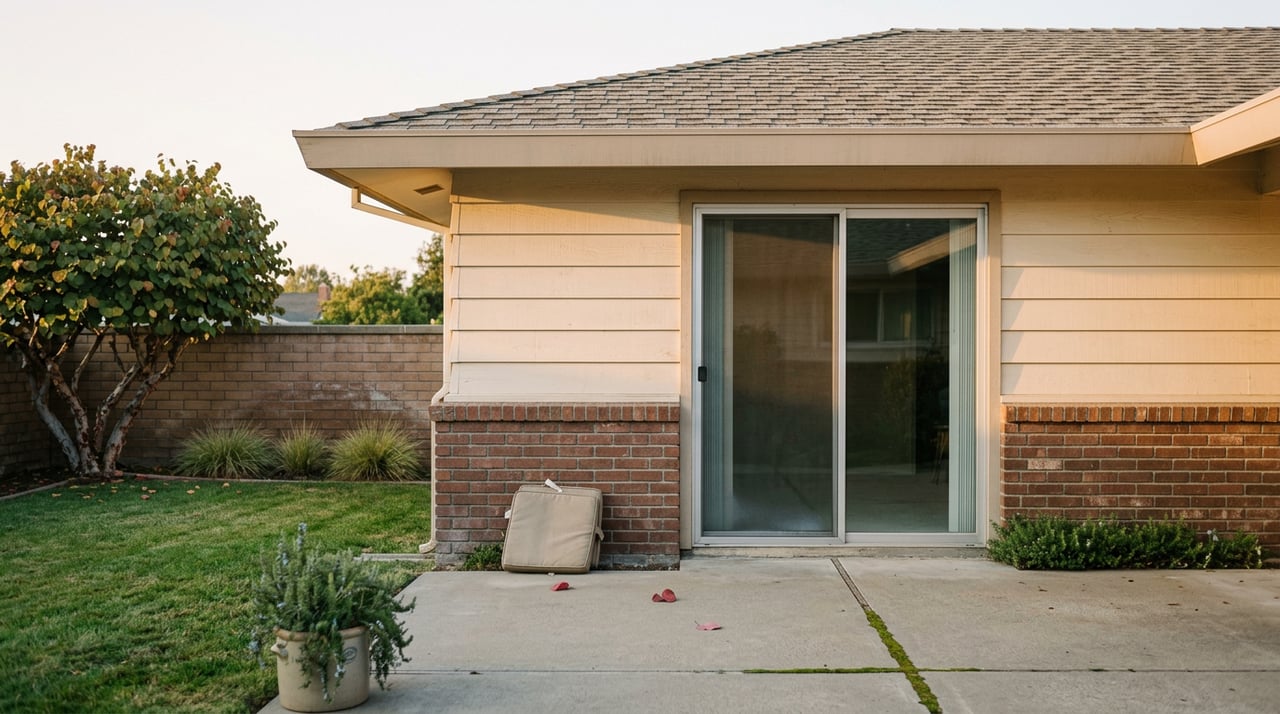
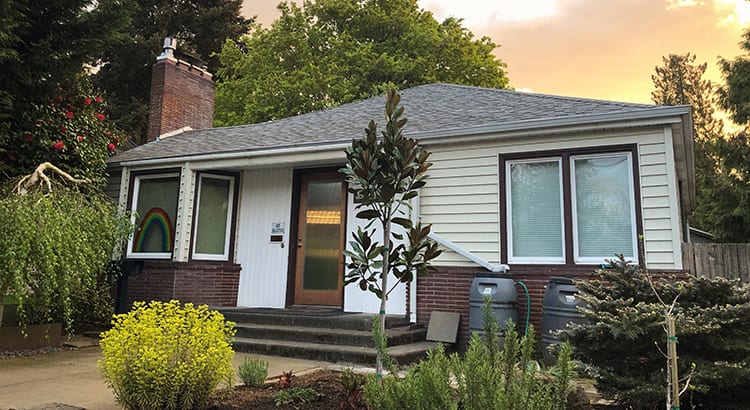
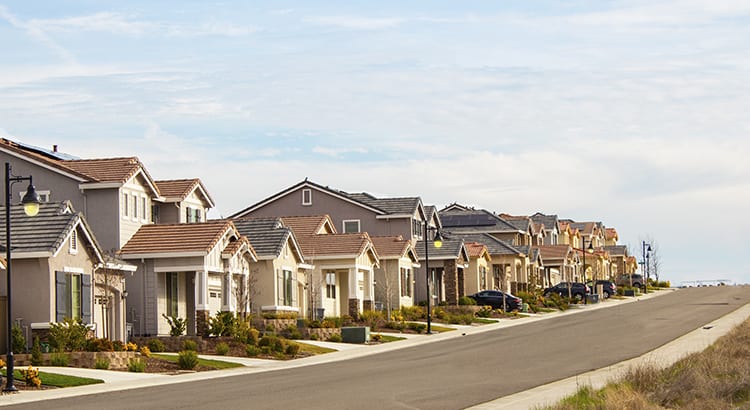
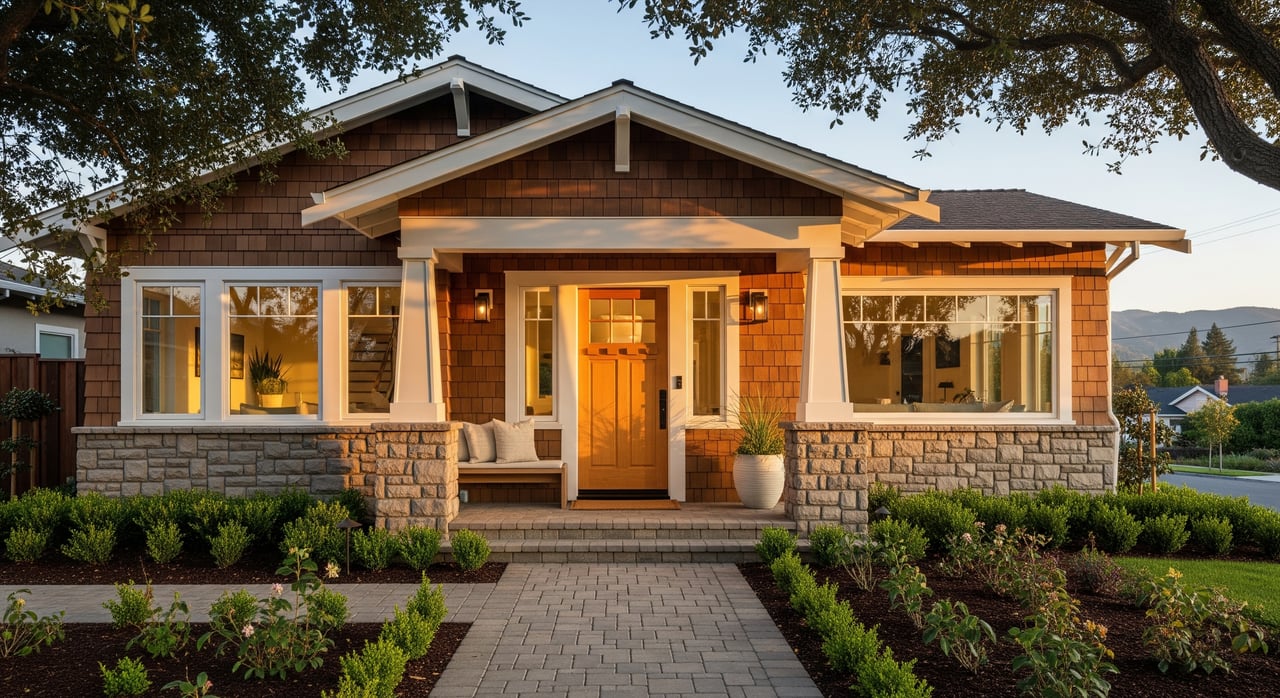
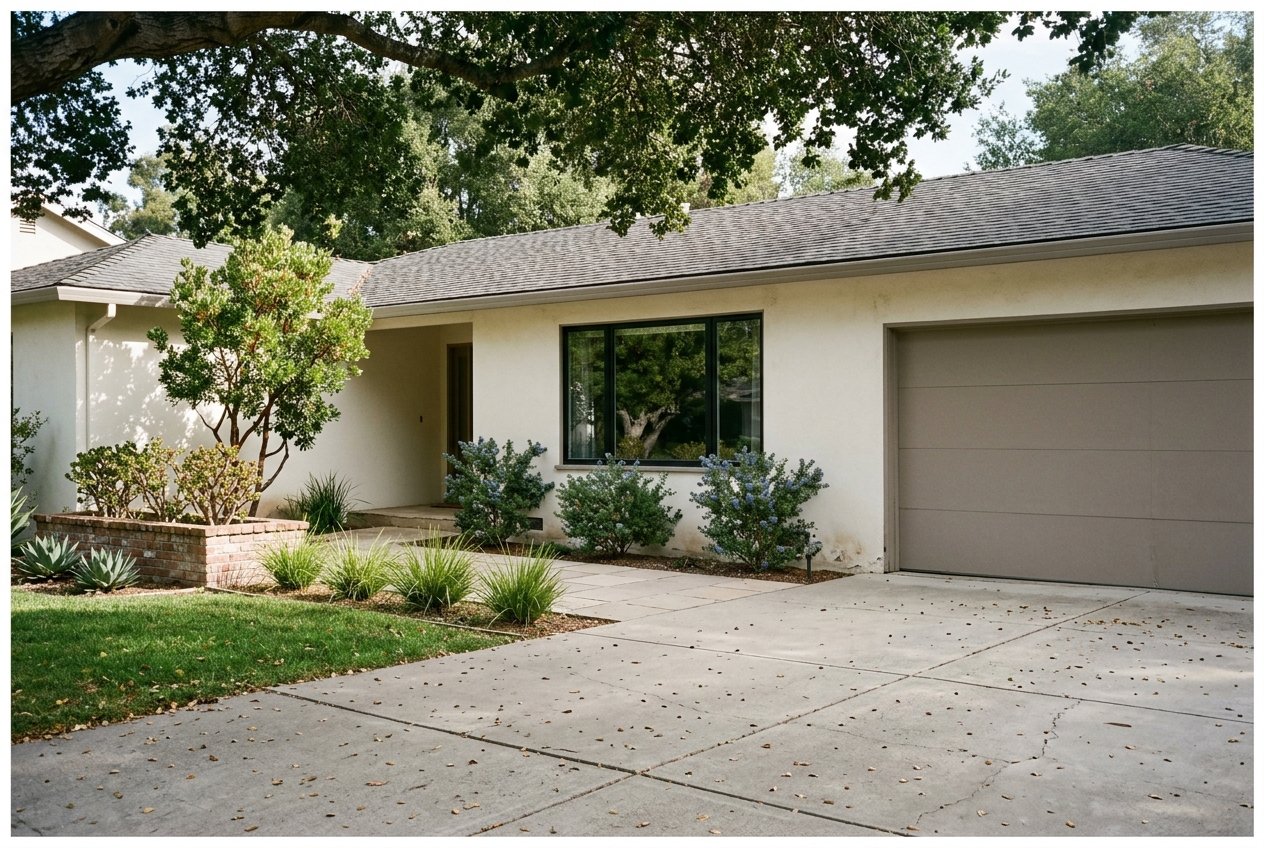
The dominant style, accounting for roughly 70 to 80 percent of single-family homes, is the single-story California ranch. These homes are easy to recognize by their low-pitched gable roofs, wide street frontages, attached two-car garages, and L- or U-shaped floor plans built around sliding glass doors that open to the backyard. Materials tend toward wood siding and stucco with brick wainscoting, often under wood-shake or composition roofs.
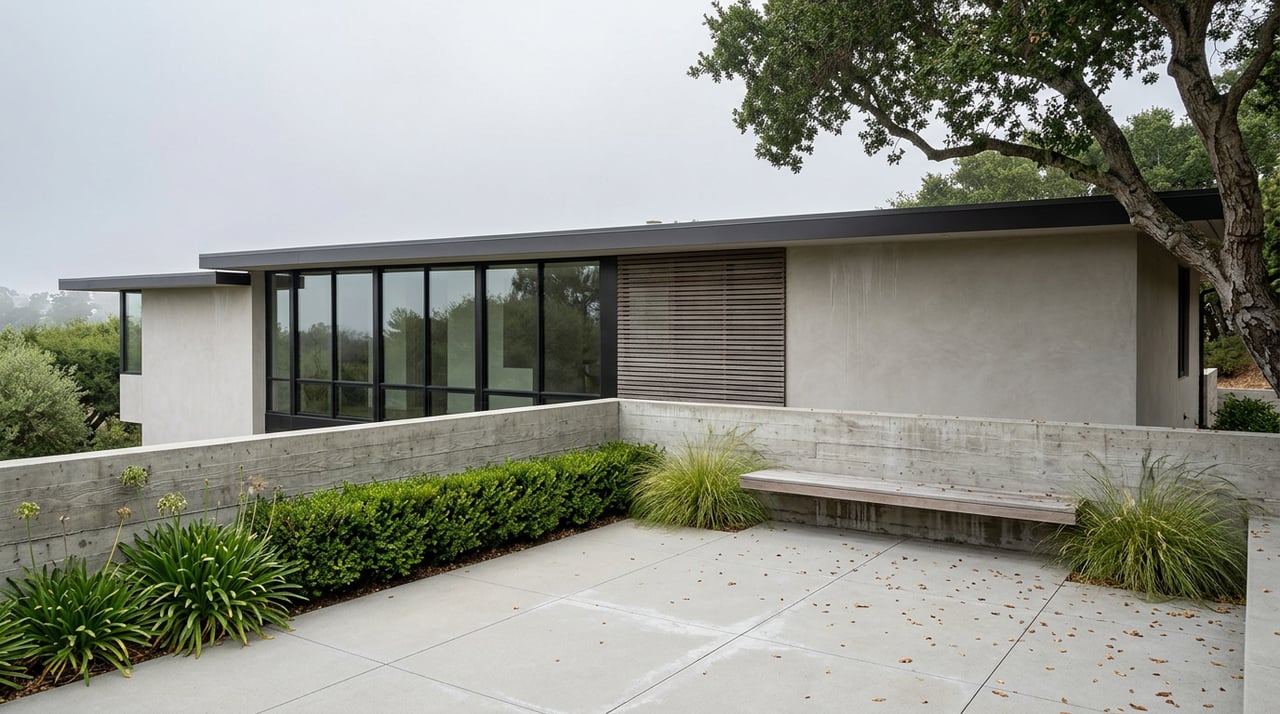
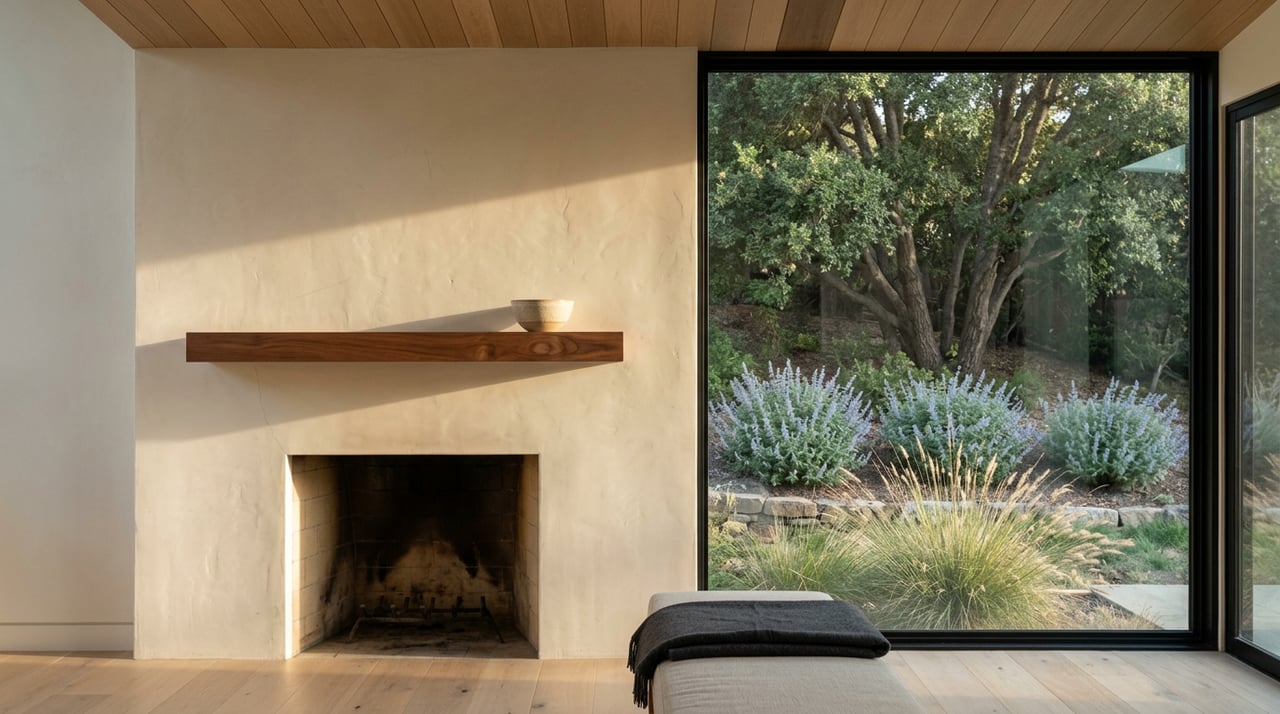
Scattered near Cambrian's borders you'll also find pockets of Eichler and Eichler-inspired modernist homes—fewer than in Palo Alto or Sunnyvale, but prized when they appear. These are the post-and-beam houses with floor-to-ceiling glass, open interior atriums, and radiant-heated floors that famously blur the line between indoors and out.
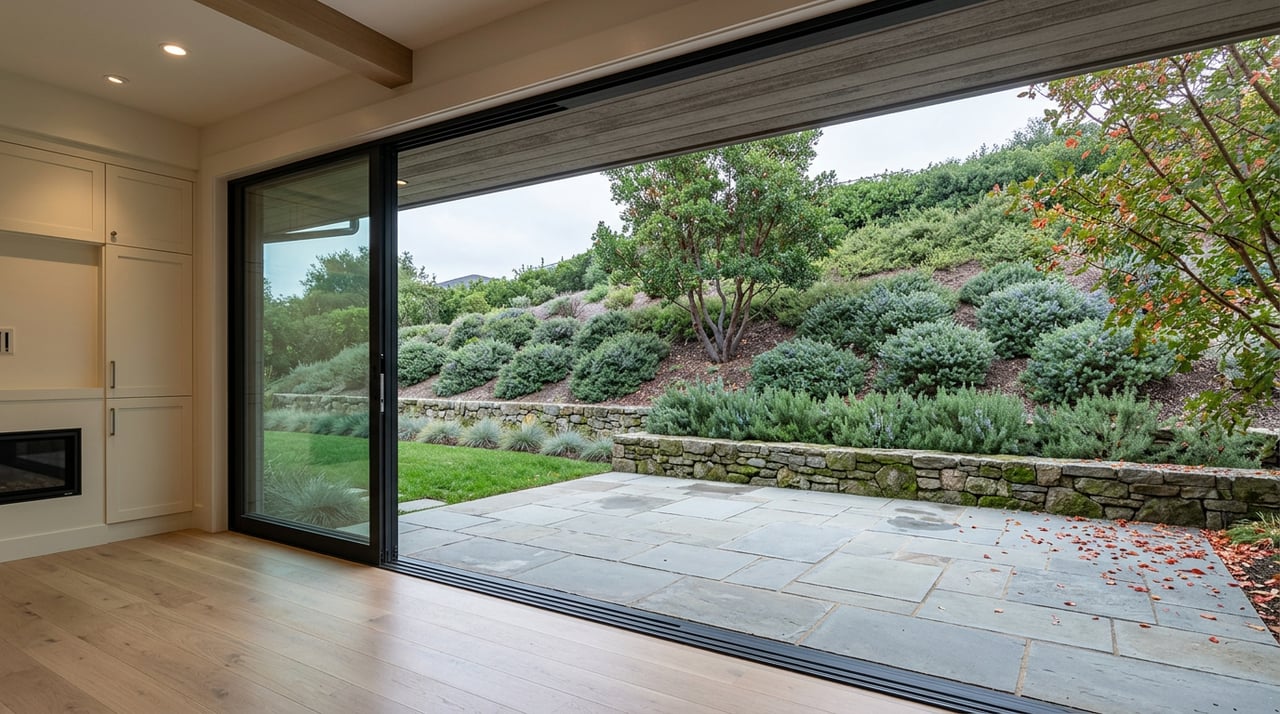
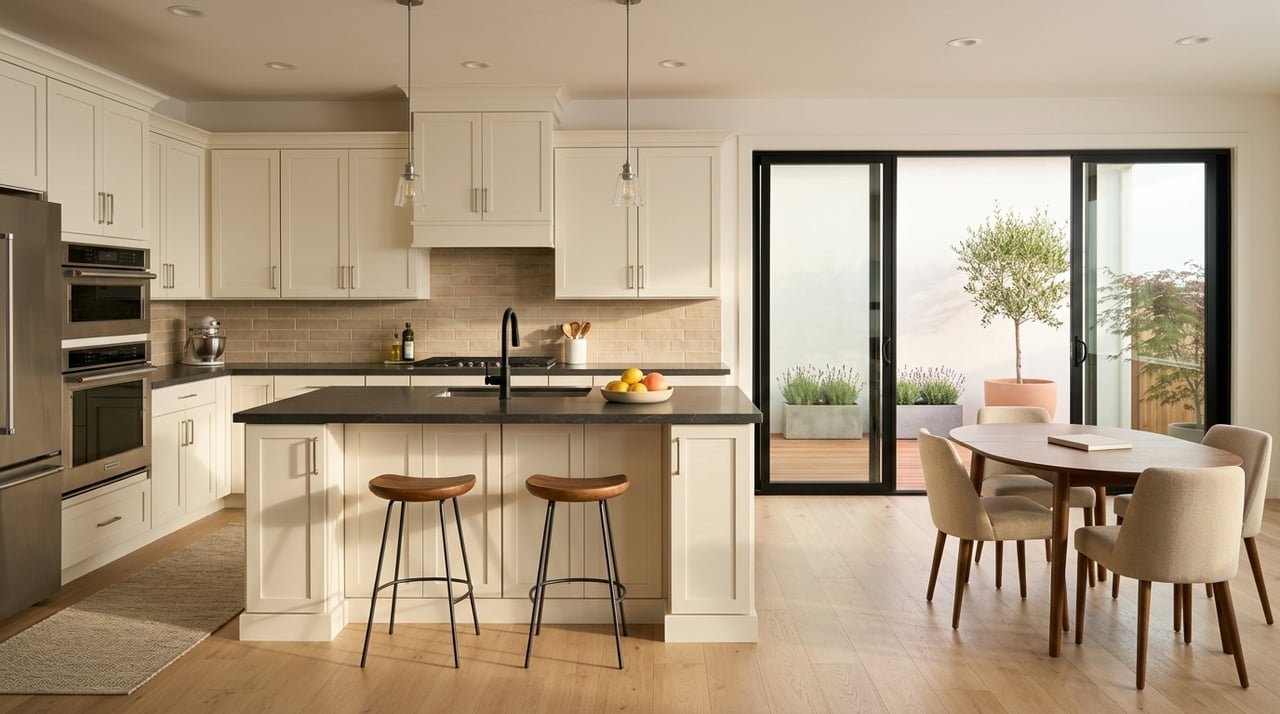
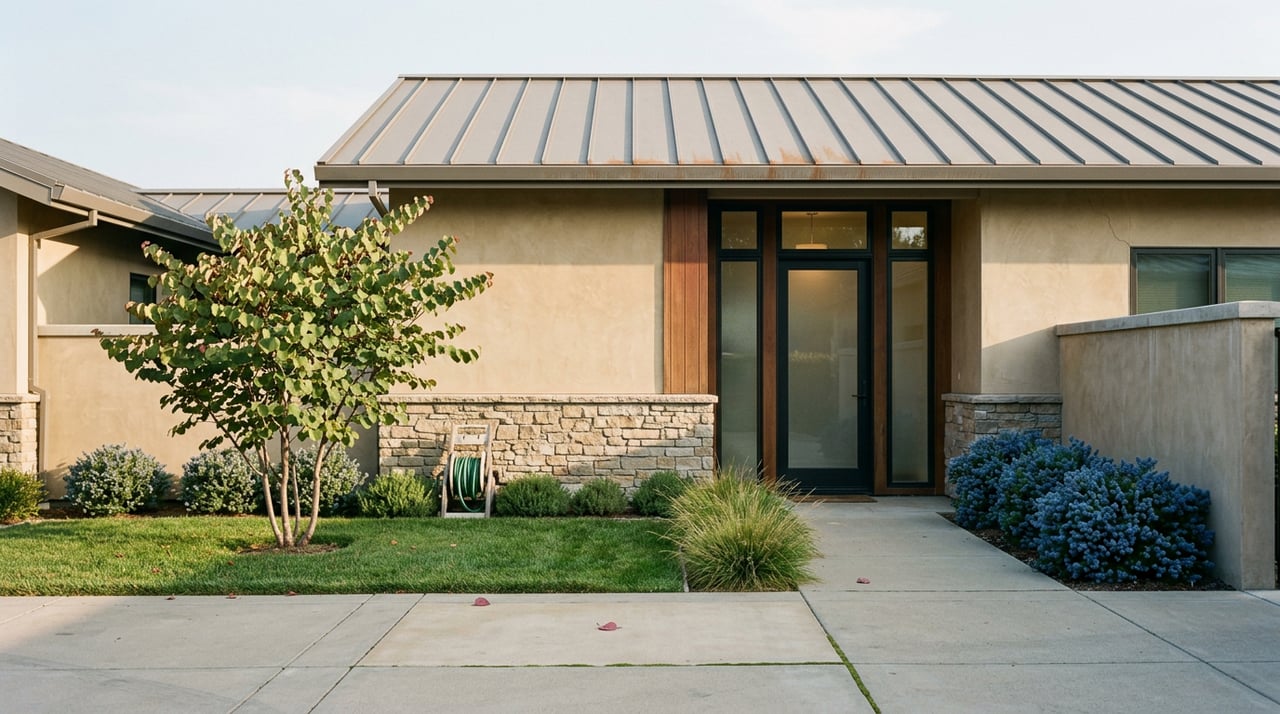
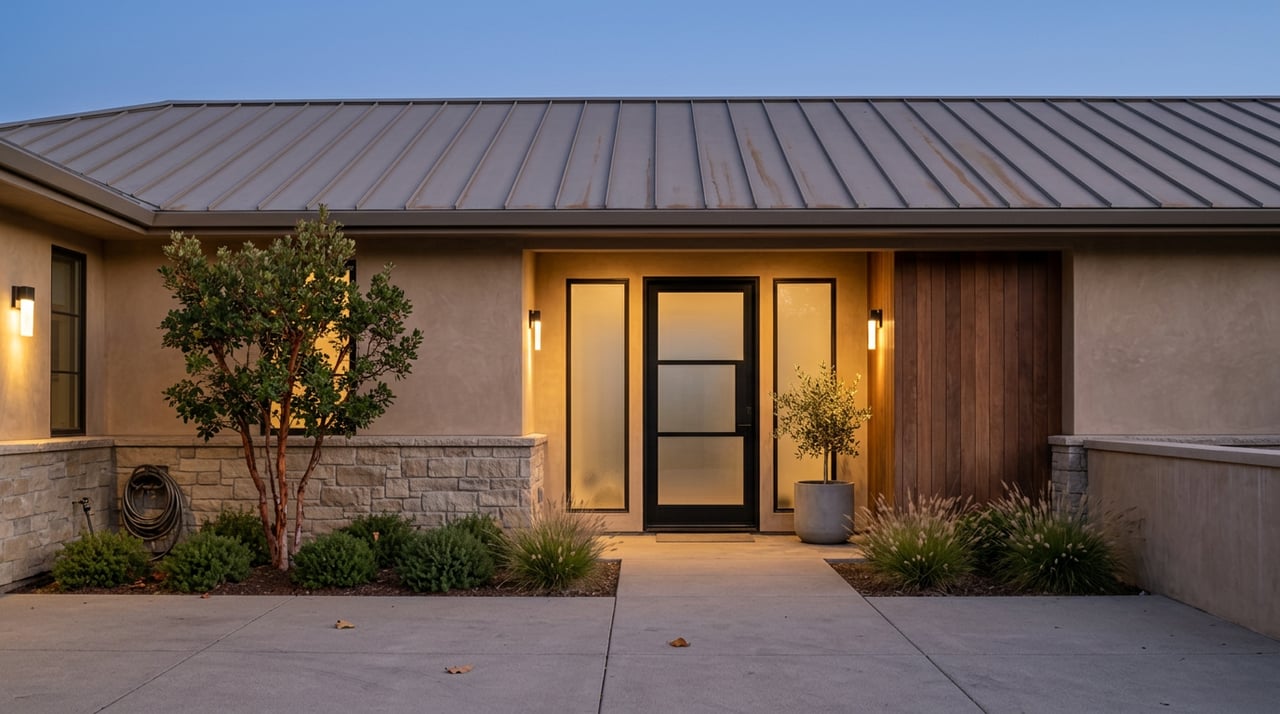
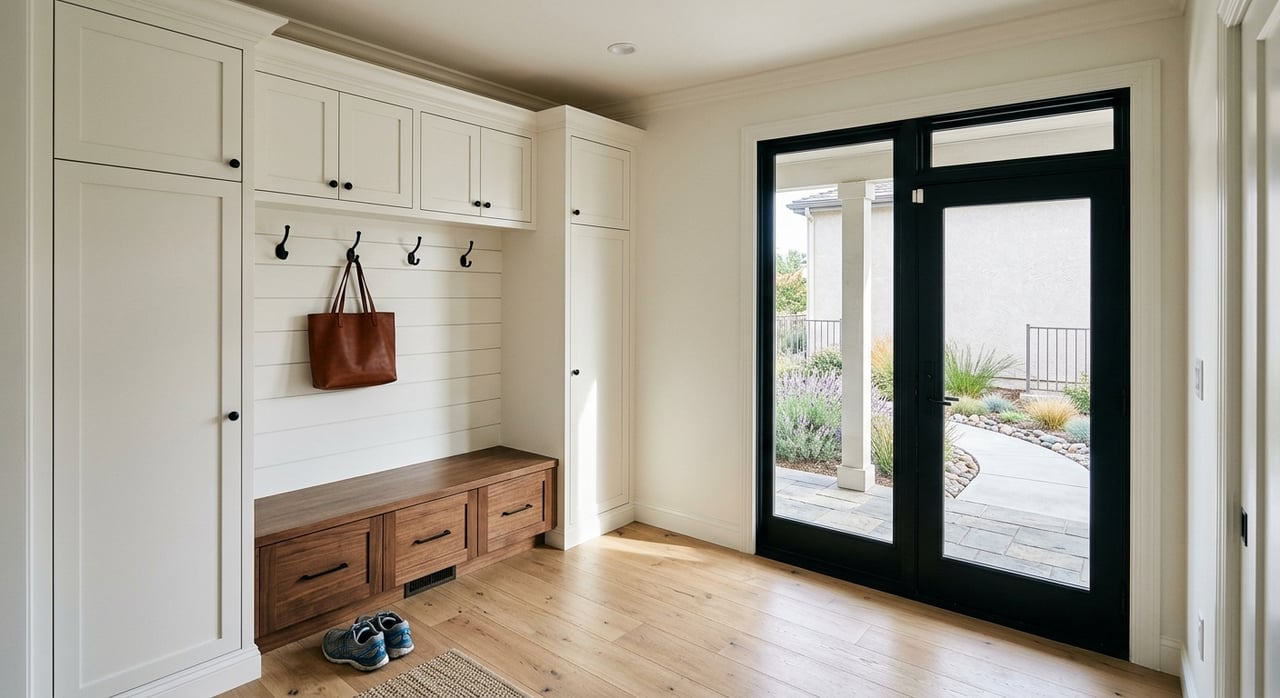
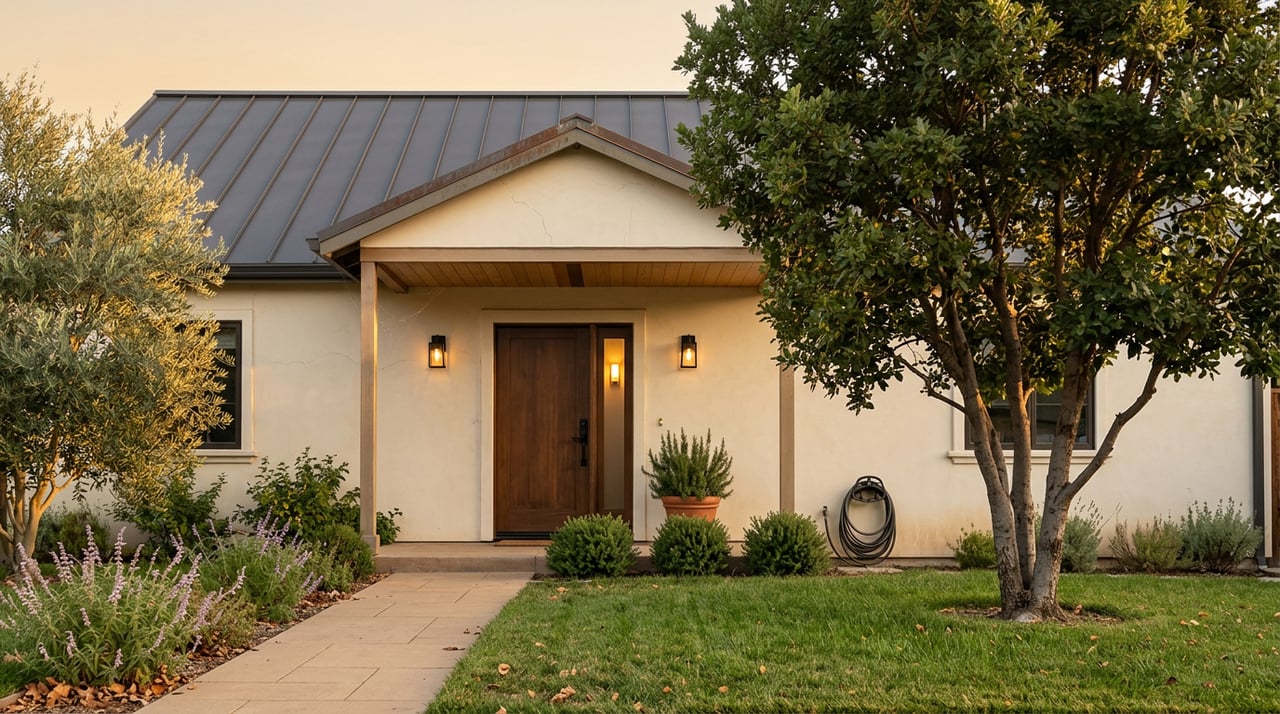
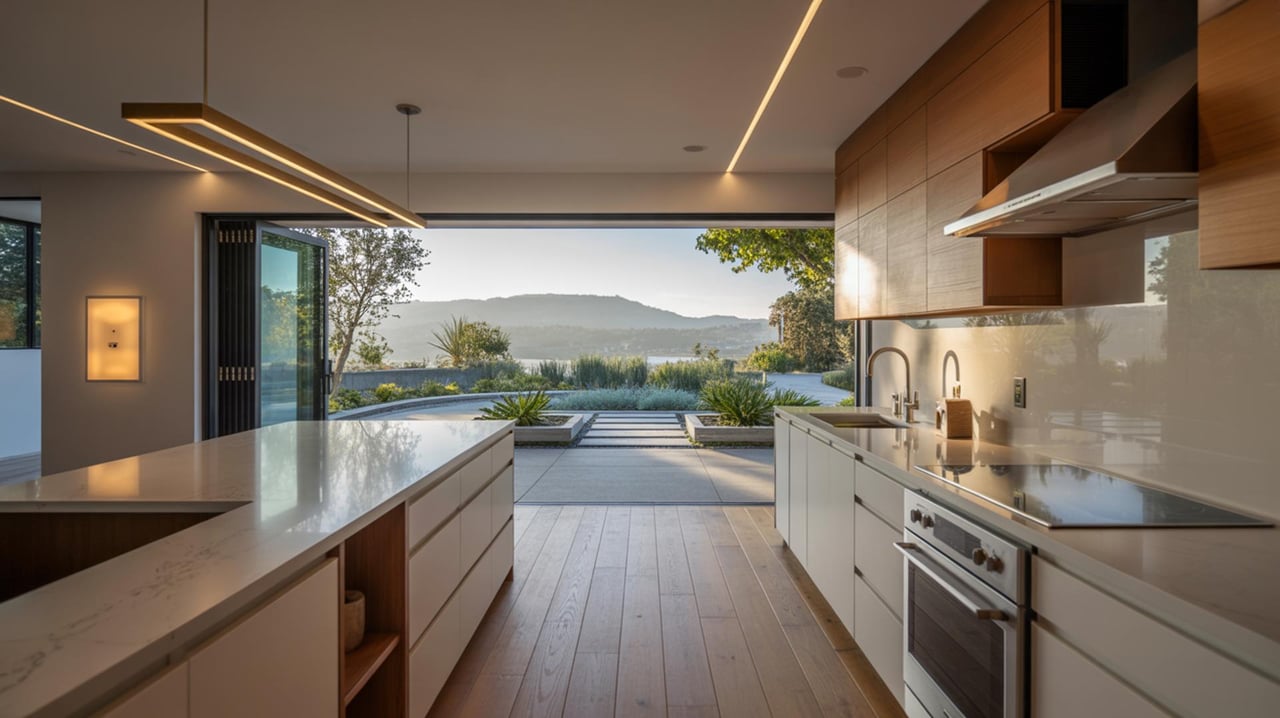
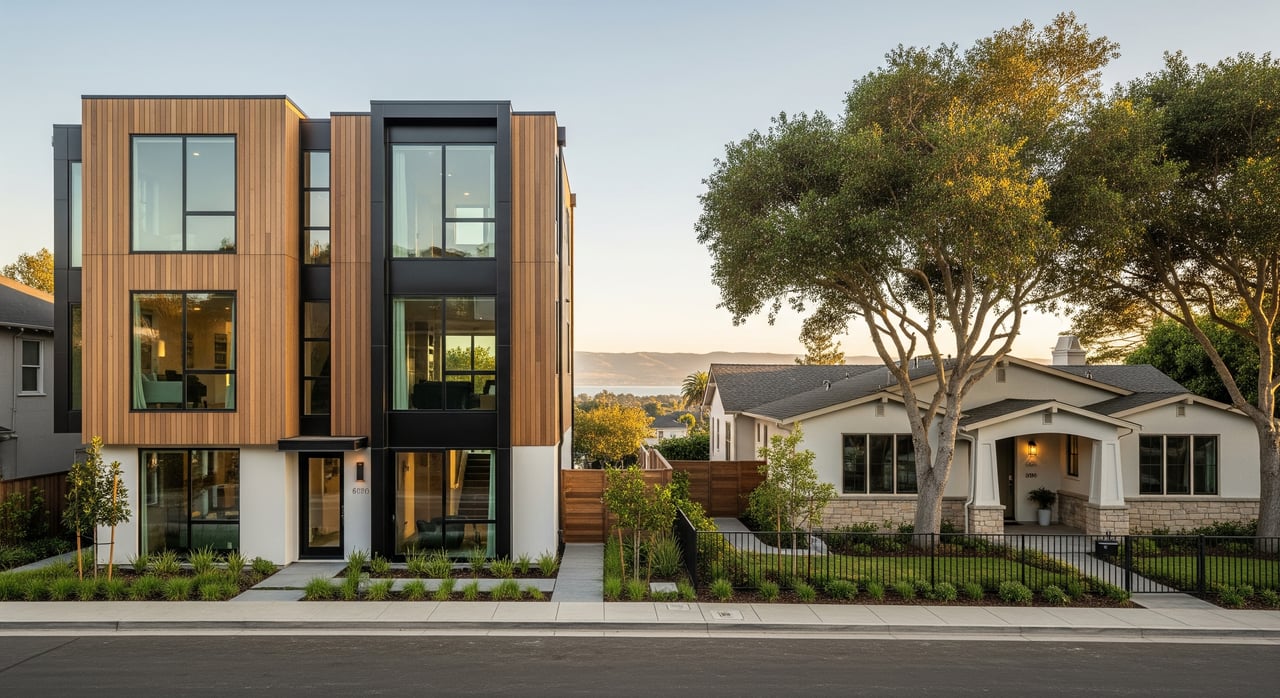
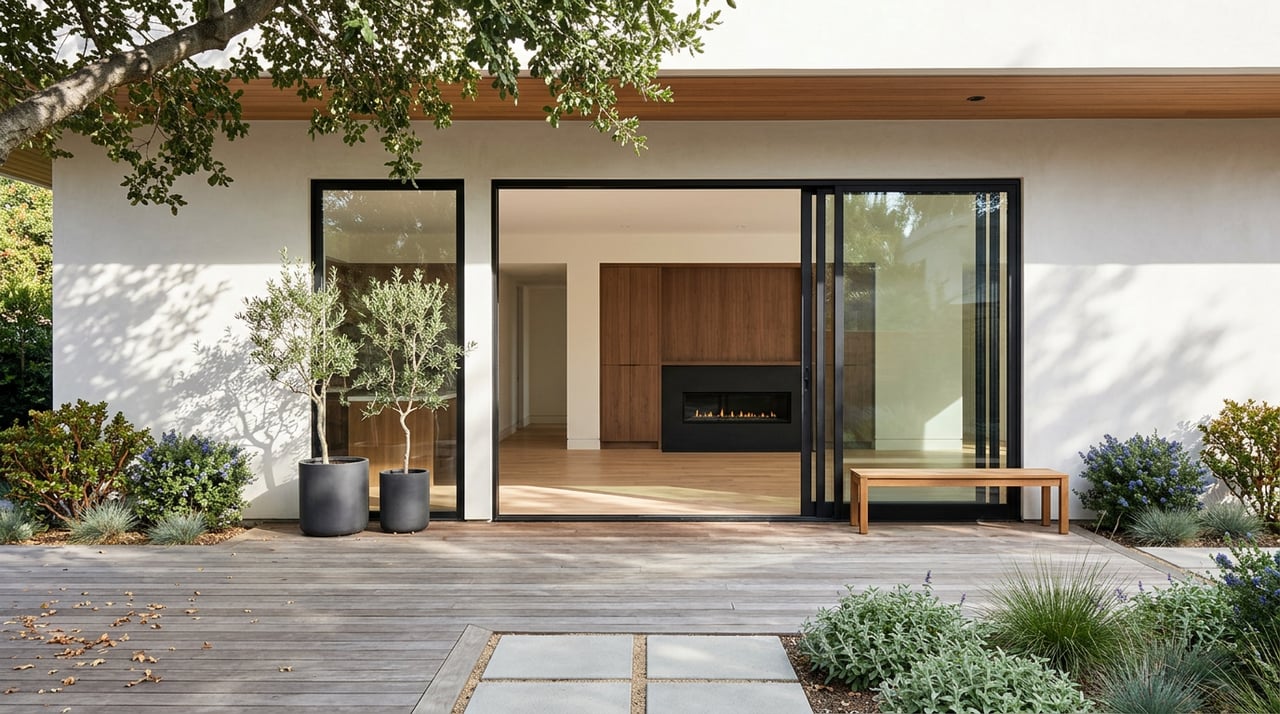
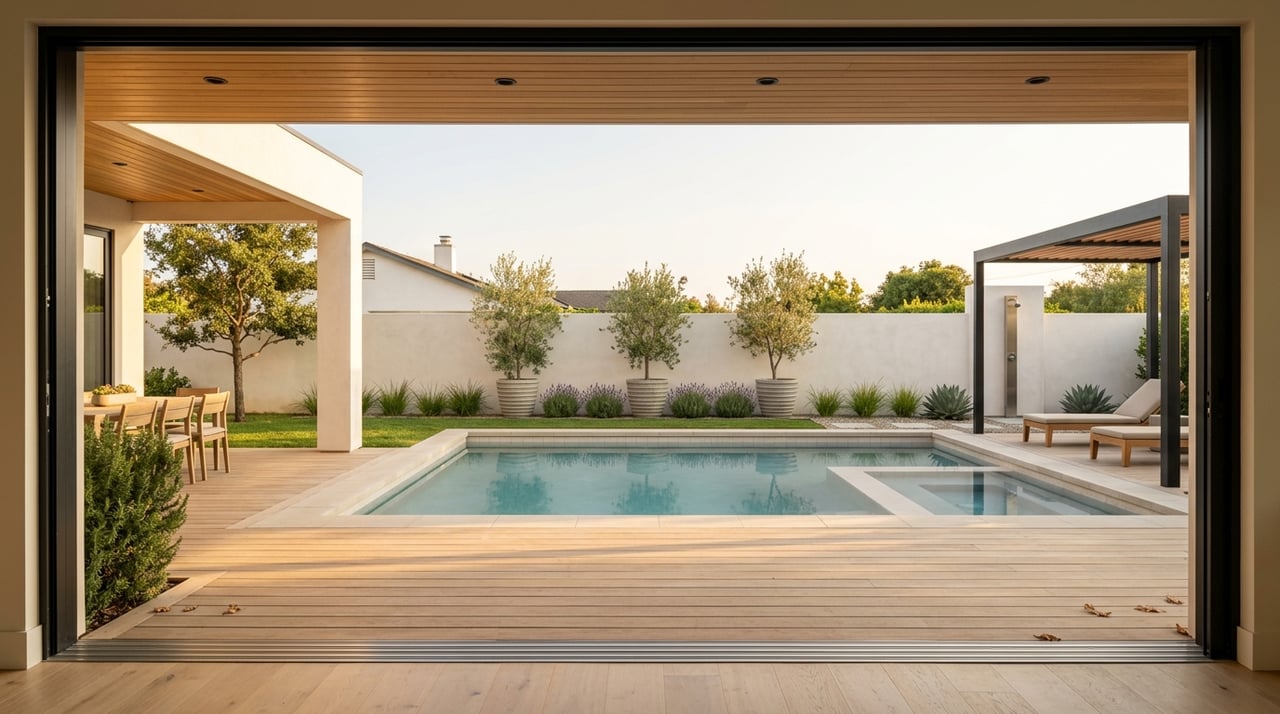
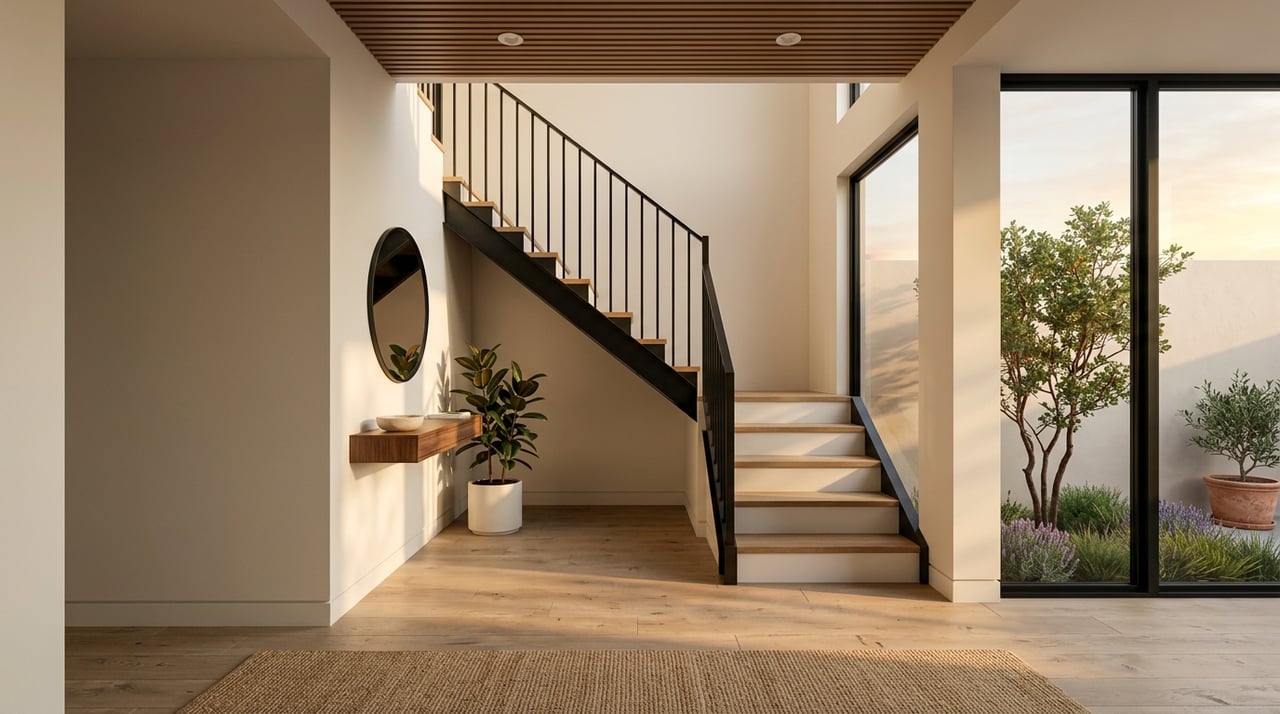
Because lots here are generous relative to the original home sizes, a great deal of Cambrian's inventory has been reinvented. Many modest 1,100-to-1,400-square-foot ranches have grown into 2,500-to-3,500-square-foot open-concept homes through second-story additions and outward expansions, often reemerging as modern Craftsman or board-and-batten farmhouse designs with high ceilings, large kitchen islands, and multi-slide patio doors. Rounding out the picture are the townhome and condo communities clustered along San Tomas Expressway, Union Avenue, and Bascom Avenue, plus a rapidly growing number of accessory dwelling units—converted garages and detached backyard cottages that California's ADU laws have made an increasingly popular tool for multigenerational living and rental income.
For a great many buyers, schools are the entire reason they are looking in Cambrian—so this section deserves close attention, because the district lines here are genuinely tricky.
The single most important thing to understand is that the geographic neighborhood of Cambrian is served by two separate elementary districts depending on the specific street address: the Cambrian School District and the Union School District. High schoolers from both feed into the Campbell Union High School District. Two homes on adjacent streets can land in different districts, and because certain assignments carry a price premium, this is not a detail to take on faith.
The Cambrian School District is a small, highly regarded K–8 district serving roughly 3,100 students. Its elementary campuses include Bagby, Fammatre, Farnham, and Sartorette, feeding into Ida Price Middle School, which is known for its performing arts and STEM electives. The district also operates the Steindorf STEAM Magnet School, a popular K–8 project-based program with lottery-based admission for district residents. Where Cambrian addresses fall inside the Union School District instead, families are typically near schools such as Carlton Avenue and Oster Elementary, with Dartmouth and Union Middle Schools serving the older grades.
At the high school level, students generally attend Branham, Leigh, or Westmont within the Campbell Union High School District. Leigh in particular has earned national recognition for academics, band and performing arts, and college placement, while Branham is well regarded for its AP offerings and athletics. The practical takeaway is simple: before writing an offer, verify the exact elementary and high school assignment directly with the district for that specific address, since it directly affects both your family's experience and the home's value.
For a neighborhood that feels thoroughly suburban, Cambrian is unusually rich in green space, both in its own parks and in the regional preserves just beyond its edges.
Close to home, Hogue Park serves as a ten-acre community hub with tennis and basketball courts, shaded picnic areas, a modern playground, and a walking loop favored by joggers and dog walkers. Paul Moore Park offers soccer and baseball fields, community garden beds, and wide-open lawn, while Doerr Park tucks lighted tennis courts and cricket practice areas beneath mature oaks in a quiet residential pocket. Houge Park and Butcher Park both include dedicated dog-park areas, and Butcher adds a summer splash pad that makes it a warm-weather magnet for families with young children.
Step just outside the neighborhood and the recreation options expand considerably. The Los Gatos Creek Trail runs along Cambrian's western edge, a paved multi-use path stretching for miles from the Lexington Reservoir in Los Gatos all the way into downtown San Jose—ideal for serious cyclists and casual walkers alike. A few minutes south lies Almaden Quicksilver County Park, more than 4,000 acres of oak woodland, historic mining ruins, and demanding hiking and equestrian trails. And on the Los Gatos border sits Vasona Lake County Park, with pedal boats, lakeside lawns, and the beloved Billy Jones Wildcat Railroad.
Cambrian's commercial life is less a single main street than a constellation of neighborhood centers, backed up by easy access to some of the South Bay's premier shopping destinations.
The dining scene leans warm and unpretentious, built around family-run spots and genuinely good multicultural cooking. Longtime favorites include Blue Rock BBQ for Memphis-style barbecue, Big E Cafe for handmade sweet and savory empanadas, and The Cup & Saucer for classic diner breakfasts. The area's Asian and Latin options are a real strength, from House of Pho to Goku Korean BBQ & Hotpot to a scattering of solid neighborhood taquerias. From May through September, the seasonal Cambrian Park Farmers' Market brings local growers, food trucks, and live music to Wednesday evenings.
On the retail side, the historic Cambrian Park Plaza is entering a new chapter. The aging strip mall is being redeveloped into Cambrian Village, an ambitious eighteen-acre mixed-use project that will replace the old center with a walkable promenade of restaurants and ground-floor shops, new housing, and roughly four acres of public park space—a genuine transformation of the neighborhood's historic core. For everyday errands, the Downing and Camden Park centers cover the basics with Safeway, BevMo!, banks, and fitness studios. And because Cambrian borders so many hubs, residents are only five to fifteen minutes from the Pruneyard and downtown Campbell, the boutiques and fine dining of downtown Los Gatos, and the flagship luxury retail of Santana Row and Westfield Valley Fair.
Cambrian's popularity with commuters comes down to geography: it sits at a natural crossroads between Silicon Valley's tech centers, the East Bay, and the coast.
State Route 85 cuts through the southern part of the neighborhood, forming the main artery west toward Cupertino and Mountain View and east into South San Jose. Along the western edge, Highway 17 and I-880 provide a direct path north toward San Jose International Airport and Oakland, and south over the hill to Santa Cruz. To the east, Almaden Expressway and Highway 87 offer a fast north-south run straight into downtown San Jose.
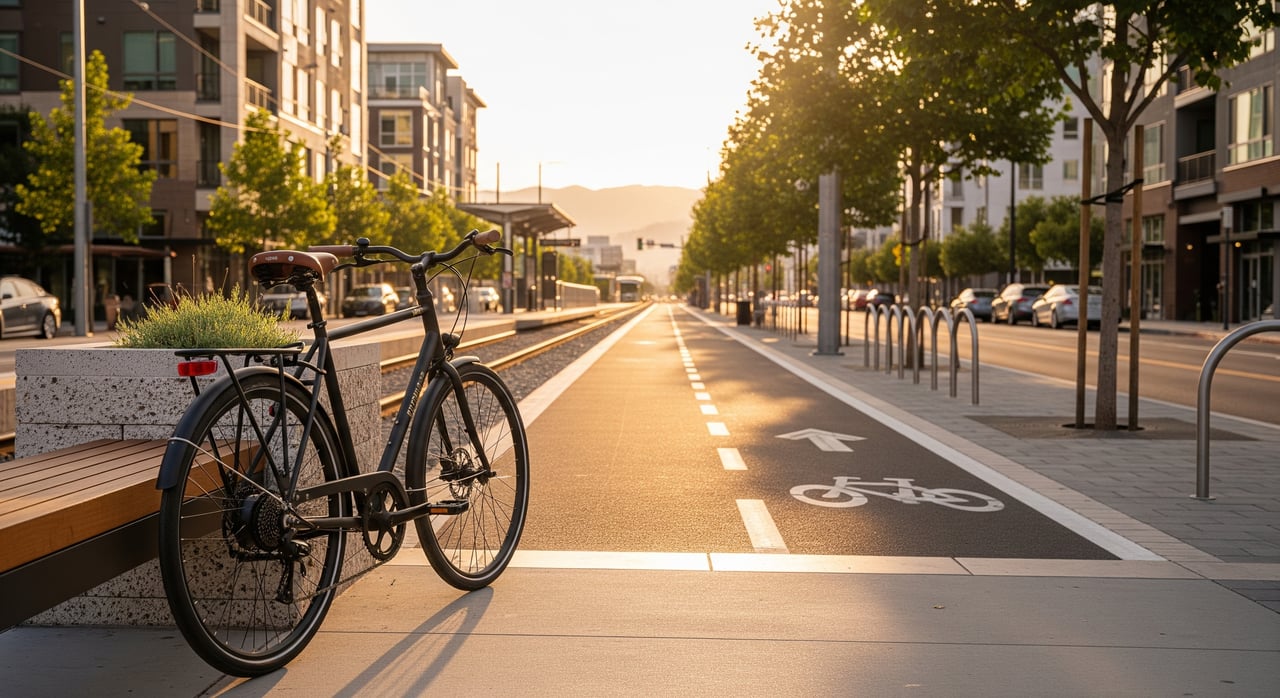
In practical terms, that puts downtown San Jose about ten to fifteen minutes away, Apple Park in Cupertino roughly fifteen to twenty-five minutes, the Googleplex in Mountain View twenty-five to forty minutes, and Meta's Menlo Park campus thirty-five to fifty minutes depending on traffic. For those who prefer transit, nearby VTA Light Rail stations in Campbell and Almaden connect into downtown San Jose and Santa Clara, Caltrain is a short hop away at the Diridon and Tamien stations for peninsula and San Francisco service, and VTA bus routes run along the main Bascom, Camden, and Union corridors.
There is no way around it: living in Cambrian costs well above the national and California averages, and housing is the overwhelming reason. Home prices here run more than three times the national norm, though other categories are more moderate. Utilities sit slightly above average—partly offset by the mild climate that keeps winter heating bills low—and the combined sales tax rate in San Jose and Santa Clara County is 9.75 percent.
Property taxes follow California's statewide Proposition 13 framework, which is worth understanding clearly because it shapes both your monthly cost and your long-term financial picture. Under Prop 13, the base property tax rate is fixed at 1.0 percent of the home's assessed purchase price. Local school bonds, emergency service levies, and water district assessments typically add another 0.1 to 0.3 percent, so new buyers in Cambrian generally see an effective rate between 1.1 and 1.25 percent.
To make that concrete: on a $2,000,000 single-family home, the base tax runs about $20,000 a year, with local bonds and assessments adding roughly $3,000, for a total near $23,000 annually—about $1,916 a month. The compensating benefit is that once you purchase, Prop 13 caps annual increases in your assessed value at a maximum of 2 percent per year regardless of how far the market climbs, which over time creates substantial savings for long-term owners relative to recent buyers.
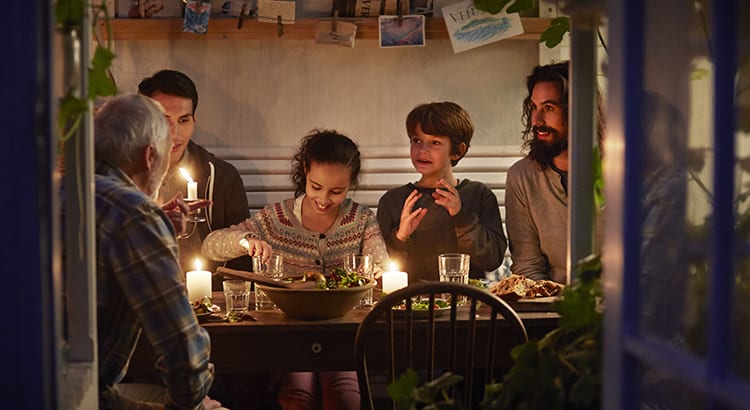
Cambrian's character is best described as small-town warmth tucked quietly inside Silicon Valley. It draws established families, mid-career tech professionals, and long-settled retirees—people who tend to value a calm, home-centered rhythm over urban nightlife.
Daily life revolves around residential streets, backyard gatherings, and neighborhood parks. Without high-rise density or major commercial strips cutting through the blocks, traffic stays gentle and the streets stay quiet. Because the elementary and middle schools rank so highly, much of community life orbits the school calendar—Little League, youth soccer, and weekend park outings—which reinforces the family-first feel. The seasonal farmers' market, summer block parties, Halloween parades, and neighborhood garage sales are the kinds of small rituals that give Cambrian its texture.
Perhaps the clearest signal of the neighborhood's identity is how residents describe themselves. Even though most of Cambrian is legally part of San Jose, people here rarely say they live in San Jose. They say they live in Cambrian—a small distinction that speaks to a genuine and unusually strong sense of local pride.
Cambrian is consistently ranked among the safest and most stable residential areas in San Jose and the wider county. Total crime is estimated to run roughly 50 percent below national averages and about 30 to 35 percent below San Jose's citywide figures, with violent crime especially rare. As in most affluent Silicon Valley suburbs, the realistic day-to-day concerns are minor property issues—the occasional package theft, unlocked-car break-in, or bike theft—and residents lean heavily on active neighborhood watch groups and apps like Nextdoor and Ring to stay coordinated.
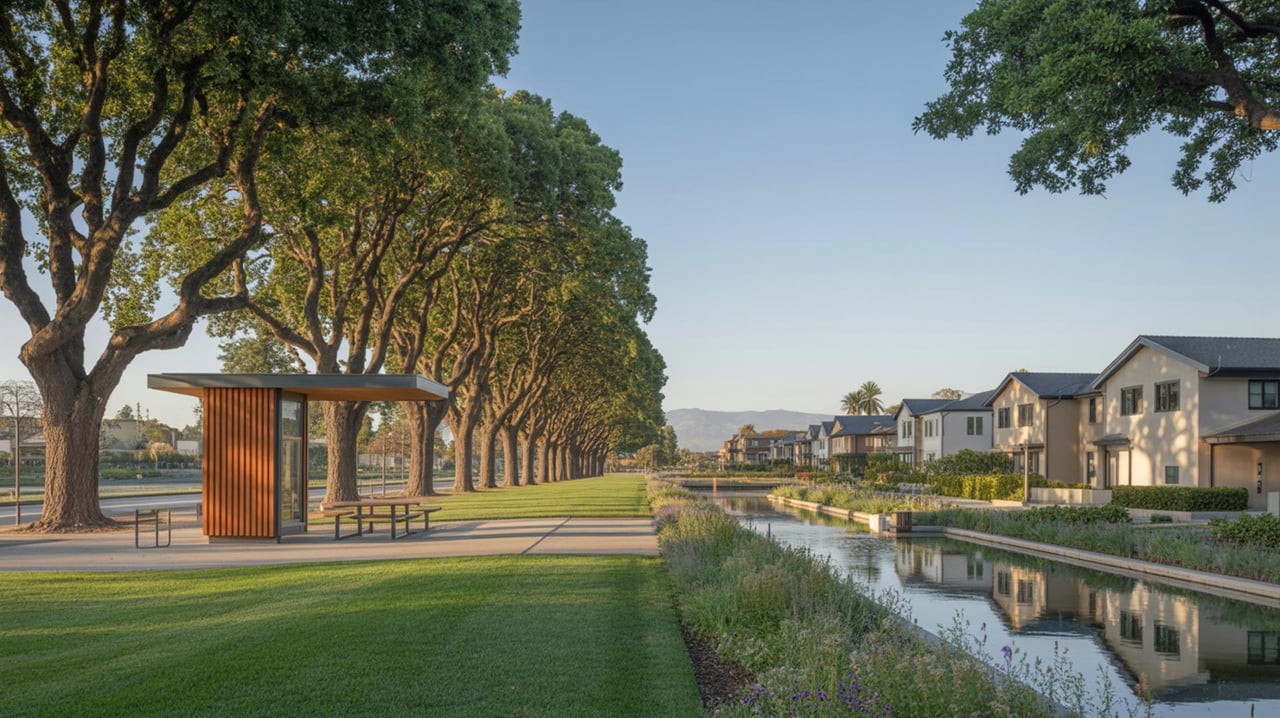
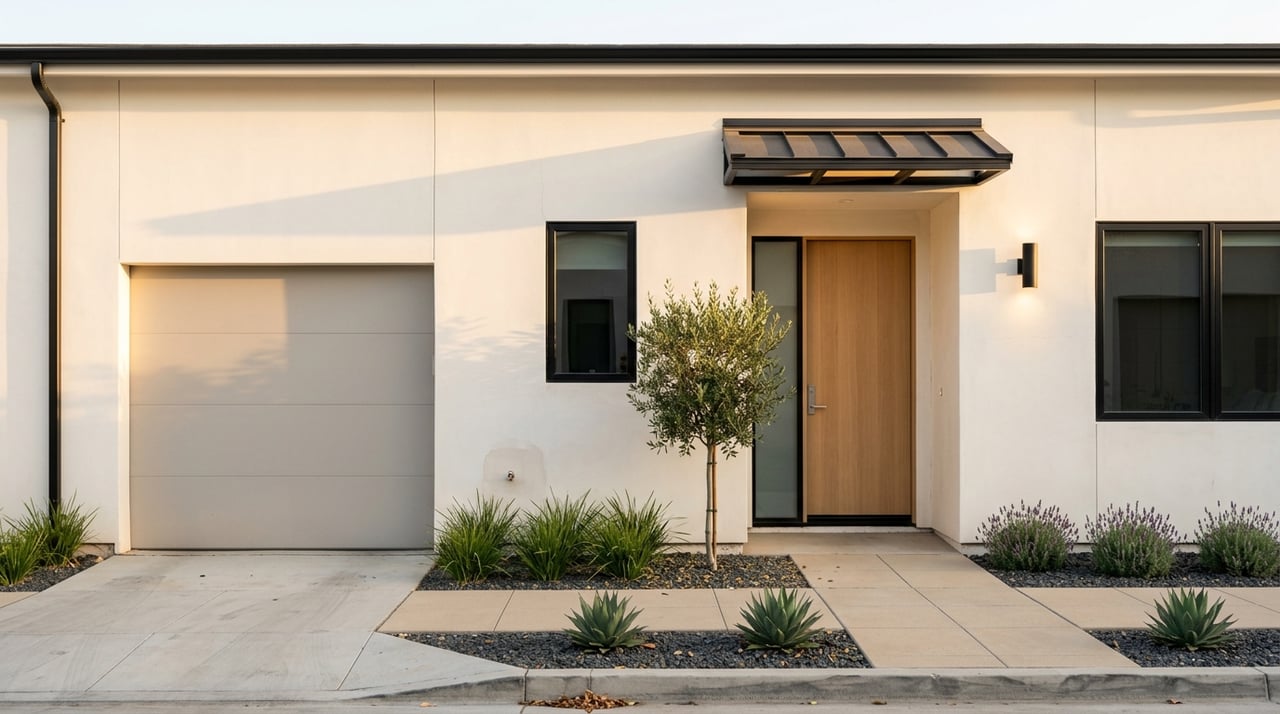
The physical character of the neighborhood reinforces that sense of ease. Streets are wide, well-lit, and laid out on a sidewalk grid that makes evening walks and stroller outings genuinely pleasant. Homeowners take visible pride in their properties, and many original 1950s lawns have been reimagined as low-maintenance, drought-tolerant California native gardens. Because building heights largely hold to one- and two-story profiles, the streets keep an open, sunny feel with uninterrupted views toward the Santa Cruz mountains to the south—one of those quiet amenities you don't notice until you compare it to denser parts of the Valley.
Cambrian is a specific kind of Bay Area neighborhood, and it rewards buyers who know what they want. It suits people who prioritize space, schools, and safety over nightlife or architectural drama.
Families focused on education and a low-stress environment are the most natural fit; they come specifically to land inside the Cambrian or Union districts and their strong feeder high schools, and they value the quiet cul-de-sacs and walkable grid that let kids ride bikes and walk to school. Tech professionals form the second core group, drawn by the central position along SR-85, Highway 17, and Almaden Expressway, and by lots large enough to carve out a home office or add an ADU for remote work.
There is also a steady stream of value-seeking buyers relocating from Palo Alto, Mountain View, or Los Gatos, who find that the same budget stretches to noticeably more square footage and land here without sacrificing school quality. And finally, Cambrian appeals strongly to downsizers and multigenerational households—the dominance of single-story ranch homes means retirees can avoid stairs without giving up a private yard, while ADU potential makes room for extended family under one roof.
Cambrian's market is historically tight and fast-moving, and because so much of its demand is tied to school boundaries, both buyers and sellers benefit from a clear local strategy.
For buyers, the first rule is to verify the micro-market school assignment before doing anything else. Two homes a block apart can feed into different elementary districts, and since Cambrian and Union assignments often carry a premium, confirming the boundary directly with the district protects both your family's plans and your investment. The second reality is competition: turnkey homes in prime pockets routinely draw multiple offers within seven to twelve days, and the buyers who win typically review inspections and secure fully underwritten pre-approvals in advance so they can write clean, competitive offers. Finally, unless you're buying a fully remodeled home, budget for the realities of mid-century construction—ungrounded wiring, original galvanized plumbing, single-pane windows, and aging roofs are all common behind-the-wall surprises.
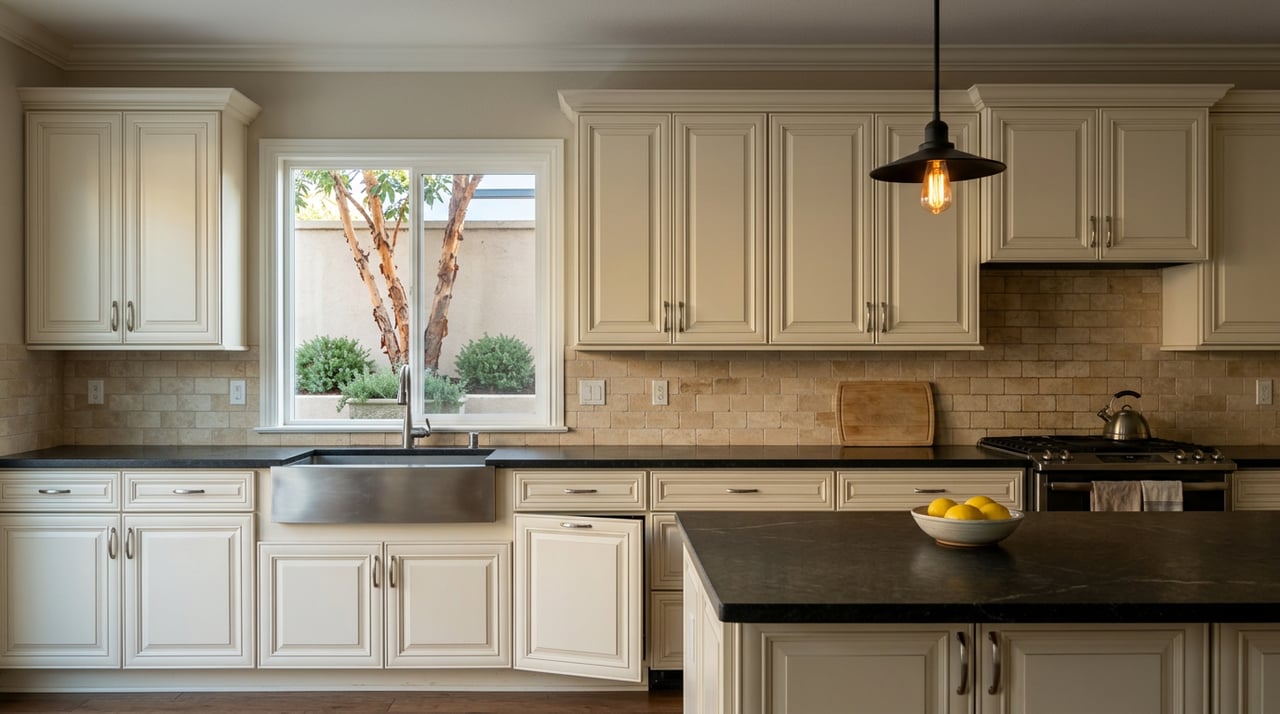
For sellers, the market strongly rewards preparation. Move-in-ready homes with fresh paint, updated flooring, a modern kitchen, and professional staging consistently outperform original-condition houses, often selling well over list. The standard local pricing approach is to set the number slightly below fair market value to generate heavy open-house traffic, then set an offer deadline that encourages competitive bidding. Providing a complete pre-sale disclosure package—home, pest and termite, and roof inspections—removes uncertainty and encourages buyers to come in with clean, high-value, contingency-free offers. In a market this nuanced, the difference between a good outcome and a record-setting one usually comes down to execution.
Cambrian rewards local knowledge, and that is exactly what the Samit Shah Real Estate Team brings to every transaction. Ranked in the top 0.5% of REALTORS® nationwide and honored among the Leading 100 in the Bay Area for five consecutive years, Samit Shah has helped hundreds of Silicon Valley families navigate exactly the kind of school-boundary complexity, fast-moving offer dynamics, and mid-century home considerations that define the Cambrian market. Whether you're trying to pinpoint which side of a district line a home falls on, structure a competitive offer, or prepare a listing to reach its full value, the team pairs data-driven strategy with genuine, long-term care for its clients.
If you're thinking about buying or selling in Cambrian, reach out for a conversation grounded in real local expertise. Call the Samit Shah Team at (408) 314-1828, email [email protected], or visit the office at 1133 Minnesota Ave, San Jose, CA 95125. Samit Shah, CA DRE# 01906486.
There's plenty to do around Cambrian, including shopping, dining, nightlife, parks, and more. Data provided by Walk Score and Yelp.
Explore popular things to do in the area, including Finley's Feasts, Dance Force Kids, and Connex Hair Systems.
| Name | Category | Distance | Reviews |
Ratings by
Yelp
|
|---|---|---|---|---|
| Dining | 0.11 miles | 0 reviews | 0/5 stars | |
| Active | 0.31 miles | 1 review | 2/5 stars | |
| Beauty | 0.33 miles | 0 reviews | 0/5 stars | |
| Beauty | 0.4 miles | 25 reviews | 5/5 stars | |
| Beauty | 0.52 miles | 0 reviews | 0/5 stars | |
|
|
||||
|
|
||||
|
|
||||
|
|
||||
|
|
||||
|
|
Cambrian has 2,027 households, with an average household size of 3. Data provided by the U.S. Census Bureau. Here’s what the people living in Cambrian do for work — and how long it takes them to get there. Data provided by the U.S. Census Bureau. 5,809 people call Cambrian home. The population density is 10,485 and the largest age group is Data provided by the U.S. Census Bureau.
Total Population
Population Density Population Density This is the number of people per square mile in a neighborhood.
Median Age
Men vs Women
Population by Age Group
0-9 Years
10-17 Years
18-24 Years
25-64 Years
65-74 Years
75+ Years
Education Level
Total Households
Average Household Size
Average individual Income
Households with Children
With Children:
Without Children:
Blue vs White Collar Workers
Blue Collar:
White Collar:
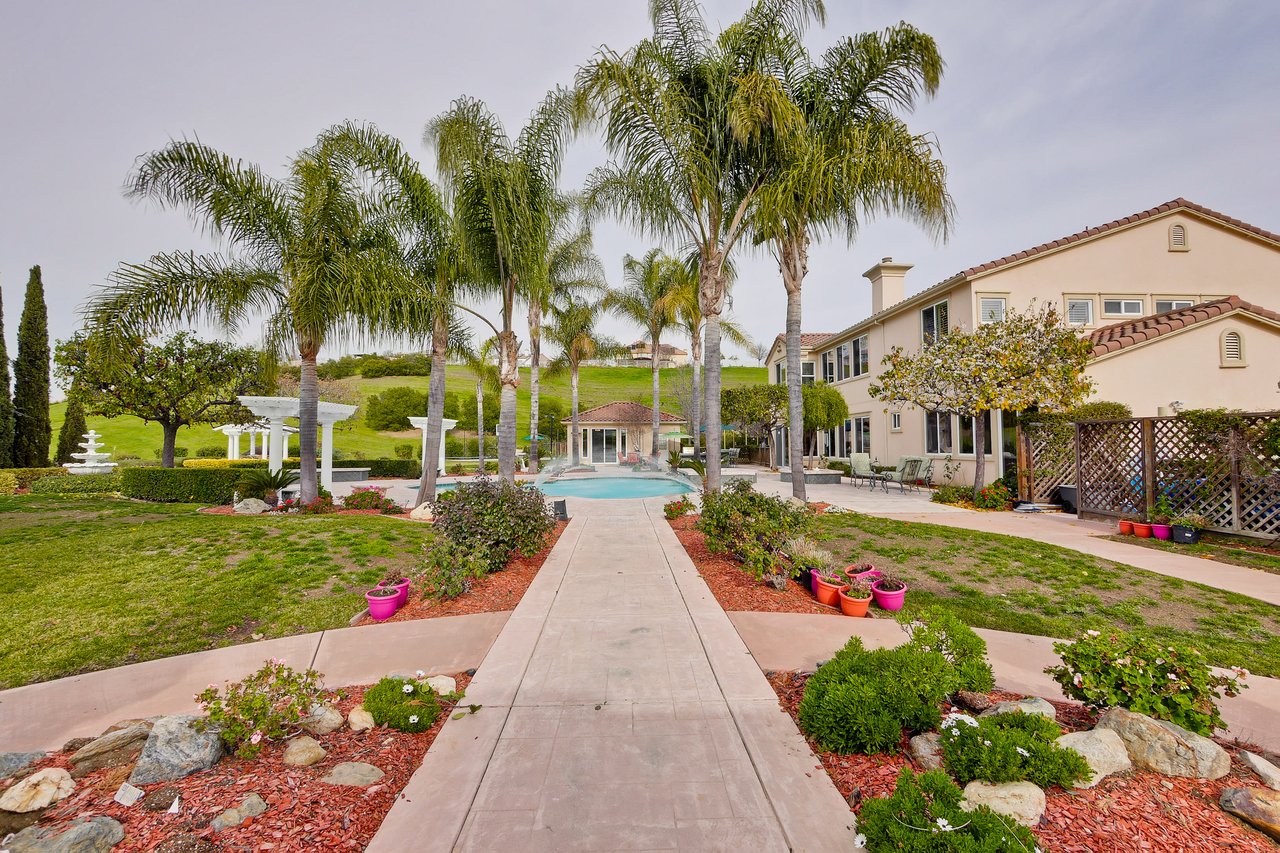
Search Blossom Valley, San Jose homes for sale, including luxury homes and new listings
Search Cambrian Park, San Jose homes for sale, including luxury homes and new listings
1133 Minnesota Ave San Jose, CA 95125
1133 Minnesota Ave San Jose, CA 95125