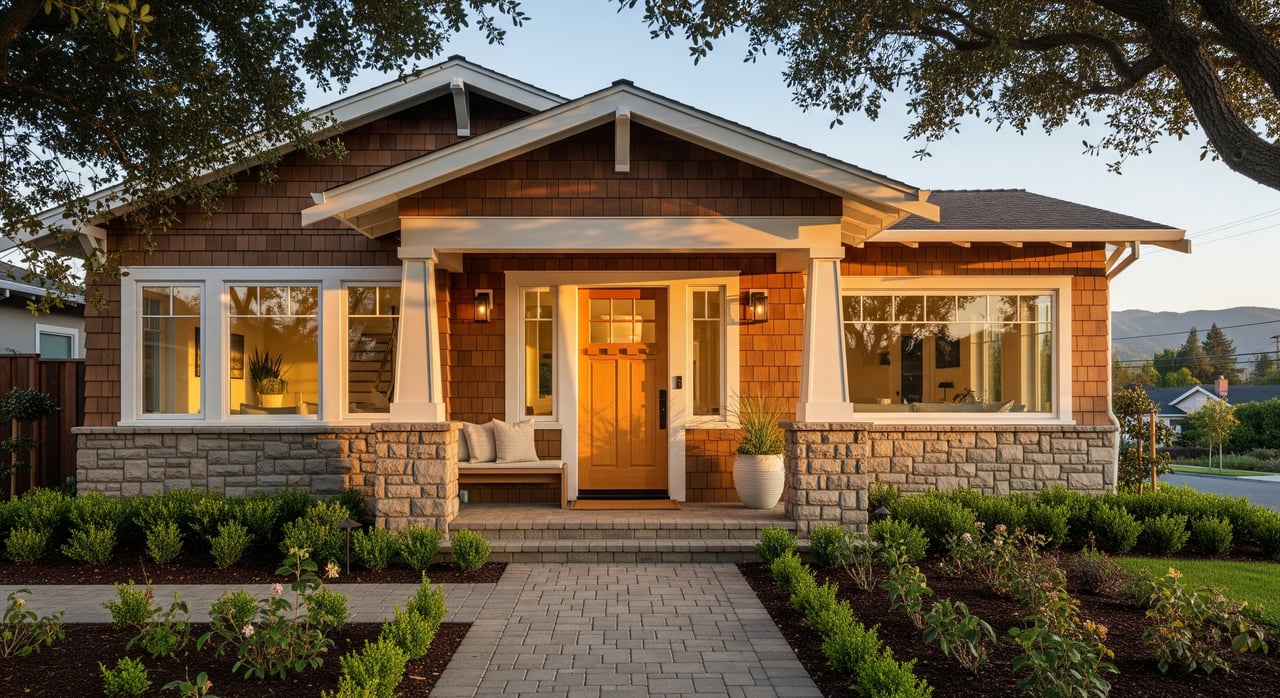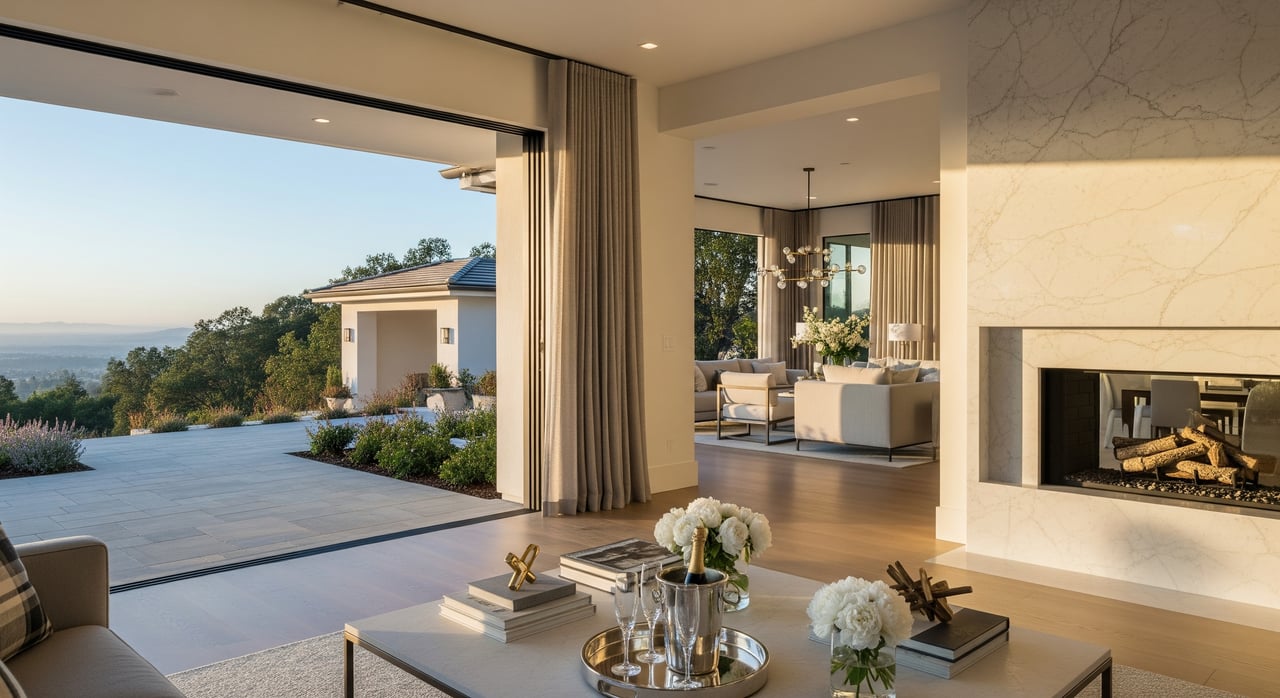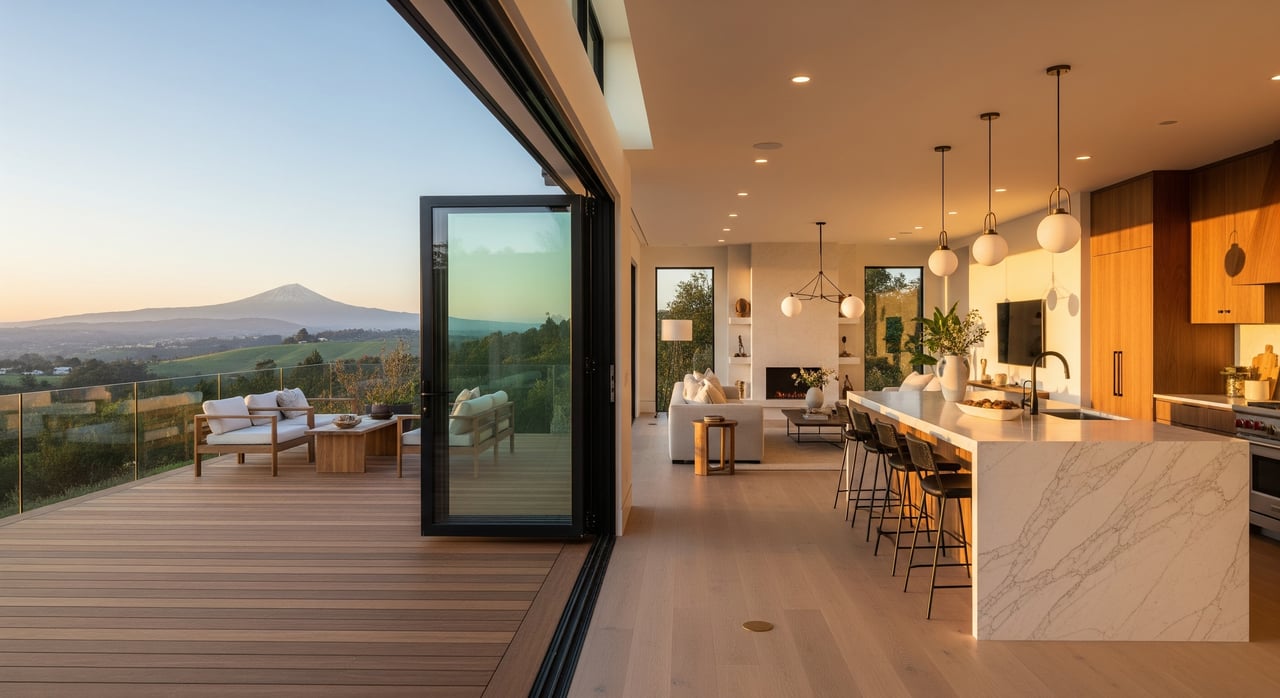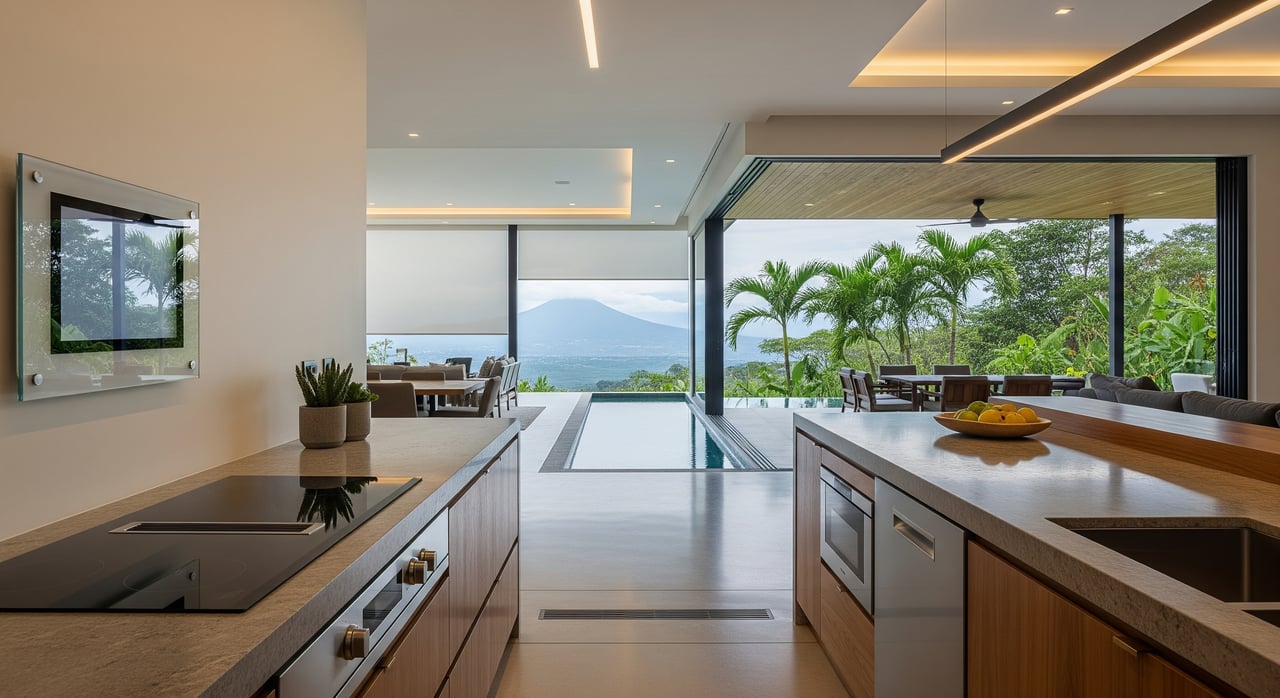
Explore Blossom Valley Homes for Sale in San Jose
Search Blossom Valley, San Jose homes for sale, including luxury homes and new listings
3,995 people live in Blossom Valley, where the median age is 41 and the average individual income is $119,059. Data provided by the U.S. Census Bureau.
Total Population
Median Age
Population Density
Average individual Income
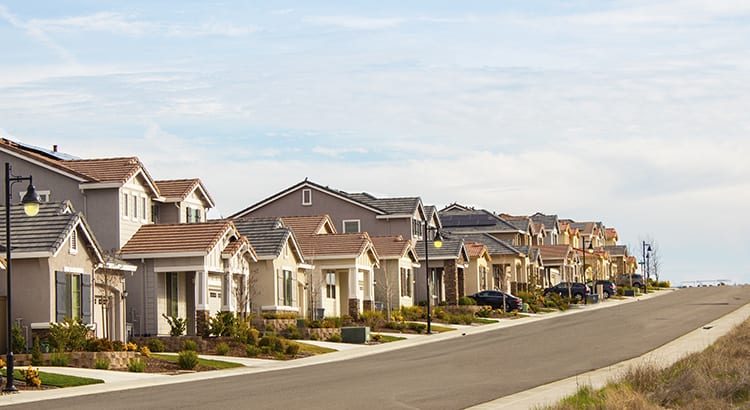
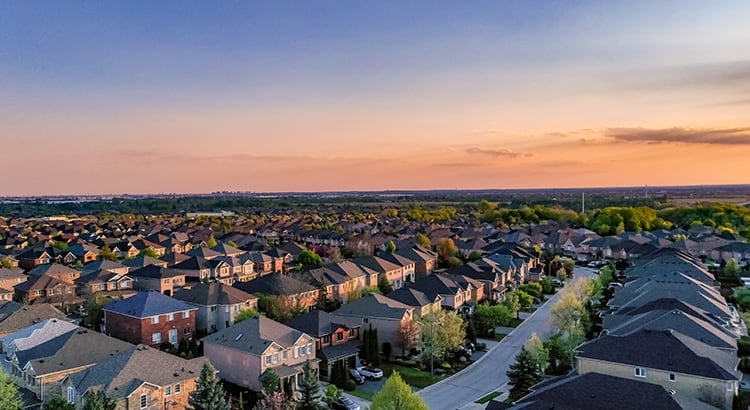
Blossom Valley is the largest contiguous residential district in South San Jose, and for a lot of Silicon Valley buyers, it's the place where the math finally works. You get a real single-family house on a real lot, in a flat, walkable, sidewalk-lined grid, with freeway access in three directions — and you do it for several hundred thousand dollars less than the neighborhoods just over the expressway.
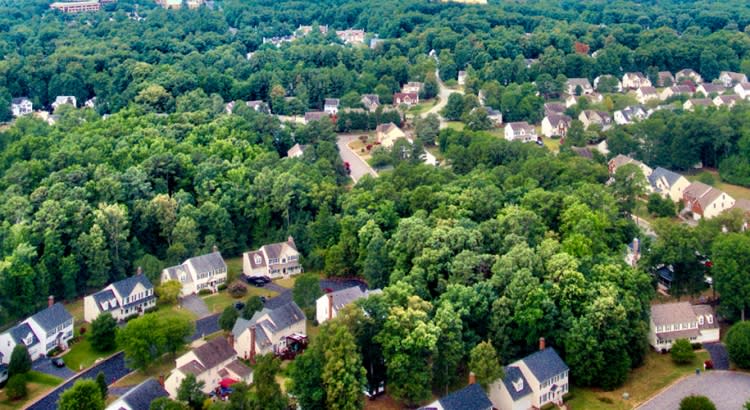
The district sits on the valley floor between the Almaden foothills to the west and the Santa Teresa Hills to the south. Almaden Expressway forms the western edge, where the land begins climbing into Almaden Valley. Highway 101 and the Coyote Creek corridor bound the east. The Santa Teresa foothills and open space close it off to the south, and the Curtner Avenue / Highway 87 corridor near Communications Hill marks the northern transition into Willow Glen and older South San Jose.
Four ZIP codes cover the district, and they are not interchangeable — they carry meaningfully different housing stock and price behavior.
ZIP | Area | What defines it |
|---|---|---|
95123 | Central and southern Blossom Valley | The core. Westfield Oakridge, Santa Teresa High, Martial Cottle Park, immediate Hwy 85/87 access |
95136 | Northern Blossom Valley toward Communications Hill | Gunderson High attendance, Snell and Branham corridors, heavy townhome and condo mix |
95111 | Northeastern fringe toward Seven Trees and Edenvale | Higher density, smaller original tracts, most accessible entry pricing |
95139 | Far south near Santa Teresa Golf Club | Foothill-adjacent pockets, Martinvale, transition toward Coyote Valley |
Understanding the neighbors matters as much as understanding the boundaries. Almaden Valley, directly west, sits higher with larger lots, custom homes, and the Leland High School halo — a different price tier entirely, though the two communities share the Almaden Expressway retail spine. Santa Teresa, to the south, blends into Blossom Valley so seamlessly that most residents use the names loosely; they share the foothills, the golf course, and the light rail line. Edenvale, across 101 to the northeast, is the employment side of the equation — industrial and tech parks along Hellyer Avenue that put jobs within a ten-minute drive of a $1.4M house.
This was orchard land until the 1960s. What replaced it was one of the most efficient suburban build-outs in Santa Clara County history, and that history explains almost everything a buyer encounters here today.
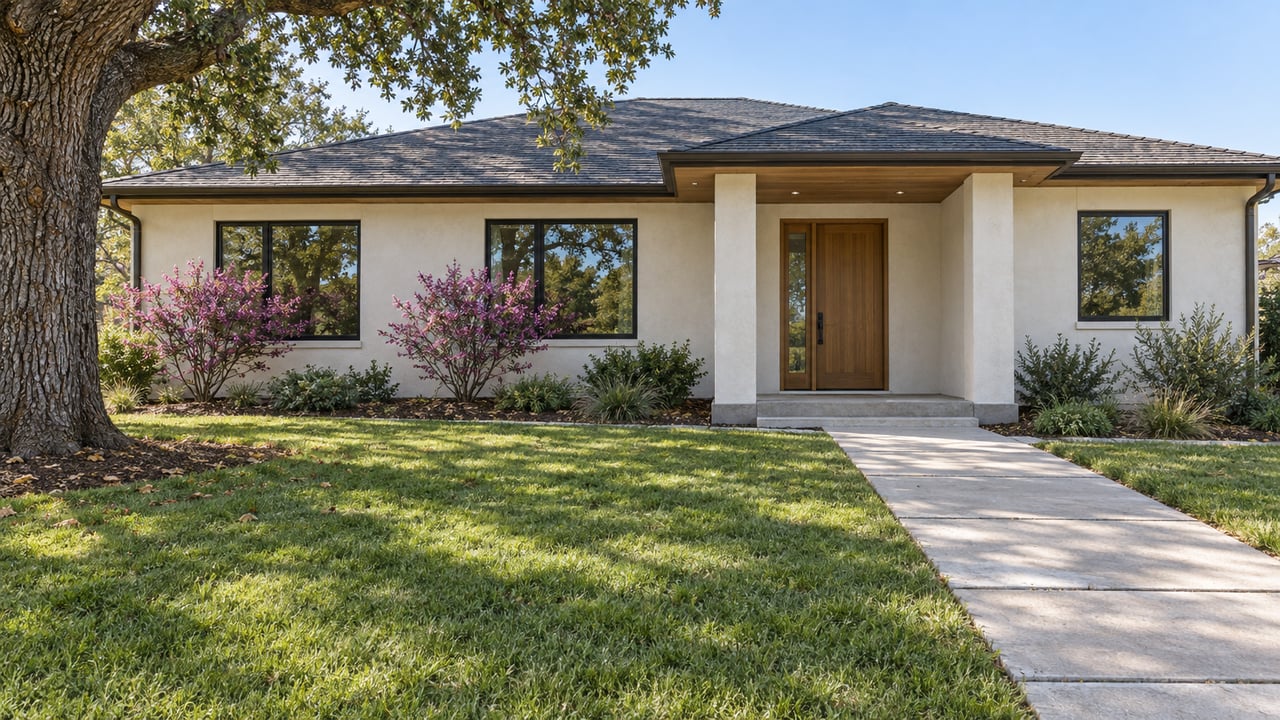
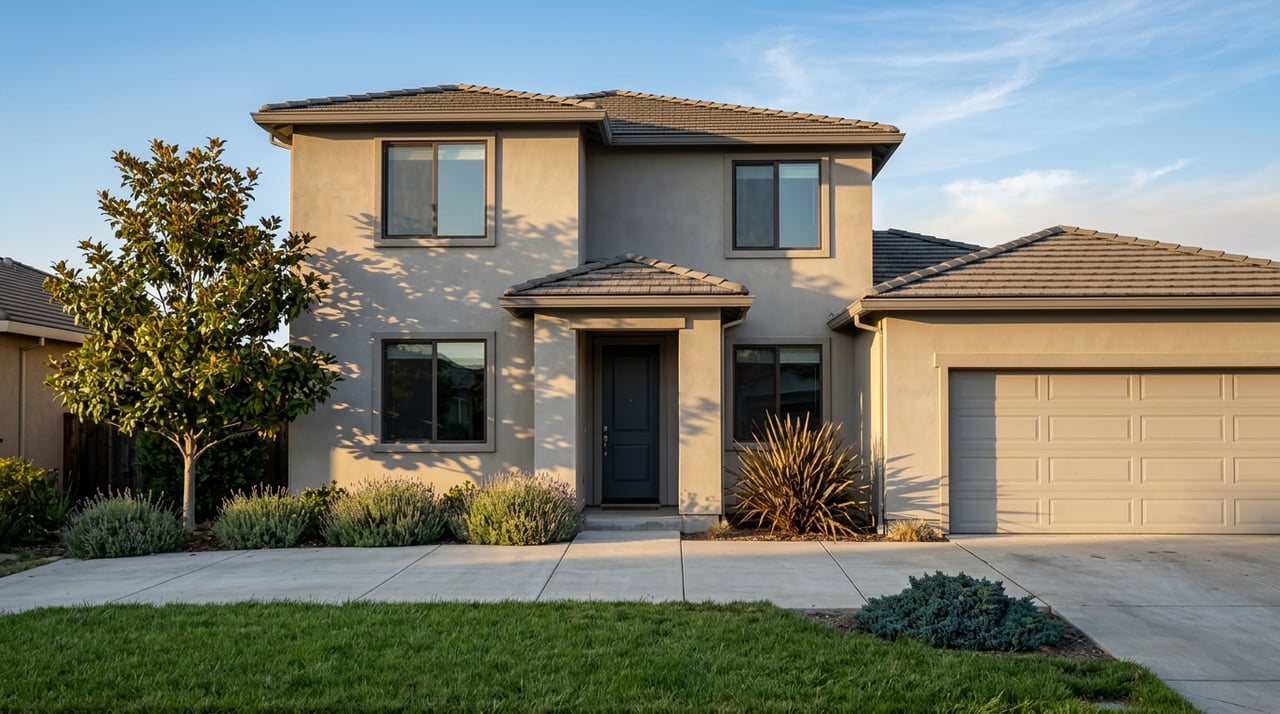
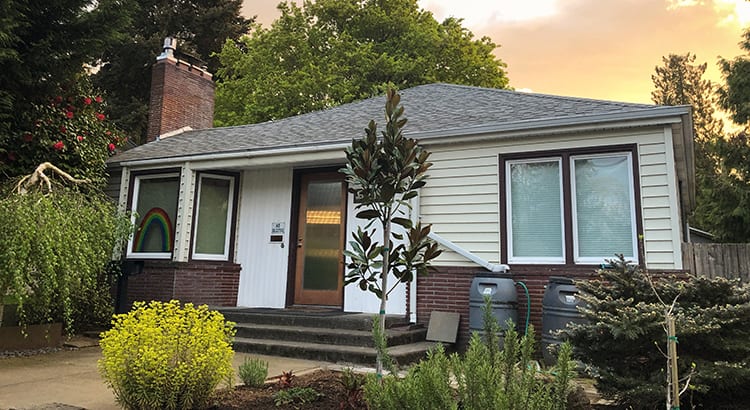
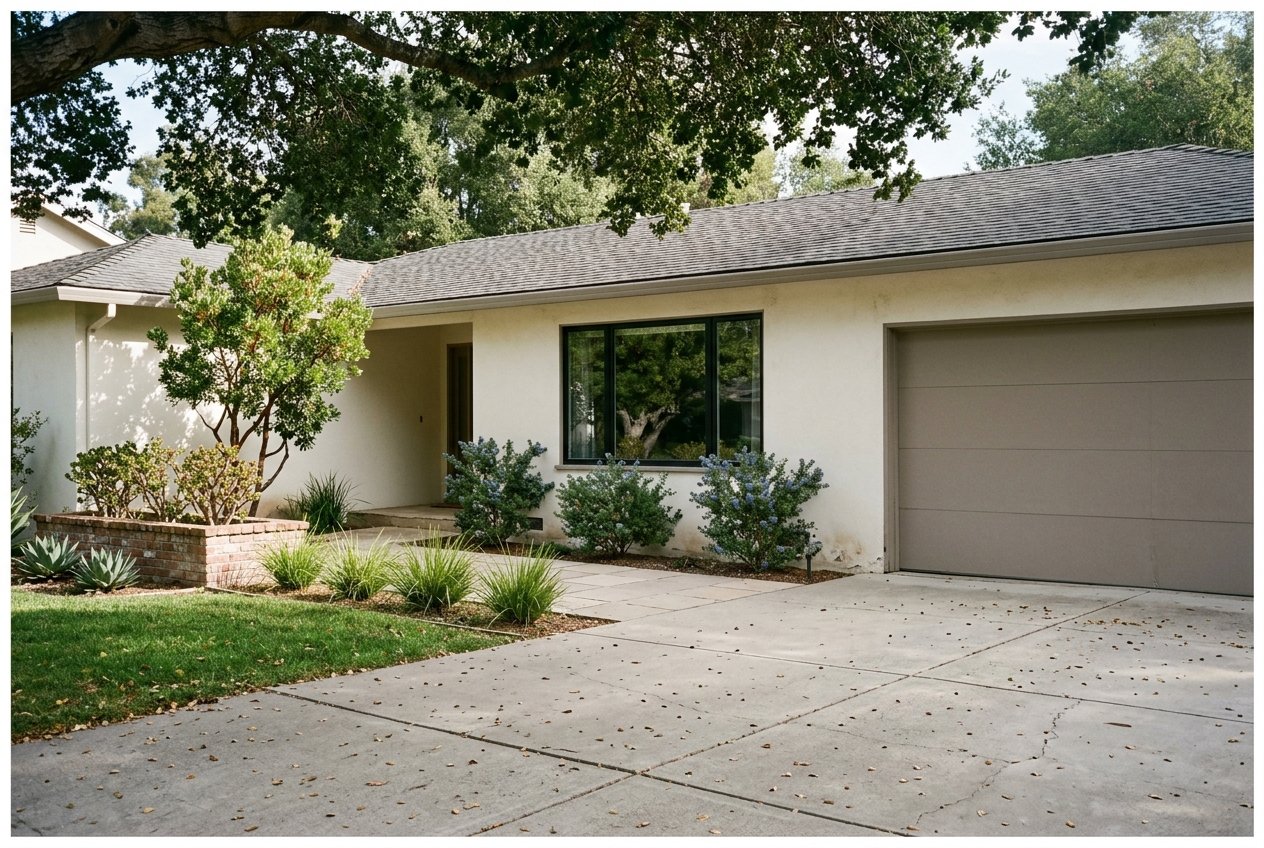
The 1960s–1970s tract core is the backbone of the market. Large-scale builders — Kaufman & Broad, Shapell, and others working the same playbook — put up California ranches, split-levels, and two-story traditionals on a repeating rhythm of streets. Original starter ranches run 1,100 to 1,600 square feet, typically three bedrooms and two baths. The larger two-story models reach 1,800 to 2,400 square feet with four or five bedrooms. Lots are consistently 5,000 to 7,500 square feet, with corner and cul-de-sac parcels occasionally stretching to 8,000 or 10,000. Nearly all of it is slab-on-grade with an attached two-car garage.
The 1980s and 1990s brought density along the arterials. Planned unit developments and condominium complexes filled in Blossom Hill Road, Snell Avenue, and Cottle Road, offering 900 to 1,600 square feet with community pools and attached garages. These remain the district's primary entry point for first-time buyers and investors.
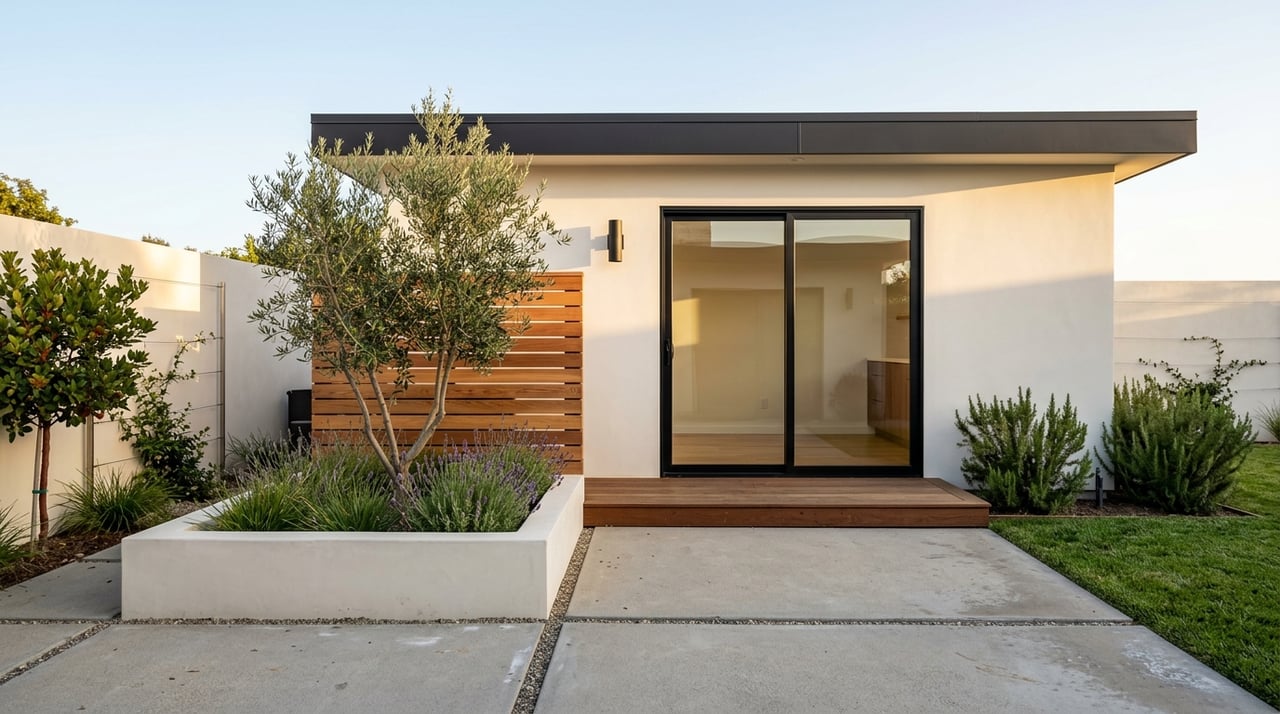
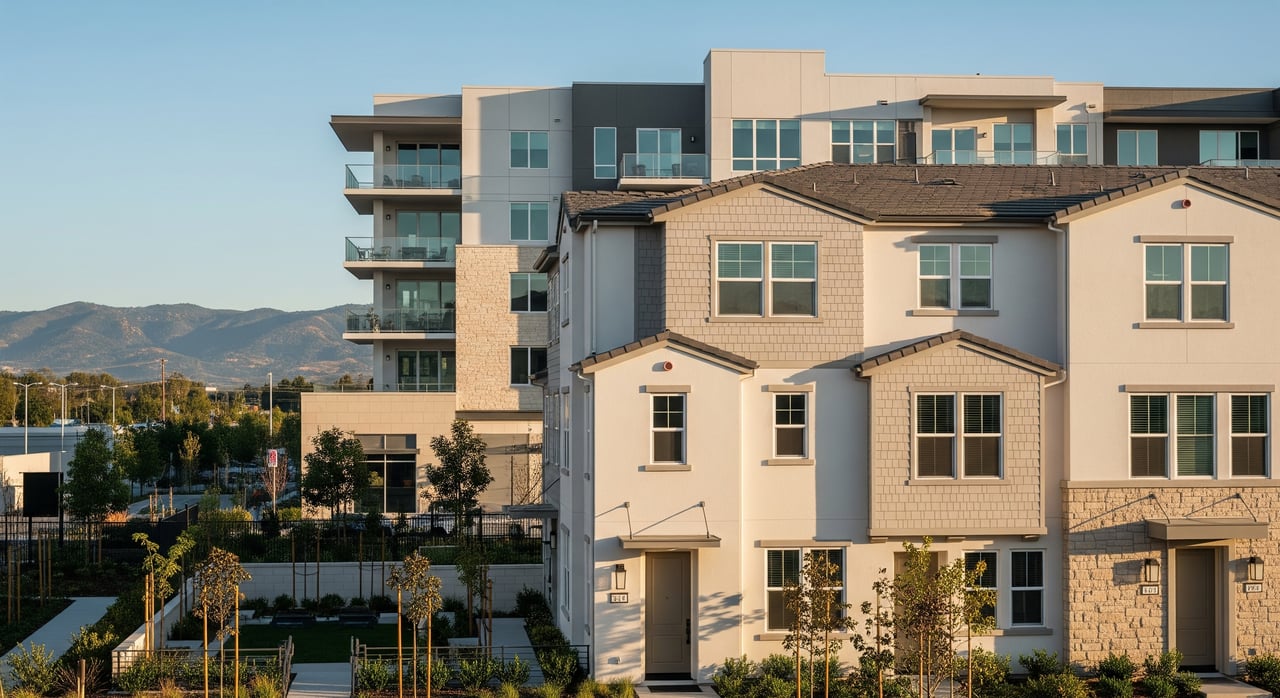
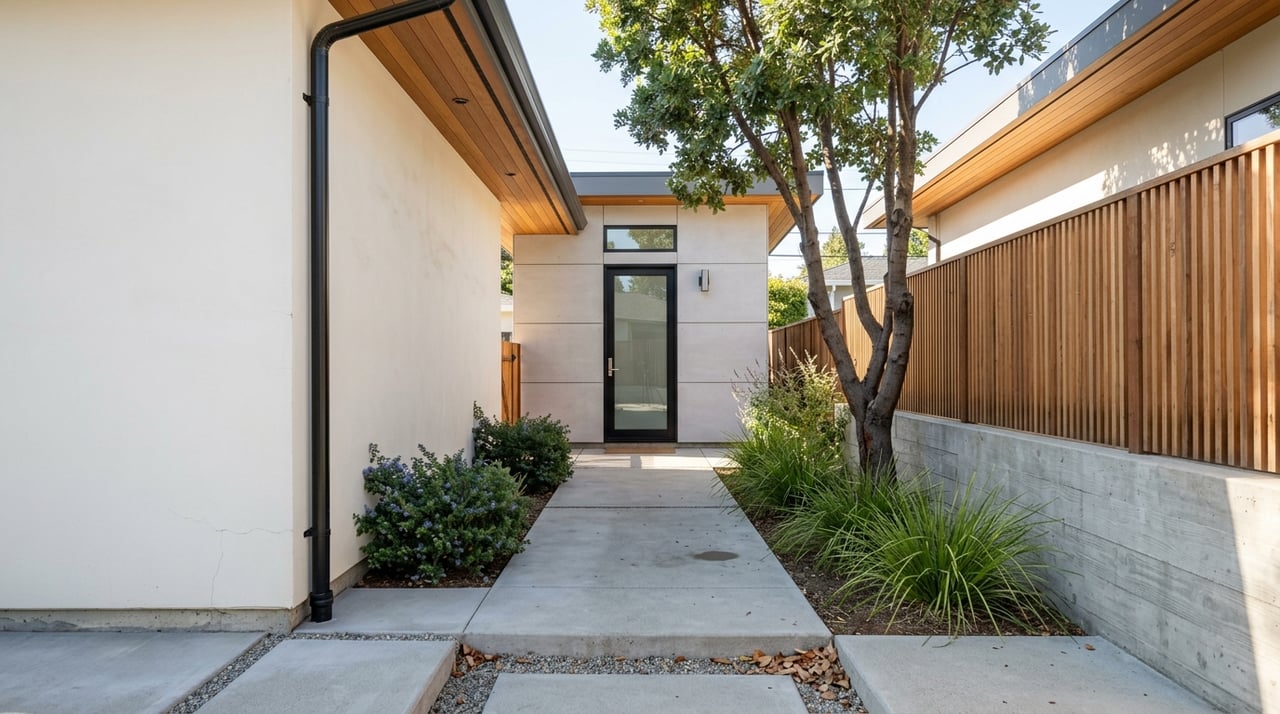
The 2000s forward shifted to infill and transit-oriented development. With vacant land gone, growth concentrated near the VTA light rail line and the redeveloped Cottle Road corridor — row homes, urban townhomes, and mixed-use buildings around Oakridge and Cottle Station. Separately, California's ADU legislation has quietly reshaped the older tracts: homeowners with 6,000-plus square foot lots have been converting detached garages and building 400 to 1,000 square foot standalone units for rental income or multigenerational living. This is now a legitimate value consideration on any larger lot.
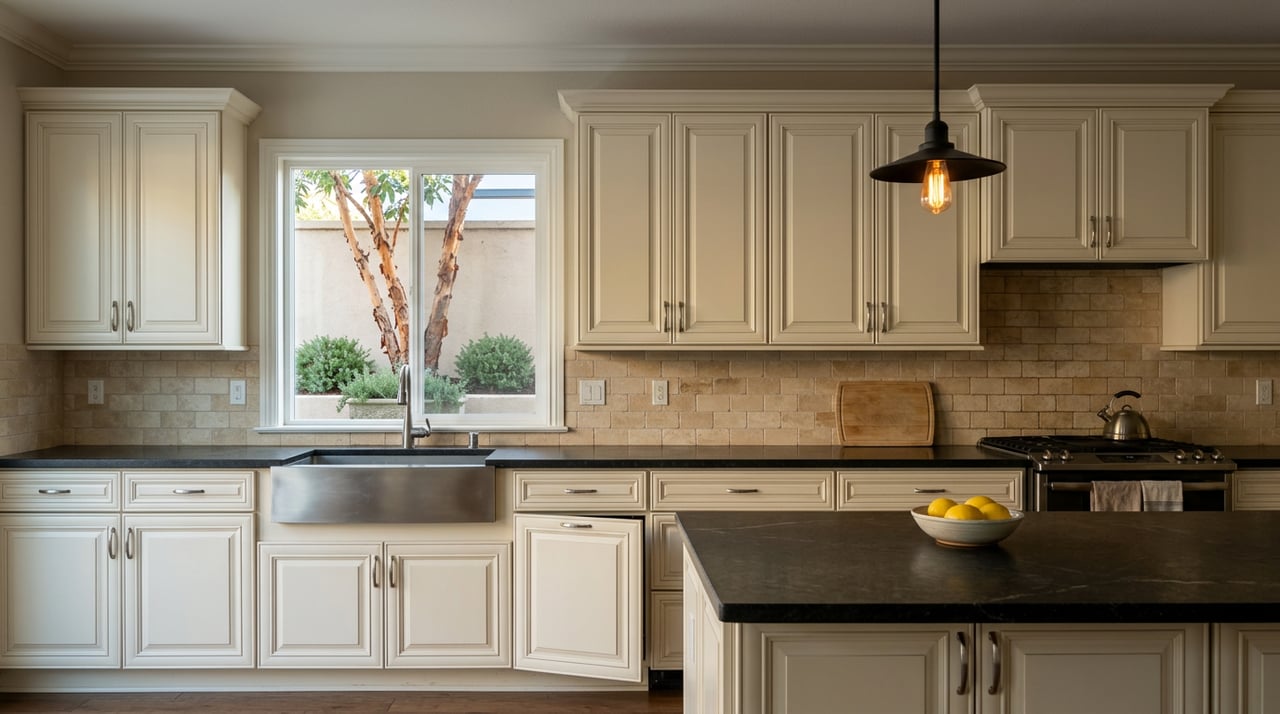
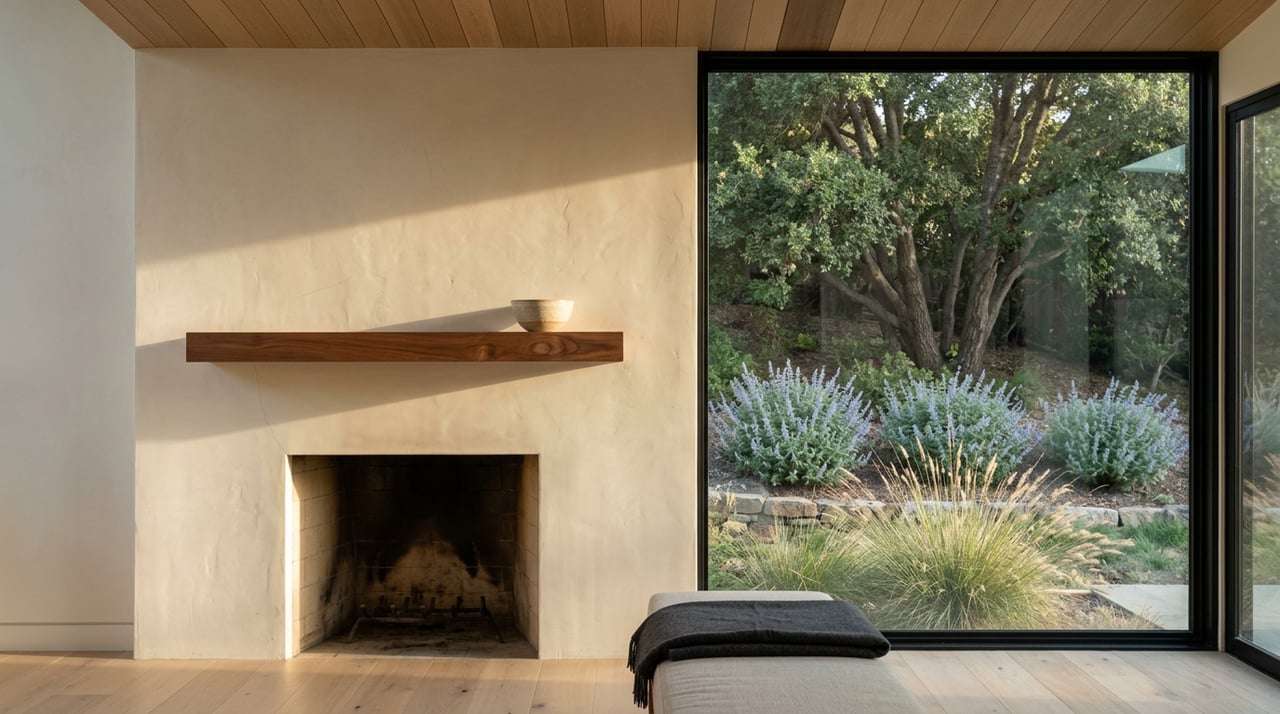
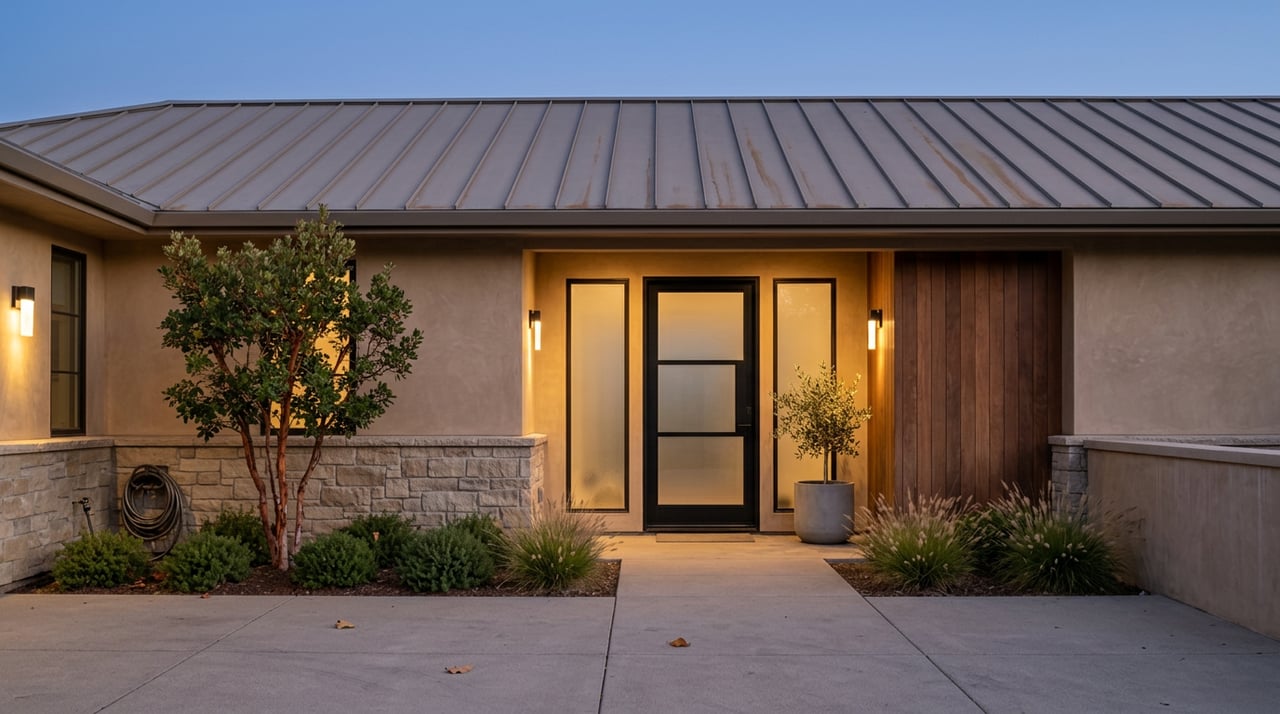
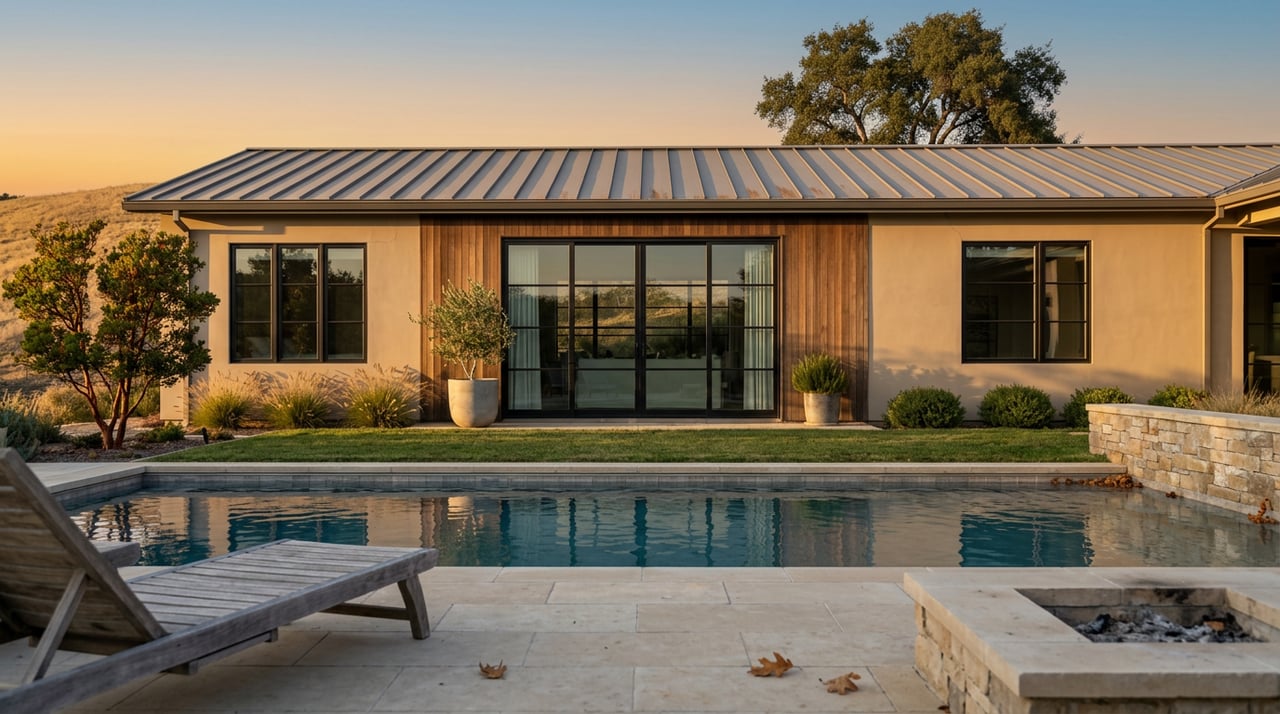
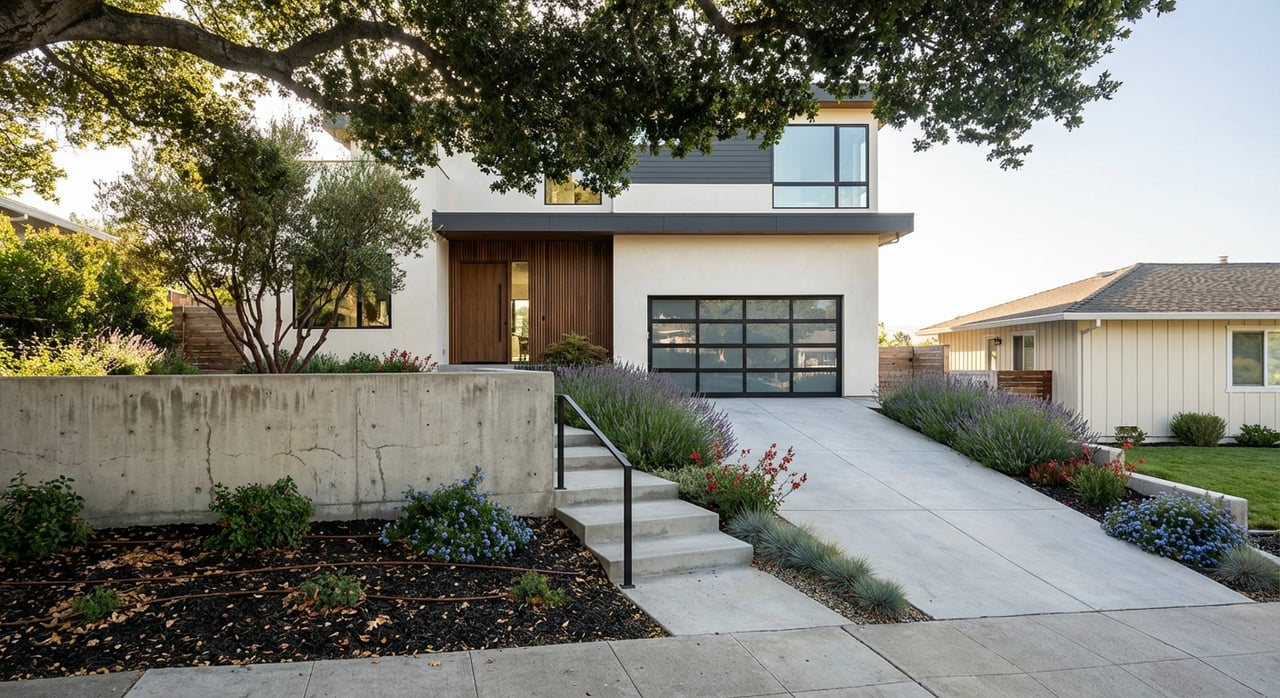
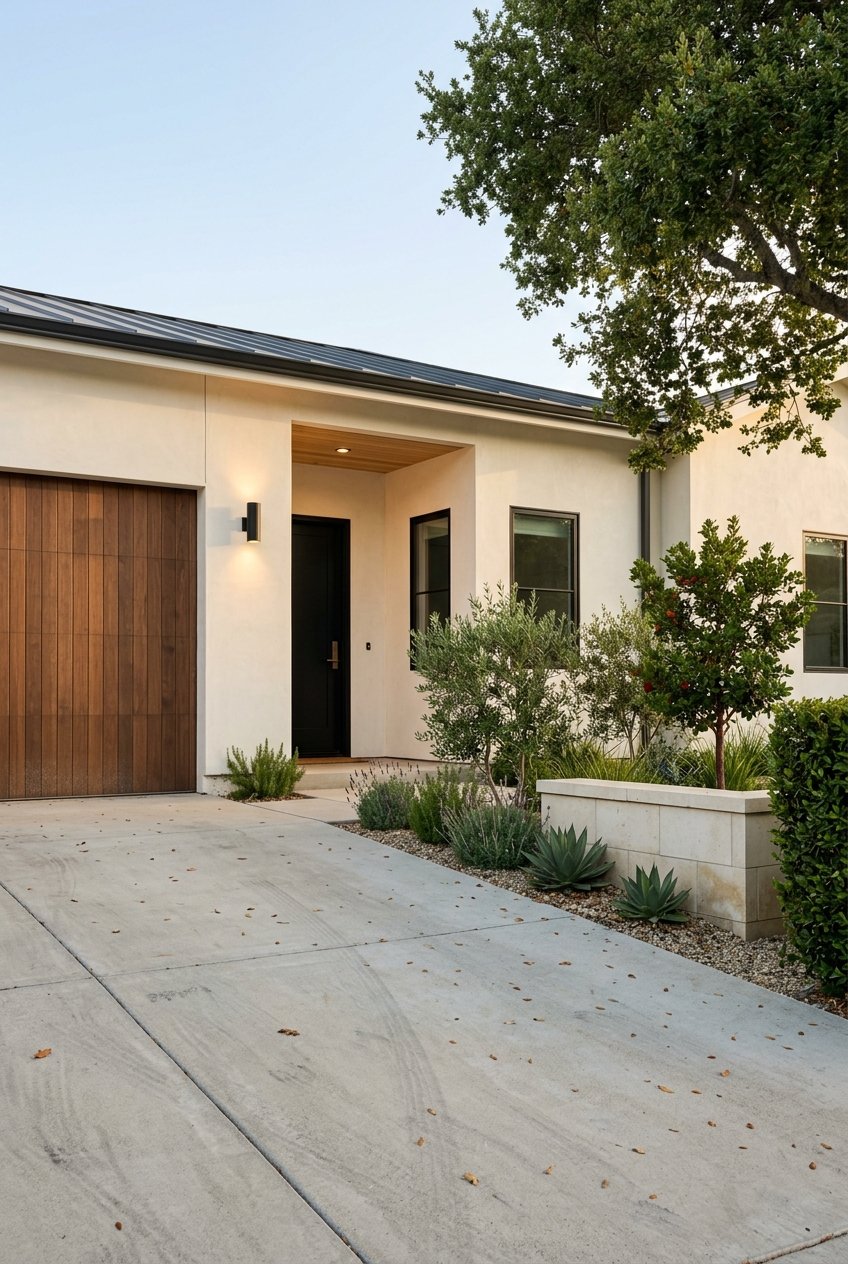
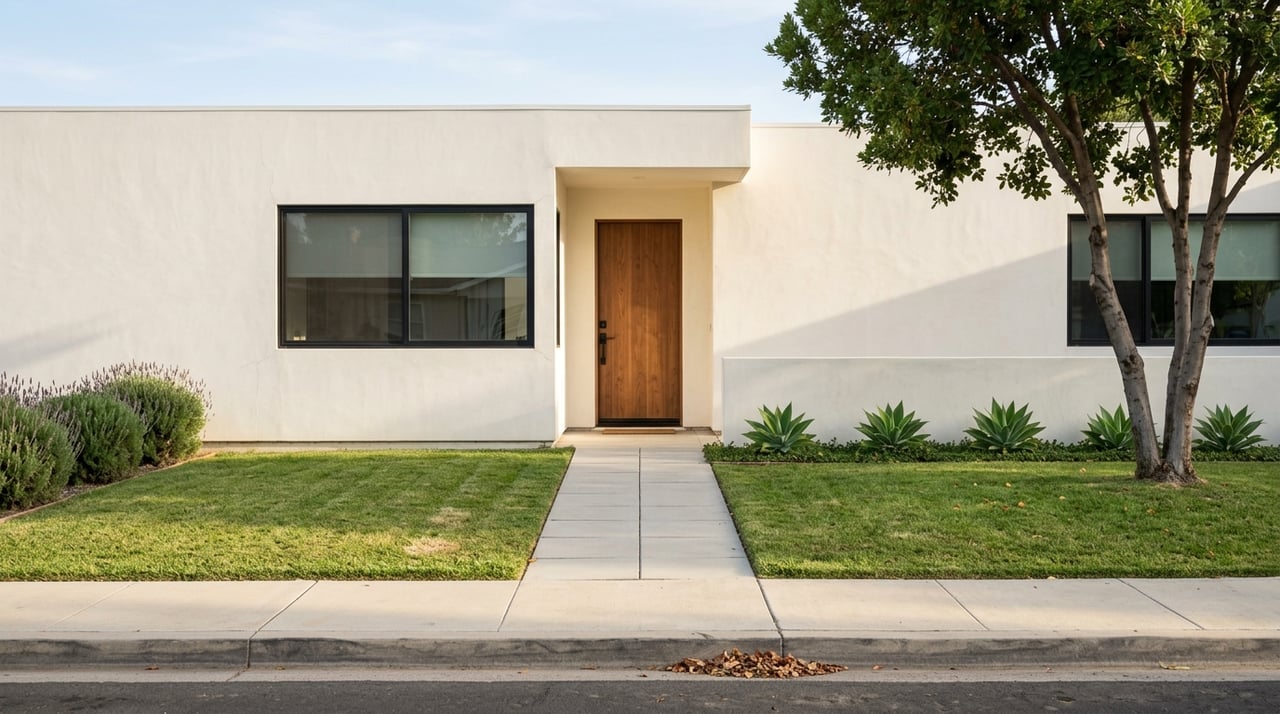
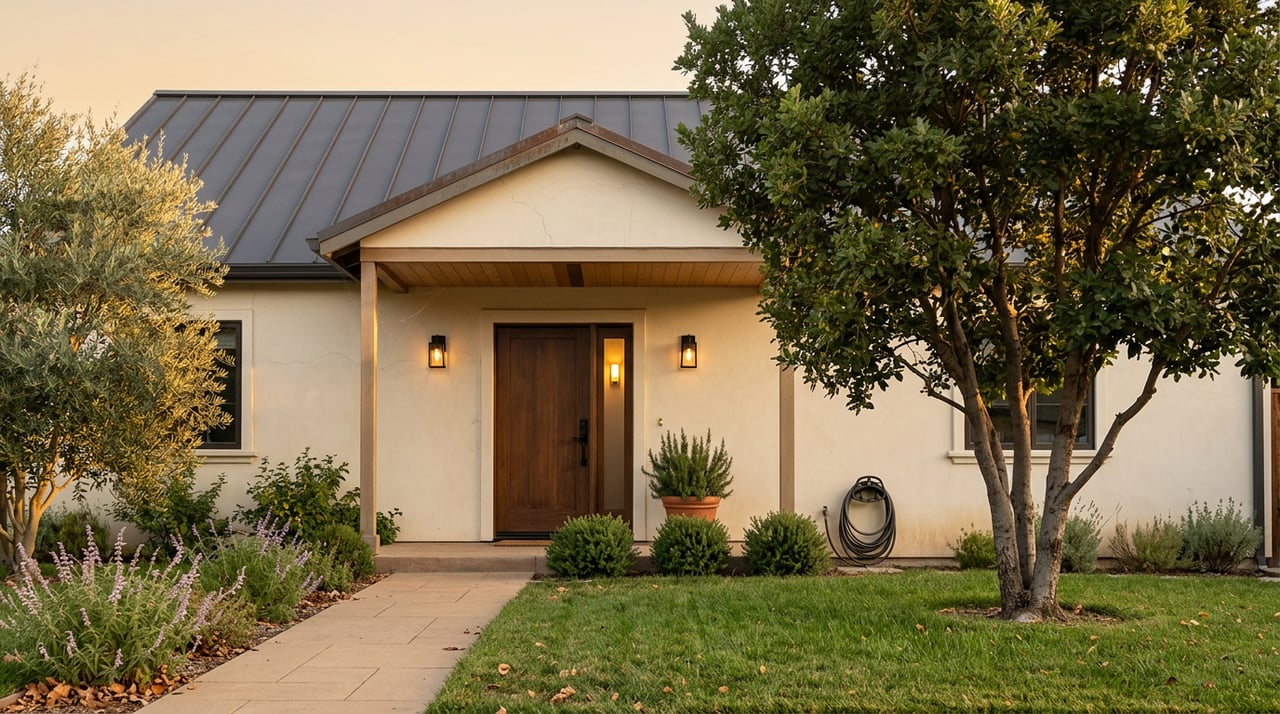
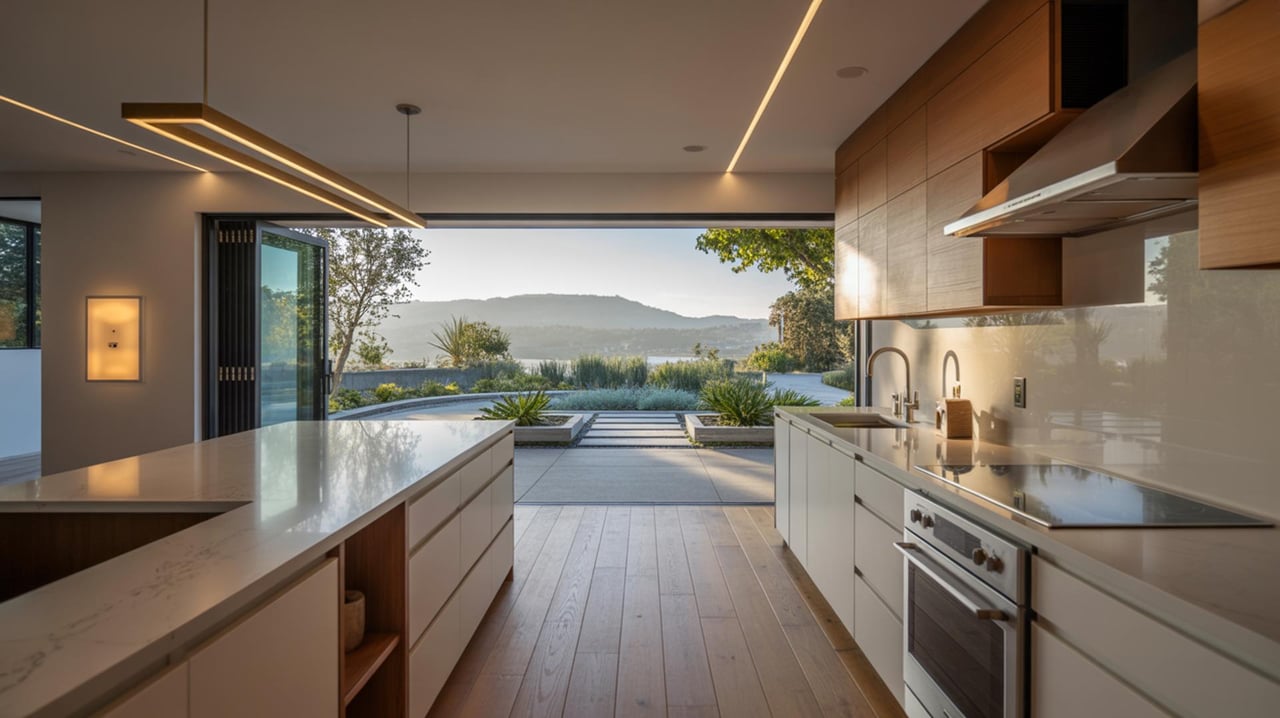
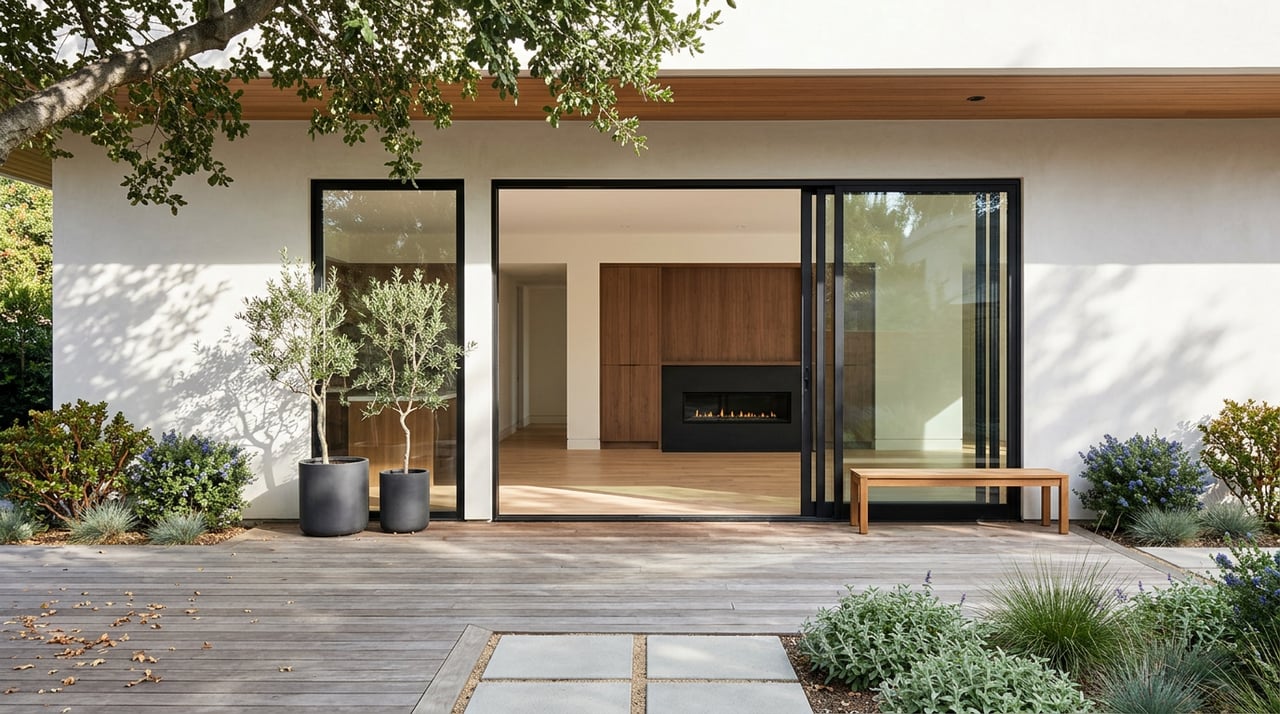
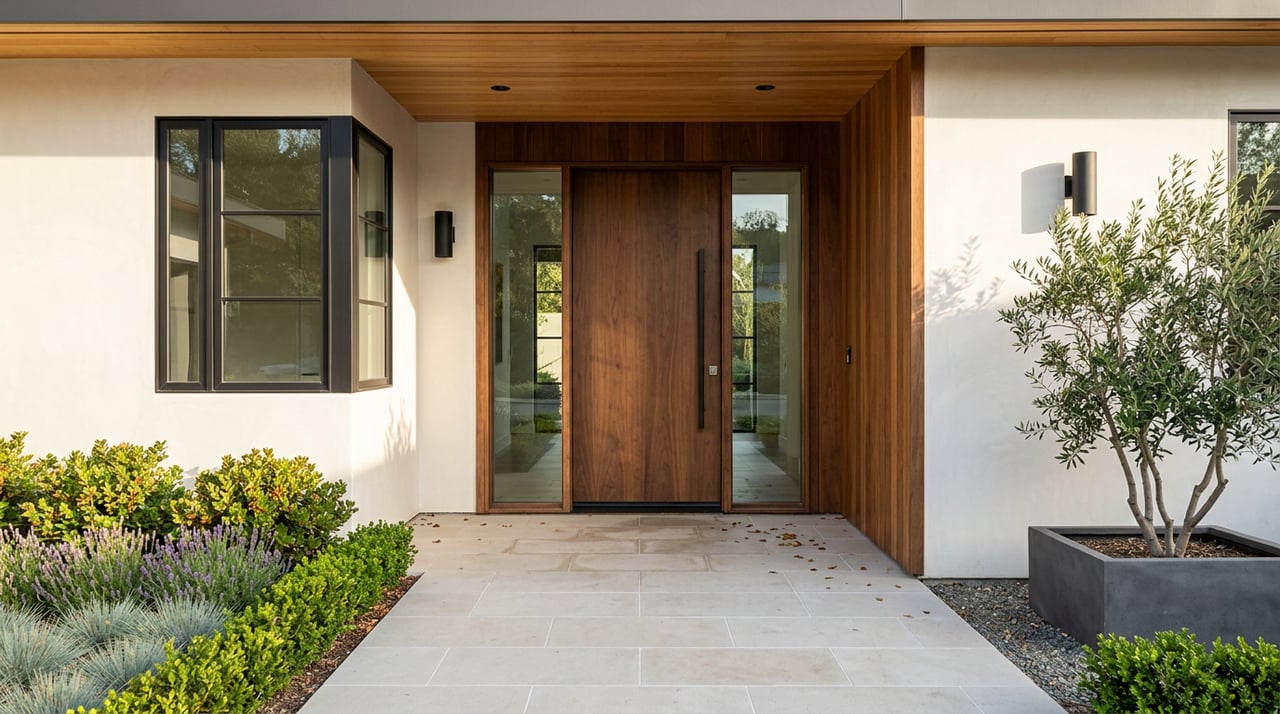
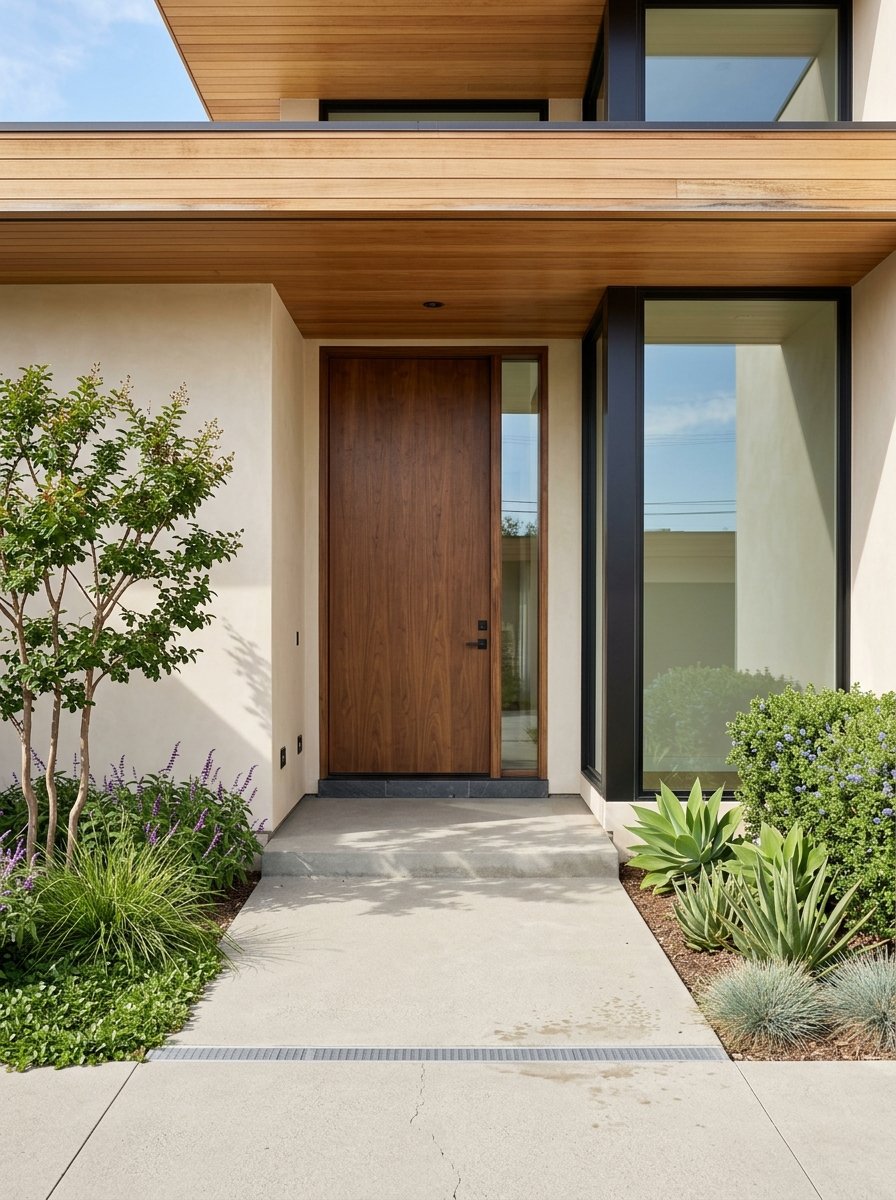
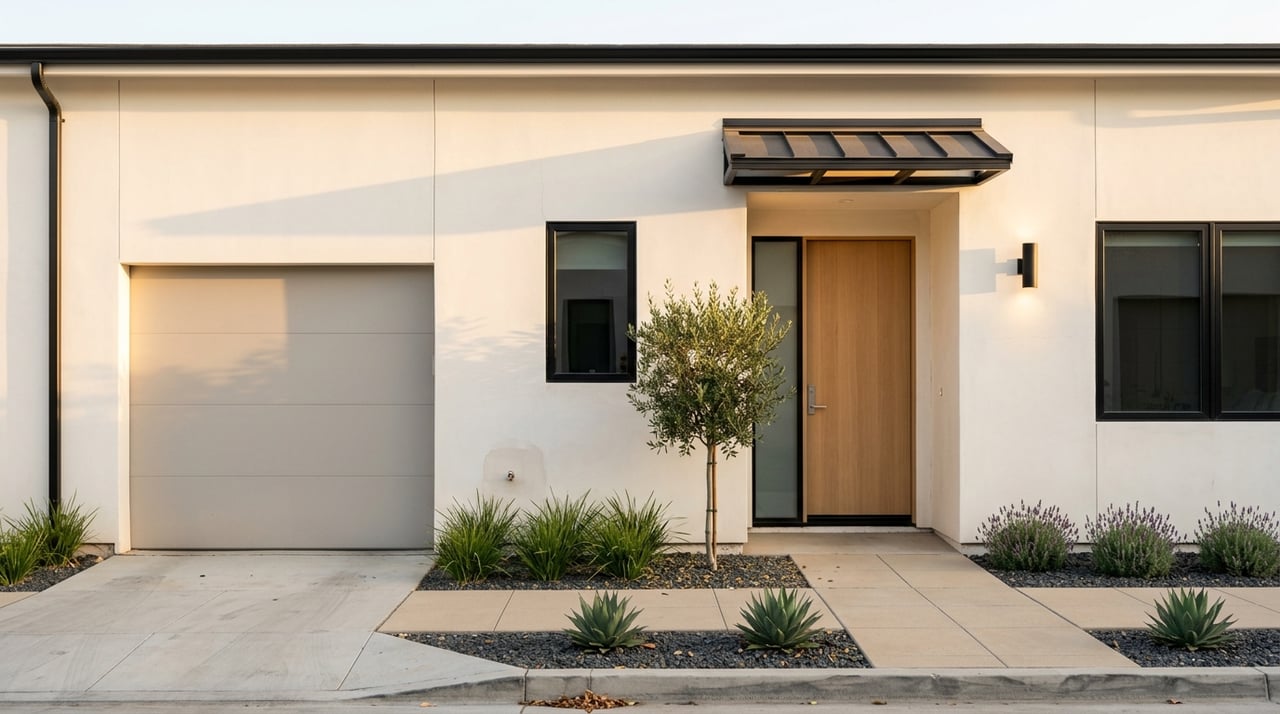
Because the core stock is fifty to sixty years old, Blossom Valley has been through a full renovation cycle, and remodels follow recognizable patterns. Buyers see open-concept conversions where the compartmentalized kitchen-dining-family layout has been opened into a single great room. They see primary suites expanded by borrowing square footage from an adjacent bedroom or pushing into the backyard. They see systems modernization — galvanized plumbing replaced with PEX, 100-amp panels upgraded to 200-amp for EV chargers and solar, dual-pane windows, retrofitted central air. And they see the current aesthetic vocabulary applied to mid-century bones: smooth stucco, board-and-batten, dark window frames, drought-tolerant landscaping.
The practical consequence is that two houses on the same street with the same original floor plan can differ by $300,000 based entirely on which of those upgrades were done and whether they were permitted.
Blossom Valley is one of the most liquid submarkets in San Jose. It has depth on both sides — consistent inventory and consistent buyer demand — which makes it more predictable than boutique neighborhoods where three sales a quarter set the comp.
Single-family homes currently run a median in the $1.35M to $1.5M range, at roughly $850 to $870 per square foot. Days on market land between 16 and 34, with well-presented mid-century ranches frequently pending inside three weeks. The sale-to-list ratio hovers right around 100 to 101 percent, and updated turnkey homes still draw multiple offers. Condos and townhomes span a wide band — $500,000 to $950,000 — depending on bedroom count, HOA dues, and the age of the complex.
Here's how that positions the district against its two most common comparison points:
Blossom Valley | Willow Glen | Almaden Valley | |
|---|---|---|---|
Median SFH | $1.35M – $1.50M | $1.75M – $1.85M | $2.00M – $2.15M |
Price/sq ft | ~$850 | ~$950 – $1,050 | ~$900 – $1,000 |
Typical lot | 5,000 – 7,500 sq ft | 5,000 – 8,000 sq ft | 8,000 – 15,000+ sq ft |
Character | Flat post-war tract, wide streets | Historic, walkable Lincoln Ave | Low-density foothills |
The pitch | Most square footage per dollar in South San Jose | Charm and lifestyle proximity | Lots, views, and Leland High |
The useful way to read that table: Blossom Valley is not a discount version of the other two. It's a different product. Buyers who need four bedrooms, a yard, a garage, and a freeway on-ramp within five minutes are buying here on purpose — not settling.
Treating Blossom Valley as one market is the most common mistake buyers make. The sub-districts behave differently.
Los Paseos occupies the southernmost stretch near Santa Teresa. Wider streets, an active neighborhood association, Los Paseos Park at the center, and quick access into the Santa Teresa foothills. The housing is mostly late-1960s and 1970s two-story and split-level. Expect $1.4M to $1.65M for single-family.
Parkview sits on the western side against the Cambrian and Almaden borders, organized around Parkview Elementary and Parkview Park. This is one of the most stable pockets in the district — mature tree canopy, single-story ranches with deep front yards, and owners who tend to stay. $1.35M to $1.6M.
Blossom Hill / Oakridge corridor is the commercial and transit center, anchored by Westfield Oakridge and the light rail stations. It carries the highest concentration of 1970s and 1980s condos and townhomes mixed with solid single-family pockets. Entry-level attached product runs $500K to $850K; houses sit at $1.3M to $1.5M.
The Cottle corridor on the eastern side has changed more than any other part of Blossom Valley in the last fifteen years, driven by the redevelopment of the former IBM/Hitachi campus. Original 1960s ranches now sit alongside 2000s and 2010s multi-story row homes, with Target, Lowe's, and Kaiser medical facilities within walking distance. Newer townhomes run $900K to $1.2M; single-family homes $1.35M to $1.55M.
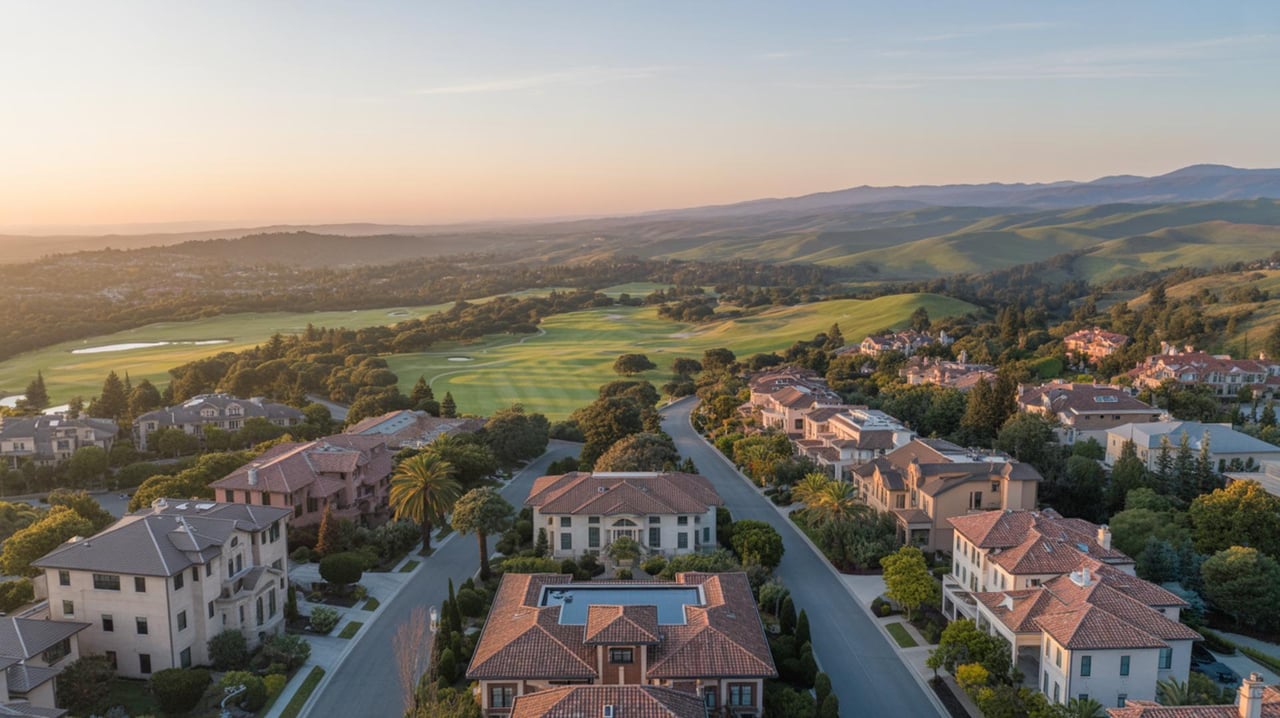
Communications Hill is the outlier — a master-planned hilltop community on the northern ridge, built from the late 1990s forward. Mediterranean tile roofs, grand public staircases, ridge trails, and valley views, almost entirely high-density: stacked condos, multi-level townhomes, and small-lot detached homes. Condos and townhomes run $800K to $1.1M, detached and view properties $1.3M to $1.6M+.
This is the single most consequential piece of due diligence in the district, and it's also the piece most often gotten wrong — because Blossom Valley has no unified school system. Three districts overlap here, and the boundaries weave through tracts rather than following major streets.
Oak Grove School District (K–8) serves the majority of Blossom Valley, running elementary schools including Parkview, Frost, Taylor, and Christopher, feeding into middle schools such as Herman and Davis.
Union School District (K–8) serves the westernmost pocket near the Almaden border. This district is heavily sought after and its feeder schools carry a measurable price premium.
East Side Union High School District (9–12) covers the high school level for nearly all of the district. Santa Teresa High serves central and southern Blossom Valley; Oak Grove High serves the northern and eastern sections near Blossom Hill Road.
San Jose Unified takes a narrow western fringe, and that fringe feeds Leland High School in Almaden — which functions as an outright price multiplier.
The practical effect is sharper than most buyers expect. A single street can change district assignment and shift value by ten to fifteen percent. I have sat with clients who found two nearly identical 1,600 square foot ranches, four blocks apart, separated by $180,000 — and the entire delta was the boundary line running between them. Before you fall in love with a house here, verify the current-year assignment at the parcel level with the district itself. Listing remarks, portal data, and even school-rating sites are frequently out of date after a boundary adjustment.
Blossom Valley was laid out with commuters in mind, and it shows. Three freeways touch the district, and it has more rail access than any other part of South San Jose.
Highway 85 runs along the district and is the primary route west and north toward Campbell, Cupertino, Mountain View, and I-280. Highway 87 — the Guadalupe Freeway — effectively originates here and runs straight into Downtown San Jose and on to SJC airport. Highway 101 bounds the eastern edge, opening the corridor north toward Santa Clara and San Mateo County or south to Morgan Hill and Gilroy.
On transit, the VTA Blue Line serves the district with stations at Ohlone/Chynoweth, Blossom Hill, Snell, and Santa Teresa. Santa Teresa and Ohlone/Chynoweth both have large park-and-ride lots, making them practical for daily use. The Blossom Hill Caltrain station sits on the eastern edge near 101, but buyers should understand it realistically: it's a peak-direction commuter stop, not an all-day service. Many residents drive ten minutes north to Tamien or Diridon for frequent electrified service to the Peninsula.
Drive times from central Blossom Valley, measured from the Oakridge area:
Destination | Distance | Off-peak | 7:30–9:00 AM peak | Route |
|---|---|---|---|---|
Downtown San Jose (Adobe, Zoom) | 10 mi | 12–15 min | 20–35 min | Hwy 87 N |
Apple Park, Cupertino | 14 mi | 18–22 min | 30–50 min | Hwy 85 N |
Google, Mountain View | 24 mi | 25–30 min | 45–70 min | Hwy 85 N or 101 N |
Meta, Menlo Park | 30 mi | 35–40 min | 55–85 min | Hwy 101 N |
North San Jose / Santa Clara (Nvidia, Intel) | 16 mi | 18–22 min | 30–45 min | Hwy 87 N to 101/880 |
The honest read: Blossom Valley is excellent for downtown San Jose and South Bay tech corridors, workable for Cupertino, and demanding for anything north of Mountain View. Buyers commuting to Menlo Park or San Francisco should test-drive the route at 8 AM on a Tuesday before signing anything.
The foothill position gives this district better open-space access than its flat, gridded streets would suggest.
Martial Cottle Park is the most distinctive green space in South San Jose — 287 acres off Snell Avenue, donated by the Cottle family to preserve the valley's agricultural heritage. It's a working farm as much as a park, with organic crop plots, agricultural education programs, and native gardens sitting alongside picnic pavilions and open lawn. The flat, paved 2.4-mile loop is a genuine neighborhood amenity for strollers, runners, and casual cyclists.
Santa Teresa County Park rises directly behind the southern tracts — more than 1,600 acres with over 17 miles of unpaved multi-use trail for hiking, trail running, mountain biking, and horseback riding. Coyote Peak tops out at 1,155 feet with panoramic valley views, and the Stile Ranch Trail is locally famous for its spring wildflower bloom. Santa Teresa Golf Club sits within the park.
Coyote Creek Trail runs the eastern edge along 101 — a continuous paved multi-use path shaded by oak and sycamore, connecting north through Hellyer County Park toward downtown and south into Coyote Valley toward Morgan Hill. It's the district's long-distance cycling and running artery.
Los Paseos Park anchors the southern neighborhood next to Los Paseos Elementary, with shaded turf, playgrounds, tennis and basketball courts, and paved paths that link toward the foothills.
Blossom Valley is functionally self-contained. Residents rarely need to leave the district for anything routine.
Westfield Oakridge, at the Highway 85/87 interchange, is the regional anchor — Target, Macy's, Nordstrom Rack, an Apple Store, Sephora, and roughly 200 specialty retailers, plus a 20-screen Century Theatres with recliner seating and the full slate of casual dining from The Cheesecake Factory to BJ's Brewhouse.
Village Oaks at Cottle Road is the newer counterpart, built on former IBM campus land at Cottle and Highway 85. Target, Lowe's, Marshalls, and Safeway anchor an open-air center that's rounded out with fast-casual dining, coffee, fitness, and neighborhood services. It's the practical daily-errand hub for the eastern half of the district.
The Blossom Hill Road corridor runs west to east through the middle of everything and carries the district's densest cluster of strip commercial. Trader Joe's, Safeway, and Lucky handle the mainstream grocery need, with specialty and Asian markets filling in alongside. The dining here is where Blossom Valley's actual character lives — family-run taquerias, Vietnamese pho houses, sushi counters, and long-standing neighborhood diners rather than destination restaurants.
The Plant, just off the northern edge at Monterey Highway and Curtner, adds 650,000-plus square feet of big-box: Home Depot, Target, Best Buy, Petco, and a wide range of quick-service options.
Buying a 1968 tract house in 2026 carries a specific set of risks. These are the five that generate the most surprises in escrow.
Your property taxes will not resemble the seller's. Many Blossom Valley homes have been held by the same family for thirty to fifty years. Under Proposition 13, a long-term owner may be paying on an assessed value of $150,000 to $300,000 — roughly $2,000 to $3,500 a year. At a $1.4M purchase price, the property reassesses at approximately 1.2 to 1.25 percent including local bonds and special assessments, putting the annual bill near $16,800 to $17,500. That's roughly $1,200 a month that does not appear on the current tax record. Budget from your purchase price, never from the listing's tax history.
The electrical and plumbing are the most likely deferred capital expense. Original homes came with 100-amp main panels. An EV charger, central air, and a modern kitchen will exceed that, and a 200-amp service upgrade runs $4,000 to $8,000. Homes built roughly between 1965 and 1973 may also carry single-strand aluminum branch wiring, which requires COPALUM crimping or AlumiConn connectors to be safe and insurable. On the plumbing side, original galvanized iron corrodes from the inside over forty-plus years — low pressure and rust-tinted water are the tells. Repiping to PEX or copper costs $8,000 to $15,000.
Order a sewer scope. Every time. The original laterals running from house to city main are vitrified clay, and the mature street trees planted with these tracts — Modesto ash, camphor — have spent decades finding the joints. Root intrusion and collapsed segments are common, and trenchless pipe-bursting replacement runs $6,000 to $12,000. A video inspection during contingency costs a few hundred dollars and is the highest-return inspection in this district.
Slab foundations and expansive clay deserve attention. Almost everything here is slab-on-grade, and Santa Clara Valley clay soils expand and contract with moisture. Poor drainage produces differential settling. Walk the floors for unlevelness and look for stress cracks above interior door frames. Also note the HVAC: original systems often used transite (asbestos-containing) ducting or uninsulated runs embedded in the slab, which has to be remediated or abandoned during a central-air retrofit.
Solar and permits both need to be verified in writing. Solar is widespread here. If the system is leased or on a PPA, you must qualify for and assume the contract or negotiate a seller buyout at close — this derails deals when it surfaces late. If it's owned, check the roof age underneath, since reroofing requires paying a contractor to unmount and remount the array ($3,000 to $6,000). On permits, the district's heavy remodel activity has produced a lot of unpermitted square footage: converted garages, enclosed patios sold as sunrooms, walls removed without structural headers. Cross-reference the marketed square footage against San Jose Building Department records. Unpermitted space can affect insurance coverage and trigger expensive retroactive compliance if cited later.
The original single-family tracts across Blossom Valley generally have no HOA and no CC&Rs — city maintenance, public streets, and full architectural freedom within code. That's a meaningful part of the district's appeal and a real cost advantage over comparably priced attached housing elsewhere in the county.
The exceptions are the newer and denser communities.
Communications Hill operates as a set of sub-associations across a high-density hilltop master plan of Mediterranean row homes, townhomes, and stacked condos. Dues generally run $250 to $450 a month, covering exterior building maintenance, roof reserves, common landscaping, hazard insurance, and private street upkeep.
The Cottle / Hitachi redevelopment around Village Oaks is a 295-acre master-planned transformation of the former IBM campus, combining detached homes, townhomes, multi-family, and transit-oriented apartments around retail, public parks, and a sports field complex. Architectural guidelines are strict. Dues run roughly $200 to $400 a month depending on whether the unit is small-lot detached or attached.
Bailey Ridge and the Santa Teresa foothill pockets include clustered developments and late-1970s/1980s PUDs, some with shared pools, greenbelts, and racquet facilities. These tend to be lighter — $100 to $300 a month, or in some cases an annual cabana-club assessment.
Community type | Examples | Monthly dues | What's covered |
|---|---|---|---|
Original SFH tracts | Parkview, Los Paseos, Blossom Hill | $0 | City maintenance; optional pool club |
PUDs and townhomes (1980s–90s) | Blossom Hill / Snell corridors | $300 – $450 | Pool, roof and siding, landscaping, water/trash |
Master-planned infill | Communications Hill, Village Oaks | $250 – $550+ | Parks, exterior maintenance, private streets, structure insurance |
When comparing a $1.35M no-HOA ranch against a $1.1M townhome with $400 in dues, run the full monthly carrying cost. The gap narrows far more than most buyers assume.
Selling here requires a strategy built specifically for the $1.35M to $1.55M tier. This is not the luxury market, and the tactics that work in Almaden don't transfer. Blossom Valley buyers are tech professionals, young families, and move-up buyers who have stretched to assemble the down payment and have very little cash left after closing.
That single fact drives everything. Turnkey condition is what moves inventory. Homes with updated kitchens, refreshed baths, consistent flooring, and working central A/C sell in 14 to 20 days and draw competing offers. Homes needing a panel upgrade, a repipe, or a roof sit — not because buyers can't see the value, but because they physically cannot fund the work after escrow.
Beyond condition, three things consistently separate fast sales from slow ones. Open sightlines matter: removing non-load-bearing walls between kitchen, family room, and patio transforms how a 1968 floor plan shows. Functional room count matters more than raw square footage — a well-configured four-bedroom or a genuine home office outperforms a larger home with an awkward three-bedroom layout. And pricing precision matters, because this buyer pool tracks comps obsessively. Pricing just under a psychological threshold — $1,398,000 rather than $1,425,000 — reliably drives more open-house traffic and better competitive dynamics than pricing "where it should be."
On disclosures, Santa Clara County convention favors the seller who prepares. Sellers here order inspections before going to market, and a clean, complete pre-listing packet is what produces non-contingent offers and prevents renegotiation two weeks in. The essential set is a general property inspection, a wood-destroying pest report with Section 1 items cleared, a sewer lateral scope (non-negotiable on this housing stock), a Natural Hazard Disclosure report, and a summary of permit history for any past additions or remodels. That last item quietly resolves the unpermitted-work anxiety that otherwise costs sellers leverage.
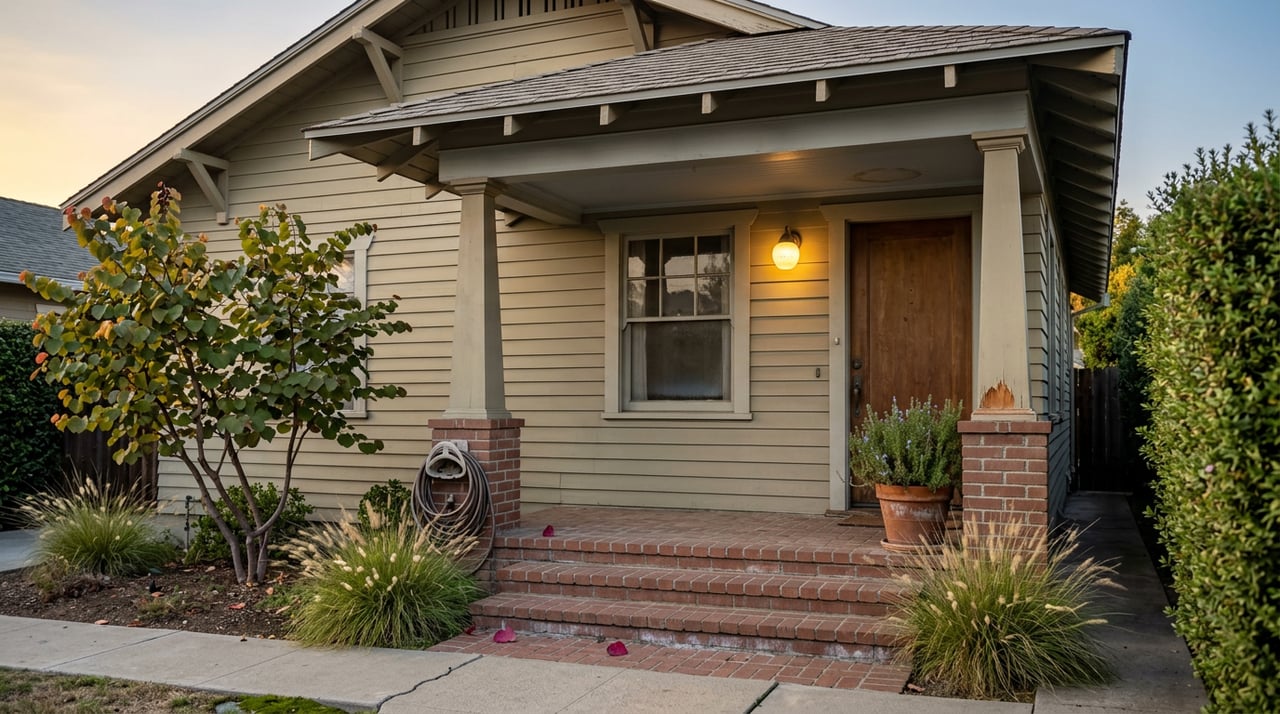
On presentation, ranch homes need a specific treatment. The challenge is eight-foot ceilings, compartmentalized rooms, and fifty-year-old finishes. The fix is lighting first — replacing dim fixtures with 3000K–4000K LED recessed lighting makes low ceilings read taller and dark interiors read open. Then a uniform neutral paint palette throughout, continuous light-toned flooring across the entire house rather than the typical carpet-tile-linoleum patchwork, and hardware and cabinet refreshes where a full kitchen remodel isn't justified. Front yards carry disproportionate weight in a tract neighborhood where every house shares a silhouette: fresh mulch, drought-tolerant planting, a power-washed driveway, and a painted front door change the first impression completely.
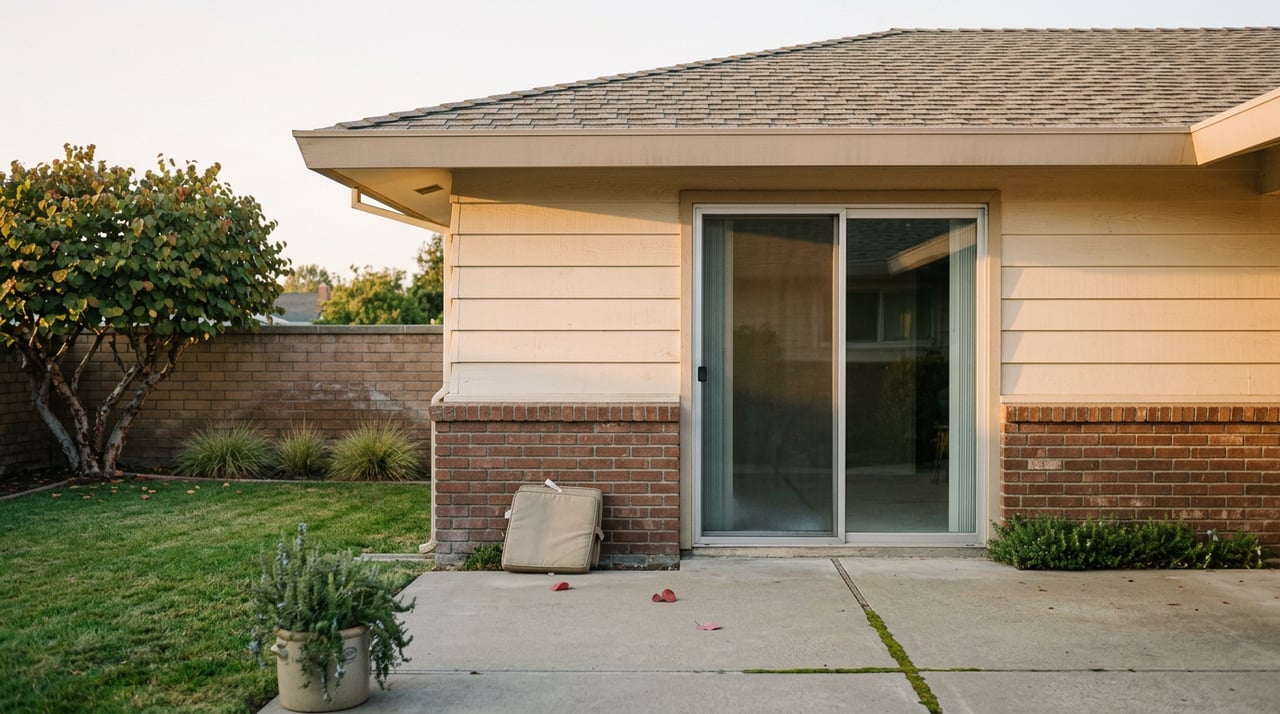
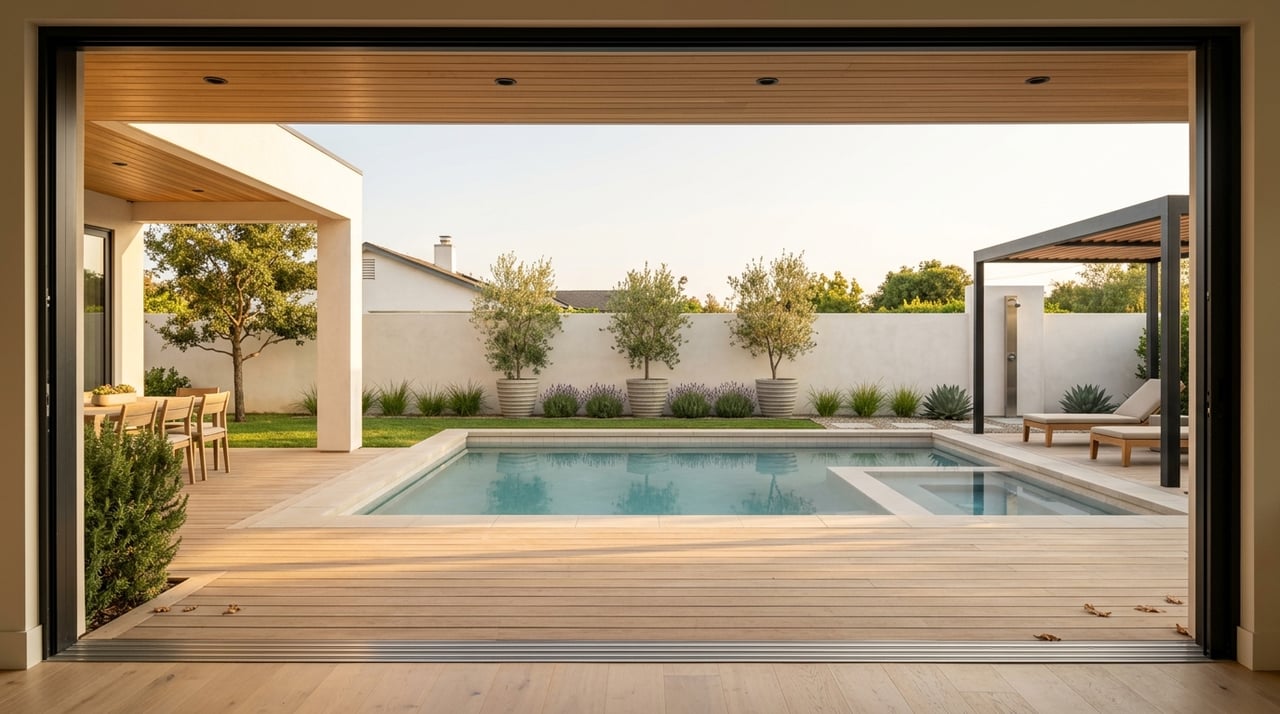
For staging, use low-profile and appropriately scaled furniture — oversized sectionals swallow original ranch footprints — and treat the backyard as a room. These homes were designed around indoor-outdoor flow. Sellers who dress the patio and frame the slider cleanly are selling the way the house was meant to be lived in.
Blossom Valley rewards people who know it street by street. The difference between two school boundaries, between a clay lateral that's been replaced and one that hasn't, between a permitted addition and a beautifully finished unpermitted one — these are the details that decide whether a purchase works out, and they don't show up in listing photos.
Samit Shah has spent more than a decade helping families buy and sell across Silicon Valley, with a practice deeply rooted in South San Jose. He ranks in the top 0.5% of REALTORS® nationally, has been named among the Leading 100 in the Bay Area for five consecutive years, was recognized as the #26 medium-size team in California and #1 in San Jose for 2025, and has closed $900M+ in sales with 200+ five-star Zillow reviews behind him. His background building and running companies before real estate shows up where it counts: in negotiation, in marketing strategy, and in the calm, data-driven handling of transactions that tend to get emotional.
Whether you're trying to figure out which side of a school boundary a house sits on, budget realistically for a Prop 13 reassessment, or position a 1970s ranch to sell in under three weeks, that conversation is worth having before you make a move — not after.
The Samit Shah Team | Compass
📞 (408) 314-1828
✉️ [email protected]
📍 1133 Minnesota Ave, San Jose, CA 95125
Samit Shah | CA DRE# 01906486
There's plenty to do around Blossom Valley, including shopping, dining, nightlife, parks, and more. Data provided by Walk Score and Yelp.
Explore popular things to do in the area, including Shukhman Dental, and Great Clips.
| Name | Category | Distance | Reviews |
Ratings by
Yelp
|
|---|---|---|---|---|
| Beauty | 0.2 miles | 0 reviews | 0/5 stars | |
| Beauty | 0.23 miles | 81 reviews | 3.4/5 stars | |
|
|
||||
|
|
||||
|
|
||||
|
|
||||
|
|
||||
|
|
Blossom Valley has 1,252 households, with an average household size of 3. Data provided by the U.S. Census Bureau. Here’s what the people living in Blossom Valley do for work — and how long it takes them to get there. Data provided by the U.S. Census Bureau. 3,995 people call Blossom Valley home. The population density is 12,725 and the largest age group is Data provided by the U.S. Census Bureau.
Total Population
Population Density Population Density This is the number of people per square mile in a neighborhood.
Median Age
Men vs Women
Population by Age Group
0-9 Years
10-17 Years
18-24 Years
25-64 Years
65-74 Years
75+ Years
Education Level
Total Households
Average Household Size
Average individual Income
Households with Children
With Children:
Without Children:
Blue vs White Collar Workers
Blue Collar:
White Collar:
Search Blossom Valley, San Jose homes for sale, including luxury homes and new listings
Search Los Gatos homes for sale, including luxury homes and new listings
1133 Minnesota Ave San Jose, CA 95125
1133 Minnesota Ave San Jose, CA 95125