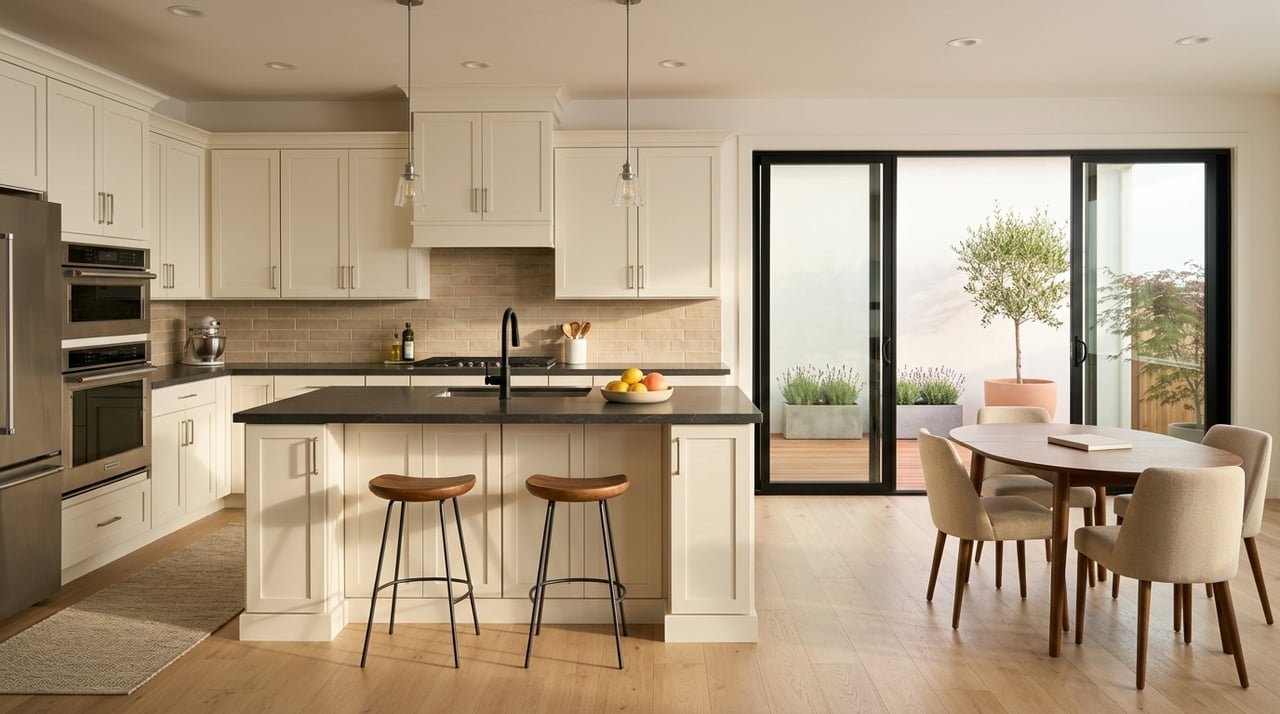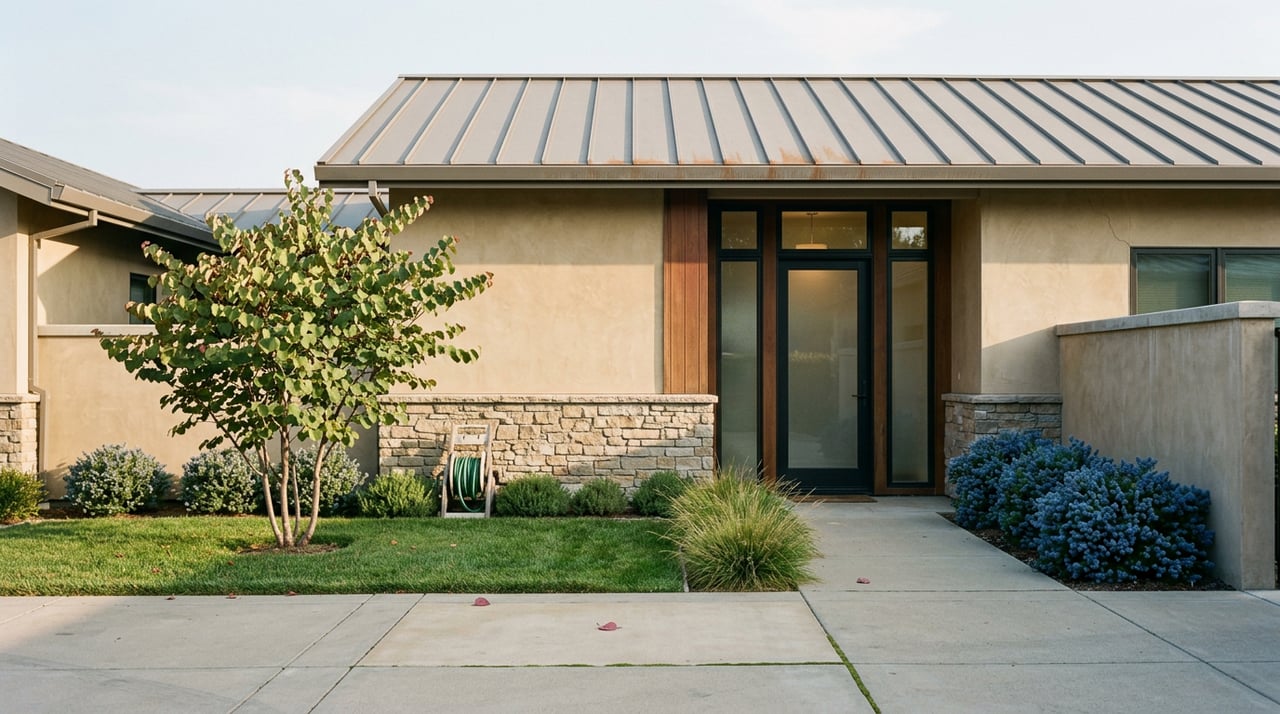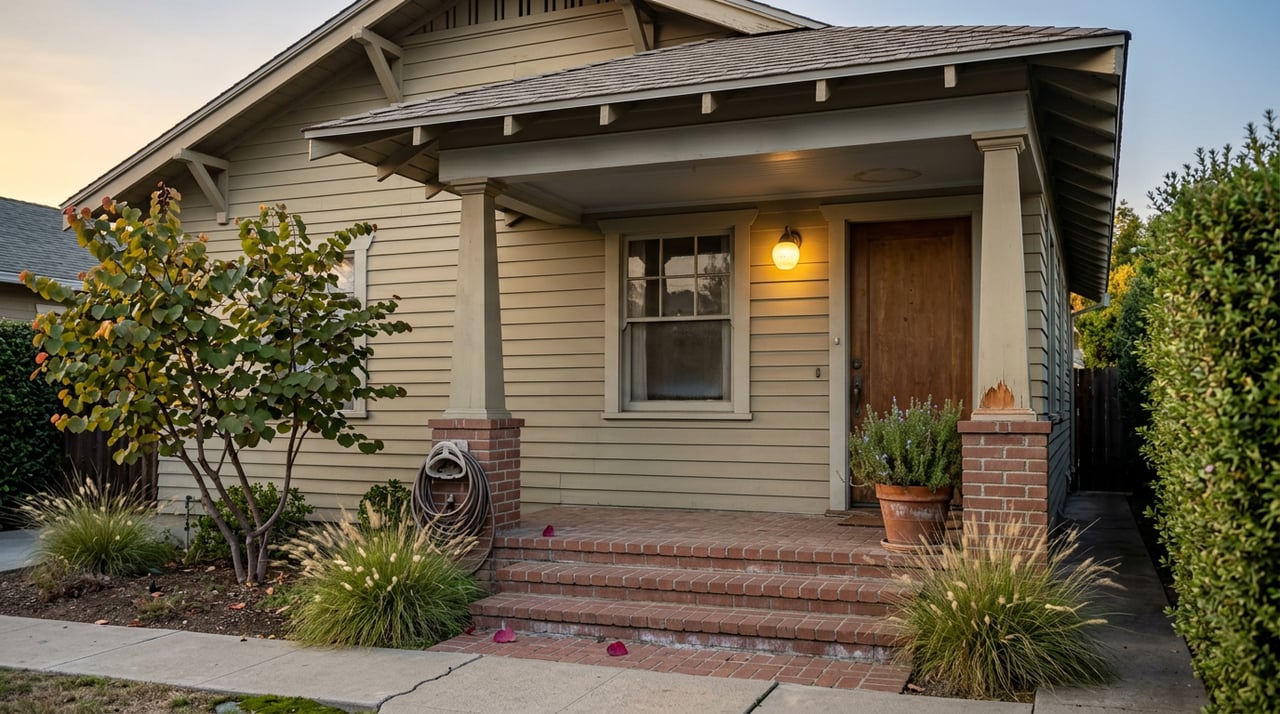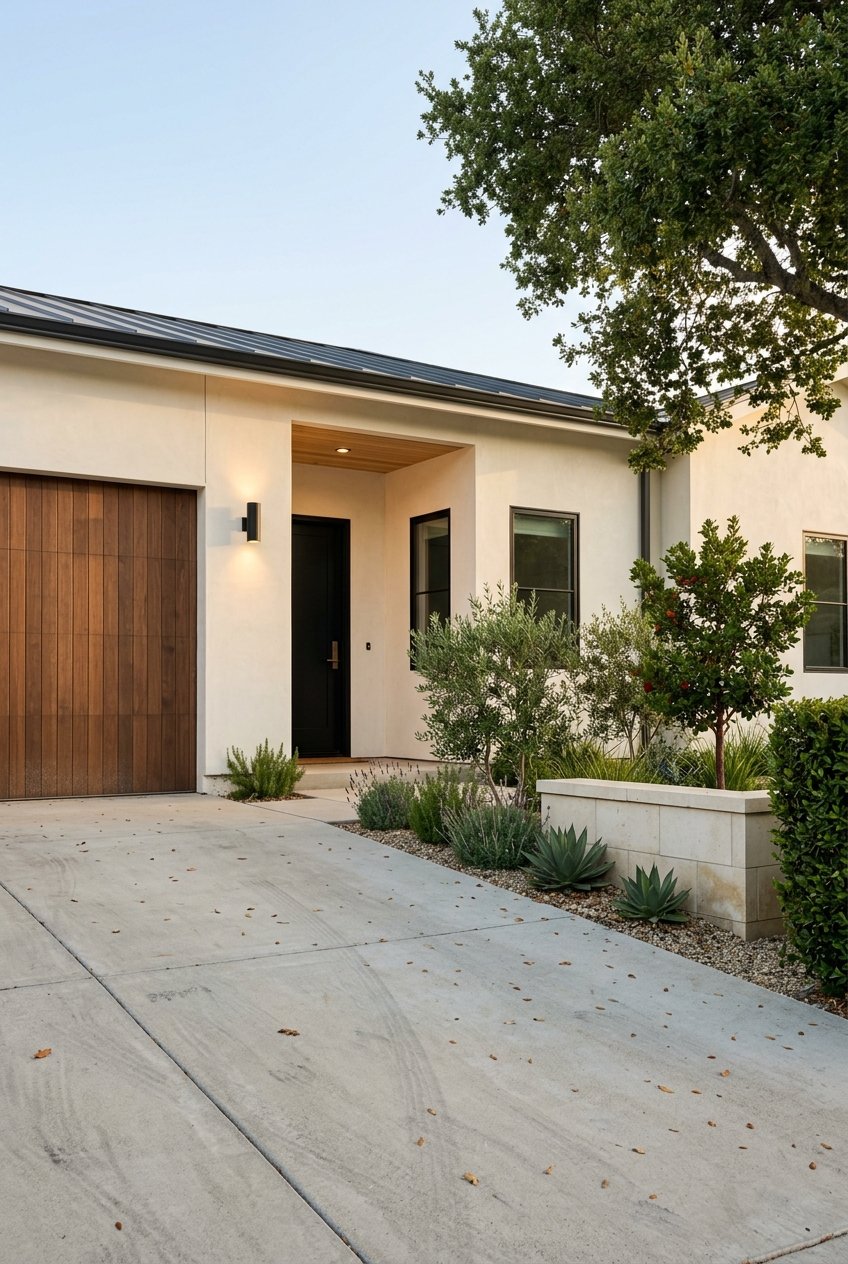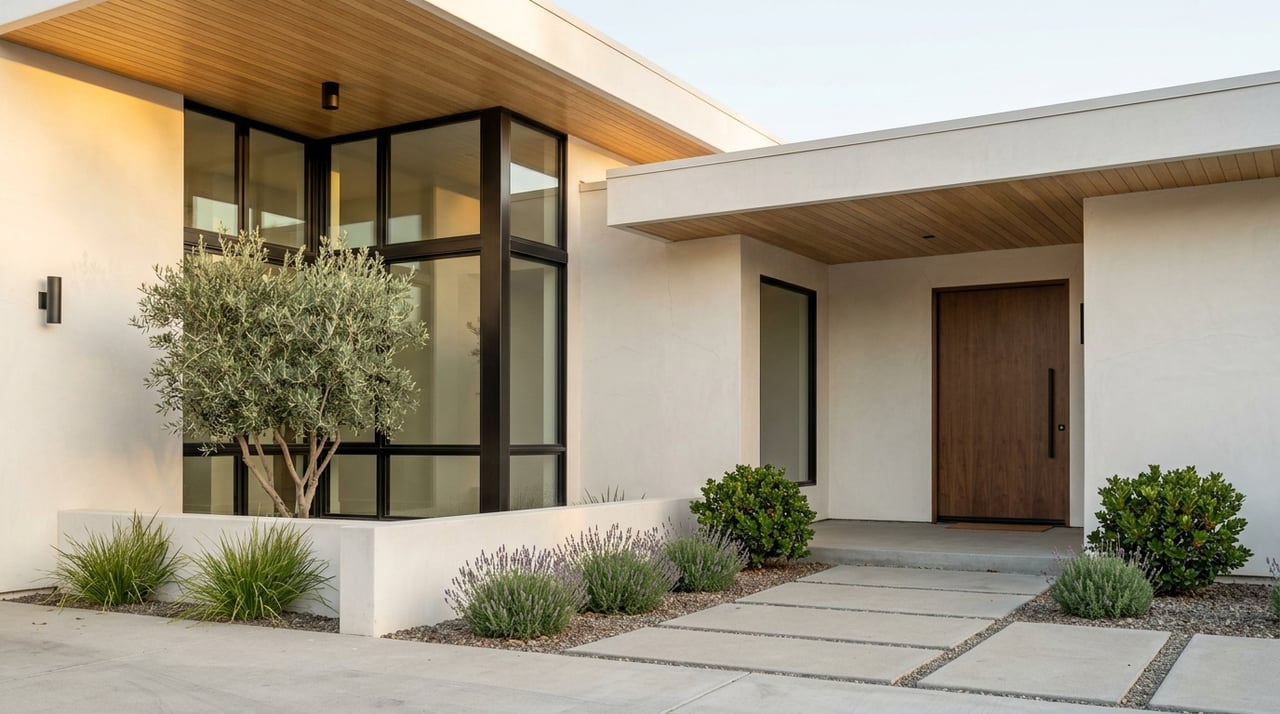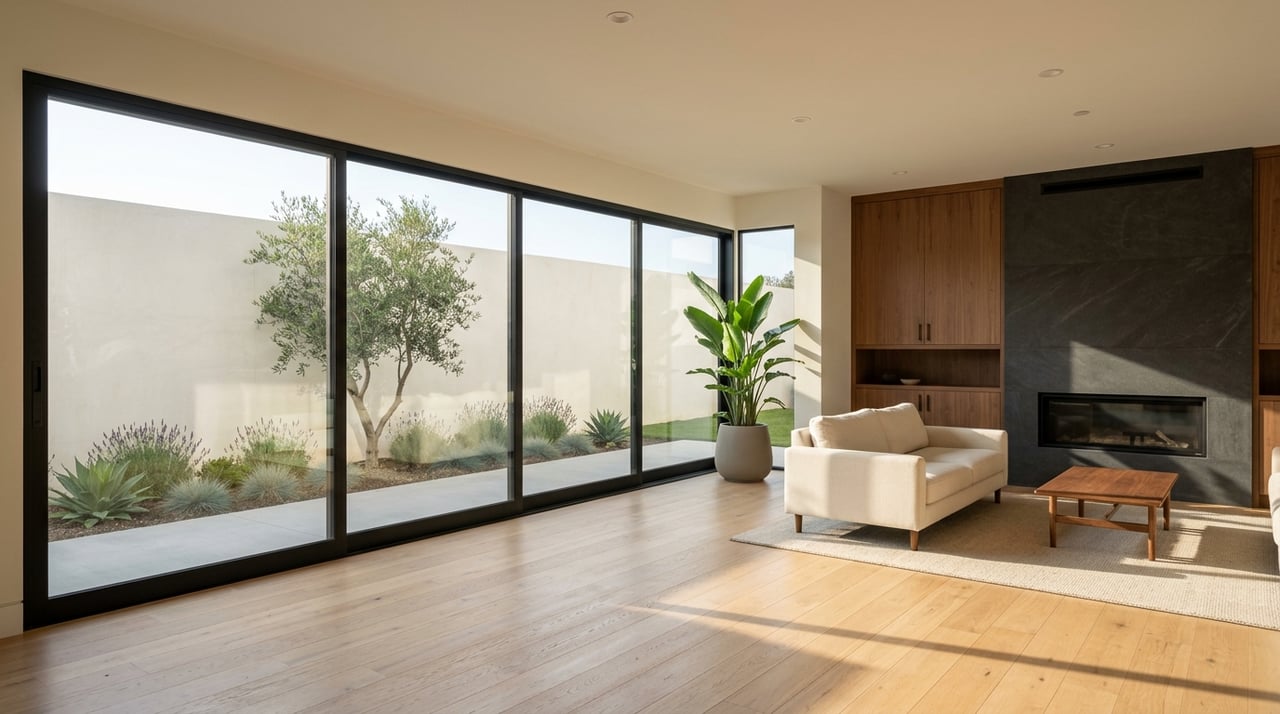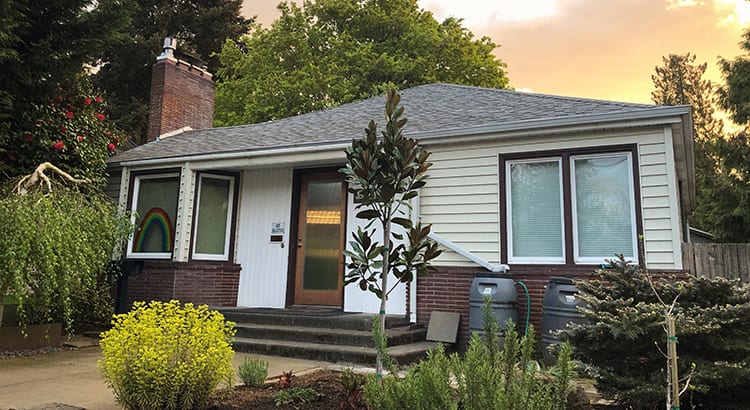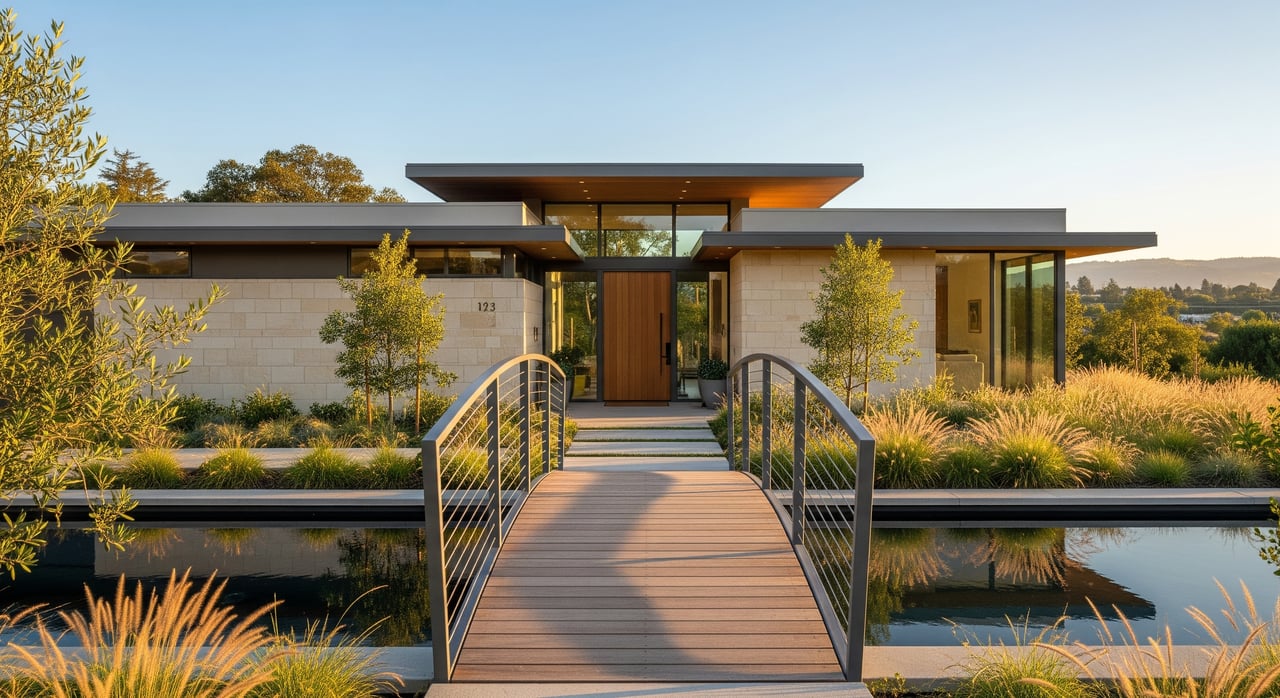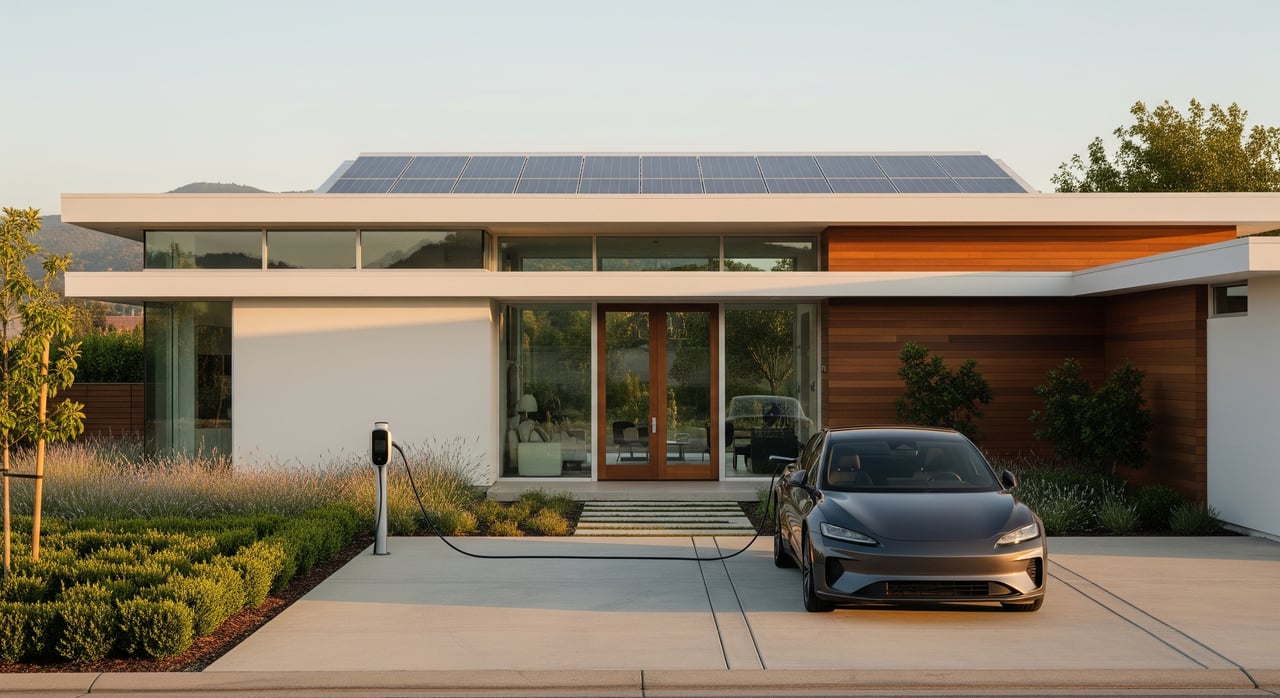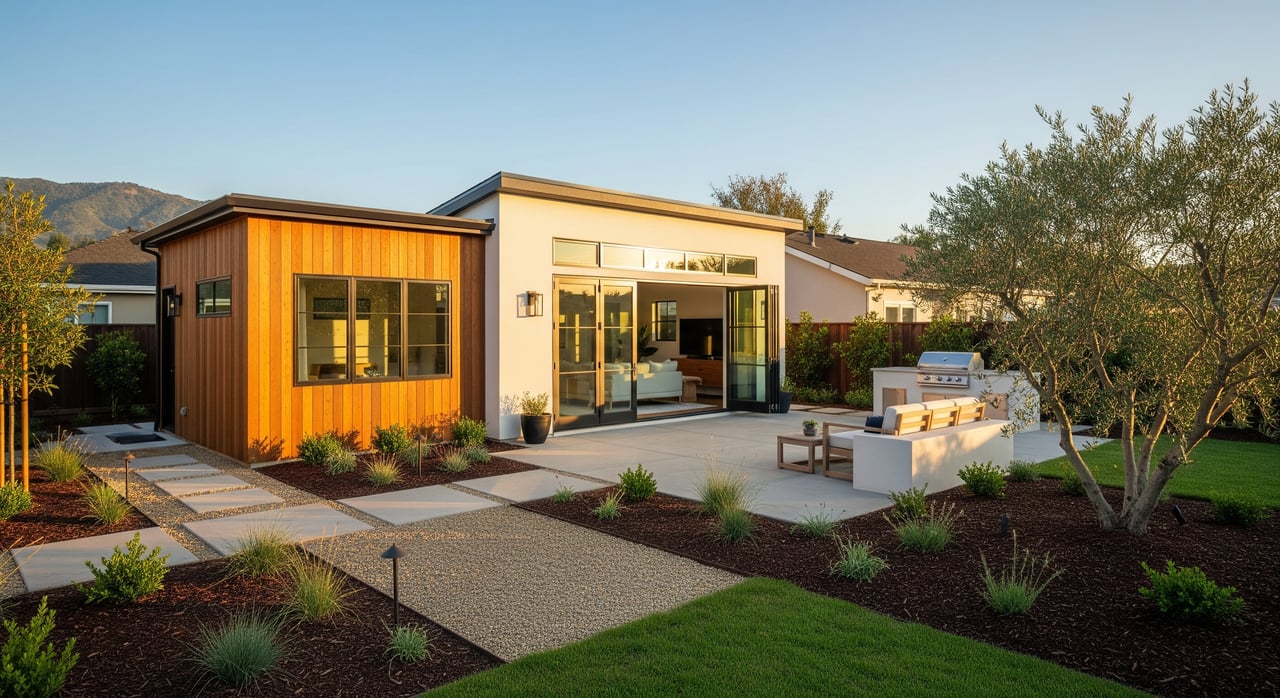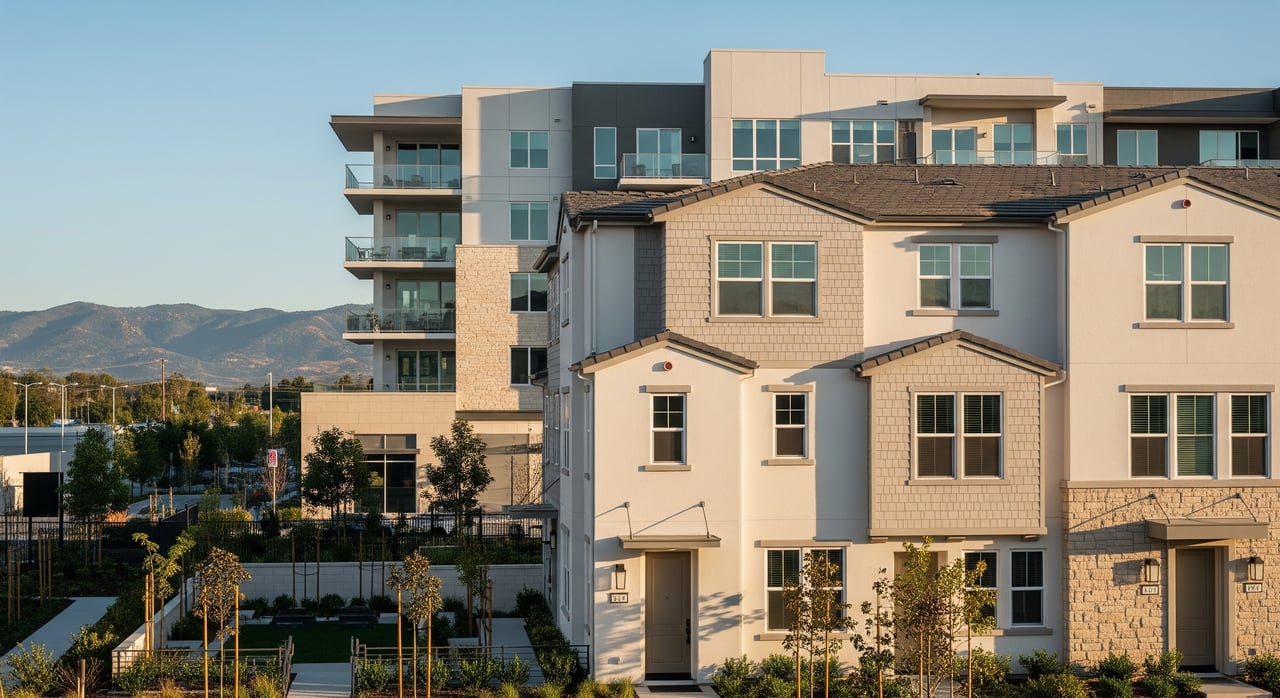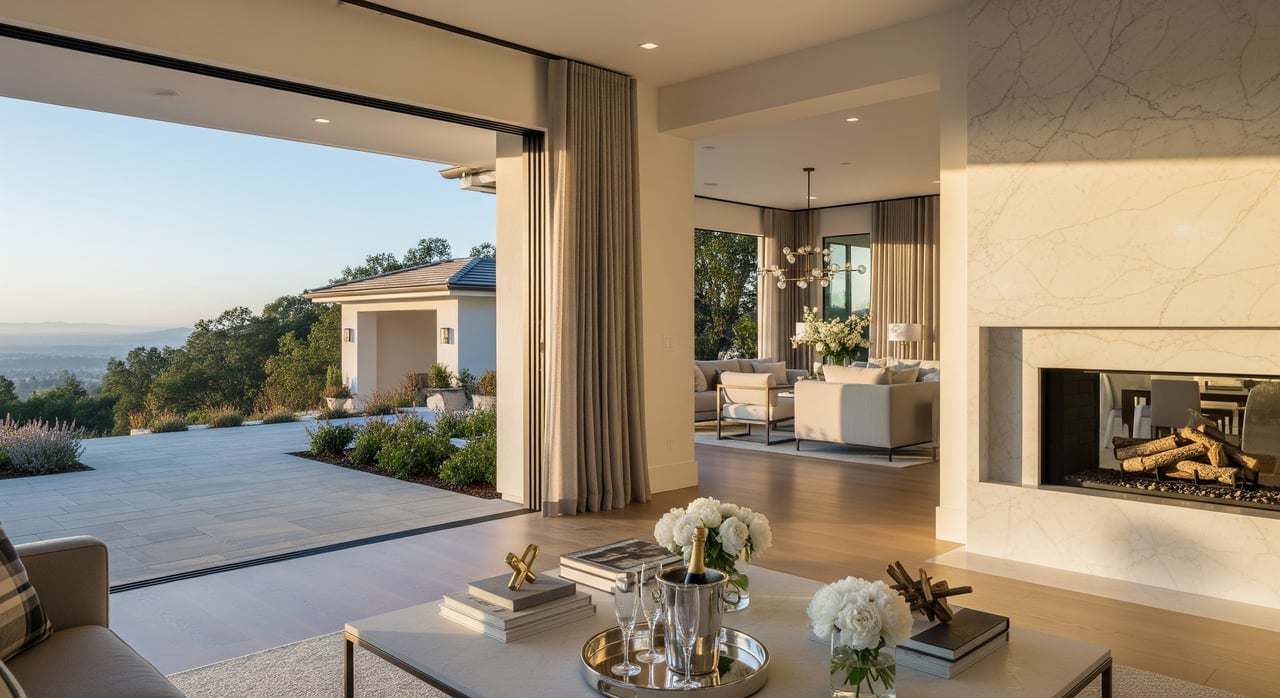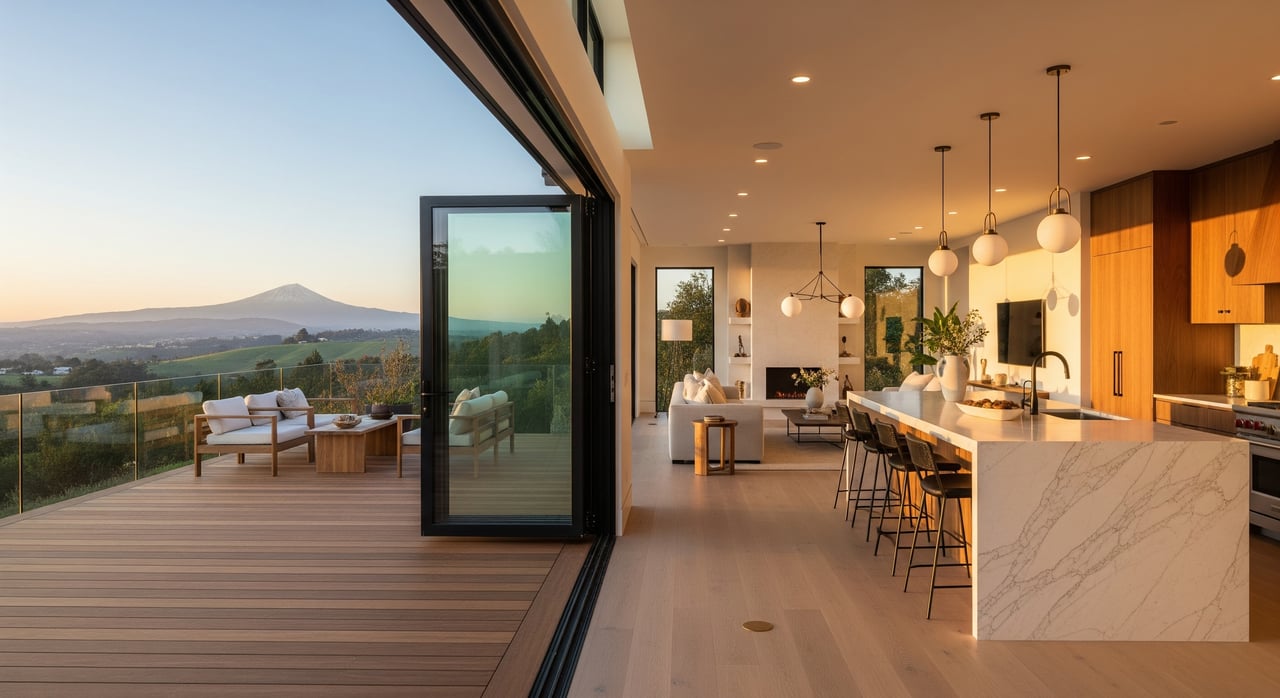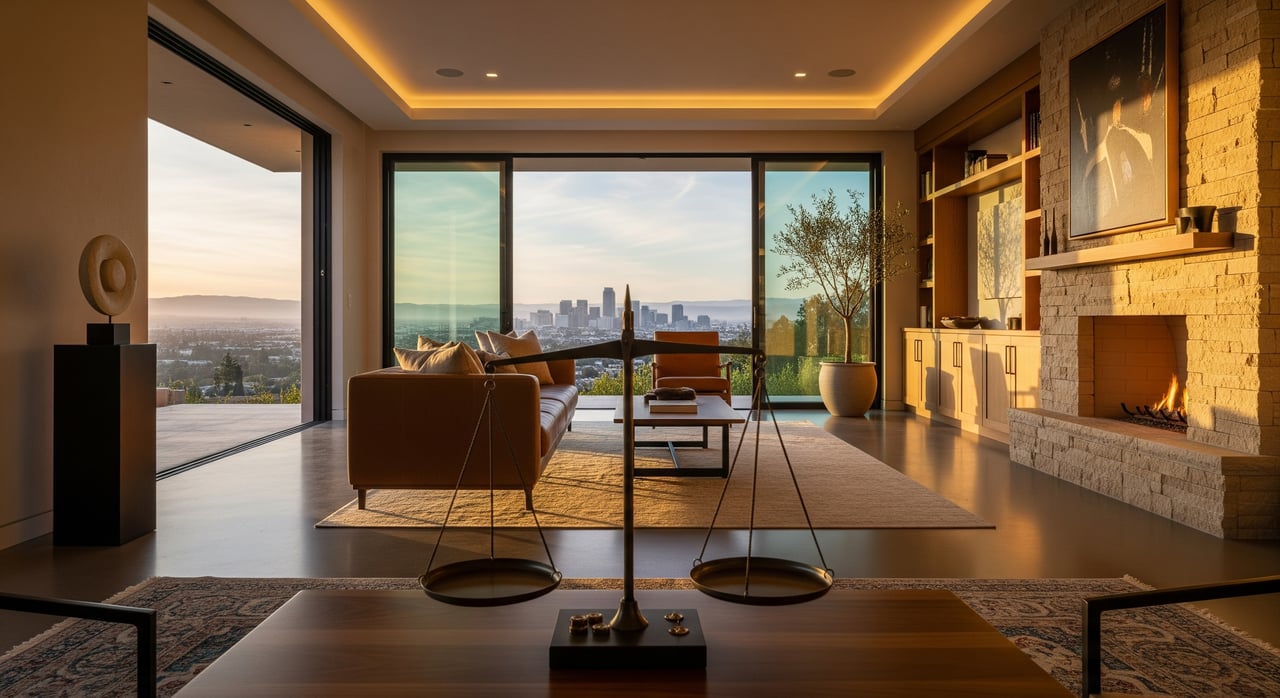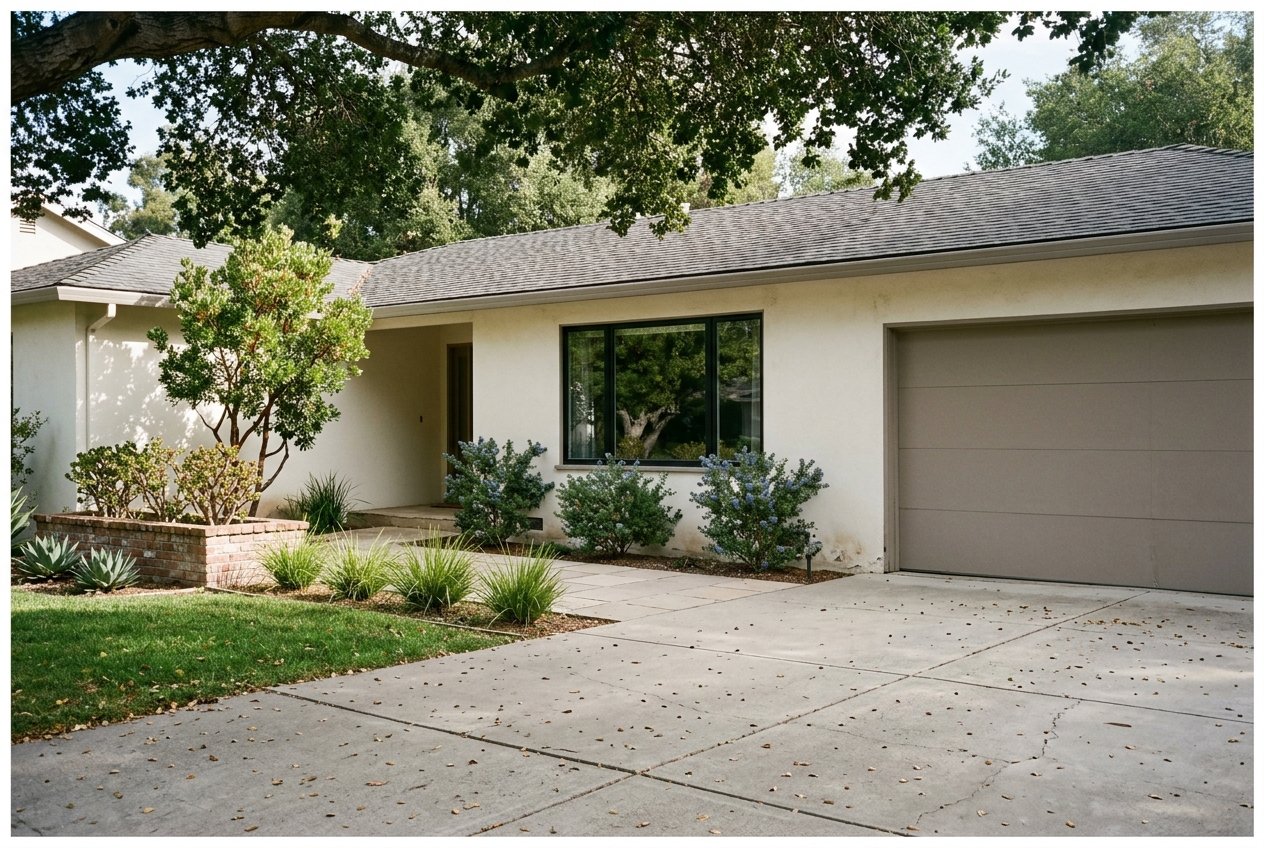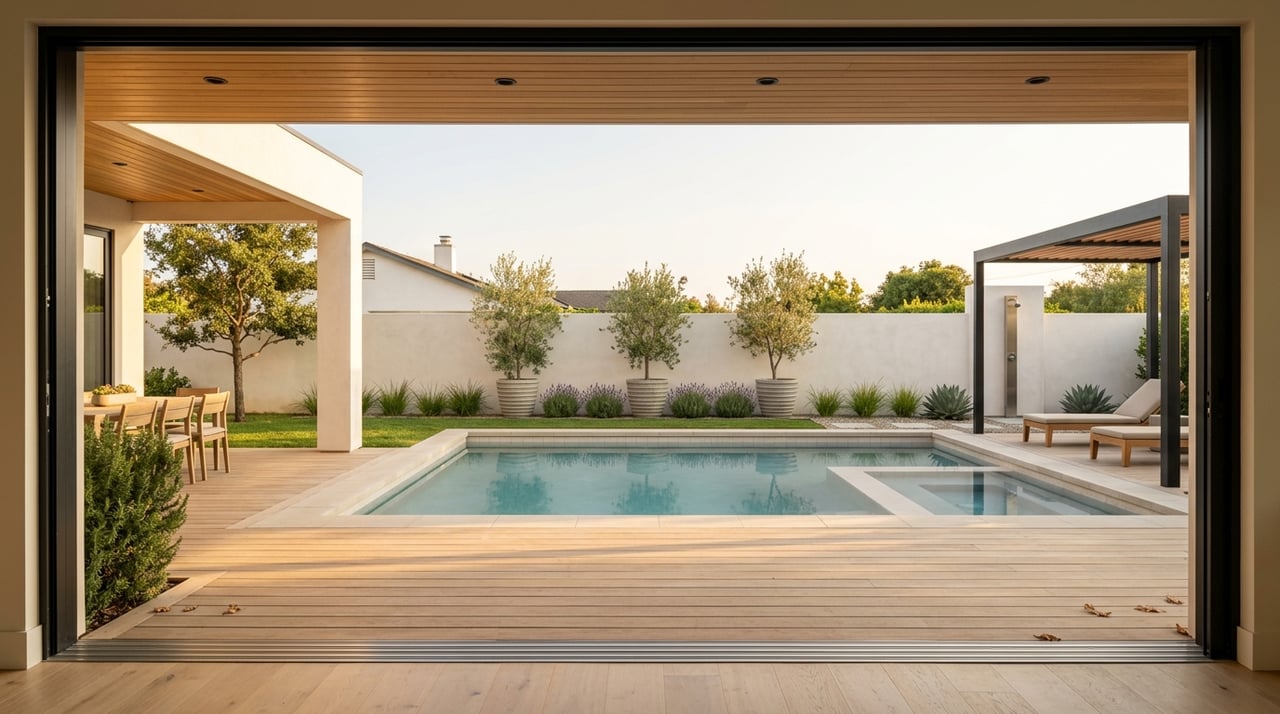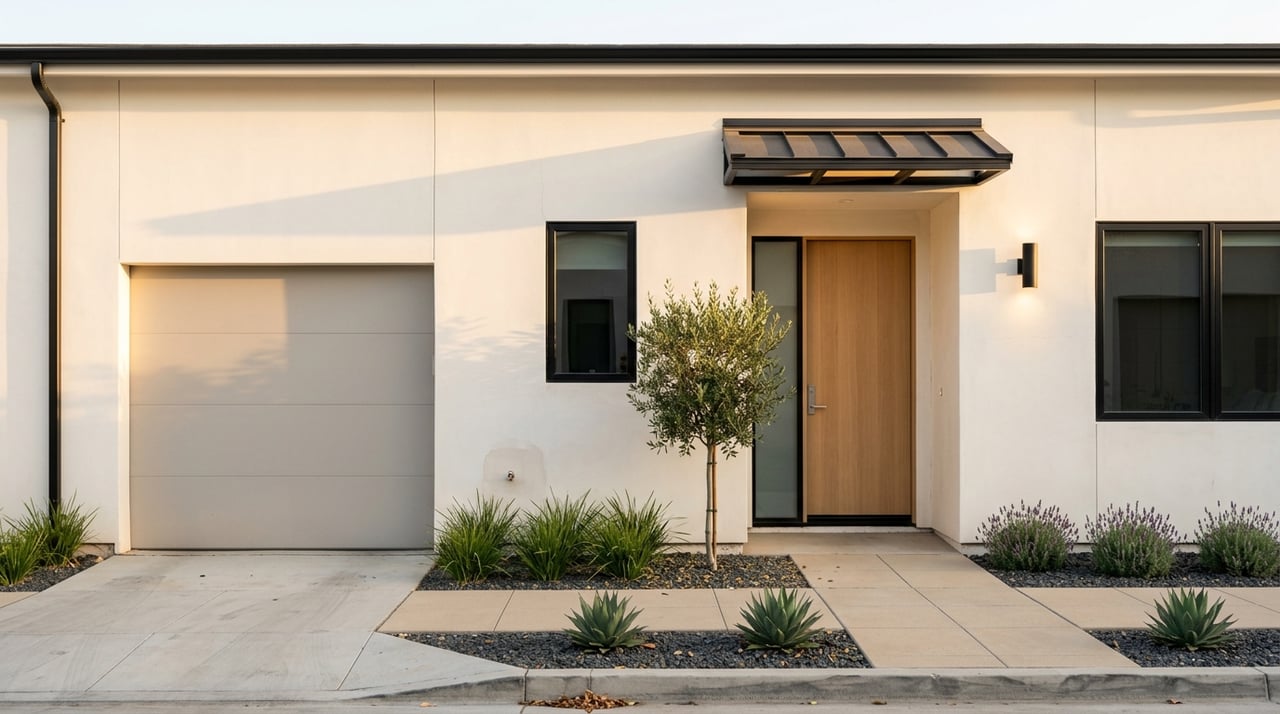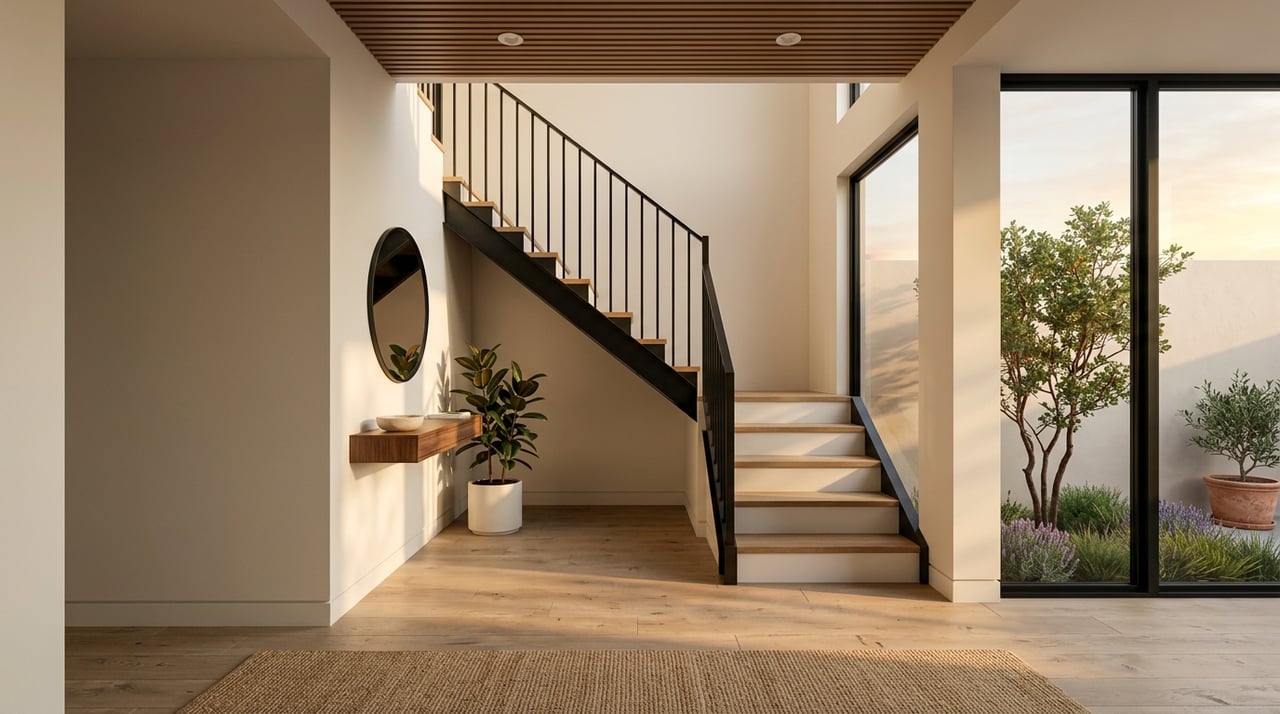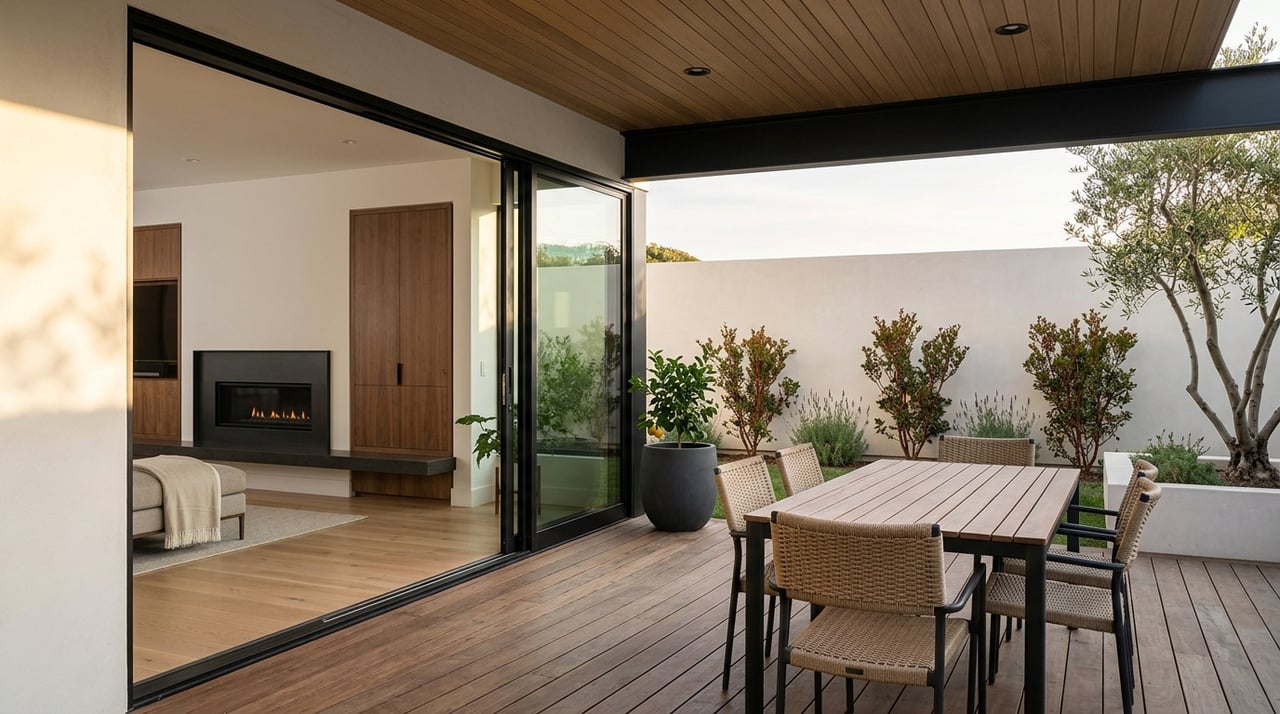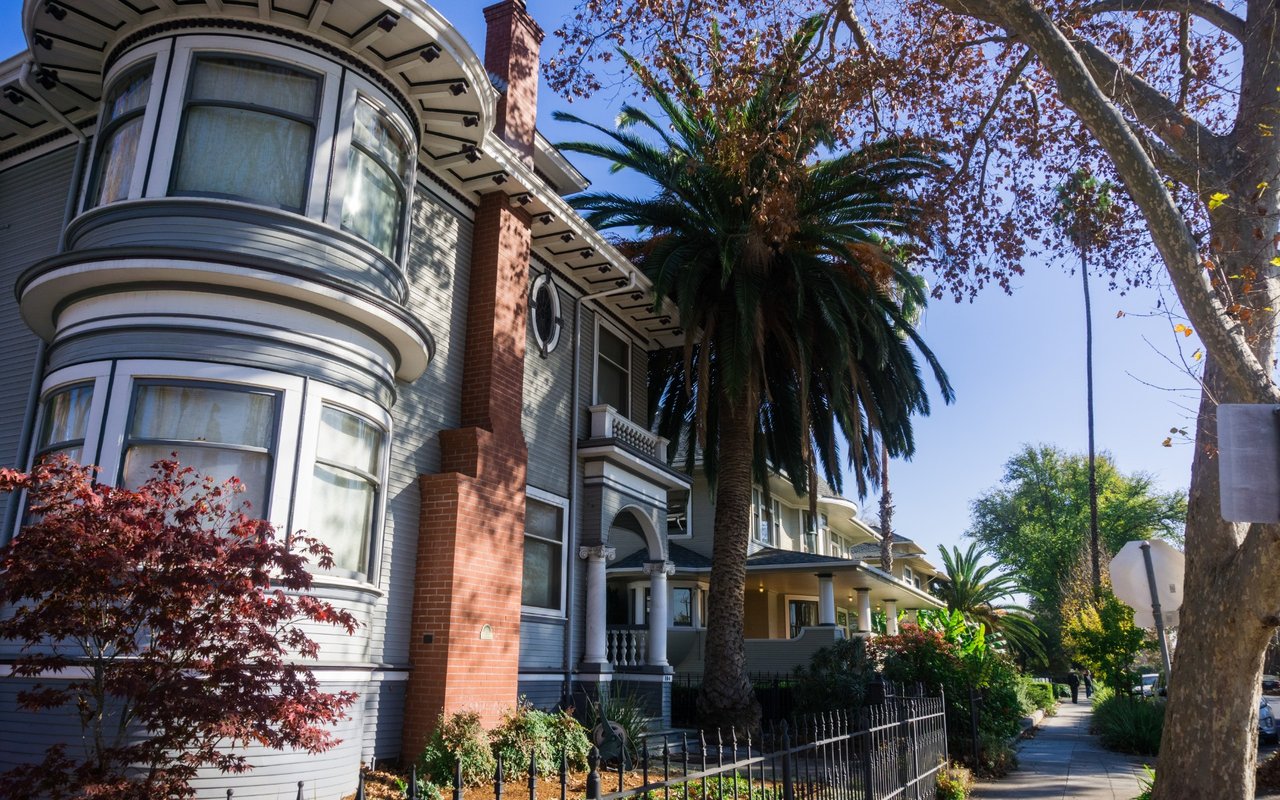
Explore San Jose Homes for Sale & Luxury Living
Search San Jose homes for sale, including luxury homes and new listings
1,014,813 people live in San Jose, where the median age is 38.7 and the average individual income is $63,249. Data provided by the U.S. Census Bureau.
Total Population
Median Age
Population Density
Average individual Income
San Jose is not a suburb that happened to grow large — it is a world-class city that earned its scale. As the self-proclaimed "Capital of Silicon Valley," it sits at the intersection of global ambition and genuine community character. The city stretches across the southern end of the San Francisco Bay, covering more than 170 square miles and housing nearly one million residents who represent virtually every culture on the planet.
The vibe here is distinctly its own: professionally driven yet outdoors-obsessed, cosmopolitan yet neighborhood-loyal. In Willow Glen, you'll find young families pushing strollers past Victorian storefronts on a Tuesday afternoon. In Almaden Valley, neighbors gather at the lake on weekends for pickup bocce games. In Downtown San Jose, tech professionals spill out of Santana Row wine bars and walk home past renovated mid-century towers.
Who lives here? Engineers and executives from Adobe, Zoom, Nvidia, and Cisco. Multigenerational Vietnamese, Mexican, Japanese, and Chinese families who have shaped the city's cultural identity for decades. First-time buyers who couldn't crack San Francisco or the Peninsula and discovered something better: space, sunshine, and a genuine sense of place. San Jose appeals to buyers who want urban access without sacrificing a backyard, world-class dining without Manhattan prices, and community without sameness.
What makes it truly appealing is the variety. No two zip codes feel alike. Buyers here aren't choosing a city — they're choosing a lifestyle. This guide is designed to help you find yours.
San Jose's story begins long before Silicon Valley was a concept. Founded on November 29, 1777, as El Pueblo de San José de Guadalupe, it holds the distinction of being the first civilian settlement in Alta California — established specifically to supply food to the military presidios in San Francisco and Monterey. In 1849, following California's transition to U.S. rule, San Jose briefly served as the state's first capital.
Through the late 1800s and well into the mid-20th century, the Santa Clara Valley was the world's largest fruit-producing and packing region. Known lovingly as the "Valley of Heart's Delight," the landscape was blanketed by apricot, prune, and cherry orchards as far as the eye could see. This pastoral era left an architectural legacy still visible today — Victorian, Queen Anne, and Italianate homes in neighborhoods like the Rose Garden and Hensley Historic District trace their lineage directly to this agricultural golden age.
The transformation came swiftly after World War II. Under City Manager A.P. "Dutch" Hamann, San Jose pursued one of the most aggressive annexation campaigns in American history, expanding from 17 square miles in 1950 to over 170 square miles by the 1970s. Orchards gave way to cul-de-sacs and office parks. IBM established its West Coast headquarters here in 1943, planting the seed that would grow into an entire ecosystem of innovation. The rest, as they say, is history — though in San Jose, even the history feels like it's still being written.
San Jose occupies the southern shore of the San Francisco Bay, approximately 50 miles south of San Francisco and 30 miles southeast of Palo Alto. It serves as the hub of the South Bay, flanked by Santa Clara and Sunnyvale to the north, and Los Gatos and Morgan Hill to the south.
The city sits within the Santa Clara Valley, a broad alluvial basin defined by two mountain ranges: the Santa Cruz Mountains to the west, which buffer it from the Pacific Ocean, and the Diablo Range to the east, anchored by Mount Hamilton and the historic Lick Observatory. This geography is not merely scenic — it has a direct impact on where you'll want to live. The western and southern foothills, home to neighborhoods like Almaden Valley and Silver Creek, offer elevation, views, and a sense of seclusion. The flatter, central neighborhoods trade views for walkability and transit proximity.
Two waterways define the city's ecological backbone: Coyote Creek and the Guadalupe River, both flowing northward through the valley into the Bay. Their corridors have been developed into extensive trail systems beloved by cyclists and joggers.
Climatically, San Jose benefits from a Mediterranean pattern that most of its Bay Area neighbors envy. The Santa Cruz Mountains create a rain shadow effect, meaning the city receives only about 15 inches of annual rainfall — significantly less than San Francisco or Oakland. Summers are warm and dry, with temperatures typically settling in the low-to-mid 80s°F. Winters are mild and brief, hovering in the 50s°F. With over 300 days of sunshine per year, outdoor living isn't seasonal here — it's a year-round identity.
The San Jose housing market in early 2026 is best described as a selective reset — prices have eased modestly from their historic peaks, but structural scarcity continues to protect values and sustain competitive conditions for well-priced, move-in-ready homes.
The defining dynamic is the "lock-in effect." Homeowners who secured mortgages at sub-3% rates during 2020–2021 have little financial incentive to sell, keeping active inventory unusually tight. With fewer than one month of supply available at any given time, buyers face real scarcity. As of Q1 2026, the median sale price in San Jose sits near $1.3 million, down roughly 7–10% from peak levels, with approximately 330–820 active listings depending on the month. Homes are spending an average of 18 to 31 days on market, and the sale-to-list ratio remains above 101% — meaning well-positioned homes are still routinely selling above asking price.
Appreciation forecasts for the remainder of 2026 point toward a 2–4% increase as mortgage rates stabilize near 6%. The market is not collapsing — it is recalibrating. For buyers, this window represents one of the more accessible entry points in recent years. For sellers, it remains a market that rewards preparation and precision pricing.
The clearest trend is neighborhood stratification. Turnkey homes in Willow Glen, Evergreen, and Almaden Valley continue to draw multiple offers within days of listing. Homes with deferred maintenance, awkward floor plans, or poor street presence are sitting longer and accepting concessions. The message is clear: quality commands, and median figures mask meaningful variation by zip code and condition.
San Jose's housing stock is as layered as its history, ranging from century-old Victorians to glass-and-steel high-rises.
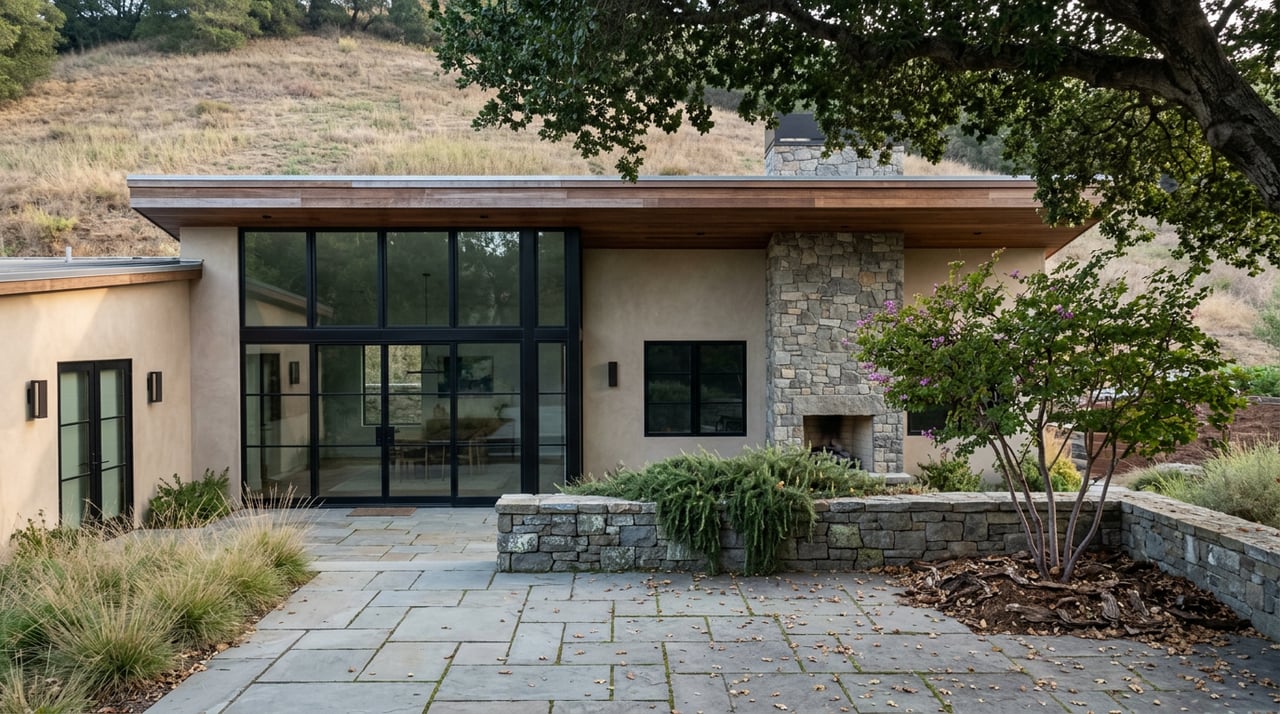
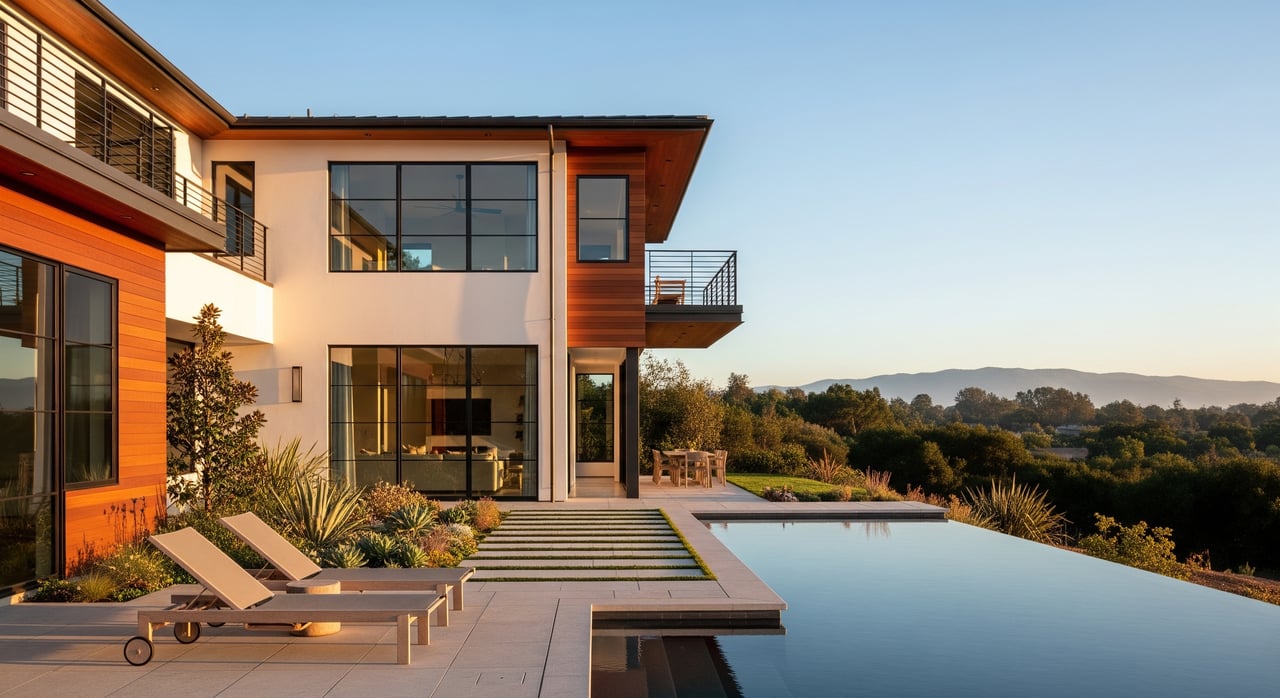
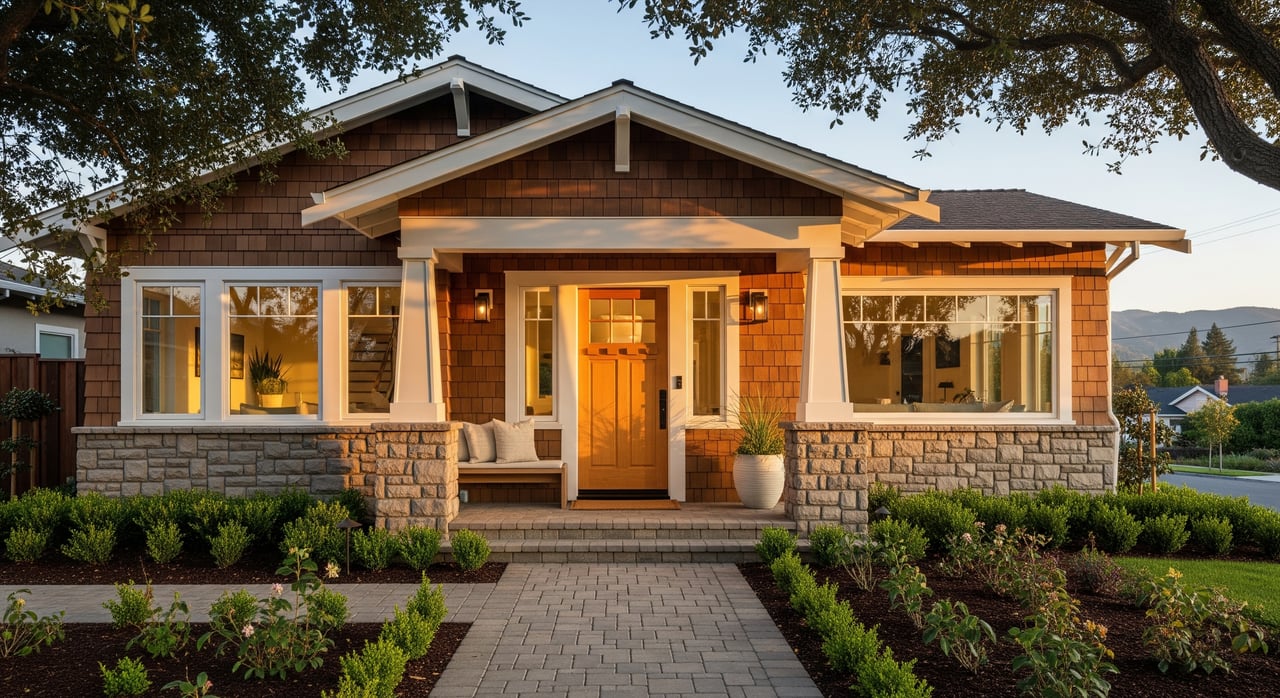
Single-Family Homes remain the most sought-after property type and the backbone of the market. Ranch-style and Mid-Century Modern homes dominate much of West and South San Jose, typically sitting on lots of 6,000 square feet or more. Historic neighborhoods like the Rose Garden and Naglee Park offer Victorian, Craftsman, and Spanish Revival architecture that rarely comes to market. At the upper end, the foothills of Silver Creek and Almaden Valley host large custom estates, frequently priced at $3 million and above, with panoramic views and generous lots.
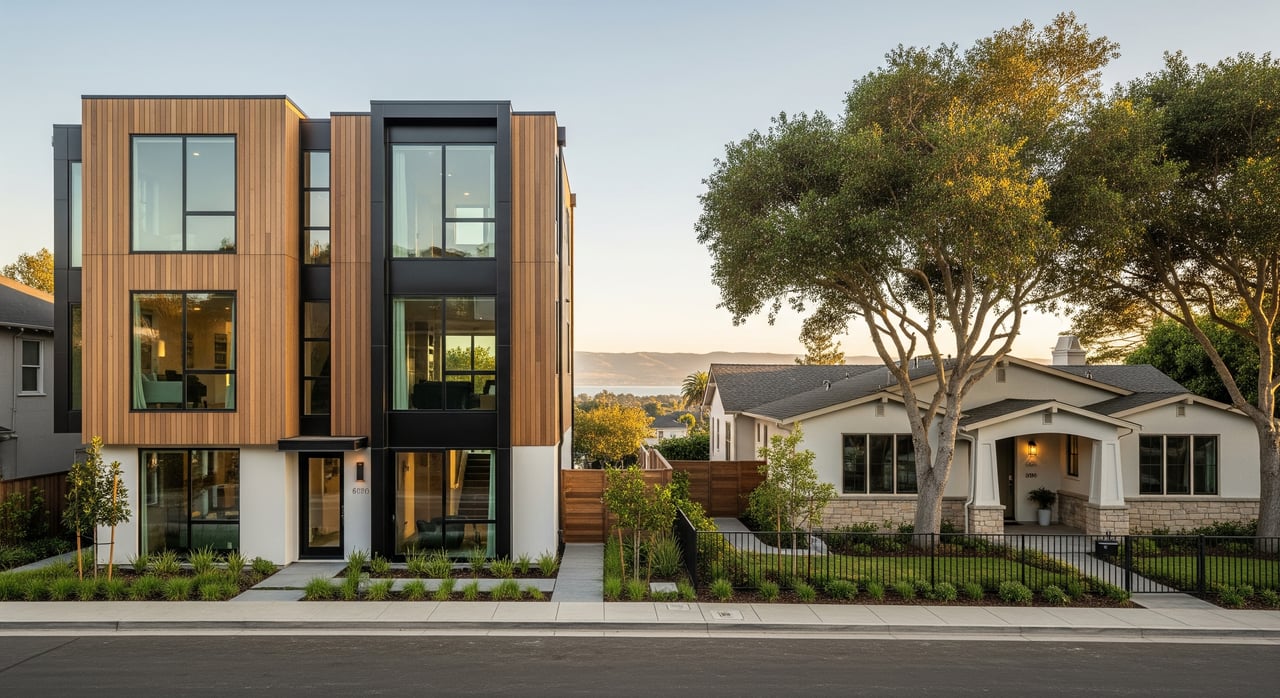
Condos and Townhomes have become the practical entry point for buyers priced out of the detached home market. Modern three-story townhomes with attached garages are popular in North San Jose and Communications Hill. Downtown San Jose offers a growing high-rise condo market anchored by buildings like The 88 and Miro, which deliver luxury amenities — pools, concierge services, fitness centers — for buyers drawn to urban living without suburban commutes.
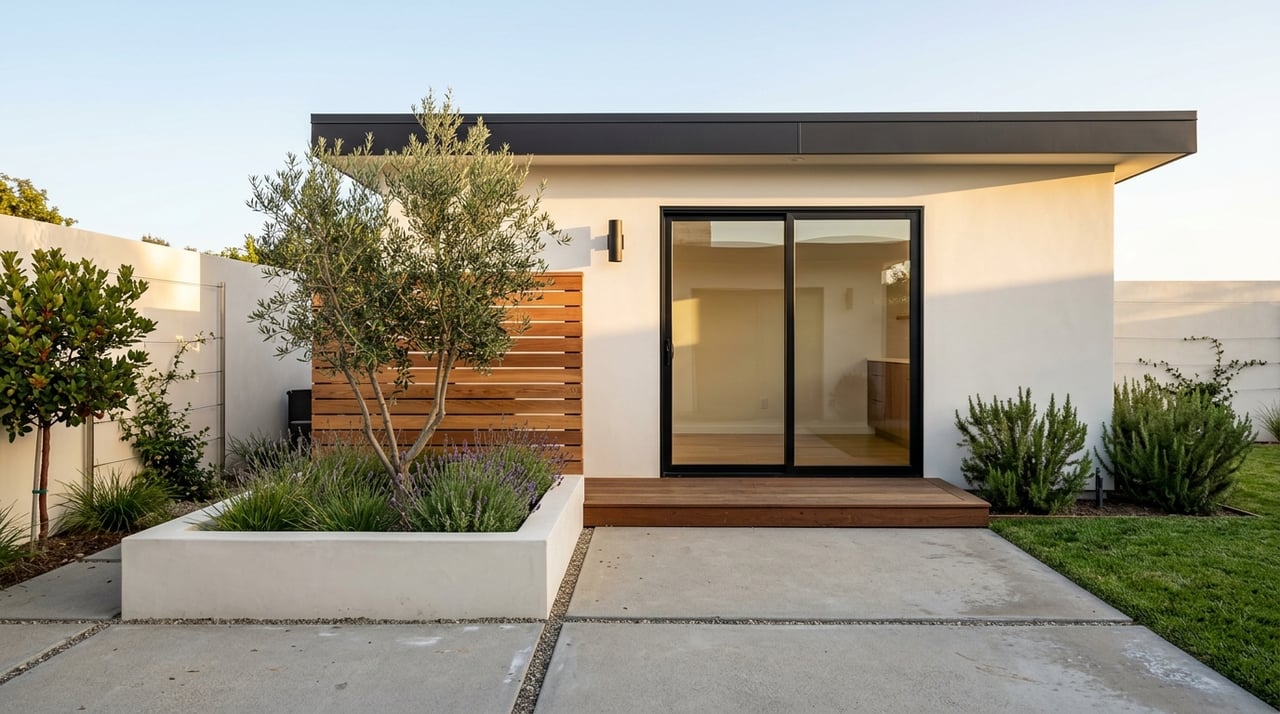
ADUs (Accessory Dwelling Units) deserve a category of their own in 2026. Relaxed state zoning has made it significantly easier to build a secondary unit in a backyard or above a garage. For buyers, a property with an existing or permitted ADU adds immediate rental income potential and long-term flexibility. For sellers, a lot that qualifies for an ADU is a legitimate selling point worth highlighting explicitly.
Luxury Apartments and Class A Rentals have surged near transit corridors like Diridon Station and Santana Row, catering to younger professionals not yet ready to buy. While not a purchase consideration directly, this rental supply influences buyer demand and neighborhood vitality in ways worth understanding.
Buying in San Jose requires more than the standard due diligence checklist. The city's geography, aging housing stock, and competitive pace create specific considerations that can significantly affect long-term value and cost of ownership.
Wildfire Risk and Insurance top the list for anyone considering homes in the eastern or southern foothills — particularly Almaden Valley, Silver Creek, or the East Foothills. Properties located in "Very High" Fire Hazard Severity Zones (FHSZ) can face insurance premiums up to 40% higher than comparable homes in lower-risk areas. Several private insurers have exited California's high-risk markets entirely, meaning some buyers may be forced onto the California FAIR Plan — a last-resort option with coverage limitations. Before removing your inspection contingency on a hillside property, verify the fire zone designation and request current insurance quotes.
Flood Zone Exposure is a concern in specific pockets of North San Jose and areas adjacent to the Guadalupe River. FEMA flood maps should be reviewed before waiving your appraisal contingency. Mandatory flood insurance, where required, adds ongoing cost that impacts your true monthly payment.
School Boundaries and Rezoning carry real financial weight. Homes that fall within highly rated districts — particularly Cupertino Union and Los Gatos-Saratoga — command price premiums of 15–20% over comparable homes in adjacent districts. However, boundary redraw discussions (notably within SJUSD's ongoing "Schools of Tomorrow" initiative) can shift those premiums without notice. Confirm current enrollment boundaries directly with the district, not just from a listing sheet.
Property Age and Infrastructure matter enormously in a city where so much of the housing stock dates to the 1950s and 1960s. Mid-century ranch homes in West San Jose frequently have original clay sewer pipes, which are prone to root intrusion and costly failure. Always request a sewer scope inspection. Silicon Valley's expansive clay soils also cause measurable foundation movement over decades — a structural engineer inspection is not optional on older homes.
HOA Financial Health is critical for condo and townhome buyers. In 2026, updated state safety mandates have triggered special assessments in many older complexes for balcony repairs and roof replacements. Request the current Reserve Study, the past two years of meeting minutes, and any pending litigation or assessment notices before committing.
Finally, market speed itself is a factor. Competitive properties in San Jose can go from listed to pending in under a week. Buyers who haven't been pre-underwritten (not just pre-approved) routinely lose to those who have. Know your financing position cold before you tour.
Selling in San Jose in 2026 is a study in precision. The market rewards sellers who treat their listing as a product launch — everything from pricing strategy to photography timing to staging philosophy affects both sale price and days on market.
Pricing Strategy is the single highest-leverage decision a seller makes. In the current environment, "testing the market" at an aspirational price has a measurable downside: homes that fail to attract offers within the first 21 days begin accumulating a "stale listing" stigma that buyers and their agents identify immediately on Redfin and Zillow. The most effective strategy in 2026 is to price at or slightly below the most recent pending comps in your immediate area — not last quarter's closed sales, but this week's pending listings. Priced correctly, a well-prepared home triggers competitive offer dynamics that often push the final price above what a high initial ask would have achieved anyway.
Staging for Today's Buyer has evolved considerably. The all-grey, cold-minimalist aesthetic that dominated San Jose staging from 2018 to 2023 has given way to what designers call "Modern Heritage" — warm neutrals like clay and sand, earthy accent tones like olive and terracotta, and furniture arrangements that feel curated rather than sterile. Buyers in 2026, many of whom are working from home at least part of the week, respond strongly to a clearly defined home office space. A tech-integrated workspace with built-in charging and a dedicated video conferencing wall is currently delivering stronger ROI than high-end kitchen appliance upgrades.
Strategic Upgrades should be evaluated with discipline. Drought-tolerant, California-native landscaping that photographs beautifully dramatically improves your listing's "first click" on Zillow and Redfin — often delivering a stronger return than a full bathroom renovation. If your lot qualifies for an ADU, commissioning permit-ready architectural drawings before listing adds a tangible selling point: buyers in 2026 place real value on the optionality of rental income or multi-generational living, even if they don't intend to build immediately.
Buyer Demographics in San Jose skew toward dual-income tech households with significant purchasing power but limited time for project management. Move-in-ready sells. Sellers who invest in pre-listing inspections and address deferred maintenance proactively remove the buyer's primary lever for negotiation.
San Jose's food and entertainment scene in 2026 punches well above its national profile, offering everything from James Beard-recognized fine dining to beloved neighborhood taquerias — often within the same zip code.
Downtown and San Pedro Square Market remain the city's social heartbeat. This open-air food hall is a destination in its own right, with Voyager Coffee, Lotería Taco Bar, and Pizza Antica anchoring a rotating cast of vendors. On any given evening, it's packed with post-work crowds, live music, and in 2026, World Cup watch party overflow from the fan fest at St. James Park.
Santana Row is where the South Bay goes to see and be seen. Oveja Negra offers some of the most inventive modern tapas in the region, while Left Bank Brasserie delivers a reliable French bistro experience with excellent people-watching from its sidewalk tables. The "Sip & Stroll" events that Santana Row hosts seasonally have become a beloved local tradition.
For serious dining, Adega and Petiscos (Portuguese small plates) are local institutions that have earned citywide loyalty. Black Sheep Brasserie in Willow Glen continues to win over neighborhood regulars with its consistently excellent seasonal menu, while Grandview Restaurant — perched dramatically on the flank of Mount Hamilton — remains one of the most memorable dining experiences in the entire Bay Area.
Culturally, San Jose's dining geography reflects its demographics in the most rewarding way. Japantown — one of only three remaining in the United States — is essential for authentic sushi, manju, and ramen. The Vietnam Town corridor along Story Road is widely considered home to the best pho and banh mi in Northern California, a claim that residents will defend passionately.
Entertainment anchors include the SAP Center (home of the San Jose Sharks and a major touring concert venue), the California Theatre, and the Center for the Performing Arts, where Opera San José and Symphony San Jose perform in genuinely stunning historic settings. In 2026, the city's World Cup hosting role has added a layer of energy — nightly drone shows, international street festivals, and a downtown buzz that feels unlike anything the city has seen in years.
San Jose offers one of the most complete retail environments in the Bay Area, from global luxury to local independent.
Westfield Valley Fair is among the highest-grossing shopping malls in the United States, and its luxury wing — anchored by Chanel, Gucci, and Prada — rivals anything found in San Francisco. The addition of Eataly has elevated Valley Fair into a genuine destination for food lovers, with Italian specialty groceries, fresh pasta counters, and rotating chef collaborations. Directly across the street, Santana Row offers an outdoor alternative with Vuori, YETI, Lululemon, and independent art galleries woven between restaurants and boutique hotels.
Lincoln Avenue in Willow Glen captures a completely different shopping energy — independent bookstores, children's boutiques, artisan gift shops, and local coffeehouse culture that feels genuinely small-town despite being embedded in a major city. Makers Market on Lincoln Avenue draws weekend crowds who appreciate locally made goods and one-of-a-kind finds.
For groceries, San Jose is exceptionally well-served. Whole Foods maintains a flagship presence on The Alameda; Trader Joe's locations are distributed across the city's major neighborhoods; and a rich network of ethnic specialty markets serves the city's diverse population with depth unavailable at national chains. Mitsuwa Marketplace delivers premium Japanese groceries and a popular ramen food court. H-Mart and Lion Market are essential stops for expansive Asian ingredients and fresh seafood. Cardenas Markets is a beloved institution for Latin American produce, meats, and fresh-baked pan dulce.
San Jose's outdoor infrastructure is a serious quality-of-life asset — and one of the most underappreciated aspects of life here for buyers relocating from denser urban markets.
Trail Systems are extensive and well-maintained. The Coyote Creek Trail stretches from the Bay south through the city's entire length, a favorite for long-distance cyclists and birders who track the riparian corridor's rich wildlife. Alum Rock Park, nestled in the eastern foothills, is California's oldest municipal park — its rugged trails, mineral springs, and canyon geography feel a world removed from Silicon Valley despite being minutes from the freeway. For residents seeking a signature hike, Mission Peak in neighboring Fremont is the region's unofficial fitness rite of passage, with a steep climb that rewards with 360-degree views of the entire valley below.
Lake Recreation anchors the city's south and east. Almaden Lake Park is a community anchor — paddleboating, bocce courts, walking paths, and weekend picnics define its character. Anderson Lake County Park, just south in Morgan Hill, offers the county's largest reservoir with expansive multi-use trails.
Golf is well-represented throughout the city. Cinnabar Hills offers championship-caliber play alongside a golf museum in a scenic hillside setting. Los Lagos provides a more accessible layout with water features that reward both beginners and experienced players.
For families, Rotary PlayGarden near the airport is a nationally recognized, fully inclusive playground designed for children of all abilities. Happy Hollow Park & Zoo combines rides and a conservation-focused zoo with a puppet theater — a beloved first outing for toddlers and preschool-aged children across the city.
San Jose's cultural identity in 2026 is defined by what locals call "The Global Village" — a city where world-class ambition and deep ethnic roots coexist in ways that feel organic rather than curated.
The festival calendar reflects this beautifully. Christmas in the Park fills Plaza de César Chávez with community-decorated trees and animatronic displays each December, drawing families from across the region. Nikkei Matsuri in Japantown is one of the nation's premier celebrations of Japanese American culture — taiko drumming, artisan crafts, and food vendors that overflow into surrounding blocks. Viva CalleSJ closes miles of city streets to cars, handing the pavement over to cyclists, skaters, and walkers in a jubilant annual celebration of public space. In March, the Azteca Mexica New Year at the Mexican Heritage Plaza draws participants for the largest ceremony of its kind in the United States.
The everyday lifestyle tilts decidedly toward the outdoors. The local maxim is "work hard, hike hard" — and it's not ironic. Networking in San Jose happens as often on trails and at coffee shops as in conference rooms. Sustainability is a lived value: EV adoption rates are among the highest in the nation, California-native landscaping has replaced traditional lawns throughout residential neighborhoods, and urban farming initiatives are woven into the community fabric.
San Jose Day, celebrated each April 8th (4/08 — for the 408 area code), has grown into a genuine grassroots tradition: art shows, community service events, local music, and the kind of collective pride that larger, more famous cities rarely sustain.
San Jose's educational landscape is decentralized — split across multiple independent districts that vary meaningfully in rankings, programs, and community culture. For buyers with school-age children, district boundaries deserve as much attention as the home itself.
San Jose Unified School District (SJUSD) is the largest district, serving the city's core. It is particularly noted for its diversity and its International Baccalaureate (IB) programs, available at San Jose High and a growing number of middle school feeder programs. While not the highest-ranked district by test scores alone, SJUSD offers specialized academic pathways and a breadth of extracurricular programming that many families find compelling.
Cupertino Union and Fremont Union serve portions of West San Jose and are perennial national leaders in STEM education. Lynbrook High and Monta Vista High consistently rank in the top 1% nationally for SAT performance and college placement. Homes within these district boundaries command the well-documented 15–20% price premium discussed earlier — and that premium is not going away.
Evergreen and Berryessa Union serve East and North San Jose with strong elementary programs and highly engaged parent communities. They are popular choices for families who want a rigorous foundation in the early grades in a neighborhood environment.
Among private options, The Harker School is the flagship — a K-12 institution with a national reputation for academic rigor, college placement, and STEM programs. Bellarmine College Preparatory and Presentation High School offer established Catholic school education with strong athletics, arts, and community service traditions. For early childhood, Orion Montessori stands out for its French and Mandarin immersion offerings, which are particularly sought after by Silicon Valley families thinking globally from the start.
At the university level, San Jose State University anchors Downtown with a strong engineering and business pipeline directly into the tech sector. Stanford University and Santa Clara University are both within 15–20 minutes, continuously enriching the city's academic and cultural environment.
San Jose's size — both its greatest asset and its most common frustration — means that commute experience varies enormously by neighborhood. Where you live relative to where you work matters more here than in almost any other Bay Area city.
By Car, the primary arteries are US-101 and I-280, the two main corridors connecting San Jose to San Francisco and the Peninsula. I-280, which winds through the Santa Cruz Mountain foothills, is among the most scenic urban freeways in the country. SR-85 connects the southern neighborhoods to major employers in Mountain View and Cupertino, while SR-87 (the Guadalupe Freeway) provides direct, efficient access to Downtown and the airport. In 2026, new Express Lanes on SR-85 and US-101 use dynamic congestion pricing — tolls ranging from $5 to $15-plus during peak hours — allowing solo drivers to buy faster passage when minutes matter.
By Rail, San Jose is unusually well-connected for a South Bay city. Caltrain from Diridon Station remains the gold standard for commuters heading to Palo Alto, Redwood City, or San Francisco — and the 2026 electrified fleet has made "Baby Bullet" service faster and more frequent. BART's Berryessa/North San Jose Station provides access to the East Bay, with Downtown San Jose extensions actively under construction (expect delays and reroutes near Santa Clara Street in the near term). VTA Light Rail threads through neighborhoods from Santa Teresa in the south to North San Jose, serving major employers and Levi's Stadium.
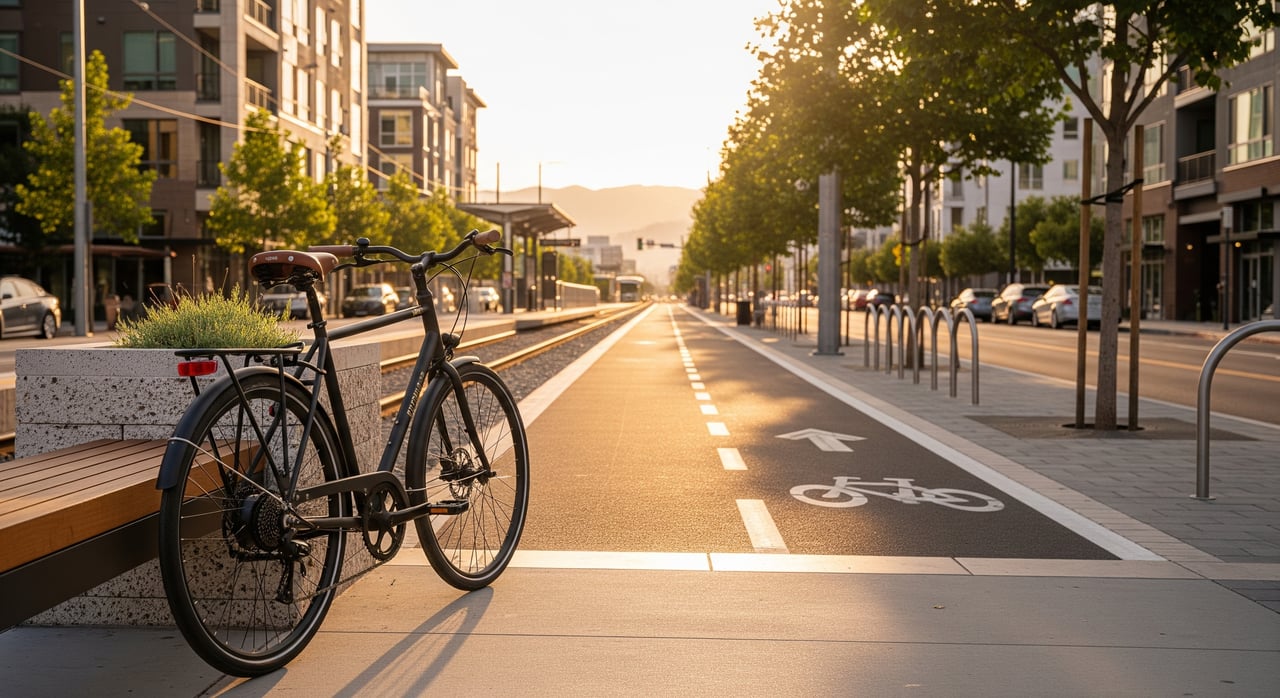
By Bike and Micromobility, Downtown San Jose and the Willow-Keyes corridor have received significant infrastructure investment in the form of concrete-protected bike lanes. E-scooters (Spin, Lime) and Bay Wheels bikes fill the "last mile" gap between transit stops and front doors throughout the urban core.
For buyers evaluating specific neighborhoods: Almaden Valley and Santa Teresa residents face longer car commutes to the Peninsula but benefit from uncongested neighborhood streets and good SR-87 access. Evergreen residents gain quick I-680 and US-101 access for East Bay commutes. Blossom Valley and Cambrian sit centrally, offering reasonable access to multiple employment corridors without the premium of Willow Glen or Almaden.
San Jose's micro-locations matter as much as its macro-neighborhoods, and experienced buyers know that the right street within the right zip code can represent a meaningful value premium — and better long-term appreciation.
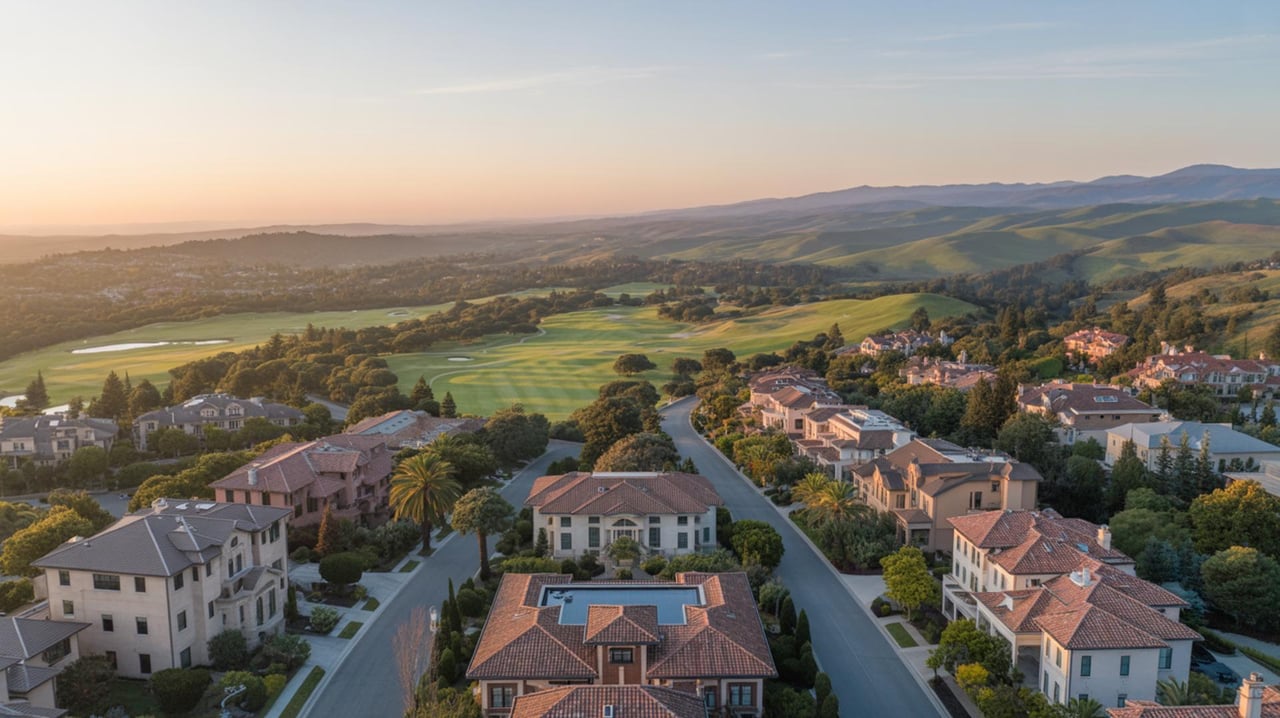
Almaden Valley is home to some of the city's most prestigious custom estates, particularly along the hillside streets that back up to open space preserves. Properties here frequently exceed 3,000 square feet on half-acre-plus lots, with panoramic views of the valley below. The combination of foothill privacy, excellent schools, and proximity to Almaden Lake Park makes this one of the most consistently desirable addresses in all of San Jose.
Silver Creek commands similar prestige on the eastern edge of the city. The Silver Creek Valley Country Club corridor anchors a collection of luxury estates with golf course and mountain views. Streets within the country club's immediate vicinity are among the most searched and least available addresses in the South Bay.
Willow Glen earns its reputation block by block on streets like Lincoln Avenue, Minnesota Avenue, and the streets surrounding Willow Street. The tree-lined sidewalks, historic homes, and genuine walkability to coffee shops and boutiques create a lifestyle that buyers return to repeatedly. Homes on the "west side" of Willow Glen — closer to the neighborhood's core — consistently outperform the broader market on resale.
Blossom Valley and Cambrian offer excellent value relative to their lifestyle quality, particularly on streets adjacent to Martial Cottle Park and the newer planned communities that combine cul-de-sac privacy with modern construction standards. These neighborhoods attract buyers who want the San Jose lifestyle at a more accessible price point without sacrificing neighborhood character.
Communications Hill deserves mention for buyers seeking panoramic views and modern construction. The hilltop planned community features newer townhomes and single-family homes with downtown San Jose skyline and valley vistas that are genuinely dramatic — and it remains one of the more undervalued view corridors in the city.
Ask longtime residents why they stay, and the answers are consistent: the weather, the access, and the feeling that this city still has room to grow into itself.
San Jose offers something increasingly rare in the Bay Area — the ability to live well rather than merely survive expensively. A family can afford a home with a real backyard, send their children to excellent public schools, be at a Sharks game or a Michelin-starred restaurant in under 20 minutes, and still hike in open space preserve on a Saturday morning that feels miles from any city.
The diversity here is not a marketing tagline. It is the lived texture of daily life — in the grocery stores, the school pickup lines, the festival crowds, the restaurant menus. It creates a cultural richness that genuinely distinguishes San Jose from the more demographically homogenous communities of the Peninsula or the South Bay suburbs.
For buyers, San Jose represents a rare convergence: proximity to the world's most dynamic economy, year-round outdoor lifestyle, genuine neighborhood identity, and — relative to its neighbors — still-accessible real estate that continues to appreciate over time. For sellers, it means a buyer pool that is educated, financially capable, and motivated. For everyone, it means a place that rewards those who choose it intentionally.
This is not a city you end up in. It's one you choose.
Navigating San Jose's real estate market — whether you're buying your first home, selling a longtime family property, or building a portfolio of investment assets — requires more than access to listings. It requires a trusted advisor who understands the nuance of every neighborhood, the pace of every micro-market, and the specific factors that determine whether a transaction becomes a success story or a cautionary tale.
Samit Shah brings that depth to every client relationship. With hands-on expertise across San Jose's most coveted neighborhoods — from the luxury estates of Almaden Valley and Silver Creek to the condos and townhomes of Blossom Valley and Cambrian — Samit combines local market intelligence with a client-first approach that turns complexity into clarity. Whether you're trying to understand what your home is worth in today's market, identify the right neighborhood for your family's next chapter, or navigate the competitive pace of a multiple-offer situation, Samit is the advisor you want in your corner.
Ready to take the next step? Reach out to Samit Shah directly to schedule a consultation. Your future in San Jose starts with the right conversation.
There's plenty to do around San Jose, including shopping, dining, nightlife, parks, and more. Data provided by Walk Score and Yelp.
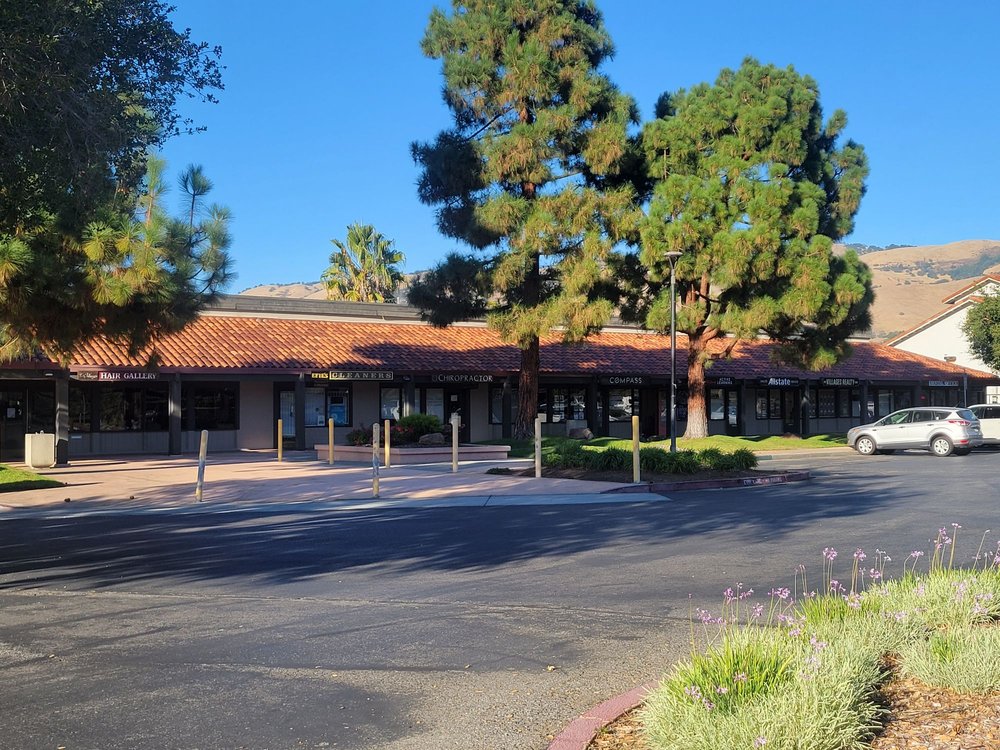
Explore popular things to do in the area, including Easy Cake Orders, Charming Charlie, and Tanmohi Collections.
| Name | Category | Distance | Reviews |
Ratings by
Yelp
|
|---|---|---|---|---|
| Dining | 1.63 miles | 0 reviews | 0/5 stars | |
| Shopping | 0.46 miles | 0 reviews | 0/5 stars | |
| Shopping | 2.02 miles | 1 review | 5/5 stars | |
| Shopping | 2.03 miles | 1 review | 3/5 stars | |
| Shopping | 2.32 miles | 1 review | 3/5 stars | |
| Active | 1.27 miles | 1 review | 5/5 stars | |
| Active | 1.98 miles | 2 reviews | 5/5 stars | |
| Active | 2.02 miles | 0 reviews | 0/5 stars | |
| Active | 2.47 miles | 0 reviews | 0/5 stars | |
| Active | 2.47 miles | 0 reviews | 0/5 stars | |
| Active | 2.57 miles | 0 reviews | 0/5 stars | |
| Active | 2.58 miles | 0 reviews | 0/5 stars | |
| Active | 2.69 miles | 3 reviews | 5/5 stars | |
| Active | 2.69 miles | 7 reviews | 5/5 stars | |
| Active | 2.69 miles | 0 reviews | 0/5 stars | |
| Beauty | 2.02 miles | 0 reviews | 0/5 stars | |
| Beauty | 2.02 miles | 0 reviews | 0/5 stars | |
| Beauty | 2.02 miles | 1 review | 5/5 stars | |
| Beauty | 2.02 miles | 1 review | 5/5 stars | |
| Beauty | 2.02 miles | 8 reviews | 5/5 stars | |
| Beauty | 2.36 miles | 0 reviews | 0/5 stars | |
| Beauty | 2.47 miles | 0 reviews | 0/5 stars | |
| Beauty | 2.69 miles | 0 reviews | 0/5 stars | |
| Beauty | 2.69 miles | 2 reviews | 5/5 stars | |
|
|
||||
|
|
||||
|
|
||||
|
|
||||
|
|
||||
|
|
San Jose has 333,751 households, with an average household size of 2.985357142857143. Data provided by the U.S. Census Bureau. Here’s what the people living in San Jose do for work — and how long it takes them to get there. Data provided by the U.S. Census Bureau. 1,014,813 people call San Jose home. The population density is 7,363 and the largest age group is Data provided by the U.S. Census Bureau.
Total Population
Population Density Population Density This is the number of people per square mile in a neighborhood.
Median Age
Men vs Women
Population by Age Group
0-9 Years
10-17 Years
18-24 Years
25-64 Years
65-74 Years
75+ Years
Education Level
Total Households
Average Household Size
Average individual Income
Households with Children
With Children:
Without Children:
Blue vs White Collar Workers
Blue Collar:
White Collar:
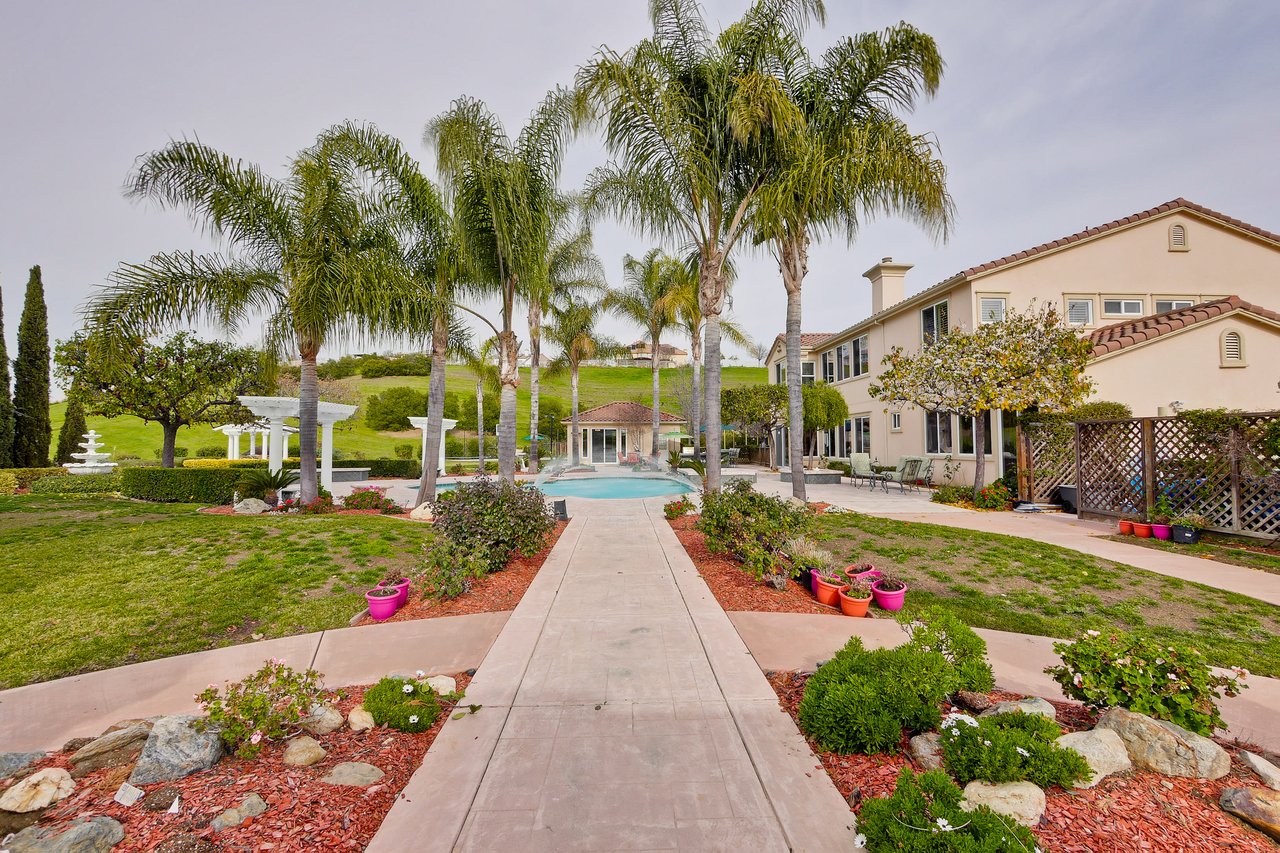
Search Blossom Valley, San Jose homes for sale, including luxury homes and new listings
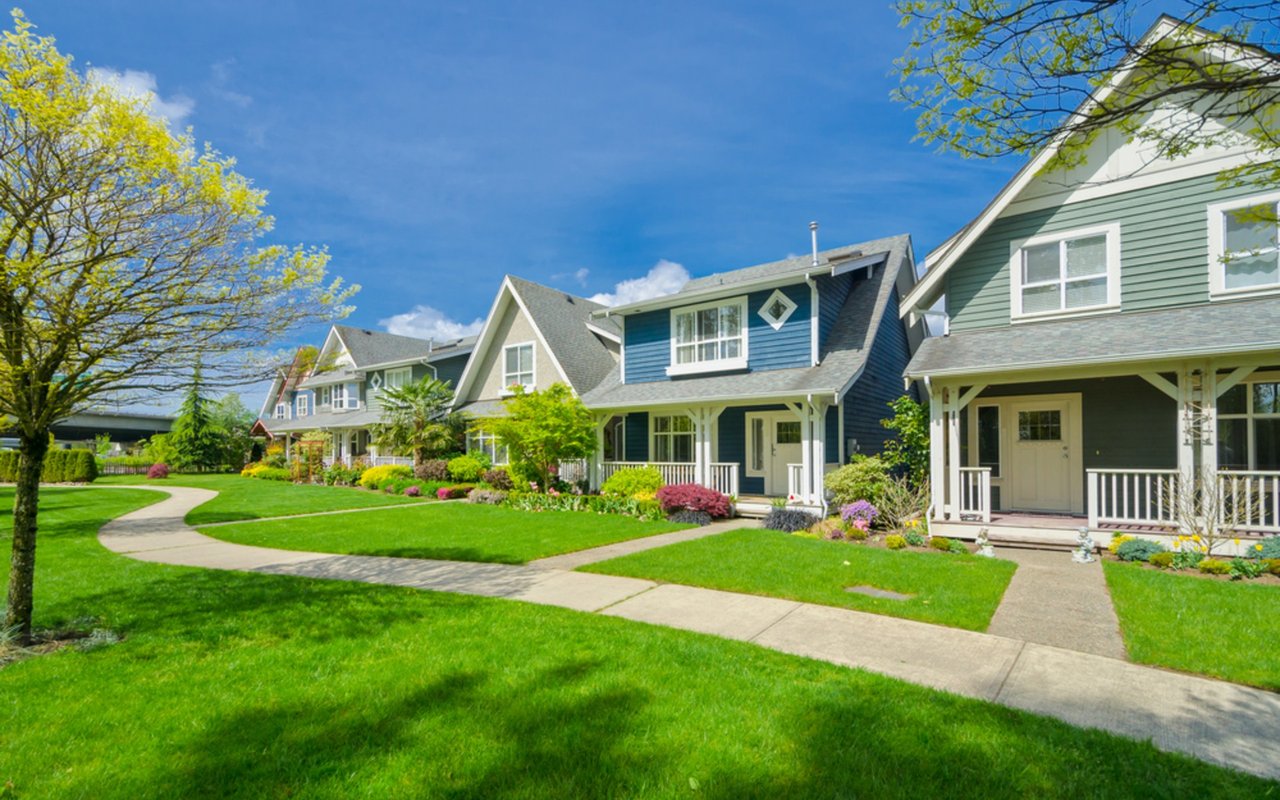
Search Cambrian Park, San Jose homes for sale, including luxury homes and new listings
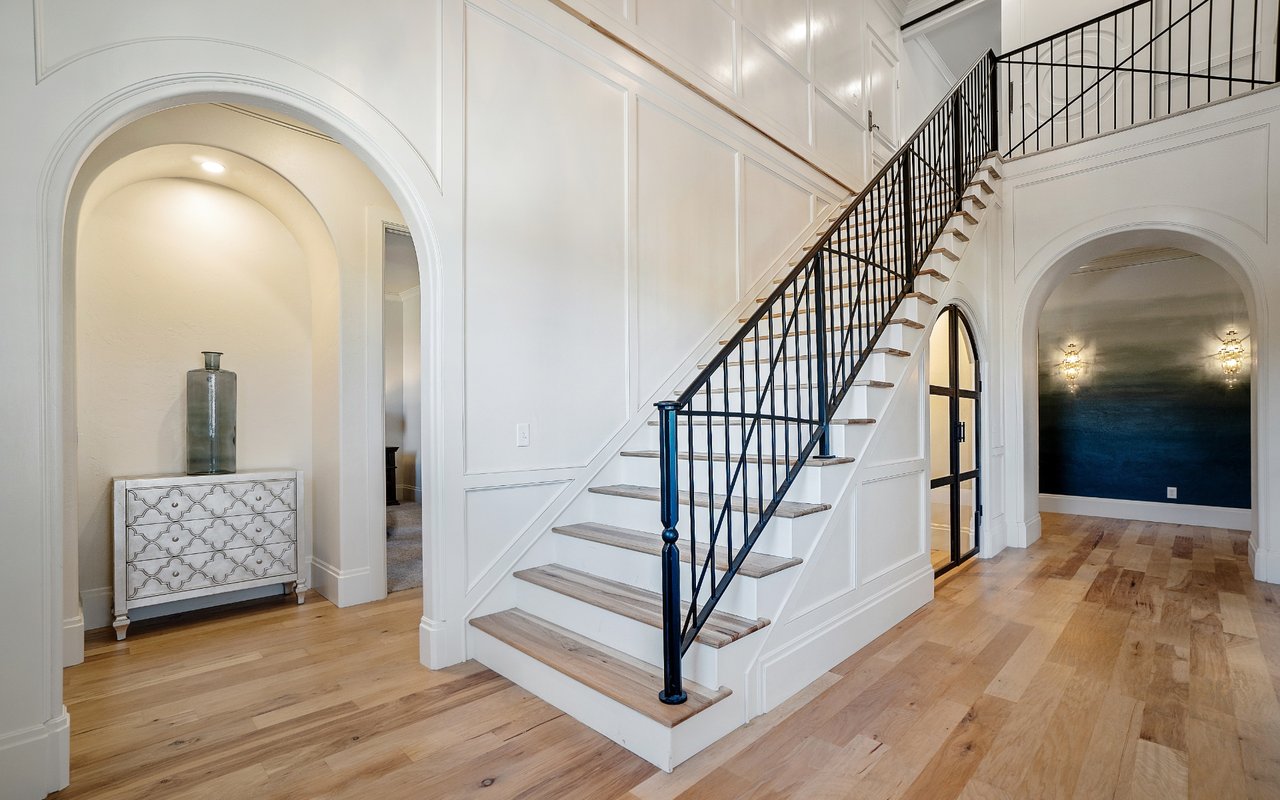
1133 Minnesota Ave San Jose, CA 95125
1133 Minnesota Ave San Jose, CA 95125