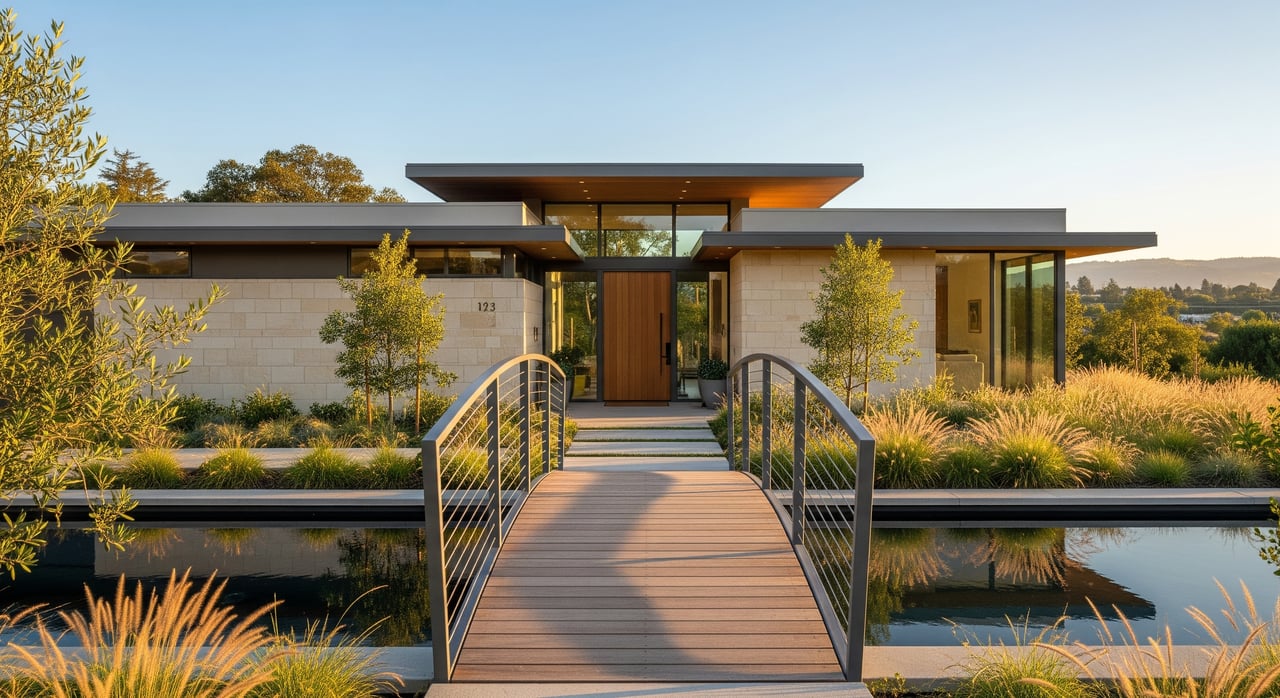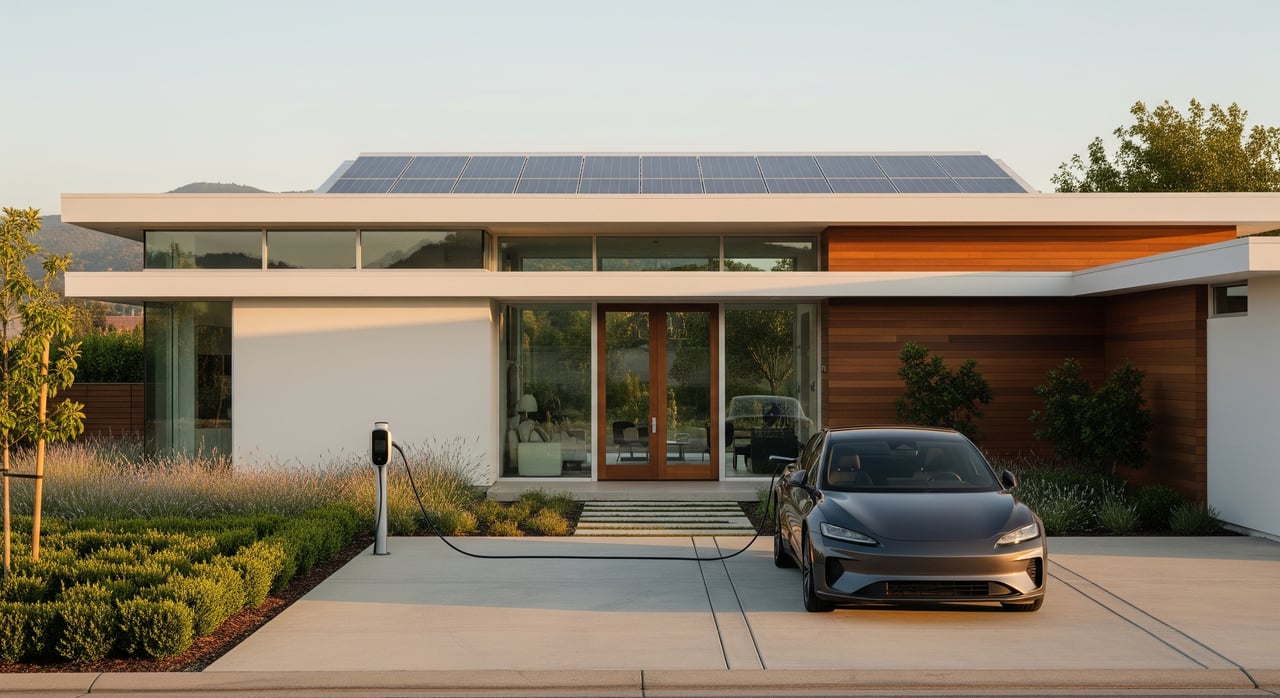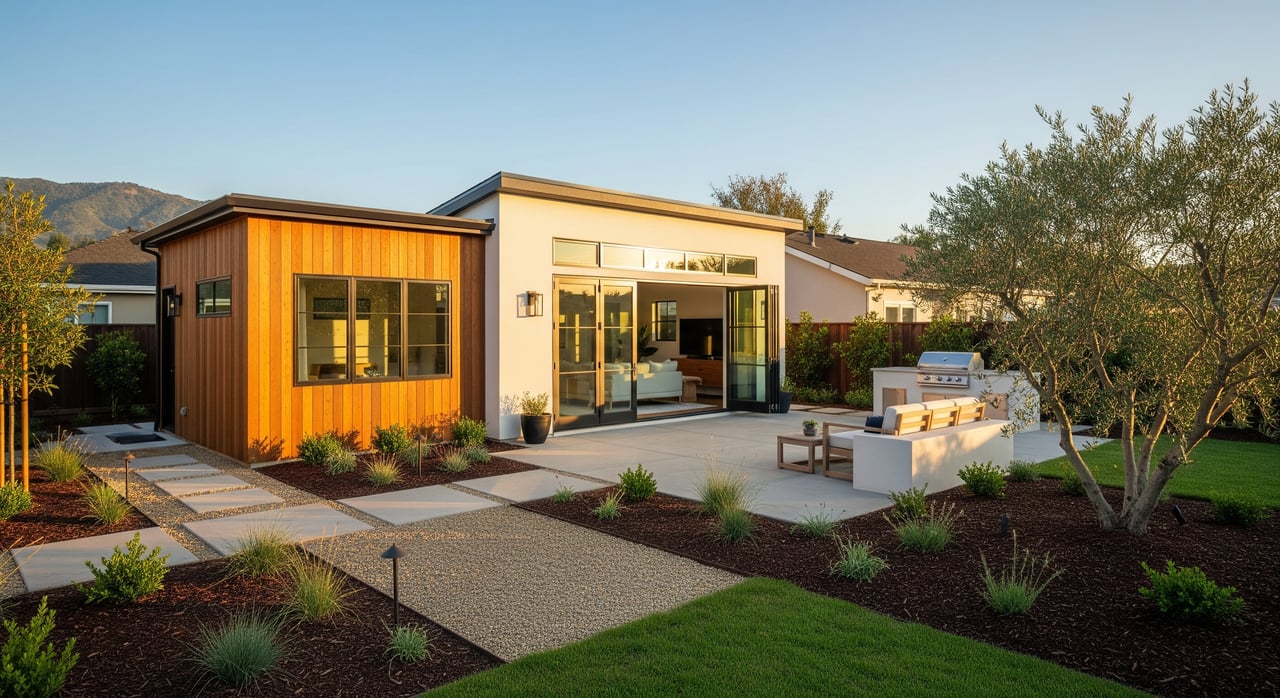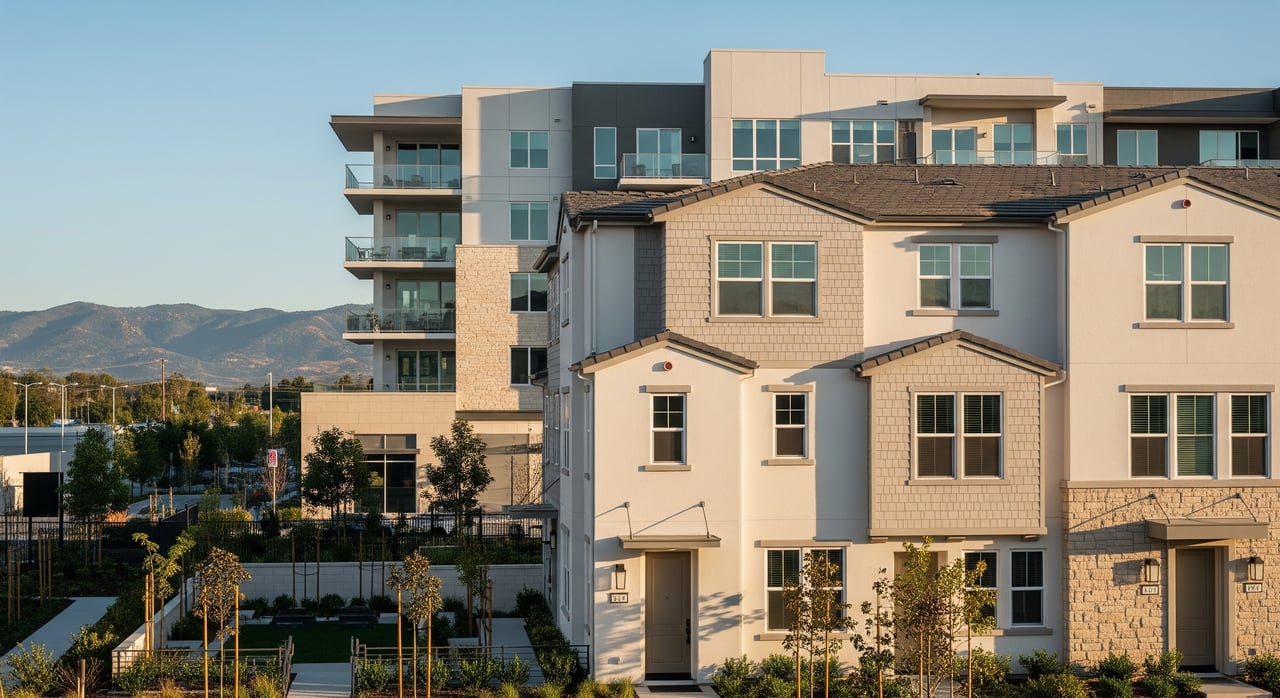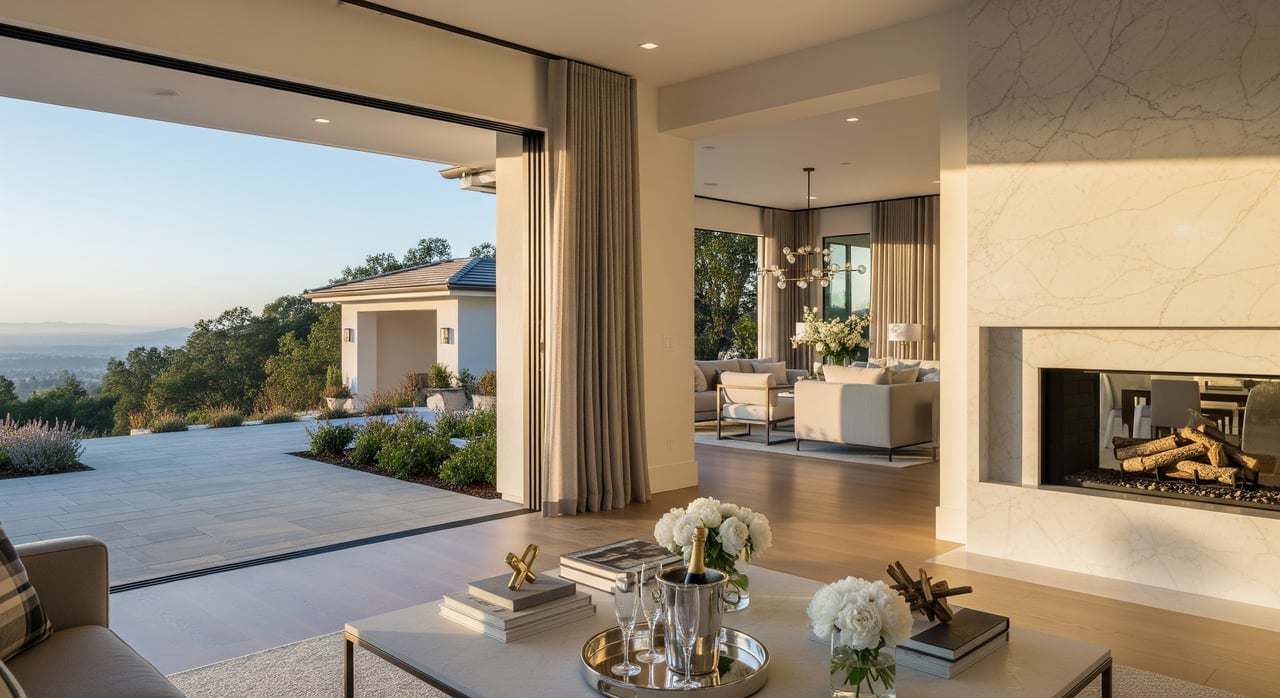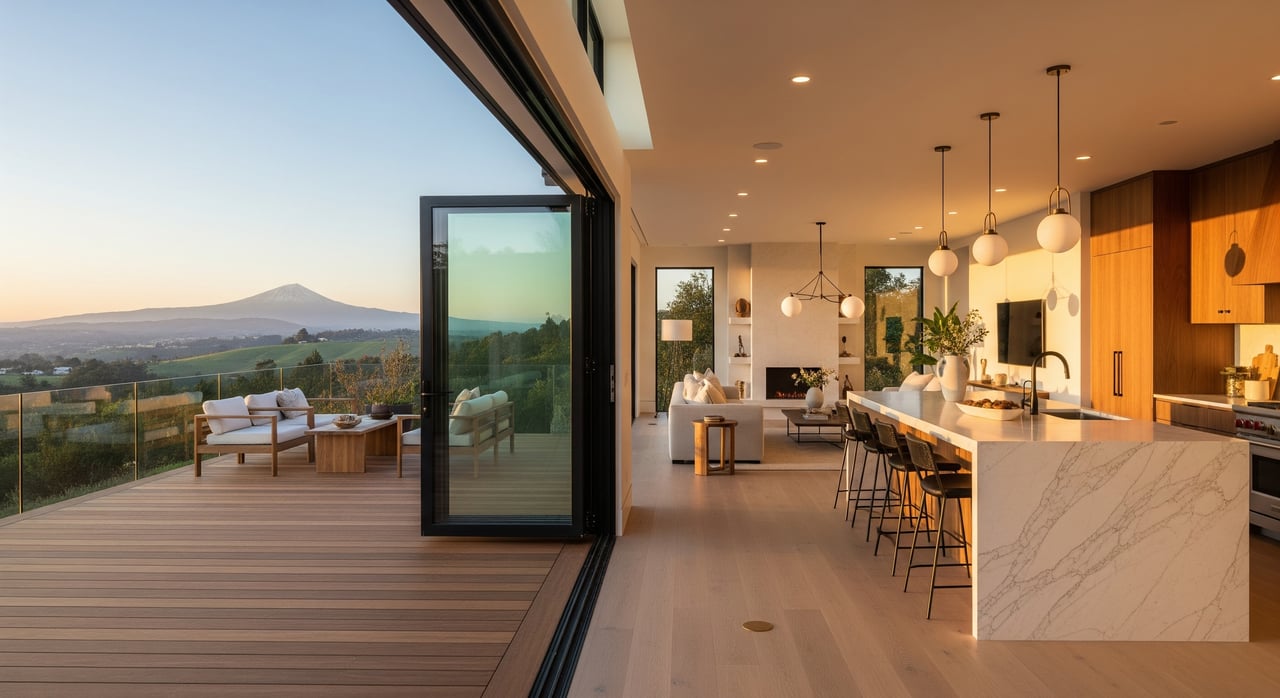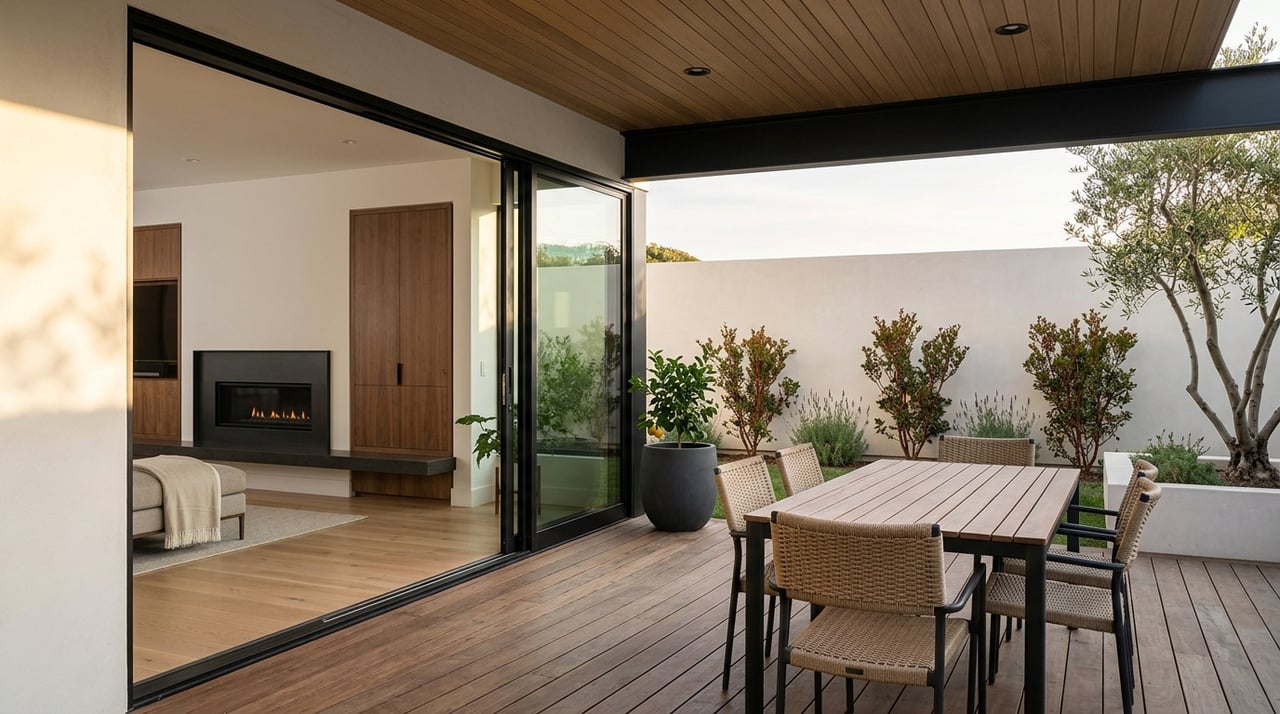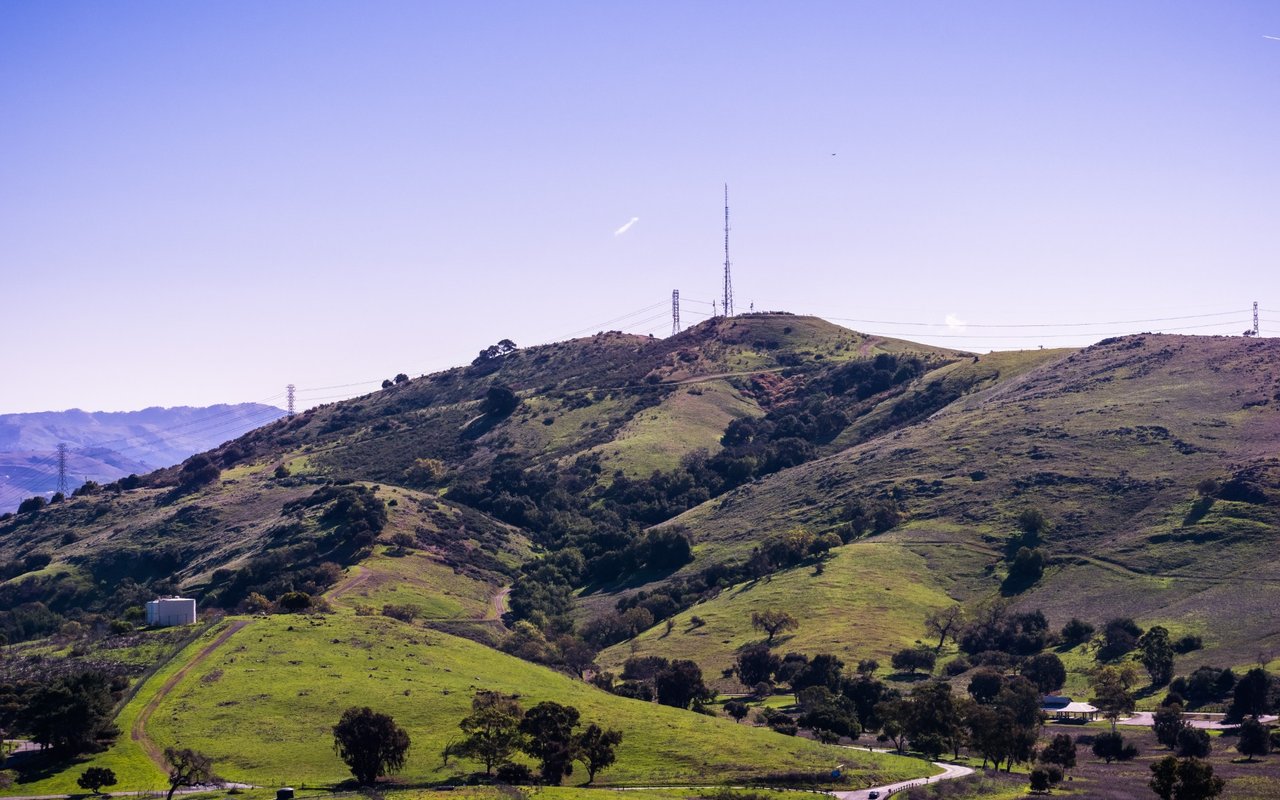
Santa Teresa Homes for Sale in San Jose, California
Search Santa Teresa homes for sale, including luxury homes and new listings
356 people live in Santa Teresa, where the median age is 42 and the average individual income is $57,173. Data provided by the U.S. Census Bureau.
Total Population
Median Age
Population Density
Average individual Income
Santa Teresa is a San Jose neighborhood surrounded by the foothills along the city’s southern edge. Santa Teresa is directly south of Highway 85 so homes enjoy convenient freeway access. The sprawling 1,674-acre expanse of Santa Teresa County Park extends over the hillsides to the neighborhood’s south, where some areas of the neighborhood are fairly rural. Housing options include contemporary single-family homes, townhouses, and condominiums. Many homes in Santa Teresa are more affordable than other San Jose neighborhoods and the community offers a great opportunity for homeownership.
Santa Teresa occupies a distinctive position in the South San Jose real estate landscape: competitive enough to reflect genuine demand, yet more accessible than the premium markets directly to its north and west. In 2026, the neighborhood is firmly a seller's market, and buyers who arrive underprepared tend to find that out quickly.
Single-family homes are moving in roughly 20 to 29 days, with well-maintained properties routinely attracting multiple offers and closing 2% to 5% above asking price. Early 2026 data shows some homes selling in as few as 15 days at nearly 6% over list — a figure that reflects just how little margin buyers have for hesitation.
Pricing breaks down broadly by property type. Condos and townhomes are trading in the $650,000 to $1,100,000 range, making them the primary entry point for buyers who've been priced out of detached housing. Single-family homes span $1,300,000 to $1,850,000, while foothill estate properties near Santa Teresa County Park can push well above $2 million. The overall median sits around $1,444,000.
Inventory remains the market's defining constraint. Many long-term owners are still effectively locked into mortgage rates from prior years and have little financial incentive to sell, which keeps resale supply thin and sustains upward pressure on prices even as broader Bay Area conditions fluctuate.
The trajectory in Santa Teresa has moved from correction to recovery. After a modest price pullback in 2025, values have rebounded with conviction. The Santa Teresa Foothills sub-market posted a 10.12% year-over-year increase in median listing prices in early 2026, one of the stronger performers in the South Bay.
The condo and townhome segment is seeing its own momentum. As single-family prices press toward the $1.5 million threshold, demand has shifted meaningfully toward attached product. Developments like UrbanOak are absorbing first-time buyers who might have targeted detached homes just a few years ago. This isn't a consolation purchase for most of them — the finishes, amenities, and transit proximity make it a deliberate choice.
A growing cohort of buyers is also targeting 1970s-era homes for renovation. Large lots, solid bones, and proximity to both the VTA Light Rail and major employment corridors make these properties appealing to buyers who want to build equity through improvement. Investors have taken notice as well, though competition from well-capitalized flippers has tightened margins considerably.
Looking ahead, market analysts project a return to approximately 6% annual appreciation through the end of 2026, supported by easing mortgage rates trending toward the mid-5% range and the neighborhood's durable appeal to Silicon Valley's middle and upper-middle class workforce. As Almaden Valley becomes increasingly unattainable for many buyers, Santa Teresa captures that overflow demand — and has been doing so consistently.
New development in Santa Teresa has pivoted away from traditional single-family subdivisions toward transit-oriented, higher-density projects concentrated near the Monterey Road corridor and the Santa Teresa VTA Station. The philosophy driving most of these projects is urban-suburban living: modern design and shared amenities within easy reach of downtown San Jose and the North County tech campuses.
The most significant project underway is UrbanOak, a 32-acre multi-phase development in the Great Oaks area offering a mix of luxury townhomes (The Towns) and modern row houses (The Rows). It represents the clearest example of where the neighborhood's new housing stock is headed — higher density, higher finishes, and a built-in community framework.
On the affordability side, Santa Teresa Apartments at 5885 Santa Teresa Blvd broke ground in early 2026. Spearheaded by Charities Housing, the project will deliver nearly 50 units of affordable and supportive housing, reflecting the city's broader push to diversify its housing supply beyond market-rate ownership.
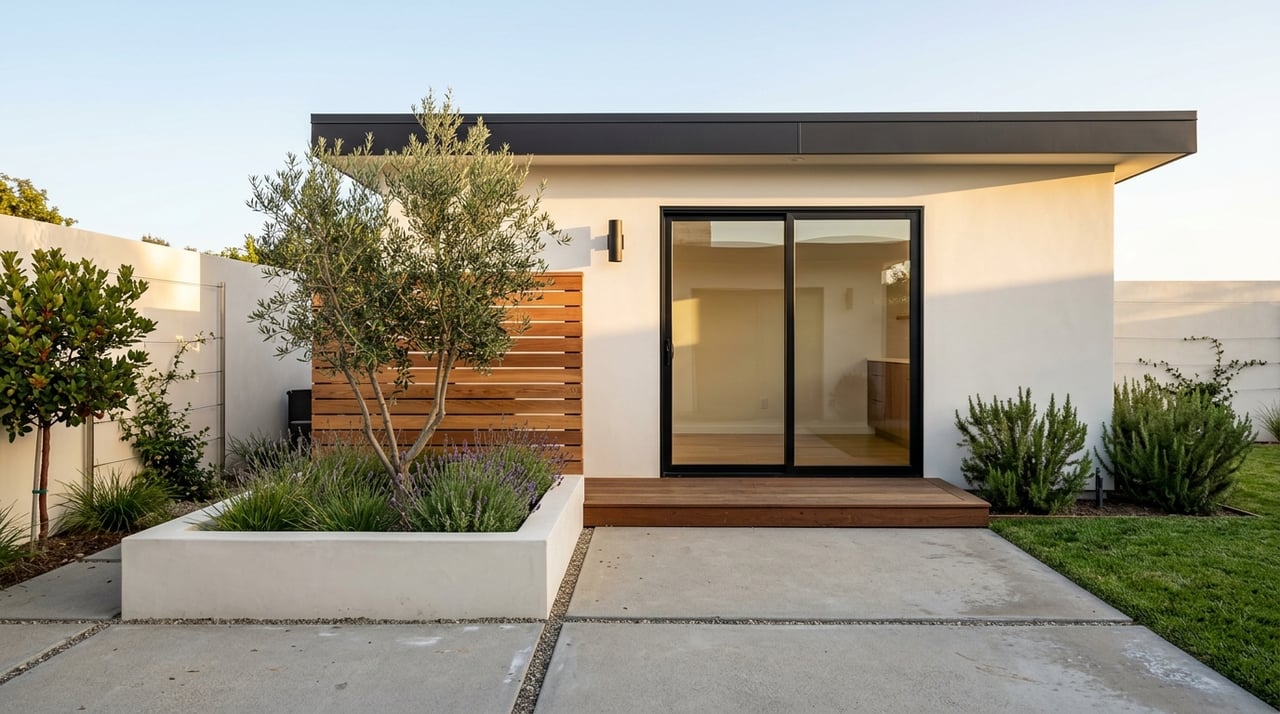
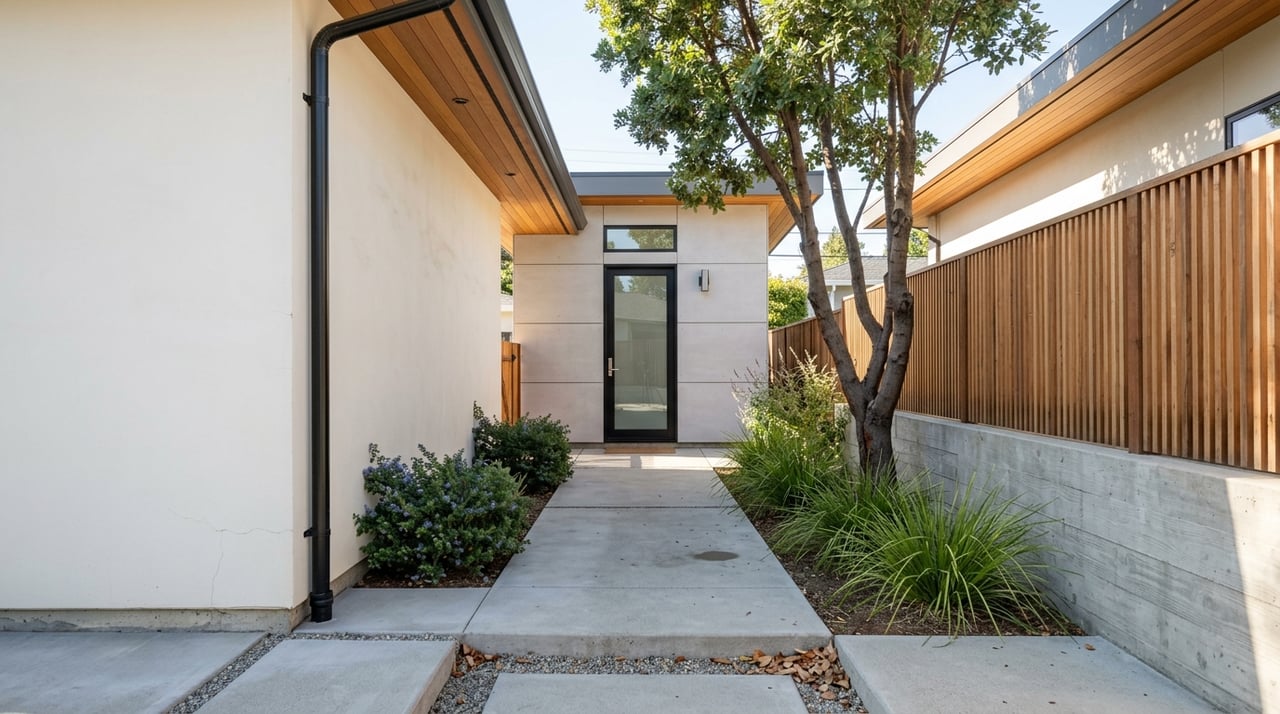
ADU construction has also surged across the neighborhood. San Jose's implementation of SB 9 and SB 10 has made it easier for single-family homeowners to add backyard cottages, and the neighborhood's generously sized lots — a legacy of its 1970s development era — are well-suited for it. Local builders specializing in prefab ADUs have become increasingly active here, serving both multi-generational households and owners looking to generate rental income.
Buyers purchasing new construction in 2026 should expect compact footprints offset by high-end finishes, EV charging infrastructure, and community amenities like shared parks and smart-home integration.
Santa Teresa has earned a reputation as a defensive investment — more stable than the speculative luxury markets to the north, with yields that hold up well relative to purchase price. For investors who've been priced out of Palo Alto or Los Gatos, it offers a compelling alternative with real cash flow potential.
Rental demand is strong and consistent. The median rent across San Jose has reached approximately $3,100 to $3,200 per month, and 3-bedroom single-family homes in Santa Teresa are commanding $4,500 to $4,800 per month, driven by steady demand from young families and Silicon Valley tech contractors. That's a meaningful rent-to-price ratio by Bay Area standards.
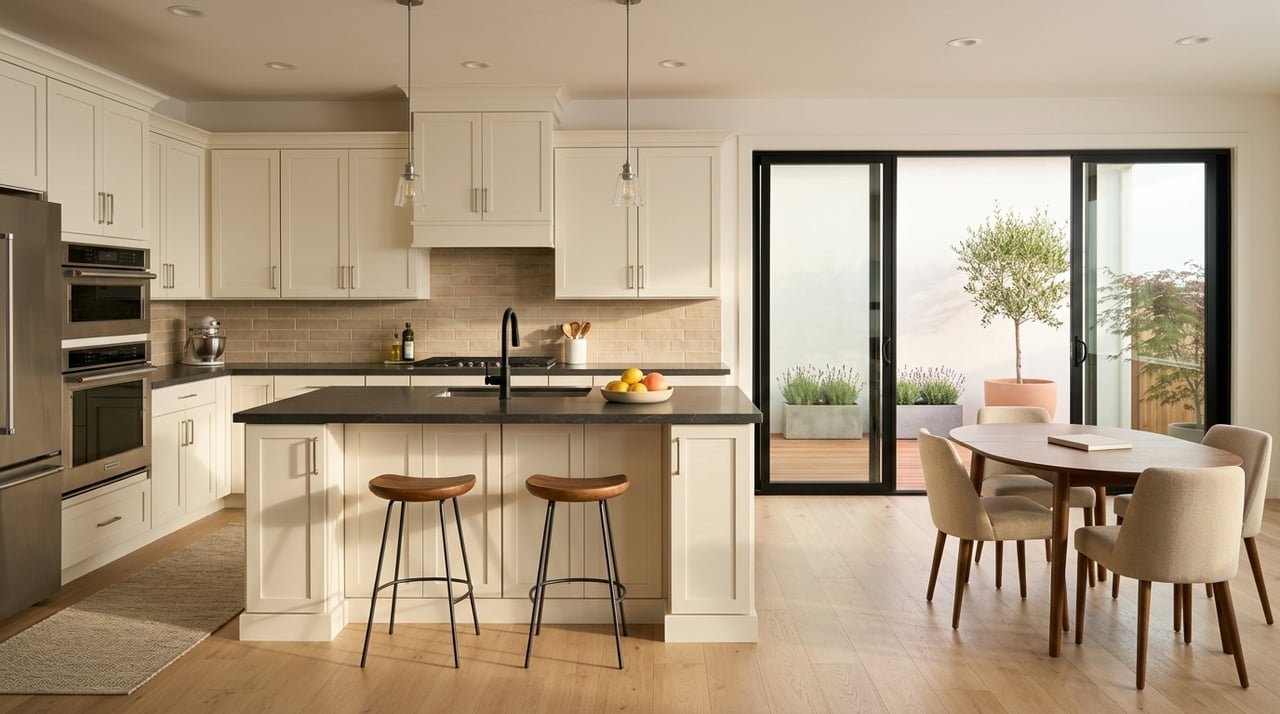
The fix-and-flip segment remains active, particularly for the neighborhood's substantial inventory of 1970s ranch-style homes. These properties often feature large lots and functional floor plans that respond well to kitchen-open renovations and ADU additions. The upside is real, but so is the competition — iBuyers and local flippers have made off-market access essentially a requirement for deals with workable margins. Labor and material costs have also compressed returns compared to prior years.
For buy-and-hold investors, the strongest opportunities tend to cluster within a mile of Santa Teresa County Park or the Cottle Road retail corridor. These pockets maintain the highest tenant retention and the fastest resale velocity in the neighborhood.
One due diligence item that investors cannot skip in 2026: wildfire insurability. The entire neighborhood carries a severe wildfire risk classification, and insurance carriers have grown significantly more selective about foothill-adjacent properties. Verifying coverage availability and estimating insurance costs before closing is not optional — it materially affects cash flow projections and exit value.
The purchase process in Santa Teresa rewards preparation. Activity picks up as early as mid-winter, and by spring, desirable homes in the $1.3 to $1.6 million range are routinely seeing offers within the first weekend on market.
Buyers should expect to compete. Multiple-offer situations are the norm for well-maintained single-family homes, and the gap between list price and sale price has been widening. In a market with a 105.8% sale-to-list ratio, an offer at asking is often a losing offer.
In terms of contingencies, this market exerts real pressure on buyers to be aggressive. Appraisal and inspection contingencies are frequently shortened or waived, particularly by experienced buyers or those working with cash. Loan contingencies are more commonly retained, especially as interest rate conditions continue to shift. Working with a lender who can provide a fully underwritten pre-approval — not just a pre-qualification letter — meaningfully strengthens an offer.
The most common property types a buyer will encounter include the 1970s ranch-style single-family home (typically 3 to 4 bedrooms on larger lots), modern townhomes and condos in developments like UrbanOak, and "duet" homes — shared-wall single-family properties that offer a middle-ground price point with greater privacy than a traditional condo. Understanding which product type fits your lifestyle and financial position before you start touring saves significant time in a fast-moving market.
A few characteristics of this market don't surface in the MLS and can significantly affect the ownership experience.
One value tip worth noting: the 95139 zip code, particularly the Silver Leaf area, consistently offers a slightly more approachable entry point than the 95123 or 95119 pockets while still delivering the foothill character that defines Santa Teresa's appeal.
The math here is worth understanding clearly. With a median home price around $1,444,000 and average monthly rent for a 3-bedroom house at approximately $4,500 to $4,800, the price-to-rent ratio lands around 26. By conventional benchmarks, a ratio above 20 favors renting on a pure monthly cost basis.
That number, however, doesn't capture the full picture. Buying in Santa Teresa makes strong financial sense for anyone with a 7-plus year horizon. The neighborhood's appreciation trajectory is durable — driven by tech sector employment, transit investment, and the ongoing spillover demand from pricier West Valley markets. Homeowners in Santa Teresa are also building equity in a market where detached housing supply is structurally constrained, which provides a level of stability that's difficult to replicate in a rental.
Renting makes practical sense for buyers who are newer to the Bay Area, still calibrating which neighborhood fits their life, or expecting a relocation within a few years. Access to Santa Teresa's amenities, schools, and outdoor space is fully available as a renter. The tradeoff is that wildfire insurance costs, which have increased substantially for owners in foothill-adjacent areas, don't apply to renters — a cost differential that has grown meaningful in 2026.
For those on the fence, the honest answer is this: if your timeline is long and your finances are stable, the case for ownership here is strong. If either of those conditions is uncertain, renting while you learn the market is a reasonable posture.
Santa Teresa is frequently described as the best-kept secret in South San Jose, and that reputation is mostly earned. It delivers a lifestyle that most parts of the Bay Area can't offer at this price point: immediate access to open space, well-regarded schools, solid commute infrastructure, and a genuine sense of established community.
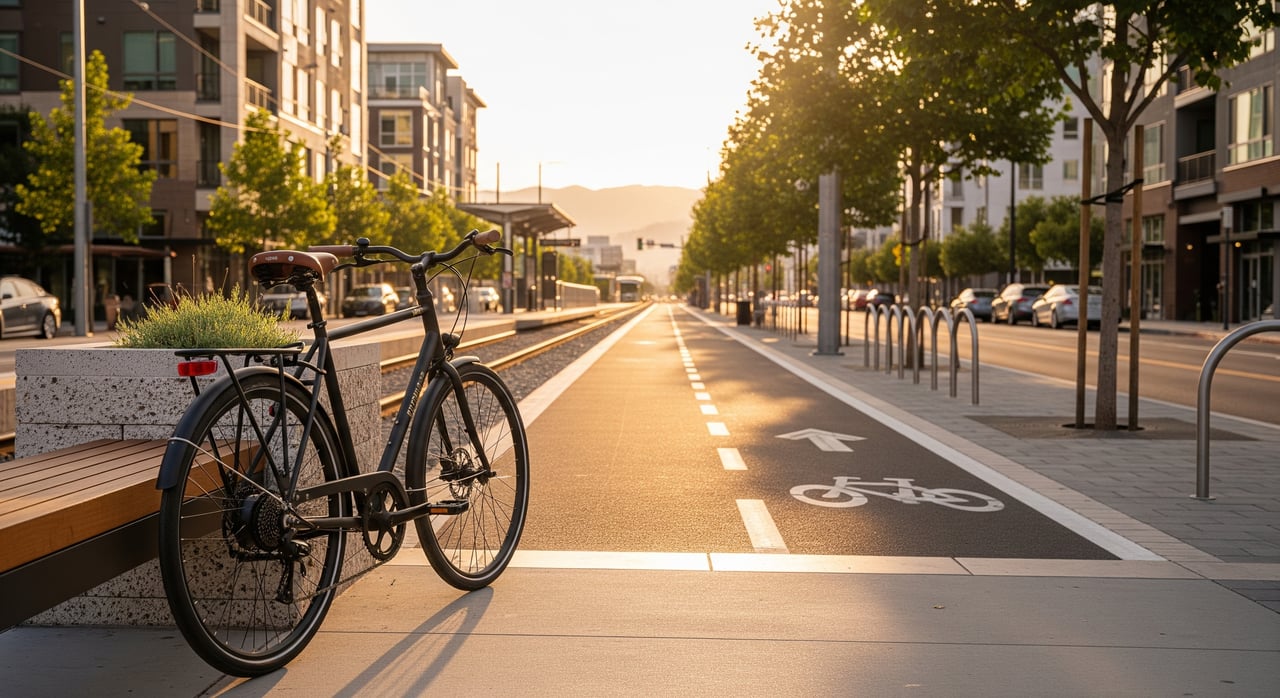
Getting around. The neighborhood is well-positioned for both rail and highway commuters. The Santa Teresa VTA Station is the southern terminus of the Blue Line, which means you board at the origin — a genuine quality-of-life advantage for rail commuters heading toward downtown San Jose and Milpitas. By car, Highway 85 and Highway 101 provide direct access to Mountain View and Cupertino, making Santa Teresa one of the more strategically located residential options for the South Bay's tech workforce.
Daily life. Most residents handle daily errands at Village Oaks Shopping Center, which anchors a Target, Safeway, and a rotating selection of local restaurants. The Cottle Road and Snell Avenue corridors serve as secondary retail hubs with a diverse mix of dining, including the South Bay institution Aqui Cal-Mex at its Blossom Valley location. True nightlife is limited here — residents typically head 15 minutes north to downtown San Jose or Campbell for bars and live music.
Outdoor access. Santa Teresa County Park is the neighborhood's defining amenity. Over 1,600 acres of open space with 17-plus miles of trails for hiking, mountain biking, and horseback riding sits essentially in the backyard of many homes. The Stile Ranch Trail is particularly well-regarded during the March-through-June wildflower season.
Practical notes for newcomers. If you're relocating from a flatter region, visit the neighborhood during a high-wind period before committing. The foothill setting provides remarkable scenery and privacy, but it also brings specific fire safety requirements that residents need to understand and take seriously. And as noted, verify school assignments for any property on your shortlist — the district boundary line has caught more than a few buyers off guard.
Santa Teresa is home to one of the more demographically balanced communities in Silicon Valley, which partly explains why it sustains such consistent demand across market cycles.
The largest and fastest-growing segment is young to mid-career tech professionals and their families. Household incomes for residents aged 25 to 44 exceed $200,000 on average, reflecting the neighborhood's proximity to the IBM Silicon Valley Lab and easy access to North County campuses. These buyers are drawn by the balance of space, schools, and relative value — they've done the math and concluded that Santa Teresa delivers more square footage and quality of life per dollar than most alternatives at this income level.
Families represent roughly 75% of households, spanning both long-term residents who've been here for two or more decades and newcomers attracted by the Oak Grove and East Side Union High School districts. The community has a rooted quality — residents tend to stay, schools have strong parent involvement networks, and neighborhood social life centers around places like the Rancho Santa Teresa Swim & Racquet Club and youth sports leagues at George Miner Park.
The neighborhood is genuinely multicultural. The population is approximately 34% Caucasian, 34% Asian, and 30% Hispanic/Latino, a composition that's reflected in the dining options along Cottle Road and Snell Avenue and in the general character of the community.
About 15% of residents are retirees, many of whom purchased their homes decades ago at a fraction of current values. This cohort is gradually transitioning — some downsizing into the newer luxury townhomes nearby, others staying put to enjoy the golf club and park access. Their presence adds stability to the market and contributes to the neighborhood's established, unhurried atmosphere.
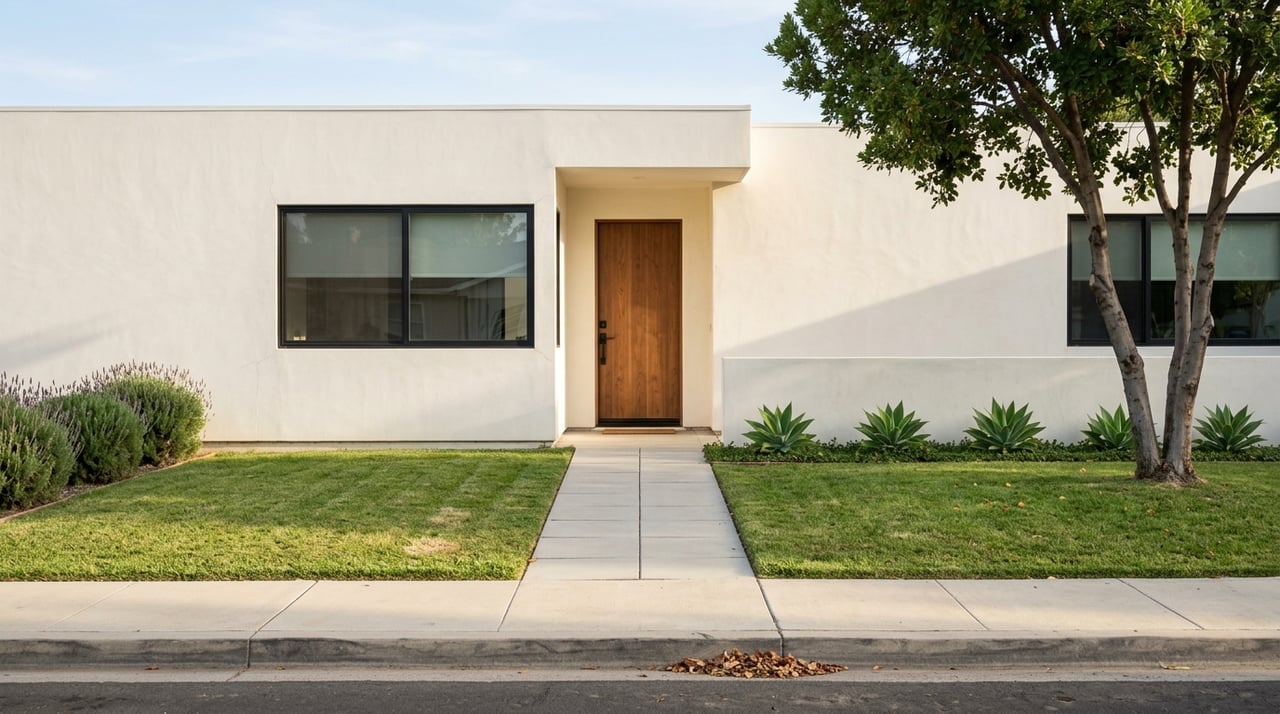
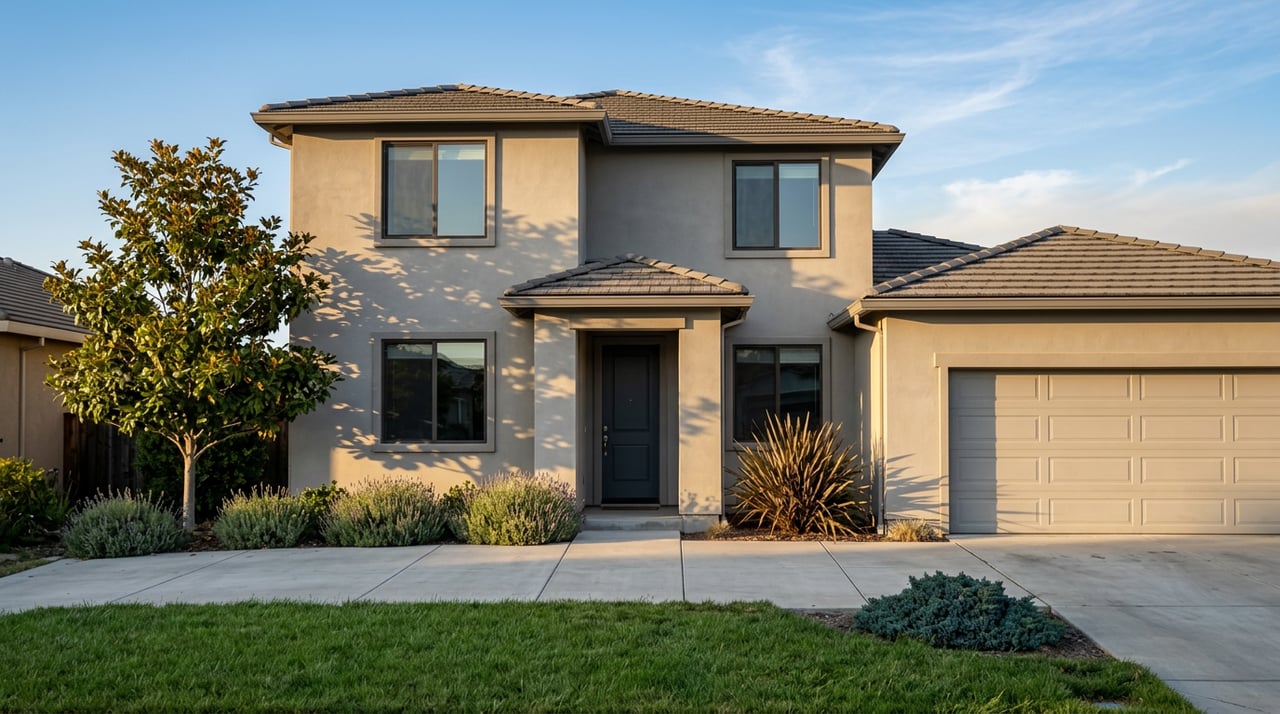
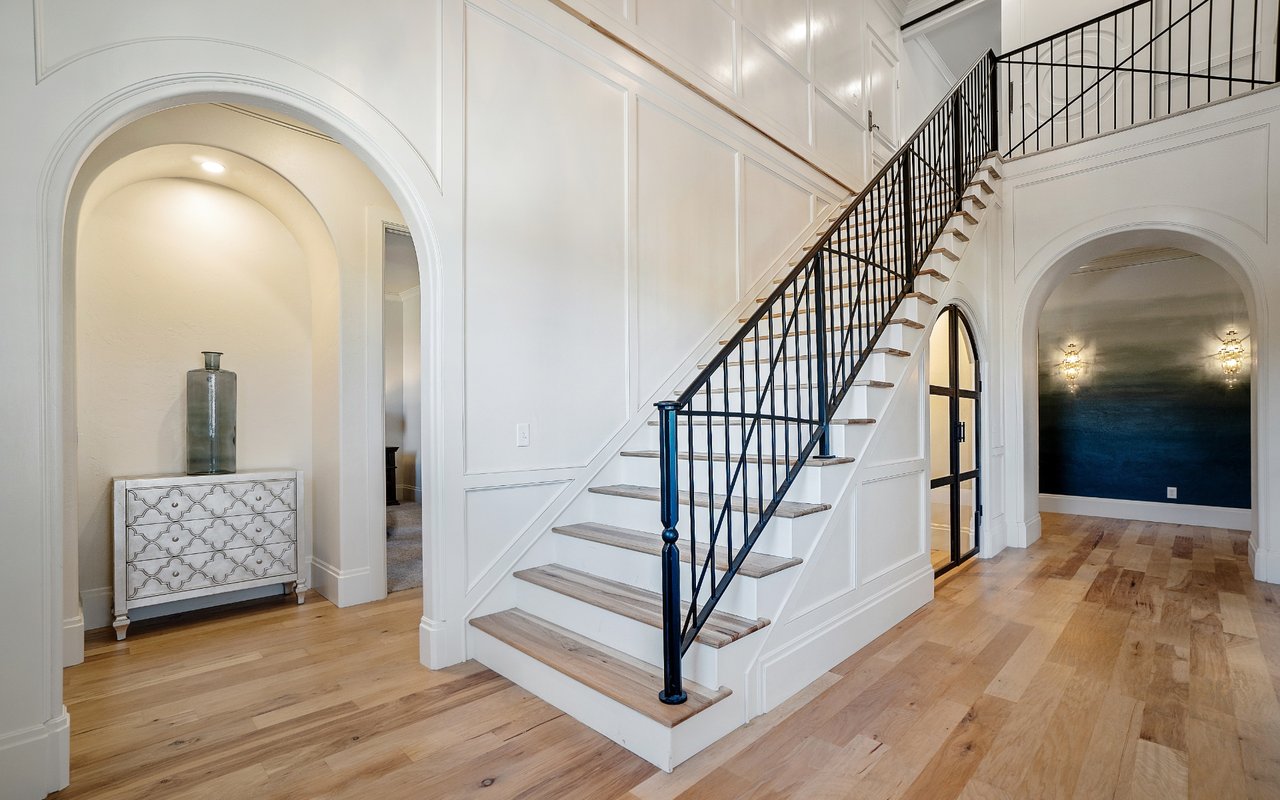
Santa Teresa's architectural identity is defined by its development timeline. The neighborhood grew primarily between 1970 and 1985, and that era's aesthetic — practical, suburban, family-oriented — remains the dominant character of the housing stock today.
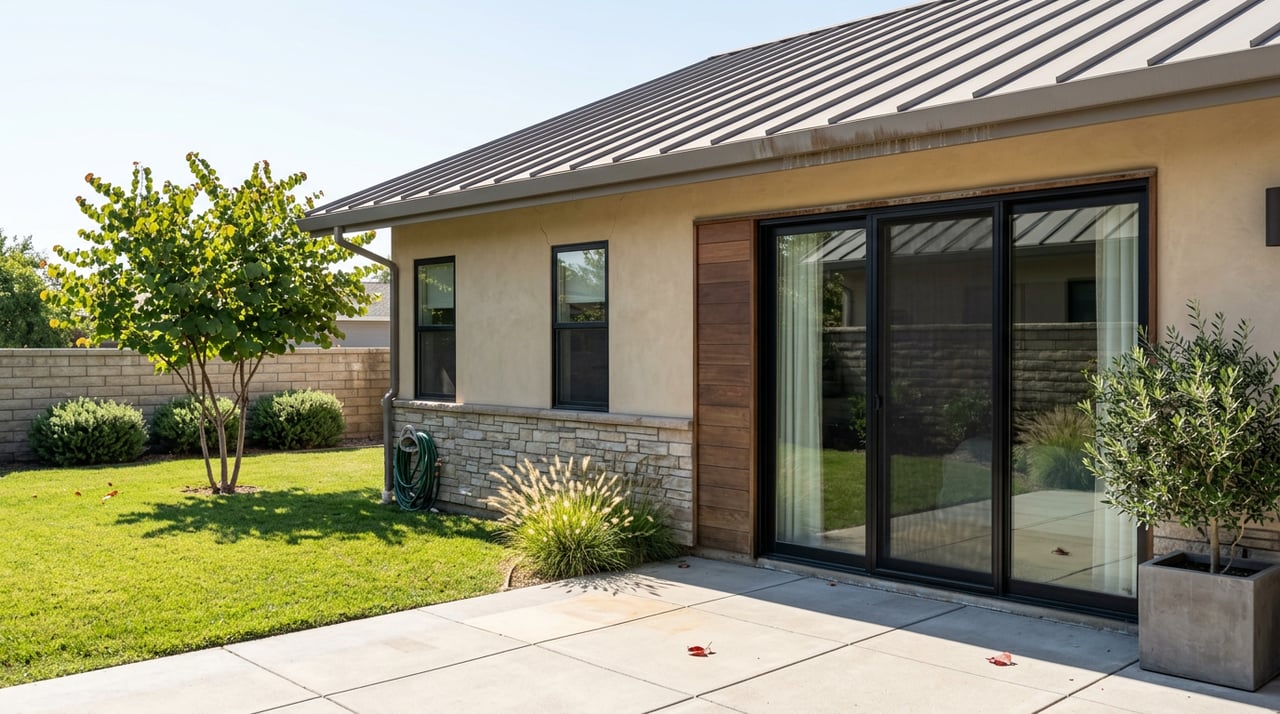
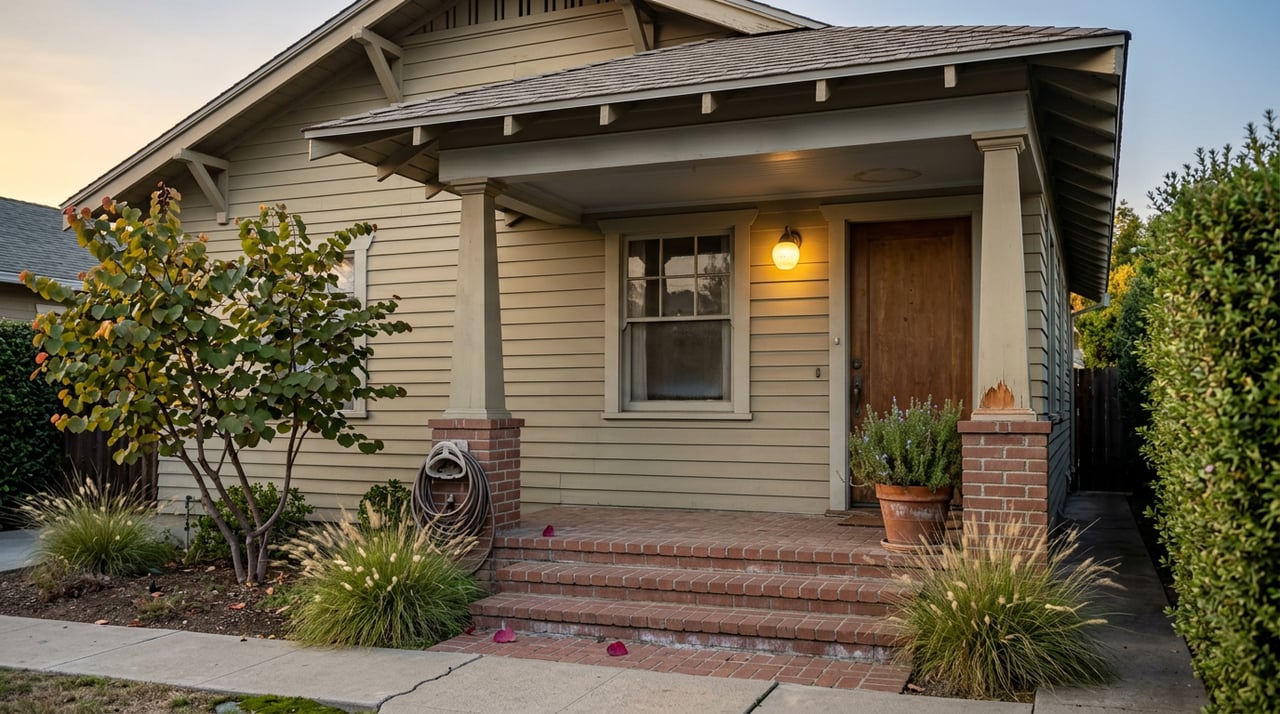
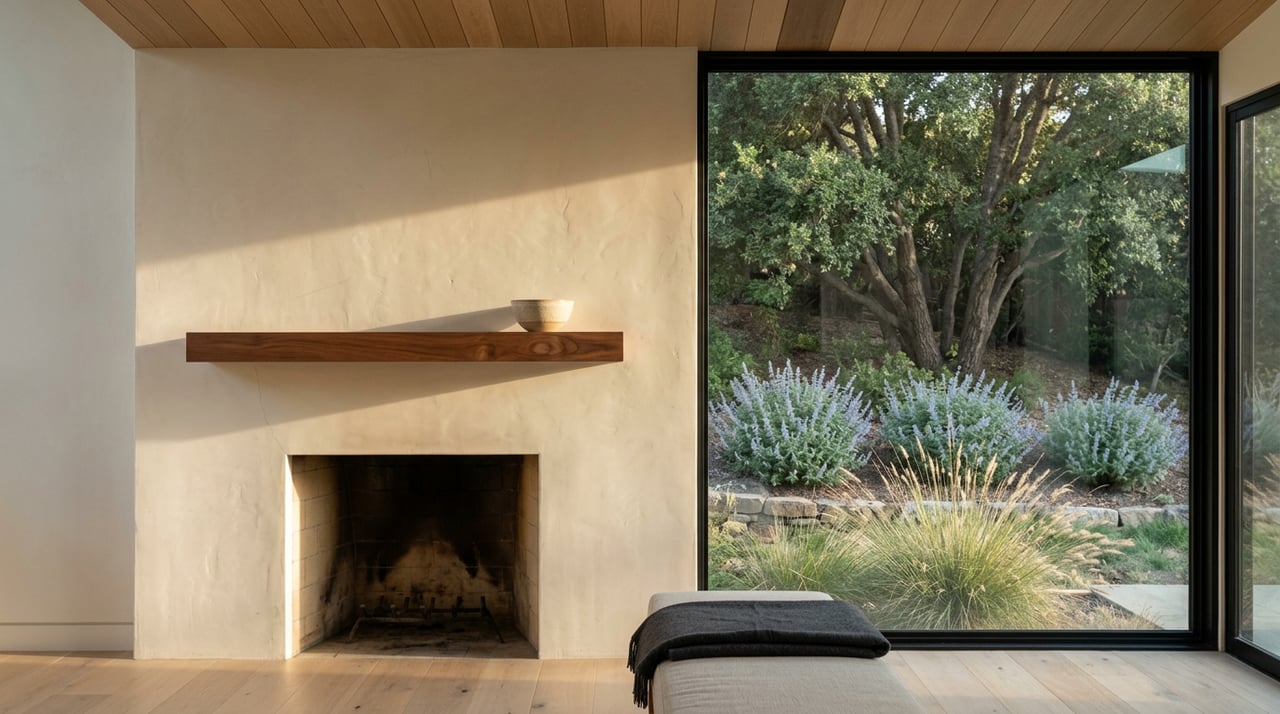
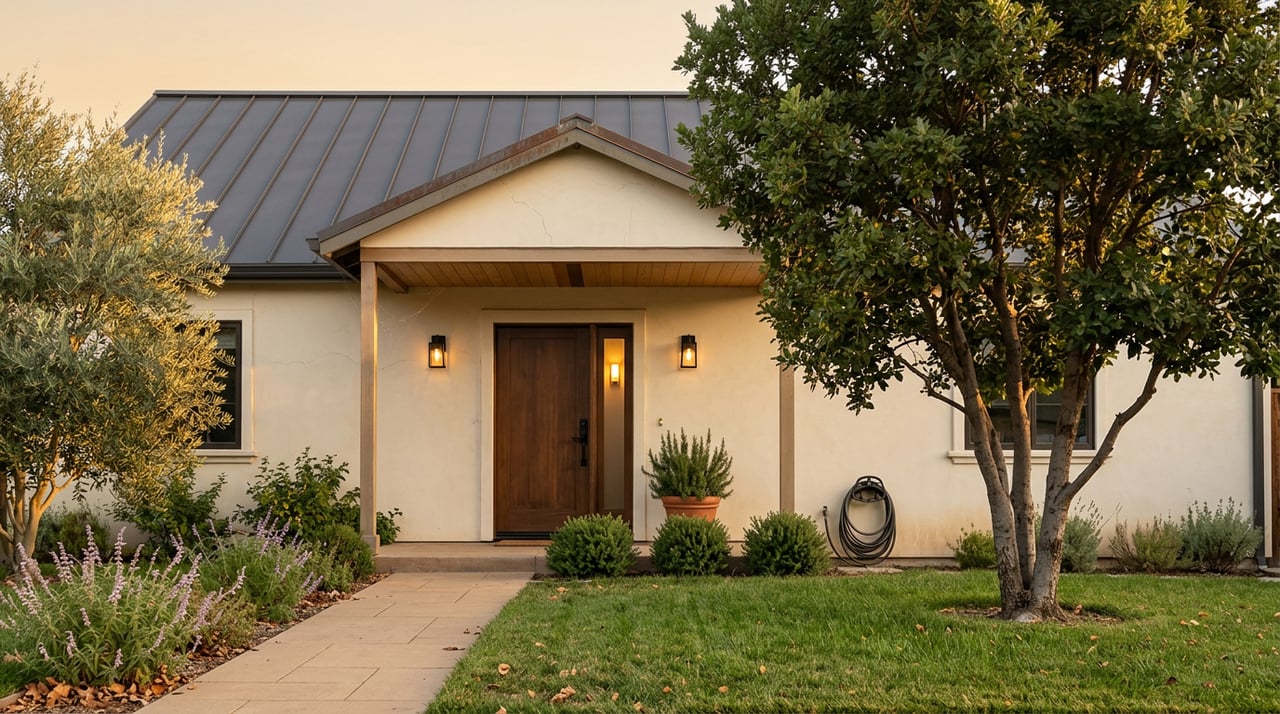
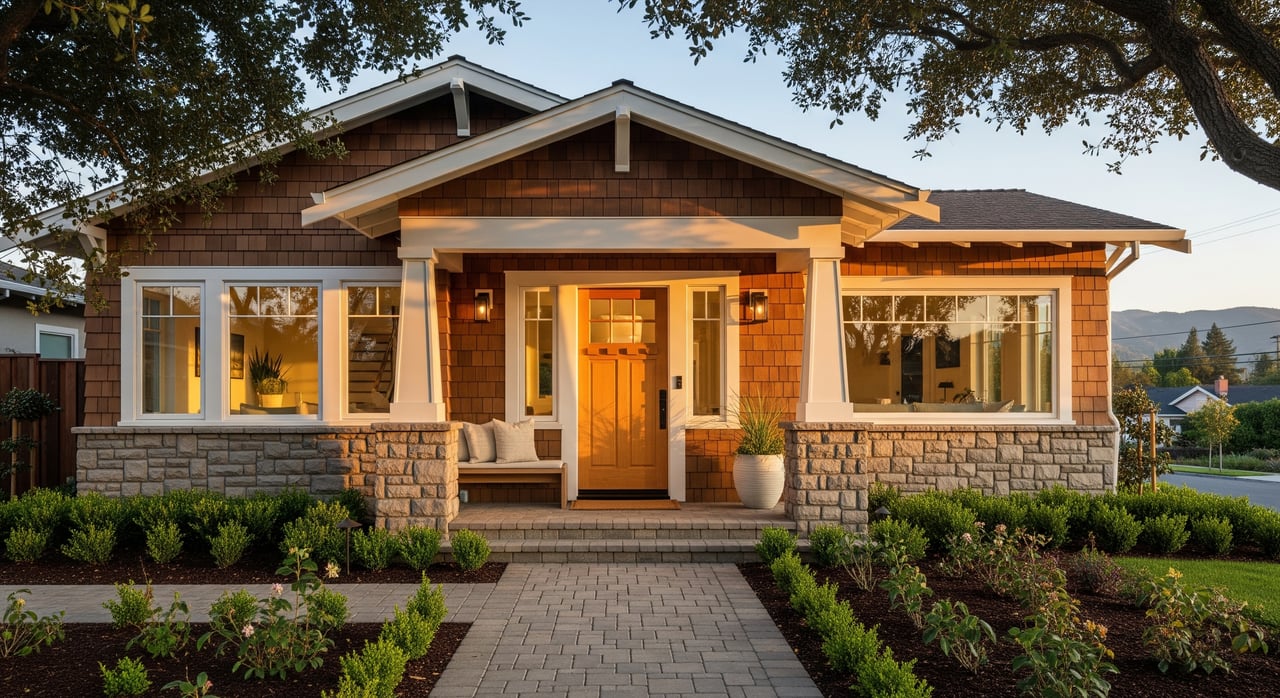
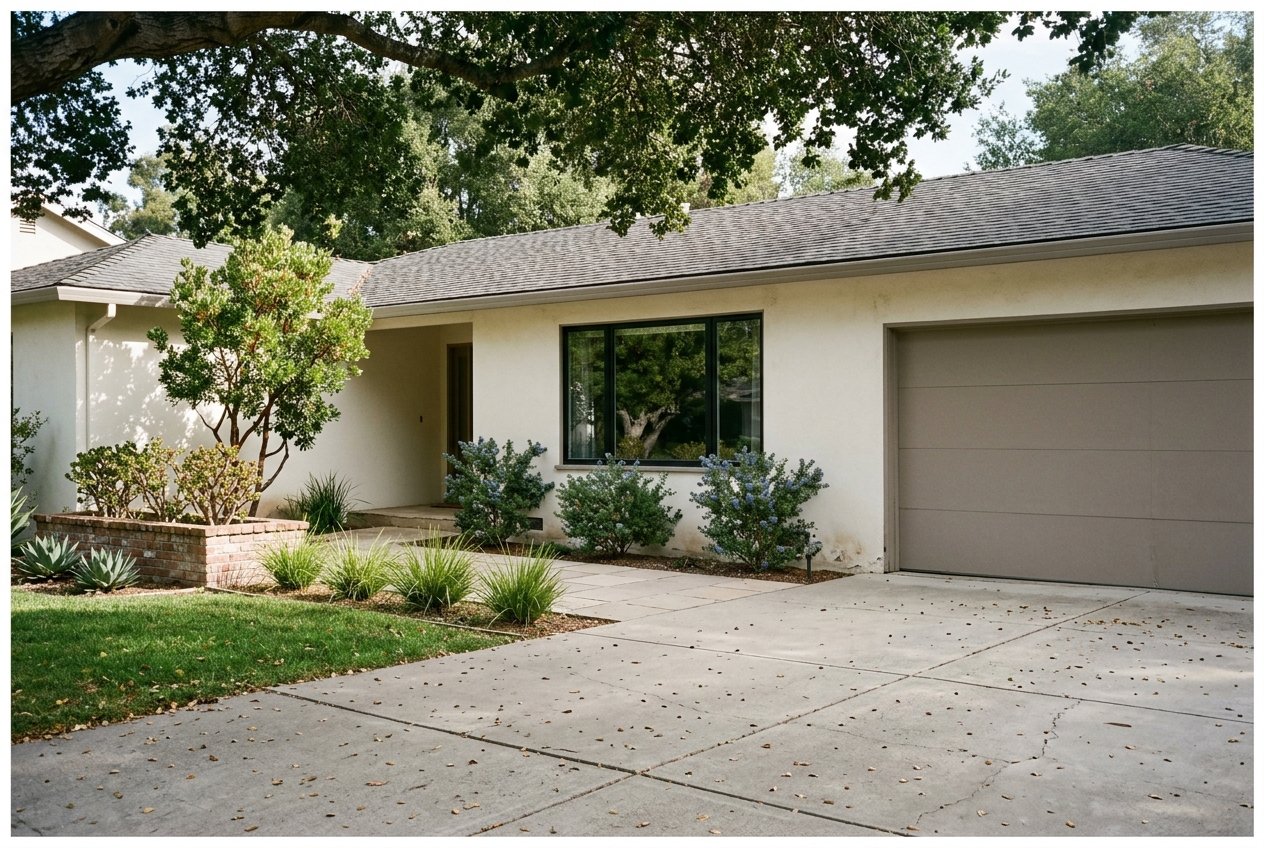
The ranch-style single-family home is the neighborhood staple. These are typically single-story or traditional two-story layouts with attached two-car garages, low-pitched roofs, large windows, and generous rear yards. They were built for families, and they still function exceptionally well for that purpose. The lot sizes are notably generous by contemporary South Bay standards, which is a significant factor driving ADU construction activity throughout the neighborhood. Buyers with an eye for renovation often target early-1970s examples specifically, as these homes tend to feature vaulted cathedral ceilings and floor-to-ceiling fireplaces that respond beautifully to modern-minimalist interior updates.
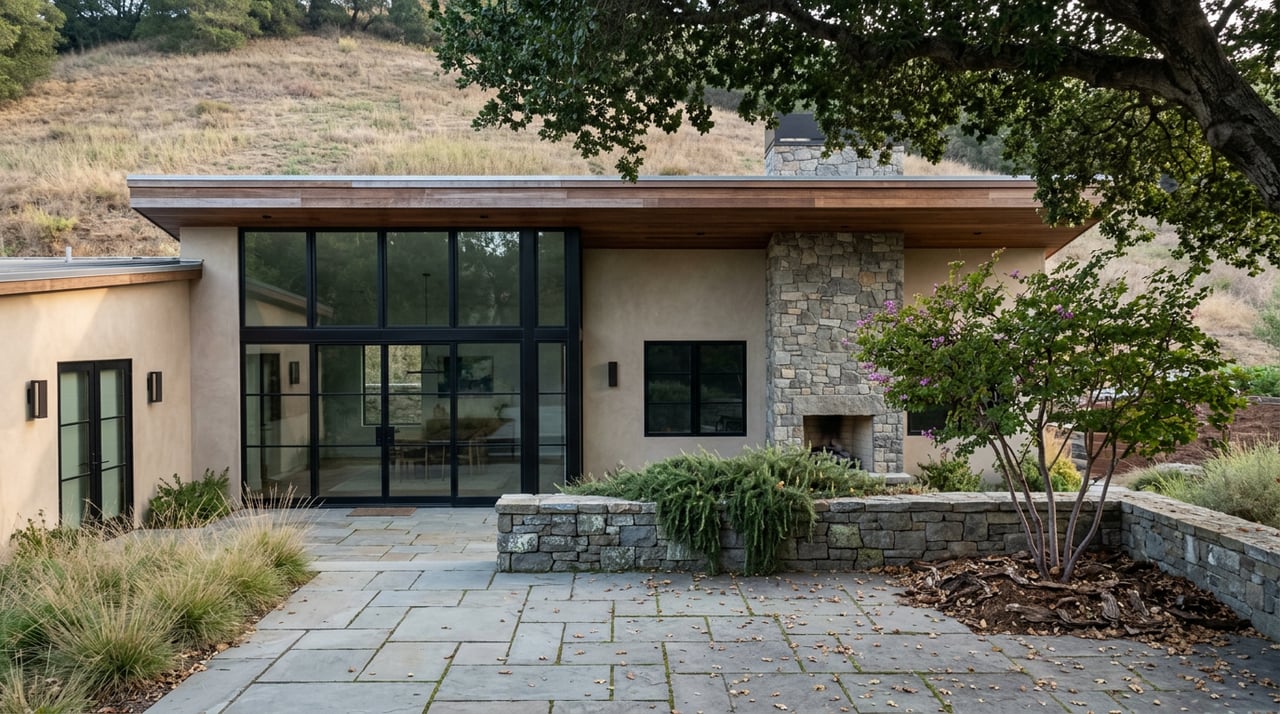
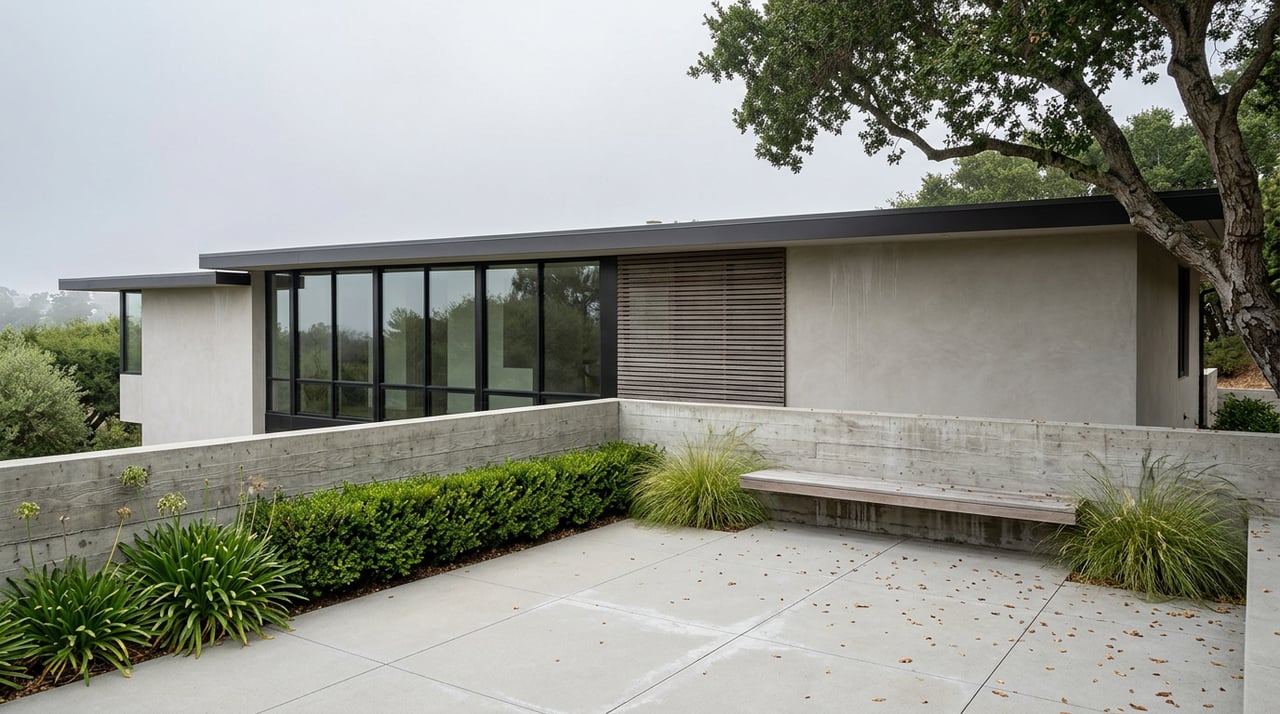
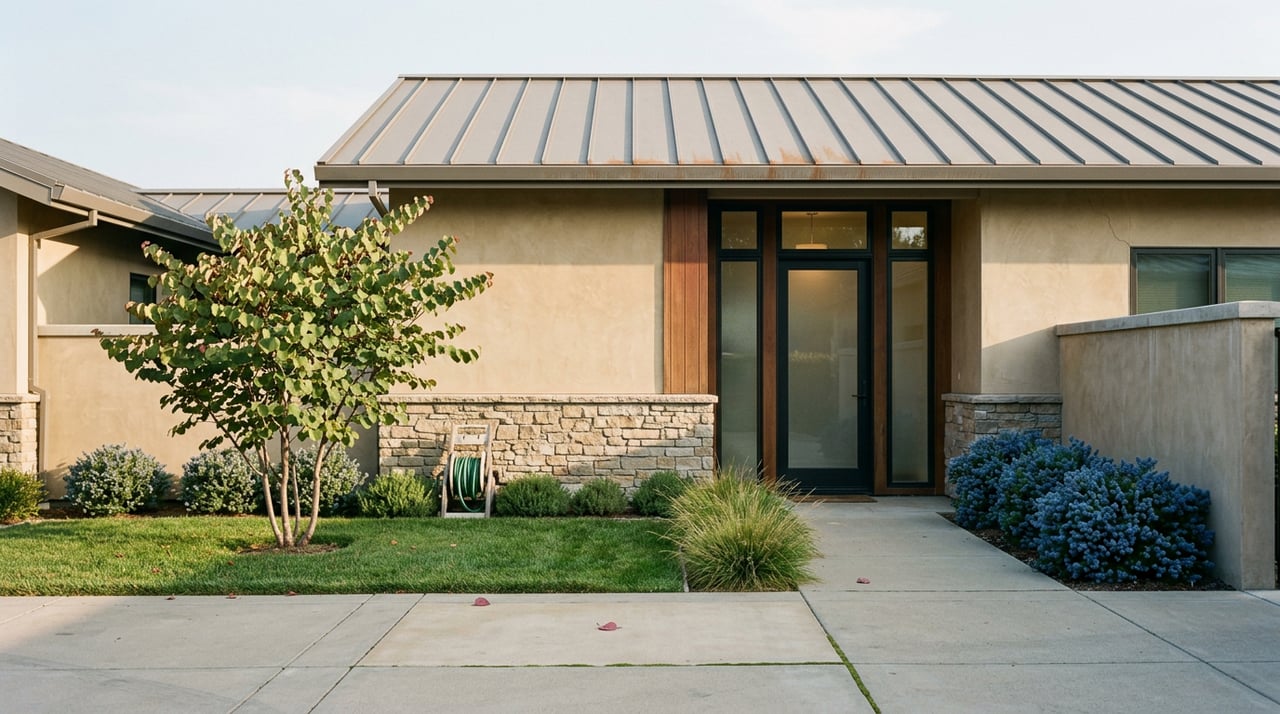
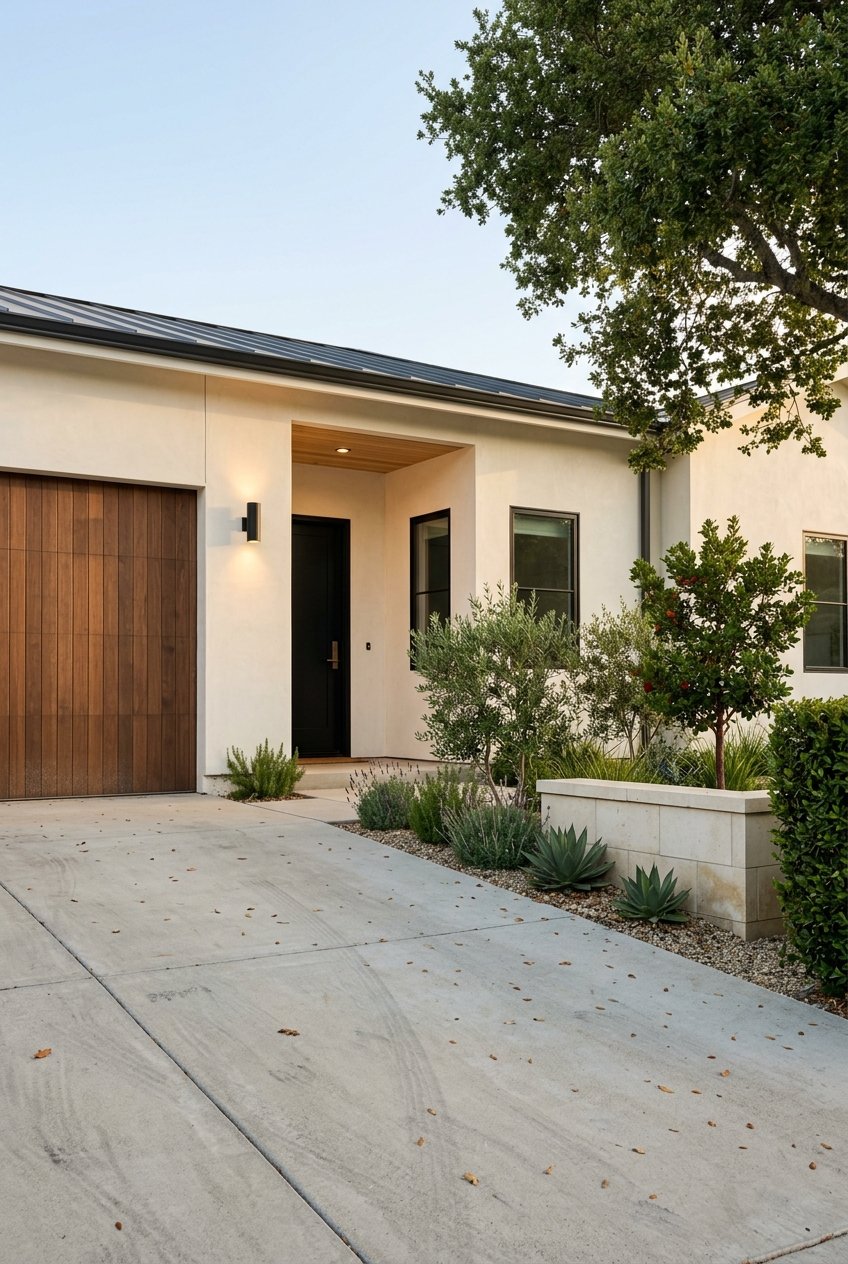
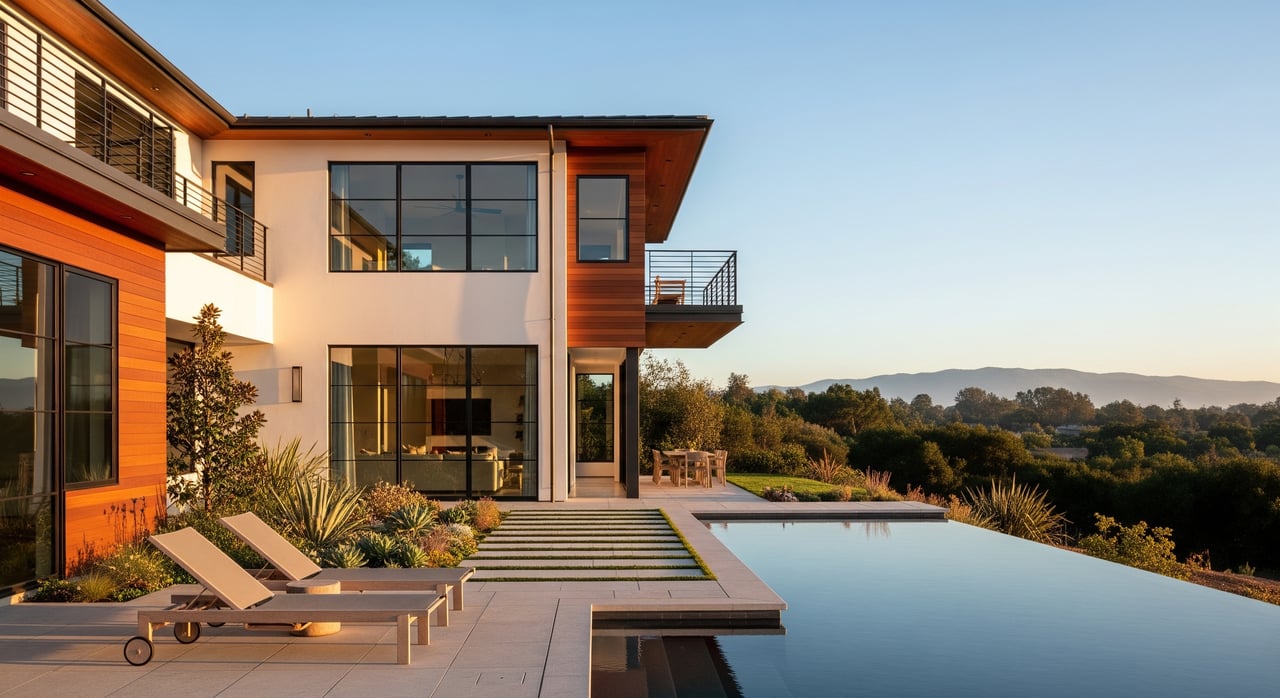
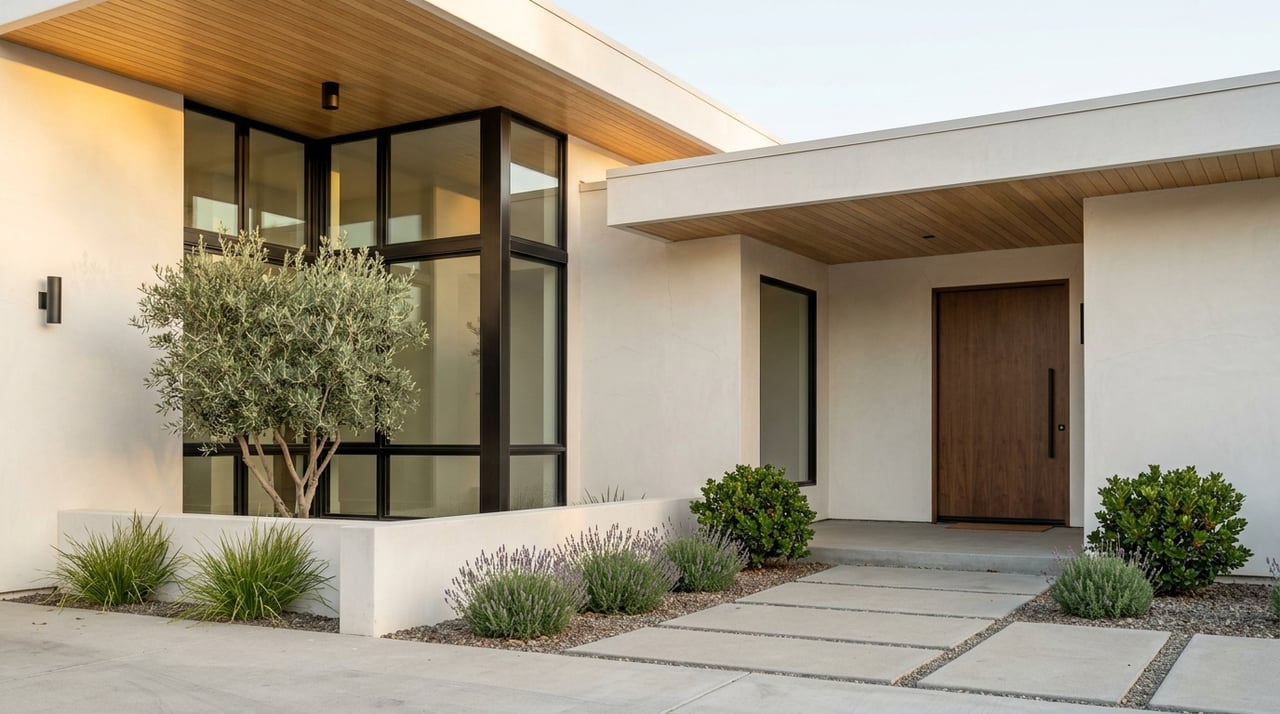
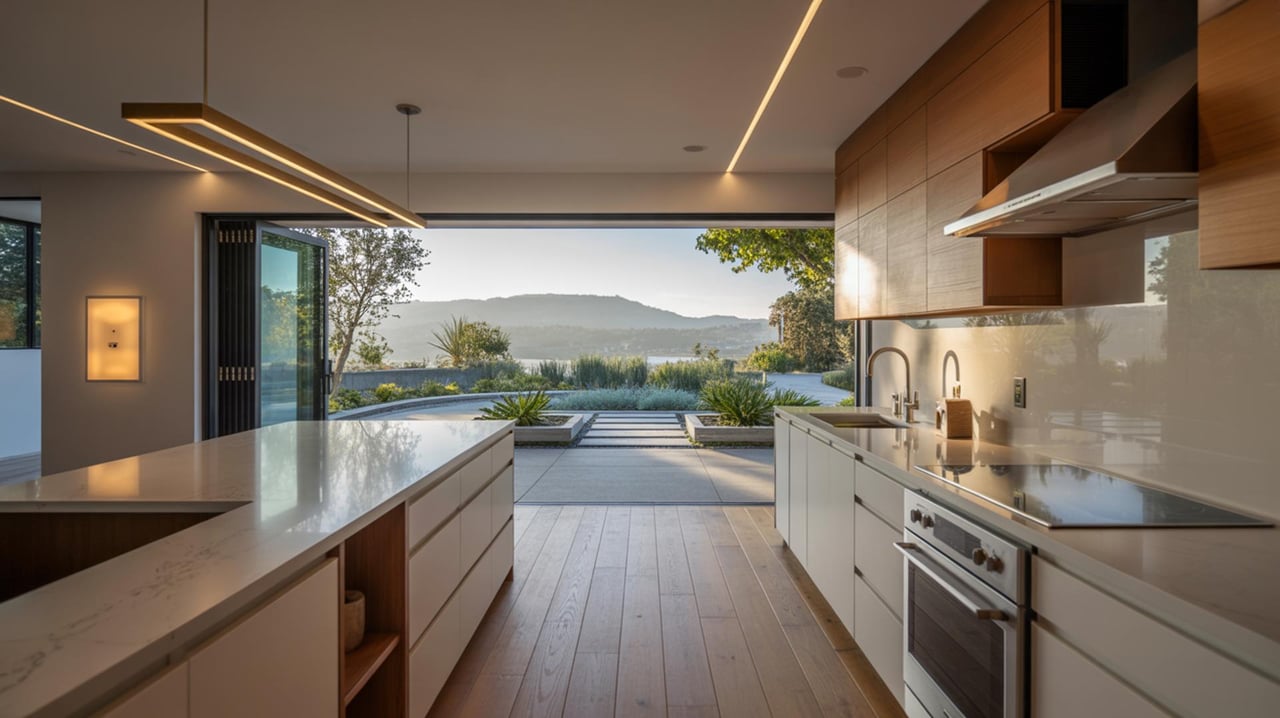
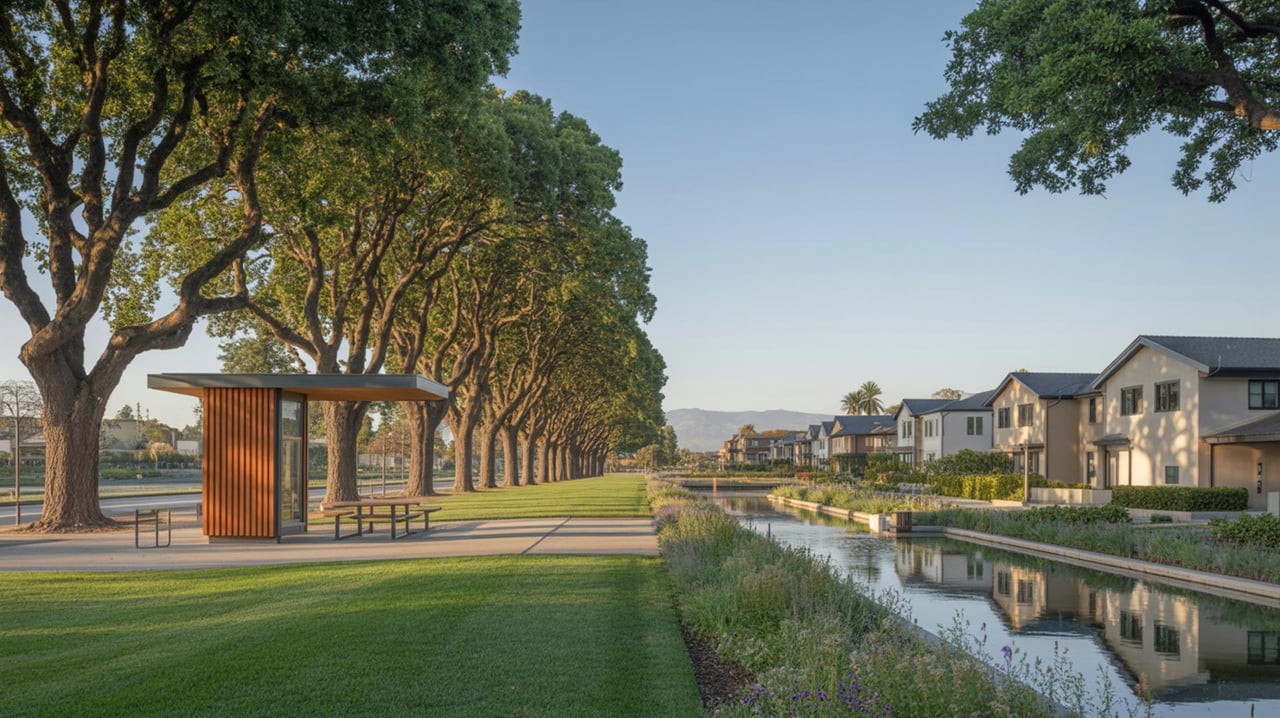
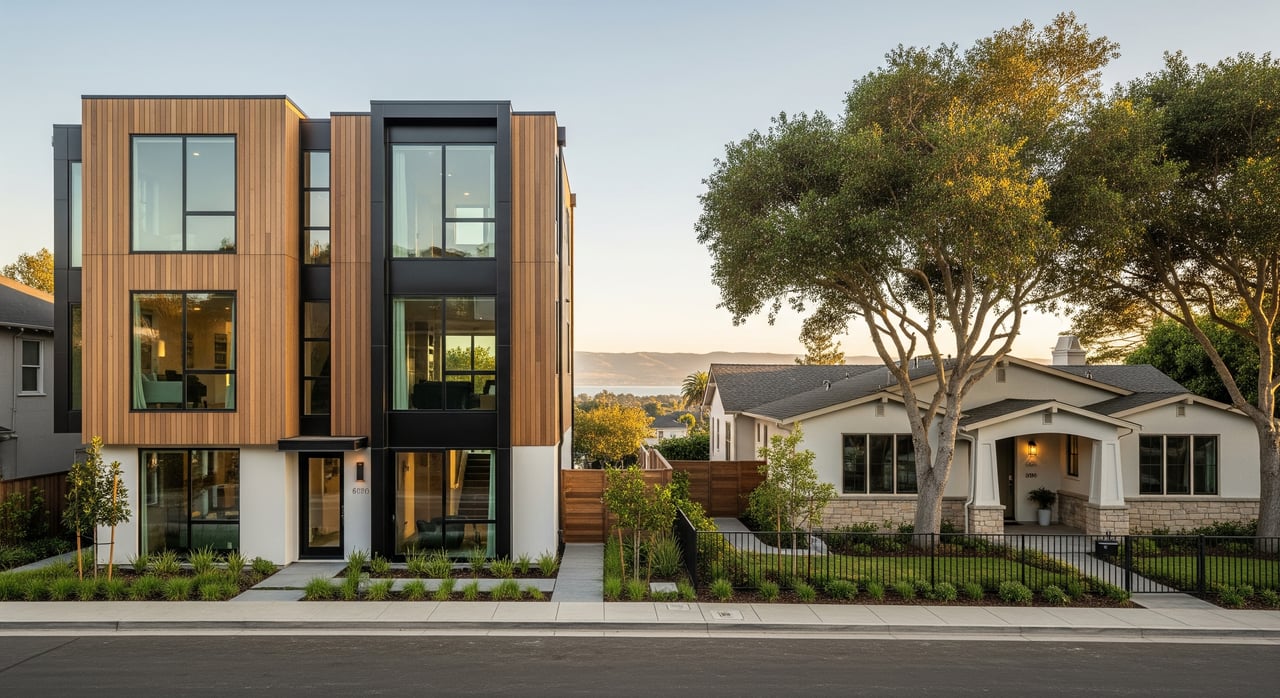
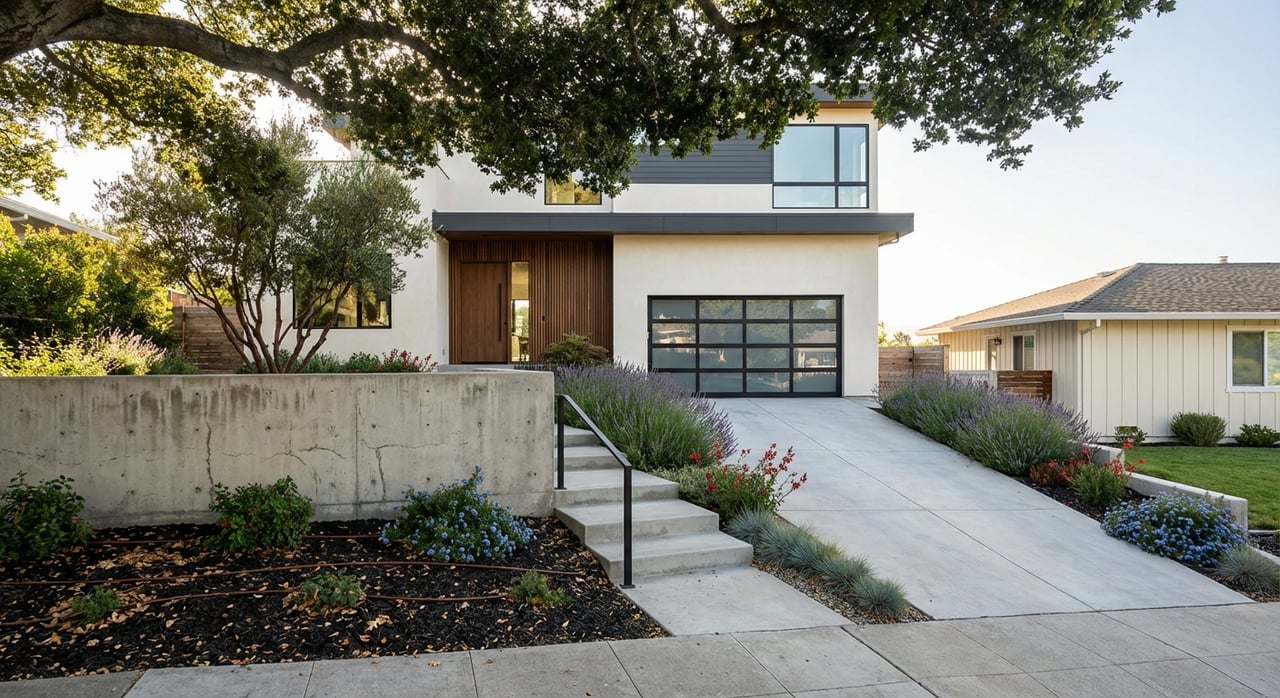
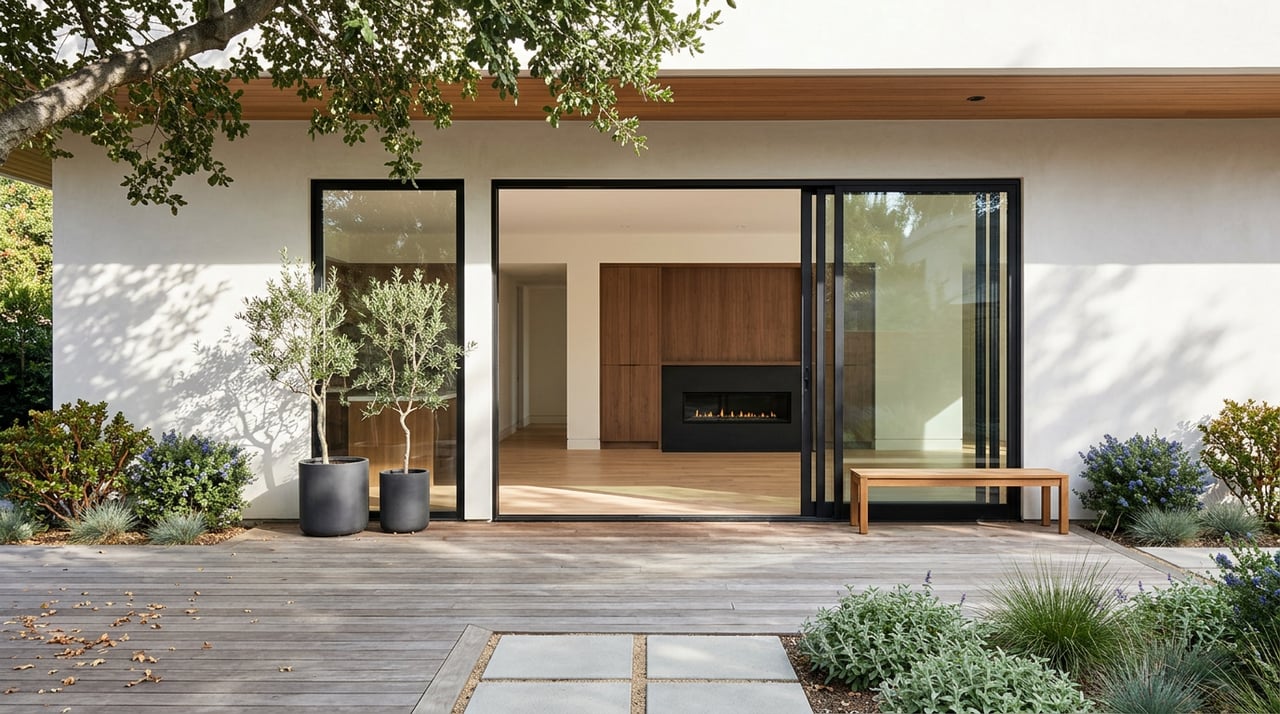
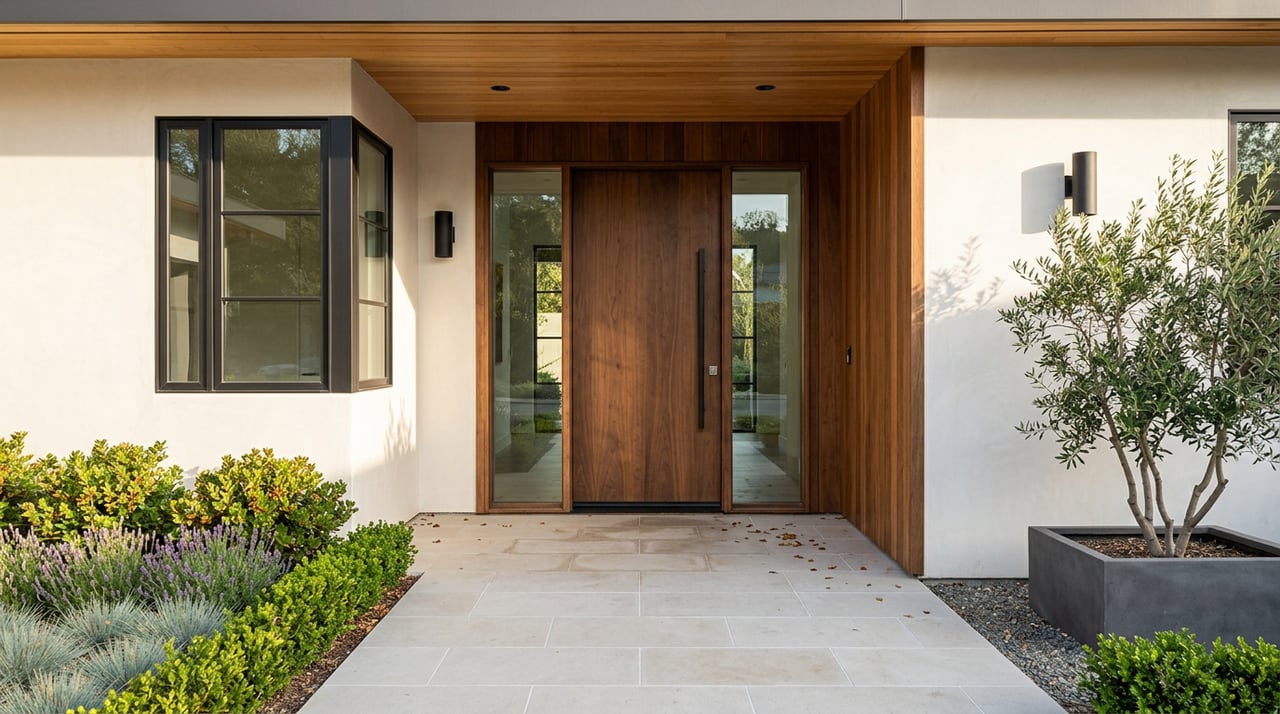
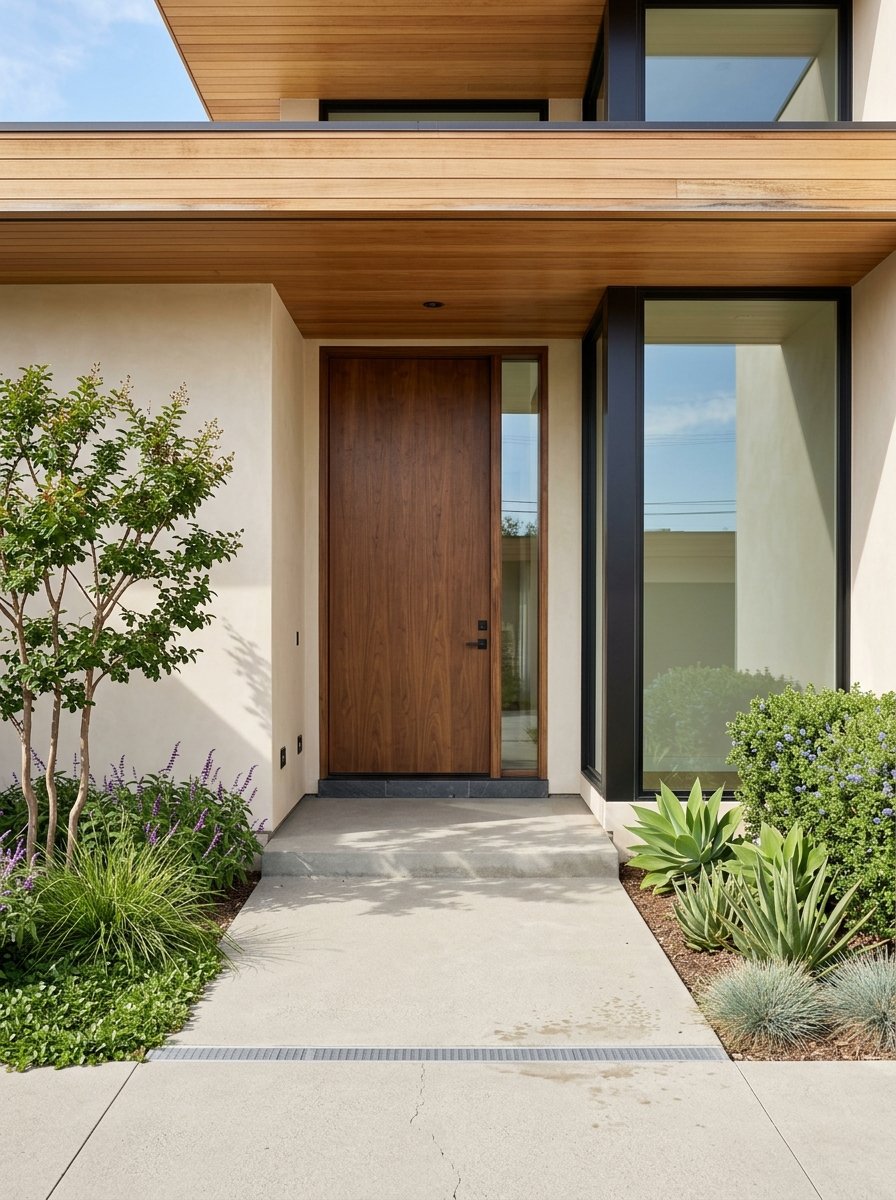
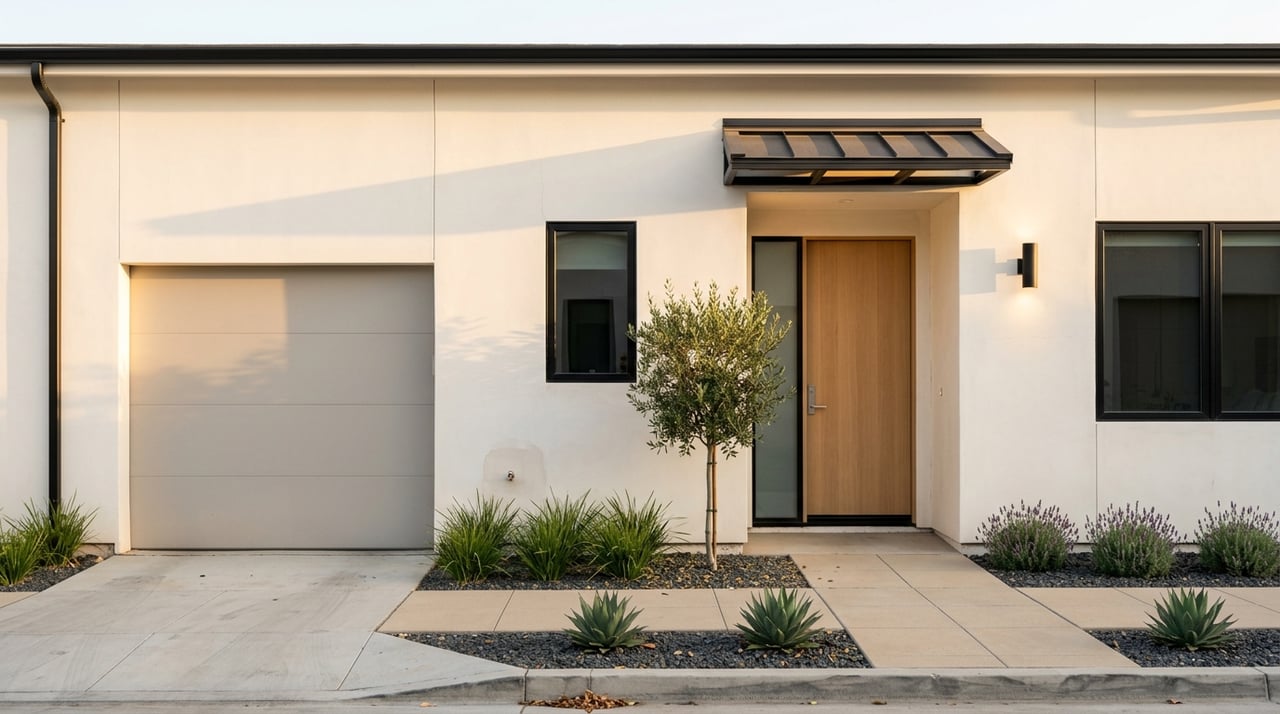
Near the Cottle and Santa Teresa VTA stations, the architectural language shifts to contemporary transit-oriented design. These newer builds feature clean lines, flat or shed roofs, multi-level floor plans, and exterior materials combining stucco, wood siding accents, and metal railings. They trade yard space for location and finish quality.
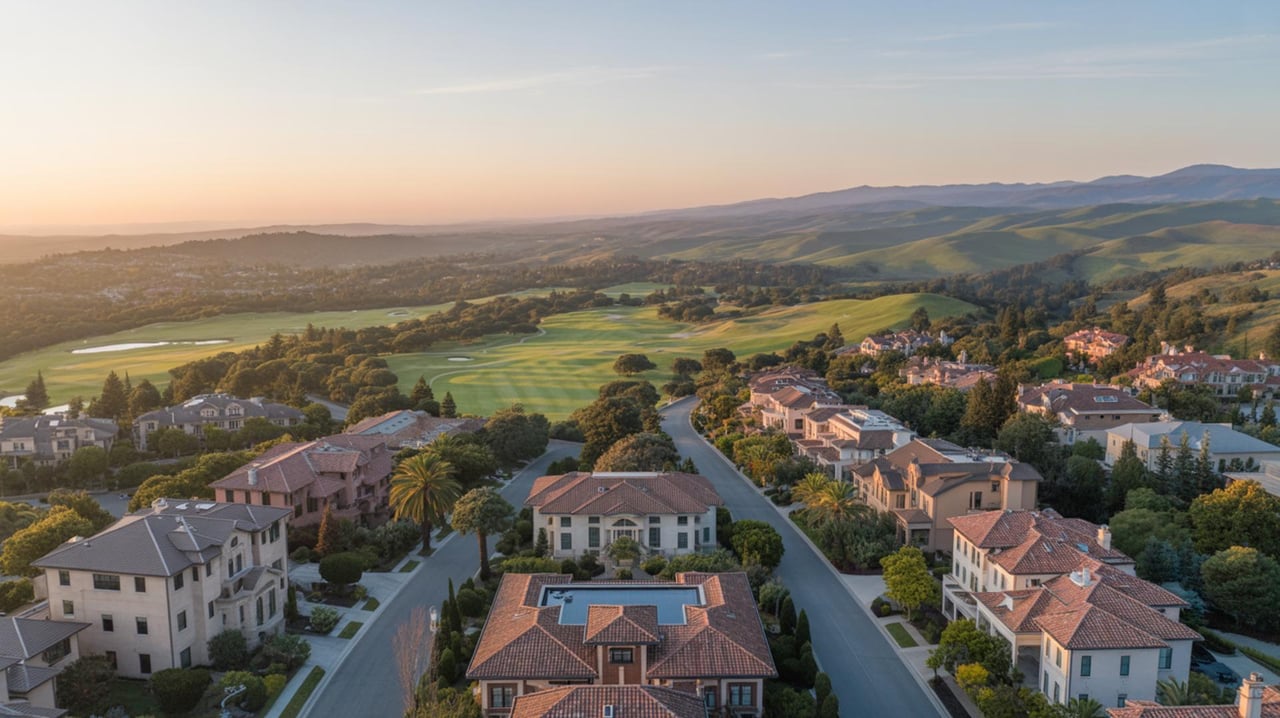
In the foothill pockets near Santa Teresa County Park, Spanish-Mediterranean influences become more prominent. Red-tile roofs, arched entryways, and terracotta stucco finishes characterize many of the neighborhood's "executive" homes in this zone.
One distinctive feature of Santa Teresa as a whole is the visual consistency that comes from large-scale planned development. Much of the neighborhood was built in coordinated phases rather than parcel by parcel, giving it a cohesive look that buyers who appreciate order and predictability tend to find appealing.
Schools are among the primary reasons families choose Santa Teresa, and the neighborhood generally delivers on that reputation — with one caveat that every buyer should understand before making an offer.
The neighborhood is served by two different K-8 systems depending on where a property falls. The Oak Grove School District covers the majority of Santa Teresa and maintains a strong community reputation. The Morgan Hill Unified School District covers eastern portions of the neighborhood. Both are well-regarded, but the practical implications differ: a Morgan Hill school assignment from a San Jose address can mean meaningfully longer school commutes and a different community identity. This boundary distinction has caught families by surprise often enough that it warrants verification through the district's school locator before any offer is submitted — not after.
For high school, the neighborhood is served by the East Side Union High School District. Santa Teresa High School is consistently ranked among the better public high schools in Santa Clara County, earning an "A-" Niche rating and notable for strong STEM programming and an AP participation rate around 52%.
Notable schools feeding into Santa Teresa High include Taylor Elementary and Bernal Intermediate, which serve as the primary K-8 pipeline for much of the neighborhood. Santa Teresa Elementary has a strong parent involvement culture and steady academic performance. The Oak Grove Virtual Learning Academy provides a flexible alternative for families seeking non-traditional pathways.
For buyers with school-age children, the combination of strong elementary options, a high-performing high school, and genuine community investment in education makes Santa Teresa one of the more compelling choices in South San Jose.
The outdoor access here is genuinely exceptional for an urban neighborhood, and it's not incidental to the market's appeal — it's one of the primary reasons families plant roots here.
Santa Teresa County Park is the centerpiece: 1,600-plus acres of open space immediately adjacent to the neighborhood's western edge, offering over 17 miles of trails for hiking, mountain biking, and horseback riding. The Stile Ranch Trail is particularly popular from March through June when wildflower blooms draw regulars from across the South Bay. The park's presence within walking distance of many homes is a genuine quality-of-life differentiator, and it shows up in property values — proximity to the park is consistently cited as a driver of the higher price points in the neighborhood's foothill pockets.
Santa Teresa Golf Club provides a well-maintained public 18-hole championship course along with a 9-hole par-three course, a clubhouse, and a restaurant. It draws both locals and visitors and adds a recreational anchor that supports the neighborhood's appeal to retirees and active adults.
The Rancho Santa Teresa Swim & Racquet Club, available to HOA members throughout much of the neighborhood, functions as more than an amenity — it's a genuine community hub for tennis, swimming, and neighborhood social events. George Miner Park and Bernal Park fill in the traditional suburban park role, with playgrounds, open fields, and the youth sports infrastructure that families rely on.
Santa Teresa's dining and social scene reflects the character of the neighborhood: family-oriented, convenient, and rooted in everyday life rather than trends or spectacle. Residents who want a sophisticated dining scene or active nightlife tend to head north, but for the rhythms of daily neighborhood life, the options here are solid.
The primary dining corridors are the Village Oaks Shopping Center and the Blossom Valley/Snell Avenue intersection. Aqui Cal-Mex at Blossom Valley has been a South Bay institution for years, known for its fresh, organic-focused menu and the "Industrial Strength" Swirls that have developed something of a local following. The Cottle Road corridor adds a range of options including Vietnamese, Japanese, and other cuisines that reflect the neighborhood's demographic diversity.
Familiar chains fill in the remaining gaps — Chipotle, Applebee's, Panera, and a Crumbl Cookies location among them — alongside a concentration of solid local spots serving the neighborhood's daily needs without much pretension.
Nightlife in Santa Teresa is quiet by design. A taproom or a dinner at the Santa Teresa Golf Club's restaurant represents the typical upper end of a local evening out. Residents who want late-night bar culture, live music, or rooftop venues head to downtown San Jose or Campbell, both within a 15-minute drive. That's not a limitation so much as an honest description of the neighborhood's priorities: if your ideal evening ends before midnight and involves a good meal close to home, Santa Teresa fits naturally. If it doesn't, the commute out is easy enough.
Westfield Oakridge is a large shopping mall anchored by Macy’s and Target. Westfield has over 200 businesses, including a Century movie theater and fashion stores such as Forever 21, H&M, Nordstrom Rack, and Old Navy. Westfield also offers a wide range of dining choices, such as Japanese cuisine at Jinya Ramen Bar and Sanraku Sushi, Chinese chains P.F. Chang’s and Panda Express, vegan fare at Loving Hut, and elevated bar eats paired with craft beer at BJ’s Restaurant & Brewhouse. Just across the street from Westfield, Santa Teresa Main Street Shopping Center features several fantastic international eateries. Thai Grata is a popular spot serving delicious curries and other Thai specialties. There’s also an In-N-Out Burger opposite Westfield Oakridge. Golden House Chinese on Santa Teresa Boulevard is a great choice for classic Chinese eats and other tasty Asian dishes.
If you're considering buying, selling, or investing in Santa Teresa, working with someone who knows this market in depth makes a measurable difference in outcomes. Samit Shah and The Samit Shah Team at Compass have built one of the most respected practices in South San Jose through a combination of genuine local knowledge, data-driven strategy, and a client-first approach that has earned results across hundreds of transactions.
Samit is ranked in the Top 0.5% of REALTORS® nationwide, recognized among the Leading 100 in the Bay Area for five consecutive years, and rated the #1 team in San Jose — credentials that reflect not just volume, but consistency. Whether you're navigating your first purchase in a competitive multiple-offer environment, positioning a home for maximum return, or evaluating an investment opportunity in this market, the team brings the preparation and advocacy that defines the difference between a good outcome and a great one.
Reach out directly to start the conversation.
The Samit Shah Team | Compass 📞 (408) 314-1828 ✉️ [email protected] 📍 1133 Minnesota Ave, San Jose, CA 95125 CA DRE# 01906486
There's plenty to do around Santa Teresa, including shopping, dining, nightlife, parks, and more. Data provided by Walk Score and Yelp.
Explore popular things to do in the area, including Purely Sourdough, Poki Bowl, and Pacific Egg Co.
| Name | Category | Distance | Reviews |
Ratings by
Yelp
|
|---|---|---|---|---|
| Dining | 0.42 miles | 0 reviews | 0/5 stars | |
| Dining | 0.76 miles | 66 reviews | 4.2/5 stars | |
| Dining | 0.8 miles | 2 reviews | 2.5/5 stars | |
| Dining · $ | 0.81 miles | 345 reviews | 3.8/5 stars | |
| Dining · $ | 0.81 miles | 127 reviews | 2.1/5 stars | |
| Dining · $$$ | 0.85 miles | 4 reviews | 4/5 stars | |
| Dining · $ | 0.88 miles | 177 reviews | 3.1/5 stars | |
| Dining | 0.89 miles | 0 reviews | 0/5 stars | |
| Dining · $ | 0.89 miles | 46 reviews | 2.3/5 stars | |
| Dining | 0.91 miles | 0 reviews | 0/5 stars | |
| Shopping | 0.91 miles | 12 reviews | 4.9/5 stars | |
| Active | 0.13 miles | 0 reviews | 0/5 stars | |
| Active | 0.42 miles | 0 reviews | 0/5 stars | |
| Active | 0.5 miles | 14 reviews | 4.1/5 stars | |
| Active | 0.91 miles | 0 reviews | 0/5 stars | |
| Beauty | 0.67 miles | 27 reviews | 5/5 stars | |
| Beauty | 0.7 miles | 0 reviews | 0/5 stars | |
| Beauty | 0.7 miles | 0 reviews | 0/5 stars | |
| Beauty | 0.74 miles | 10 reviews | 5/5 stars | |
| Beauty | 0.86 miles | 47 reviews | 4/5 stars | |
| Beauty | 0.88 miles | 0 reviews | 0/5 stars | |
| Beauty | 0.88 miles | 0 reviews | 0/5 stars | |
| Beauty | 0.9 miles | 47 reviews | 4.4/5 stars | |
| Beauty | 0.9 miles | 0 reviews | 0/5 stars | |
|
|
||||
|
|
||||
|
|
||||
|
|
||||
|
|
||||
|
|
Santa Teresa has 111 households, with an average household size of 3. Data provided by the U.S. Census Bureau. Here’s what the people living in Santa Teresa do for work — and how long it takes them to get there. Data provided by the U.S. Census Bureau. 356 people call Santa Teresa home. The population density is 85,663 and the largest age group is Data provided by the U.S. Census Bureau.
Total Population
Population Density Population Density This is the number of people per square mile in a neighborhood.
Median Age
Men vs Women
Population by Age Group
0-9 Years
10-17 Years
18-24 Years
25-64 Years
65-74 Years
75+ Years
Education Level
Total Households
Average Household Size
Average individual Income
Households with Children
With Children:
Without Children:
Blue vs White Collar Workers
Blue Collar:
White Collar:
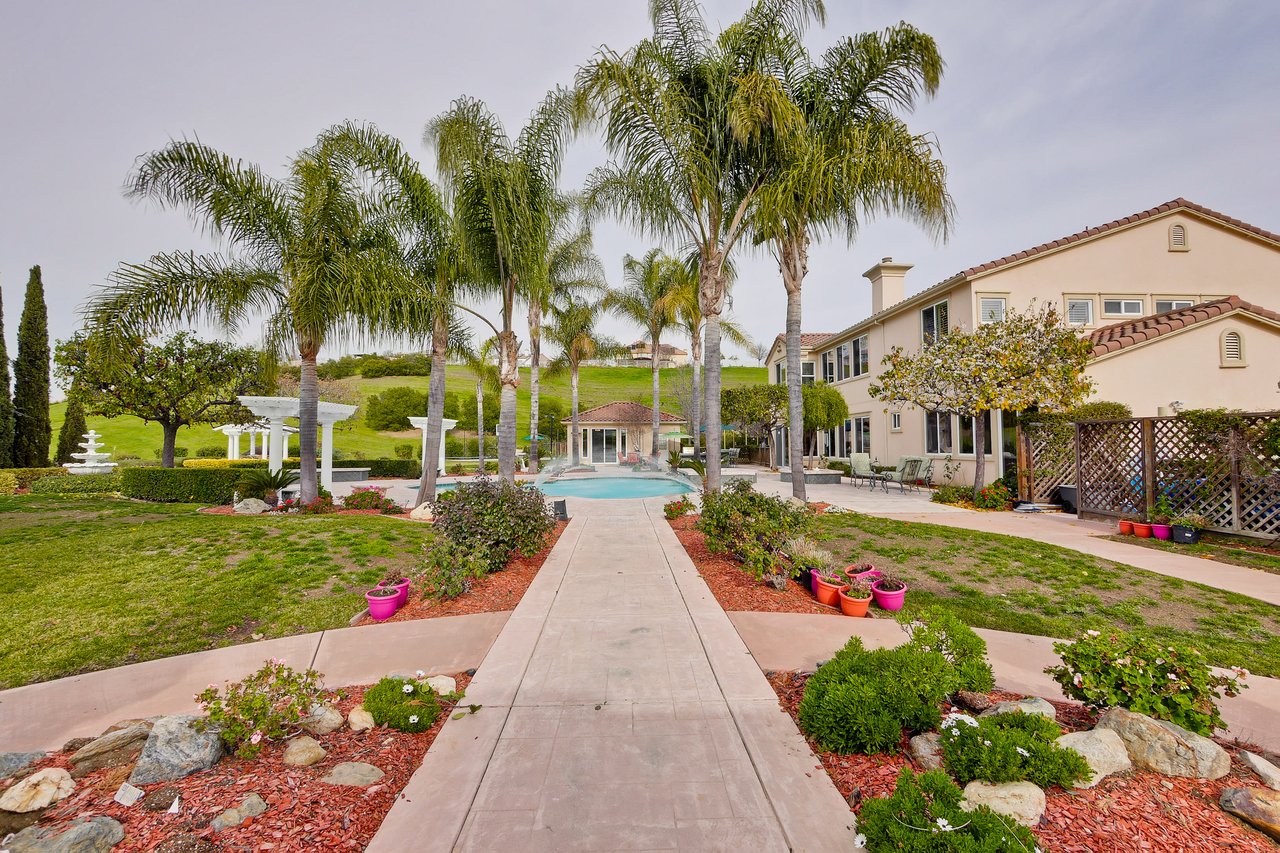
Search Blossom Valley, San Jose homes for sale, including luxury homes and new listings
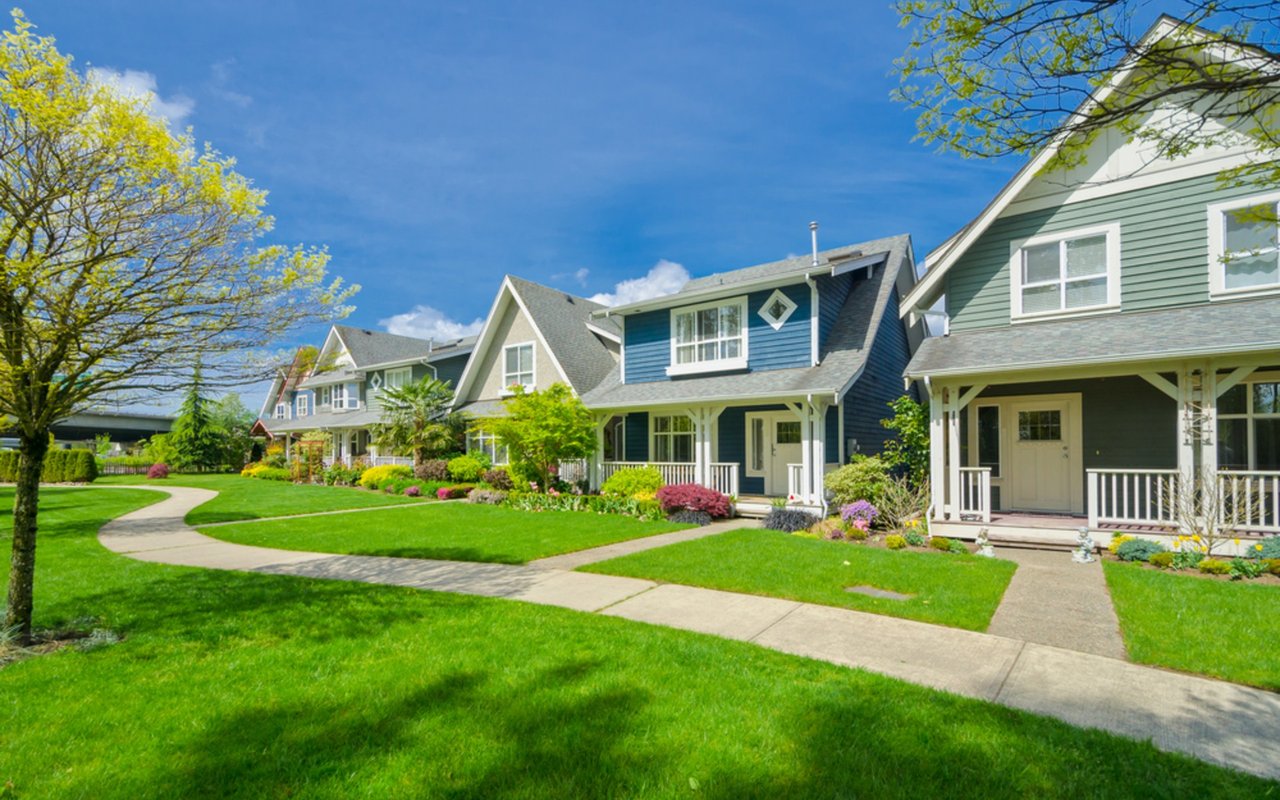
Search Cambrian Park, San Jose homes for sale, including luxury homes and new listings
1133 Minnesota Ave San Jose, CA 95125
1133 Minnesota Ave San Jose, CA 95125