Choosing between a newer home and a classic neighborhood in San Jose is not just about style. It is about how you want to live day to day, how much upkeep you want to take on, and what tradeoffs feel worth it in one of the most expensive housing markets in the country. If you are weighing modern convenience against established character, this guide will help you compare both paths with more clarity. Let’s dive in.
Why this choice matters in San Jose
San Jose gives you real variety, even in a market where inventory can feel tight. According to the city’s 2023 housing figures, about 51% of homes are single-family detached, while attached homes and multifamily housing make up a meaningful share as well. That mix creates room for buyers who want traditional neighborhood settings and for buyers who prefer newer, more compact housing options.
This decision also matters because price points are high. The city’s draft housing data cites a median single-family home price of $1,616,000, and San Jose’s Q4 2025 market update shows a median single-family price of $1,650,000 with 25 days on market for single-family homes. In a market like this, it helps to know exactly what you are paying for beyond square footage alone.
Where newer builds are in San Jose
In San Jose, newer housing is often concentrated in planned growth areas rather than in long-established single-family neighborhoods. The city’s planning strategy channels much of its future housing and job growth into Urban Villages and transit-oriented development areas. That includes places tied to existing infrastructure and major transportation access.
You will often see newer-build activity in areas such as Downtown West and Diridon, North San Jose, Communications Hill, and approved Urban Village corridors. The city describes Communications Hill as a mixed-use development area that allows up to 2,200 residential units across about 332 gross acres. The broader planning framework also points to Downtown, North San Jose, the Diridon Station area, and approved Urban Village plan areas as likely locations for new development.
For buyers, that usually means a different living pattern. Newer homes in these areas are often tied to denser planning, easier transit access, and more compact site design. If your priority is convenience and a lower-maintenance lifestyle, these locations may rise to the top of your list.
What newer builds usually offer
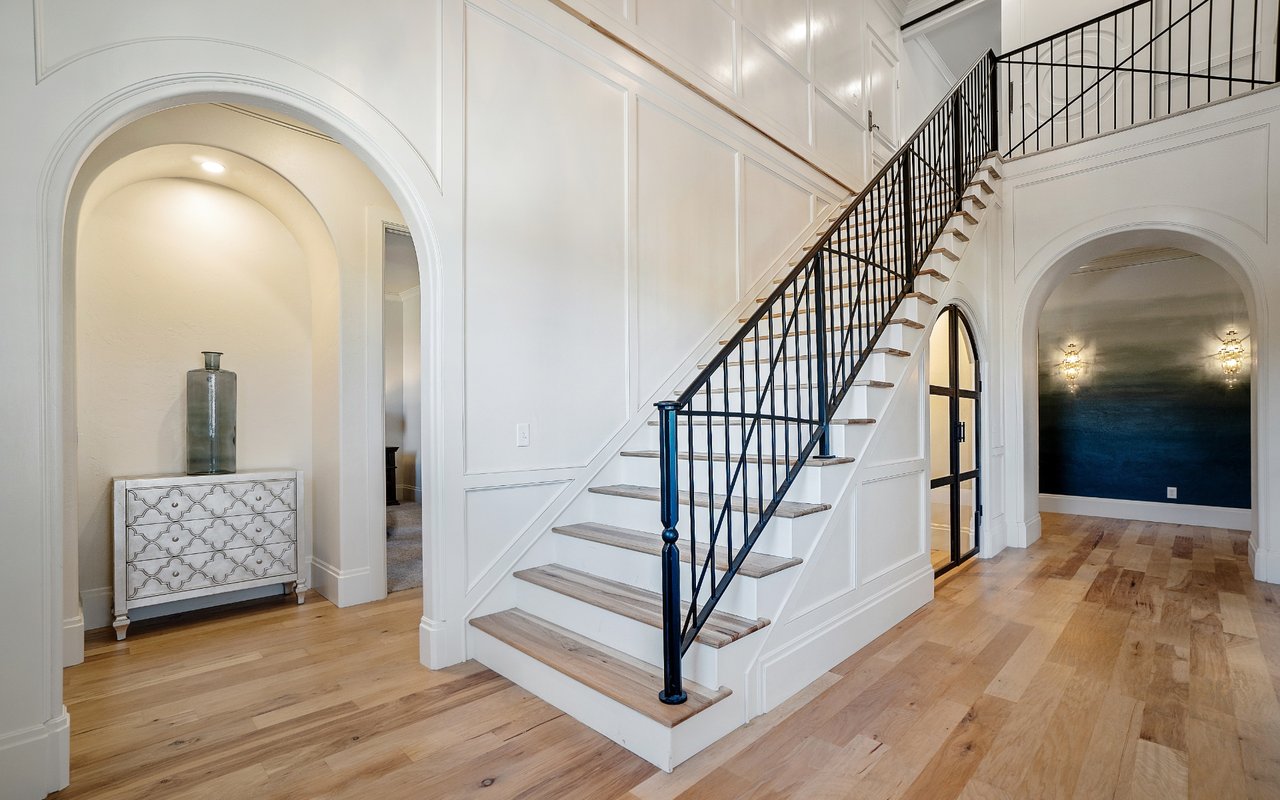
The biggest appeal of newer construction is predictability. Newer homes typically come with more current systems, fewer age-related repair concerns up front, and layouts designed for how many buyers live today. In practical terms, that can mean less immediate stress around major components after closing.
There is also a clear efficiency story. The California 2025 Energy Code, which took effect January 1, 2026 for new buildings and major renovations, expands standards related to heat pumps, electric-readiness, stronger ventilation, and more efficient walls and windows. For you, that can translate into a home that aligns more closely with current energy expectations from day one.
That said, newer does not automatically mean larger or more private. Because many new homes are built in planned growth areas, the tradeoff is often a more uniform setting, higher density, and less land. If you value low upkeep and modern systems more than lot size or architectural variety, this can be a smart fit.
Where classic neighborhoods stand out
San Jose’s classic neighborhoods tend to show up in its historic districts, conservation areas, and established residential pockets. The city highlights places such as Hanchett and Hester Park, Naglee Park, North Willow Glen, Palm Haven, Lakehouse, and Market-Almaden as examples of older housing fabric with roots in the late 1800s through the mid-1900s. These areas often reflect decades of development rather than one master-planned buildout.
San Jose also recognizes its Eichler neighborhoods as a distinct postwar housing type. The city says seven Eichler-developed tracts form five neighborhoods, with special objective design standards in some cases. For buyers who care about architecture, this is part of what makes classic neighborhoods feel so specific to San Jose.
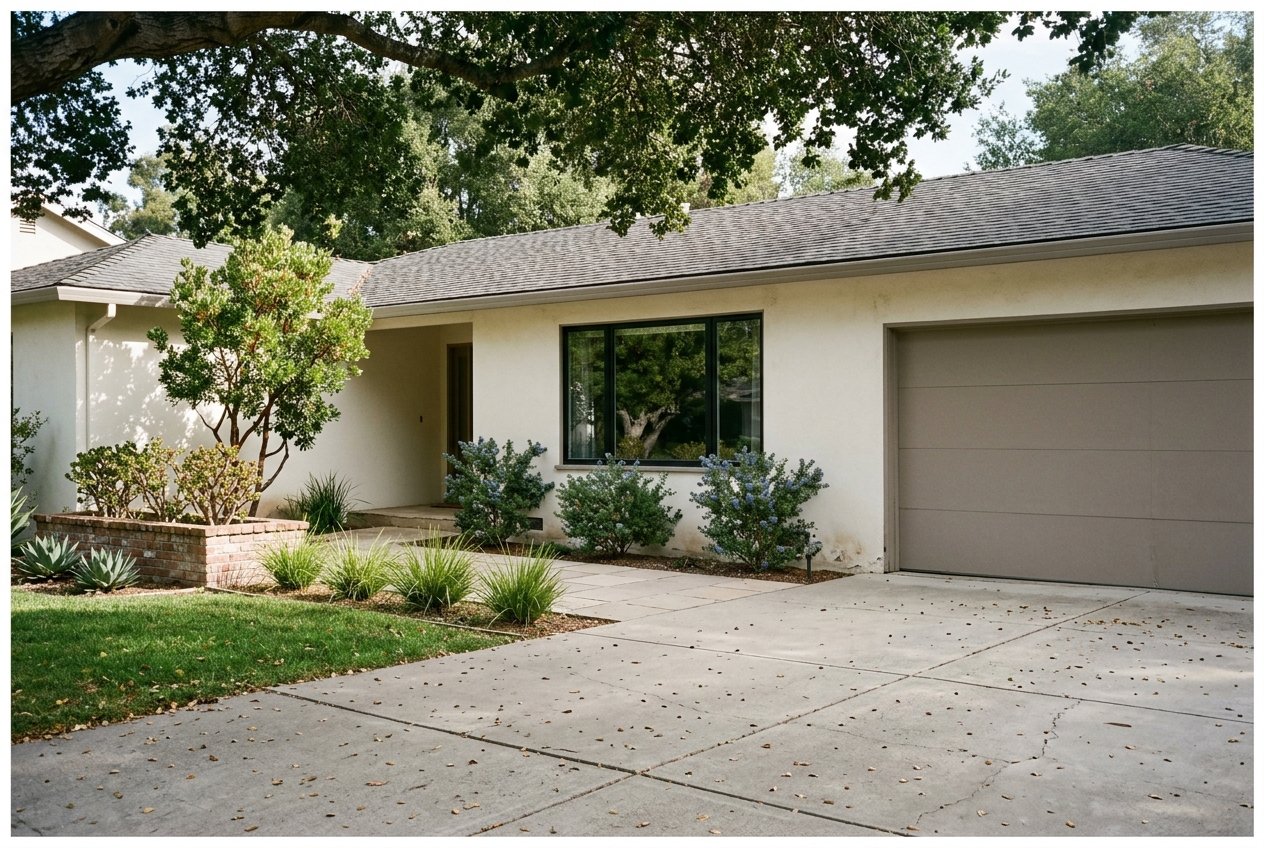
The appeal here is often emotional as much as practical. Older neighborhoods can offer architectural variety, established streetscapes, and a stronger sense of place. If you want a home with visible character and a setting that feels layered over time, classic areas may be more compelling than newer developments.
What classic neighborhoods may require
Character often comes with more responsibility. San Jose’s housing preservation materials note that soft-story buildings are wood-framed, multi-story buildings built in 1978 or earlier, and the city’s draft housing data says about 201,405 housing units were built before 1980. It also shows that 61% of owner-occupied units and 46% of renter-occupied units were built from 1950 to 1979.
For buyers, that age profile matters. Older homes may come with more retrofit questions, more maintenance planning, or issues related to older materials and systems. In some historic areas, design or preservation rules may also affect what changes can be made and how.
This does not mean older homes are a bad choice. It means you should go in with a clear understanding of the property’s condition, likely future expenses, and whether the neighborhood context adds any extra review or design considerations. When buyers know that upfront, they can make stronger decisions with fewer surprises.
Comparing the biggest tradeoffs
When clients compare newer builds versus classic neighborhoods in San Jose, the choice usually comes down to a handful of practical priorities. Here is a simple way to think about them.
Priority | Newer Builds | Classic Neighborhoods |
|---|---|---|
Maintenance | Often fewer immediate age-related repairs | May require more upkeep or retrofit planning |
Energy efficiency | Strong advantage from current building standards | Varies by updates already completed |
Setting | Often more compact and planned | Often more varied and established |
Architecture | Typically more consistent in style | Usually more architectural variety |
Location pattern | Often in growth and transit-focused areas | Often in long-established residential areas |
The key point is that there is no universal winner. Newer homes often compete on convenience, efficiency, and lower-maintenance appeal. Classic neighborhoods tend to compete on rarity, architecture, and established surroundings.
Lot size and neighborhood feel are not the same thing
Many buyers assume older automatically means larger lots, but that is not always true in San Jose. The city specifically describes North Willow Glen as mostly small-lot residential properties developed during the first half of the twentieth century. At the same time, newer growth areas like Urban Villages and Communications Hill are planned at higher densities, but lot feel can still vary by project and housing type.
That is why it helps to separate the idea of age from the idea of lifestyle. A classic neighborhood may offer charm and mature streetscapes without a large lot. A newer home may offer modern design and convenience, but in a more compact setting than you expected.
Which option fits your goals?
If you are a buyer who wants a more turnkey experience, newer construction may make more sense. This can be especially appealing if you are balancing a demanding work schedule, relocating on a tight timeline, or simply want fewer unknowns during the first years of ownership. Access to transit-oriented areas may also be a major plus depending on your commute and daily routine.
If you are drawn to architecture, established surroundings, and homes that feel less interchangeable, classic neighborhoods may be the better match. Buyers in this group are often comfortable trading some convenience for character and are willing to look more closely at condition, updates, and long-term maintenance needs.
In San Jose, both choices are real. They just tend to show up in different parts of the city and come with different strengths. The right answer is usually the one that best fits how you actually want to live, not the one that sounds best in theory.
If you want help comparing San Jose neighborhoods, weighing property condition, or building a strategy around your timeline, the The Samit Shah Team can help you navigate the options with practical local guidance.
FAQs
Where are newer-build areas in San Jose?
- Newer housing is often concentrated in Downtown West and Diridon, North San Jose, Communications Hill, and approved Urban Village areas.
Which San Jose neighborhoods are known for classic homes?
- The city highlights Hanchett and Hester Park, Naglee Park, North Willow Glen, Palm Haven, Lakehouse, and Market-Almaden, along with recognized Eichler tracts, as examples of older, character-rich housing areas.
What should buyers watch for in older San Jose homes?
- Buyers should pay attention to age-related maintenance and retrofit needs, including issues tied to older building eras such as soft-story risk and other pre-1980 housing concerns noted on the city’s housing preservation page.
Are newer homes in San Jose more energy efficient?
- In general, yes. Newer homes benefit from current standards under the California 2025 Energy Code, which includes stronger efficiency and ventilation requirements for new buildings and major renovations.
Is a classic neighborhood in San Jose always a better choice for lot size?
- Not necessarily. The city notes that some classic areas, such as North Willow Glen, include mostly small-lot properties, while many newer areas are planned at higher density, so lot size depends more on the specific home and area than age alone.