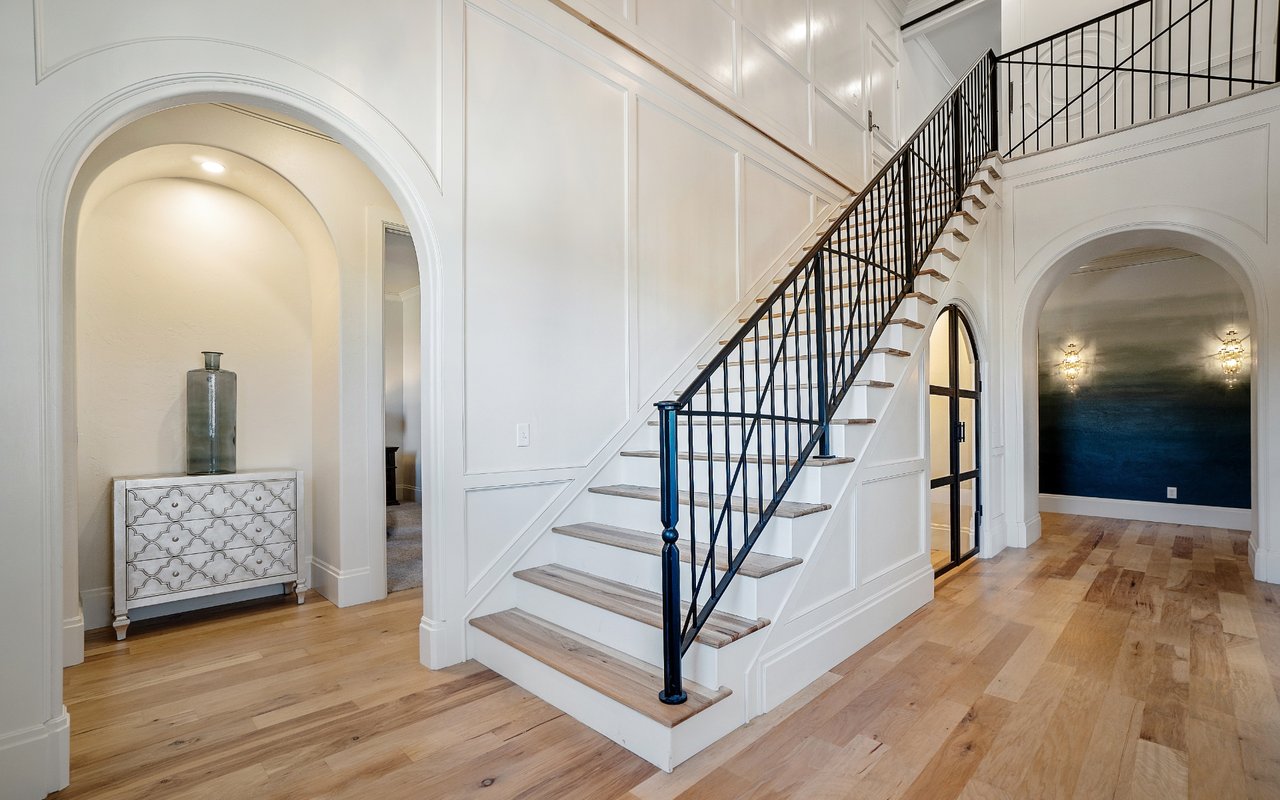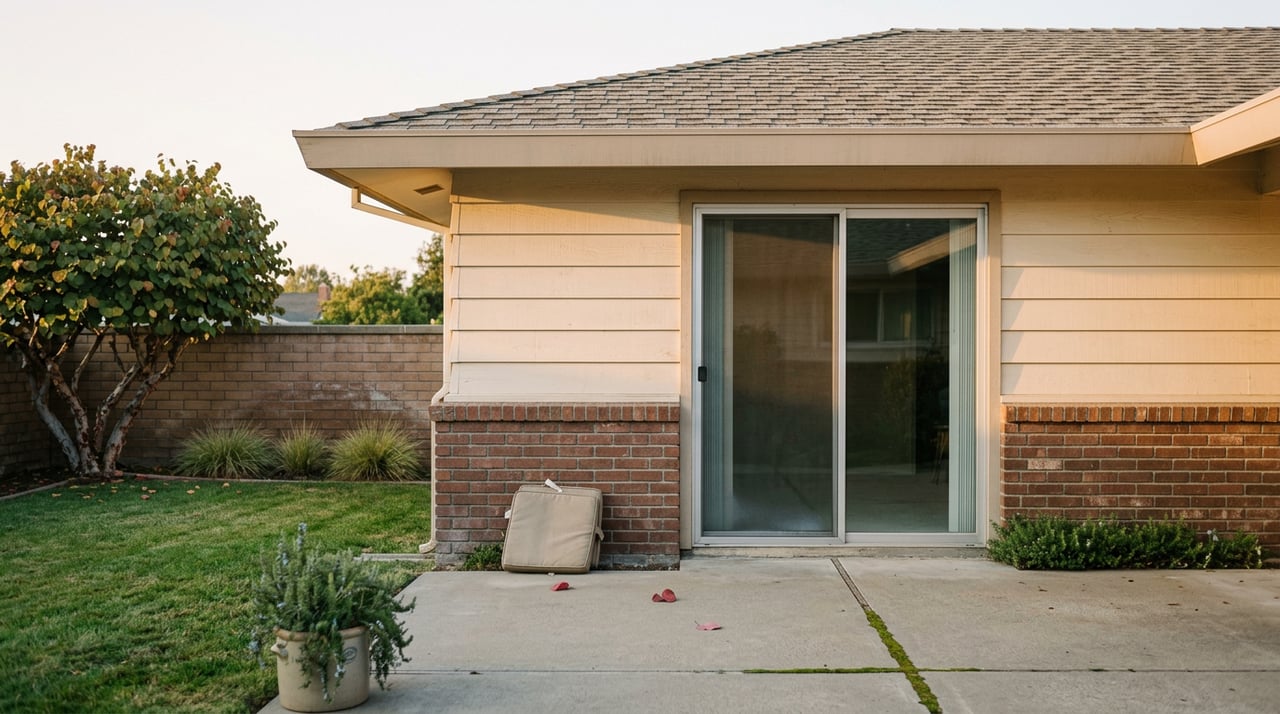
A Cambrian ranch on the market this summer can look finished in every way that matters to a buyer walking through the front door. Fresh paint, refinished oak floors, a kitchen that's been touched since the Ford administration. None of that decides whether the sale closes on schedule. What decides it is a four-inch pipe nobody has looked at since the house was built, and whether a camera run through that pipe turns up a problem that has to be fixed and verified before the city will sign off.
San Jose has required a sewer lateral inspection before closing on any residential sale since June 2022, and the rule applies the same way on paper across every ZIP code in the city. In practice, it does not land the same way everywhere. Cambrian's housing stock puts more of its sellers into the repair column than a lot of its neighbors, and the reason has less to do with bad luck than with what got buried in the ground the year these homes went up.
What San Jose Actually Requires Before You Can Close
The city's Private Sewer Lateral Pipe program, known as PSLP, mandates a professional camera inspection of the line connecting a home to the public sewer main before the sale can be finalized. If the inspection finds cracks, root intrusion, bellies, or offset joints, the repairs have to be completed and verified before the city issues the clearance certificate that lets the transaction proceed, according to Ribbs Plumbing & Sewer, a NASSCO-certified contractor that handles PSLP work across the city.
A handful of properties are exempt:
- Homes not connected to San Jose's city sewer system, meaning they run on septic
- Homes built after June 2007, since construction within fifteen years of the rule's June 2022 start date is exempt
- Transfers made as a gift between immediate family members
- Refinances or title updates that don't involve a change of ownership
- Homes that already carry a valid San Jose sewer lateral certificate issued within the past ten years
The construction-date exemption on that list barely touches Cambrian. The neighborhood's housing stock is overwhelmingly single-story ranch construction from the 1950s and 1960s, sitting on lots that commonly run 6,000 to 8,000 square feet. A home would need to have been rebuilt from the ground up after 2007 to qualify on age alone, and while infill projects and custom rebuilds do occur across the neighborhood, they remain the exception rather than the rule.
Why Cambrian's Pipes Are the Ones Everyone's Watching
Cambrian doesn't have one uniform plumbing story. It has two, borrowed from the neighborhoods on either side of it. According to Venture Plumbing, a South Bay repiping contractor that has worked across the region since 2009, Cambrian's older sections carry the same galvanized steel and clay lateral problems found in Willow Glen's original 1950s bungalows, while its newer pockets share the slab-on-grade construction and clay-heavy soil movement that drive recurring pinhole leaks in Almaden Valley.
That matters because those two failure patterns show up differently under a camera. Galvanized supply lines corrode from the inside out and eventually restrict flow or fail outright, a slow process that a PSLP camera run can catch mid-decline. Clay soil, meanwhile, expands and contracts across wet and dry seasons and puts steady pressure on rigid pipe below grade, which is the same soil movement Venture Plumbing points to as the driver behind Almaden's slab leak pattern.
In Cambrian, the line's age tells you less than its address.
A ranch a few blocks from the Los Gatos border and a ranch a few blocks from the Almaden Expressway can be the same vintage and still fail a PSLP inspection for entirely different reasons.
The Responsibility Split That Surprises People Mid-Escrow
Sellers who assume the city owns the whole pipe are in for a correction. According to the Silicon Valley Association of Realtors, San Jose splits sewer lateral responsibility differently than most nearby cities: the homeowner covers repair or replacement of the upper lateral, while the city takes responsibility for the lower portion. That's a real distinction from Morgan Hill, where SILVAR notes the homeowner is on the hook for the entire line, upper and lower.
The city's own materials describe ownership more broadly. San Jose's Sewers and Storm Drains page states plainly that the sanitary sewer lateral is owned and maintained by the property owner, and that clearing blockages not caused by the city's main line is the owner's sole responsibility. The same page describes a separate program: if a property owner has the city install an approved wye cleanout, city crews handle repairs from that cleanout to the sanitary main at the city's expense, including restoring any sidewalk or driveway concrete disturbed in the process.
Read together, those two facts aren't a contradiction so much as a boundary that depends on whether a city-approved cleanout exists on the property and who installed it. That boundary is exactly the kind of detail that gets skipped over in a listing conversation and then becomes a point of confusion when a repair bid lands on the table three weeks before closing. Sellers should confirm the current line of responsibility directly with the city's sewer division rather than assume either version applies to their specific address.
What Repairs Actually Cost in 2026
When a PSLP inspection does turn up a failure, the dollar range is wide enough that sellers benefit from knowing it before an offer is on the table, not after. According to a 2026 Bay Area cost guide from Next Level Plumbing, lateral replacement costs break down roughly like this:
| Repair Scope | Typical 2026 Cost | Where It Shows Up |
|---|---|---|
| Standard replacement | $5,000 to $15,000 | A single failure point on an otherwise sound line |
| Full all-in project | $8,000 to $18,000 | The realistic number once permits, shoring, and surface restoration are counted |
| Complex replacement | $15,000 to $30,000 or more | Deep excavation, street work, or difficult soil conditions |
The same guide walks through a representative example: a 45-foot lateral running from a 1950s ranch house to the main under the street, buried five feet deep. Pipe work alone runs around $5,600, but once permits, a street cut, and pre- and post-camera inspections are added, the realistic project lands between $11,000 and $14,000. The guide's point stands for Cambrian too: the last ten feet under the street often cost more than the first thirty-five under the lawn, which is exactly the kind of line item that catches sellers off guard when a bid comes back higher than the inspection fee suggested it would.
The Streets Where the Septic Tank Never Left
Cambrian's older, larger-lot pockets carry one more wrinkle worth flagging before a seller assumes their yard is a clean slate. In the neighborhood's oldest large-parcel sections, including streets like Heather Drive, Warwick, Stratford Avenue, and Charmeran, some homes were connected to the municipal sewer system decades ago but never had a legacy septic tank removed from the rear yard. The tank sits buried and largely forgotten until someone plans a pool, a major addition, or significant grading, at which point it becomes a real and sometimes costly discovery.
This isn't a PSLP issue in the technical sense, since the home is sewer-connected and the lateral itself may test clean. It's a disclosure and due-diligence issue that sits right next to it, and sellers on Cambrian's larger, older parcels should factor it into their pre-listing prep the same way they'd factor in the lateral inspection itself.
What This Means If You're Listing This Year
A few practical moves make the difference between a PSLP inspection that's a formality and one that derails a closing date:
- Order the inspection before you list, not after you're in contract. A failed inspection with time to fix it is a line item. A failed inspection during a 21-day close is a crisis.
- Check whether your home already carries a valid certificate. If the property sold anytime after mid-2022 and the lateral passed then, that certificate may still be good for up to ten years.
- Ask directly whether your property has a city-approved wye cleanout, and if so, confirm with the city's sewer division exactly where owner responsibility ends and city responsibility begins.
- If your lot is on the older, larger-parcel side of Cambrian, ask a previous owner or check permit history for any record of septic tank abandonment, especially before promising a buyer clear ground for a pool.
Frequently Asked Questions
Does every Cambrian home need a PSLP inspection before selling? Nearly all of them do. The exemptions cover septic-connected properties, homes built after June 2007, family gift transfers, ownership-neutral refinances, and homes with a valid certificate from within the past decade. Cambrian's age profile means almost no home qualifies on construction date alone.
What happens if the inspection finds a problem close to closing? The city won't issue a clearance certificate until repairs are completed and verified, and the sale cannot proceed without that certificate. That's why the repair timeline effectively becomes the closing timeline, and why ordering the inspection weeks ahead of listing is worth the small upfront cost.
Who pays if the lateral needs work, the buyer or the seller? That's a negotiated term of the purchase contract, not something the ordinance dictates. Separately, who maintains which segment of the physical line depends on whether a city-approved wye cleanout exists on the property. Confirm that boundary with San Jose's sewer division rather than assuming either version applies to your address.
Selling a Cambrian ranch well means getting ahead of the parts of the transaction a buyer will never see in the listing photos. The Samit Shah Team has walked Cambrian sellers through exactly this kind of pre-listing prep, from ordering the right inspections early to negotiating repair credits that don't stall a closing date. If you're planning to list in Cambrian this year, let's talk through what your specific property needs before it ever hits the market. Work With Us.