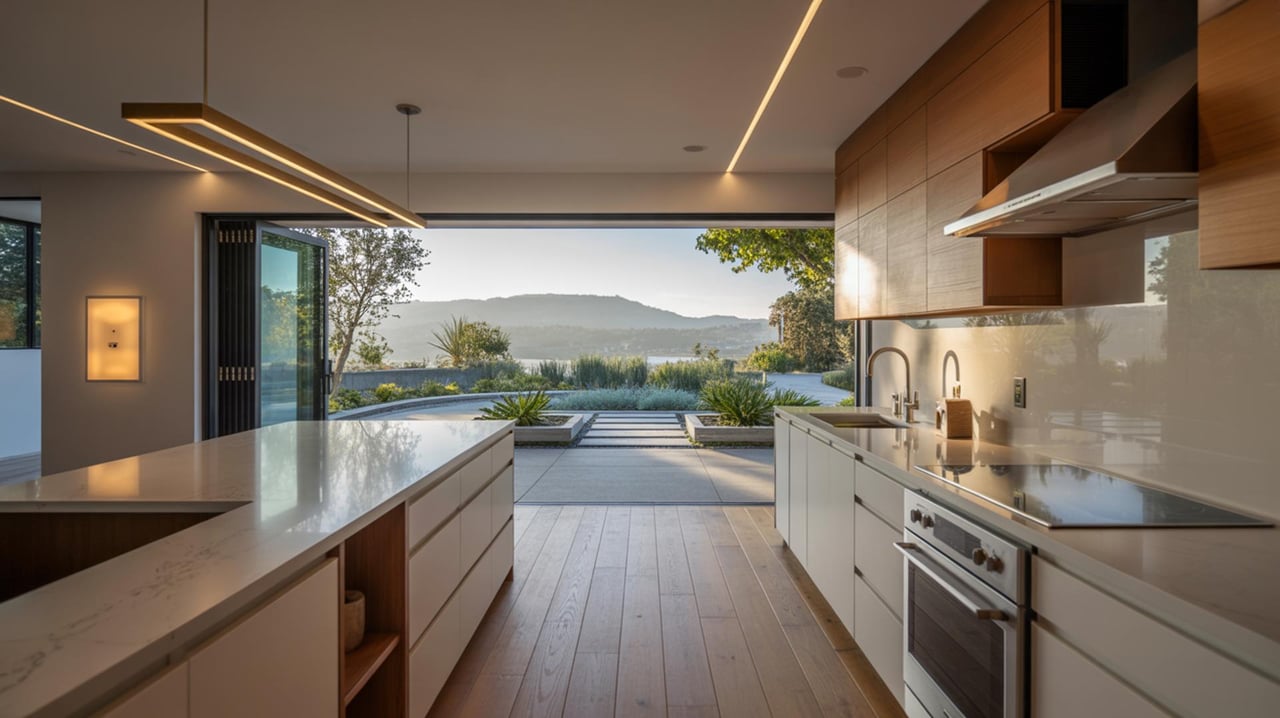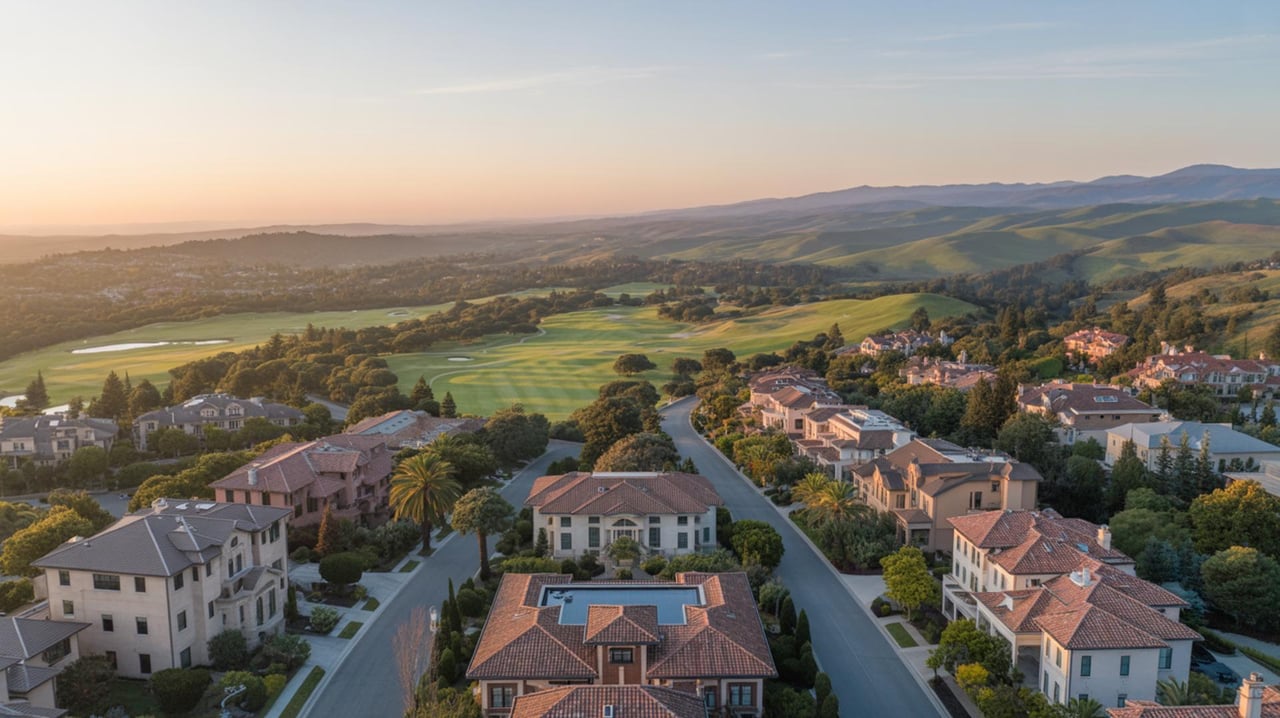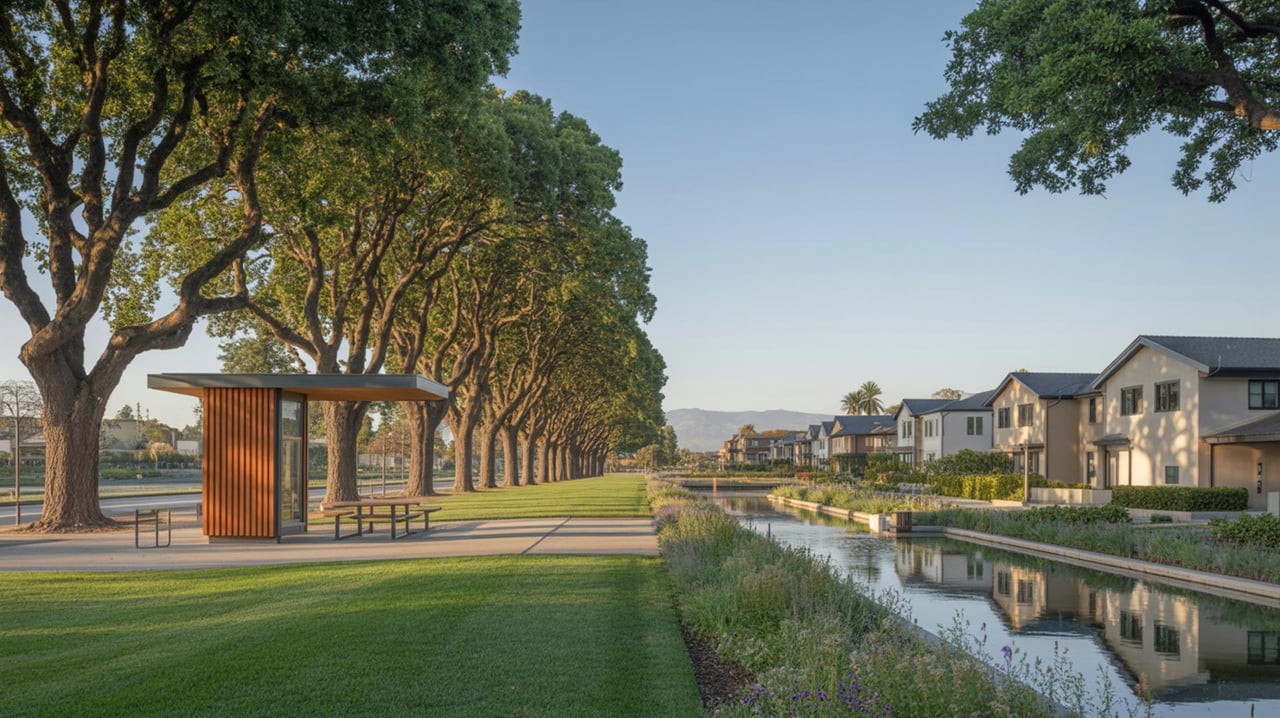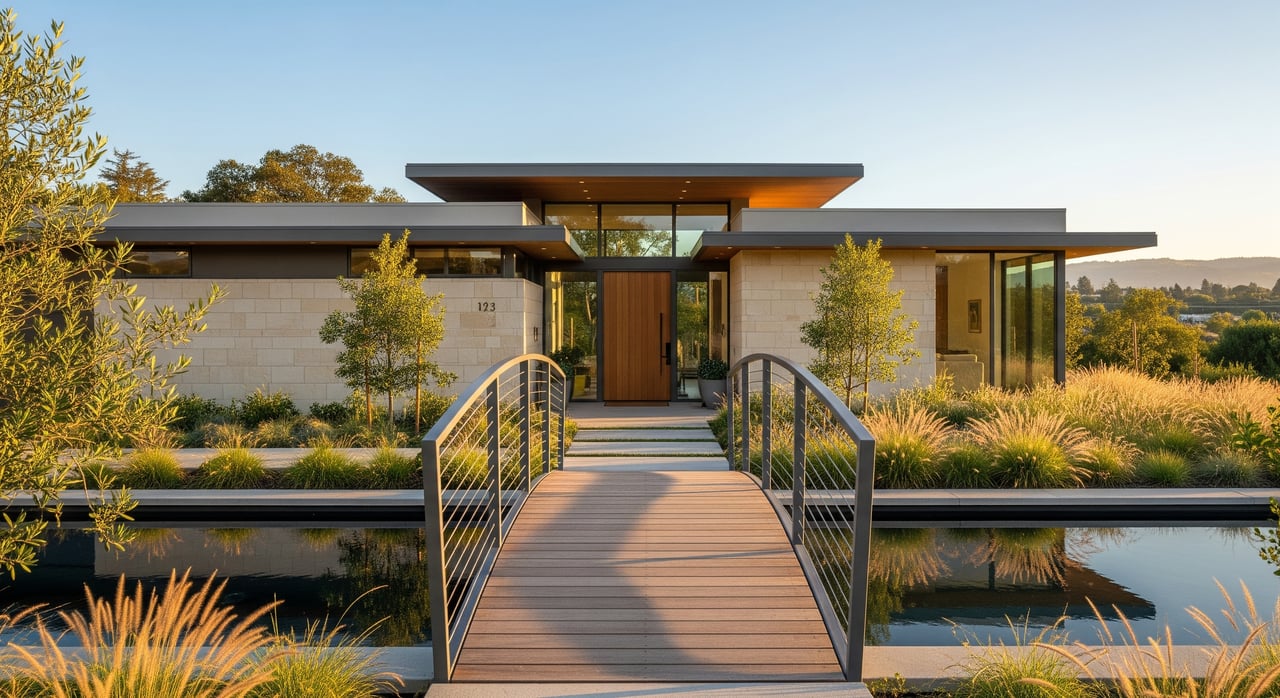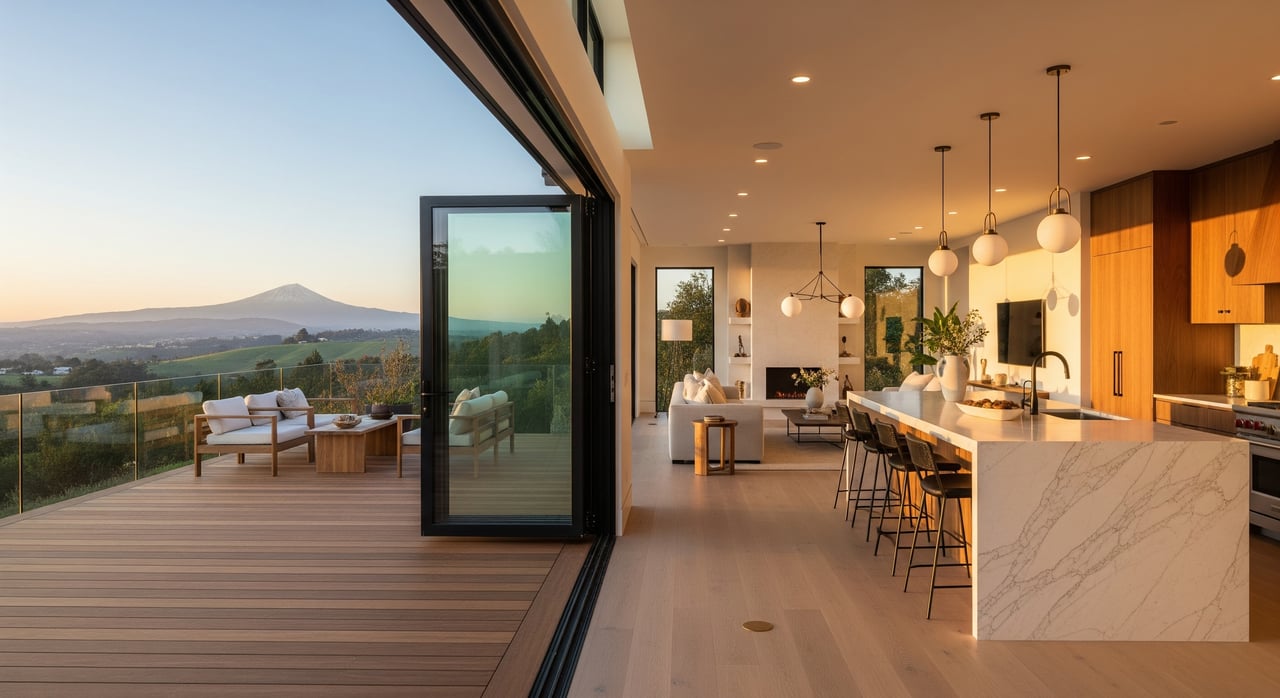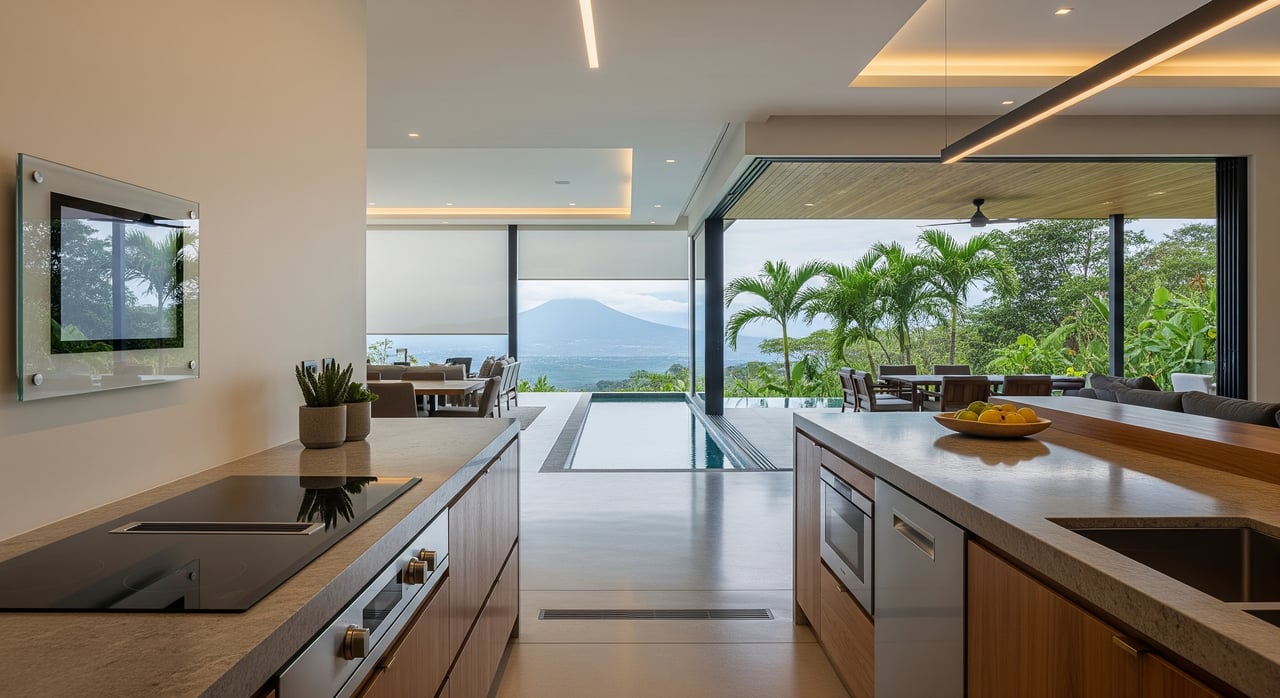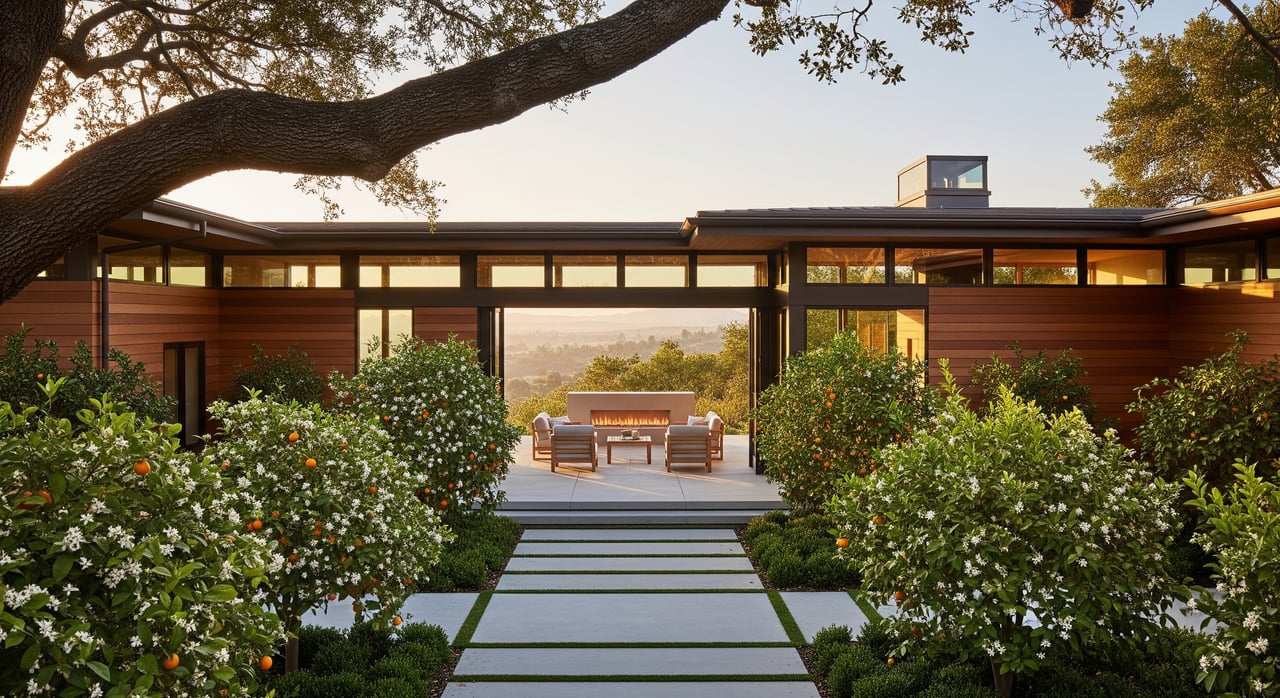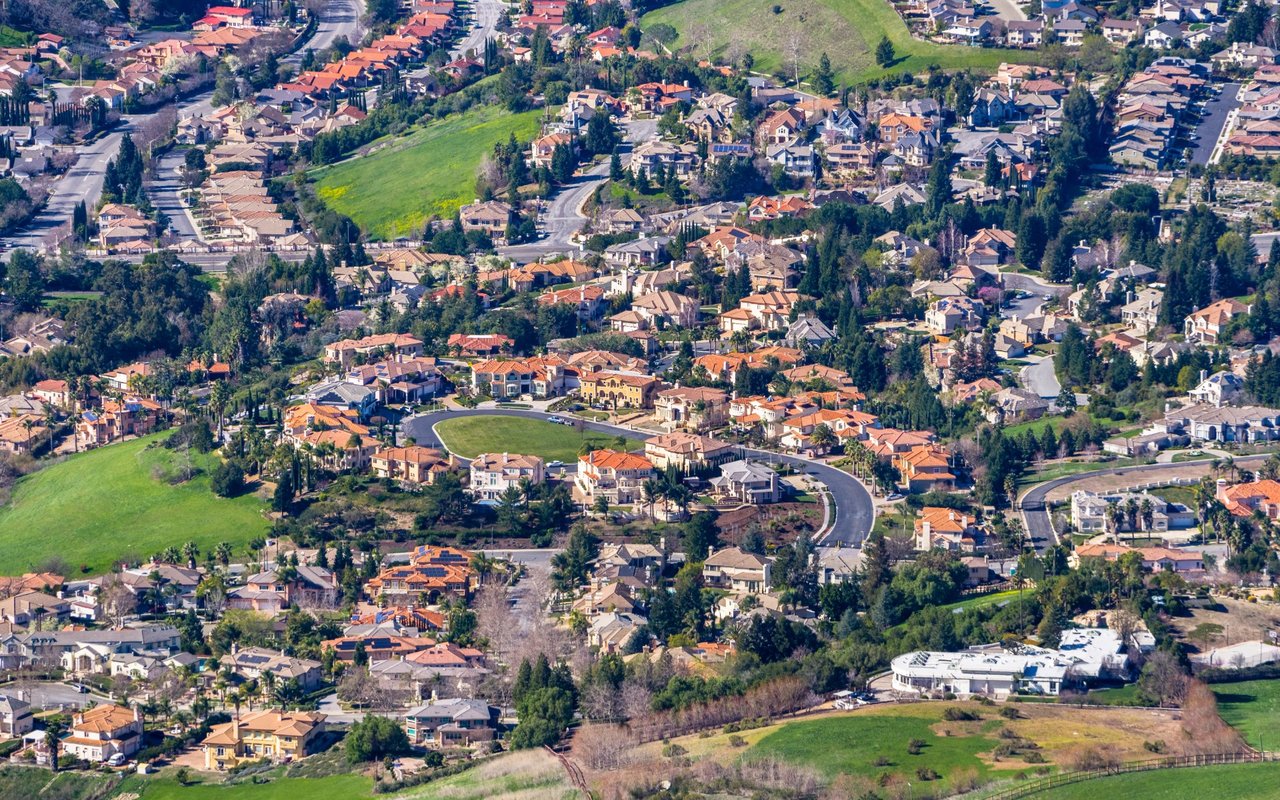
Fremont, CA Homes for Sale & Real Estate Listings
Search Fremont, CA homes for sale, including luxury homes and new listings
228,518 people live in Fremont, where the median age is 38.8 and the average individual income is $73,378. Data provided by the U.S. Census Bureau.
Total Population
Median Age
Population Density
Average individual Income
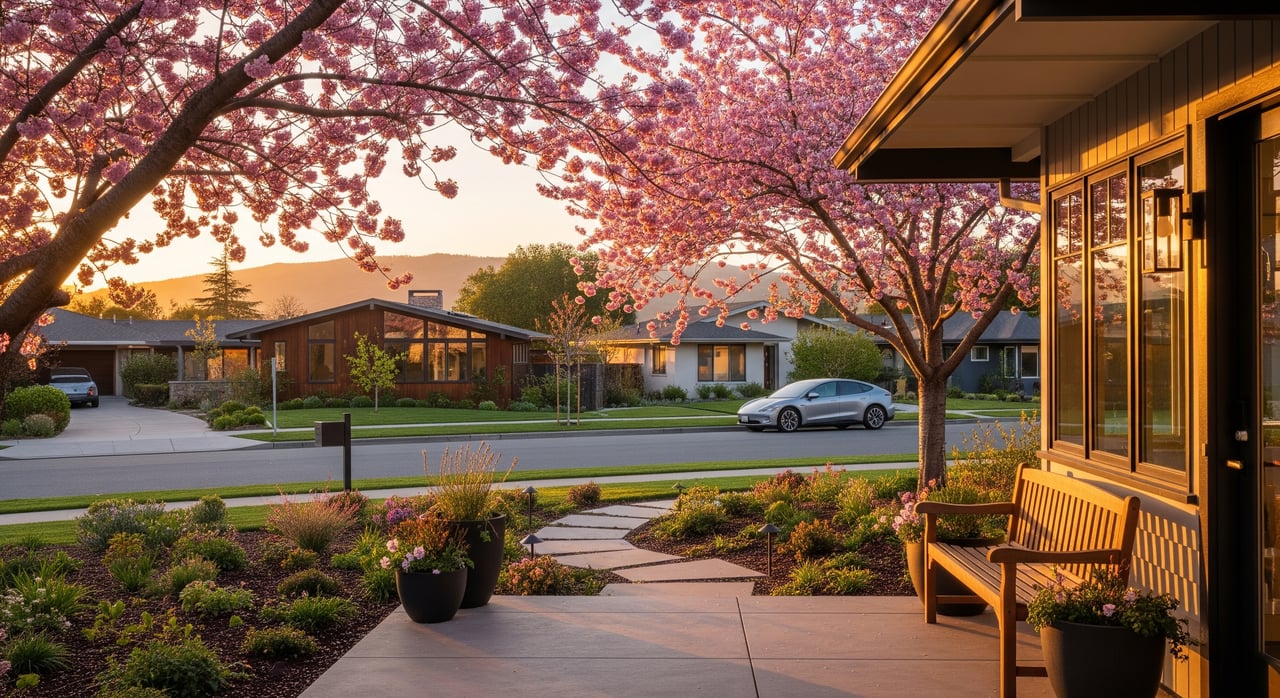
Fremont is one of those Bay Area cities that quietly outperforms its reputation. As the fourth-largest city in the San Francisco Bay Area with a population of roughly 230,000, it sits in the southeast corner of the East Bay and carries a story most residents love to tell: it was formed in 1956 by stitching together five historic townships—Centerville, Niles, Irvington, Warm Springs, and Mission San Jose. That origin still shapes daily life here. Rather than one central downtown radiating outward, Fremont is a collection of distinct communities, each with its own character, price point, and sense of place.
What makes Fremont genuinely different from its Silicon Valley neighbors is the balance it strikes. It is consistently ranked among the happiest and most family-friendly cities in the country, driven by high household incomes, low poverty rates, top-tier public schools, and strong safety numbers. Yet it is also a working engine of the innovation economy, home to Tesla's flagship Factory, Western Digital, and Lam Research. You get a quiet, tree-lined suburban rhythm and immediate access to some of the most important employers in the world—a combination that is surprisingly hard to find elsewhere in the region.
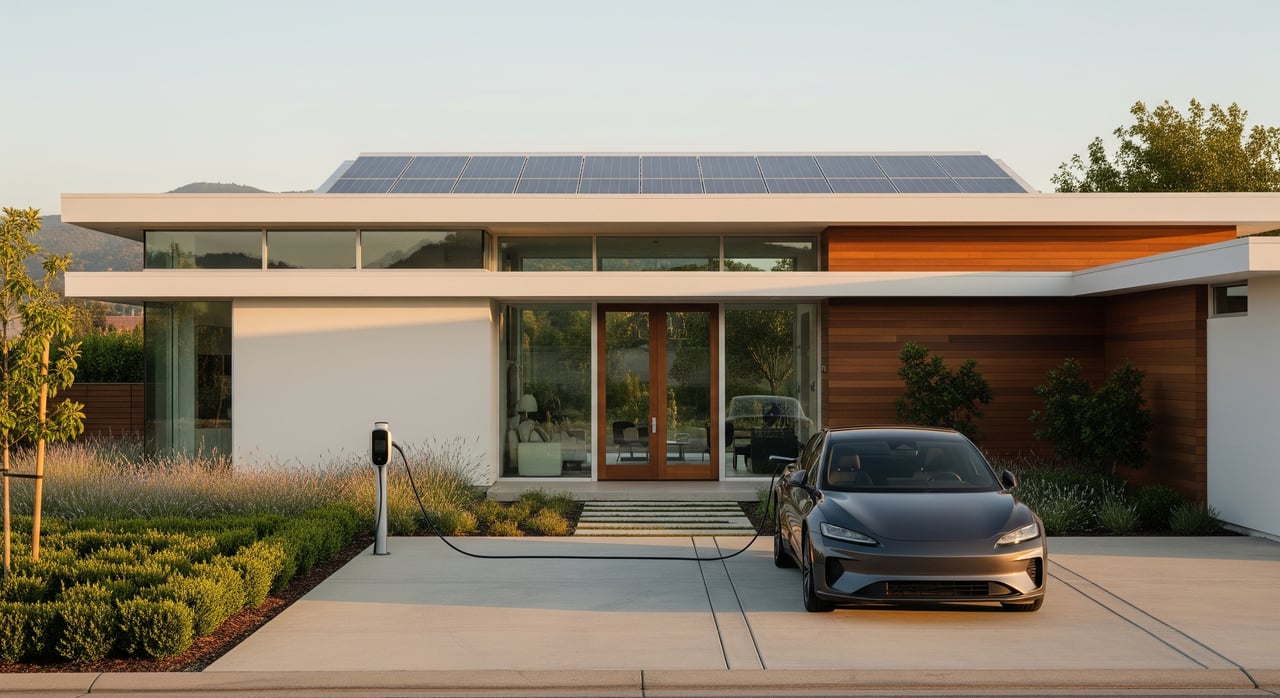
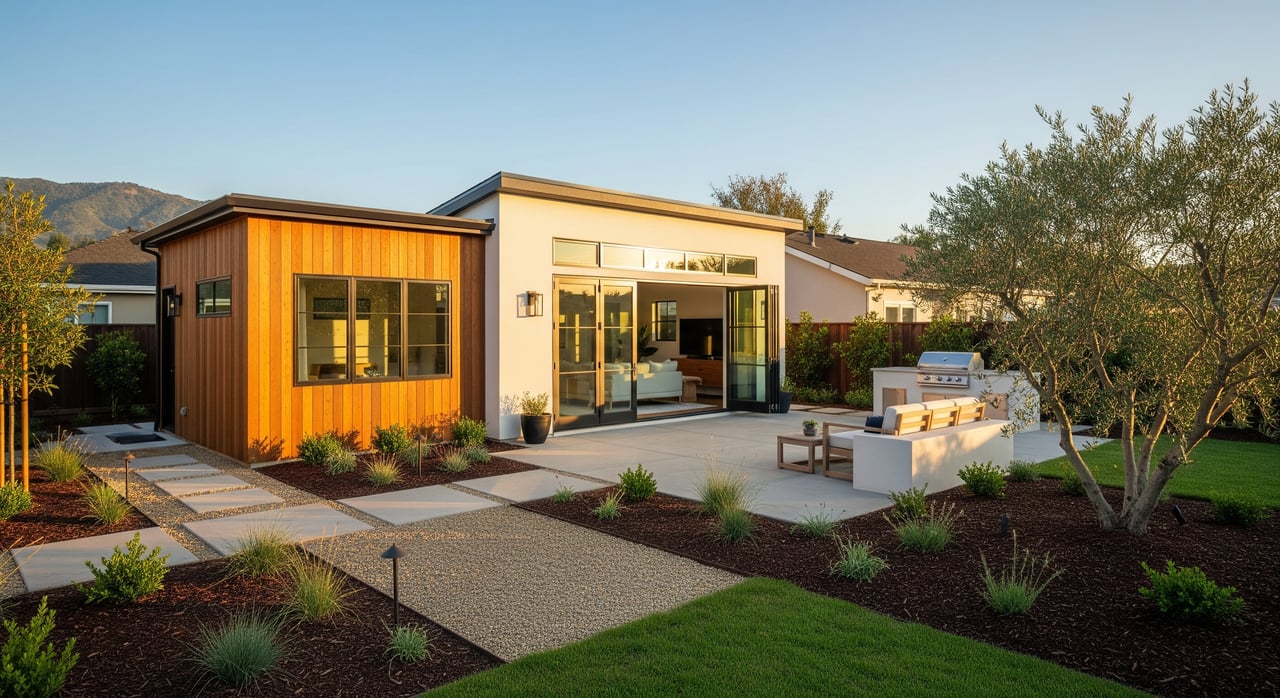
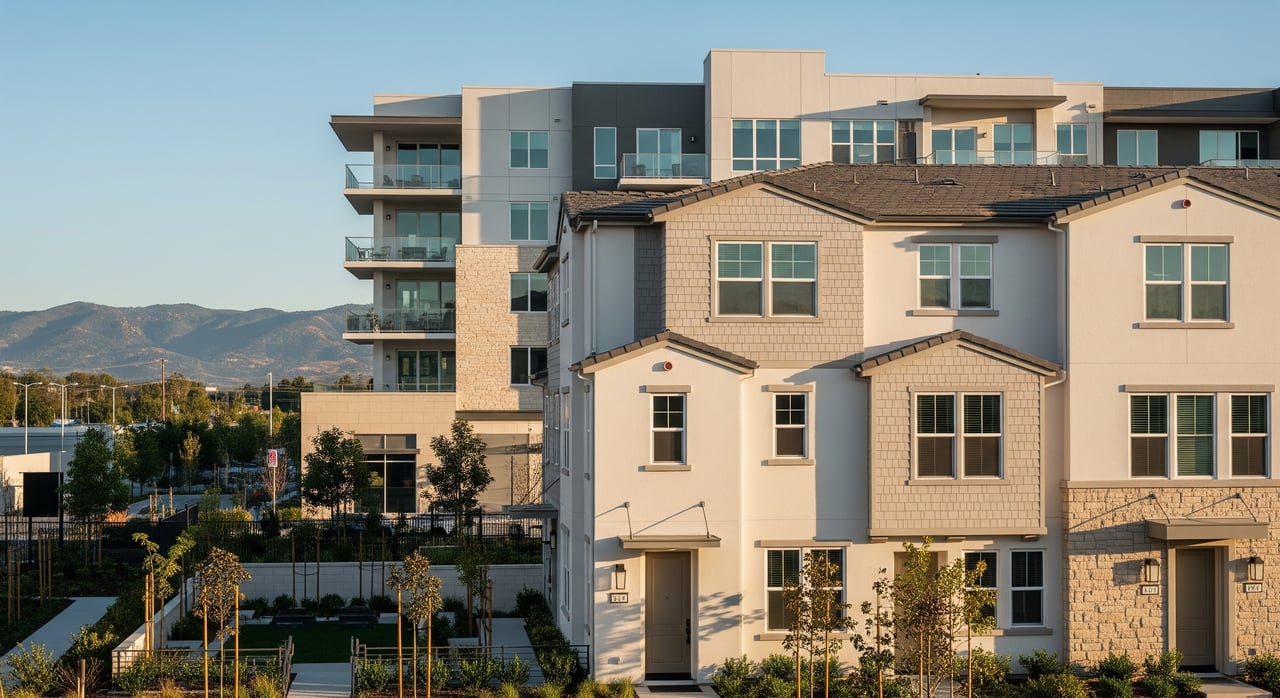
The housing here reflects that suburban DNA: predominantly single-family detached homes, a growing supply of modern townhomes, and newer transit-oriented apartments clustered near BART. And framing all of it are the East Bay Hills, with Mission Peak Regional Preserve rising above the city as its unofficial emblem. Fremont is a place where people put down roots, and that longevity is one of the clearest signals of how well the city delivers on what it promises.
Fremont has earned the nickname "Gateway to Silicon Valley," and it is not marketing fluff—it is geography. The city sits at the hinge point connecting the East Bay, the Peninsula, and the South Bay, which means residents can reach an unusually wide range of employment centers without committing to a single brutal commute corridor. For dual-career households where one partner works in San Jose and the other in San Francisco or Palo Alto, that central position is often the deciding factor.
The everyday reality breaks down roughly like this:
Destination | Driving Time | Transit Alternative |
|---|---|---|
South Bay (San Jose, Santa Clara) | ~20–40 min via I-880 or I-680 | ACE train or BART connecting to VTA Light Rail at Milpitas |
Peninsula (Palo Alto, Menlo Park) | ~25–60 min via SR-84 / Dumbarton Bridge | Cross-bay express buses and employer shuttles |
San Francisco | ~50–80+ min via I-880 to Bay Bridge | Direct ~50-min BART ride from Fremont or Warm Springs |
The transit picture is a real advantage. Fremont has two BART stations—Fremont Station in the center and Warm Springs/South Fremont to the south—giving direct rail service to Oakland, San Francisco, and the Berryessa/San Jose line. On top of that, the Altamont Commuter Express (ACE) and Amtrak's Capitol Corridor run through Centerville Station, connecting the Central Valley, Tri-Valley, San Jose Diridon, and Sacramento. Add AC Transit and VTA bus service plus the tech shuttles that fan out toward Stanford and the major campuses, and Fremont ends up being one of the more genuinely commuter-flexible cities in the Bay Area.
This is the section that matters most when you are actually choosing where to buy, because in Fremont the neighborhood is not a minor detail—it dictates price, school assignment, architectural style, and lifestyle. The five original townships never fully dissolved into one homogenous city, and understanding their personalities is the single most useful thing a buyer can do here.
Mission San Jose (94539) is the prestige address. Set against the hills and anchored by the historic 1797 mission, it is home to luxury hillside estates, large single-family homes, and the schools that draw families from across the region and beyond. It commands the highest prices in the city, and it earns them.
Ardenwood (94555), in the northwest, is the natural home for Peninsula commuters who cross the Dumbarton Bridge daily. It offers well-planned suburban tracts, strong schools, and the charming Ardenwood Historic Farm. Values here run right alongside Mission San Jose at the top of the market.
Niles (94536) is Fremont's most soulful district. Tucked into the canyon entrance, it preserves a genuine 19th-century downtown full of antique shops and cafés, and carries real cinema history—Charlie Chaplin filmed here in the silent era. It appeals to buyers who want character and community over new construction.
Warm Springs (94539) sits at the city's southern tip, closest to San Jose and the heart of Silicon Valley. It is the center of Fremont's modern growth, home to a BART station, Tesla's Factory, and extensive transit-oriented mixed-use development—ideal for buyers who want newer product and a shorter South Bay commute.
Centerville and City Center (94536 / 94538) form the geographic heart of the city. City Center holds Central Park and Lake Elizabeth, while Centerville offers mid-century ranch homes and some of the best ethnic dining corridors in Northern California.
Irvington (94538) blends established post-war neighborhoods with active redevelopment, including the forthcoming Irvington BART infill station—a detail worth watching, since new transit tends to reshape local values over time.
Fremont is a high-demand, high-equity market, and it stays that way for structural reasons: proximity to the tech corridors, exceptional schools, and safety that consistently ranks among the best for a city its size. Inventory of desirable single-family homes stays tight, and well-priced homes in strong school zones routinely draw multiple offers above list.
Here is the current shape of pricing by property type:
Property Type | Typical Price Range | Notes |
|---|---|---|
Single-Family Detached | $1.4M – $2.2M+ | Fierce competition citywide; premiums in Mission San Jose and Ardenwood |
Townhomes & Modern Multi-Family | $950K – $1.2M | Popular with first-time buyers and commuters near BART |
Condos & Starter Units | $650K – $800K | Entry-level stock concentrated in Central and Warm Springs corridors |
The single most important dynamic to understand is that this is a school-driven market. Homes zoned for top-tier schools carry a measurable premium, and buyers frequently pay to be inside a specific attendance boundary. On the rental side, median rents sit around $3,000–$3,400 per month, reflecting the steady demand from tech workers and families who want to test a neighborhood before committing to a purchase. For sellers, that combination of scarcity and school-driven demand creates real leverage—provided the home is priced and presented correctly, a point worth returning to later.
Because Fremont assembled itself from five townships, its architecture reads almost like a timeline of California housing. You can drive fifteen minutes and pass through nearly a century of building history, which gives buyers unusually varied options depending on what they are drawn to.
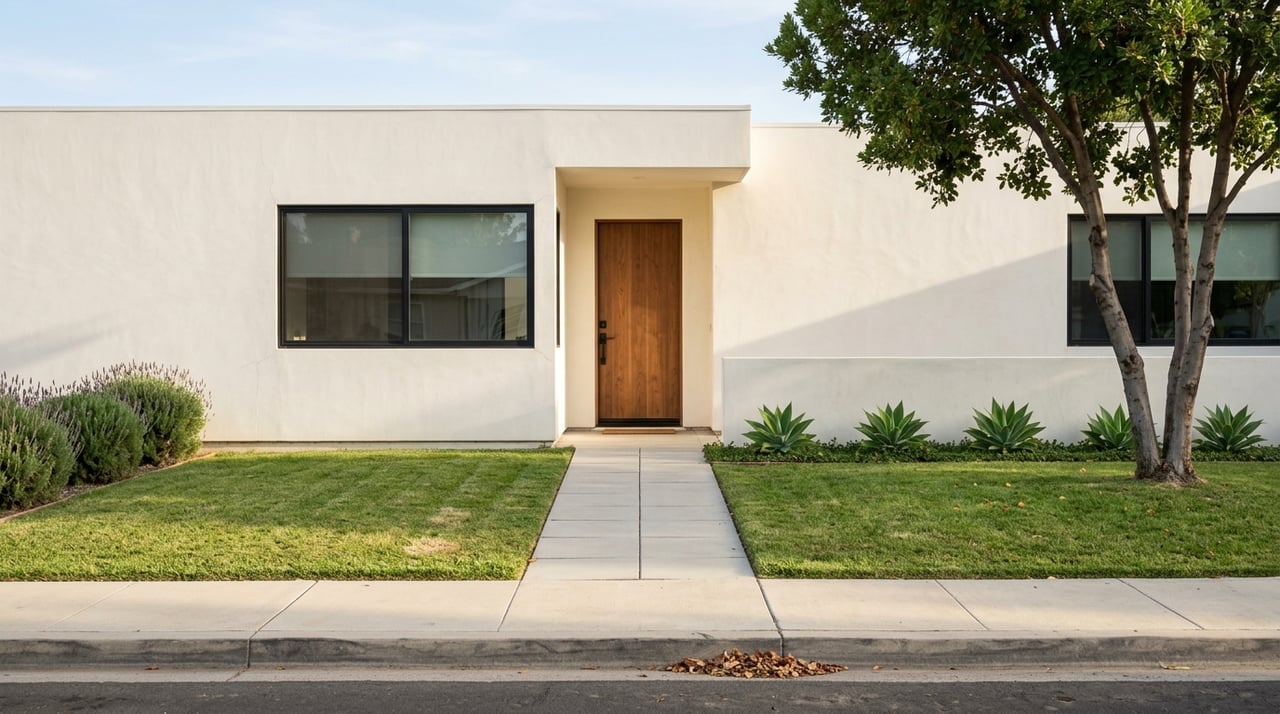
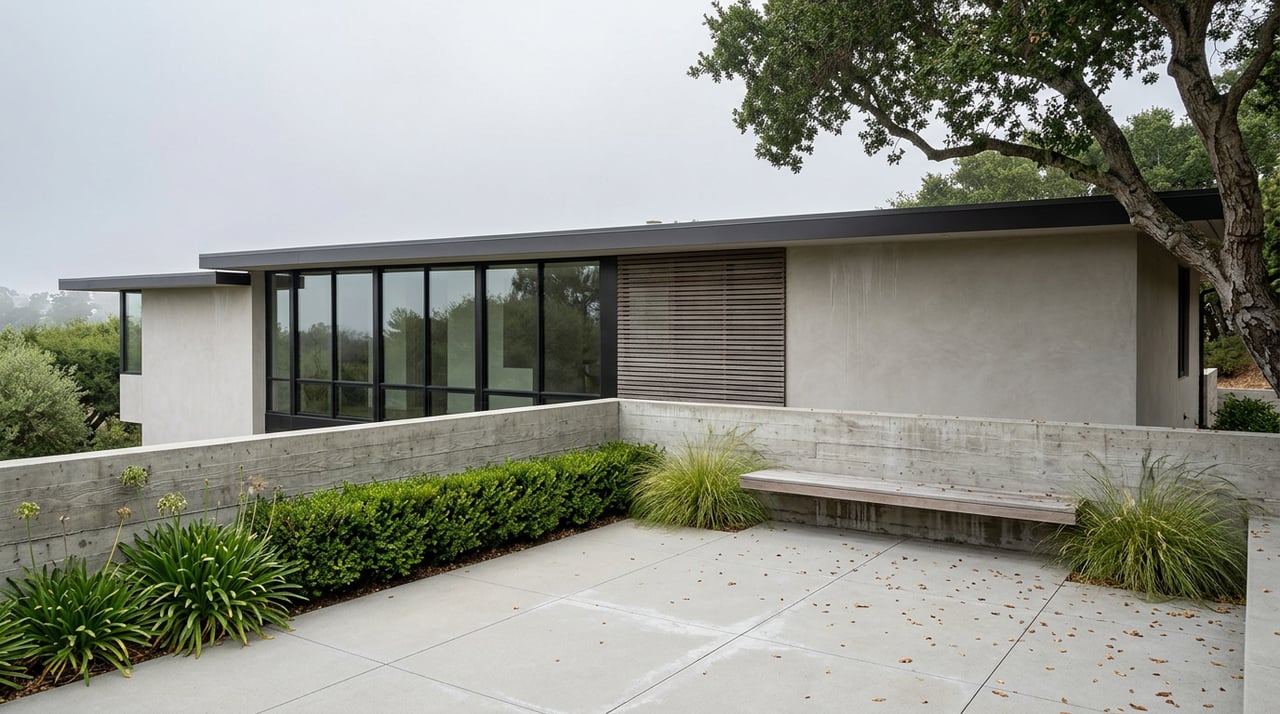
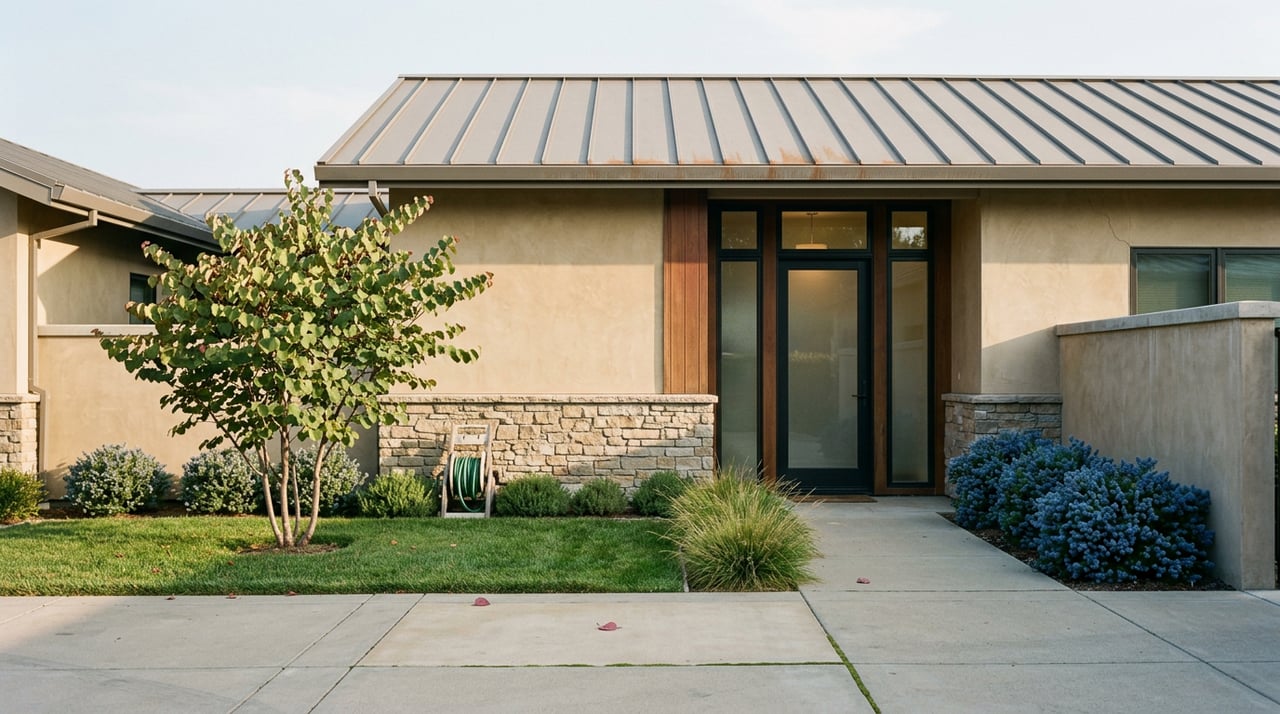
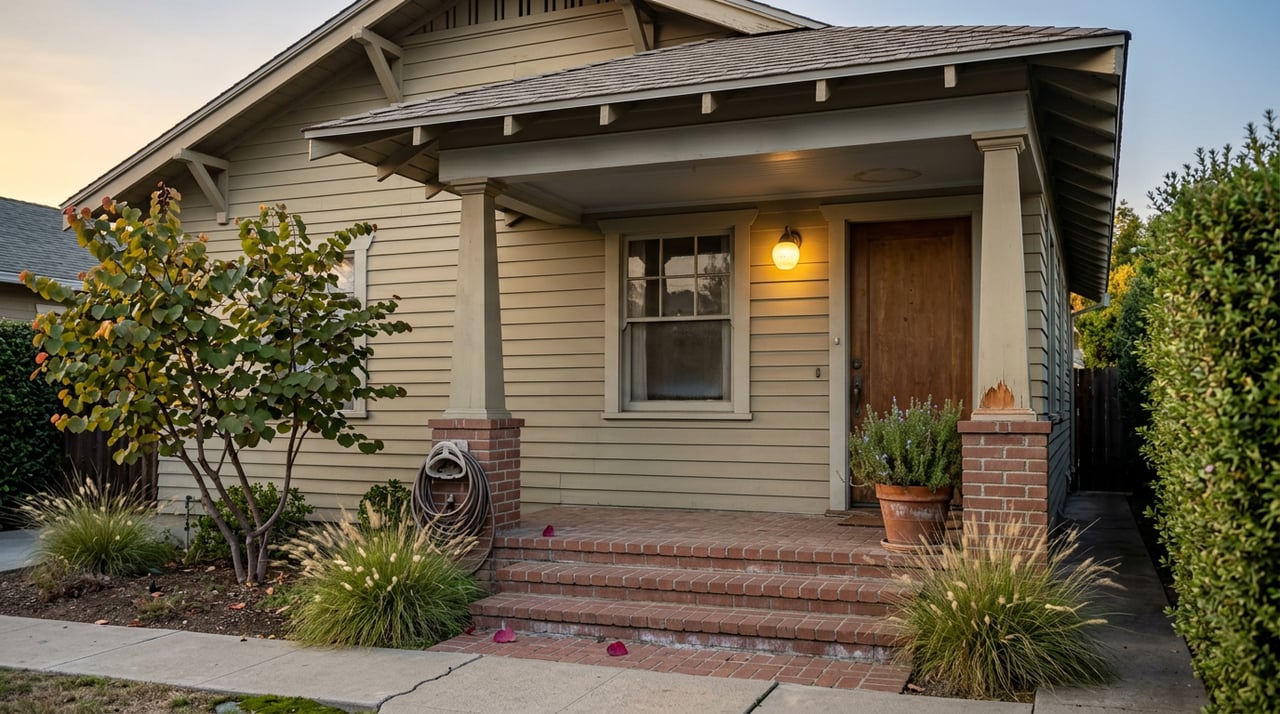
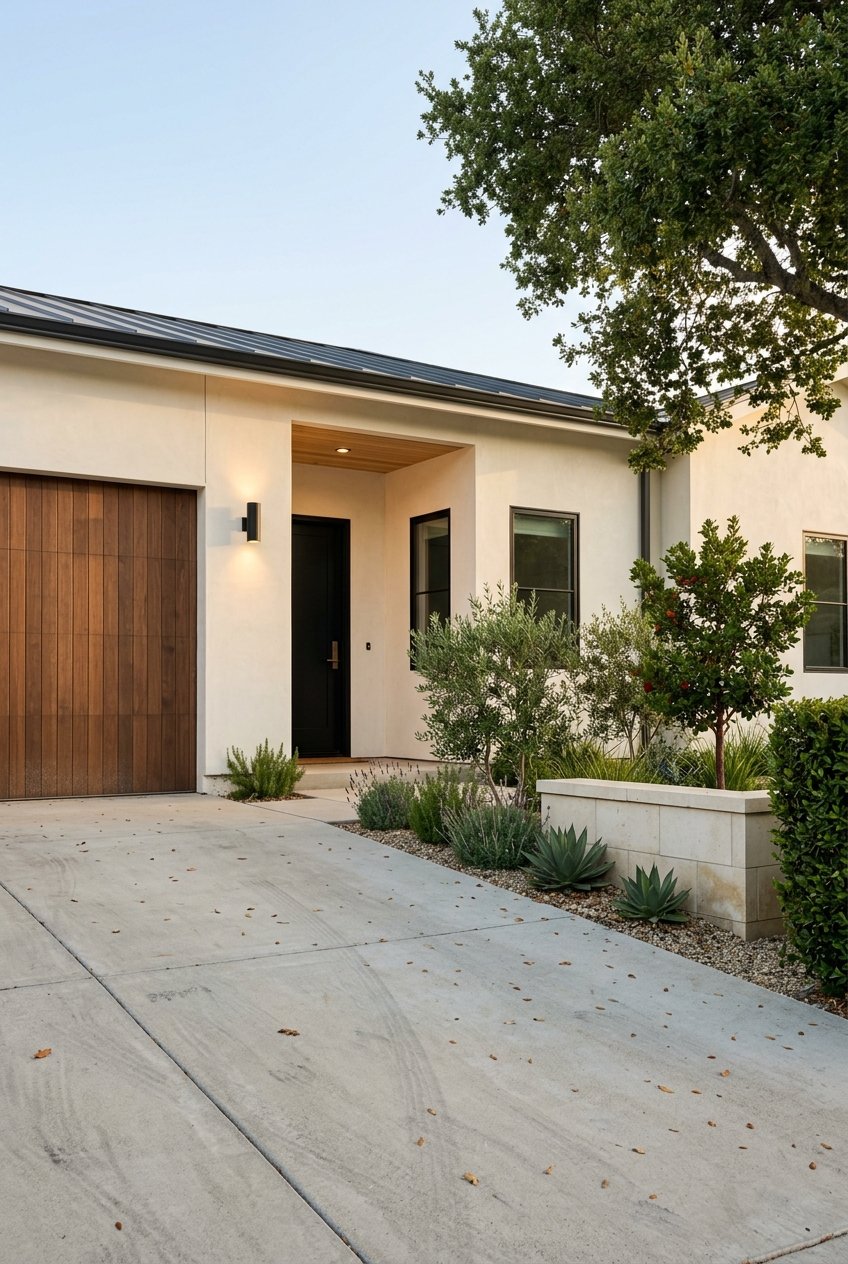
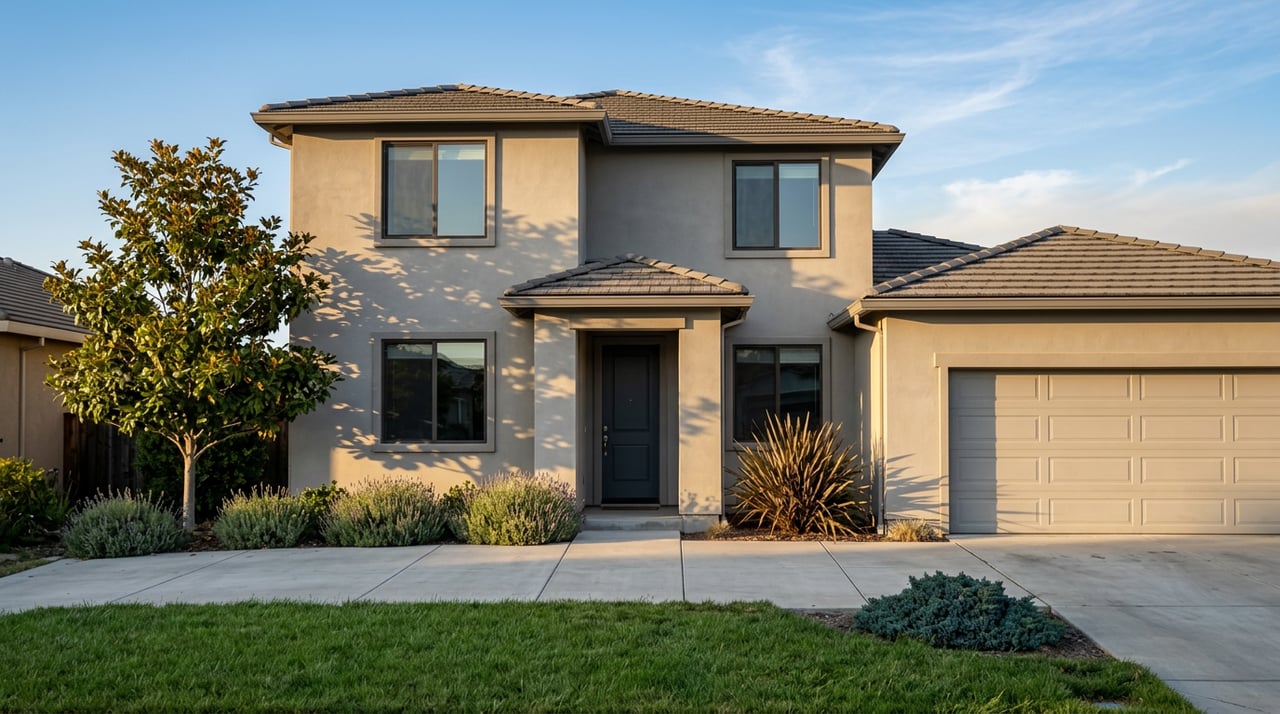
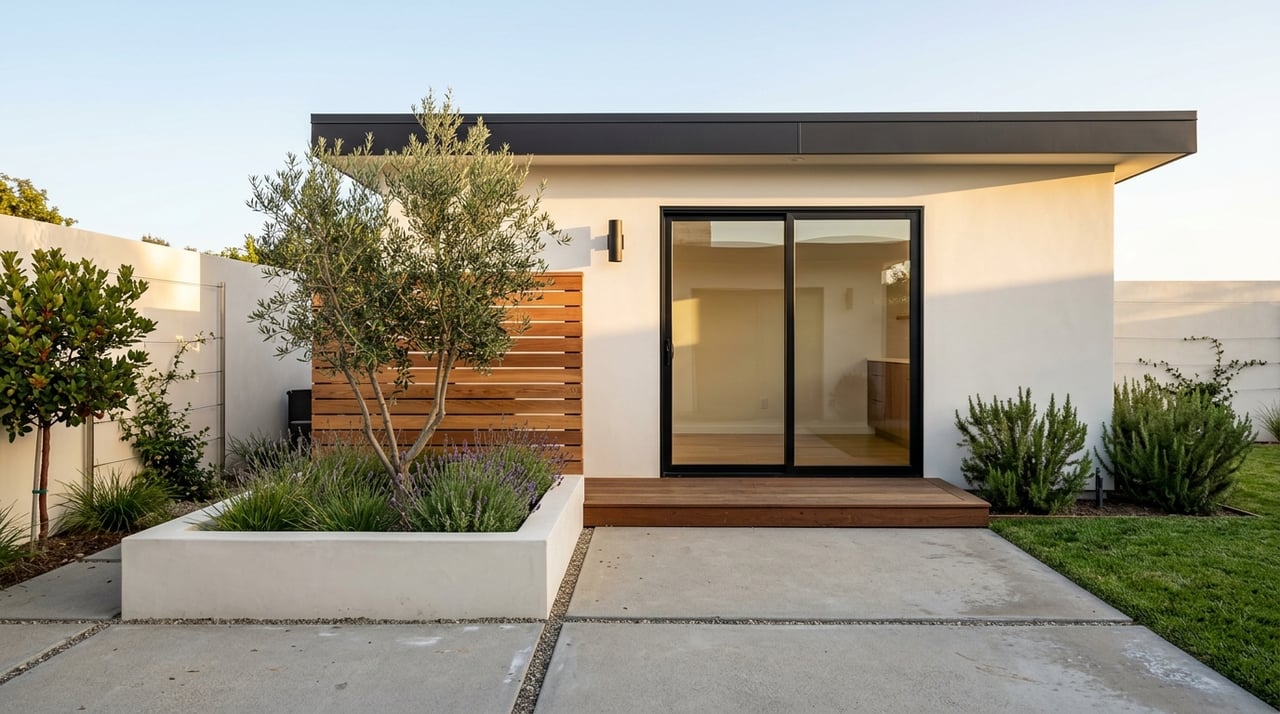
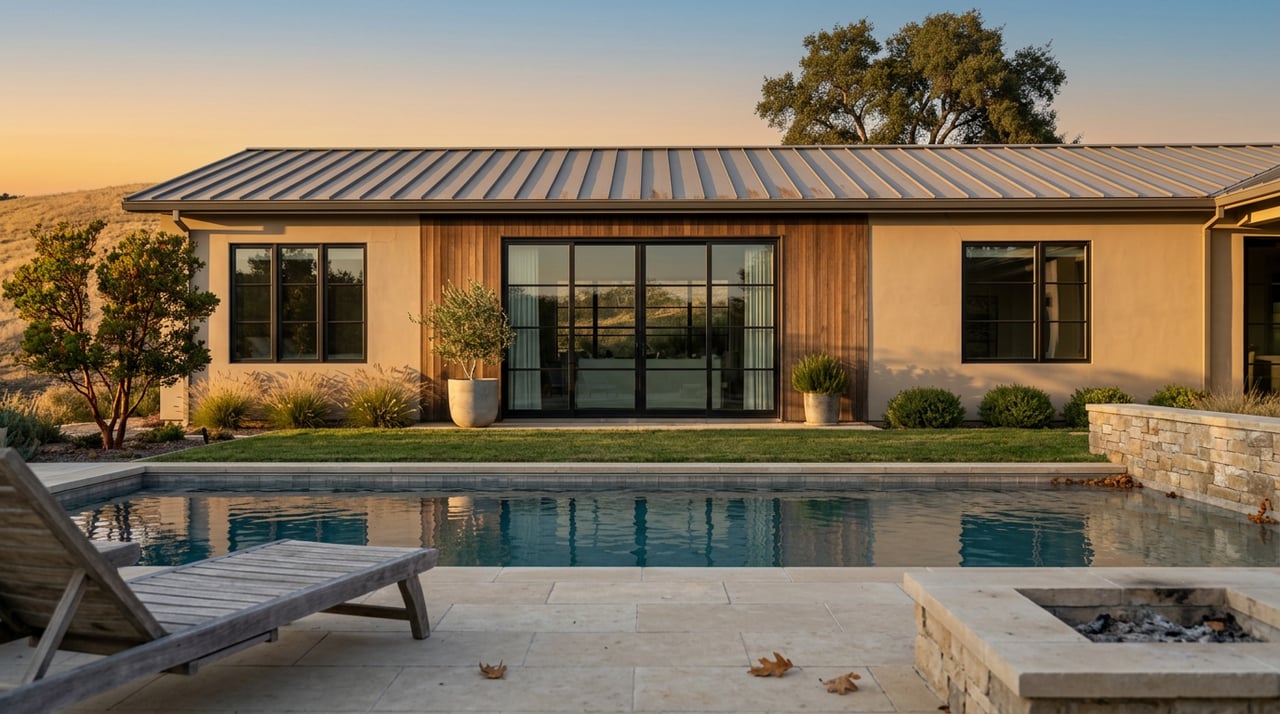
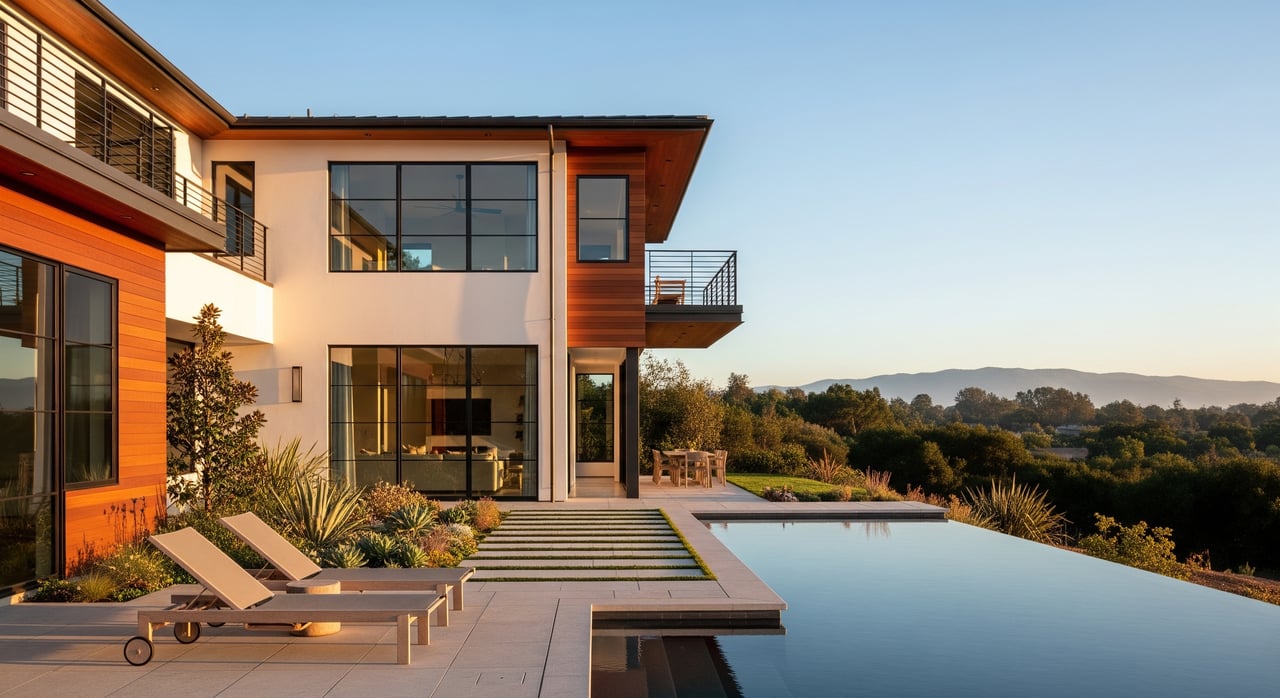
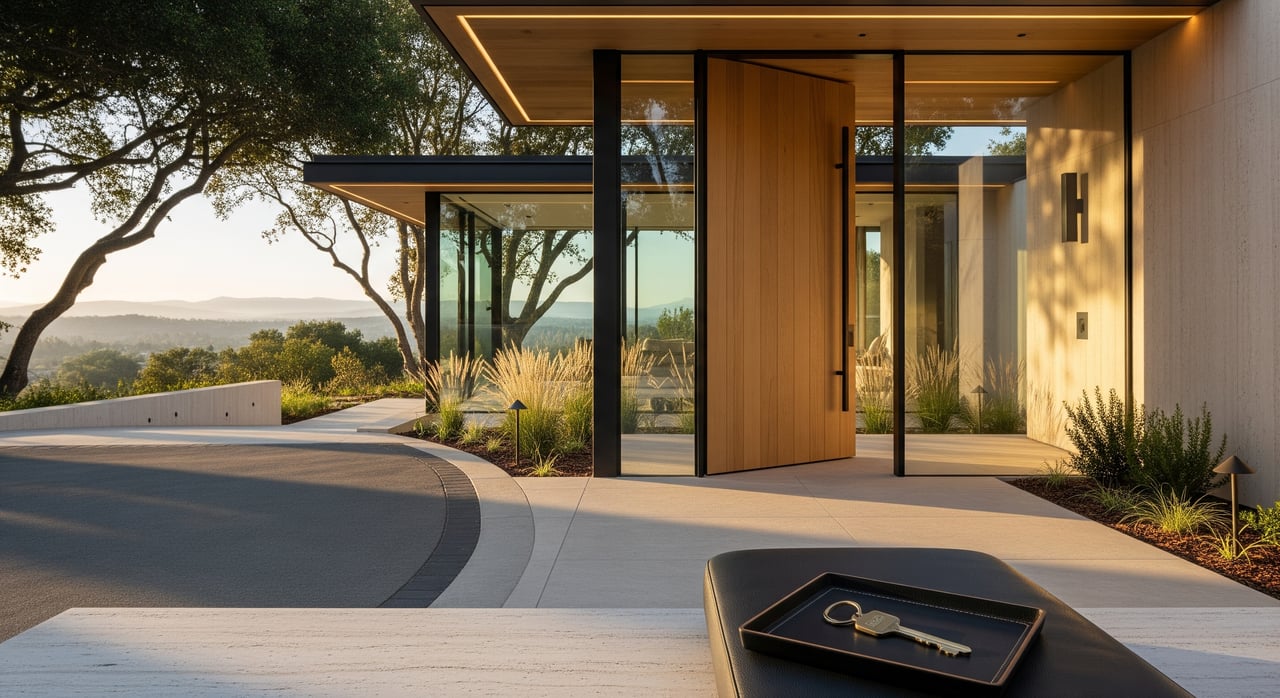
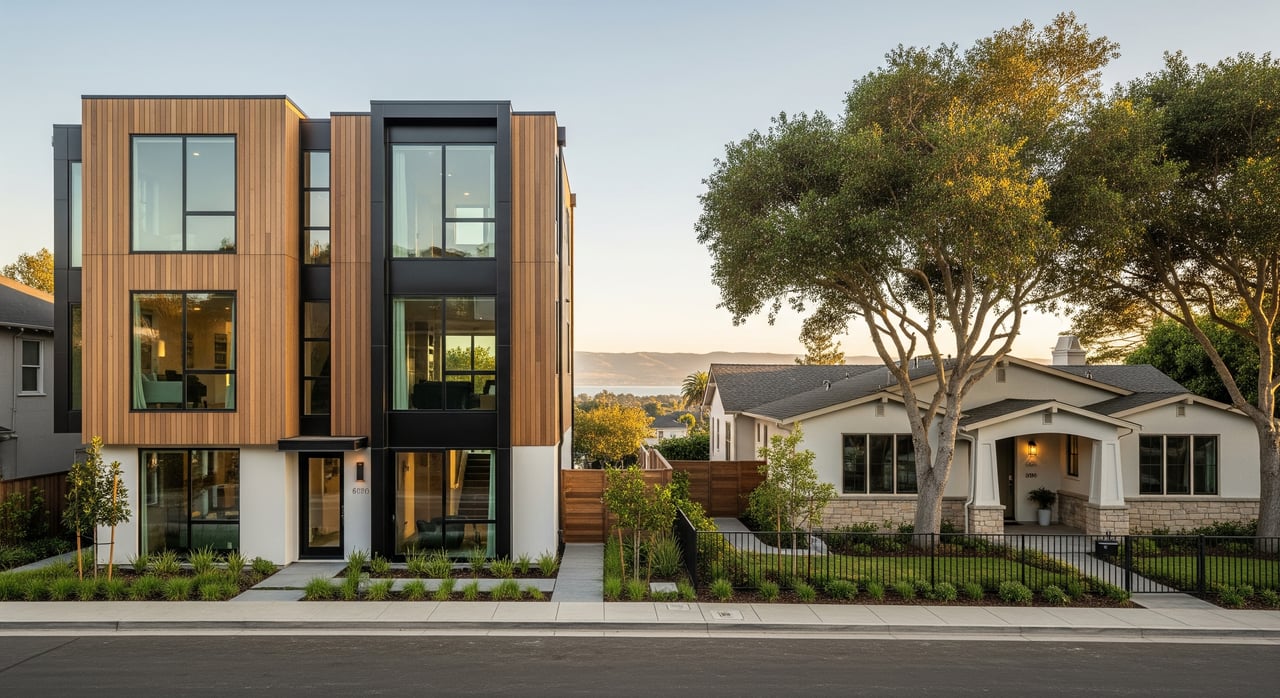
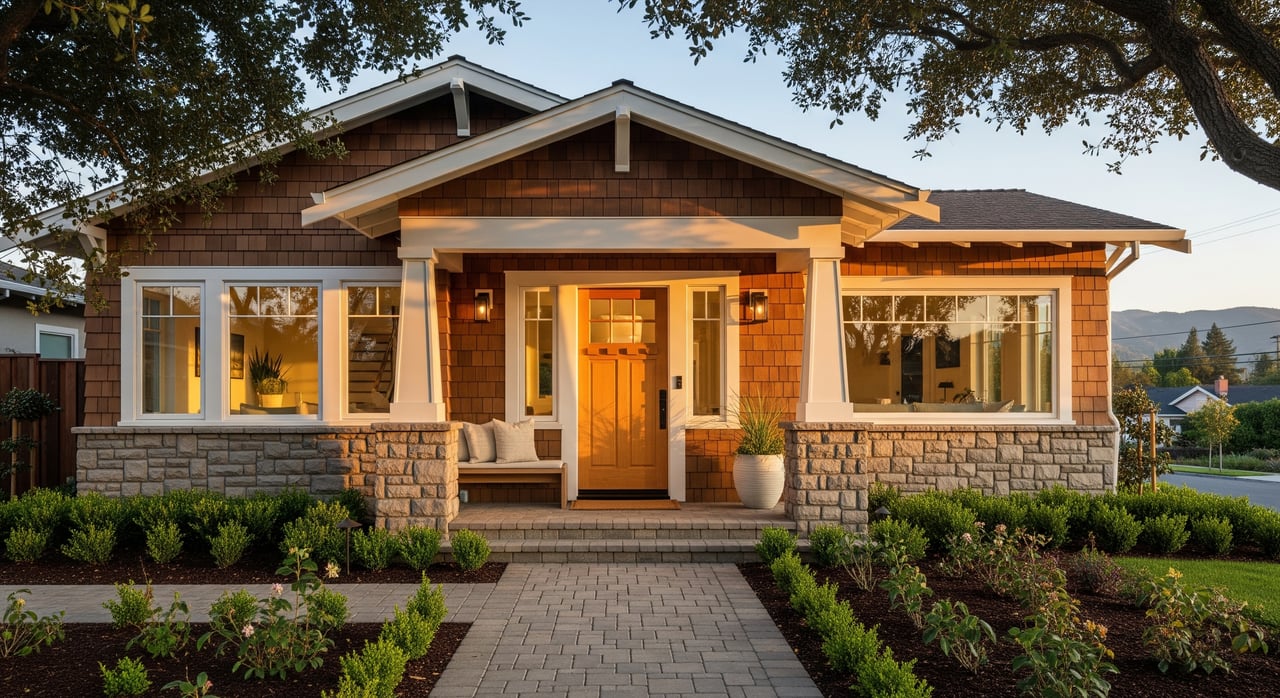
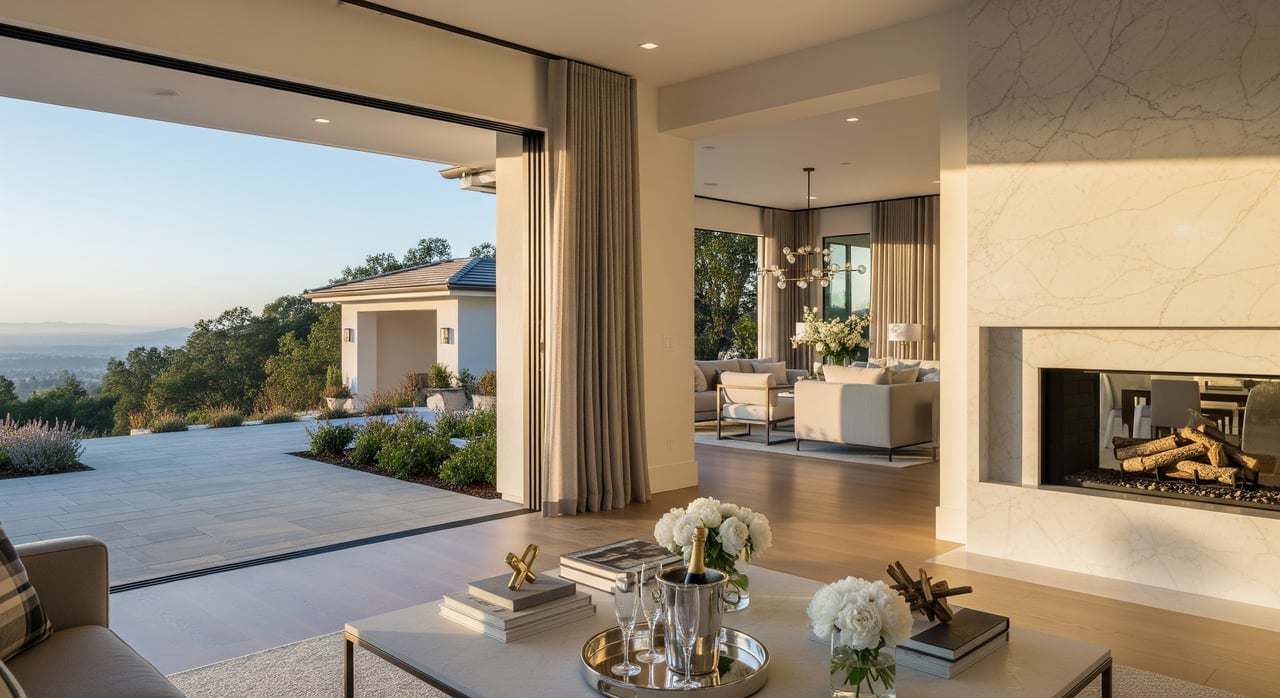
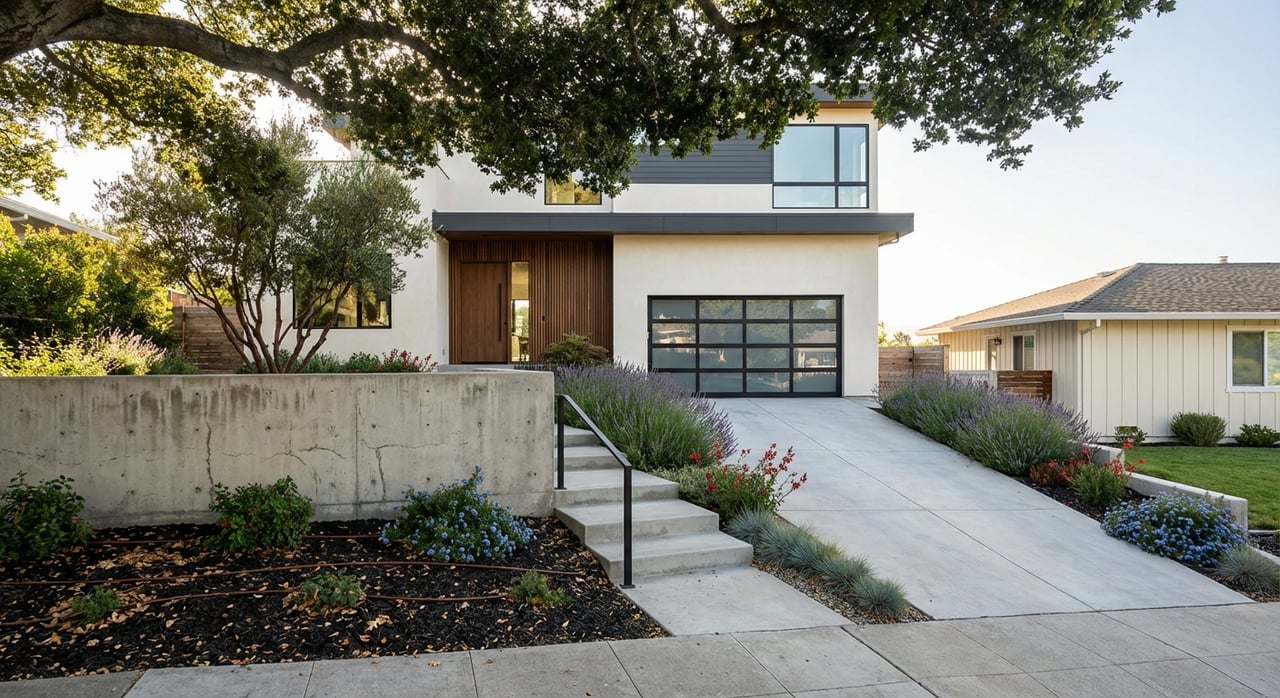
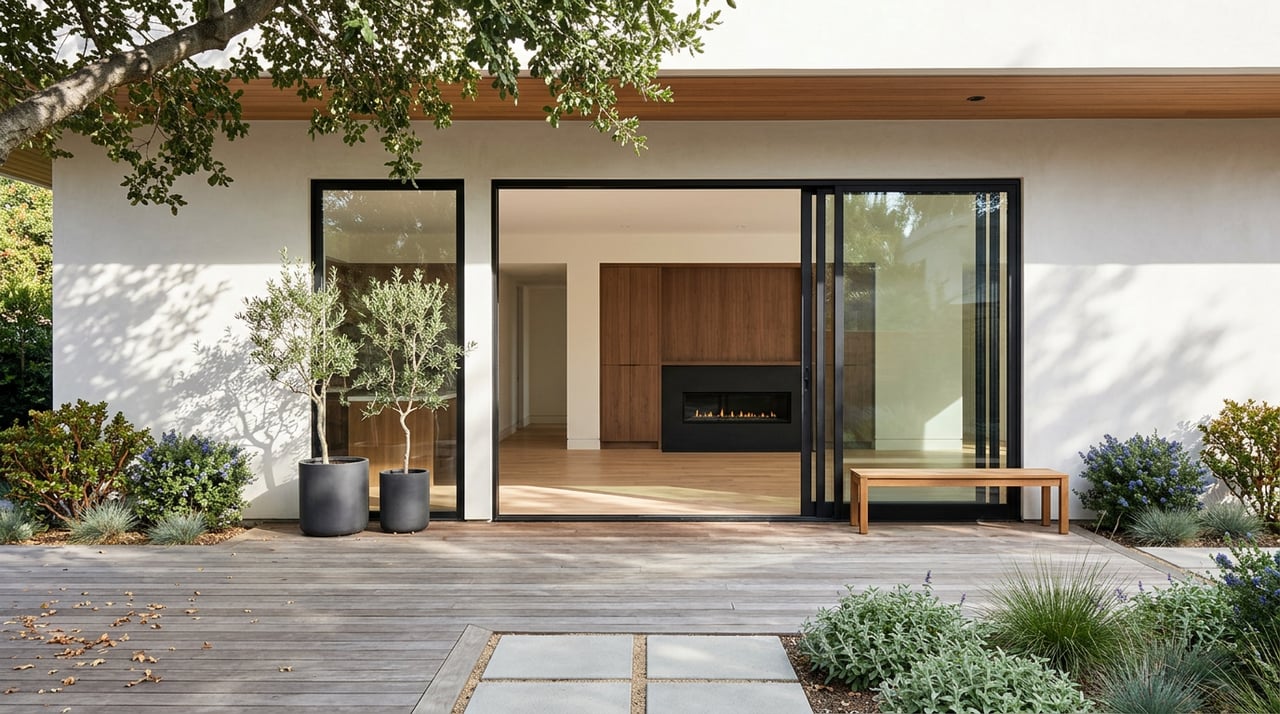
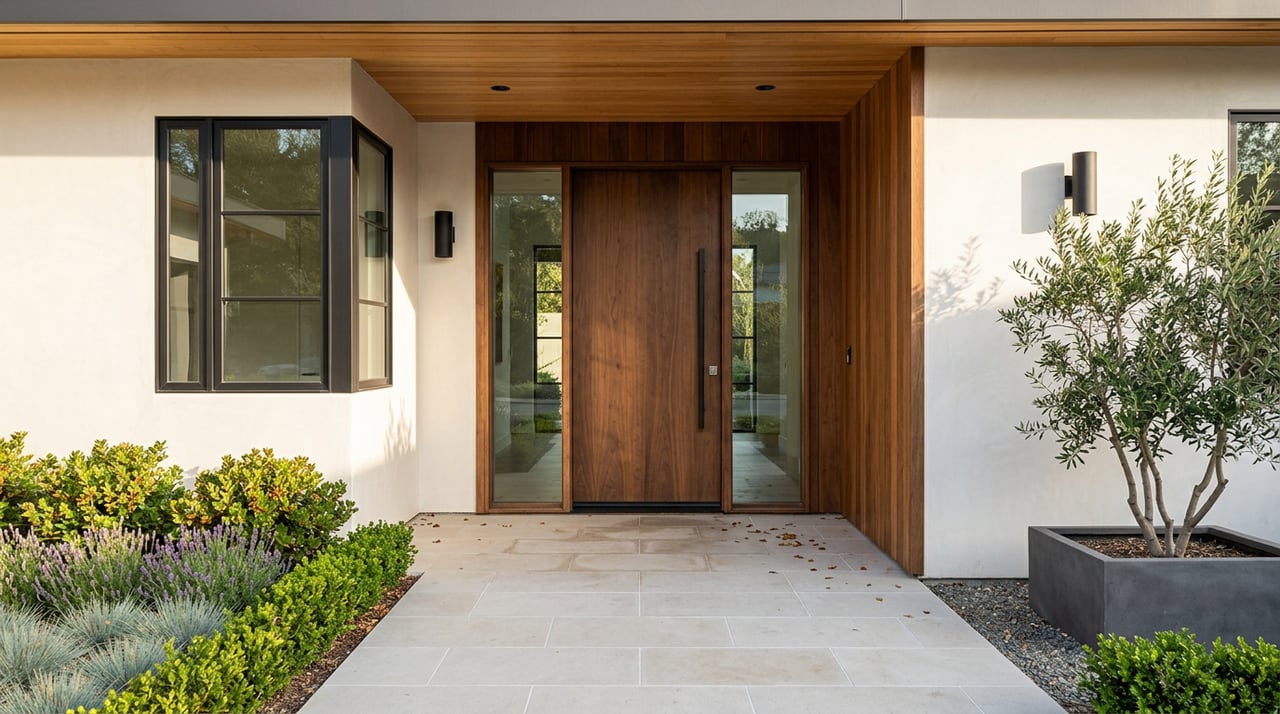
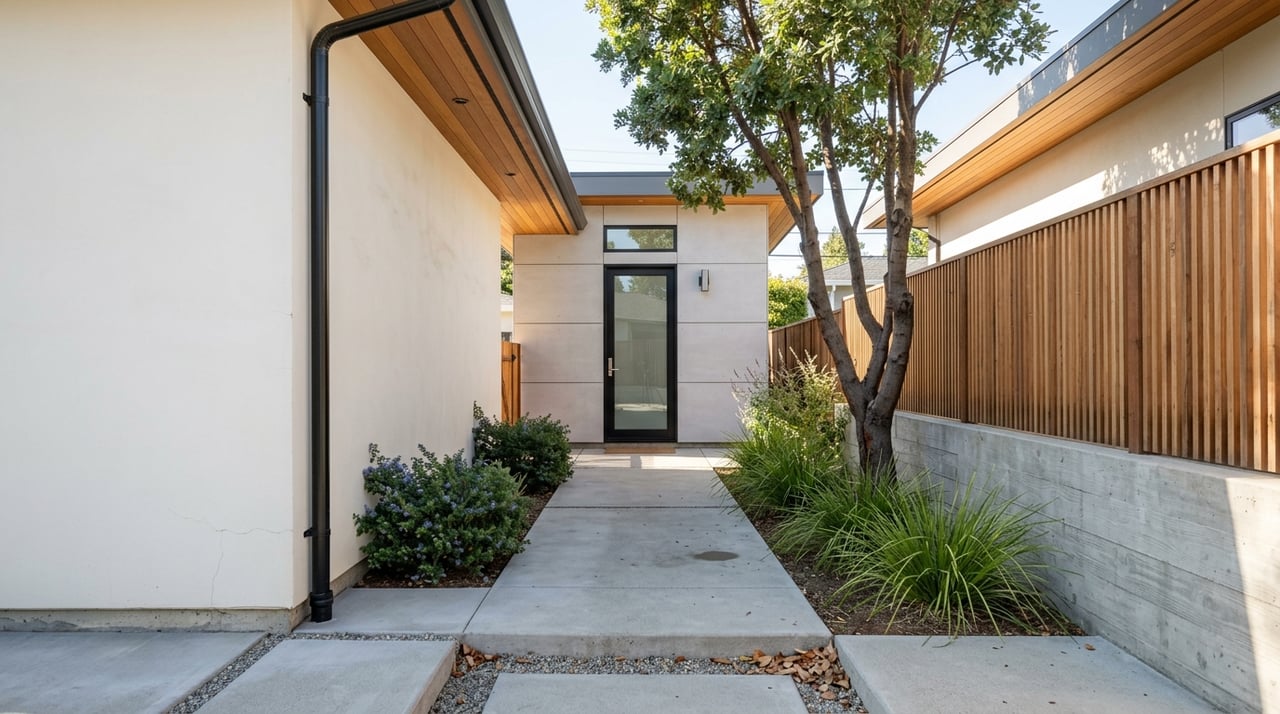
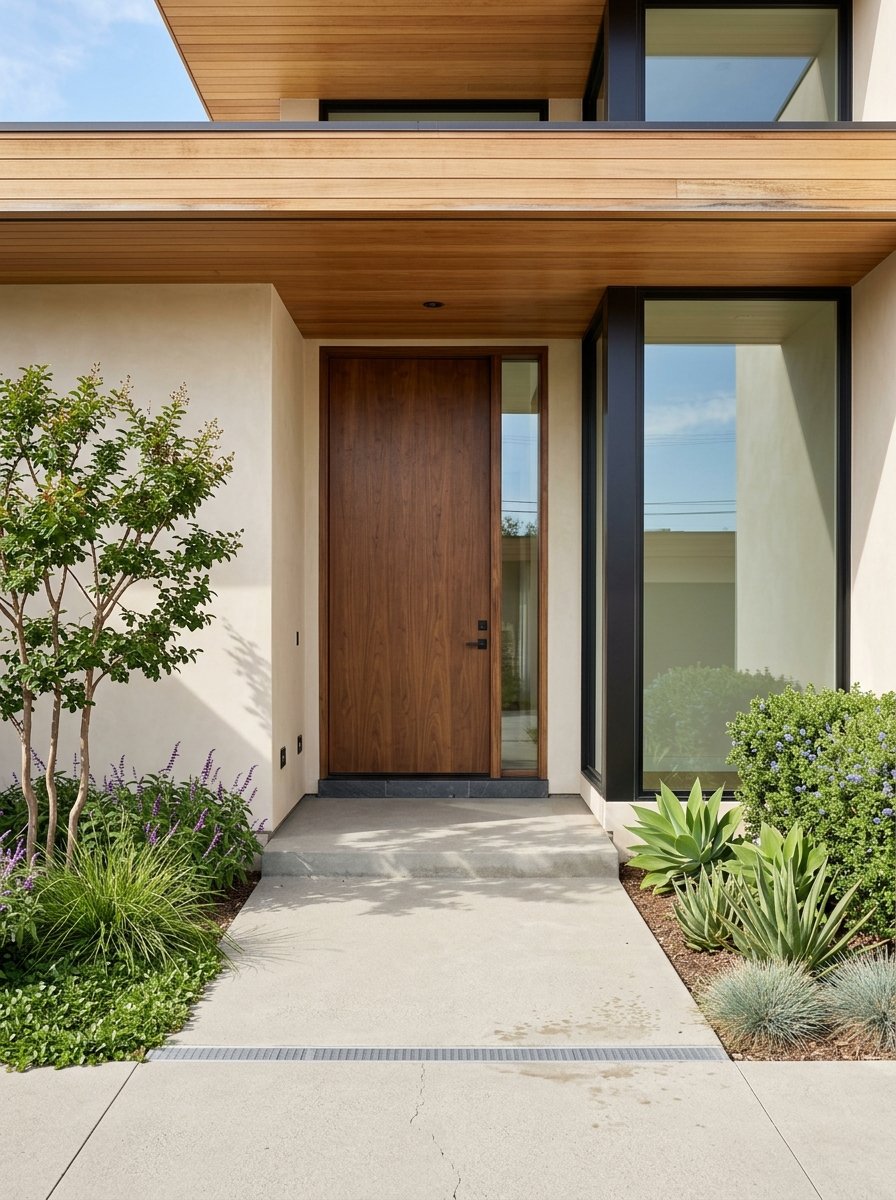
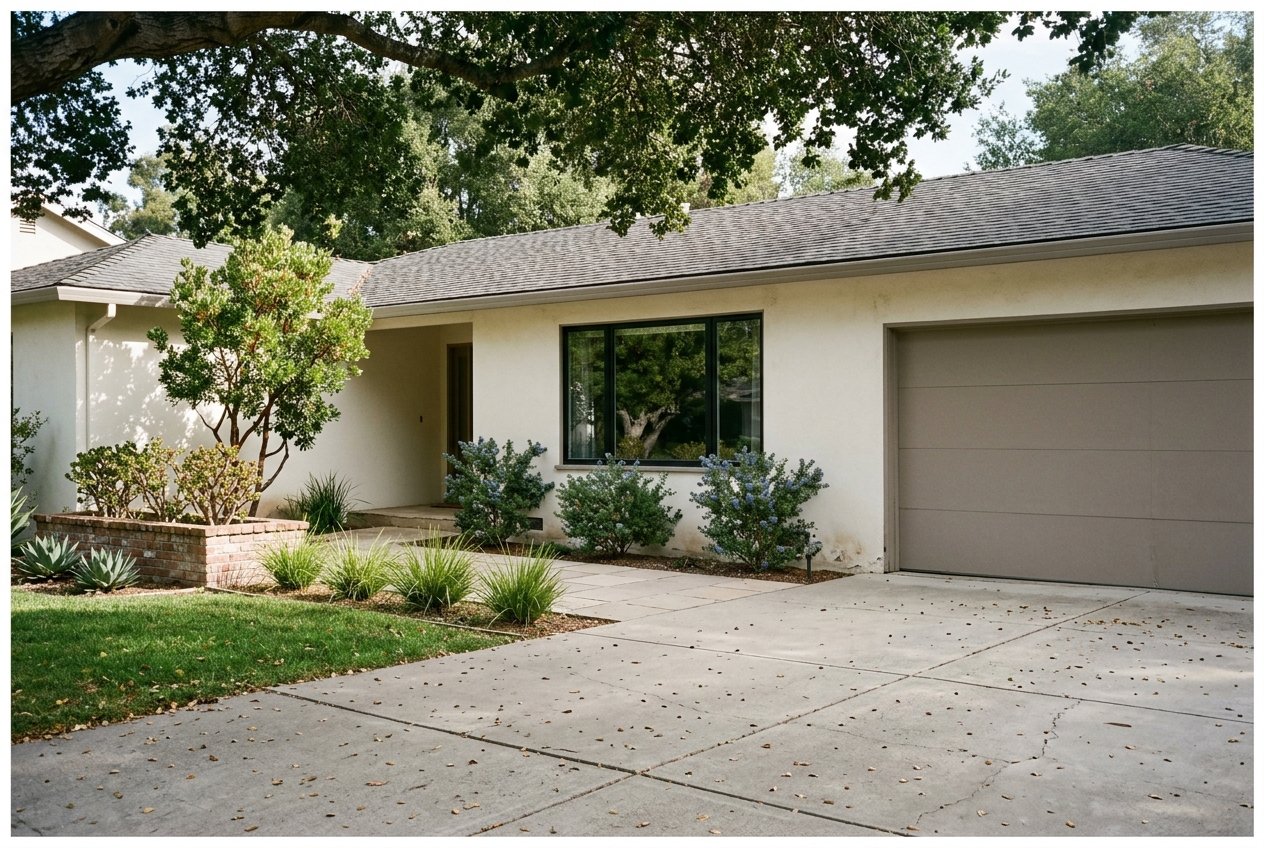
The mid-century ranch homes of Centerville, Irvington, and Sundale—single-story with low-pitched gable roofs and generous street frontages—represent the postwar 1950s–70s era and remain a favorite for buyers who want space and a garden. In Niles and pockets of Mission San Jose, you will find genuinely historic stock: 19th-century Craftsman bungalows, Spanish Colonial Revival, and California Mission styles. The hillsides of Mission San Jose and Weibel are where the luxury lives, with Mediterranean Revival and contemporary multi-story custom builds that capture valley views. Ardenwood and North Fremont lean toward the planned suburban tracts of the 1980s–2000s—two-story traditional and Neo-Mediterranean homes with manicured lots and HOA amenities. And around the Warm Springs BART station and City Center, the newest chapter is being written: contemporary high-density townhomes and apartments with clean lines, mixed materials, and energy-efficient design. Knowing which era and style fits your life is a quiet but real part of choosing the right neighborhood here.
For a large share of Fremont buyers, schools are not a factor—they are the factor. The city is served by Fremont Unified School District (FUSD), a high-performing district of roughly 40 schools, including 28 elementary campuses, 5 middle schools, and 5 comprehensive high schools. FUSD's academic reputation, particularly in STEM, is a primary engine of local home values.
The district assigns elementary and middle schools by feeder zones tied to its five high schools, each with its own identity:
Here is the part that trips up even experienced buyers, and where working with someone who knows the ground truly pays off: FUSD attendance boundaries do not follow zip codes. Parts of the 94539 zip, for example, feed into Irvington High rather than Mission San Jose High. The district enforces strict address verification, so a listing that implies a certain school assignment is not a guarantee. Always confirm the assigned attendance zone directly with the district before writing an offer—paying a Mission San Jose premium for a home that turns out to feed a different school is an expensive and entirely avoidable mistake.
Beyond K–12, Ohlone College offers associate degrees and UC/CSU transfer pathways from its Fremont campus, and the city hosts the specialized California School for the Deaf and California School for the Blind.
Fremont occupies a distinctive niche in the regional economy: it is the "hardware side of Silicon Valley." While cities to the south are defined by software campuses, Fremont is the Bay Area's hub for advanced manufacturing, biotech, and clean technology, with more than 50 million square feet of industrial space and over 900 hardware and manufacturing firms. For buyers who work in these fields, living here can mean a commute measured in minutes rather than hours.
The employment landscape clusters into a few key districts. The Warm Springs Innovation District is anchored by Tesla's flagship Factory—the city's largest private employer—and surrounded by clean-energy and storage companies including Enphase Energy, Bloom Energy, and Seagate. The Bayside Industrial Zone houses semiconductor equipment giants and logistics operations such as Lam Research, Western Digital, Delta Electronics, and Thermo Fisher Scientific. And the Ardenwood Technology Park concentrates pharmaceutical and biotech research, including Boehringer Ingelheim, alongside satellite campuses for firms like Meta. This deep industrial base helps sustain median household incomes north of $160,000 and funds the infrastructure, public safety, and parks that make the city so livable.
Few Bay Area cities can match Fremont's inventory of open space, which spans city parks and vast regional preserves managed by the East Bay Regional Park District. This is a genuine quality-of-life differentiator, not an afterthought.
The crown jewel for many residents is Mission Peak Regional Preserve, whose challenging 3.3-mile climb to the 2,517-foot summit rewards hikers with 360-degree views of the entire Bay Area—the summit pole is practically a local rite of passage. Closer to the center of town, Central Park wraps around the 80-acre Lake Elizabeth, offering trails, dog parks, sports fields, a boat launch, and the Aqua Adventure Waterpark across its 450 acres. Along the bay shoreline, Coyote Hills Regional Park protects marshland, birding habitat, cycling trails, and ancient Ohlone shellmound sites. Quarry Lakes turns former gravel pits into a recreation area for kayaking, paddleboarding, swimming, and fishing, and Ardenwood Historic Farm operates as a living turn-of-the-century farm complete with steam train rides. Threading much of this together is the 12-mile paved Alameda Creek Regional Trail, which runs from Niles Canyon straight to the bay—a favorite for cyclists, runners, and equestrians alike. For anyone whose weekends revolve around the outdoors, Fremont delivers daily access most Bay Area cities can only envy.
Fremont's food scene is one of its most underrated assets, and it flows directly from the city's diversity. Rather than a single restaurant district, dining is spread across historic cores and modern centers, which means discovery is part of the fun. The city is home to some of the best Indian, Pakistani, and Afghan cuisine in Northern California—the strip centers of Centerville and the corridor along Mowry Avenue hold standout biryani houses, chaat spots, and kebab houses that draw people from across the region. Layer in thriving Taiwanese, Sichuan, Cantonese, and Vietnamese establishments, and you have a serious food destination. For a different mood, the Niles district offers independent coffee shops, historic pubs, and bakeries in a walkable, old-town setting, while the emerging Capital Avenue corridor in downtown Fremont is filling in with upscale eateries, gastropubs, and specialty coffee.
On the retail side, Pacific Commons near I-880 is the big regional draw, with Target, Costco, Nordstrom Rack, a Century Theatres multiplex, and dozens of dining options. The Fremont Hub covers everyday needs with Trader Joe's, Safeway, fitness, and services. And residents enjoy exceptional access to international grocers—99 Ranch Market, Marina Foods, Patel Brothers, and Suraj Supermarket among them—which for many families is a genuine reason to choose Fremont over neighboring cities.
Fremont's cultural life braids together its early California heritage and the global traditions of its residents, and the calendar reflects that beautifully. The city's signature event is the Fremont Festival of the Arts, held each August and billed as one of the largest free street fairs on the West Coast, drawing hundreds of thousands for artisan crafts, live music, and food. Come late November, the Niles Festival of Lights Parade lights up Niles Boulevard the Friday after Thanksgiving with illuminated floats and marching bands. Through the summer, the Central Park Summer Concert Series offers free Thursday-evening music at the pavilion overlooking Lake Elizabeth, and the seasonal Fremont Street Eats food-truck nights add a casual, community feel.
The cultural landmarks are equally distinctive. The Niles Essanay Silent Film Museum honors the era when Charlie Chaplin filmed here, complete with regular screenings accompanied by live piano. Mission San Jose, founded in 1797, offers tours tracing Ohlone history and the Spanish mission period. And the city's diversity shows up in large, warmly attended celebrations of Diwali, Lunar New Year, and Eid, along with active programming at institutions like the Fremont Gurdwara. It is a place where community actually gathers—an intangible that residents come to treasure.
Beyond commuting to work, day-to-day mobility in Fremont is strong by Bay Area standards. Two highways frame the city: I-880 (the Nimitz Freeway) runs along the western edge, linking north to Oakland and south to San Jose, while I-680 hugs the base of the East Bay Hills on the eastern side, offering an alternative route south into Silicon Valley or north toward Pleasanton and Contra Costa County. SR-84 and the Dumbarton Bridge connect Ardenwood directly across the bay to Menlo Park and Palo Alto, with tolls collected eastbound via FasTrak.
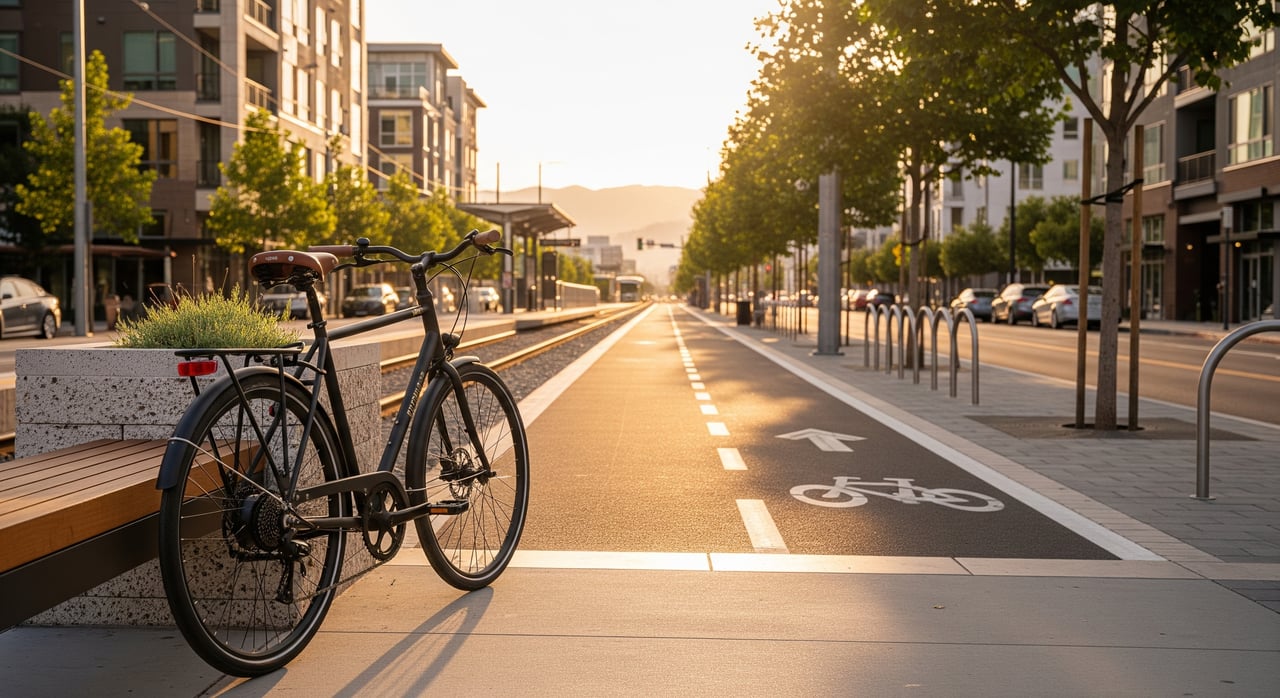
For transit, the two BART stations—Fremont and Warm Springs/South Fremont—give direct heavy-rail access to Oakland, San Francisco, and Berryessa/San Jose. Centerville Station serves as a regional hub for ACE commuter trains and Amtrak's Capitol Corridor. Local and transbay bus service comes from AC Transit within Alameda County and VTA reaching into Santa Clara County, and the whole network runs on Clipper Cards or contactless payment on platforms like BART. The practical upshot: many Fremont households genuinely can, and do, live with one car or none.
There is no soft-pedaling this: living in Fremont is expensive, running roughly 60% to 80% above the national average, with housing driving most of that gap. What makes it sustainable for so many residents is the local income base—median household incomes above $160,000, reflecting the concentration of tech professionals and dual-income families.
Here is a realistic snapshot of the recurring costs beyond a home purchase:
Expense | Estimated Cost | Context |
|---|---|---|
Rent, 1-bedroom | ~$2,630/month | Higher in newer transit-oriented buildings |
Rent, 3-bed / house | ~$4,000/month | Single-family rentals average $4,000–$4,100+ |
Utilities & energy | ~$250–$430/month | PG&E rates run above the national average |
Gas | ~$4.20–$4.80/gallon | Elevated by California fuel taxes |
What surprises many newcomers is the feel of the city relative to its price and industrial might. Despite being a major manufacturing power, Fremont is distinctly low-key, family-oriented, and quiet after dark—closer in temperament to a residential suburb than to San Francisco or downtown San Jose. Expect competitive schools that keep academics front-of-mind across the community, and expect everyday life to reflect the city's diversity, from international markets to authentic dining in nearly every corner of town.
Fremont rewards buyers who value community infrastructure, career access, and suburban stability more than nightlife or urban density. In practice, a few groups thrive here in particular.
Families prioritizing education are the clearest fit—FUSD's national standing makes the city a magnet for parents focused on STEM, competitive high schools, and safe neighborhoods. Tech, engineering, and advanced-manufacturing professionals find an ideal home base, whether they work locally at Tesla, Lam Research, and Western Digital or commute to campuses in Santa Clara, North San Jose, Palo Alto, and Menlo Park. Hybrid and multi-directional commuters—the household where one partner heads to Silicon Valley and the other to San Francisco or Oakland—benefit enormously from Fremont's central access to BART, ACE, the freeways, and the Dumbarton Bridge. And outdoor enthusiasts get daily access to Mission Peak, Coyote Hills, and Alameda Creek.
It is worth being honest about who might find Fremont less appealing. Those seeking vibrant nightlife, dense arts districts, or a late-night dining culture will generally prefer San Francisco or downtown San Jose; Fremont's social life leans toward family dining, parks, and youth activities. And budget-conscious first-time buyers should go in clear-eyed—with single-family prices starting around $1.4M, entering that segment usually requires substantial income or existing equity, though townhomes and condos open a more accessible door.
Fremont remains a high-demand, high-equity market, but current interest-rate conditions have made buyers more selective and more deliberate—which means strategy matters more than it did a few years ago, on both sides of the transaction.
If you are buying, get fully pre-approved before you shop. Desirable single-family homes in prime school zones still attract multiple offers, and sellers consistently favor buyers with underwritten pre-approvals and clear proof of funds. It also pays to think across property types: while detached homes see fierce competition, condos and townhomes often face softer demand because of higher HOA dues and insurance costs—which can create real negotiating leverage for first-time buyers willing to look there. And, to repeat the point that saves clients the most heartache: verify school attendance zones directly with FUSD rather than trusting listing language, because boundaries do not map cleanly to zip codes or neighborhood names.
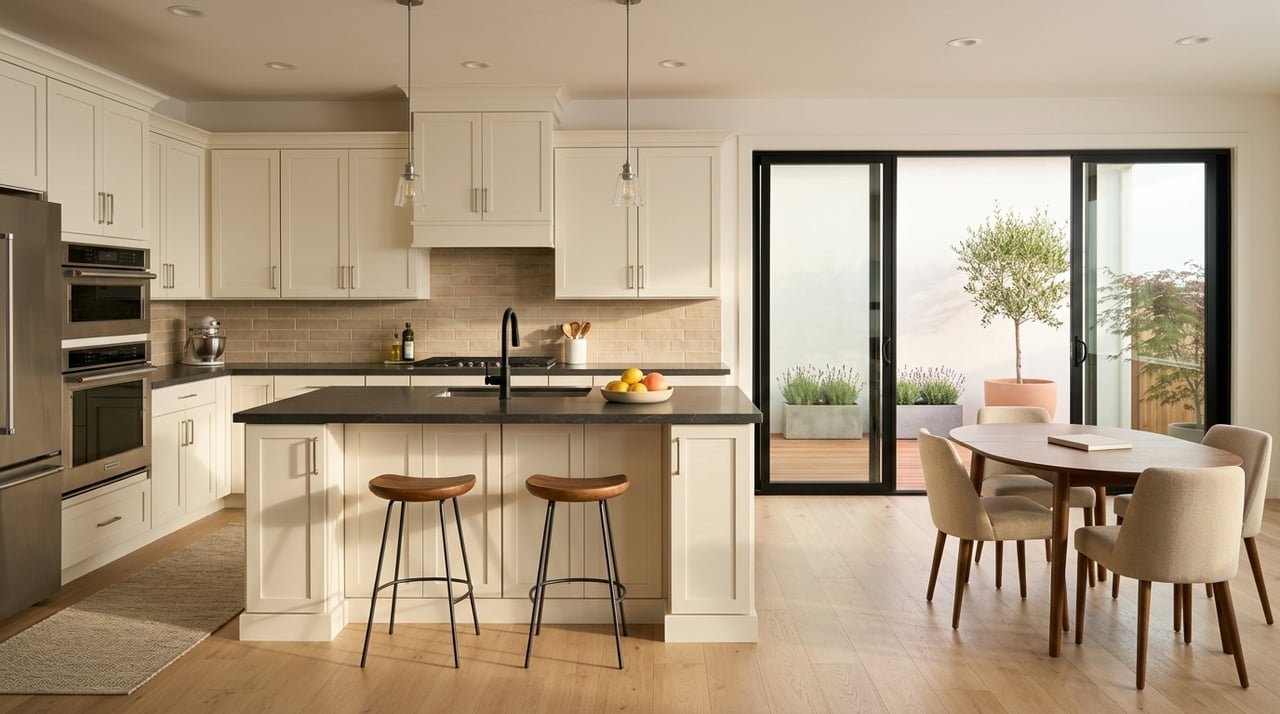
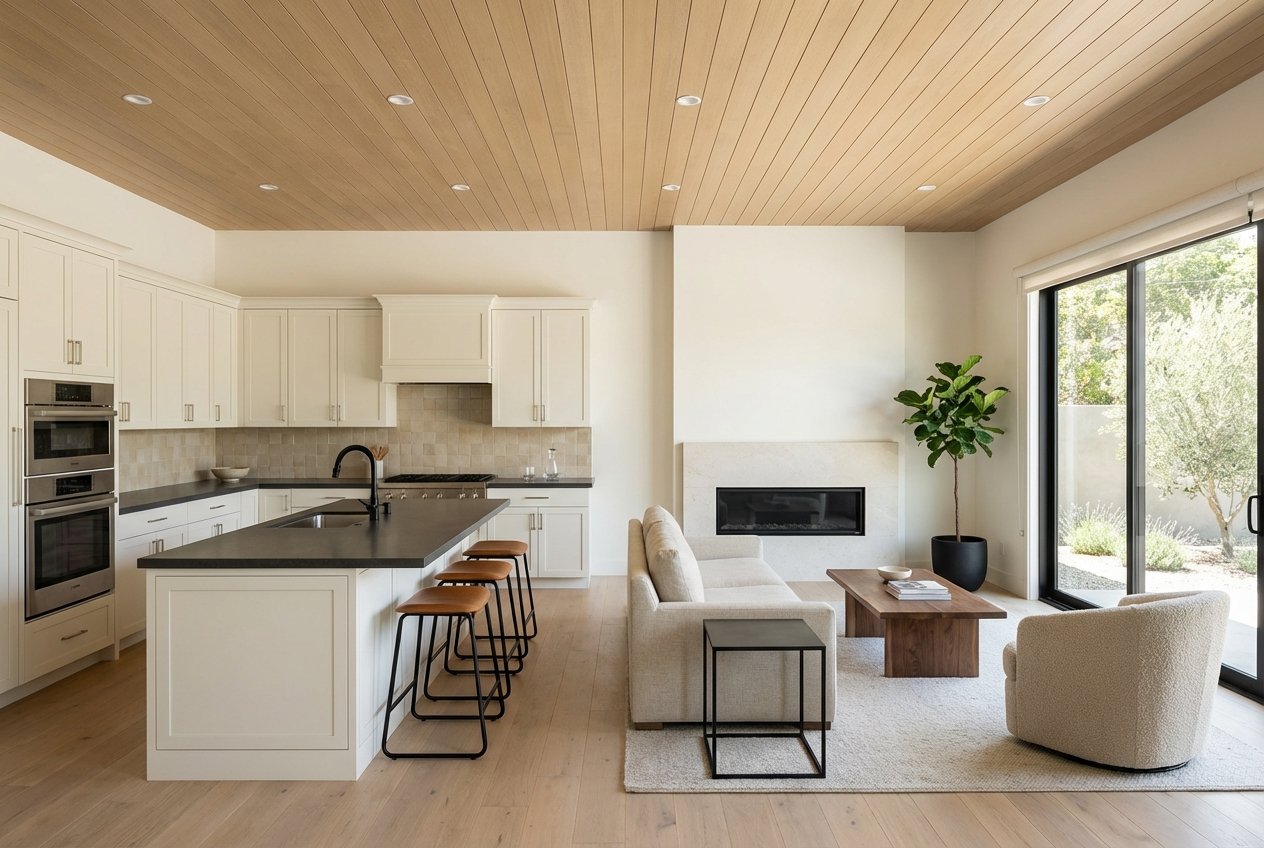
If you are selling, presentation and pricing carry the day. Buyers in this market are notably sensitive to deferred maintenance, so turnkey homes with updated kitchens, modern lighting, neutral paint, and strong curb appeal capture the overwhelming share of competitive bidding. Price realistically from day one—overpricing even slightly leads to a stale listing and forced reductions—and lean on precise comparables drawn from your specific elementary and high school attendance areas, not just citywide averages. Timing helps too: buyer volume peaks from early spring through early summer as families work to settle before the school year.
Navigating a market as nuanced as Fremont's—where a single school boundary or the difference between two neighboring districts can move value by hundreds of thousands of dollars—is exactly where experienced local representation earns its keep. Samit Shah is one of the Bay Area's most trusted and accomplished real estate professionals, ranked in the Top 0.5% of REALTORS® nationwide, honored among the Leading 100 in the Bay Area for five consecutive years, and recognized as the #26 Medium-Size Team in California and #1 in San Jose. Over more than a decade, Samit has guided hundreds of Silicon Valley families through buying and selling, combining calm professionalism, creative negotiation, and data-driven marketing to deliver seamless, record-setting outcomes. Whether you are weighing a hillside estate in Mission San Jose, a transit-friendly townhome near Warm Springs, or the right moment to list, the Samit Shah Team offers the hyperlocal insight and hands-on guidance to help you decide with confidence.
Reach out to start the conversation:
The Samit Shah Team · Compass 📞 (408) 314-1828 · ✉️ [email protected] 📍 1133 Minnesota Ave, San Jose, CA 95125 Samit Shah · CA DRE# 01906486 — your Realtor for Life.
There's plenty to do around Fremont, including shopping, dining, nightlife, parks, and more. Data provided by Walk Score and Yelp.
Explore popular things to do in the area, including Sun Kung Fu Academy, Butterfly Life, and Kitta Sheri Hair Stylist.
| Name | Category | Distance | Reviews |
Ratings by
Yelp
|
|---|---|---|---|---|
| Active | 0.43 miles | 0 reviews | 0/5 stars | |
| Active | 0.45 miles | 1 review | 1/5 stars | |
| Beauty | 0.44 miles | 0 reviews | 0/5 stars | |
| Beauty | 0.44 miles | 0 reviews | 0/5 stars | |
| Beauty | 0.46 miles | 4 reviews | 5/5 stars | |
|
|
||||
|
|
||||
|
|
||||
|
|
||||
|
|
||||
|
|
Fremont has 77,019 households, with an average household size of 2.94. Data provided by the U.S. Census Bureau. Here’s what the people living in Fremont do for work — and how long it takes them to get there. Data provided by the U.S. Census Bureau. 228,518 people call Fremont home. The population density is 2,926 and the largest age group is Data provided by the U.S. Census Bureau.
Total Population
Population Density Population Density This is the number of people per square mile in a neighborhood.
Median Age
Men vs Women
Population by Age Group
0-9 Years
10-17 Years
18-24 Years
25-64 Years
65-74 Years
75+ Years
Education Level
Total Households
Average Household Size
Average individual Income
Households with Children
With Children:
Without Children:
Blue vs White Collar Workers
Blue Collar:
White Collar:
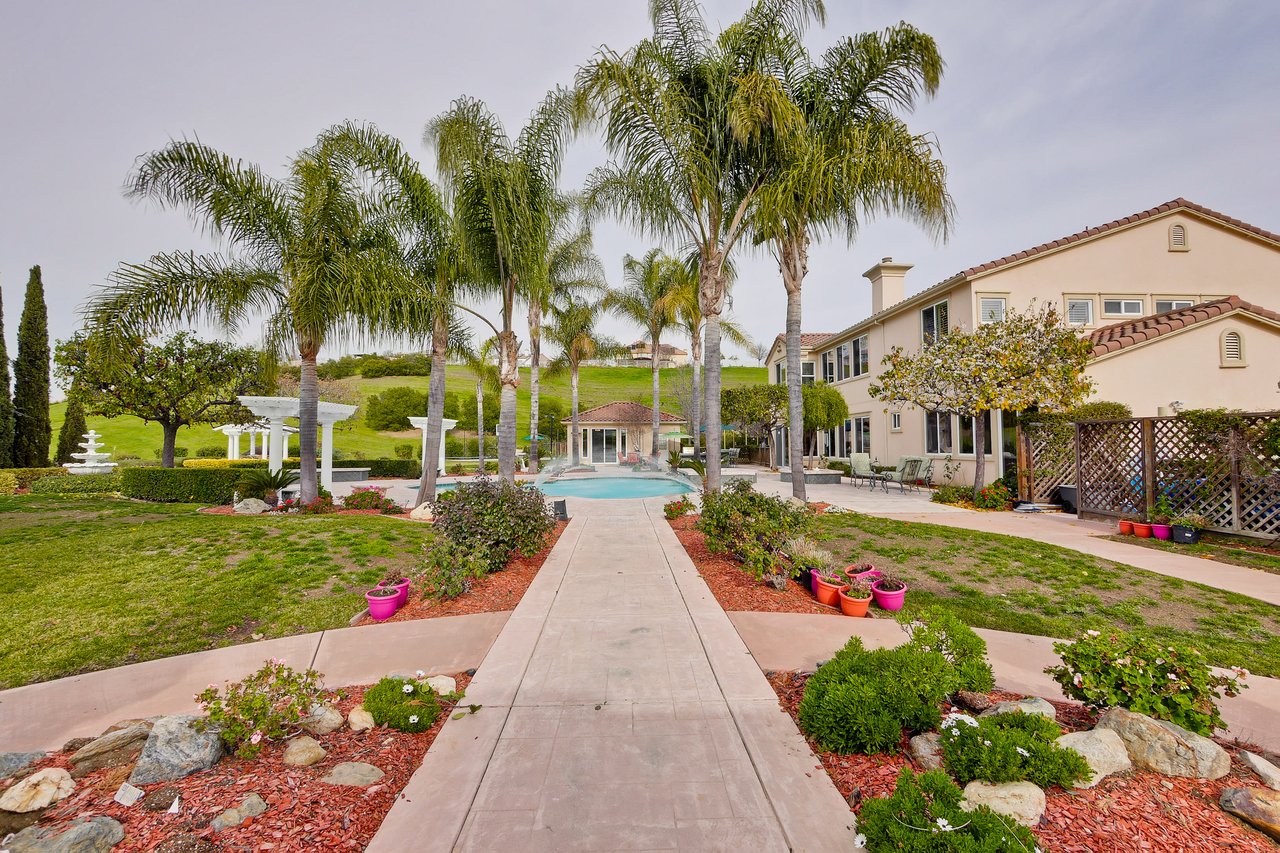
Search Blossom Valley, San Jose homes for sale, including luxury homes and new listings
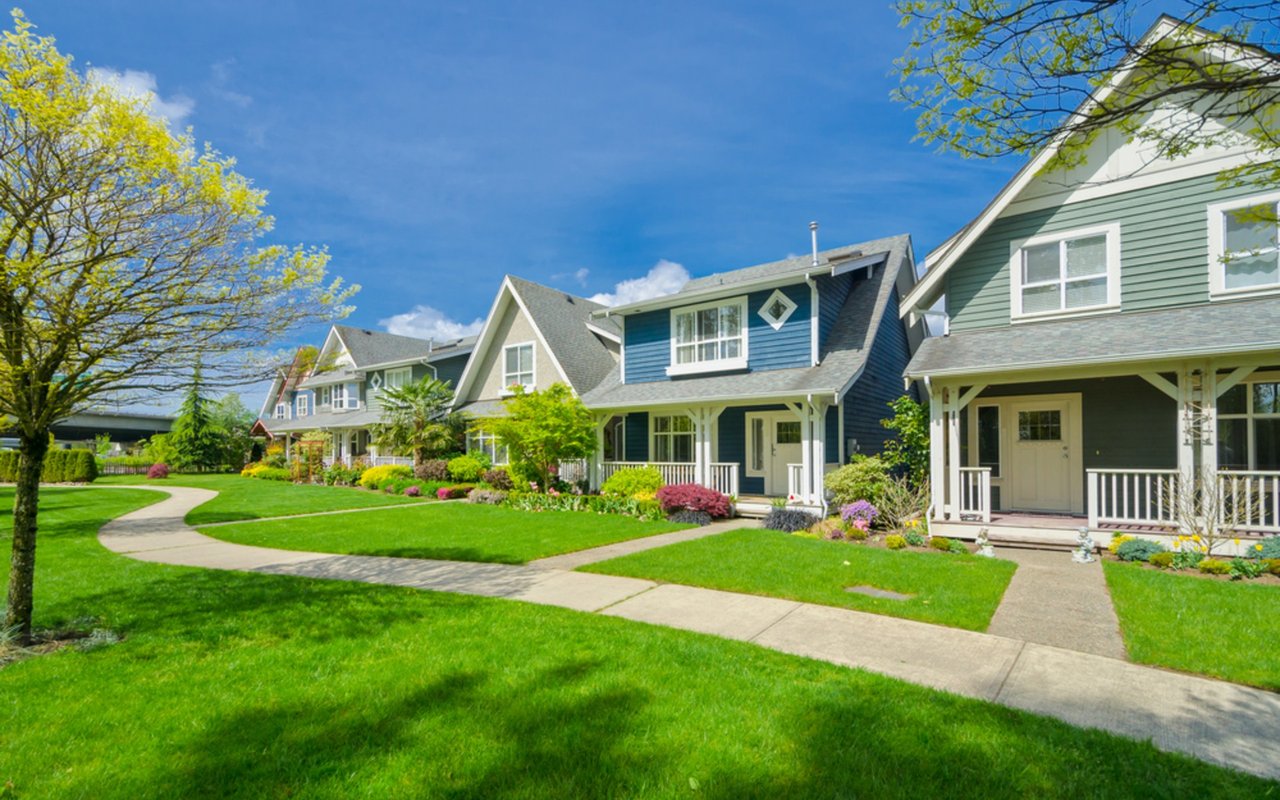
Search Cambrian Park, San Jose homes for sale, including luxury homes and new listings
1133 Minnesota Ave San Jose, CA 95125
1133 Minnesota Ave San Jose, CA 95125