Sunnyvale, CA Homes for Sale & Neighborhood Guide
Search Sunnyvale, CA homes for sale, including luxury homes and new listings
153,455 people live in Sunnyvale, where the median age is 35.1 and the average individual income is $95,752. Data provided by the U.S. Census Bureau.
Total Population
Median Age
Population Density
Average individual Income
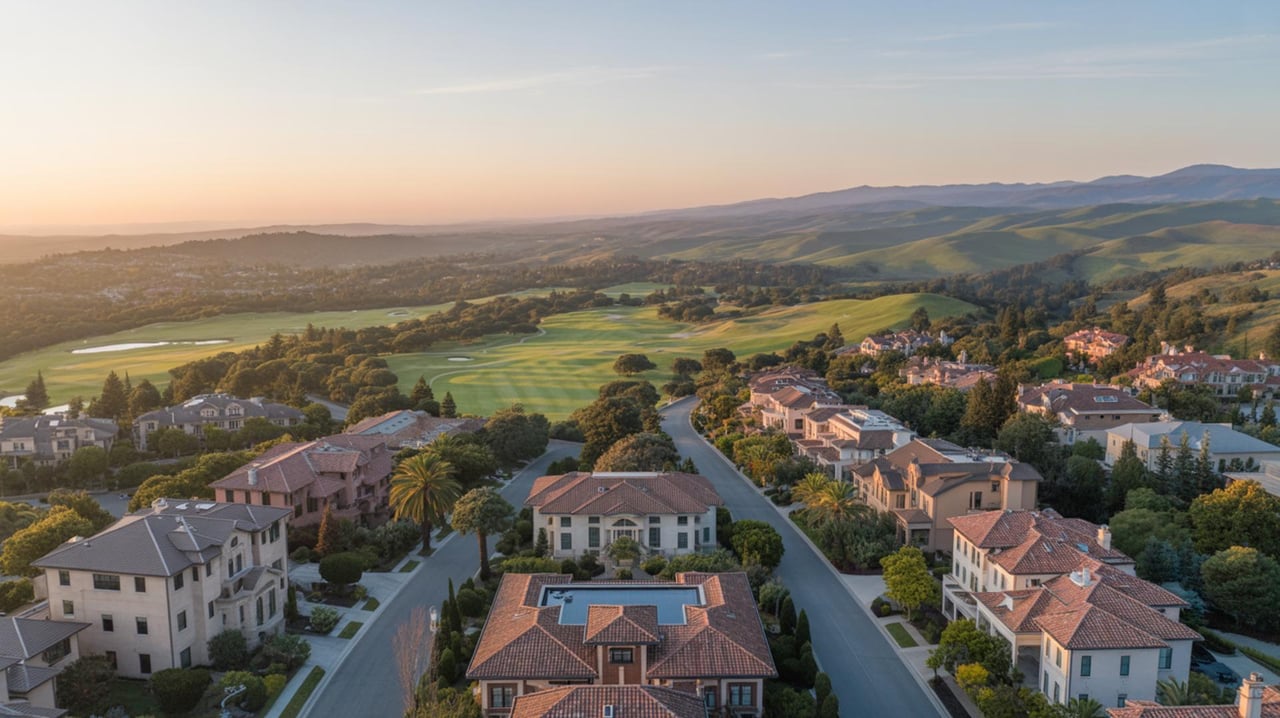
Sunnyvale sits in the dead center of Silicon Valley, and that location explains almost everything about it. This is a city built around commute efficiency, quiet residential safety, and a patchwork of micro-neighborhood school districts. It doesn't try to be San Francisco, and it isn't sprawling like San Jose. Instead, it functions as an exceptionally practical home base for people who work at or near Apple, Google, Meta, and the cluster of Amazon and Lockheed campuses nearby.
The buyers it tends to attract are dual-income tech households, often with school-age kids or plans for them, who prioritize a short commute, strong schools, and long-term stability over nightlife or lot size. The vibe is family-friendly and understated, with Historic Murphy Avenue downtown serving as the social heartbeat: walkable, full of outdoor dining, and home to one of the better year-round farmers markets in the Bay Area.
Sunnyvale remains a fierce seller's market, and the pace tells the story. Single-family homes move with a median time-to-pending of around 10 days, while condos and townhomes take a bit longer at roughly 27 days.
Competition is the defining feature here. Somewhere between 72% and 78% of homes sell above asking, and multiple-offer situations are the norm rather than the exception. Winning bids on single-family homes frequently land around 107% to 109% of the original list price, and buyers routinely waive contingencies to compete.
On pricing, expect roughly:
Sunnyvale has always been expensive, but the market has shifted from the erratic peaks of recent years into a more stable, seasonal pattern. After a dip in late 2022 and early 2023 driven by rising rates, prices climbed sharply through 2024 and 2025. Right now the market is in a minor plateau, with slight year-over-year cooling depending on property type and micro-market, settling into a healthier 2% to 4% normalized growth pattern rather than runaway appreciation.
A key thing to understand is the micro-market divide. Single-family homes west of El Camino Real, closer to the Los Altos border, command a premium and sell almost instantly. The condo and townhome segment runs slightly cooler, pressured by rising HOA fees and affordability constraints on first-time buyers.
Inventory has loosened a bit, with active listings up over 20% year-over-year compared to the extreme shortages of 2025. Supply is still deeply compressed, though, in large part because homeowners with strong equity have little reason to sell. Heading deeper into 2026, the expectation is continued competitiveness, stable prices with modest gains, and very little negotiating leverage for buyers.
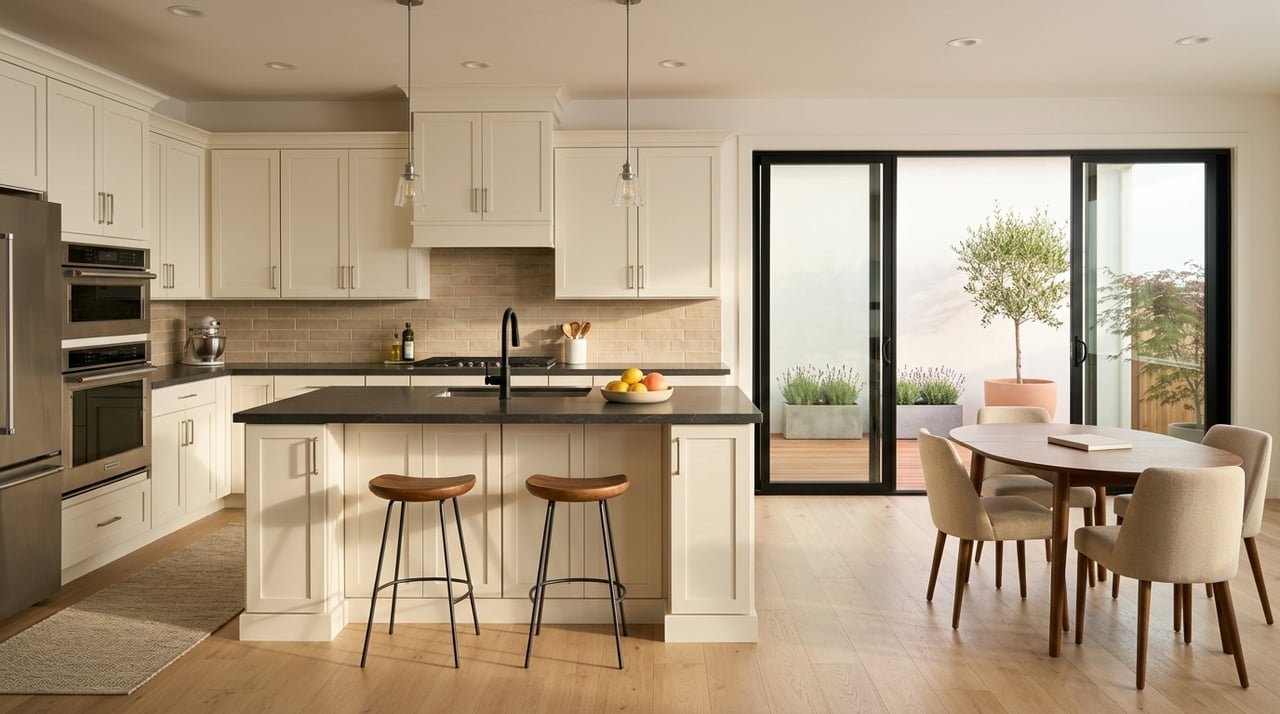
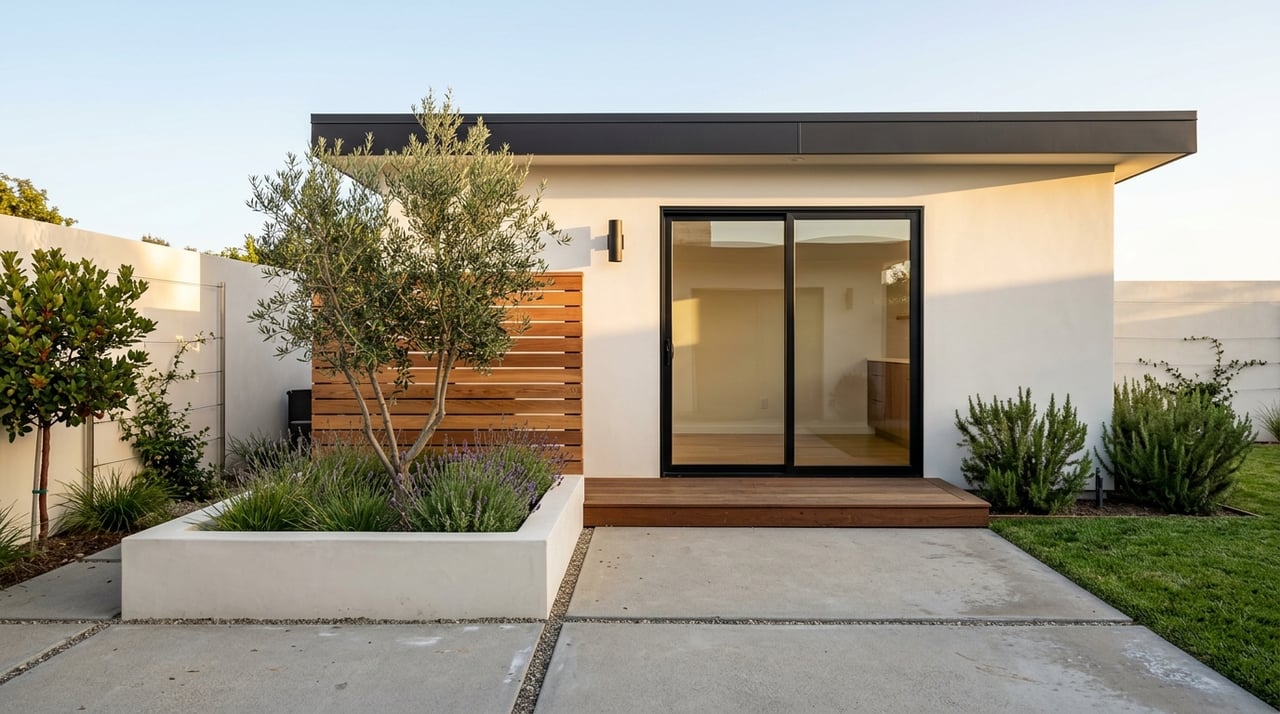
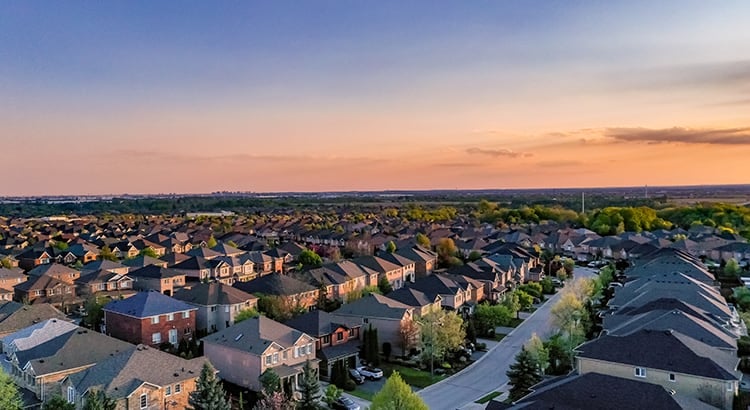
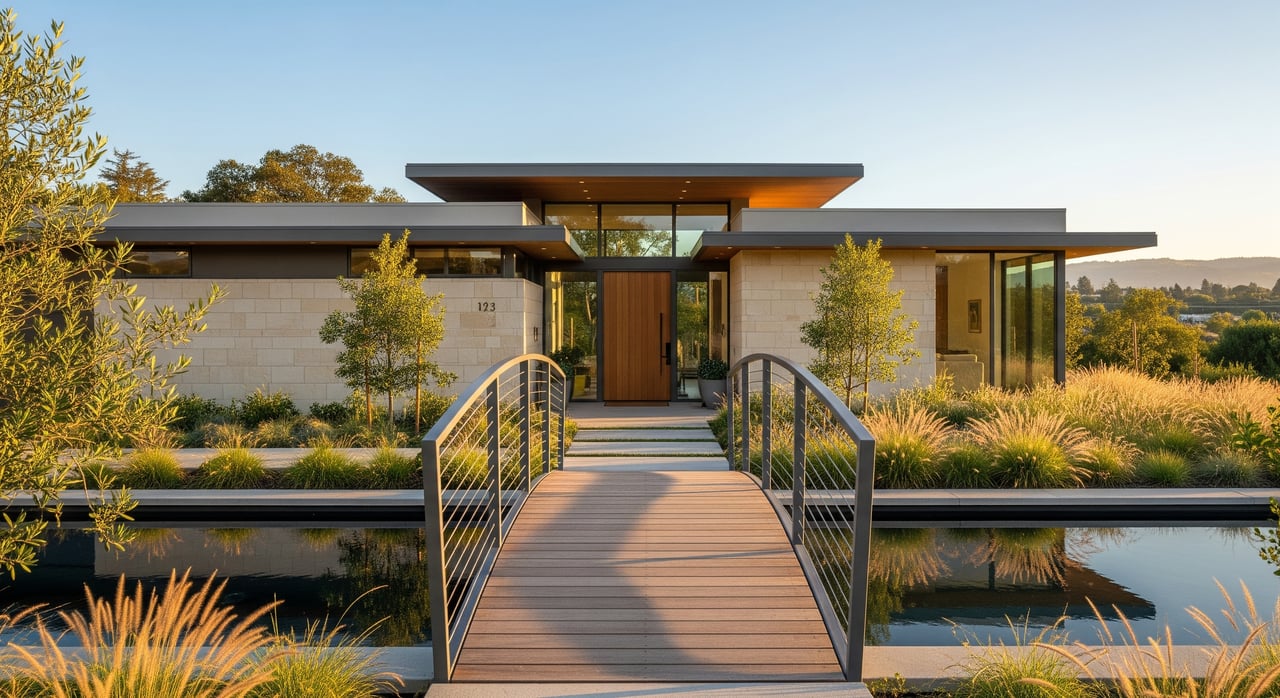
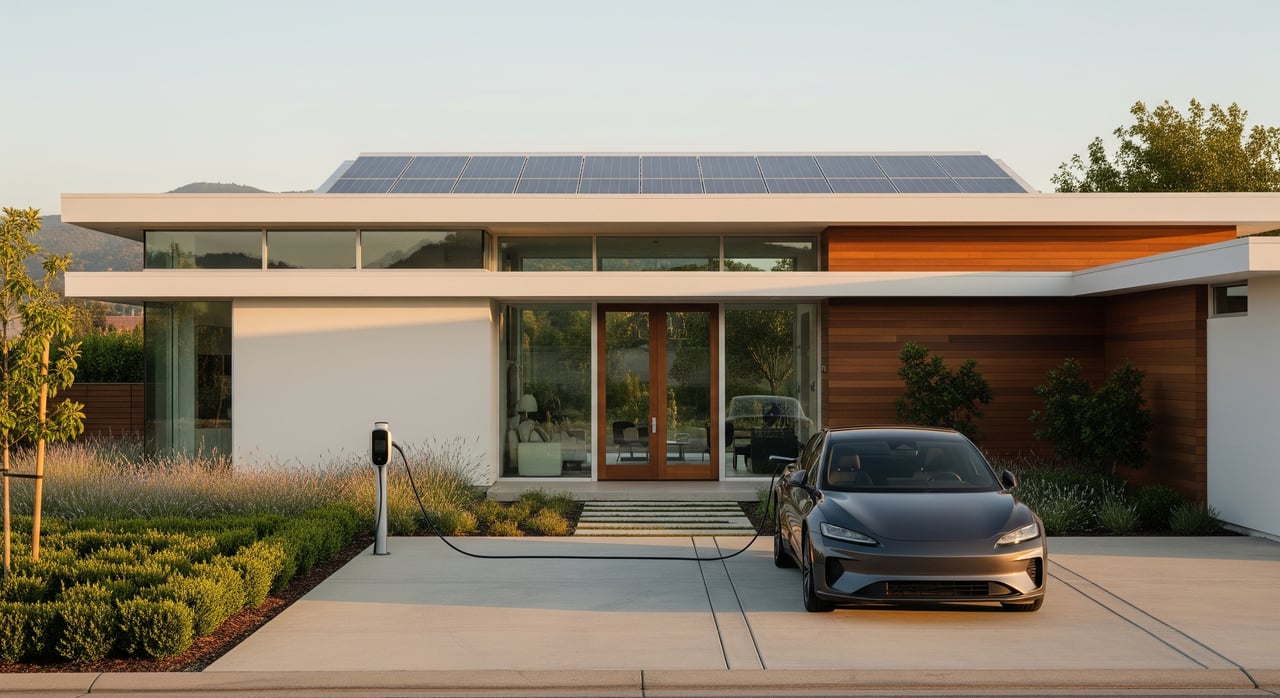
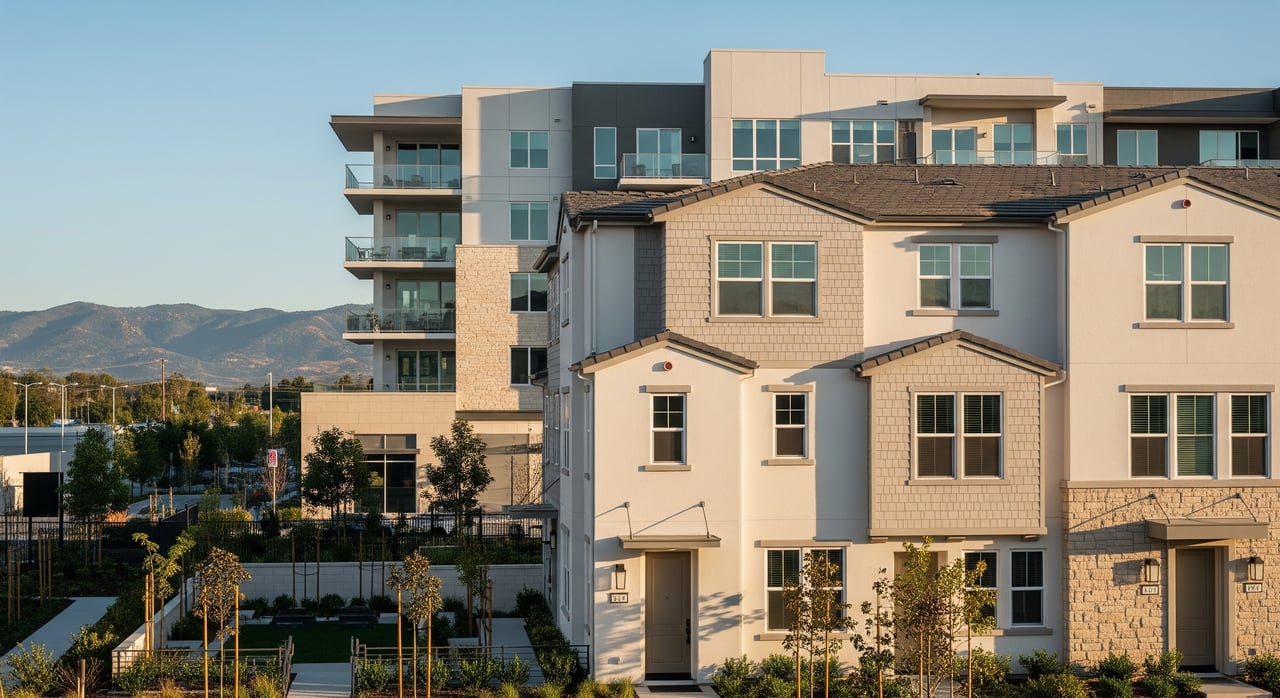
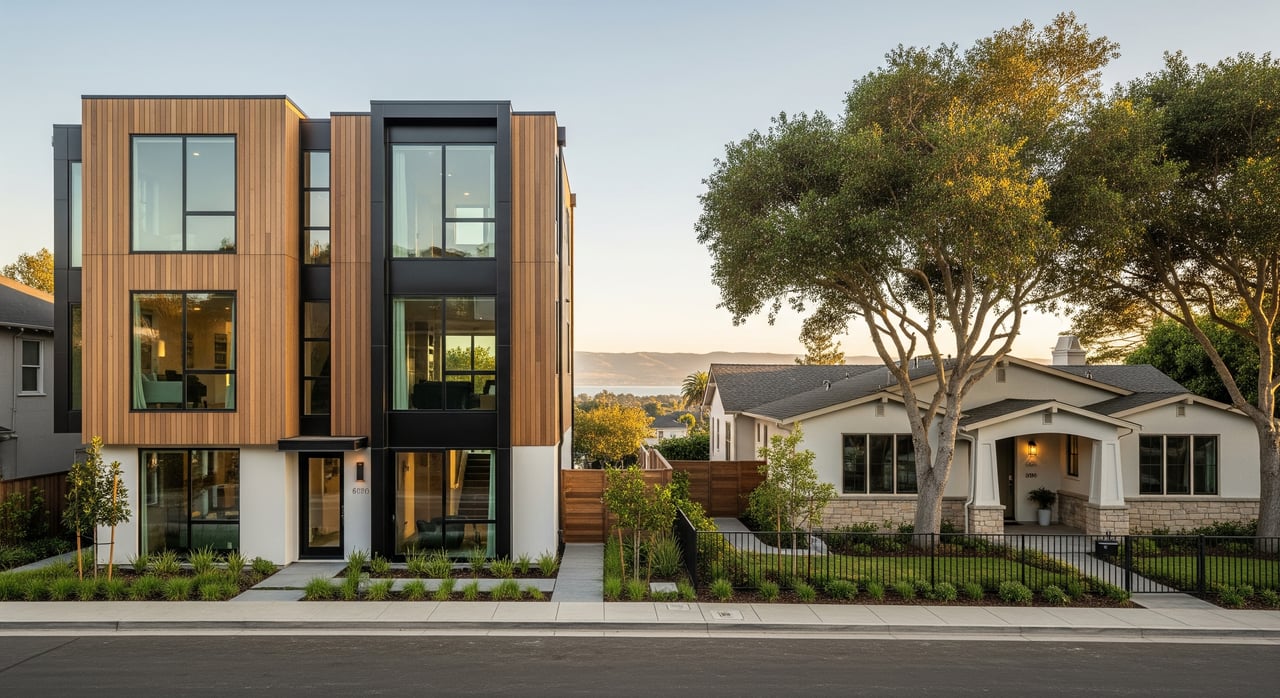
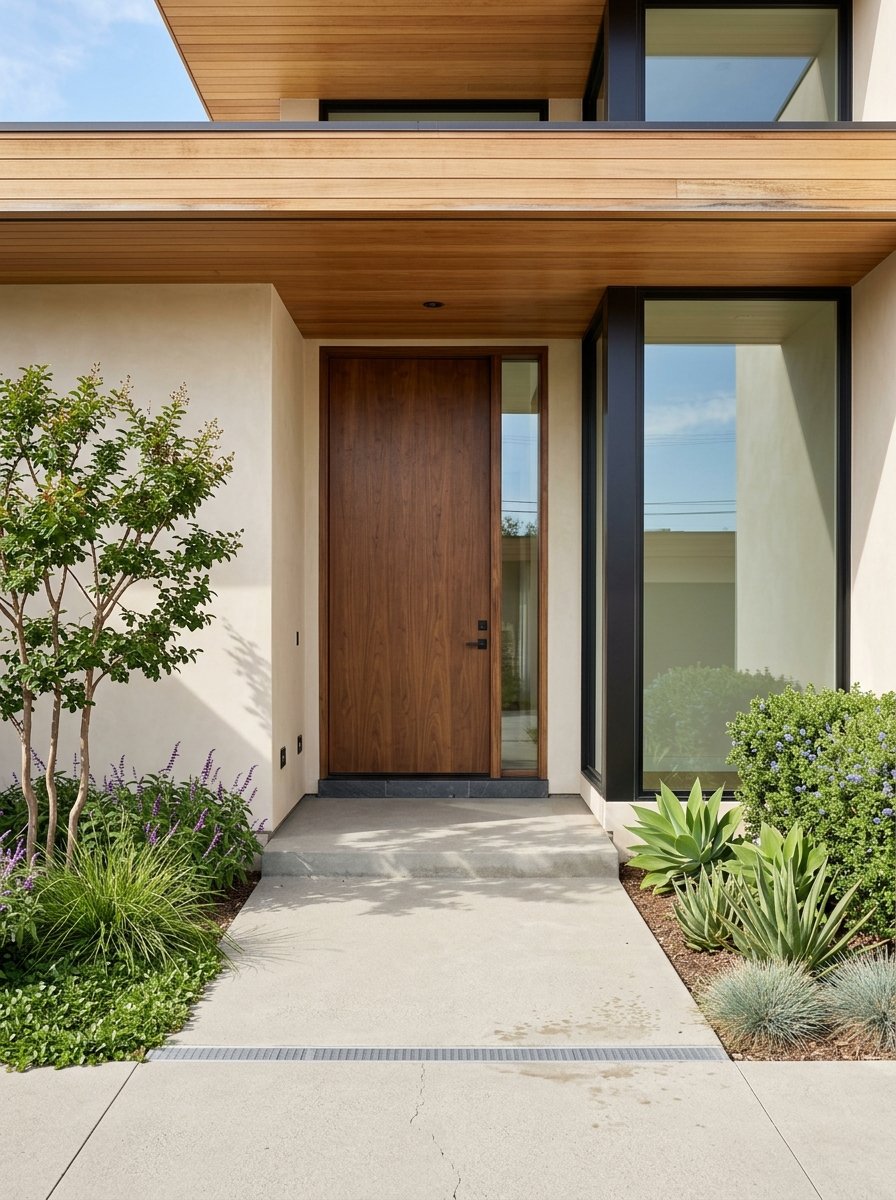
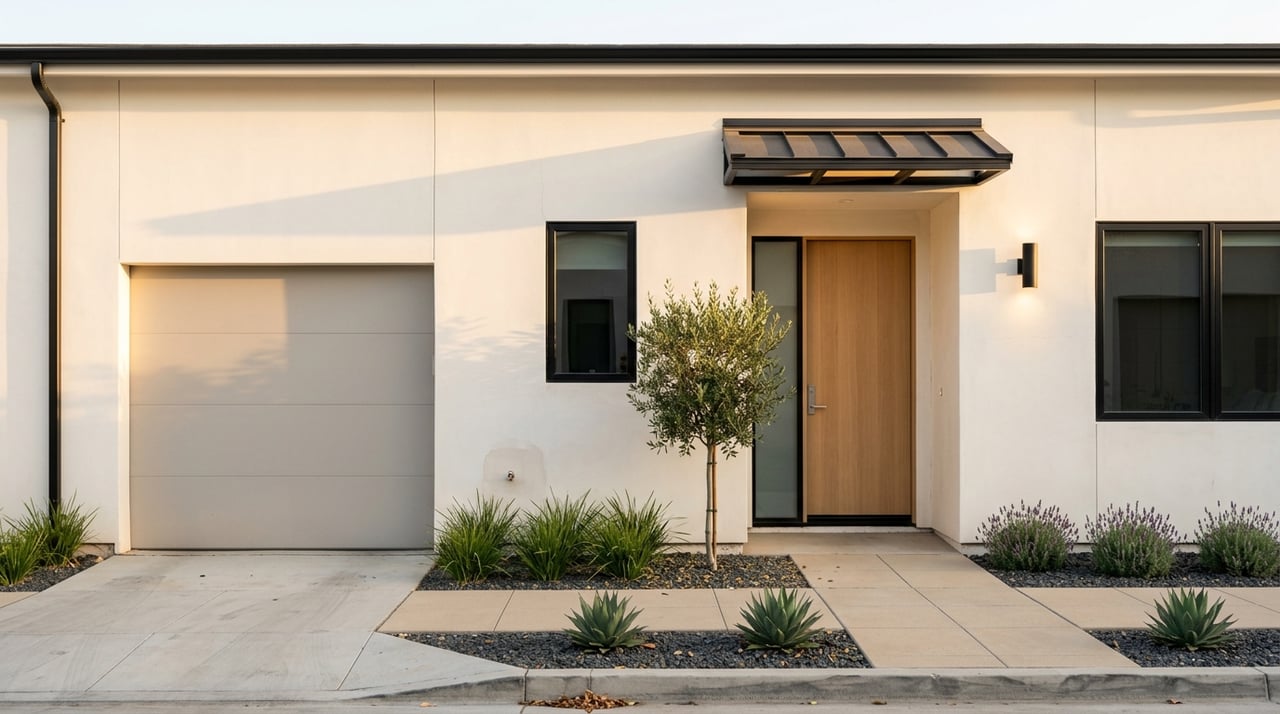
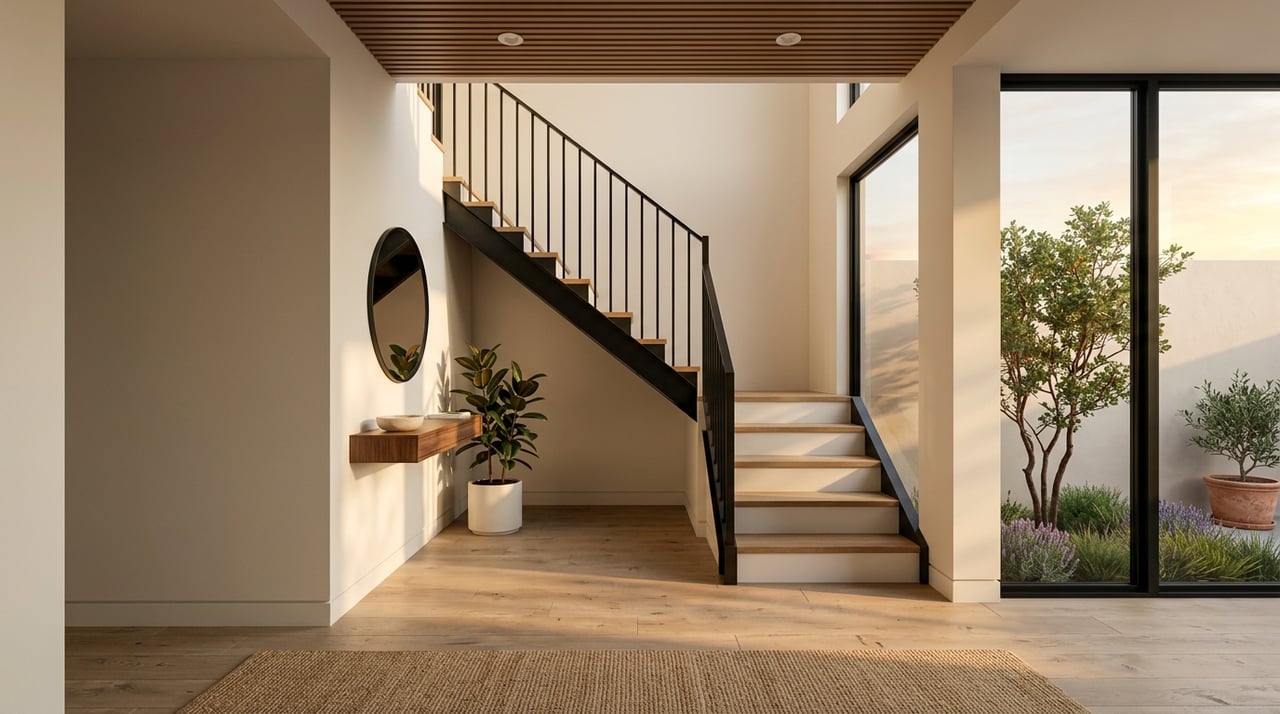
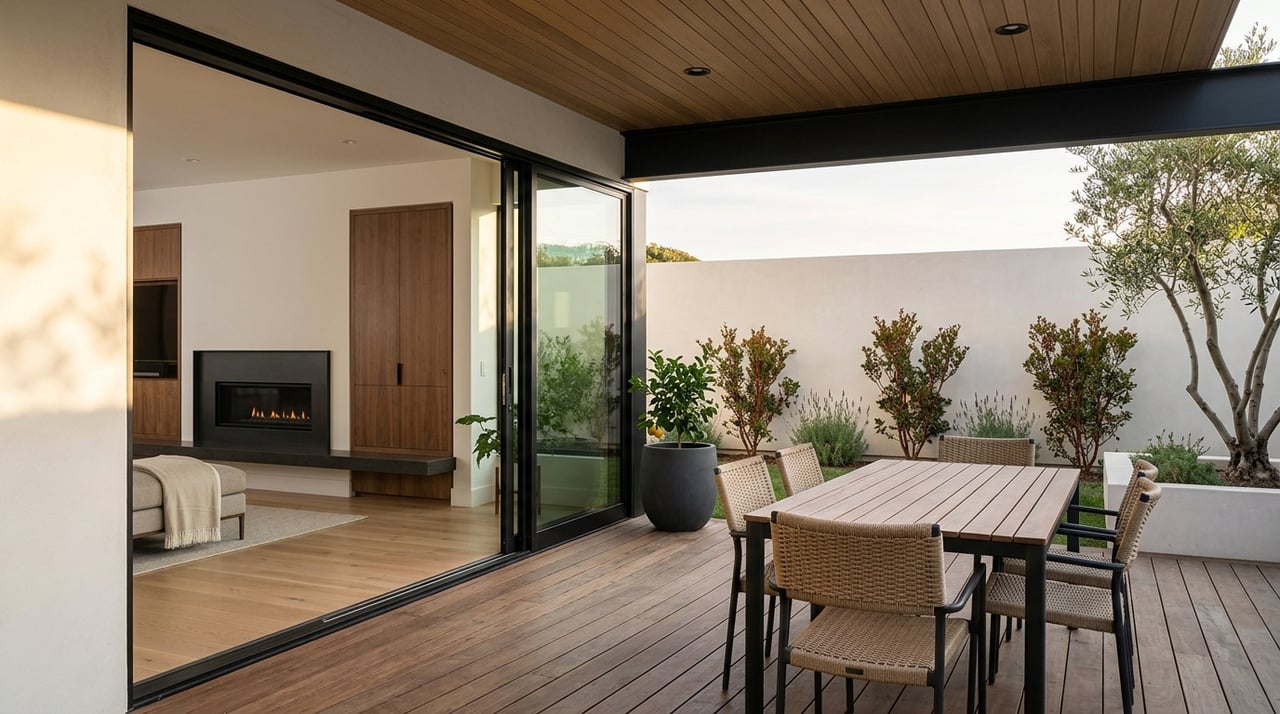
Because Sunnyvale is almost completely built out, new construction here means high-density urban infill, not suburban tracts with big yards. The new-build landscape is dominated by multi-story townhomes, stacked condos, and mixed-use developments designed to maximize square footage on scarce land. Architecturally, the trend leans modern: rooftop decks, energy-efficient smart-home features, and EV-ready attached garages.
The most active builders are large national names. Toll Brothers is heavily concentrated near transit hubs with master-planned communities like Terraces, Vantage, and Outlook at The Station, featuring resort-style amenities such as co-working lounges, fitness centers, and dog parks; pricing generally runs from around $900,000 for one-bedroom units to $2.2 million-plus for four-bedroom townhomes. Pulte Homes is building The Square in northern Sunnyvale, with single-level setups and townhomes roughly $1.1 million to $1.8 million-plus.
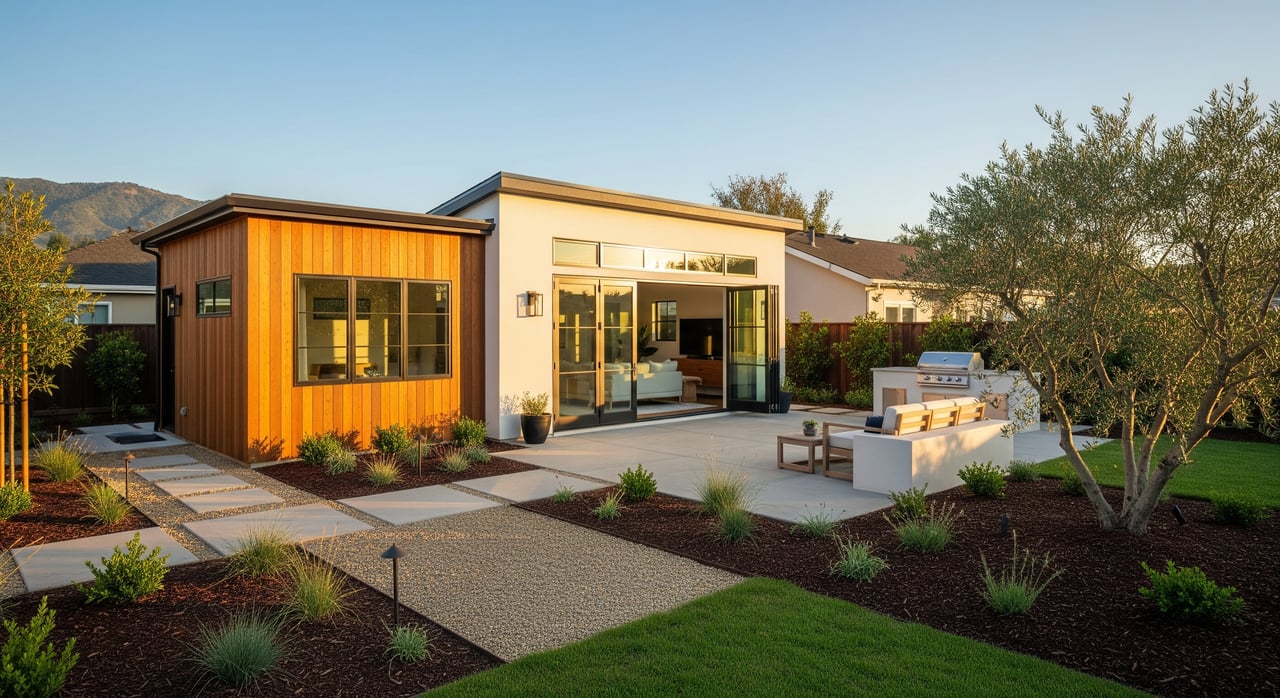
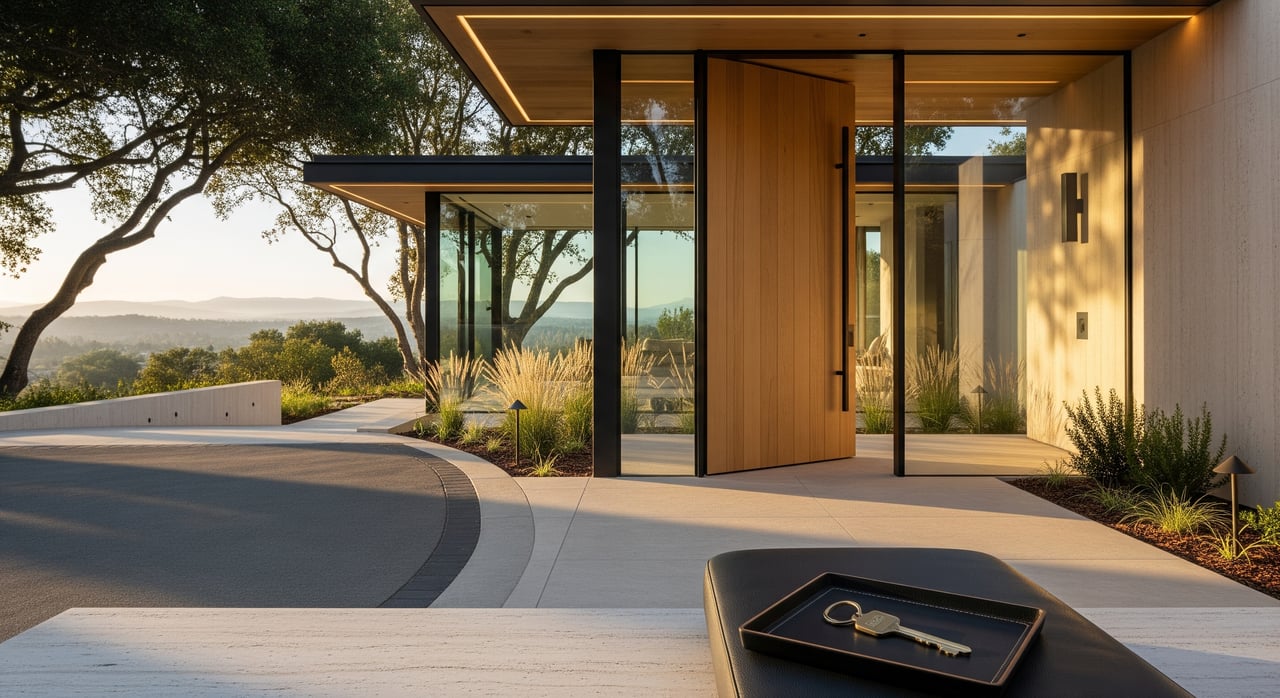
Separately, independent custom builders work the older established neighborhoods like Sunnyvale West and Cherry Chase, buying up 1950s ranch homes, tearing them down, and building large custom single-family homes often in the $2.8 million to $4 million-plus range. A notable trend in these custom builds is the inclusion of an ADU, attached or detached, for multi-generational living or rental income.
The purchase process here rewards financial readiness, speed, and a clear head. A reasonably priced single-family home in a desirable school district will typically hold an open house over one weekend, set an offer deadline mid-week, and draw multiple offers. You're competing against tech couples with substantial liquid stock options.
To win, buyers on single-family homes routinely waive loan, appraisal, and inspection contingencies. Sellers accommodate this by providing comprehensive pre-market inspection reports (home, pest, and roof) directly in the disclosure packet, so buyers are expected to review everything and accept the home essentially as-is. Because prices sit well above $2.5 million, financing almost always means a jumbo loan, and to stay competitive against cash buyers you'll want a robust underwritten pre-approval that proves your loan can clear in 14 to 21 days, not a simple pre-qualification letter.
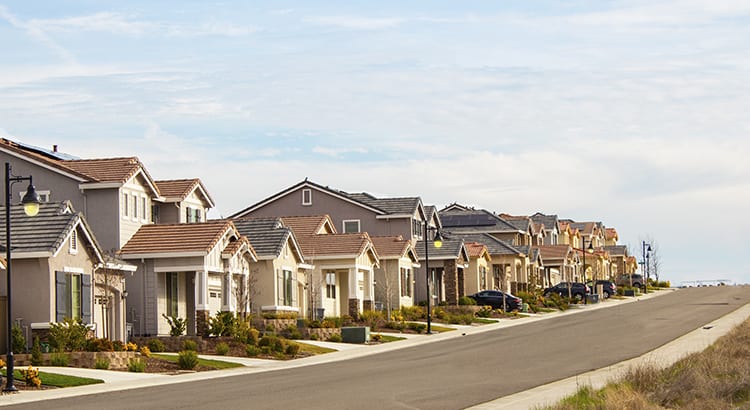
The common property types you'll encounter are mid-century ranch homes (the architectural backbone of the established neighborhoods, prized for lot sizes and school assignments), Eichler homes (a notable local concentration of mid-century moderns with a passionate following), and modern high-density townhomes (the fastest-growing sector, popular with professionals who prefer zero yard maintenance and a short commute).
A few hyper-local realities are worth understanding before you write an offer.
HOA costs matter a lot if you're looking at new townhomes or condos. Monthly dues commonly range from $400 to over $750, and because many complexes carry extensive amenities like pools, gyms, and elevators, those fees tend to rise over time. Factor them firmly into your debt-to-income math alongside the mortgage.
Environmental history is a genuine Sunnyvale quirk. Because the city was a hub for early aerospace and semiconductor manufacturing, parts of it sit near federally designated Superfund sites where historical solvents leaked into groundwater. The EPA actively monitors and remediates these areas and municipal drinking water is safe, but buyers receive extensive Environmental Hazard Disclosures, and a home sitting directly over a plume zone can sometimes affect long-term resale or require indoor air monitoring.
Flood zones affect parts of northern Sunnyvale near the Bay, Moffett Field, and the Calabazas or Sunnyvale East Channels (portions of Lakewood and San Miguel). These fall into FEMA Special Flood Hazard Areas, which means a federally backed mortgage will require flood insurance as a recurring premium.
Eichler-specific maintenance is its own category. These homes use in-floor radiant heating prone to copper pipe leaks and flat gravel-and-foam roofs, and many standard inspectors lack Eichler experience. Several Eichler tracts also fall under city design guidelines that restrict second stories and street-facing alterations.
Sunnyvale has one of the most skewed price-to-rent ratios in the country, so this decision deserves real thought. With the median single-family home around $2.52 million, the estimated monthly payment at 20% down and current mid-2026 rates lands roughly in the $14,000 to $16,000 range including taxes and insurance. Meanwhile, renting an equivalent single-family home or large townhouse runs about $4,500 to $6,500 a month. That pushes the price-to-rent ratio well above 30, which signals that renting is dramatically cheaper on pure monthly cash flow.
Renting makes the most sense if your horizon is under five to seven years. Keeping a $500,000 down payment liquid in index funds or company stock, rather than tying it up in illiquid equity, is often the smarter financial play for shorter stays.
Buying becomes compelling on a 10-plus year horizon, when you want to plant roots in a top school district and treat the home as forced wealth accumulation and an inflation hedge. California's Proposition 13 is a meaningful part of the case: it locks your property tax base to the purchase price with a maximum 2% annual increase, giving you predictable housing costs for decades while equity builds.
If you're moving from out of town, the most useful mental model is that Sunnyvale is organized around commute geography. The city is flanked by Highway 101 to the north and Interstate 280 to the south, with Highway 85 cutting through the middle. The northern zone near 101 is flatter and historically more industrial, putting you seconds from Google, Meta, and the Amazon/Lockheed complexes. The southern zone near 280 rolls toward the foothills with a more affluent, classic suburban feel and quick access to Apple's Cupertino campus.
If your employer runs commuter shuttles, look up the pickup maps early, because many buyers genuinely choose their street based on shuttle-stop proximity. For trips to SF or San Jose, the Downtown Sunnyvale Caltrain station is a major lifeline and a Baby Bullet stop.
The single most important relocation tip: do not assume the city name tells you the schools. Sunnyvale is sliced into multiple districts, and homes on the same street can differ by hundreds of thousands of dollars purely based on which side of a boundary line they sit on.
Sunnyvale's housing is a genuine mix of post-WWII boom and 21st-century density, and there are distinct pockets for distinct tastes.
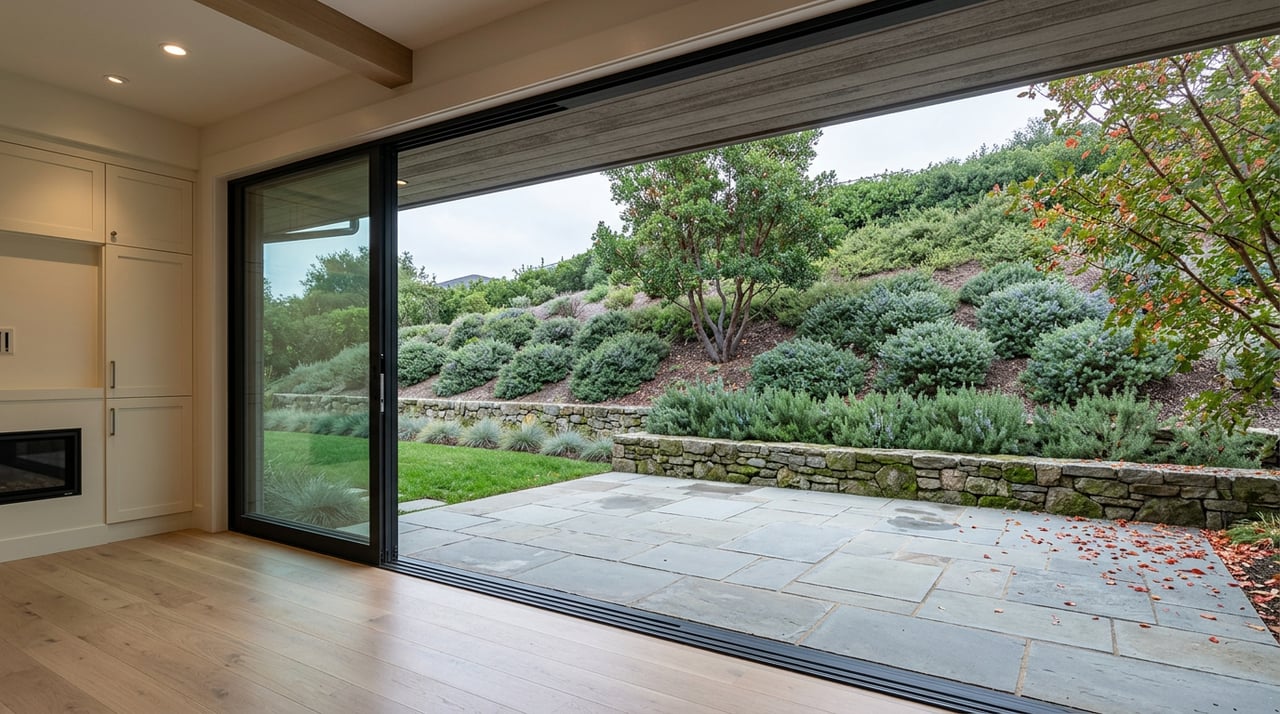
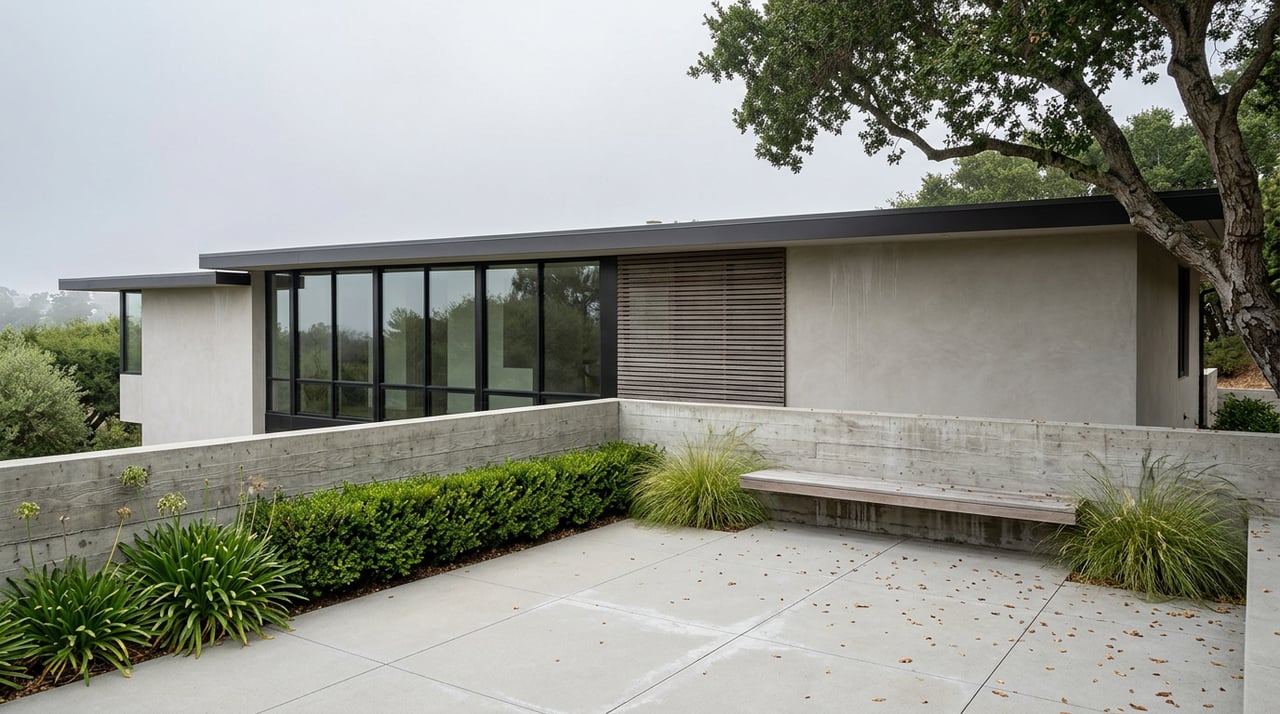
The crown jewel is its mid-century modern Eichlers. Aside from Palo Alto, Sunnyvale holds the second-largest concentration of Eichler homes in the world, roughly 1,100 across 16 tracts like Fairbrae, Fairwood, and Primewood. Built by Joseph Eichler between 1949 and 1973, they feature post-and-beam construction, dramatic low rooflines, glass walls opening to private yards and central atriums, and radiant-heated concrete floors. The city even maintains formal Eichler Design Guidelines to protect their integrity during remodels.
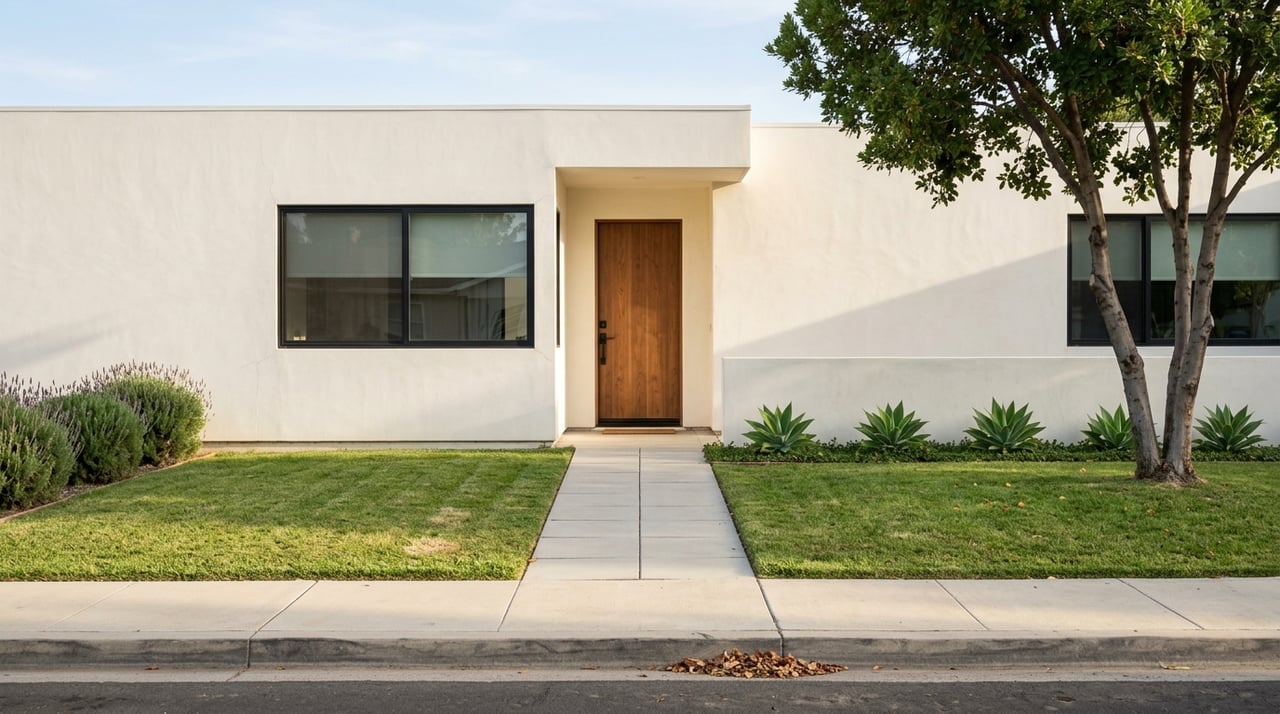
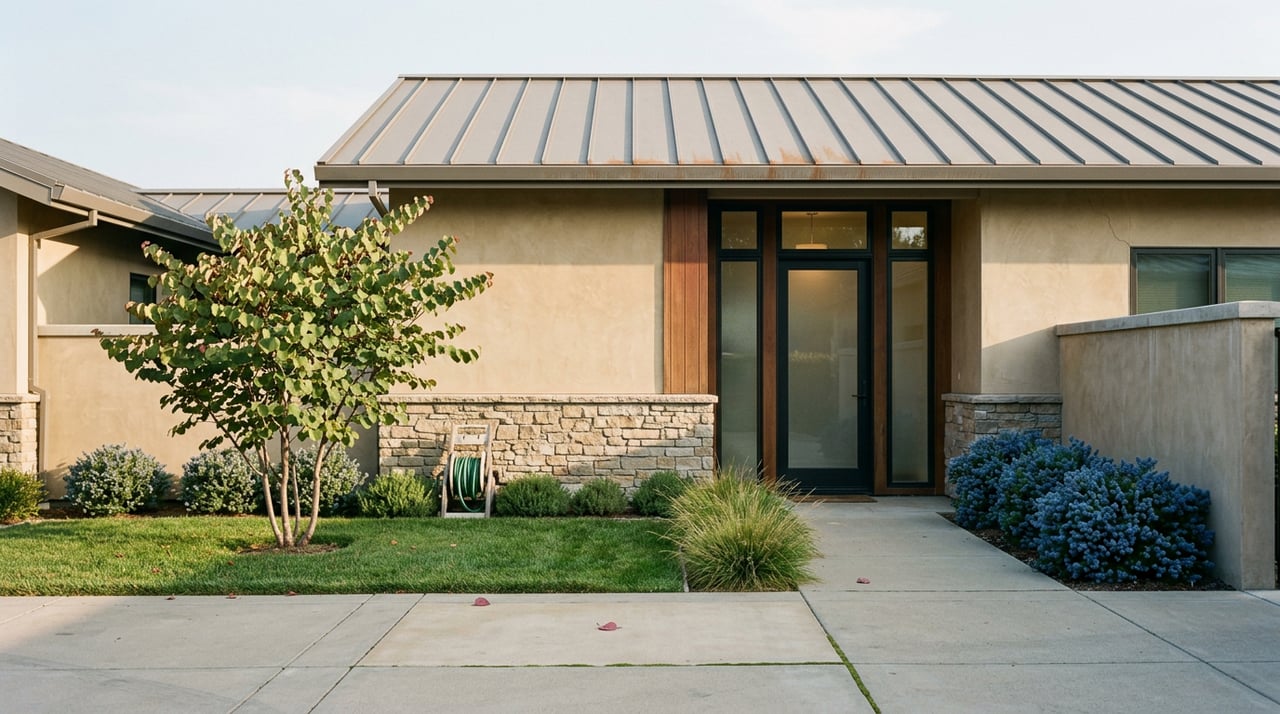
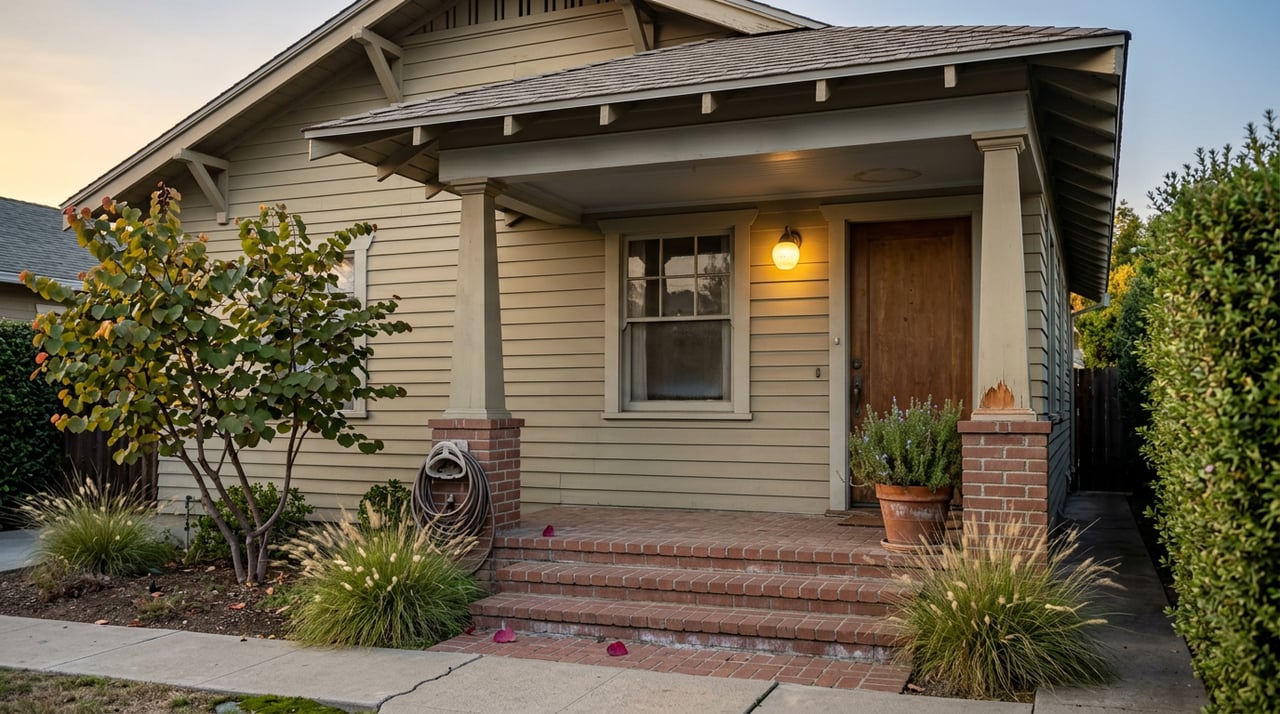
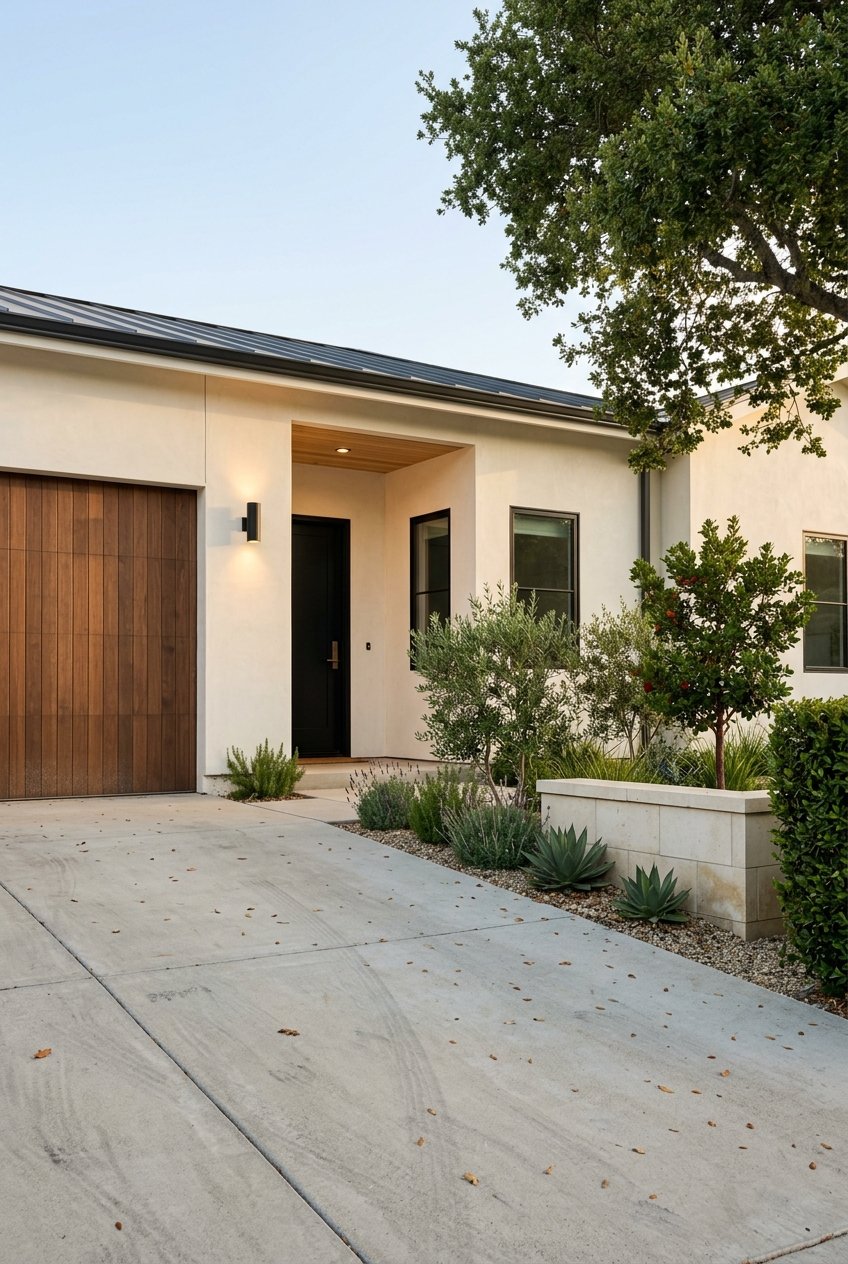
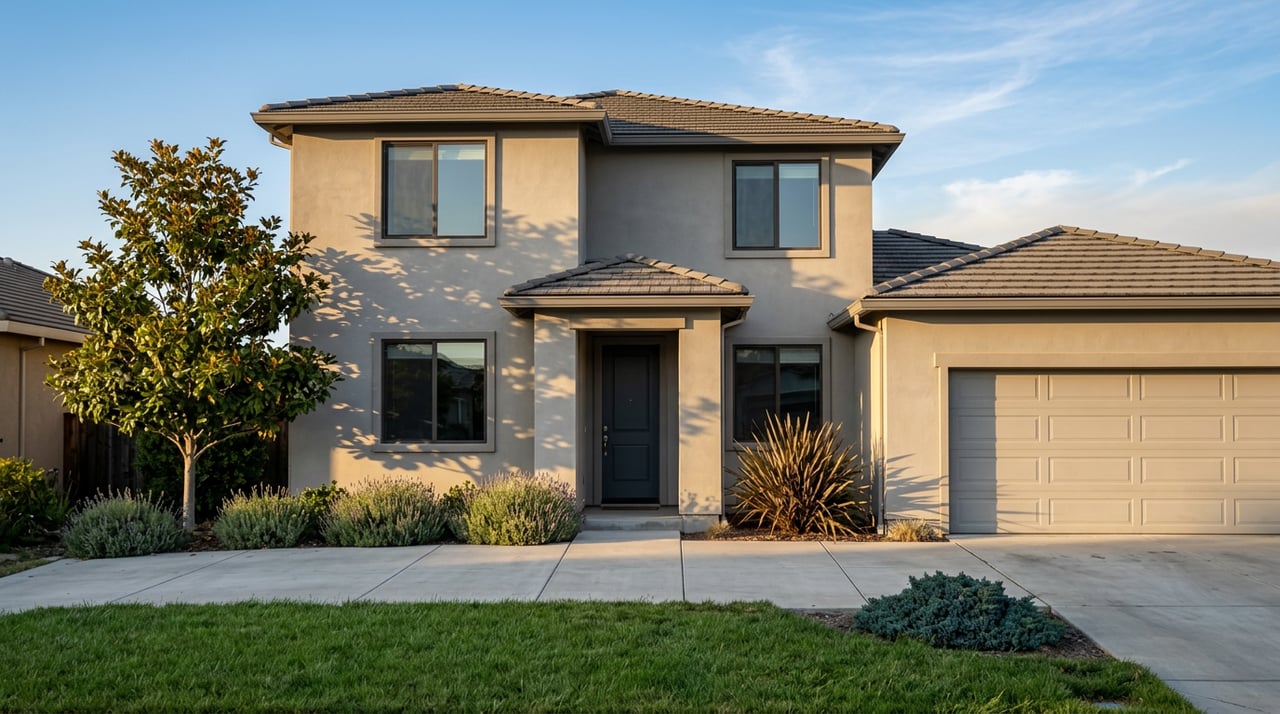
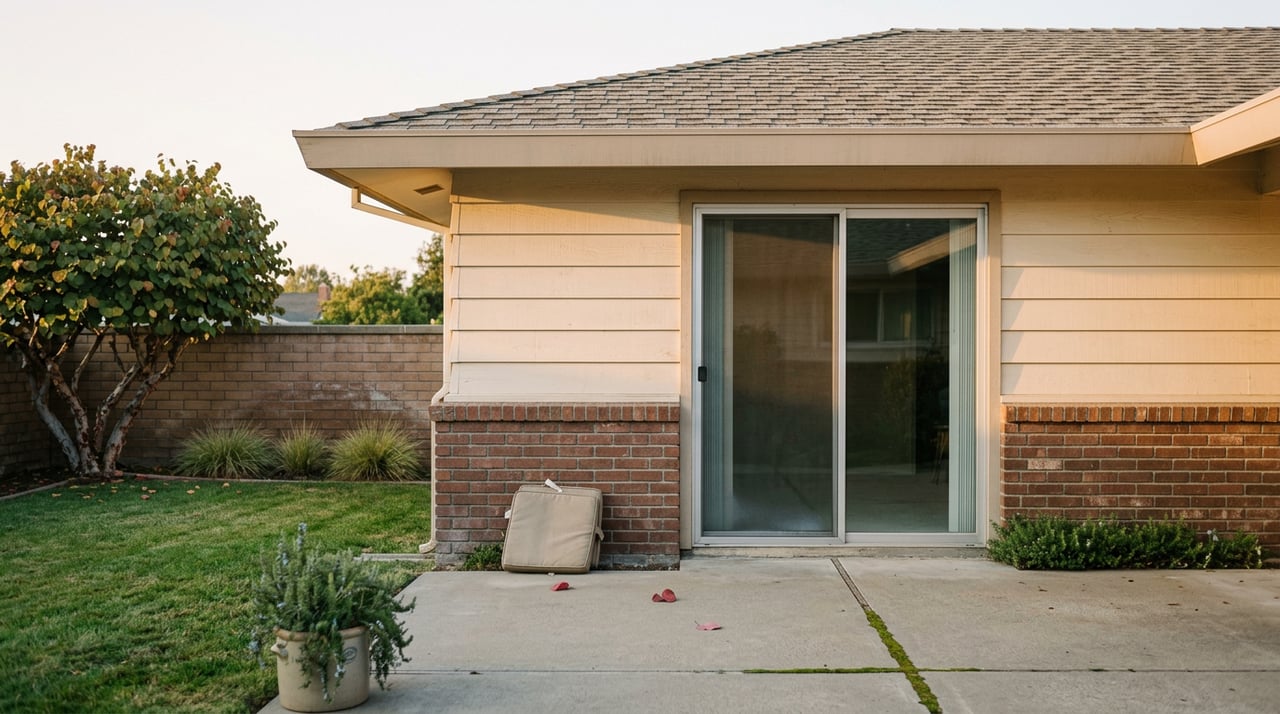
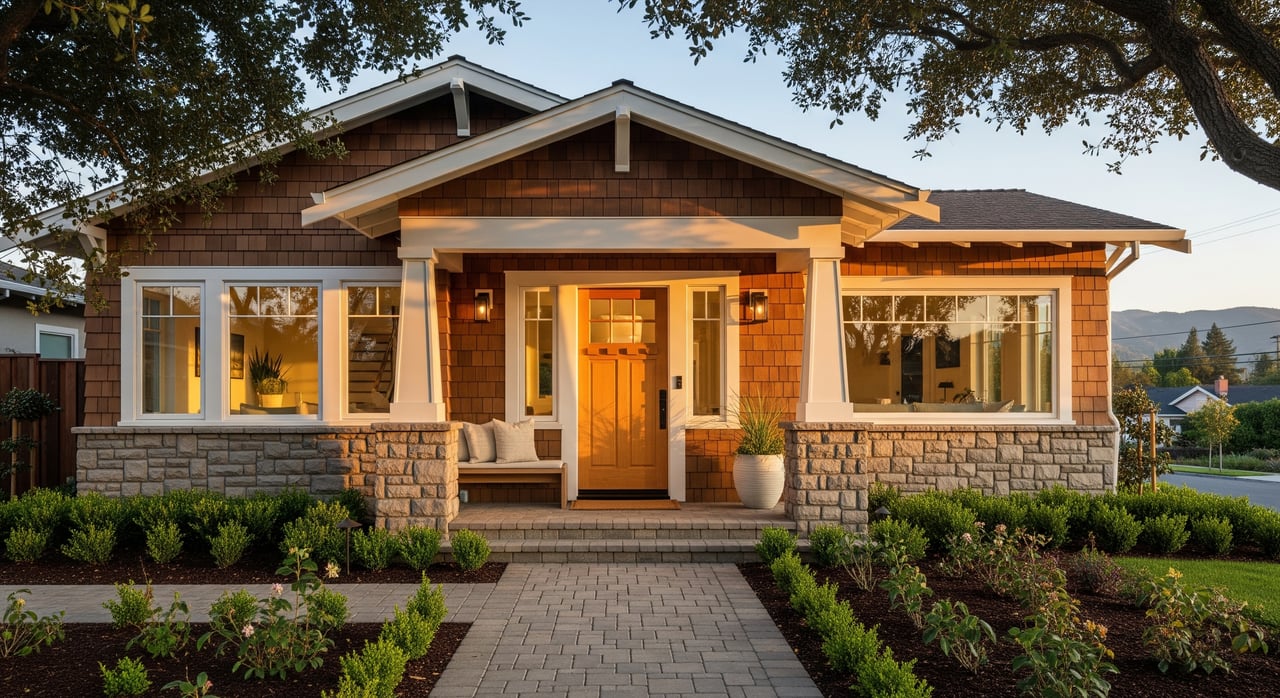
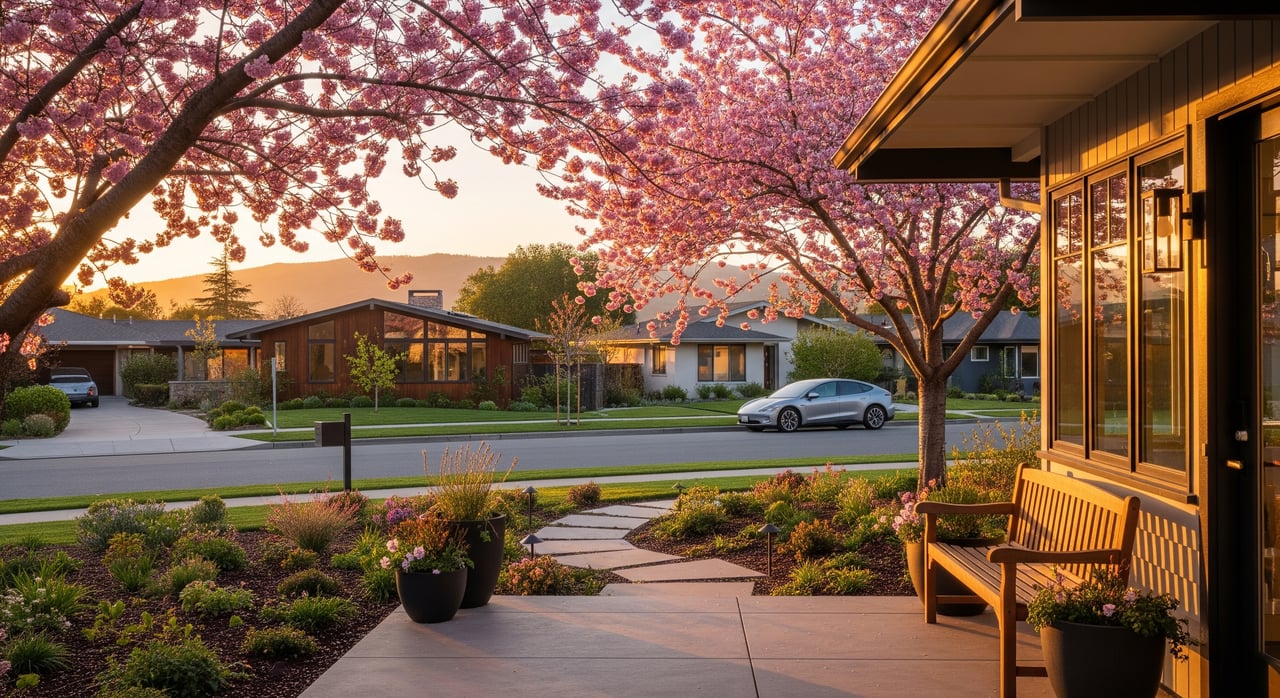
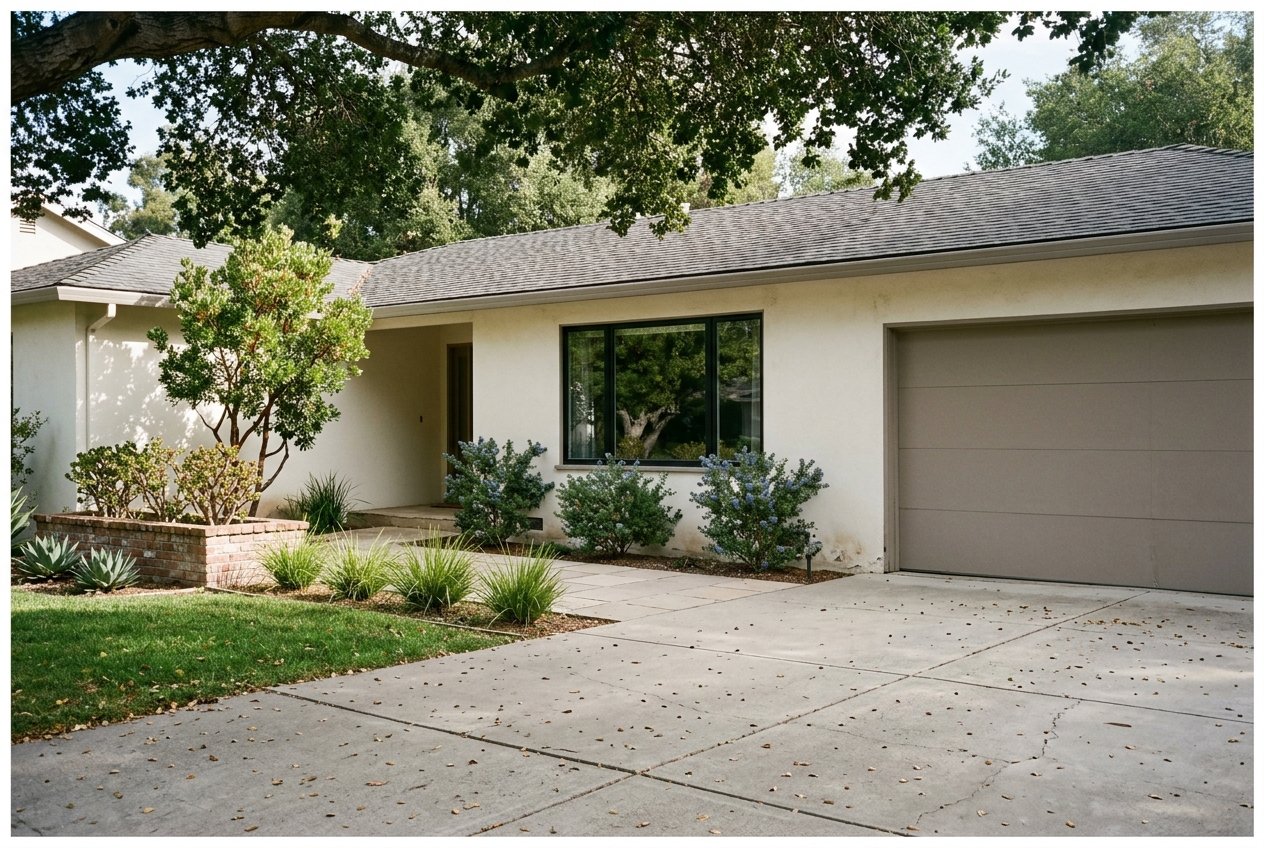
The everyday backbone is the post-war mid-century ranch home, concentrated in areas like Cherry Chase, Cumberland, and Ponderosa. These are classic single-story three-bed, two-bath stucco layouts from the 1950s and 60s, with attached garages and decent backyards, most of them modernized inside over the years.
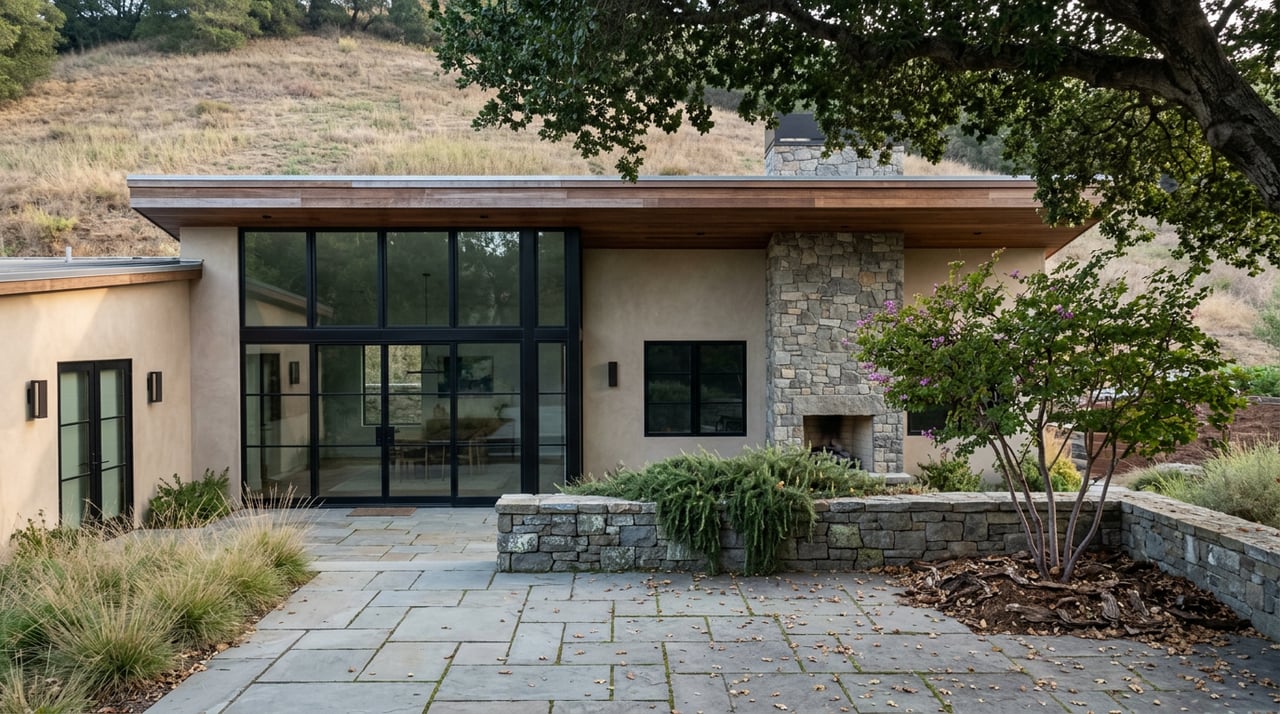
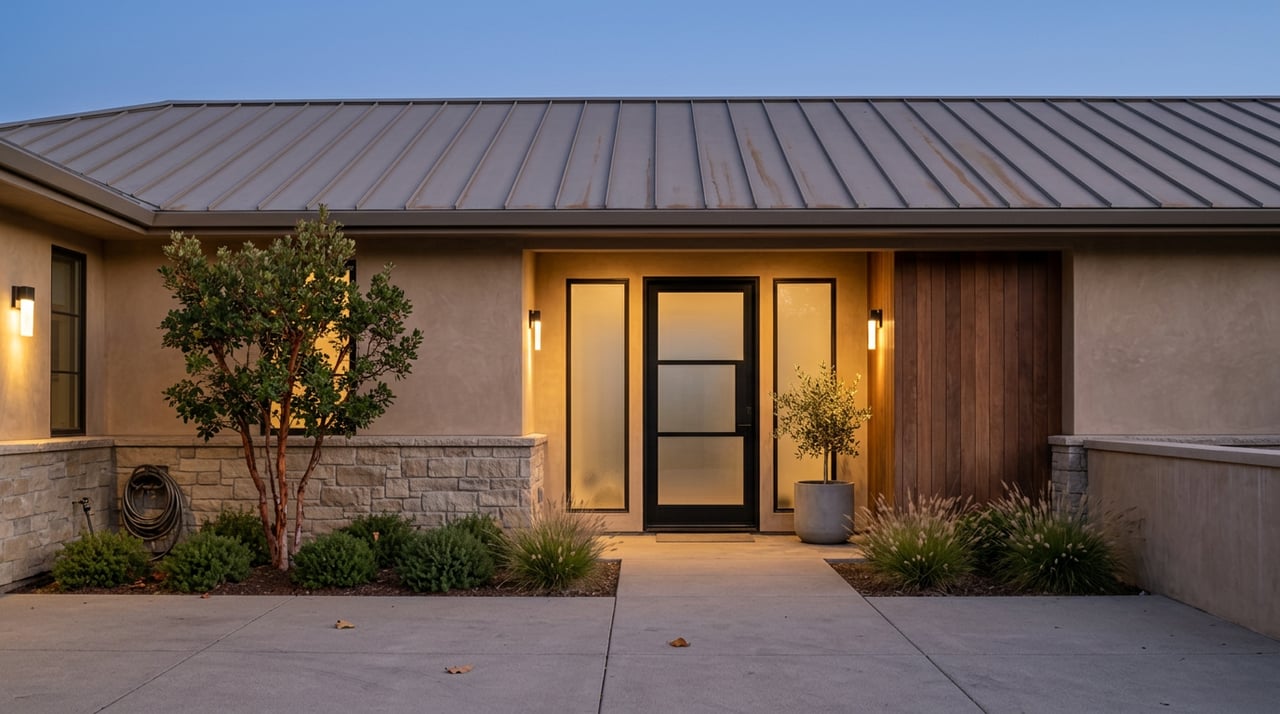
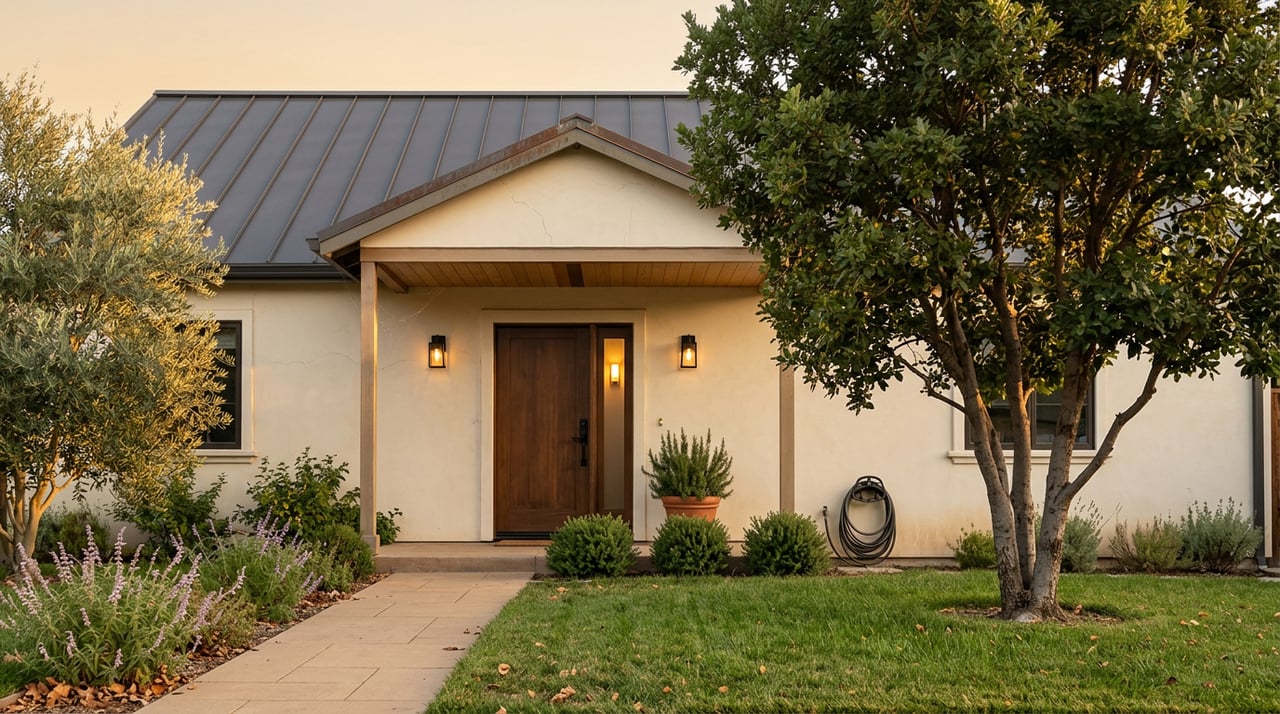
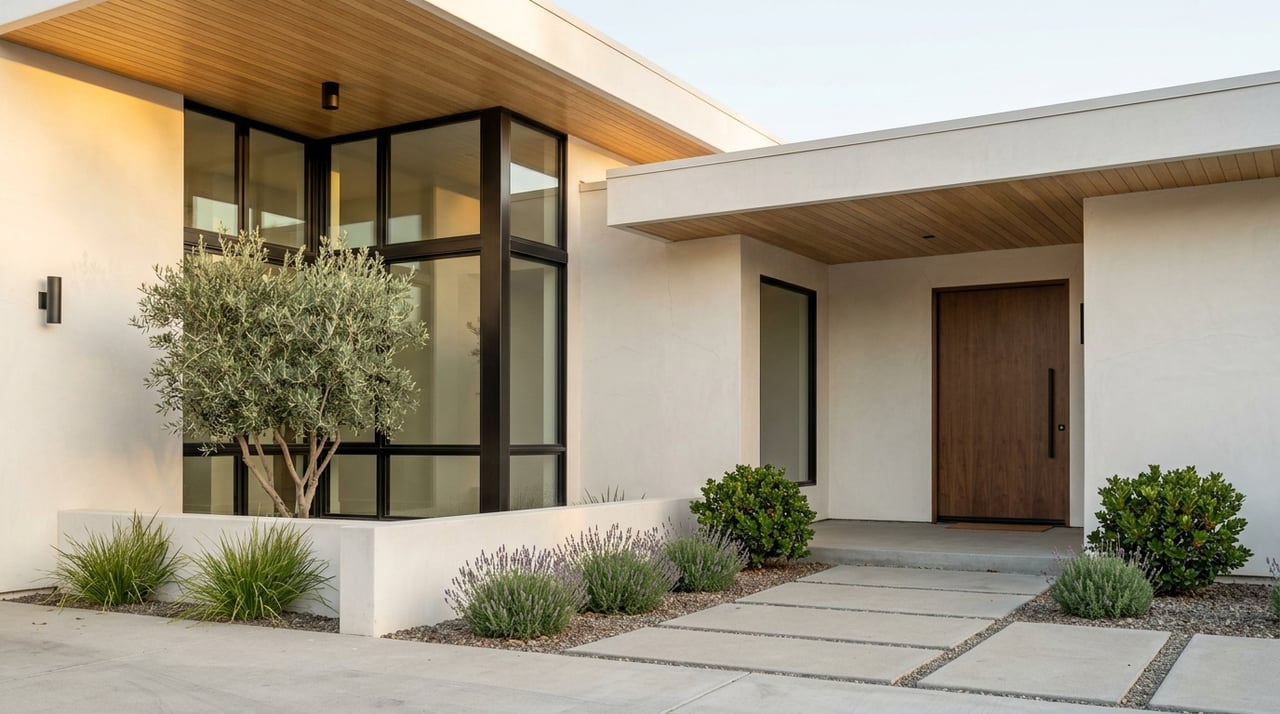
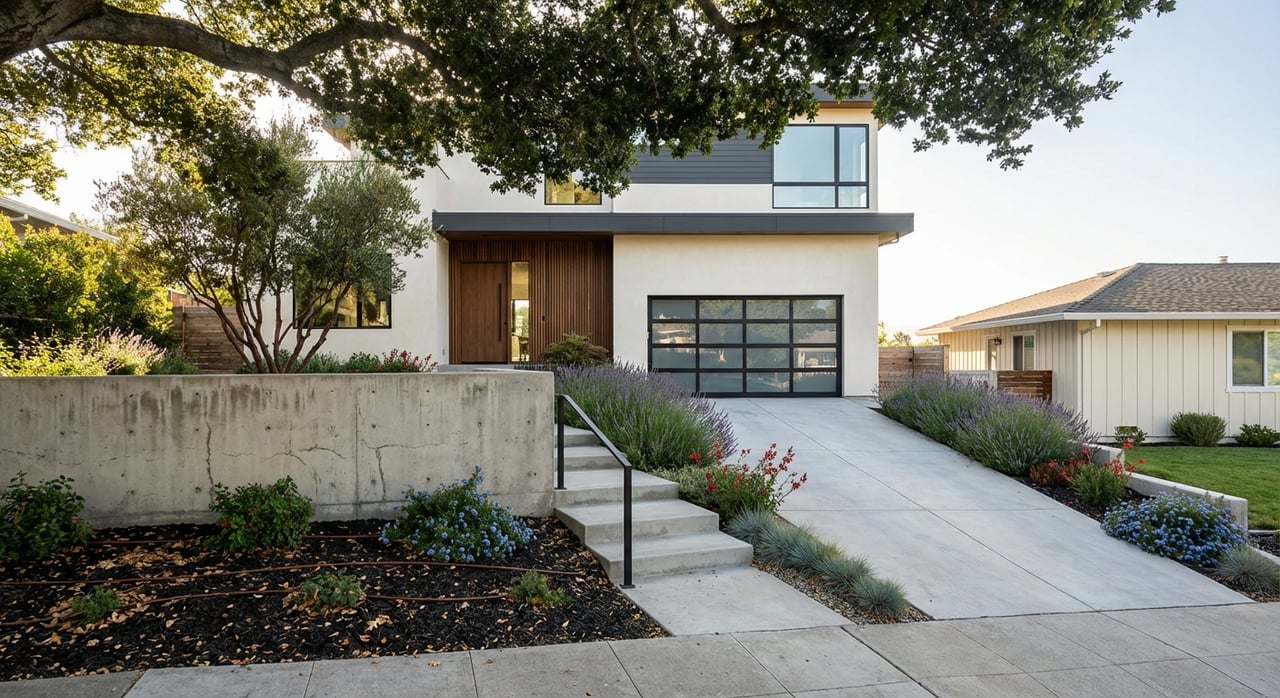
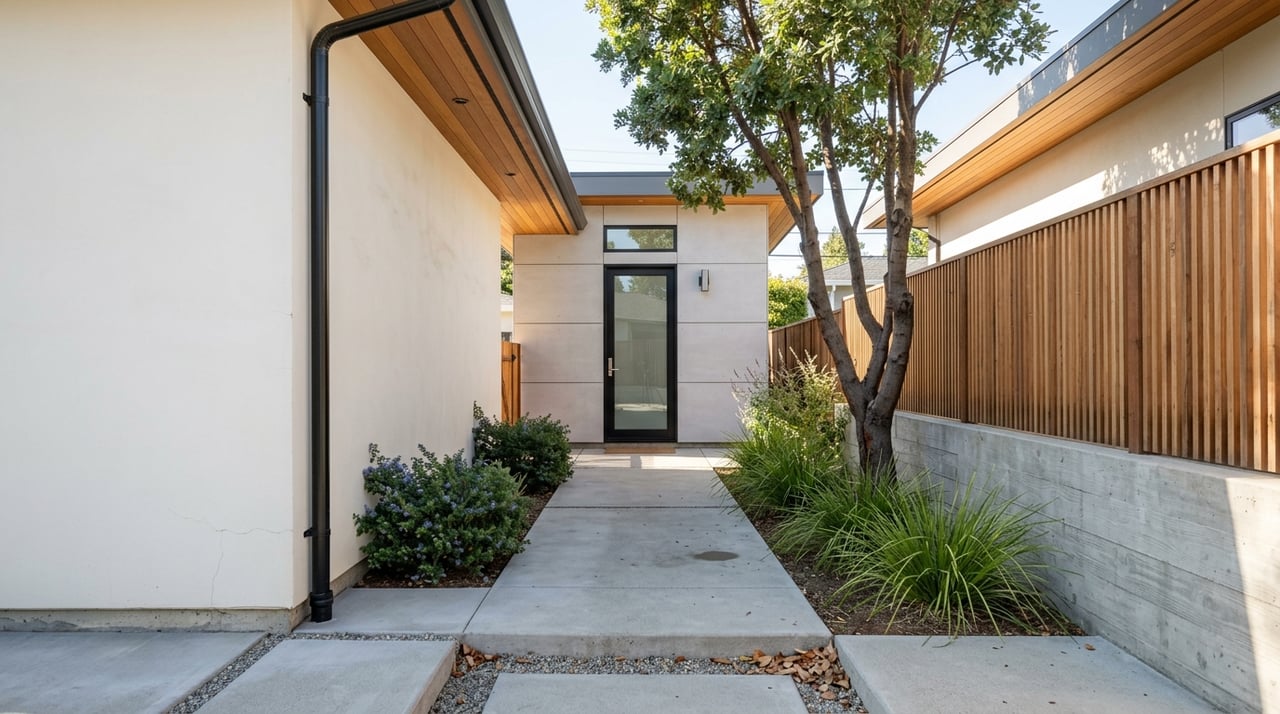
The fastest-growing style is contemporary high-density infill, the sharp geometric townhomes built in the last five to ten years, typically three stories with a ground-floor garage or office, an open second-floor kitchen and living area, and bedrooms above, often topped by a private rooftop deck. Finally, there's a steady trickle of custom modern mega-homes, where investors scrape original 1,200-square-foot ranches and rebuild 3,000-plus-square-foot modern farmhouse or contemporary homes that stand out sharply against the low-slung mid-century streetscape.
Sunnyvale is one of the more transit-accessible and bike-friendly hubs in Silicon Valley, and it works well whether you drive, ride, or pedal. For drivers, the 101/280/85 framework plus expressways like Lawrence and Central make most of the region quickly reachable; traffic crawls during the standard morning and evening rush windows, but the central location keeps commute times comparatively reasonable.
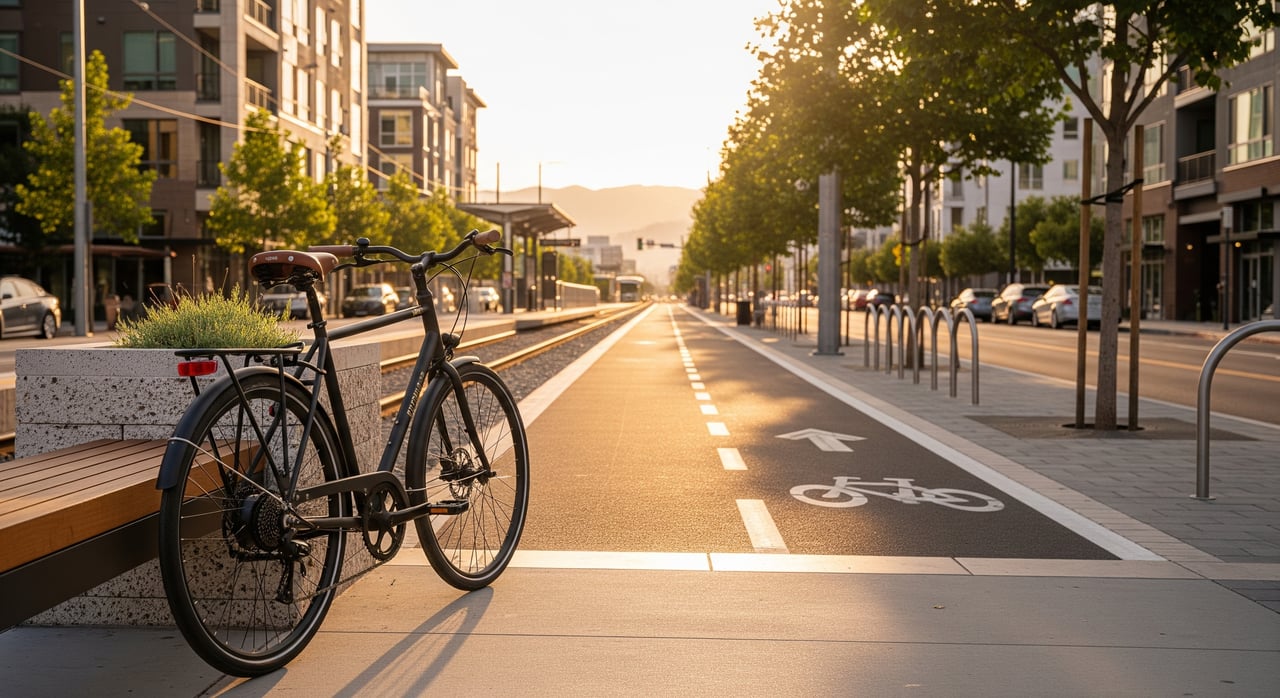
For transit, the Downtown Sunnyvale Caltrain station anchors the city, and VTA buses plus a light rail line in the north connect residential pockets to the corporate tech parks. The city is also genuinely bike-friendly thanks to flat topography and extensive dedicated lanes, with paths like the Stevens Creek Trail connection drawing plenty of e-bike commuters. Parking, unlike SF or Oakland, is generally abundant and free in residential neighborhoods, and downtown has large free subterranean structures under the CityLine/Whole Foods area.
For family buyers, school boundaries are often the single biggest driver of a home's value, and Sunnyvale is unusually fragmented: three elementary districts and two high school districts. Always cross-reference a specific address against the district's official boundary locator rather than trusting a listing site, because lines can split a single street.
Here's how the major zones break down:
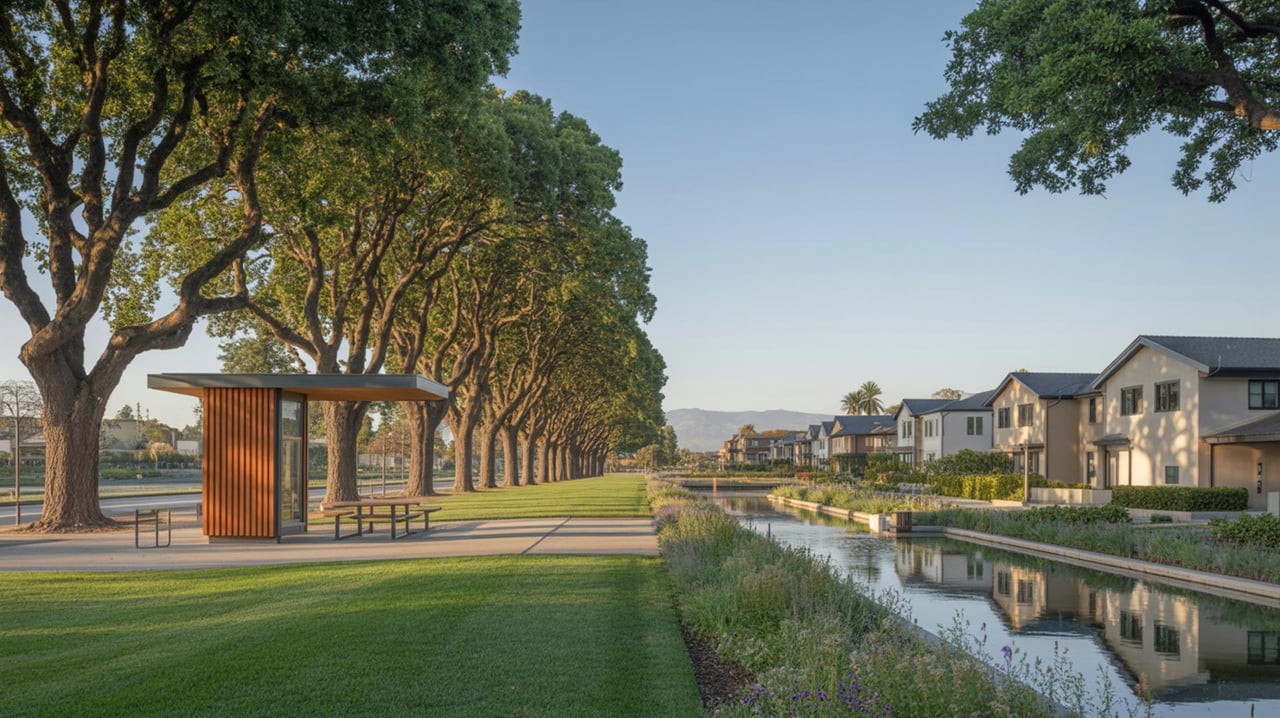
Green space is a real quality-of-life anchor here, and you're rarely more than a few minutes from a park. Neighborhood standouts like Ortega Park and Las Palmas Park (known for tiki-themed play structures, a dog park, and tennis courts) function as weekend hubs for families. In the north, Baylands Park offers over 100 acres alongside active wetlands, with South Bay views and a seamless connection to the regional San Francisco Bay Trail. Tying neighborhoods together is the John W. Christian Greenbelt, a paved path running through residential Sunnyvale, with the ongoing East Channel Trail project set to link the southern borders up to the Bay Trail.
The food and entertainment scene mirrors the population: diverse, global, casual, and quality-focused rather than exclusive. The social center is Historic Murphy Avenue, now a permanent pedestrian-only stretch lined with outdoor dining, microbreweries, and wine bars where tech teams grab happy hour and families stroll after dinner. The international population gives the culinary scene real range, from Middle Eastern institutions to dense clusters of Indian street food, hot pot, and ramen.
Nightlife stays low-key. For high-energy clubs you'll head to San Francisco or San Jose's Santana Row; locally it leans toward laid-back pubs, wine lounges, and the popular summer downtown concert series. And the year-round Saturday farmers market downtown is less an errand than a weekly community ritual.
If you're weighing a move into Sunnyvale, having a guide who knows these micro-markets street by street makes a real difference, and that's exactly where the Samit Shah Team comes in. Samit is ranked among the top 0.5% of REALTORS® nationwide and has been named to the Leading 100 in the Bay Area for five consecutive years, with $900M+ in all-time sales and 200+ five-star Zillow reviews built on a calm, data-driven, no-pressure approach. The team's strengths are exactly what this market demands: sharp negotiation, deep local knowledge, and full-service support from pricing and prep through closing. Whether you're buying your first home, navigating a competitive bidding situation, or deciding whether to rent or buy, the team treats every client as a "Realtor for Life" relationship rather than a single transaction.
Reach out to start a conversation: call or text (408) 314-1828, email [email protected], or visit the office at 1133 Minnesota Ave, San Jose, CA 95125. Samit Shah | CA DRE# 01906486.
There's plenty to do around Sunnyvale, including shopping, dining, nightlife, parks, and more. Data provided by Walk Score and Yelp.
Explore popular things to do in the area, including The Poor Woman's Gourmet, Quik Shop Market, and Aim International Independent Distributor.
| Name | Category | Distance | Reviews |
Ratings by
Yelp
|
|---|---|---|---|---|
| Dining | 0.42 miles | 0 reviews | 0/5 stars | |
| Dining · $$ | 0.47 miles | 4 reviews | 2.5/5 stars | |
| Dining | 0.51 miles | 0 reviews | 0/5 stars | |
| Dining | 0.51 miles | 0 reviews | 0/5 stars | |
| Dining | 0.55 miles | 0 reviews | 0/5 stars | |
| Shopping | 0.61 miles | 0 reviews | 0/5 stars | |
| Shopping | 0.7 miles | 4 reviews | 3/5 stars | |
| Shopping | 0.75 miles | 0 reviews | 0/5 stars | |
| Shopping | 0.77 miles | 0 reviews | 0/5 stars | |
| Active | 0.26 miles | 0 reviews | 0/5 stars | |
| Active | 0.51 miles | 0 reviews | 0/5 stars | |
| Active | 0.51 miles | 0 reviews | 0/5 stars | |
| Beauty | 0.18 miles | 6 reviews | 5/5 stars | |
| Beauty | 0.51 miles | 0 reviews | 0/5 stars | |
| Beauty | 0.51 miles | 0 reviews | 0/5 stars | |
| Beauty | 0.7 miles | 0 reviews | 0/5 stars | |
| Beauty | 0.75 miles | 0 reviews | 0/5 stars | |
| Beauty | 0.85 miles | 0 reviews | 0/5 stars | |
| Beauty | 0.85 miles | 10 reviews | 5/5 stars | |
| Beauty | 0.85 miles | 20 reviews | 5/5 stars | |
| Beauty | 0.85 miles | 0 reviews | 0/5 stars | |
| Beauty | 0.85 miles | 13 reviews | 4.9/5 stars | |
| Beauty | 0.86 miles | 0 reviews | 0/5 stars | |
| Beauty | 0.93 miles | 0 reviews | 0/5 stars | |
|
|
||||
|
|
||||
|
|
||||
|
|
||||
|
|
||||
|
|
Sunnyvale has 58,791 households, with an average household size of 2.59. Data provided by the U.S. Census Bureau. Here’s what the people living in Sunnyvale do for work — and how long it takes them to get there. Data provided by the U.S. Census Bureau. 153,455 people call Sunnyvale home. The population density is 6,956 and the largest age group is Data provided by the U.S. Census Bureau.
Total Population
Population Density Population Density This is the number of people per square mile in a neighborhood.
Median Age
Men vs Women
Population by Age Group
0-9 Years
10-17 Years
18-24 Years
25-64 Years
65-74 Years
75+ Years
Education Level
Total Households
Average Household Size
Average individual Income
Households with Children
With Children:
Without Children:
Blue vs White Collar Workers
Blue Collar:
White Collar:
Search Blossom Valley, San Jose homes for sale, including luxury homes and new listings
Search Cambrian Park, San Jose homes for sale, including luxury homes and new listings
1133 Minnesota Ave San Jose, CA 95125
1133 Minnesota Ave San Jose, CA 95125