Saratoga Homes for Sale & Luxury Real Estate Listings
Search Saratoga, CA homes for sale, including luxury homes and new listings
31,383 people live in Saratoga, where the median age is 51.3 and the average individual income is $124,255. Data provided by the U.S. Census Bureau.
Total Population
Median Age
Population Density
Average individual Income
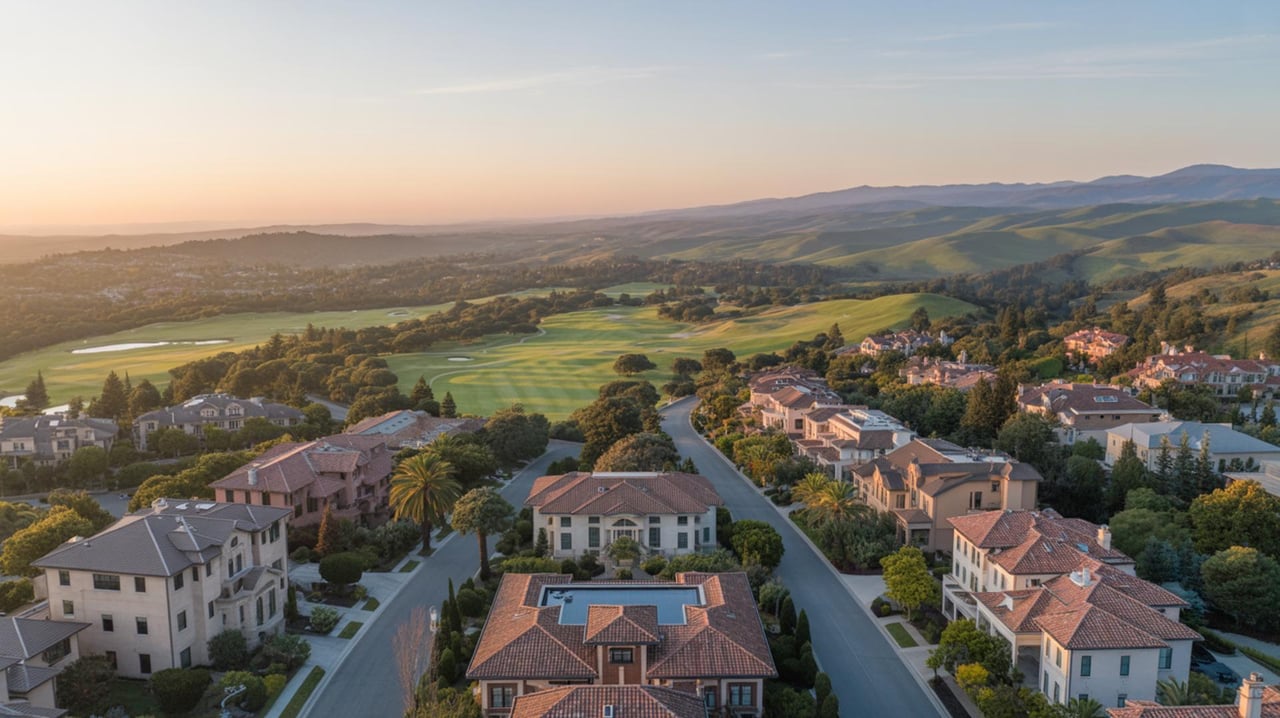
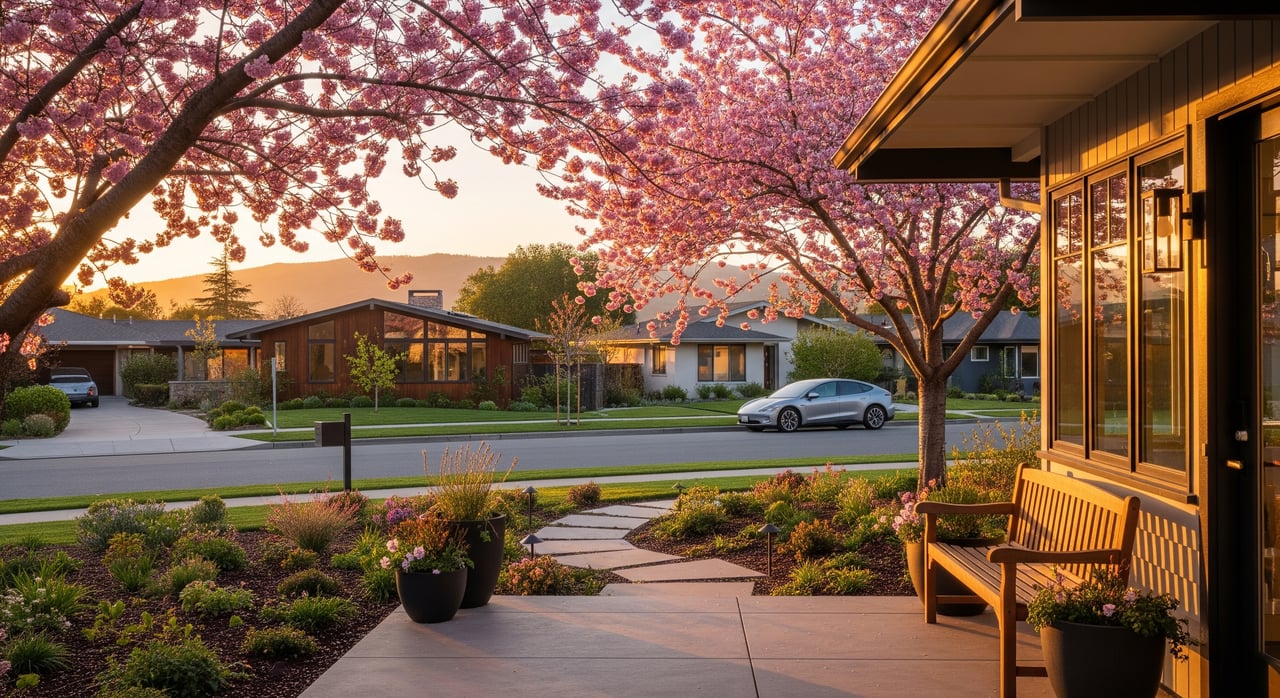
Saratoga is what Silicon Valley looks like when it slows down and takes a breath. Tucked into the foothills of the Santa Cruz Mountains where the valley floor starts to rise, it trades the freeway hum of its neighbors for tree-canopied roads, half-acre lots, and a downtown that still feels like a 19th-century village. It is consistently ranked among the wealthiest and safest suburbs in the country, yet the prevailing mood is understated rather than flashy — old oaks instead of gated ostentation.
The people drawn here tend to share a profile: tech executives and founders who want a short commute to Apple, Google, or Netflix but a long buffer from the density that comes with it, and high-net-worth families who are essentially buying a fifteen-year plan built around the schools. Saratoga rewards people who intend to stay. It is less a place you pass through on the way to somewhere bigger and more a place you settle into permanently.
Saratoga remains one of the Bay Area's most competitive markets, and it operates firmly in the seller's favor. Move-in-ready single-family homes typically sell in roughly 9 to 15 days, and bidding wars are routine rather than exceptional. A majority of homes — somewhere in the 65–70% range — close above their original asking price, with the median sale-to-list ratio running around 103% to 106%. In practice, that means a buyer should expect to pay a premium over the sticker price and plan accordingly.
On price, Saratoga commands roughly 2.4 times the Santa Clara County average. Single-family homes, which make up the bulk of the market, carry a median sale price in the $3.9 million to $4.2 million range depending on neighborhood. The much smaller condo and townhome segment offers a lower entry point, generally $1.0 million to $1.3 million. The takeaway for newcomers: this is a market where preparation and speed matter more than patience, because the inventory that does appear does not sit.
The longer arc here is a shift away from the frantic post-pandemic peaks toward a more normalized, value-driven market — though "normalized" in Saratoga still means seven-figure entry points. Year-over-year figures can look noisy because of composition: a quiet winter quarter with fewer mega-estate closings can drag the median down even when underlying values are flat or rising. Looking past that noise, single-family values have rebounded in recent spring sales with year-over-year gains in the 4.6% to 12.3% range, and price per square foot has continued its steady long-term climb.
Location within Saratoga drives a wide spread. Central Saratoga (95070) and ultra-premium pockets like Fruitvale West and Glen Una routinely push average values past $4.5 million toward $6 million, while areas such as Quito and Sunland Park tend to stay under roughly $3.2 million. Looking ahead, the broader California market is in a phase of measured recovery, and with mortgage rates drifting slowly toward the 6% range, affluent buyers who had been waiting are returning. Because Saratoga's inventory is permanently tight and new construction is sharply limited, sustained demand should keep upward pressure on prices — meaning sellers retain leverage and buyers should expect little room to negotiate.
Saratoga has almost no vacant master-planned land, so its new-build landscape is unusual. There are essentially two paths to a brand-new home here.
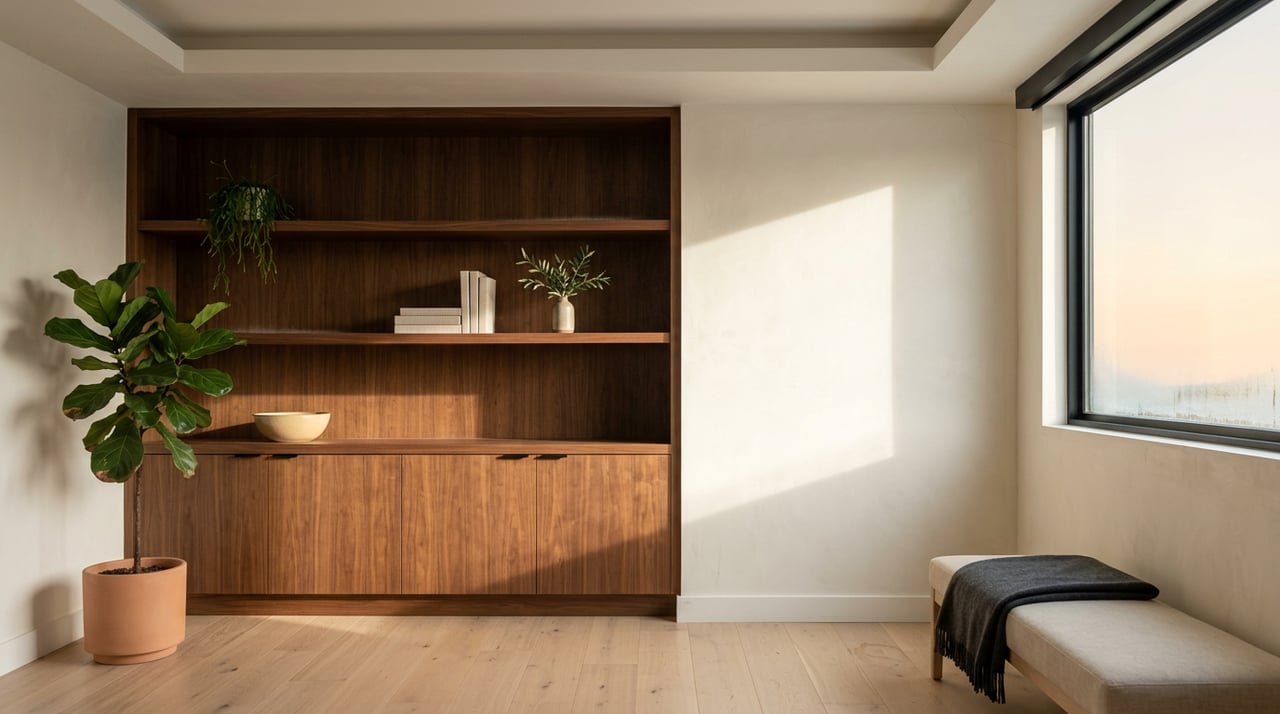
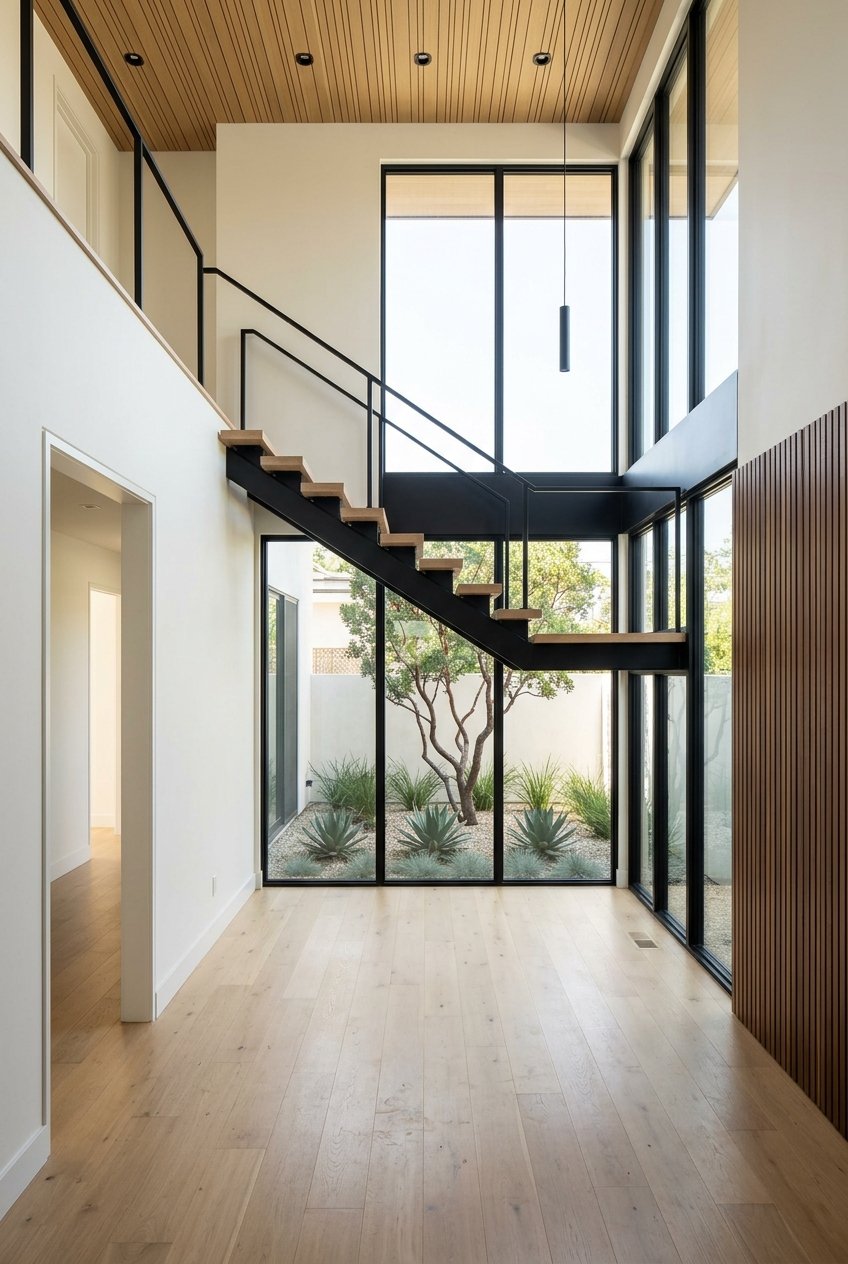
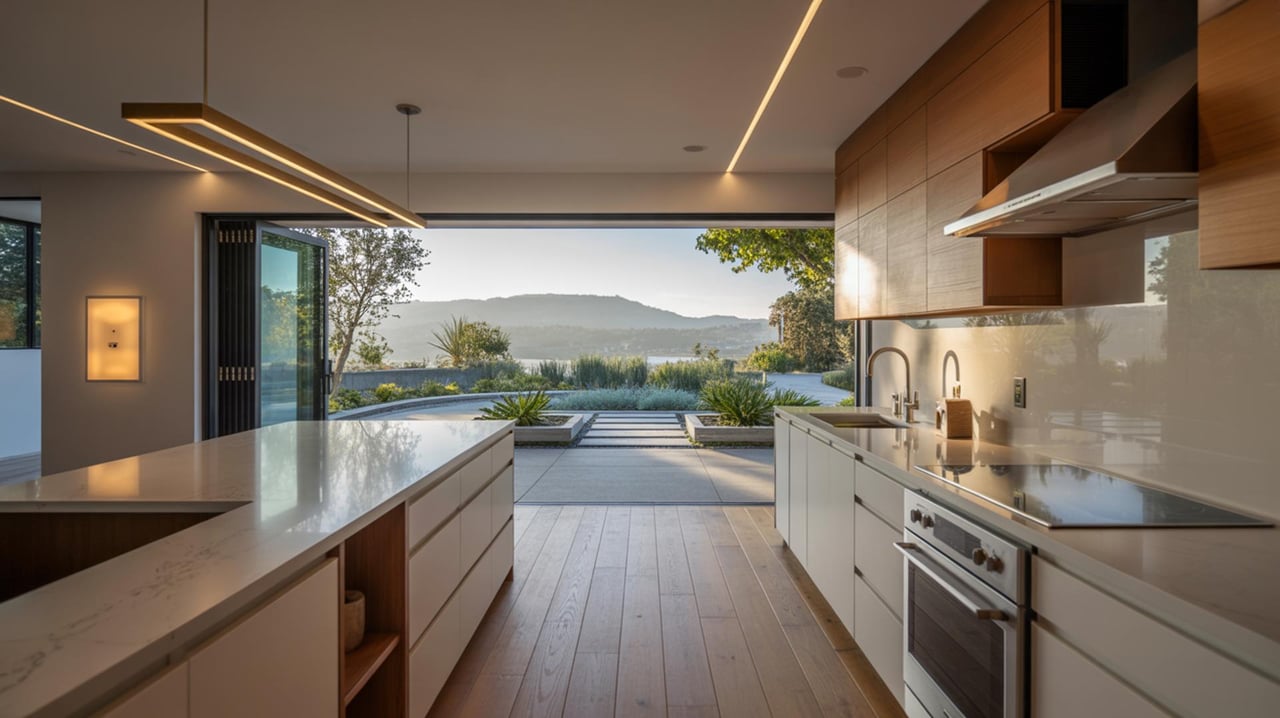
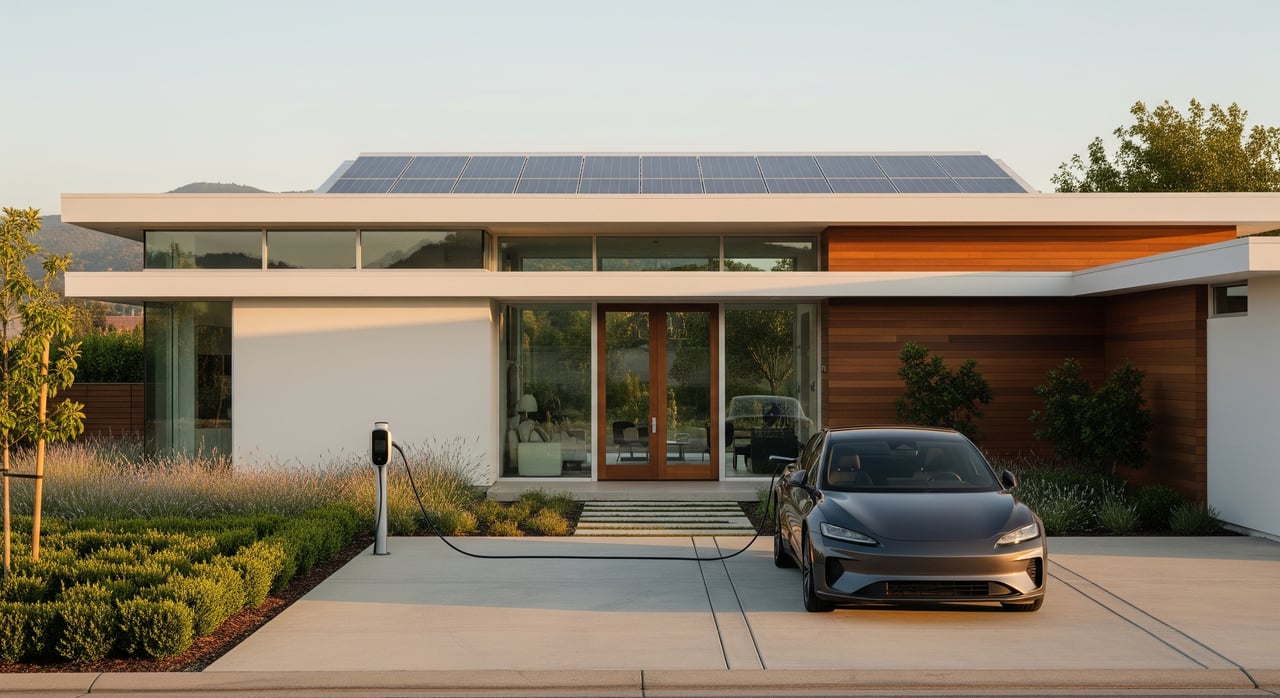
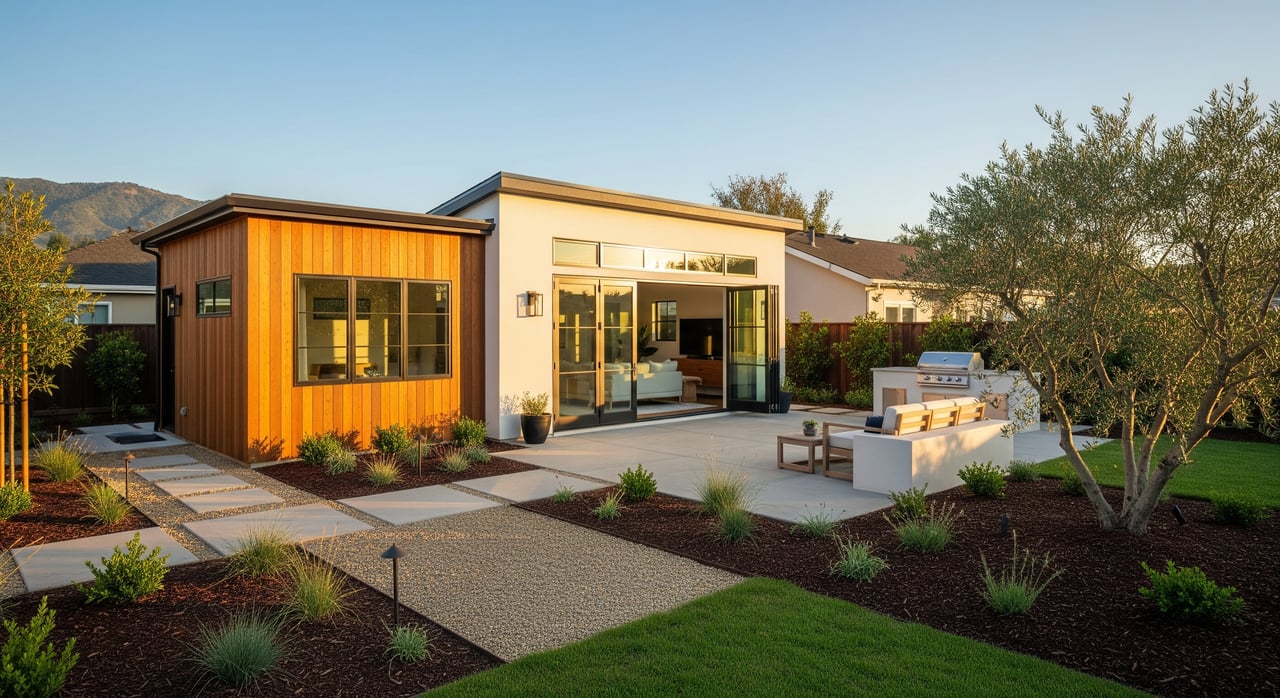
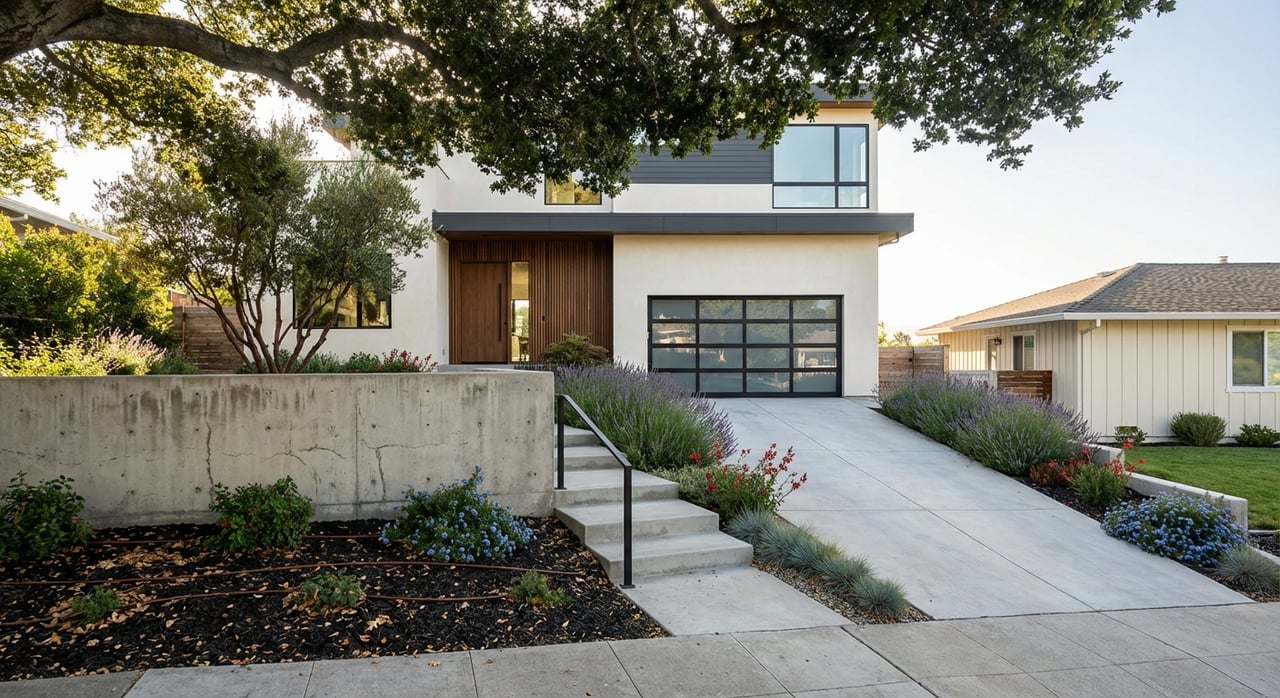
The dominant one is the custom tear-down rebuild. Developers and luxury builders acquire older mid-century ranch homes on half-acre to multi-acre lots, demolish them, and replace them with sprawling modern estates. Regional boutique builders like De Mattei Construction and Gentry Builders, along with private architects, drive most of this work. These finished homes typically list between $5 million and $14 million, run the stylistic gamut from Modern Farmhouse to Contemporary Mediterranean, and arrive loaded — smart-home systems, detached ADUs, and professional-grade kitchens are standard at this tier.
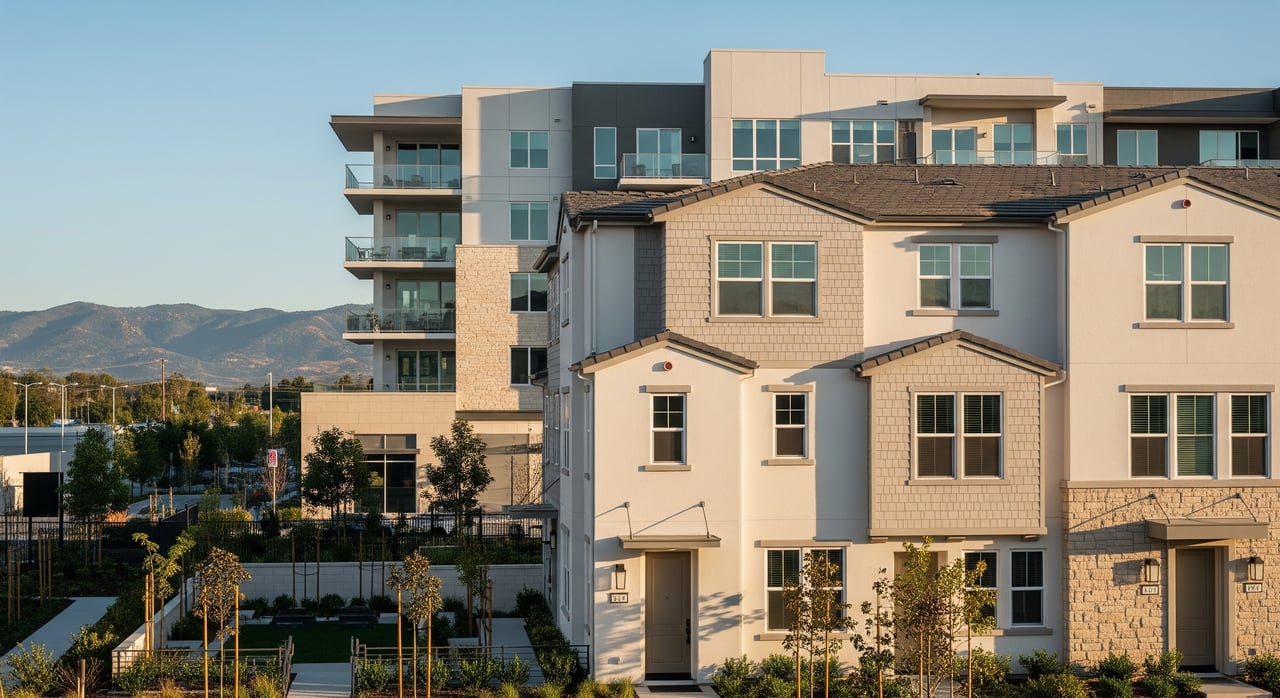
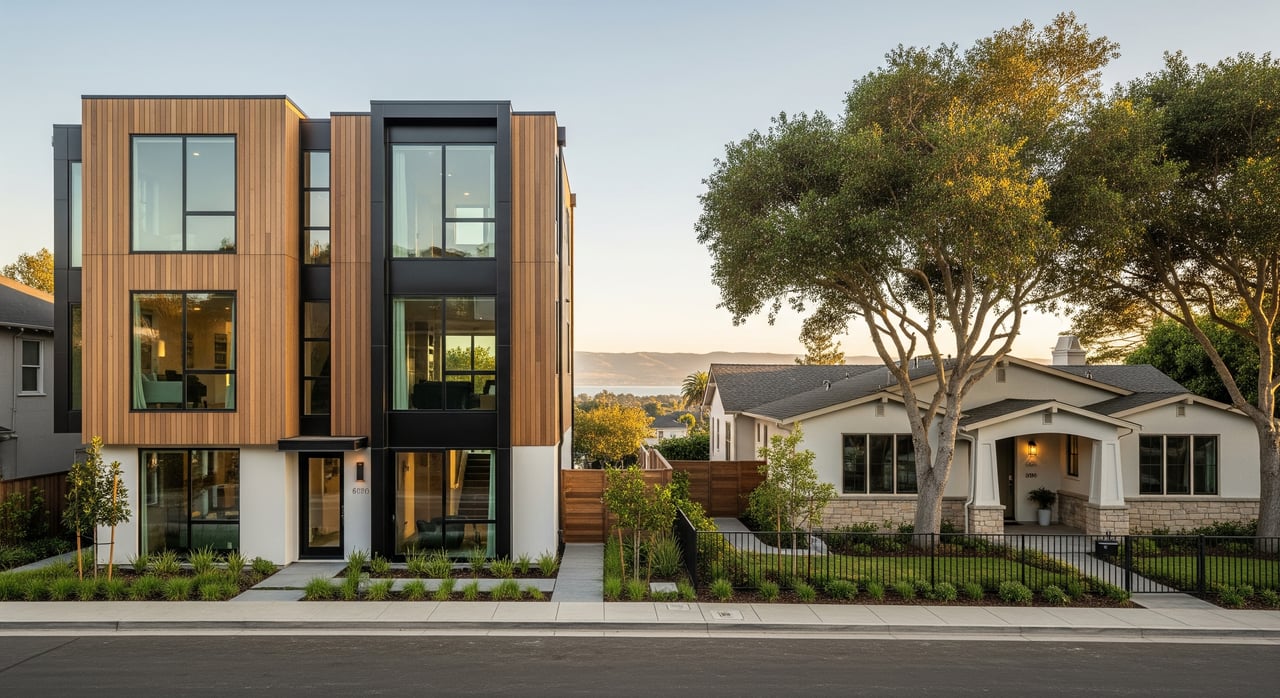
The second, far rarer path is high-density luxury infill. To help meet state housing mandates, the occasional parcel of commercial or transitional land gets converted into a townhome community. National builders such as Pulte Homes have led this segment (their development The Elms is a recent example), delivering multi-story townhomes of roughly 1,500 to 2,700 square feet priced between $1.7 million and $2.5 million. For Saratoga, this is the closest thing to a lock-and-leave lifestyle.
Buying here is best approached like a corporate acquisition: prepared, fast, and well-advised. With a median of about 11 days on market and two-thirds of homes selling above asking, hesitation is expensive. A large share of buyers leverage liquid stock and submit all-cash or non-contingent offers, which sets the bar competing buyers must clear.
The property you're competing for usually falls into one of three categories. The Saratoga Ranch — single-story homes from the 1960s and '70s on 10,000-plus-square-foot lots — is the classic target for renovation or rebuild. Hillside and foothill estates in the Santa Cruz foothills offer privacy and valley views at the top of the price range. Luxury townhomes, clustered near El Quito and Saratoga Village, appeal to downsizers and professionals who want central access without the upkeep.
The contingency culture here is worth understanding before you write an offer. Sellers almost always provide a comprehensive pre-inspected disclosure packet covering property, roof, and termite reports ahead of the offer deadline. The expectation is that buyers review those with their own contractors in advance and waive the inspection contingency when they bid. Buyers using jumbo financing routinely work with specialized Silicon Valley lenders to secure fully underwritten pre-approvals, which lets them confidently waive appraisal and financing contingencies as well. Skipping that preparation generally means losing to someone who did it.
Saratoga's geography and local ordinances create a few friction points that catch newcomers off guard. A handful deserve real attention.
If your search moves west of Highway 85 or up into the foothills — Glen Una, Bohlman Road, Mount Eden — you are buying inside the Wildland-Urban Interface. The city enforces CAL FIRE's Fire Hazard Severity Zone standards, and sellers must provide a compliance report showing proper 100-foot defensible-space clearing before closing. The harder issue is insurance: many legacy carriers have retreated from California foothill zones, so buyers should budget for high-premium surplus lines or the state's FAIR Plan, which adds meaningful monthly carrying cost.
Saratoga also has unusually strict tree protections. You cannot simply remove a tree because it blocks a view or complicates a remodel. Any "significant tree" — native species like Coast Live Oaks and Redwoods, or any tree with a circumference over 50 inches — requires an arborist report and a city permit to prune heavily or remove, and violations carry steep fines. Buyers near historic Saratoga Village should additionally expect historic preservation overlays that govern exterior changes, color, and additions. Finally, parts of the foothills sit near branches of the San Andreas fault zone, where landslide risk and expansive clay soil are genuine considerations; the Natural Hazard Disclosure and any foundation or structural engineering reports are not sections to skim, especially on tiered hillside homes.
Saratoga's math looks different from almost anywhere else in the country, mostly because of its extreme price-to-rent ratio — frequently between 35 and 48 depending on the neighborhood. As a rule of thumb, any ratio above 20 tilts the short-term cash-flow argument toward renting, and Saratoga is well past that line. The reason is the gap between purchase price and rent: the median sale price hovers around $4.0 million, while renting an entire single-family home runs roughly $7,000 to $9,500 a month ($84,000–$114,000 a year).
Here is the same decision laid out by financial vector:
| Renting a Saratoga House | Buying a Saratoga House | |
|---|---|---|
| Monthly cash outlay | Lower — fixed rent of ~$7K–$9.5K, no property tax or maintenance exposure | Very high — a mortgage on a $4M home (20% down at ~6%) runs roughly $19,000–$21,000/mo before taxes |
| Upfront capital | Minimal — deposit plus first month's rent | Substantial — about $800,000 liquid for a 20% down payment plus closing costs |
| Long-term equity | None | Significant — appreciation driven by scarce land and elite schools |
The practical read: rent if you're on a temporary two-to-five-year assignment or your liquidity is locked in unvested equity, since renting a single-family home is effectively a way to access Saratoga's school districts without committing millions in a high-rate environment. Buy if you're planning a long stay (seven-plus years), have the liquidity in hand, and want a generational asset — Saratoga's anti-growth zoning caps supply permanently, and Proposition 13 tax protection makes long-term ownership especially favorable for families putting down roots.
For out-of-town buyers, moving to Saratoga means trading Silicon Valley's high-octane energy for a quieter, semi-rural retreat in the foothills — mature tree canopies, winding roads often without streetlights, and a sophisticated but low-key rhythm of life. What surprises most newcomers is how well-located all that tranquility is.
Saratoga borders Cupertino, San Jose, Campbell, and Los Gatos with immediate access to Highways 85 and 17. Apple Park sits about 10–15 minutes away, the Googleplex in Mountain View 20–25 minutes, and Netflix in Los Gatos just 5–10 minutes. Within the city, the neighborhoods have distinct personalities. The Golden Triangle is the coveted, relatively flat central pocket with wide curving streets, larger lots, and the best walkability to everyday amenities. Saratoga Village is the historic downtown along Big Basin Way — ideal for those who want a cottage or lock-and-leave townhome steps from fine dining, wine-tasting rooms, and Wildwood Park. The foothills — Glen Una, Montalvo, Mount Eden — are estate territory, with multi-acre plots, deep privacy, valley views, and cultural landmarks like the Montalvo Arts Center and the Mountain Winery.
One detail relocating families should resolve early: school assignment dictates value here as much as the house itself, and the city is split across four different TK–8 districts. Verifying a specific address against district boundaries before falling for a home prevents an expensive disappointment later.
Saratoga's housing stock reads like a timeline of the town's evolution from a 19th-century logging-and-orchard hub into an ultra-luxury enclave — Victorian cottages, then mid-century ranches, now modern custom estates. Strict low-density zoning, slope constraints, and tree preservation rules have kept the result varied rather than monotonous.
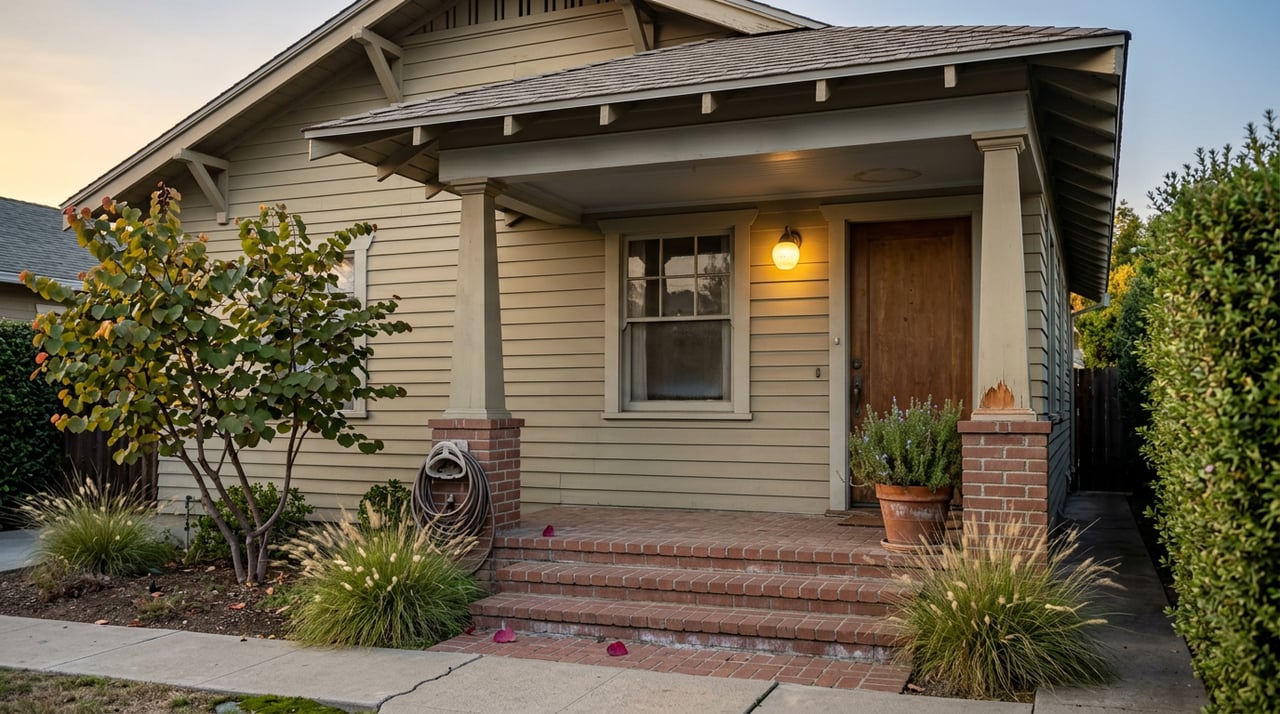
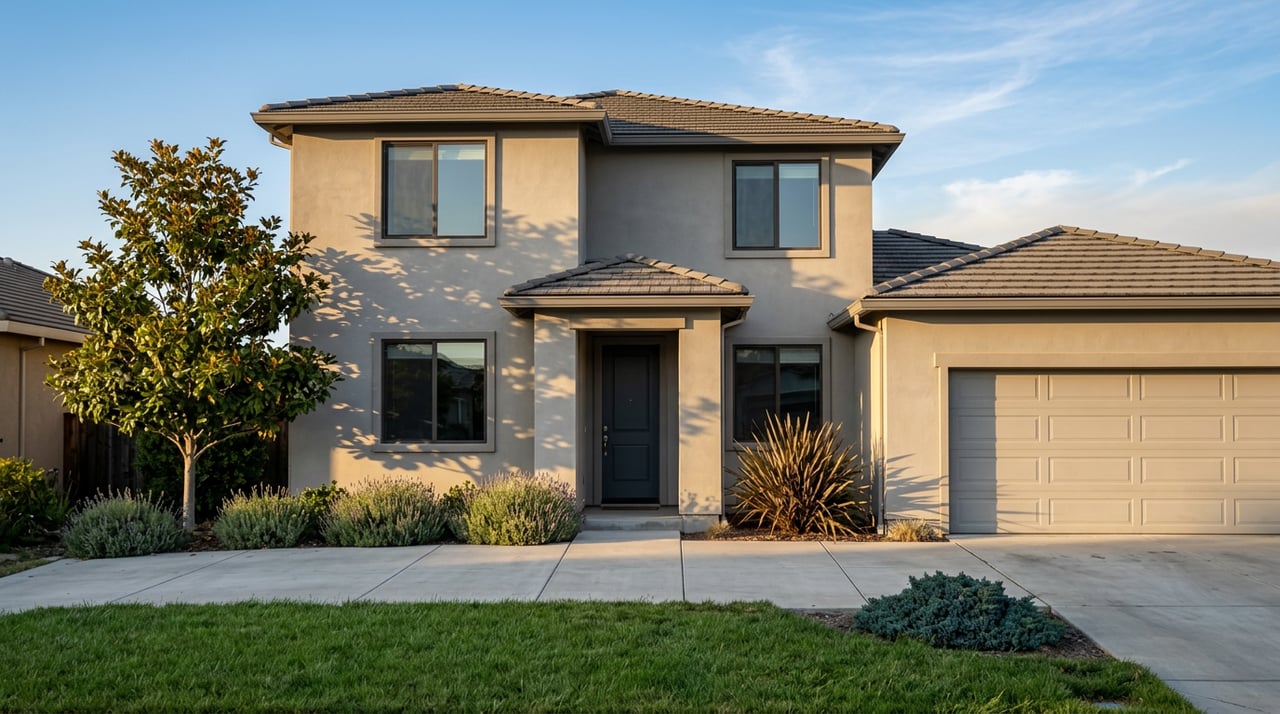
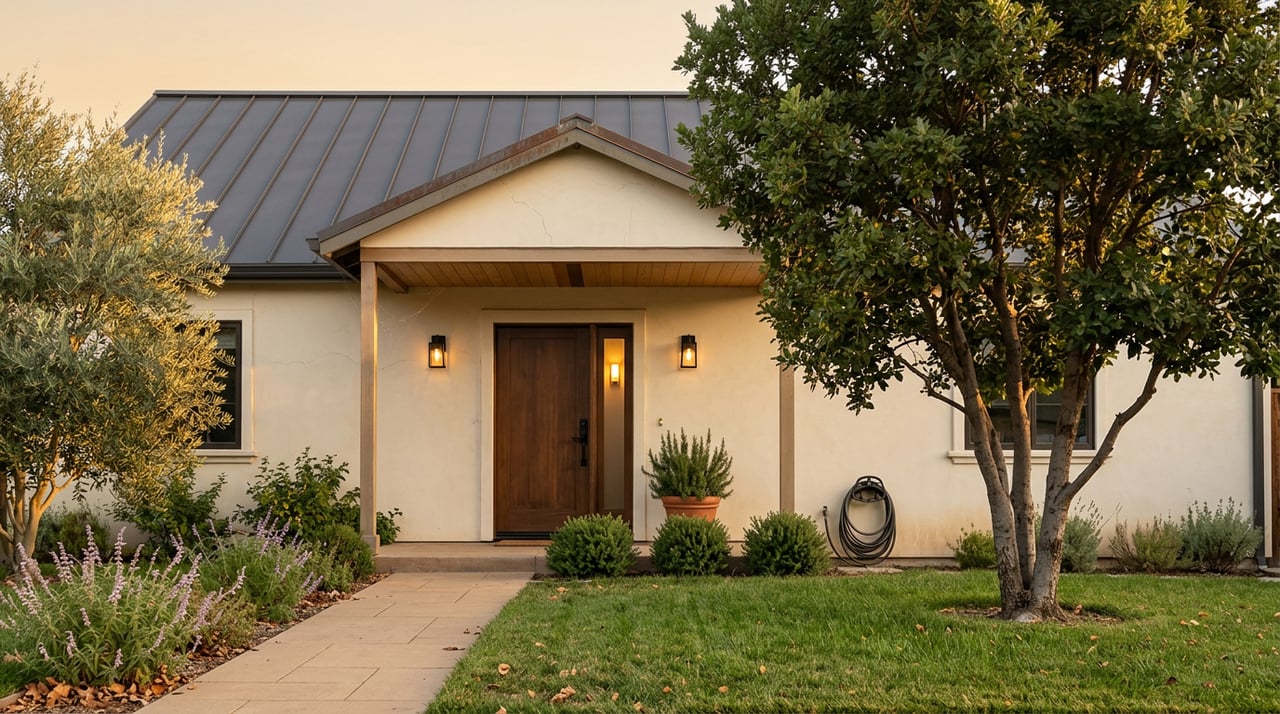
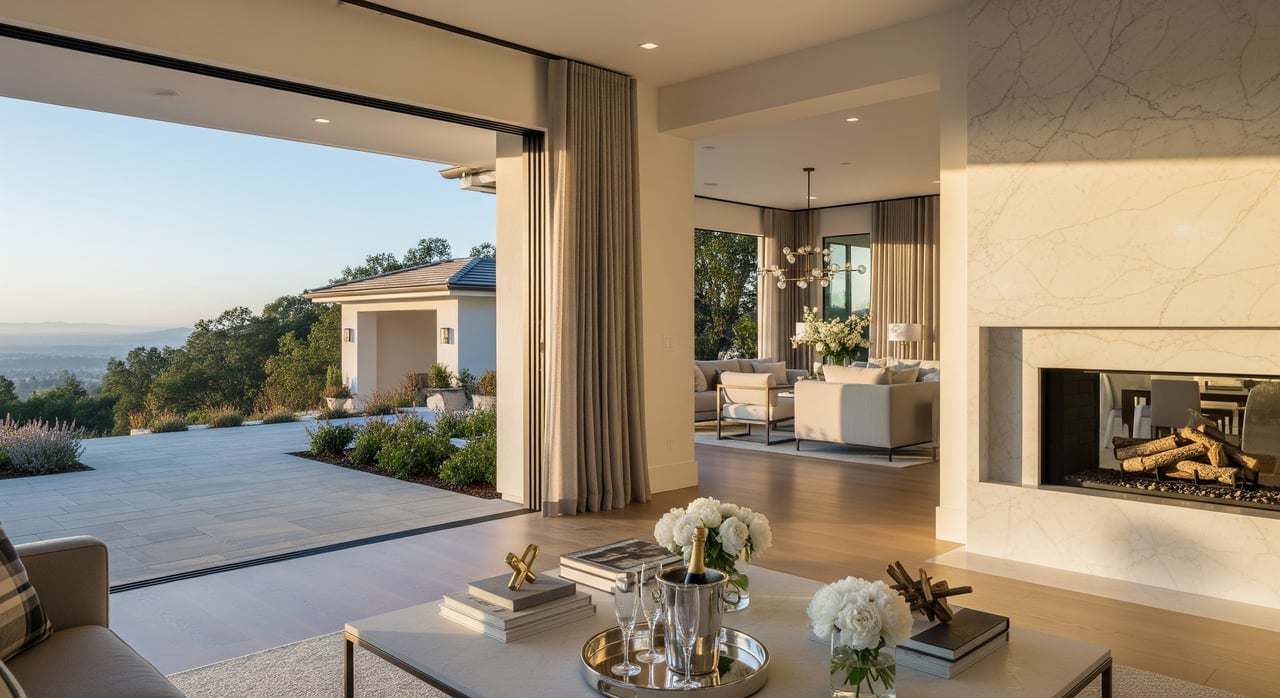
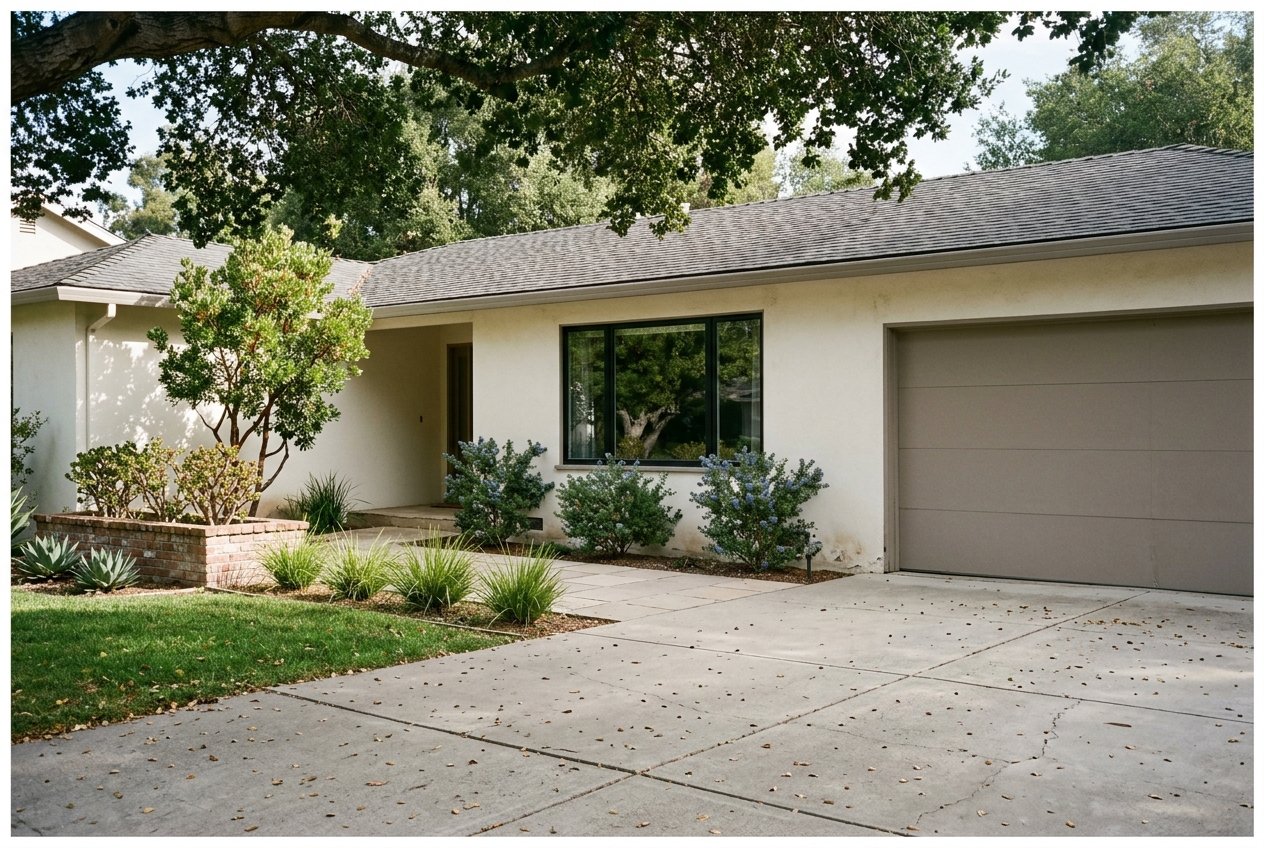
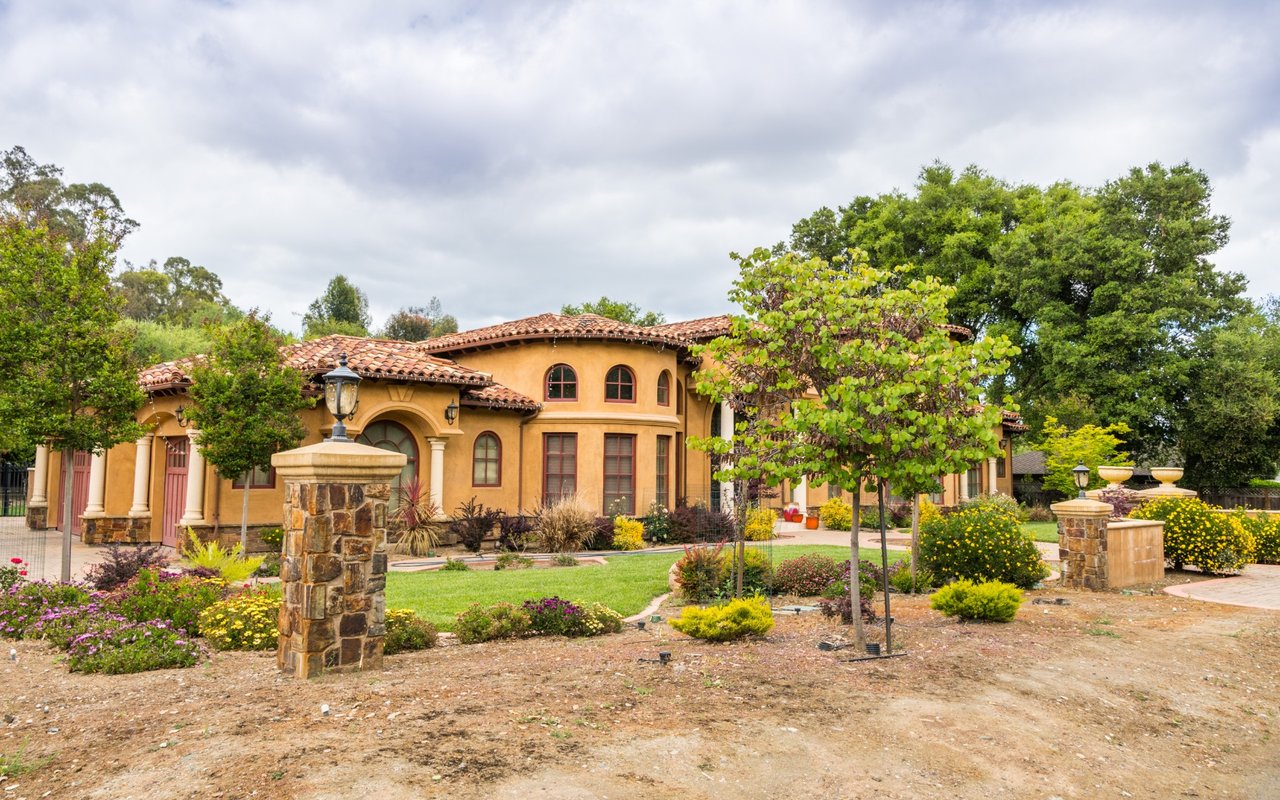
The structural backbone is the California Ranch: sprawling single-story homes from the post-war boom of the 1960s and '70s, with low-pitched rooflines, open plans, and a strong indoor-outdoor emphasis. Because they sit on lots ranging from 10,000 to over 40,000 square feet, they're prized as much for their land as their floor plans — many buyers modernize the existing footprint or rebuild entirely. As you climb west into the hills around Glen Una and Via Regina, the character shifts to dramatic multi-story estates: Spanish and Mediterranean Revival homes with red-tile roofs, stucco, and arched courtyards, alongside French Country and château-style estates built for privacy, with sweeping drives and formal gardens.
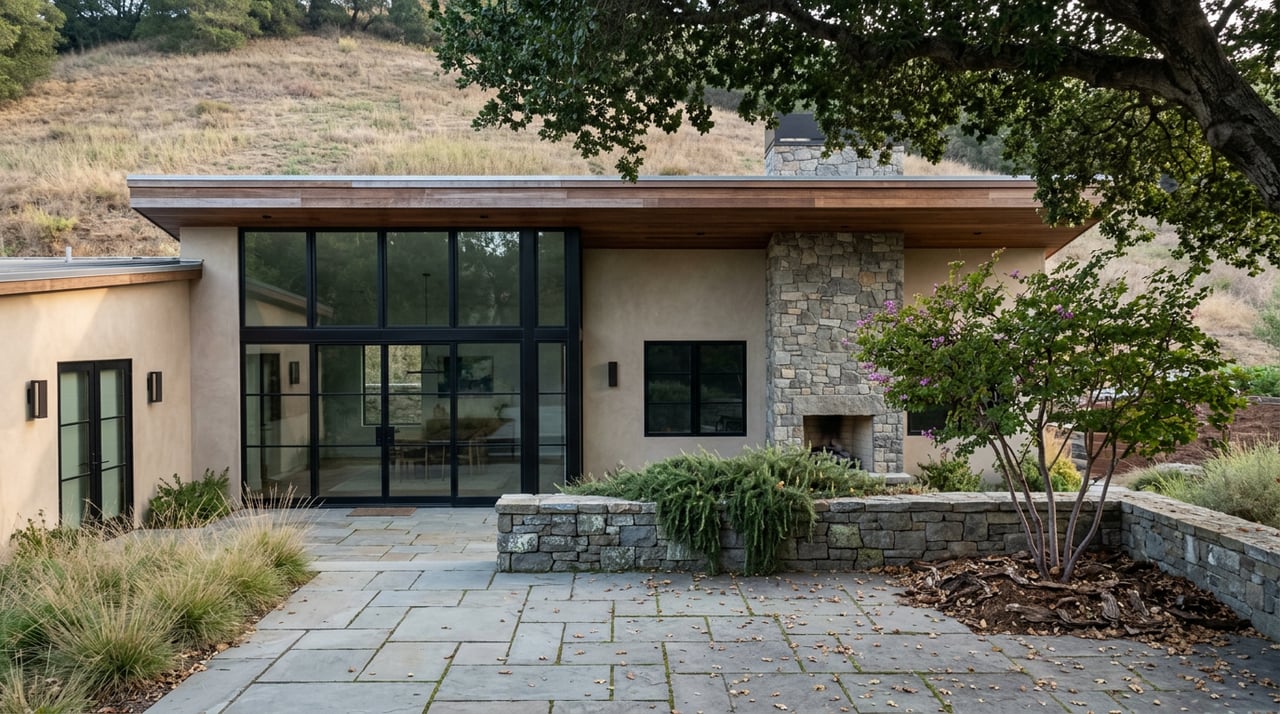
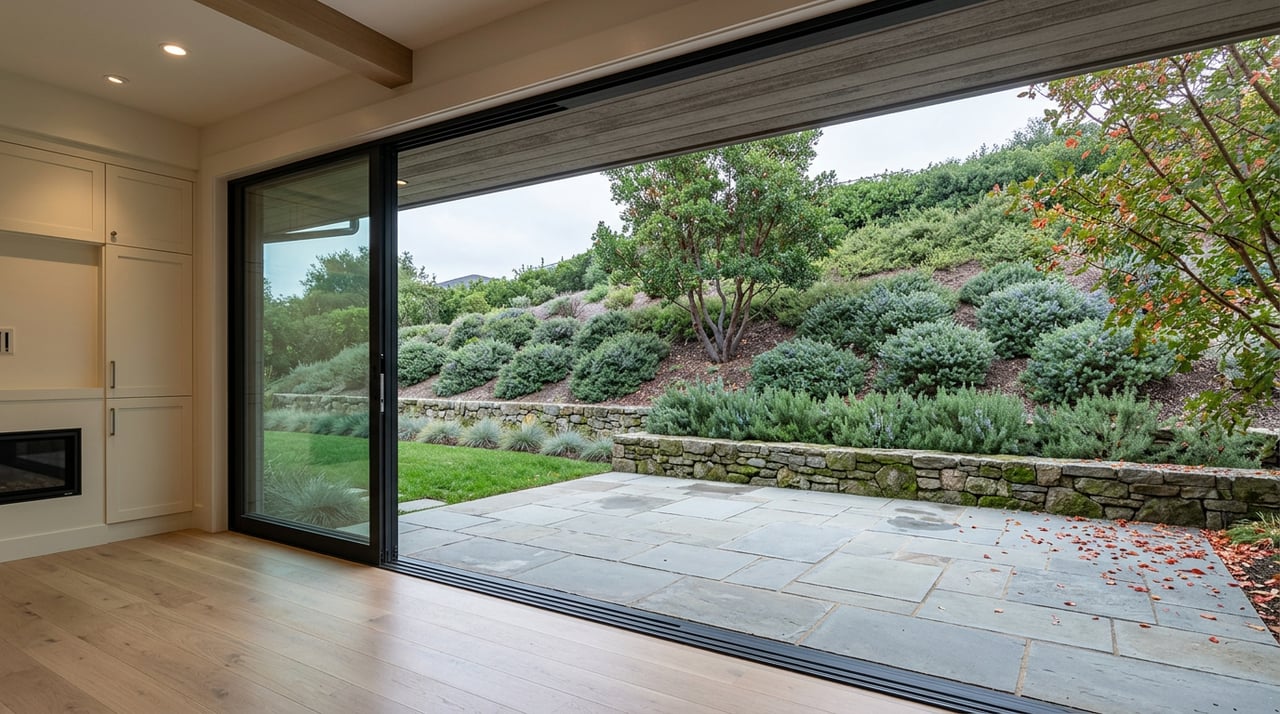
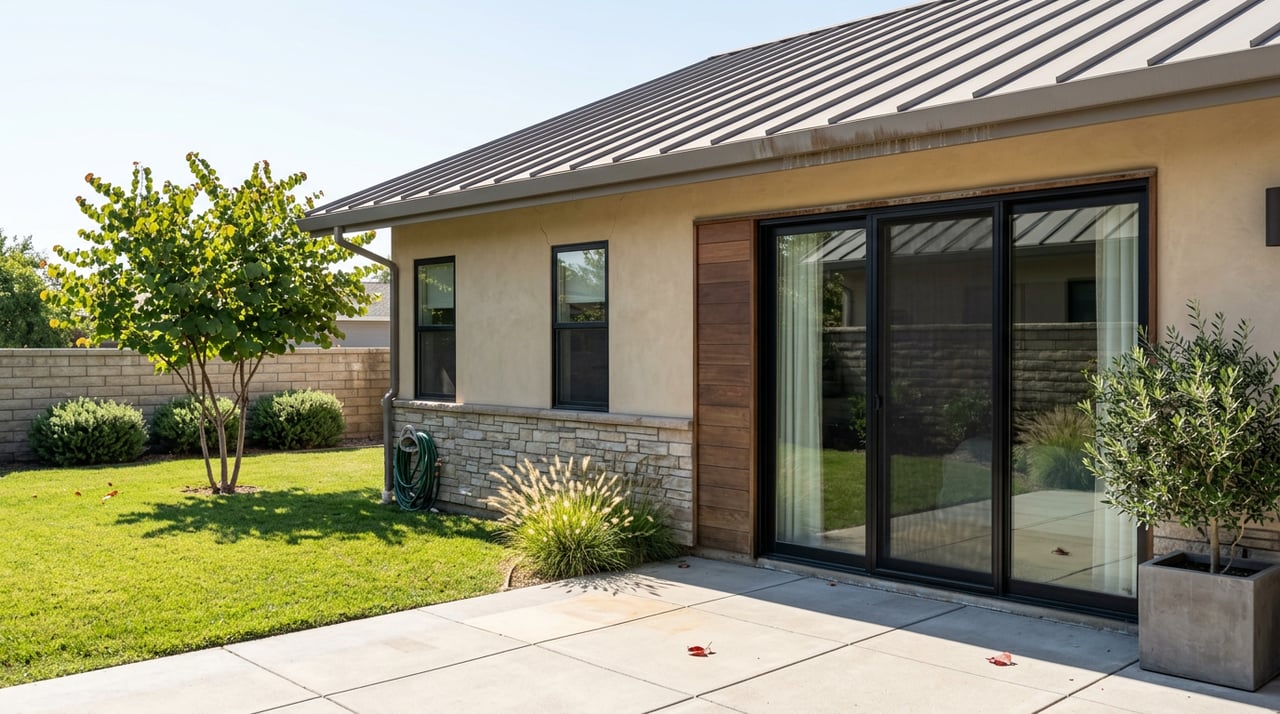
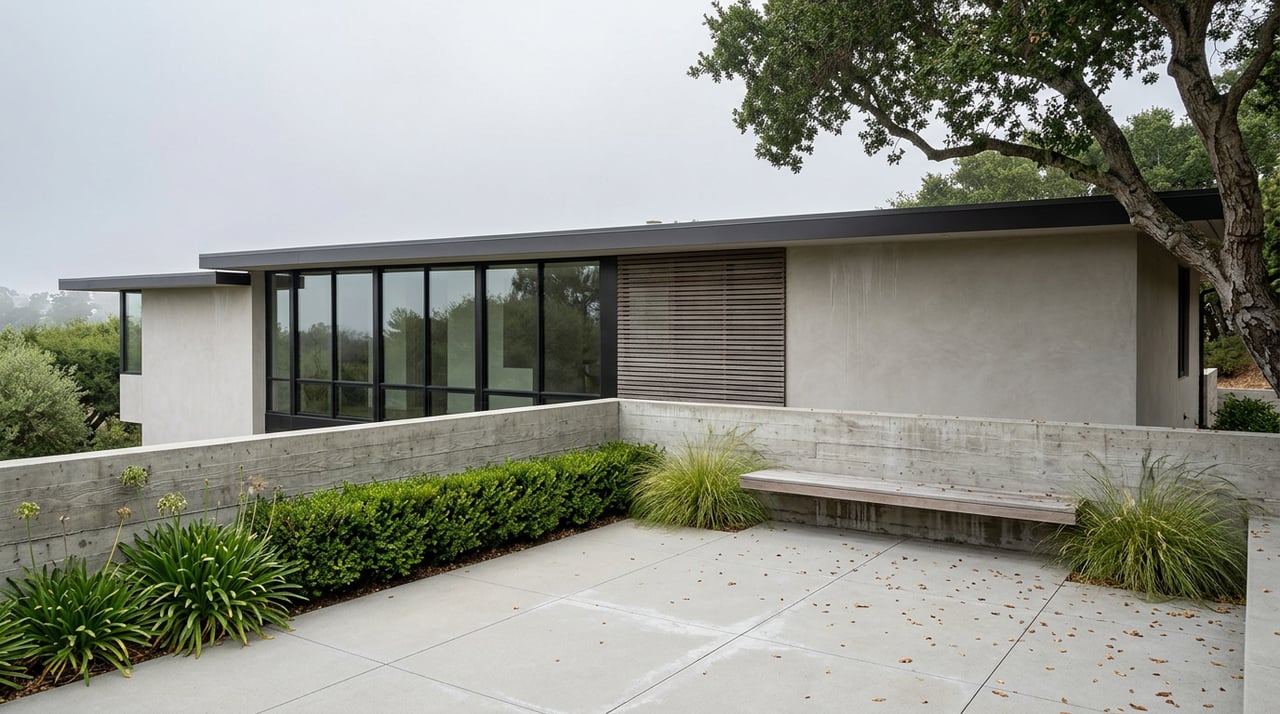
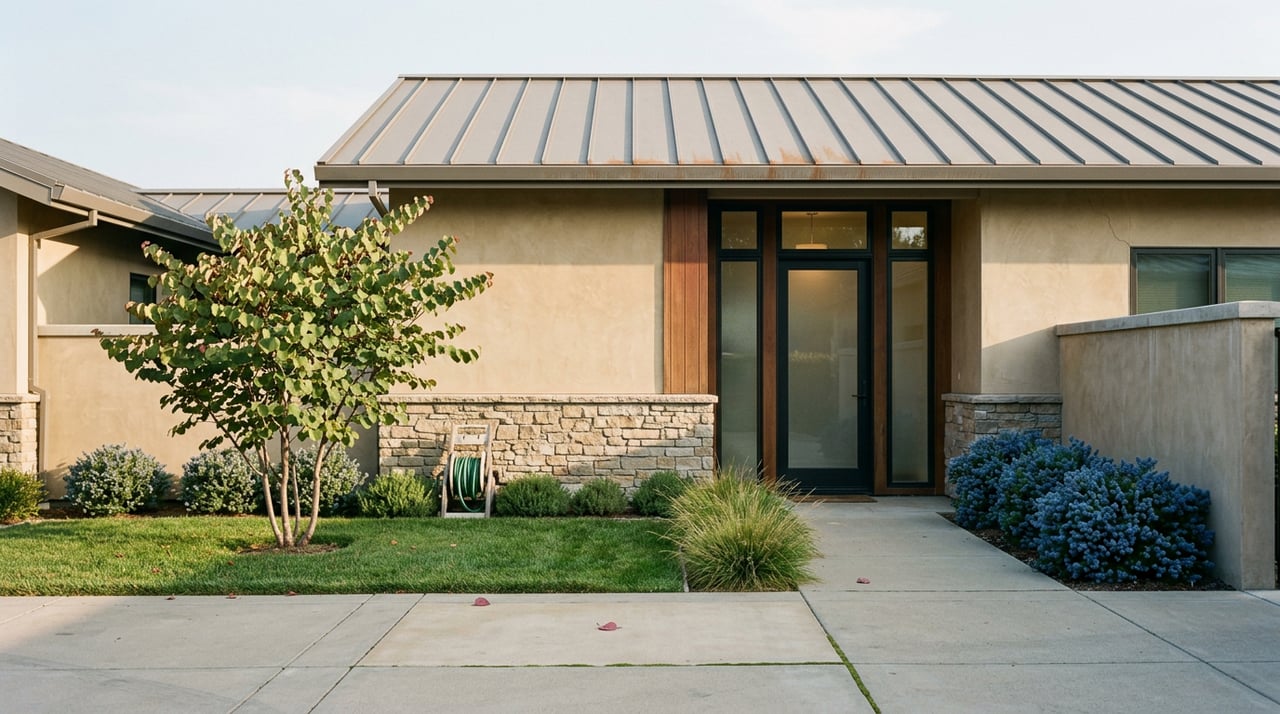
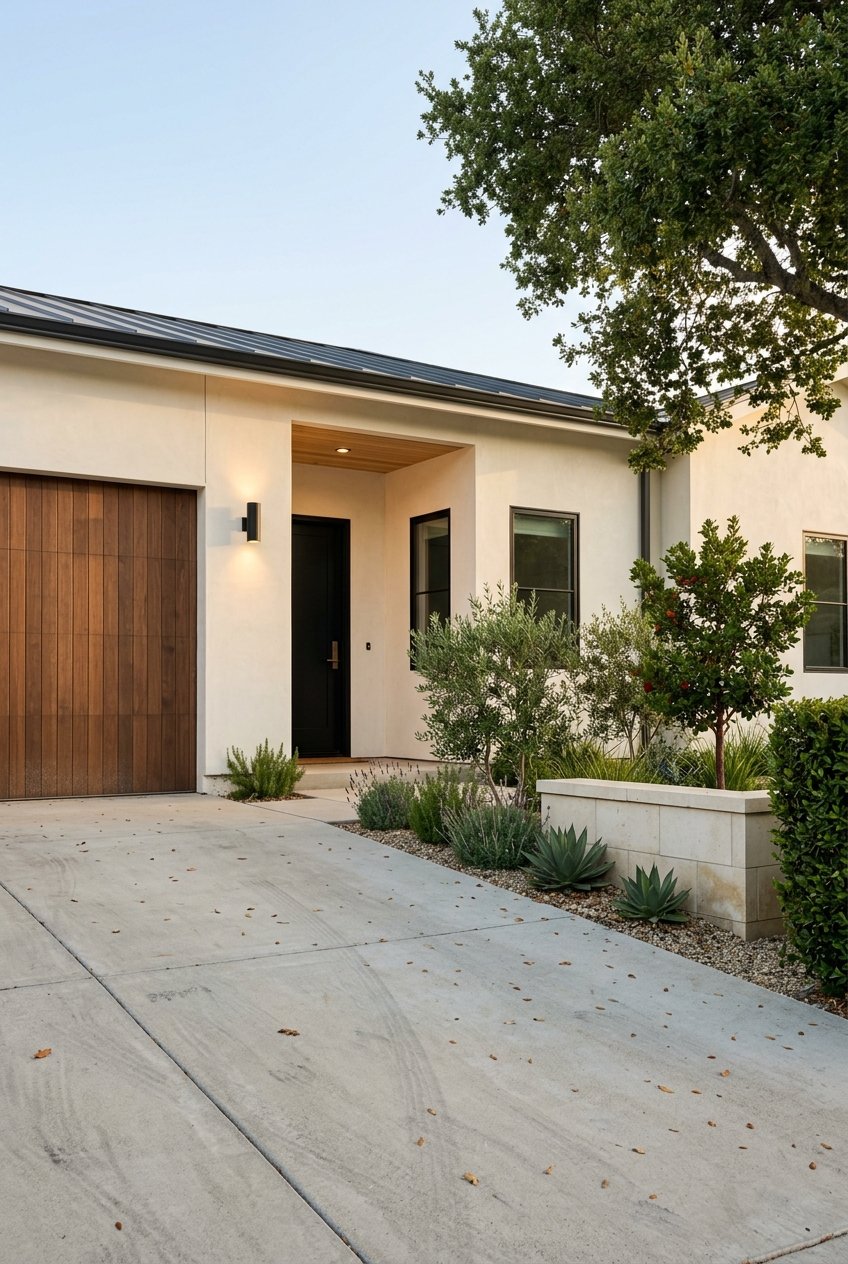
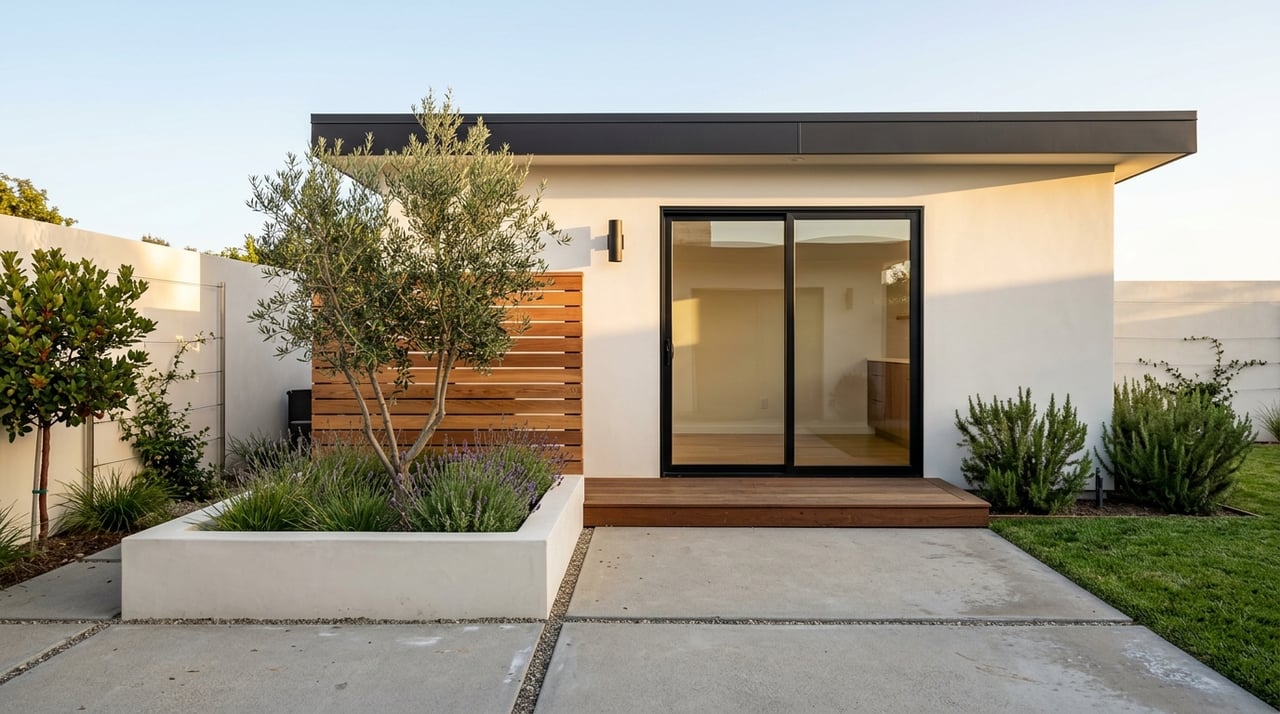
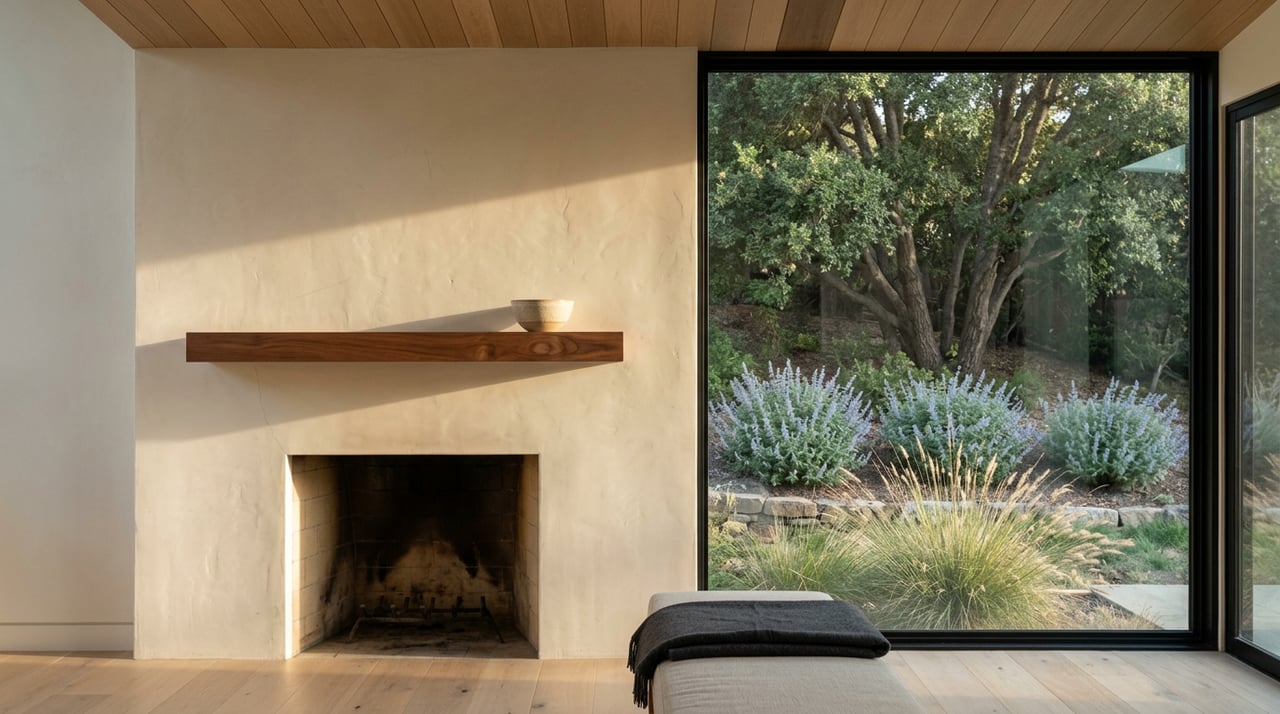
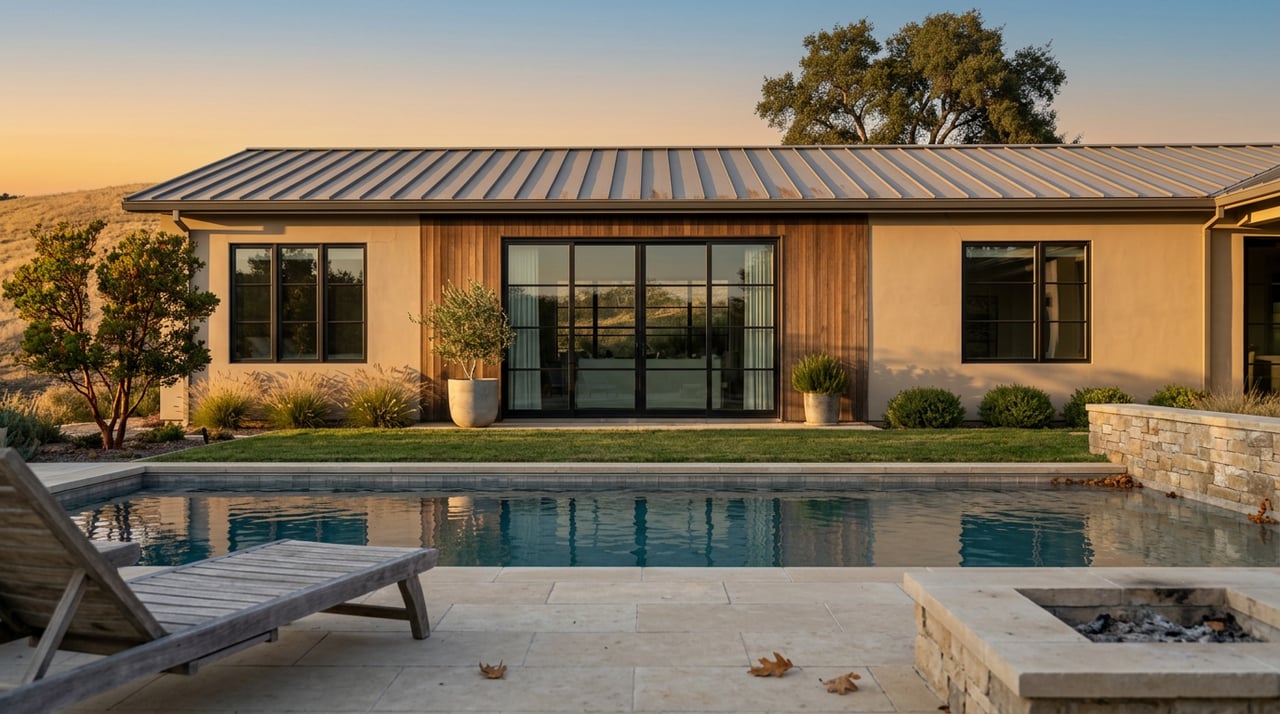
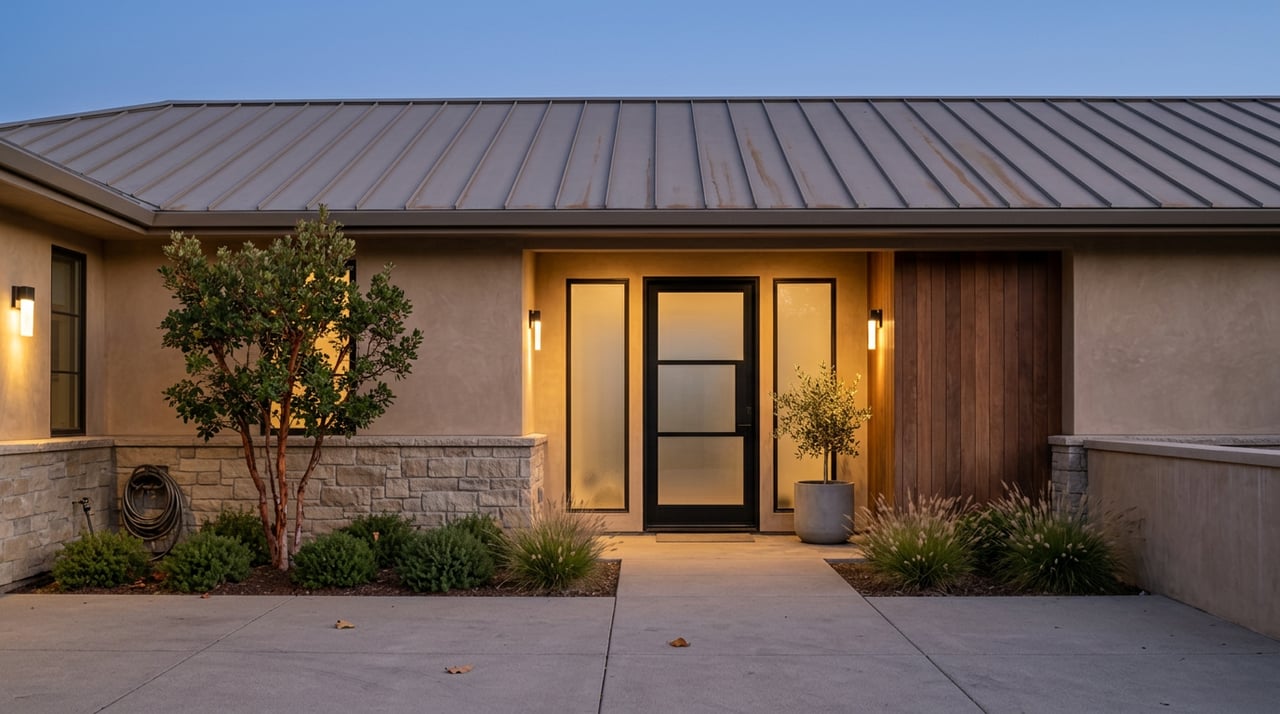
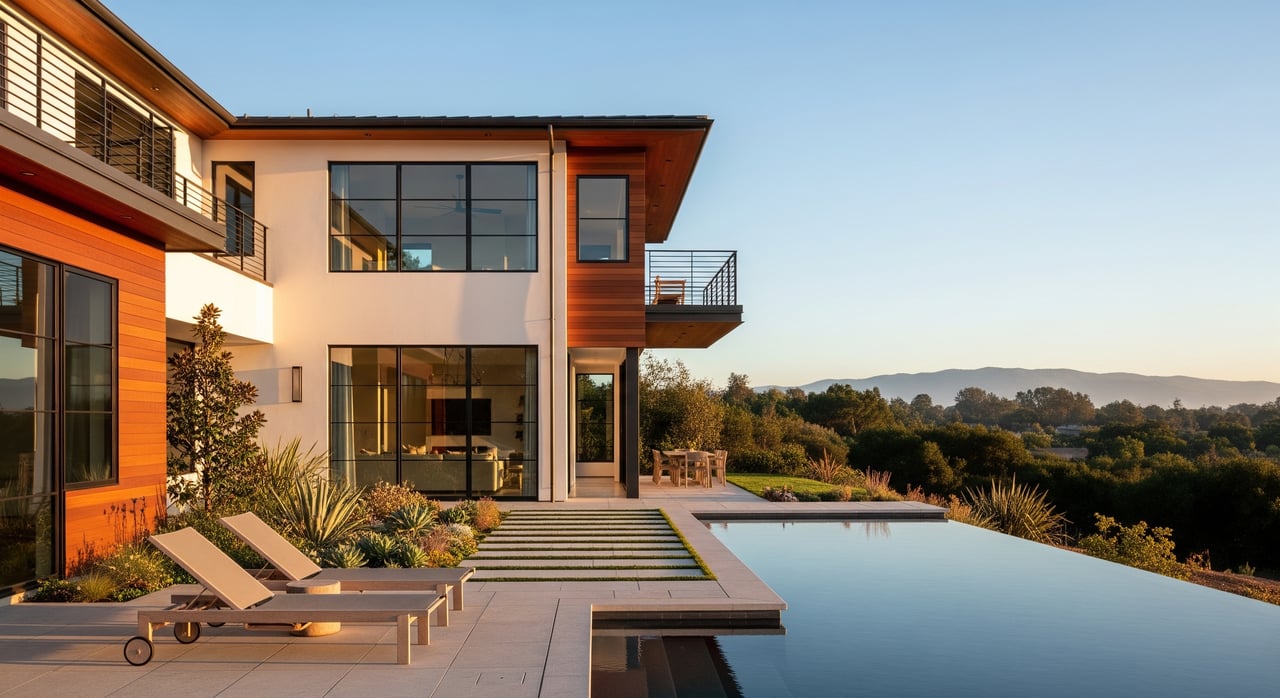
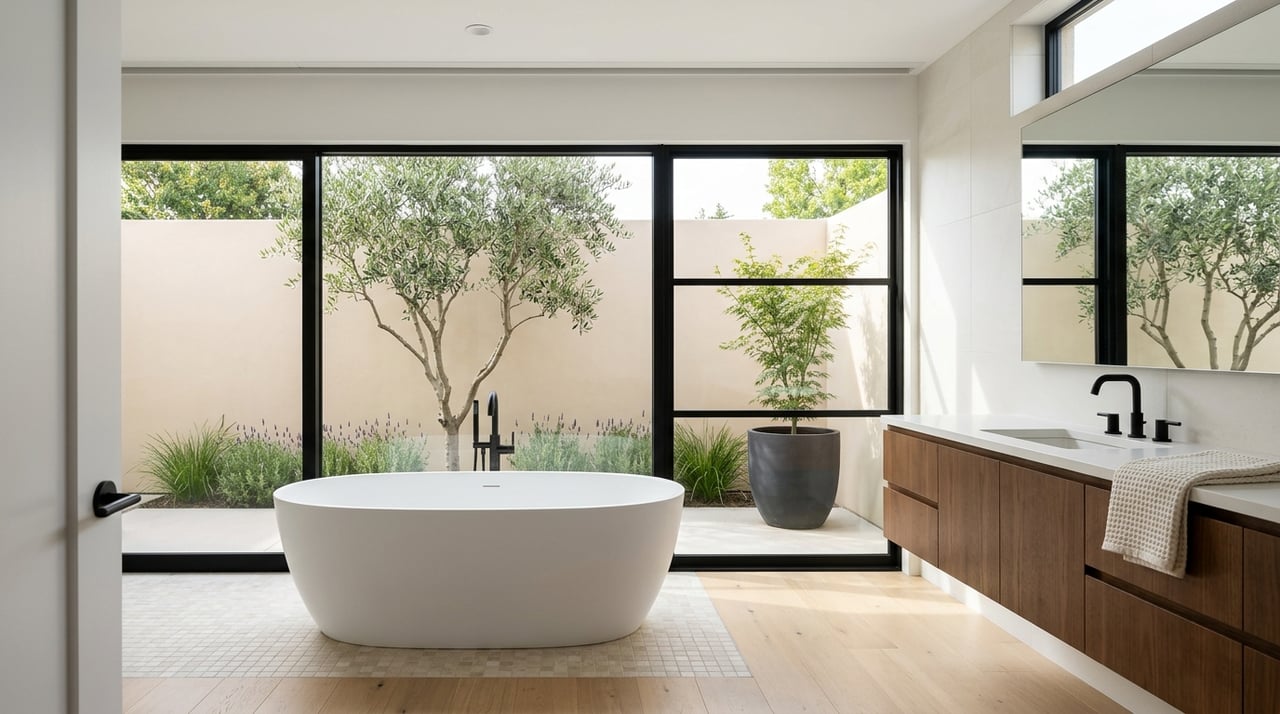
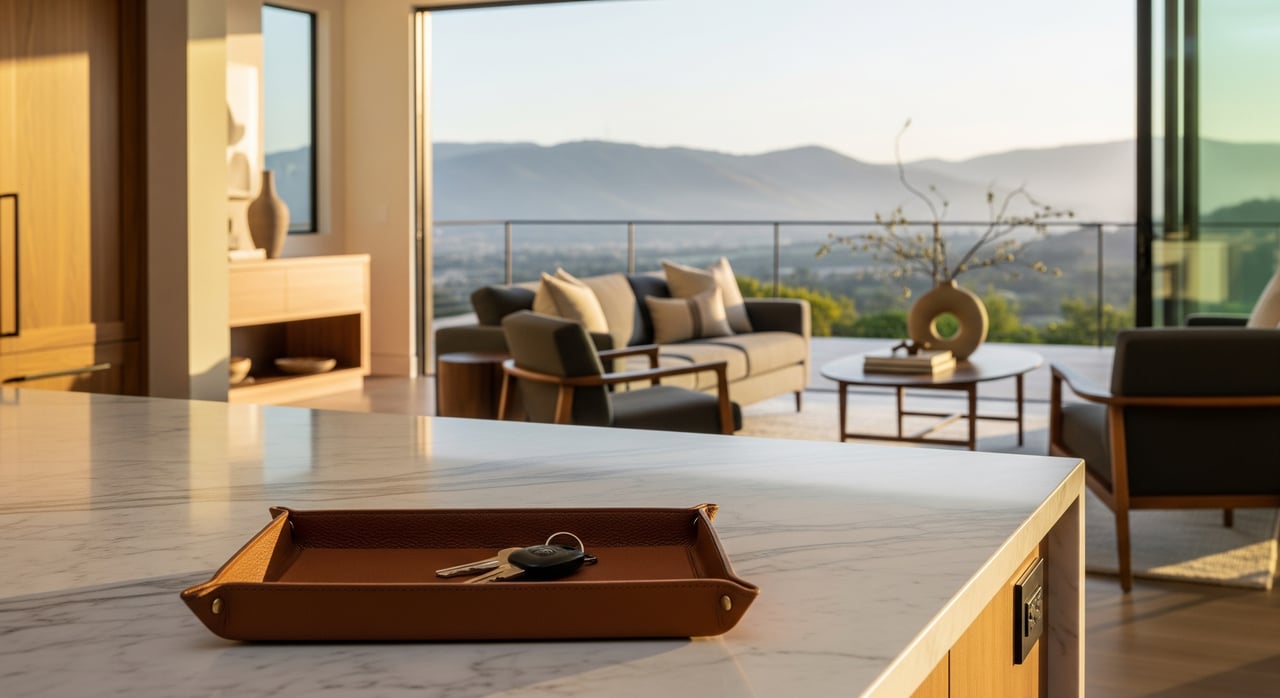
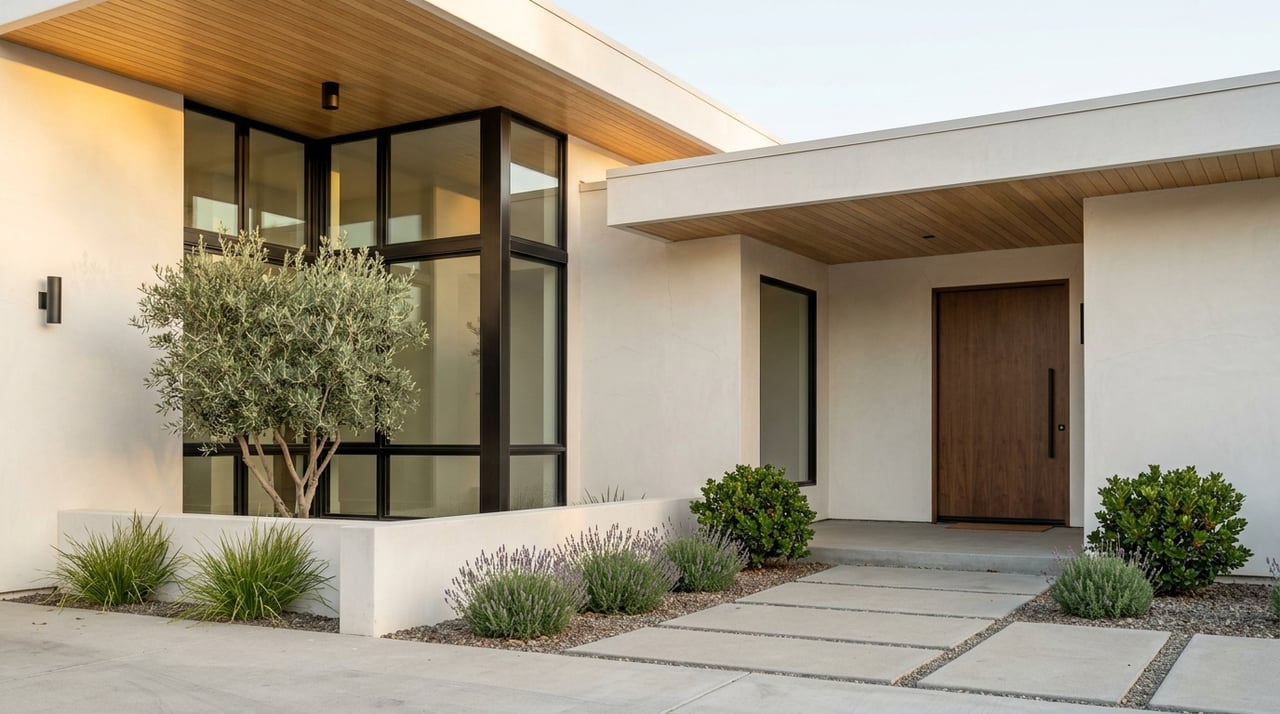
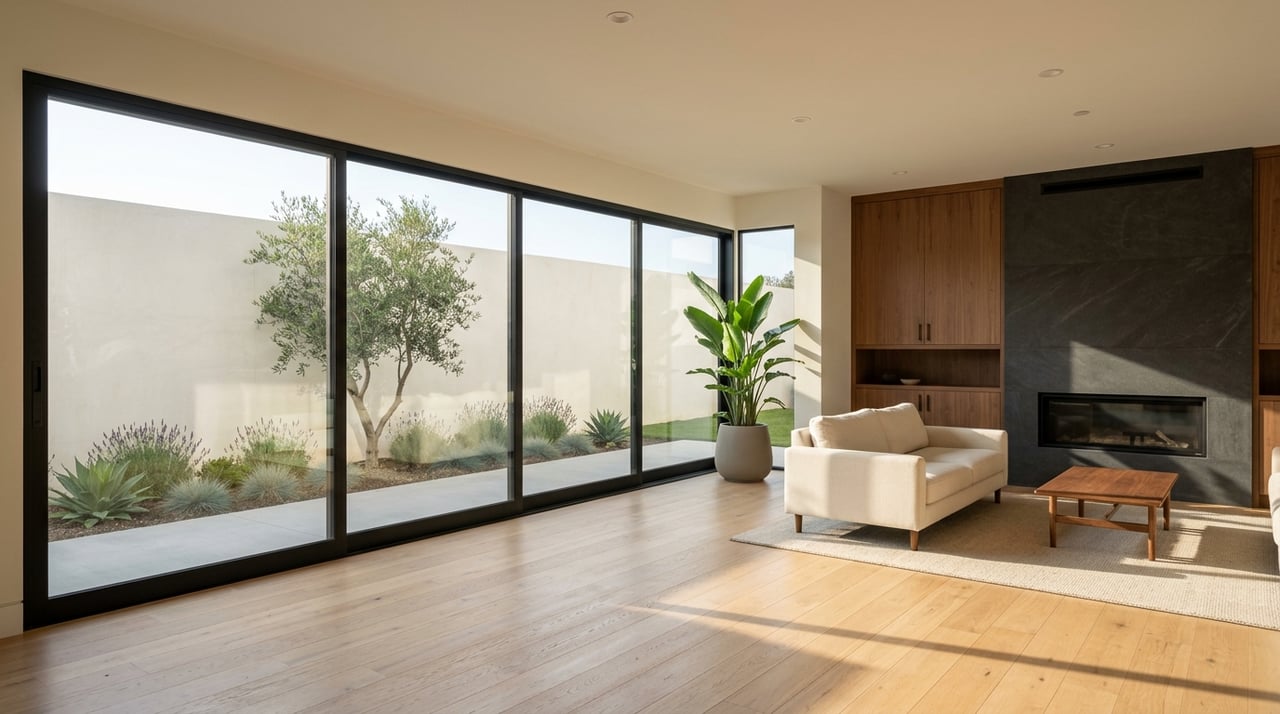
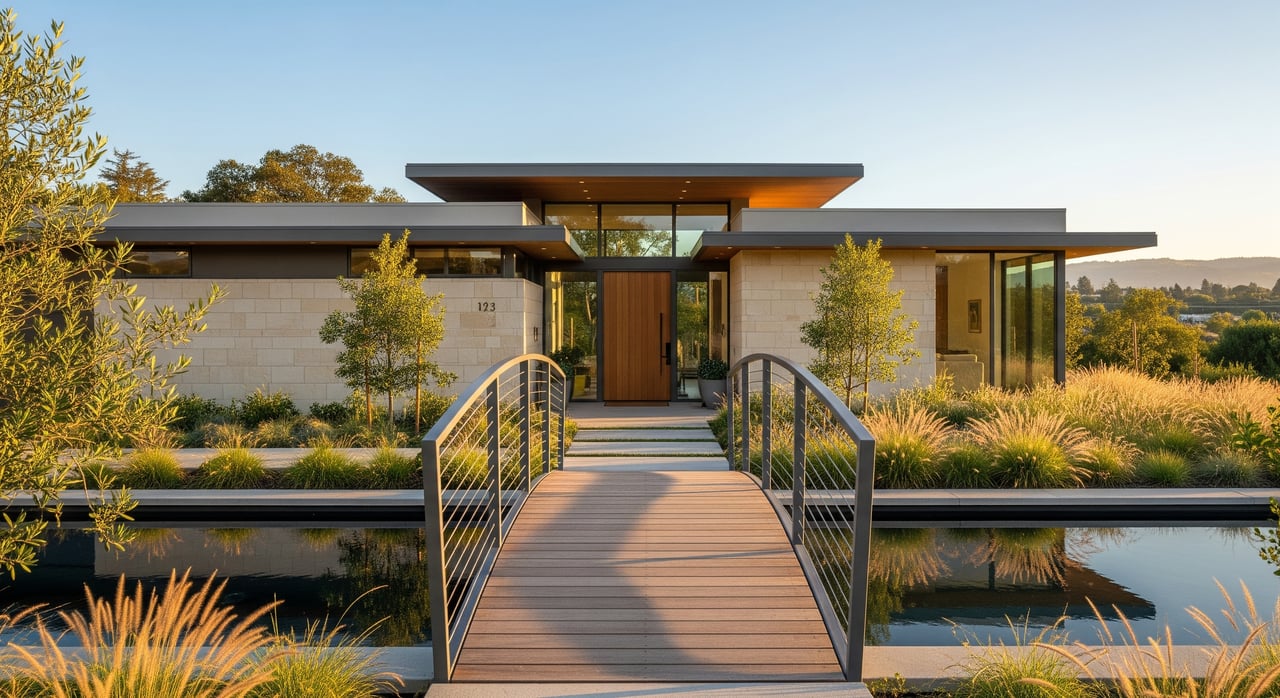
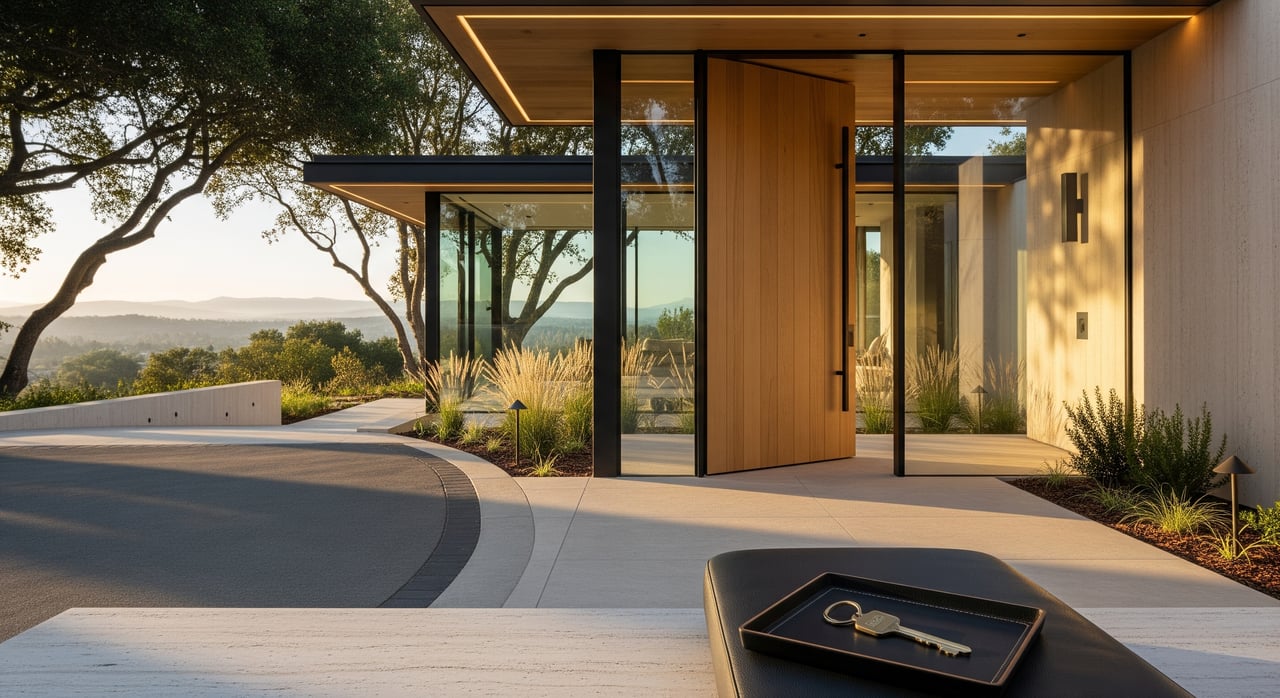
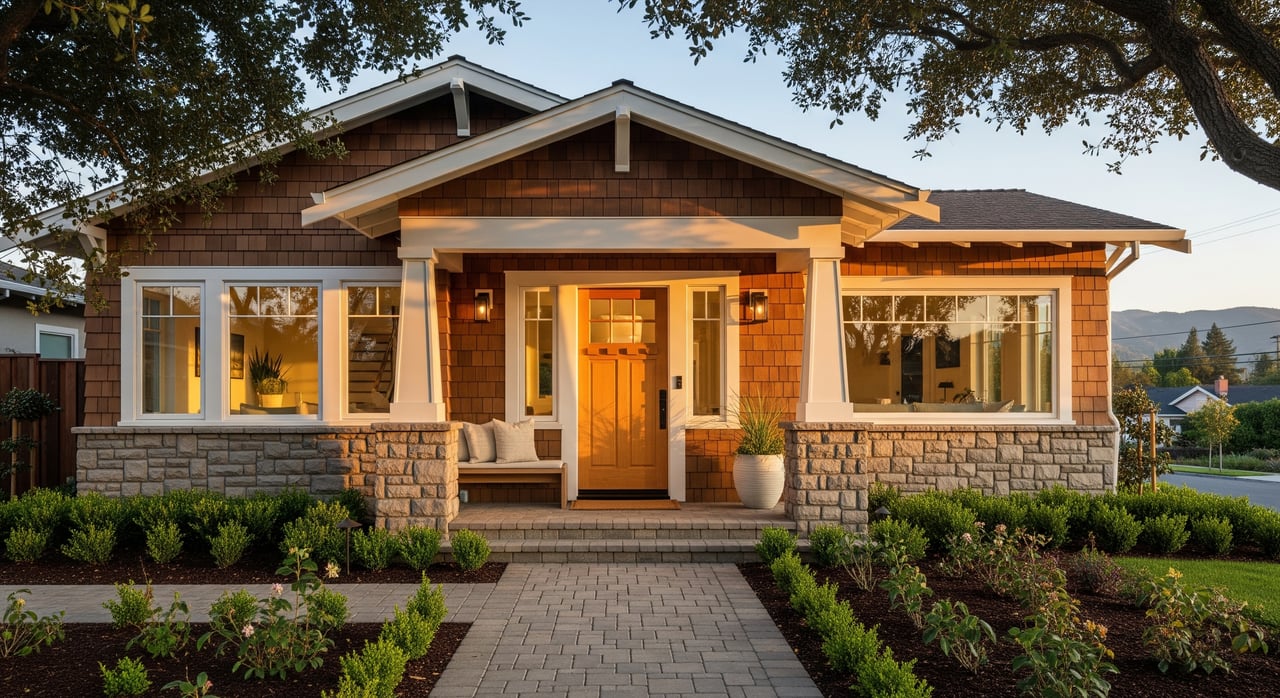
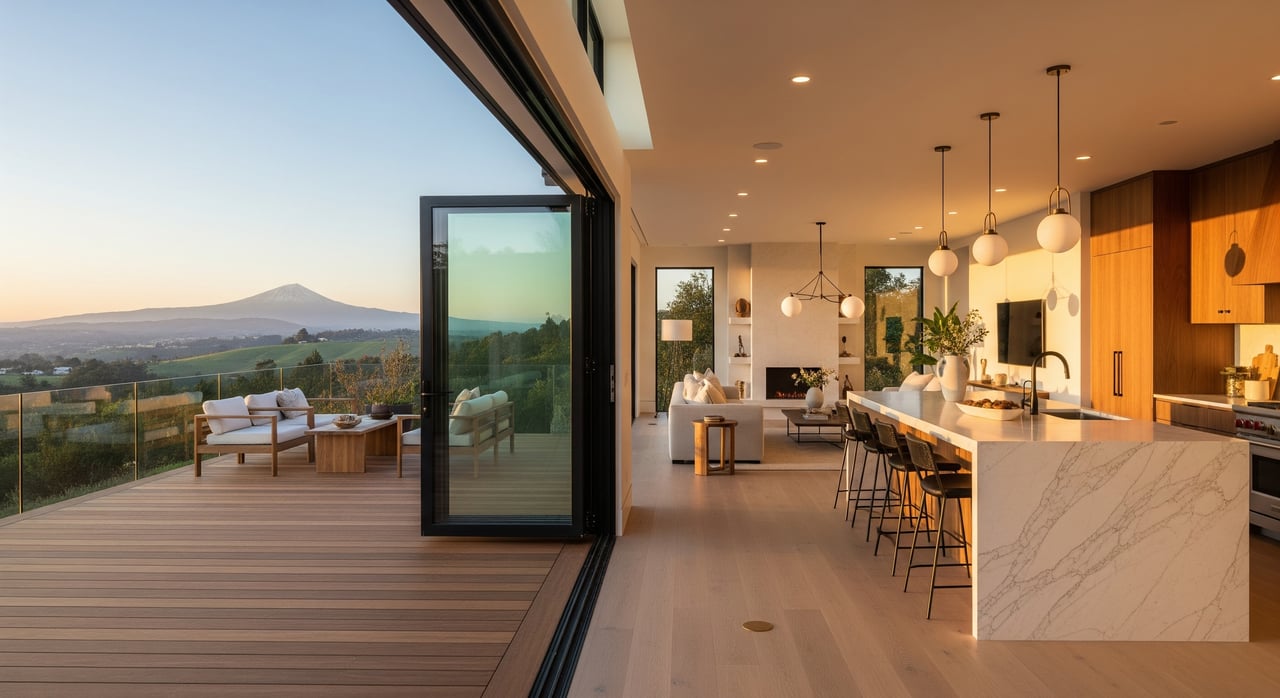
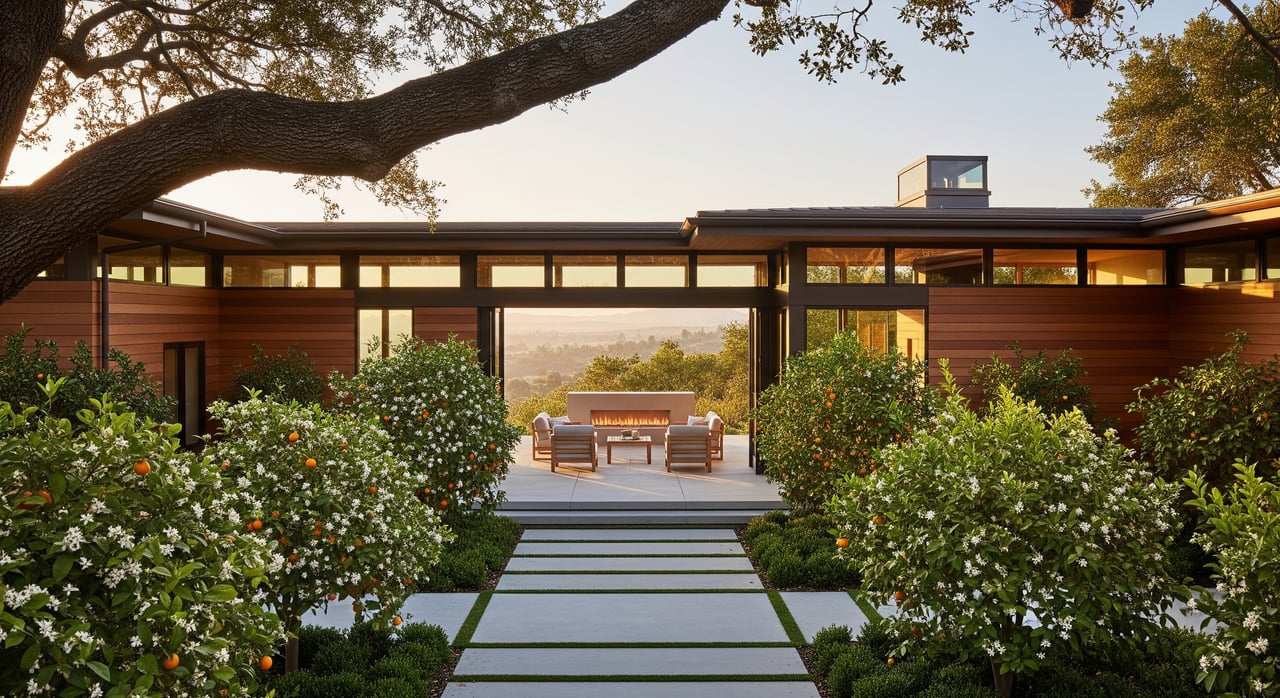
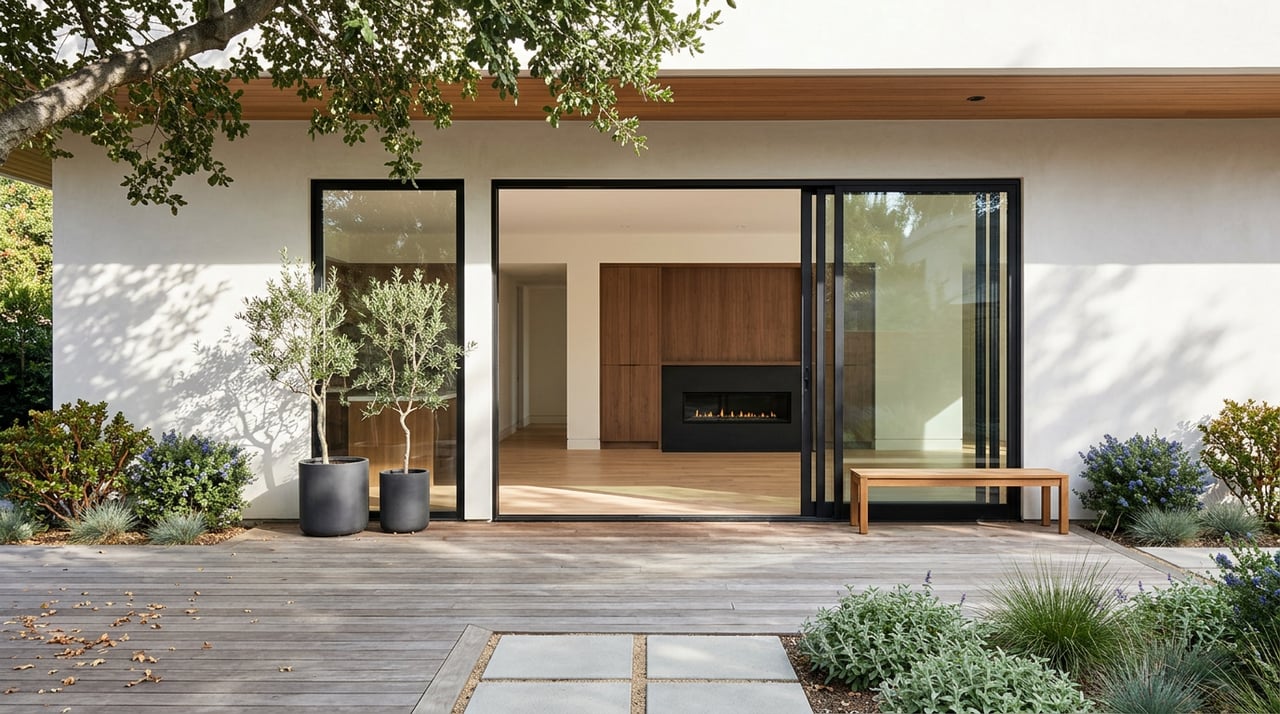
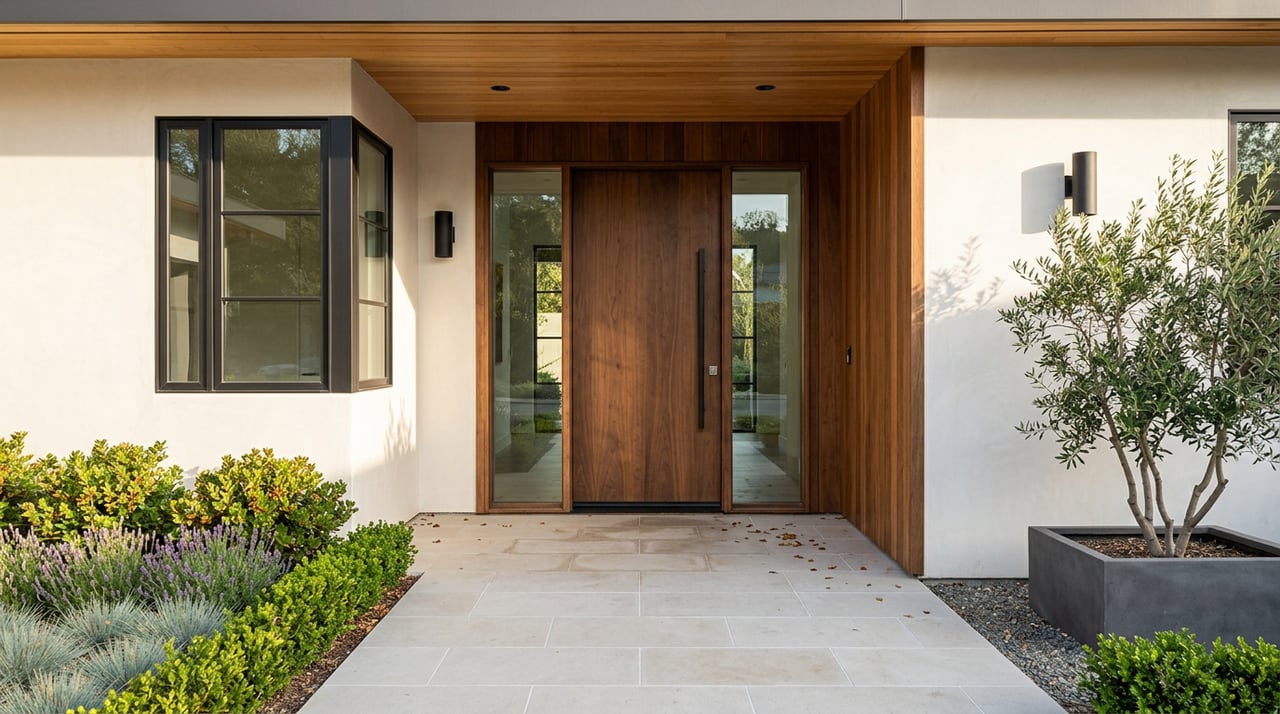
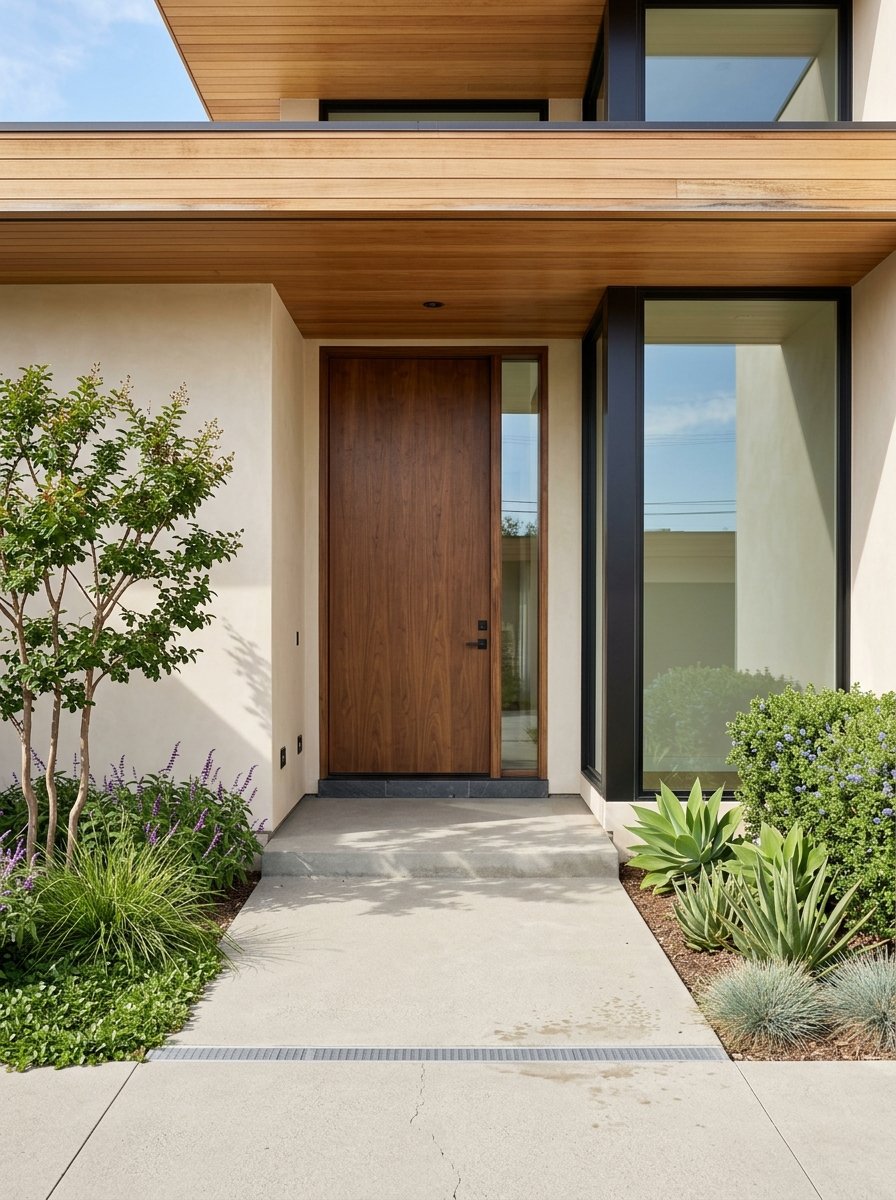
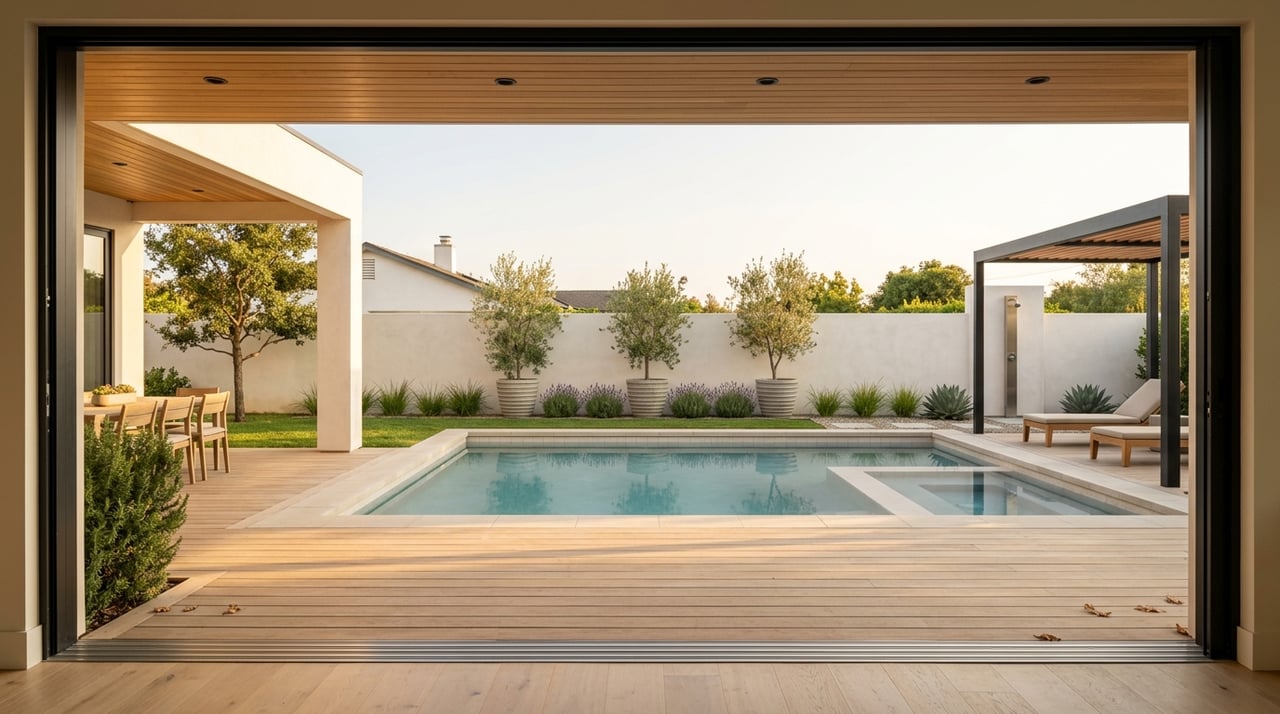
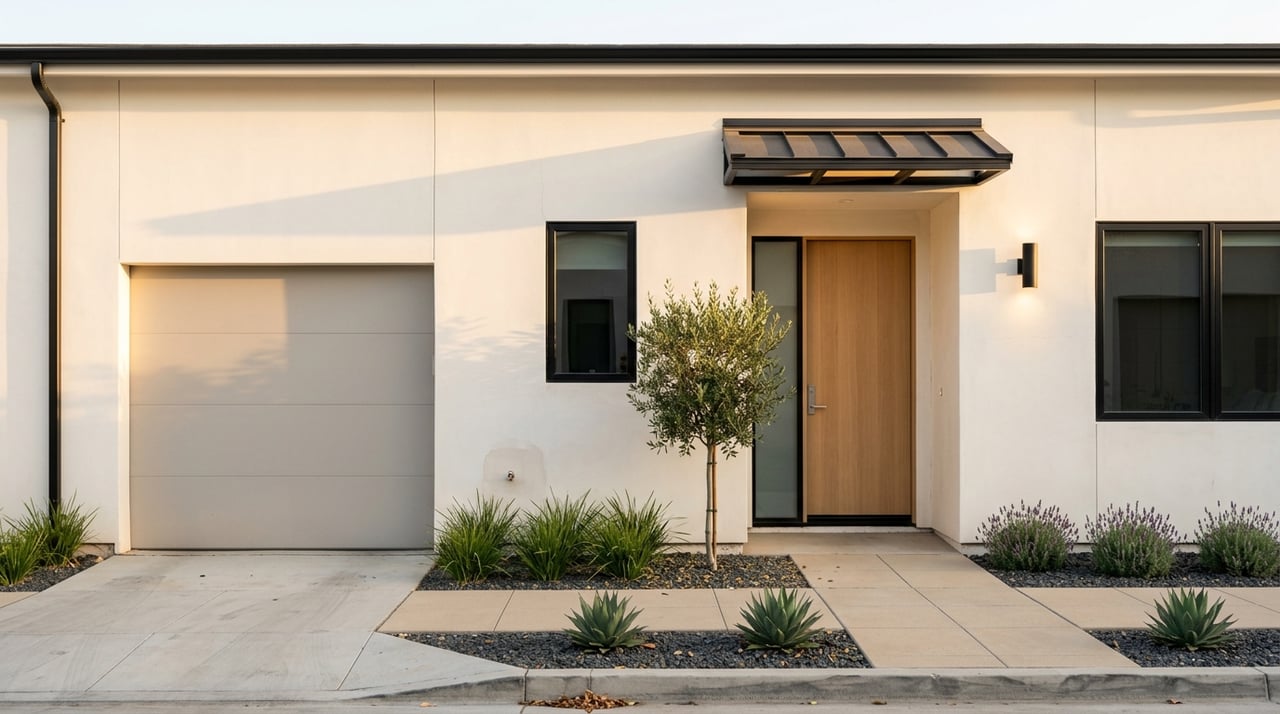
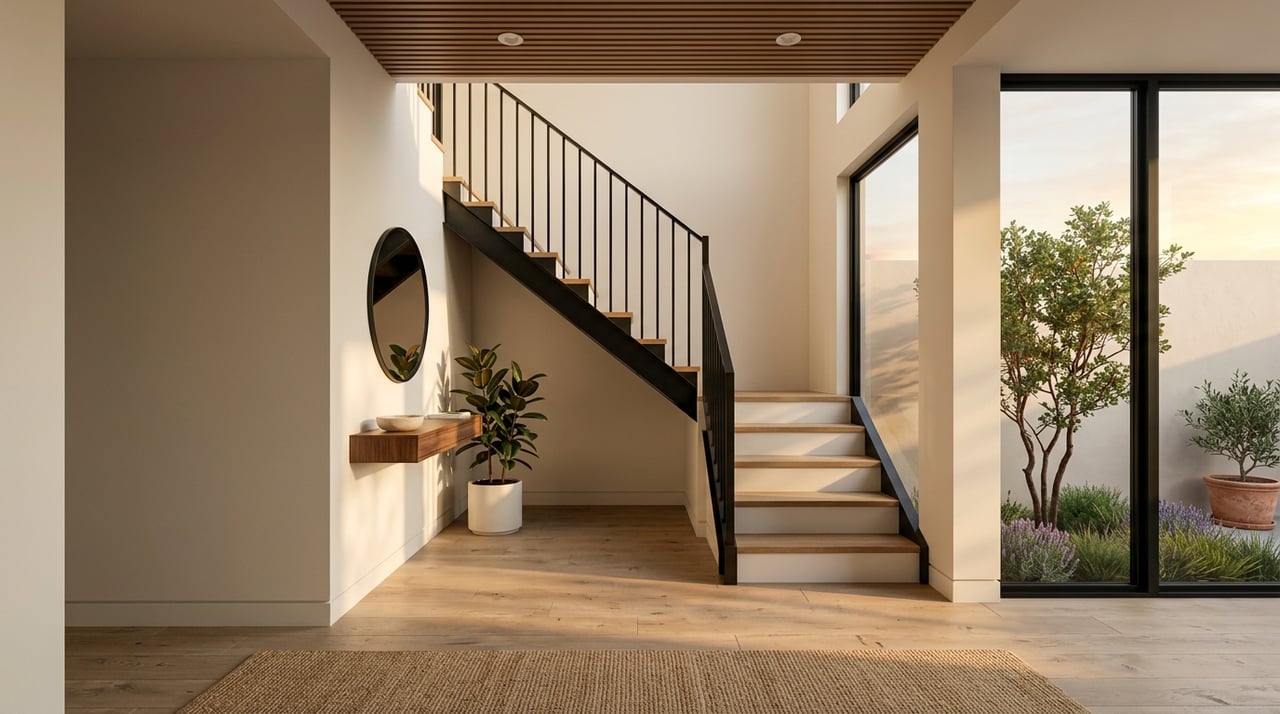
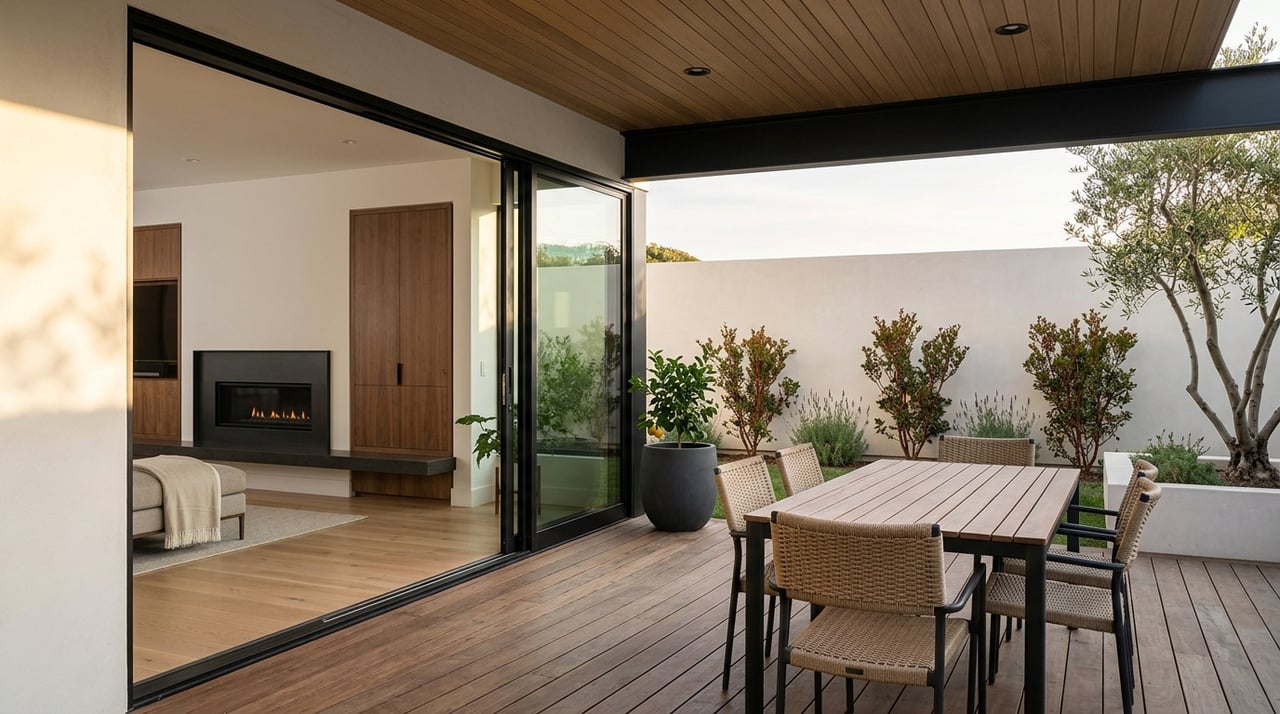
The newest wave, driven by tech-wealth rebuilds, leans into two contemporary aesthetics — Modern Farmhouse (board-and-batten siding, black window frames, metal roofs) and Warm Contemporary (flat rooflines, floor-to-ceiling glass framing the views, natural wood and stone). And near the Village, in pockets like Heritage Lane where Austin Way still keeps its original brick road, beautifully preserved Victorians, Craftsman bungalows, and early-American farmhouses add a historic texture that's genuinely rare in Silicon Valley.
Saratoga is built for driving, and the local infrastructure rewards it. Highway 85 runs along the northern edge, providing a fast pipeline toward Mountain View and South San Jose, while Saratoga-Sunnyvale Road (Highway 9) and Saratoga-Los Gatos Road serve as the main north-south arteries toward tech campuses and neighboring downtowns. Traffic within the city is generally light by Silicon Valley standards; the main exceptions are short, predictable bottlenecks around school drop-off and pickup on corridors like Herriman Avenue.
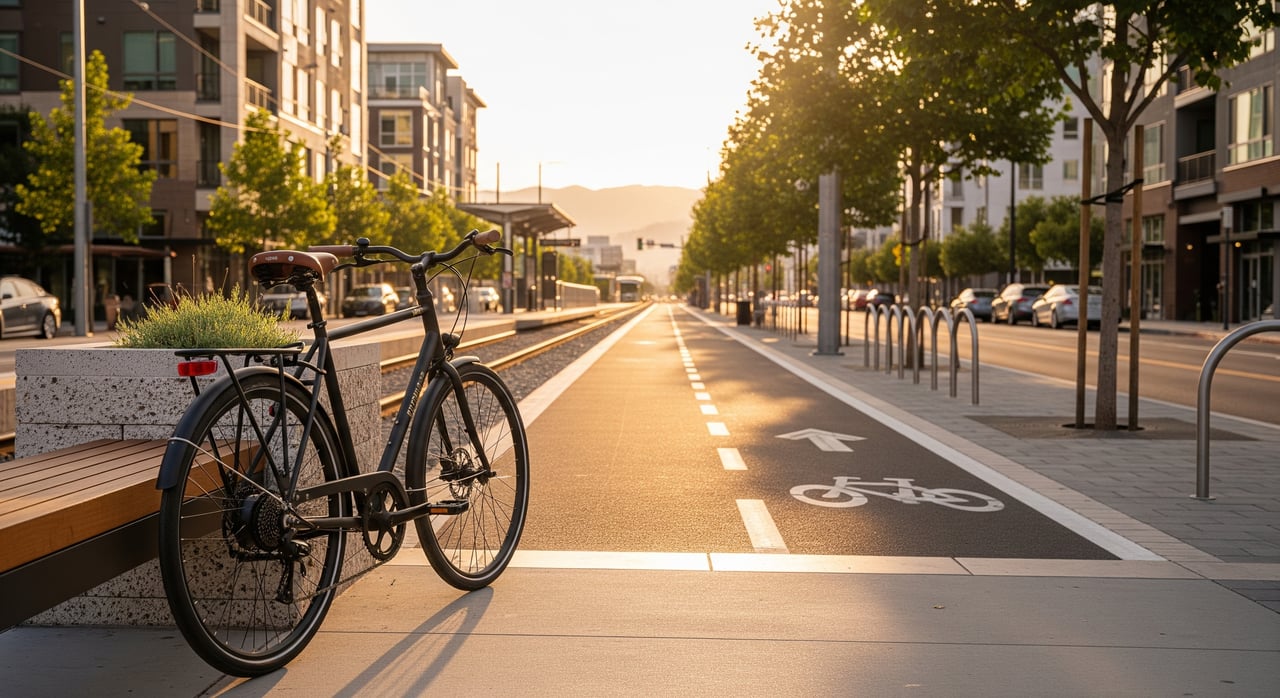
Parking is one of Saratoga's quiet luxuries — the Village offers free public lots behind Big Basin Way plus ample street parking, and residential streets are wide with generous driveways (though the city limits long-term overnight parking for RVs and trailers). Public transit, by contrast, is minimal: VTA runs a few local bus lines such as Route 53, but there's no light rail or Caltrain station inside city limits, so train commuters drive 10–15 minutes to the Campbell light-rail station or the Sunnyvale/Santa Clara Caltrain stops. For cyclists, Saratoga is a world-class recreational riding destination — Highway 9 is a favorite climb into the mountains — but dedicated commuter bike lanes are uneven, and most residential streets intentionally lack sidewalks to preserve their rustic feel. Walkability as a primary mode is really only practical in the Village and immediately around schools.
If any single factor explains Saratoga's premium prices, it's the schools. The wrinkle buyers need to internalize is structural: the city is split among four different TK–8 elementary/middle districts, while high school is primarily served by one elite unified district. Because of that, a home's exact address — not just its city — determines school assignment, and that in turn shapes resale value. Confirming the boundaries before you commit is essential.
The high school district, Los Gatos-Saratoga Union (LGSUHSD), serves most of the city and is the primary draw for luxury buyers. Its Saratoga High School is routinely ranked among the top public high schools in California, known for top GreatSchools ratings, powerhouse robotics and STEM programs, a nationally recognized music and band program, and a long pipeline to Ivy League and top UC campuses.
Beneath it, the TK–8 districts each have a distinct character. Saratoga Union (SUSD) covers the geographic core, feeds directly into Saratoga High, and is known for small class sizes and heavy parental involvement, with schools like Saratoga, Argonaut, and Foothill Elementary and Redwood Middle; it often lets in-district parents request a preferred elementary based on program space. Cupertino Union (CUSD) picks up Saratoga's northern edge — Blue Hills Elementary sits inside city lines but answers to Cupertino — and is internationally known for accelerated math and science, which draws tech families. Campbell Union and Moreland cover pockets on the eastern edges. For families who want a private option, Saratoga is within easy reach of elite institutions including The Harker School, Sacred Heart (located in Saratoga itself), and Presentation High School.
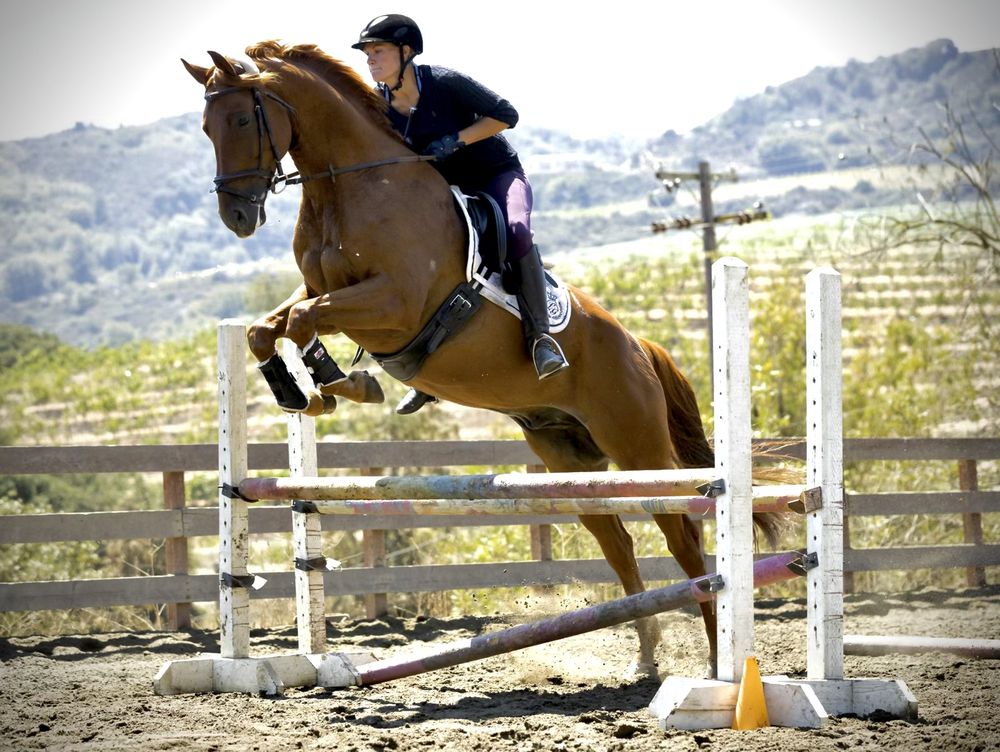
For buyers who weight outdoor access heavily, Saratoga essentially backs onto the Santa Cruz Mountains. The western edge is flanked by the Saratoga Gap Open Space Preserve and Sanborn County Park, large reserves with miles of shaded, redwood-lined trails for hiking, mountain biking, and horseback riding that connect into the broader Bay Area Ridge Trail network. The locally treasured "Saratoga to the Sea" trail lets ambitious hikers route from downtown all the way toward the Pacific coast.
For a gentler experience, Hakone Gardens — one of the oldest Japanese residential gardens in the Western Hemisphere — offers koi ponds and bamboo groves, while the 175-acre grounds of the Montalvo Arts Center combine formal public gardens, art installations, and easy walking paths. It's a rare combination: serious wilderness and manicured calm within a few minutes of each other.
Saratoga's social life is refined rather than loud, and it concentrates almost entirely along the tree-lined strip of Big Basin Way in Saratoga Village. The crown jewel is The Plumed Horse, a longtime Michelin-starred restaurant with a globally regarded wine cellar, and the surrounding scene — places like Hero Ranch Kitchen and Flowers Saratoga — leans into premium California farm-to-table cooking, craft cocktails, and a polished but unpretentious feel.
Nightlife here is not about clubs or late bars; it's boutique wine-tasting rooms, sidewalk fire pits, and live acoustic sets. The genuine epicenter of local entertainment is the Mountain Winery, the historic foothill estate whose summer concert series draws major national acts to an open-air amphitheater under the stars. It's the kind of evening that captures Saratoga's whole appeal — sophisticated, scenic, and a world away from the valley floor.
Buying or selling in a market this fast and this nuanced is far easier with someone who knows it from the inside — and that's where the Samit Shah Real Estate Group at Compass comes in. Ranked among the top 0.5% of Realtors nationwide with $900M+ in all-time sales and 200+ five-star Zillow reviews, Samit and his team are known for a calm, data-driven approach to pricing, disclosures, and the kind of non-contingent strategy that wins homes in Saratoga and the surrounding Silicon Valley communities. Whether you're relocating from out of town, weighing a foothill estate against a Golden Triangle ranch, or preparing a home to sell for top dollar, the team can walk you through the local details that actually move the outcome. Reach out at (408) 314-1828 or [email protected], or stop by the office at 1133 Minnesota Ave, San Jose, CA 95125 — consider it a no-pressure resource for your next move in Saratoga.
There's plenty to do around Saratoga, including shopping, dining, nightlife, parks, and more. Data provided by Walk Score and Yelp.
Explore popular things to do in the area, including Nabilz Cheesecake, Azule Crossing Center, and Park Saratoga.
| Name | Category | Distance | Reviews |
Ratings by
Yelp
|
|---|---|---|---|---|
| Dining | 2.72 miles | 0 reviews | 0/5 stars | |
| Shopping | 2.43 miles | 0 reviews | 0/5 stars | |
| Shopping | 2.71 miles | 0 reviews | 0/5 stars | |
| Active | 1.57 miles | 0 reviews | 0/5 stars | |
| Active | 1.89 miles | 0 reviews | 0/5 stars | |
| Active | 2.01 miles | 3 reviews | 5/5 stars | |
| Active | 2.21 miles | 1 review | 5/5 stars | |
| Active | 2.61 miles | 6 reviews | 3.7/5 stars | |
| Active | 2.77 miles | 6 reviews | 5/5 stars | |
| Nightlife | 0.82 miles | 0 reviews | 0/5 stars | |
| Beauty | 0.84 miles | 0 reviews | 0/5 stars | |
| Beauty | 0.84 miles | 6 reviews | 5/5 stars | |
| Beauty | 0.89 miles | 0 reviews | 0/5 stars | |
| Beauty | 0.91 miles | 0 reviews | 0/5 stars | |
| Beauty | 1.55 miles | 2 reviews | 5/5 stars | |
| Beauty | 2.43 miles | 0 reviews | 0/5 stars | |
| Beauty | 2.46 miles | 10 reviews | 5/5 stars | |
| Beauty | 2.73 miles | 0 reviews | 0/5 stars | |
|
|
||||
|
|
||||
|
|
||||
|
|
||||
|
|
||||
|
|
Saratoga has 11,124 households, with an average household size of 2.8. Data provided by the U.S. Census Bureau. Here’s what the people living in Saratoga do for work — and how long it takes them to get there. Data provided by the U.S. Census Bureau. 31,383 people call Saratoga home. The population density is 1,108 and the largest age group is Data provided by the U.S. Census Bureau.
Total Population
Population Density Population Density This is the number of people per square mile in a neighborhood.
Median Age
Men vs Women
Population by Age Group
0-9 Years
10-17 Years
18-24 Years
25-64 Years
65-74 Years
75+ Years
Education Level
Total Households
Average Household Size
Average individual Income
Households with Children
With Children:
Without Children:
Blue vs White Collar Workers
Blue Collar:
White Collar:
Search Blossom Valley, San Jose homes for sale, including luxury homes and new listings
Search Cambrian Park, San Jose homes for sale, including luxury homes and new listings
1133 Minnesota Ave San Jose, CA 95125
1133 Minnesota Ave San Jose, CA 95125