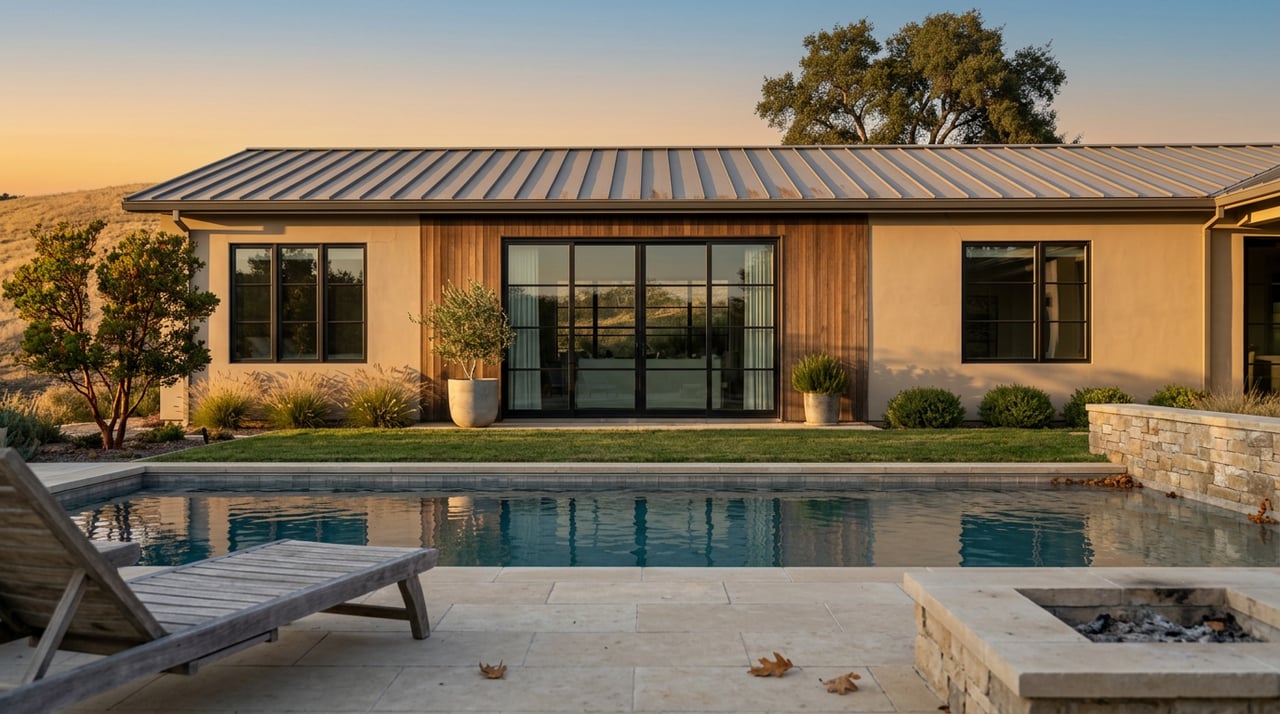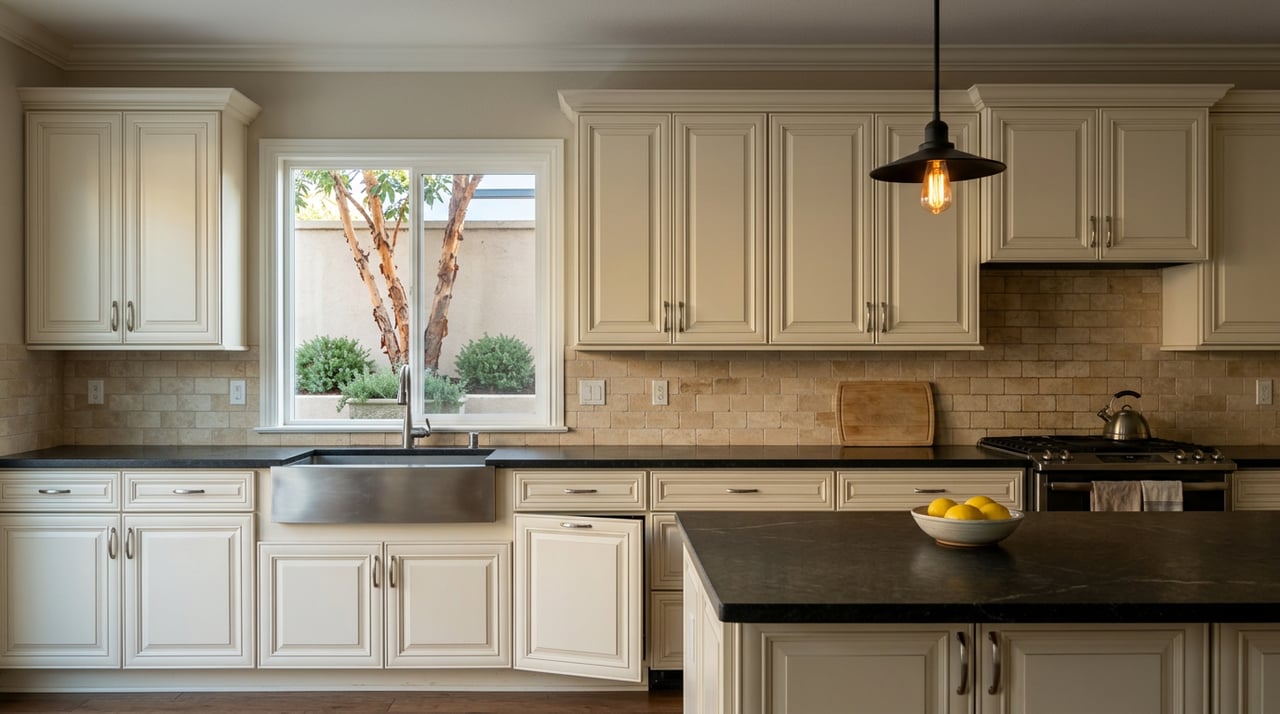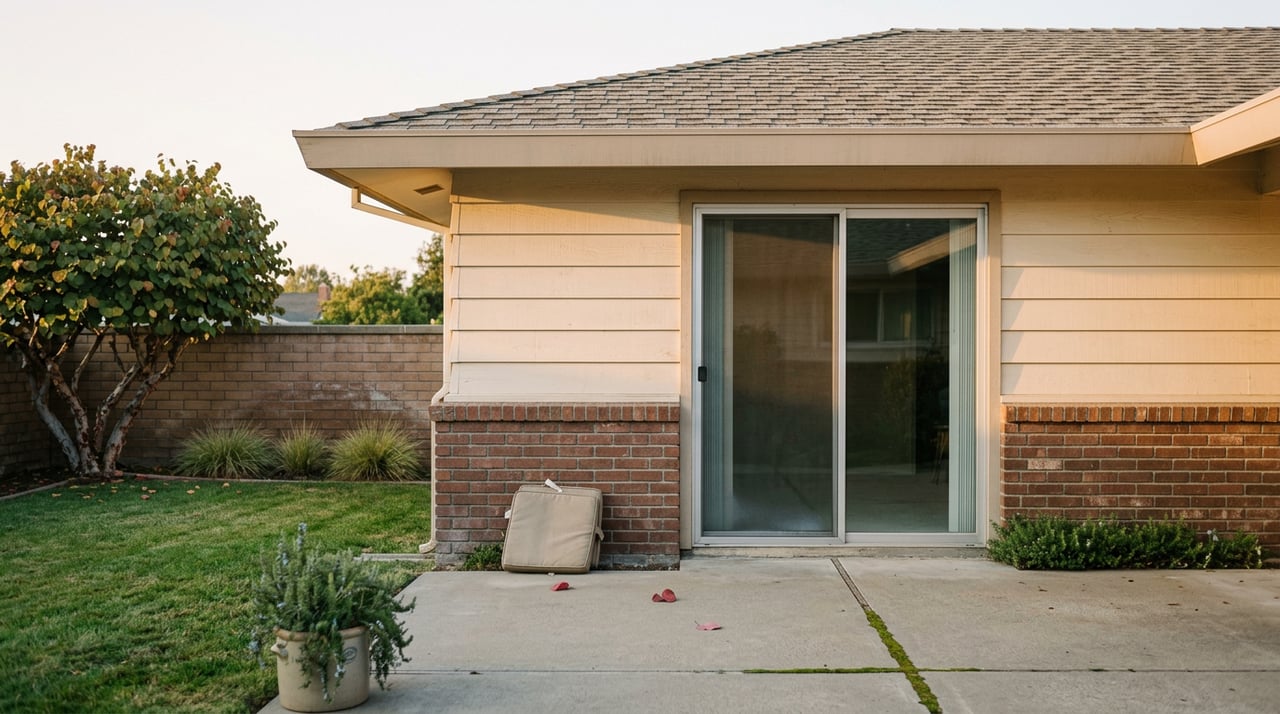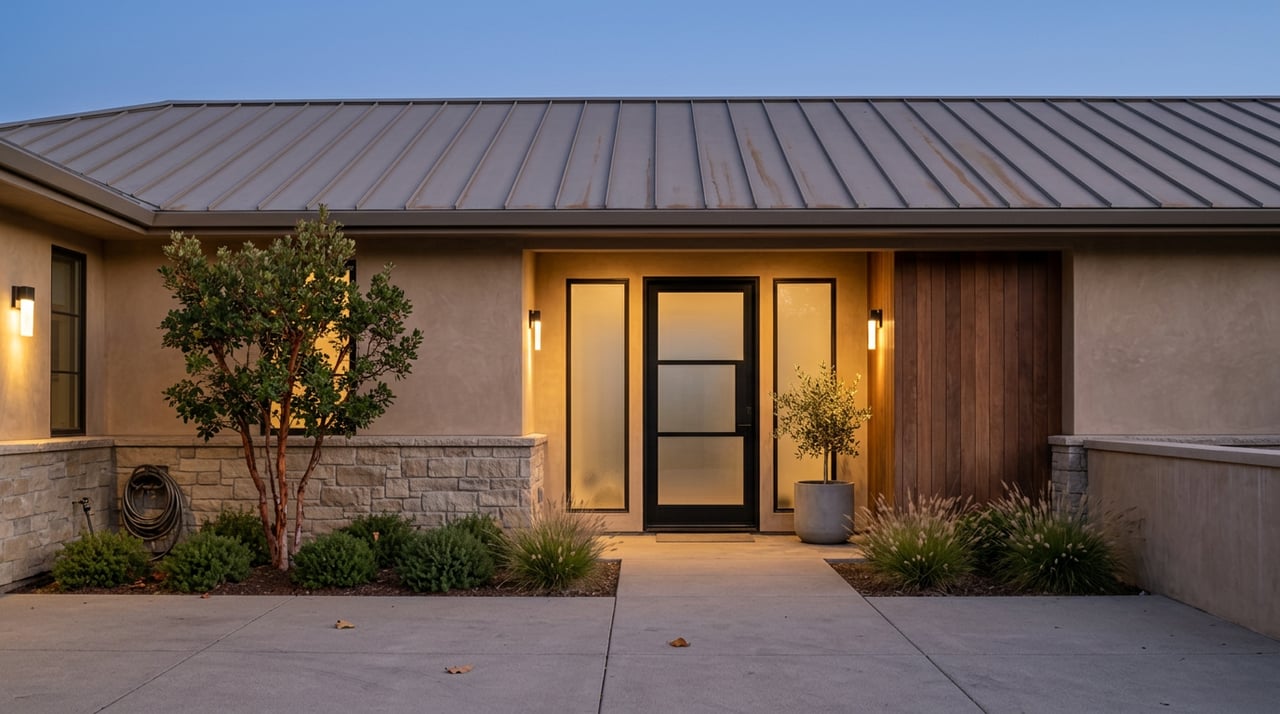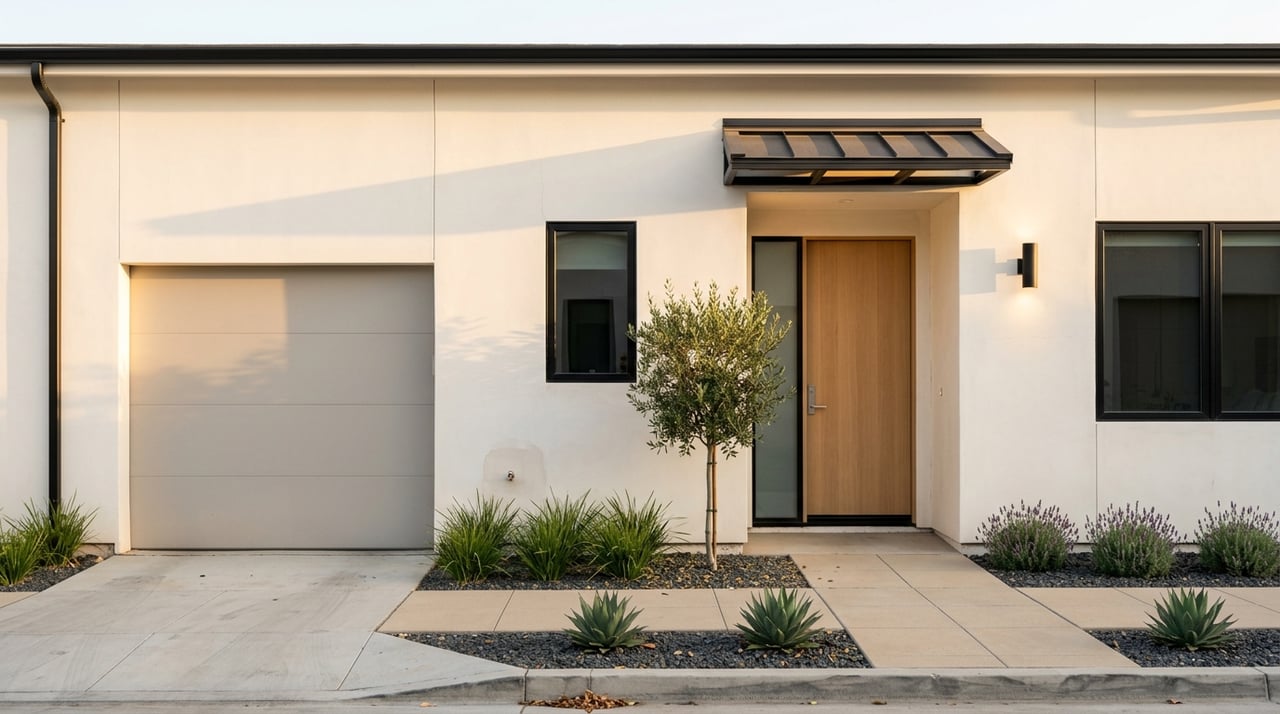
Santa Clara Homes for Sale & Real Estate Listings
Search Santa Clara, CA homes for sale, including luxury homes and new listings
129,521 people live in Santa Clara, where the median age is 34.8 and the average individual income is $84,343. Data provided by the U.S. Census Bureau.
Total Population
Median Age
Population Density
Average individual Income
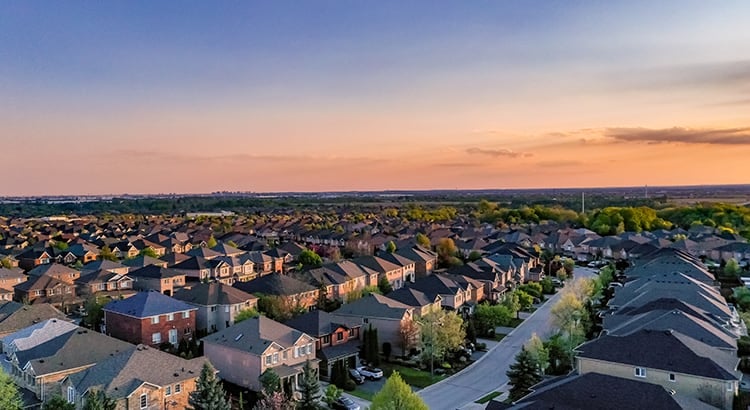
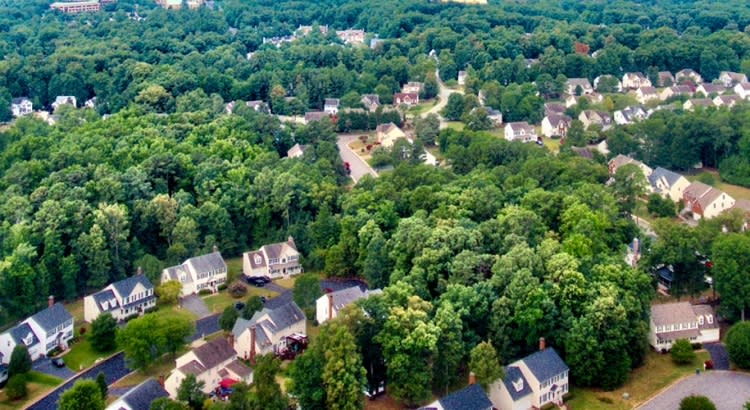
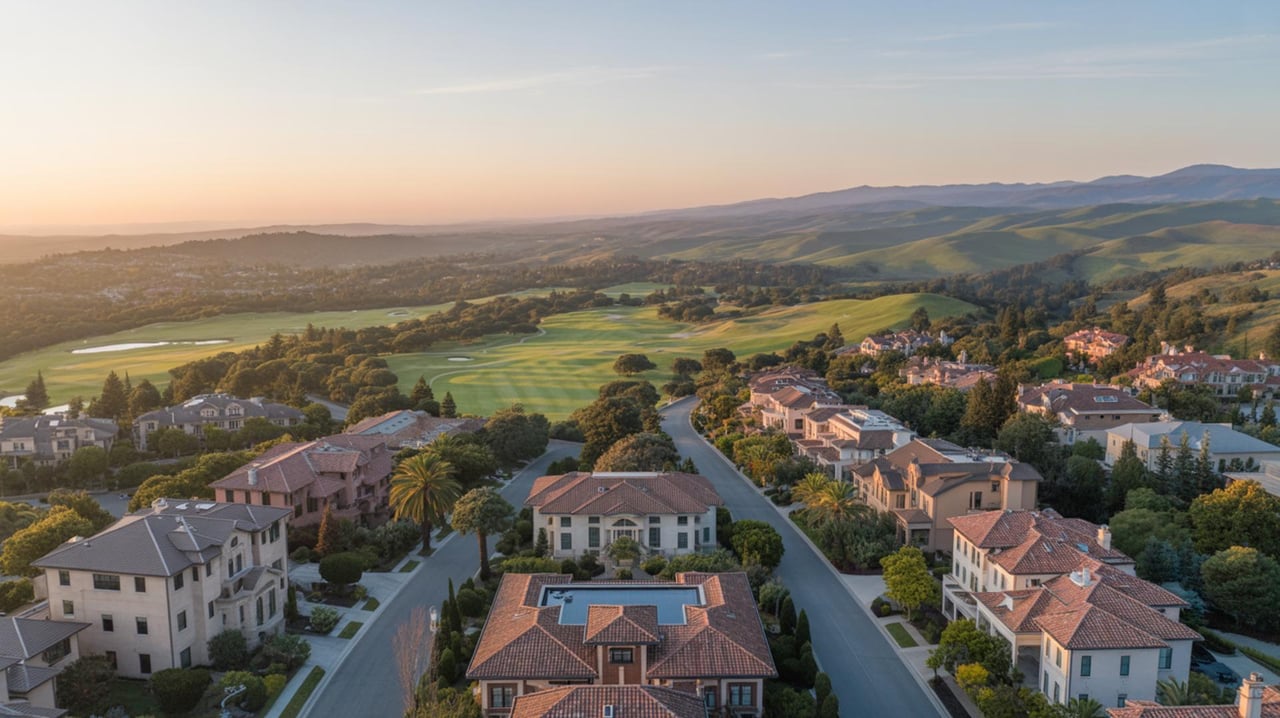
Santa Clara sits at the geographic and economic center of Silicon Valley, and that central position shapes almost everything about life here. With a population of roughly 130,000, the city manages a rare balance: it feels like an established, tree-lined suburb while functioning as one of the most concentrated tech ecosystems in the world. NVIDIA, Intel, AMD, and Applied Materials are all headquartered within its 19 square miles, which means many residents measure their commute in minutes rather than the freeway-hours common elsewhere in the Bay Area.
What separates Santa Clara from its neighbors isn't just proximity to employers. The city owns and operates its own electric utility, Silicon Valley Power, so residents pay noticeably less for electricity than anyone served by PG&E in surrounding towns. Add in roughly 260 sunny days a year, the green campus of Santa Clara University anchoring the historic core, and direct access to Levi's Stadium and California's Great America, and you get a city that works equally well for a family putting down roots and a tech professional who wants to eliminate the commute entirely.
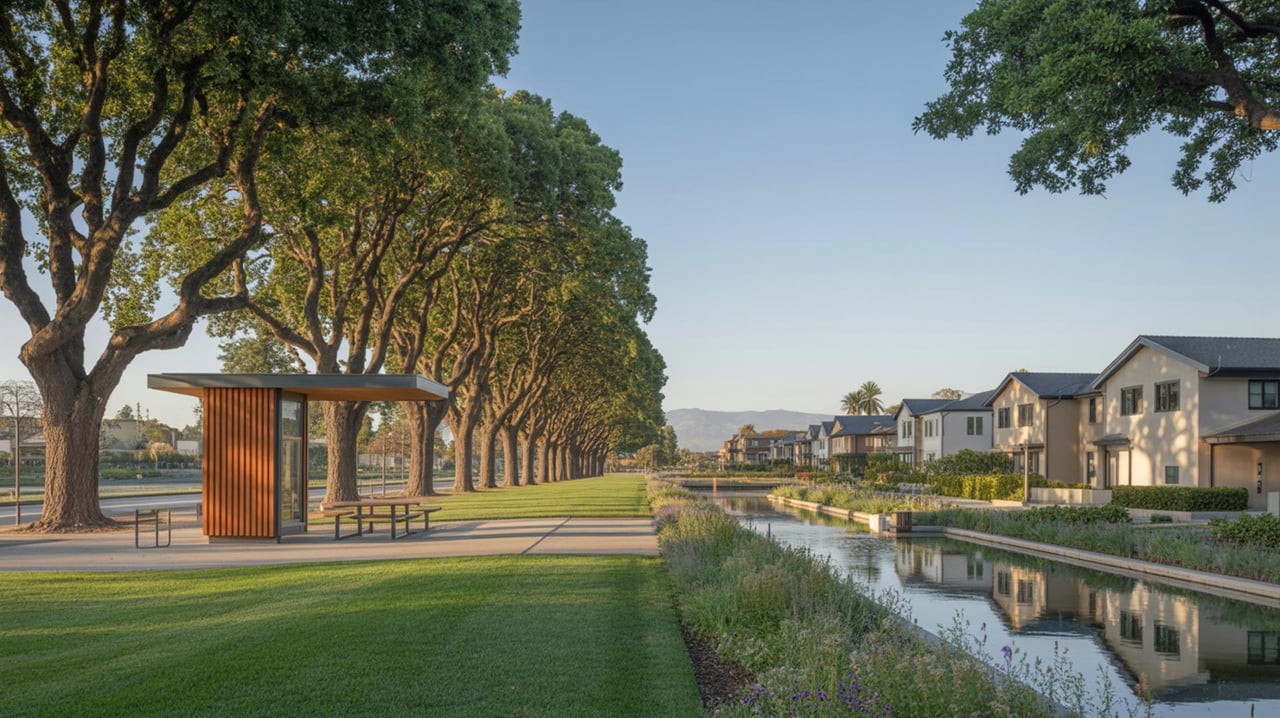
The everyday texture of the place is suburban-urban hybrid: quiet residential streets and mature parks on one side, dense office corridors and a genuine data-center hub on the other. It is walkable in the older districts, car-friendly everywhere, and unusually well-connected by rail for a South Bay city.
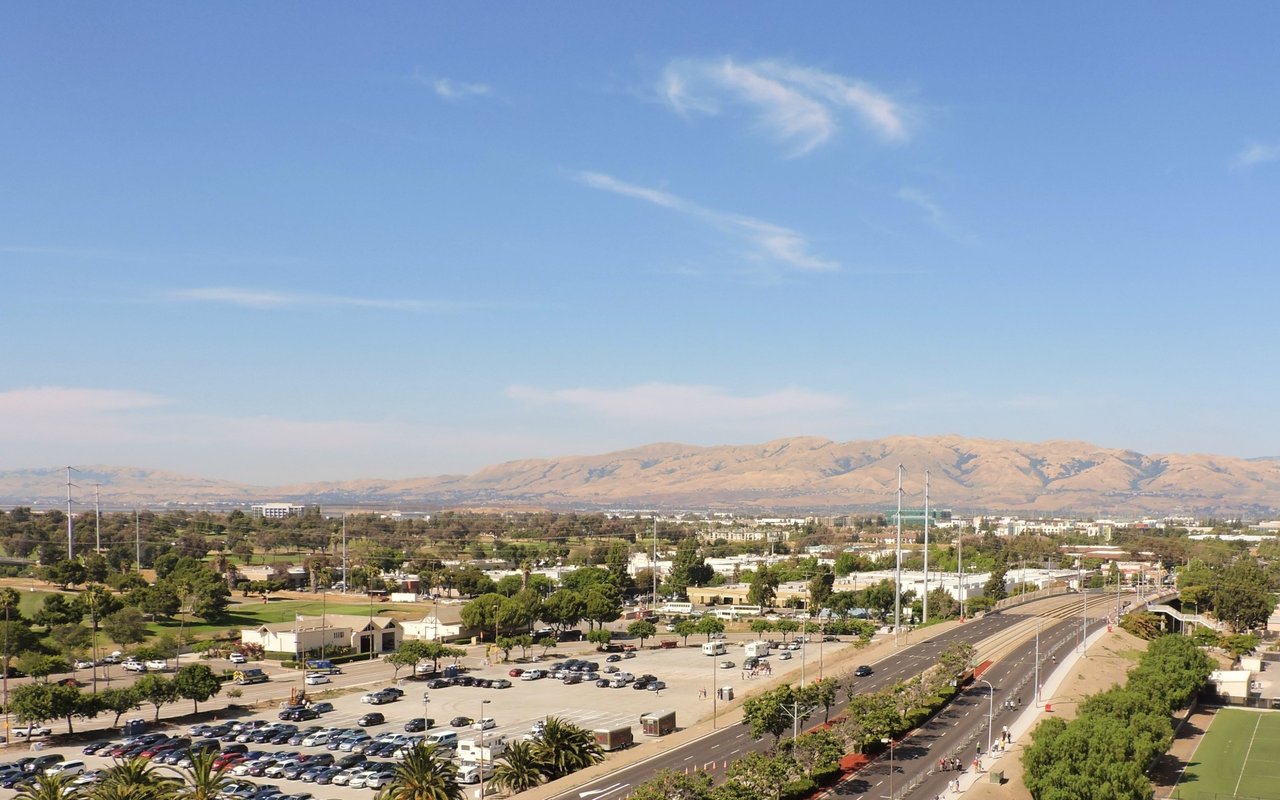
Santa Clara is bordered by San Jose to the east and south, Sunnyvale to the west, and the San Francisco Bay shoreline to the north. That placement puts nearly every major Silicon Valley destination within a short drive and gives commuters multiple ways out of town when traffic builds.
Freeway access is a defining perk. US-101 runs across the north side and I-280 anchors the south, while I-880 traces the eastern border toward San Jose and Fremont. Three expressways—San Tomas, Lawrence, and Montague—form a high-speed surface grid that lets residents cross the city or reach an office park without touching a freeway at all. For a region where commute quality can make or break a home purchase, this redundancy matters.
The proximity to key destinations is what makes the location genuinely valuable:
Destination | Approximate Distance | Off-Peak Drive |
|---|---|---|
San Jose International Airport (SJC) | 4–6 miles | 8–12 min |
Apple Park (Cupertino) | 6–8 miles | 10–15 min |
Googleplex (Mountain View) | 9–11 miles | 15–20 min |
Downtown San Jose | 5–7 miles | 10–15 min |
Downtown San Francisco | ~45 miles | 50–70 min |
Santa Cruz beaches | ~35 miles | 45–55 min |
Rail options are stronger here than most buyers expect. Two Caltrain stations—Santa Clara Station near the university and Great America Station—connect north to San Francisco and south toward Gilroy. VTA light rail links the north side to Mountain View, Levi's Stadium, and the Milpitas BART station, and Amtrak's Capitol Corridor reaches Sacramento. Having a genuine airport eight minutes away is a quiet luxury that frequent travelers come to rely on.
The Santa Clara market is fast, competitive, and structurally supply-constrained. Well-priced single-family homes routinely go pending within about twelve to twenty-one days, and turn-key properties draw multiple offers that push final prices above asking. This isn't a seasonal quirk—it's the baseline condition of a city with more jobs than housing.
Here is the market at a glance:
Metric | Range |
|---|---|
Median home sale price | ~$1.6M–$1.7M |
Single-family homes | ~$1.7M–$2.0M+ |
Condos & townhomes | ~$700K–$1.3M |
Median days on market | ~12–21 days |
Average monthly rent | ~$3,700–$3,900 |
The more useful way to understand Santa Clara pricing is by comparison. Its single-family entry points sit well below neighboring peninsula towns—Palo Alto regularly clears $4M and Sunnyvale runs past $2M—so buyers who want a home near the same employers often find Santa Clara the most rational value in the immediate area. Rental demand stays strong year-round, fed by Santa Clara University students and young tech workers, which keeps vacancy low and supports the case for long-term ownership.
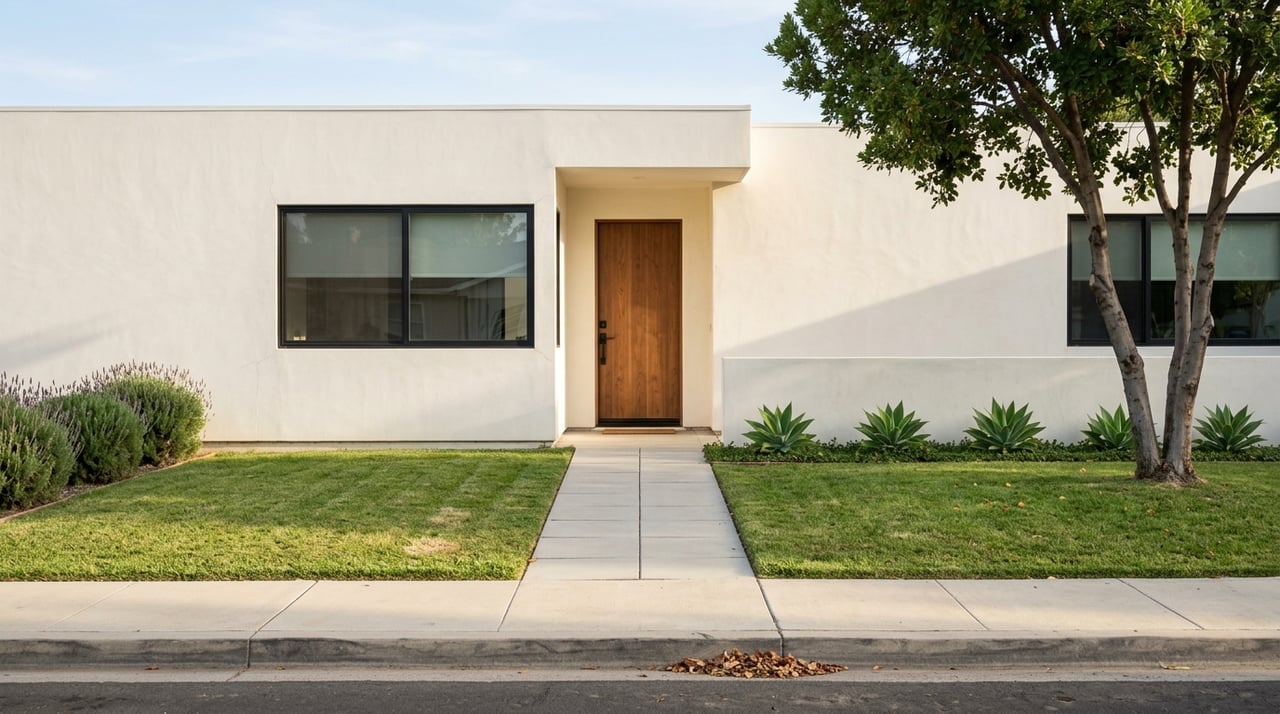
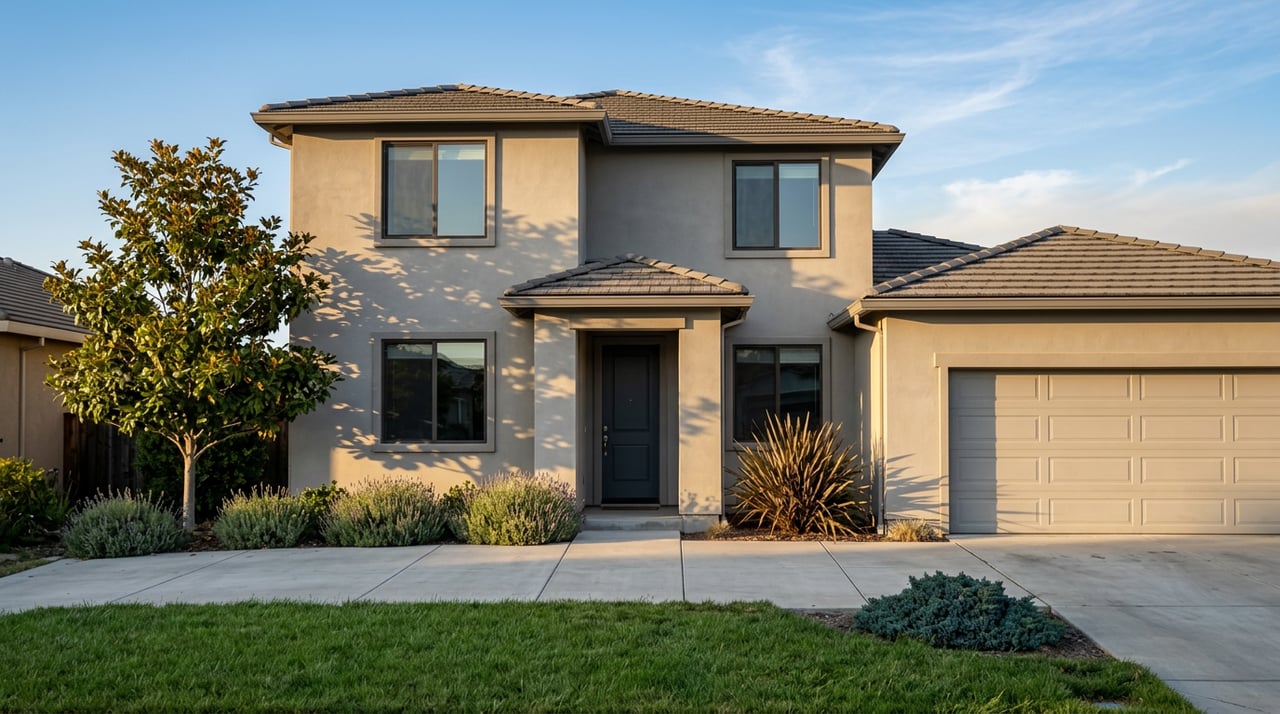
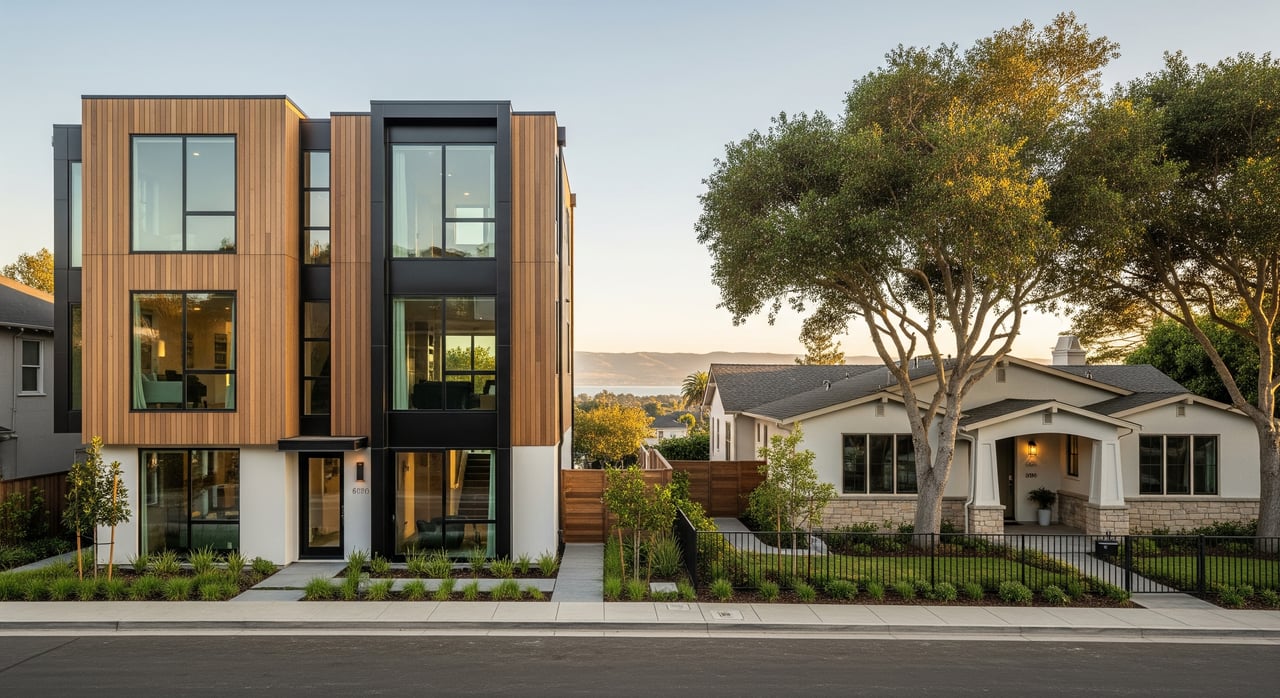
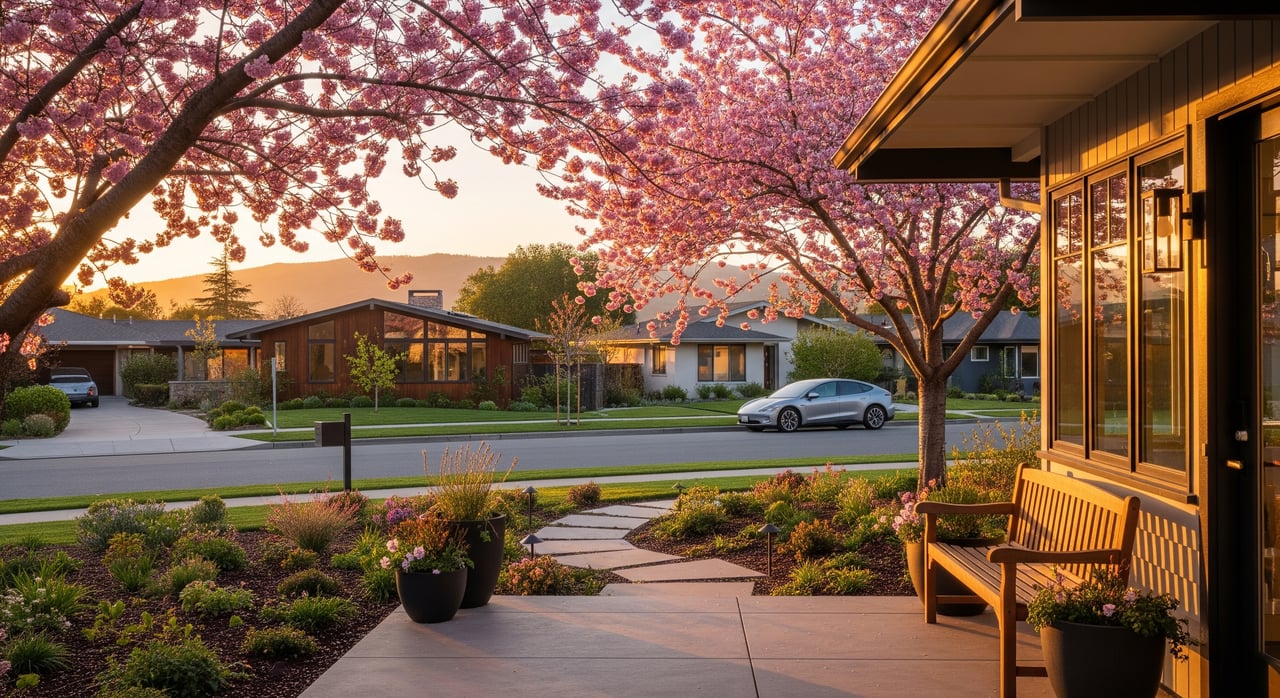
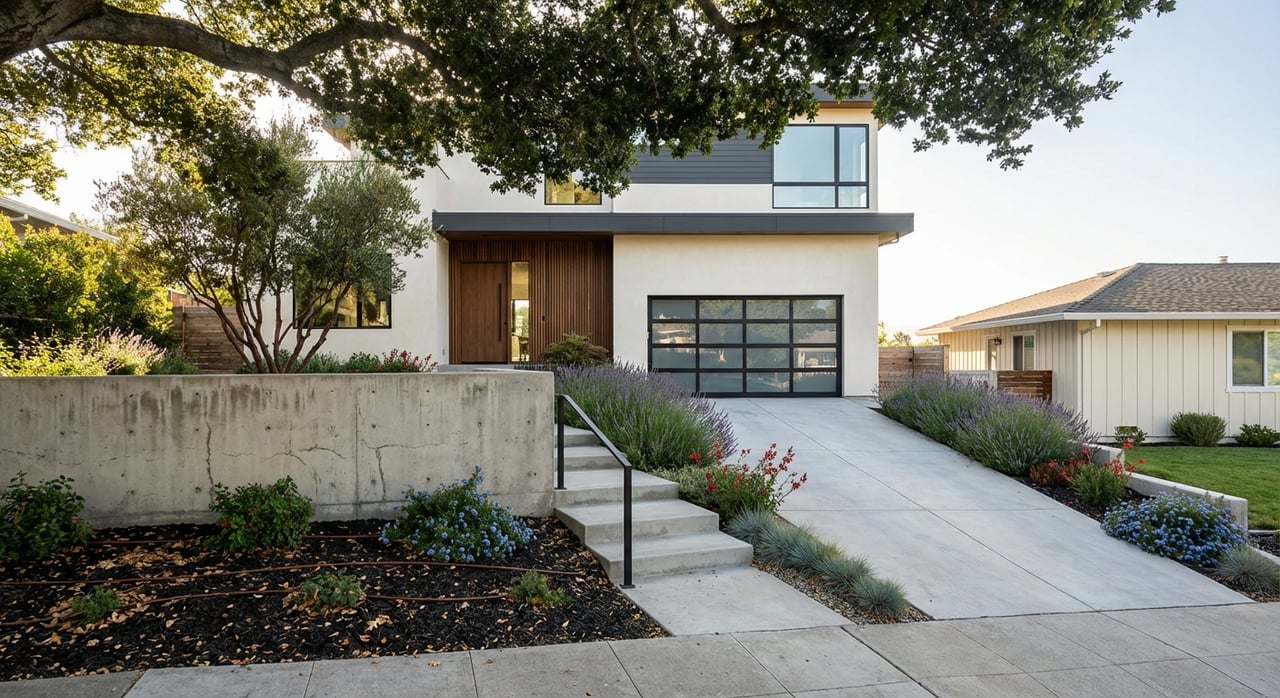
Santa Clara's housing stock is more varied than its tech-hub reputation suggests, spanning 19th-century Victorians, post-war ranches, mid-century modern Eichlers, and dense 2000s-era planned communities. Each district has a distinct character.
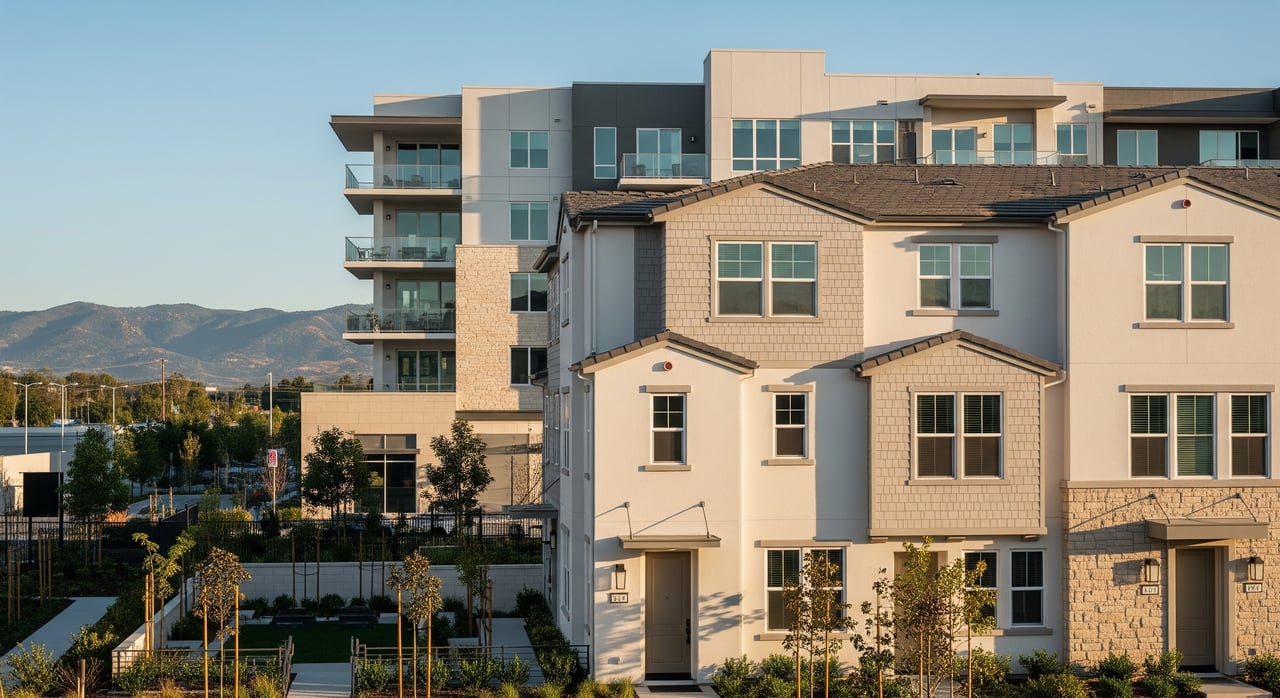
Rivermark, in North Santa Clara, is the master-planned, walkable option. Built primarily in the early 2000s, it pairs modern multi-story townhomes and upscale condos with built-in retail, parks, and near-immediate access to the major tech campuses. It appeals to buyers who want low-maintenance living close to work.
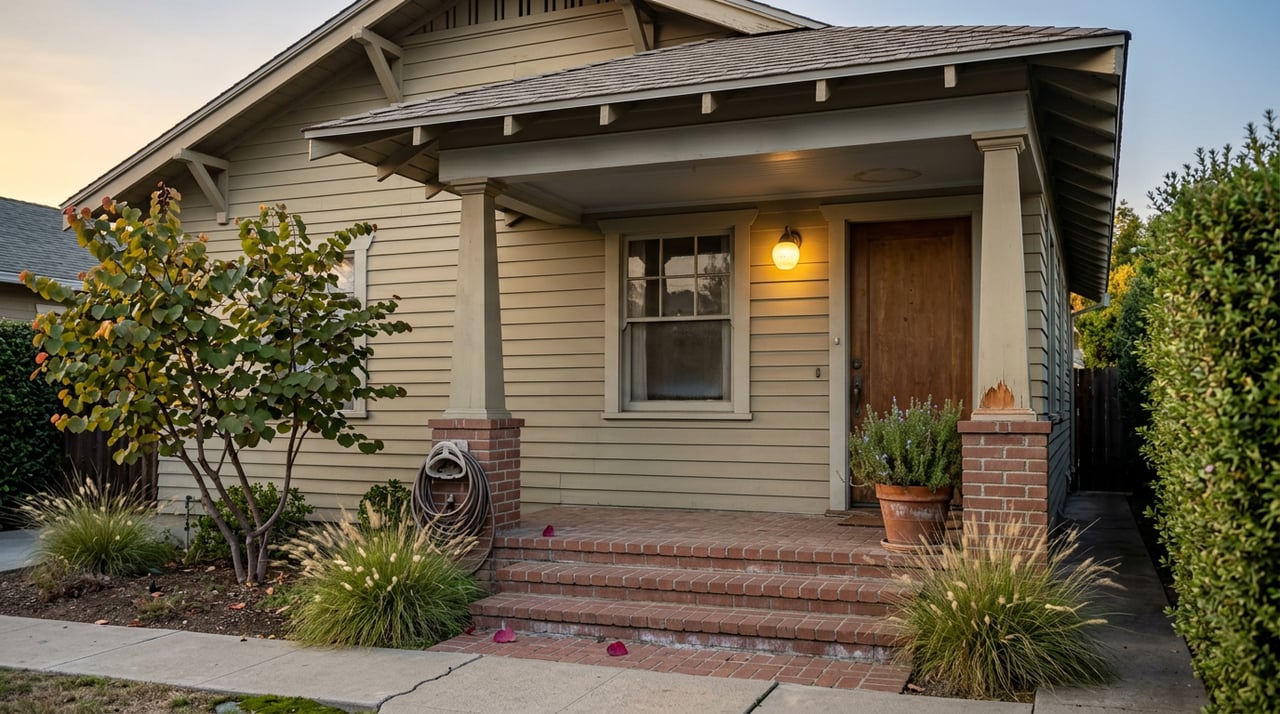
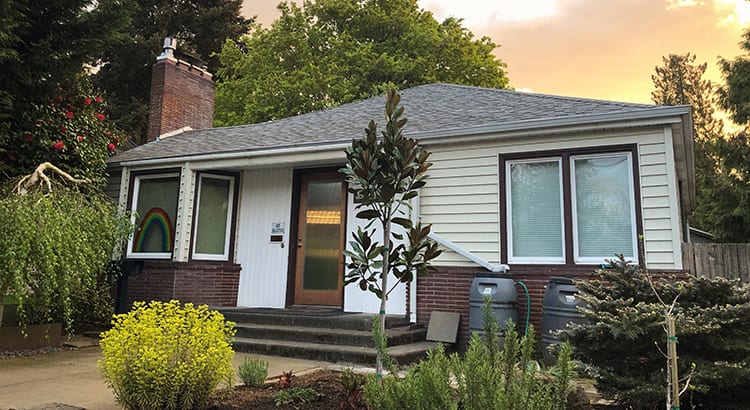
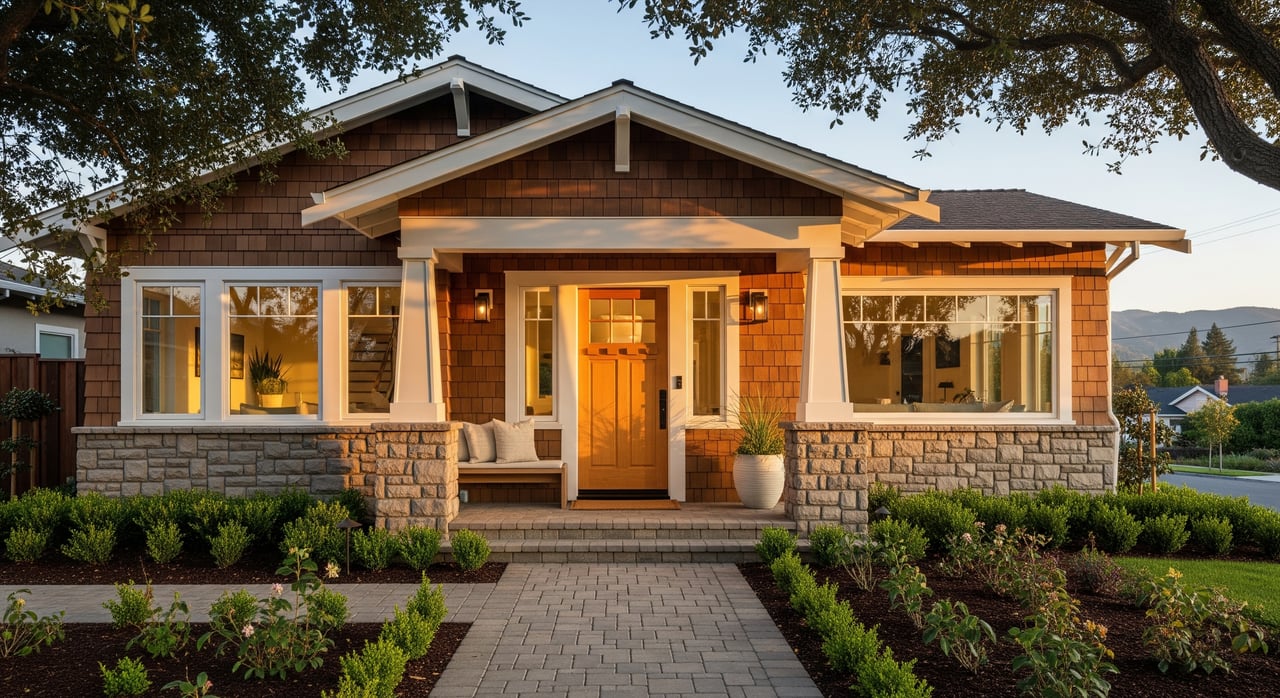
The Old Quad, wrapped around Santa Clara University, is the city's historic heart. Tree-lined streets hold Victorians, Craftsman bungalows, Spanish Revival homes, and early-1900s cottages, many carefully preserved. The collegiate, highly walkable feel makes it a favorite for those tied to the university.
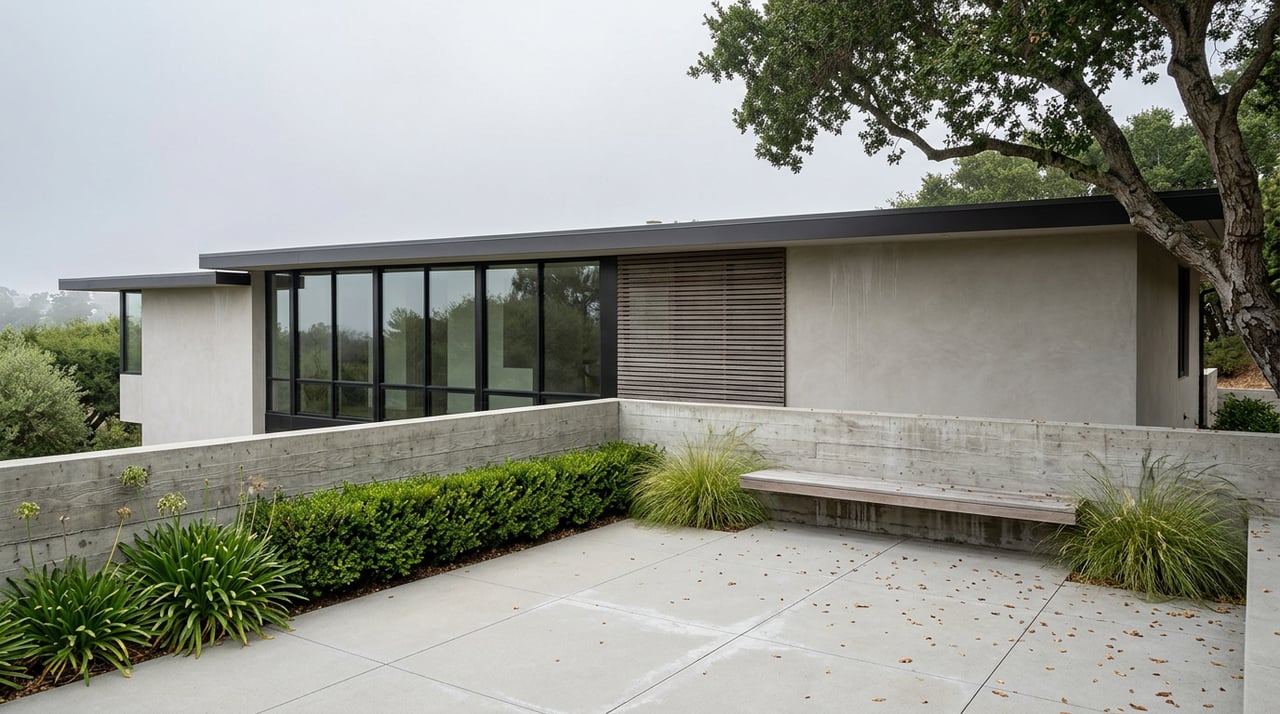
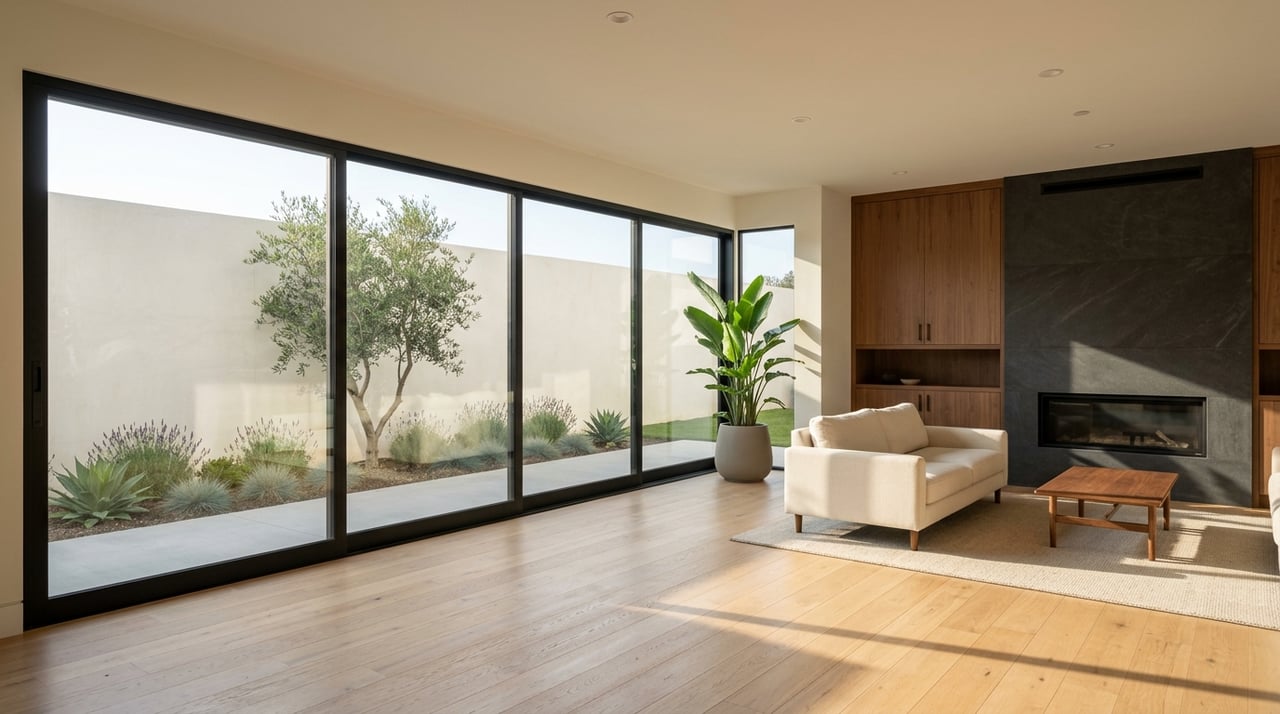
West Santa Clara and Ponderosa Park border Sunnyvale and deliver the classic quiet-suburb experience: well-regarded schools, community parks, and mid-century single-story ranch homes. This area also holds notable pockets of Eichler homes—post-and-beam modernist properties with floor-to-ceiling glass and interior atriums that command a devoted following among design-minded buyers.
Central and South Santa Clara run along El Camino Real and San Tomas Expressway, offering established 1950s and 1960s ranch homes alongside low-rise condos, with fast access to Central Park and major commuting routes.
A quick reference to the architecture you'll encounter:
Style | Era | Where | Signature Features |
|---|---|---|---|
Mid-Century Ranch | 1950s–70s | Central, South & West | Single-story, low roofs, large backyards |
Eichler (Modernist) | 1950s–60s | West Santa Clara enclaves | Post-and-beam, glass walls, atriums |
Victorian / Craftsman | 1880s–1920s | The Old Quad | Porches, detailed woodwork, high ceilings |
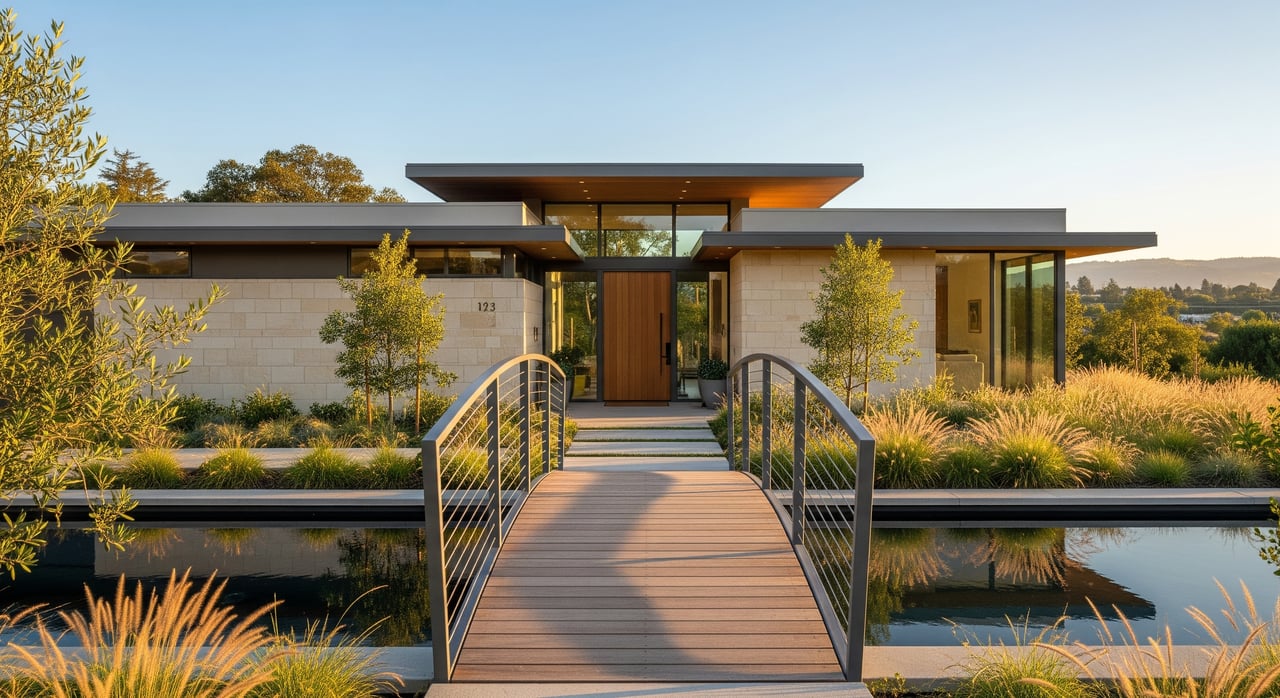
Contemporary / Planned | 2000s–present | Rivermark, North side | Multi-level, modern finishes, HOAs |
Most of the city is served by the Santa Clara Unified School District, which educates roughly 14,000 students and ranks in the top 20% of California districts, scoring consistently above state averages in reading, science, and math. For families, that combination of strong performance and relatively attainable single-family homes is a large part of the draw.
A few schools carry particular reputations. Millikin Basics Elementary is a well-known public magnet built around a back-to-basics curriculum, while Laurelwood and Washington Elementary are popular neighborhood choices with engaged parent communities. At the high school level, Santa Clara High and Adrian Wilcox High anchor the district with deep AP offerings, career pathways, and—at Wilcox—specialized STEM and robotics programs.
Families seeking alternatives have options too, from charter programs like Downtown College Prep to parochial schools such as Saint Lawrence, plus access to renowned private preps in neighboring San Jose and Sunnyvale.
Higher education gives the city its collegiate character. Santa Clara University, a private Jesuit institution founded in 1851, brings green space, historic architecture around Mission Santa Clara, and respected law, engineering, and business programs. Mission College, a public community college on the north side, adds two-year degrees, vocational certificates, and transfer pathways into the UC and CSU systems.
Santa Clara is one of Silicon Valley's genuine economic engines, and its concentration of headquarters is remarkable for a city its size. NVIDIA—now central to the global AI boom—is headquartered here, alongside Intel (with its public Intel Museum), Applied Materials, and AMD. Enterprise software and security add another layer, with ServiceNow's major campus along Great America Parkway and a significant Palo Alto Networks presence, plus Pure Storage and Marvell anchored in the city's business corridors.
The economy isn't purely tech, which gives it stability. Kaiser Permanente Santa Clara Medical Center is among the largest non-tech employers, running a major regional hospital and specialty clinics. Tourism and hospitality draw thousands more through Levi's Stadium, California's Great America, and the Santa Clara Convention Center, while the university and the City of Santa Clara itself—including Silicon Valley Power—employ a large public-sector workforce.
There's one economic feature unique to Santa Clara worth understanding: because the city-owned utility keeps commercial power rates low, Santa Clara has become one of the largest data center clusters on the West Coast, hosting critical infrastructure for tech giants, telecoms, and cloud providers. That same utility advantage that lowers residents' bills is a foundational piece of the local economy.
For a South Bay city, Santa Clara is unusually well-served by transportation, which is precisely why so many residents choose it. The freeway grid—US-101 north, I-280 south, I-880 east, plus the three expressways—gives drivers real alternatives when any single route slows down.
Typical drive times tell the practical story:
Route | Peak Commute | Off-Peak |
|---|---|---|
To North San Jose tech corridor | 10–20 min | 5–10 min |
To Palo Alto / Mountain View | 25–45 min | 15–20 min |
To San Francisco | 60–90+ min | 50–60 min |
To Oakland / East Bay | 45–70 min | 35–45 min |
Transit is where Santa Clara quietly outperforms expectations. Two Caltrain stations handle regional rail, VTA's Orange Line light rail connects the north side to Mountain View and the Milpitas BART station, and the Green Line runs south through Downtown San Jose to Campbell. BART is reachable via light-rail transfer at Milpitas or Berryessa, and a future VTA extension is planned to bring a dedicated BART station to the Santa Clara Transit Center. Add regional service from ACE and Amtrak, and residents have credible car-free options for many trips.
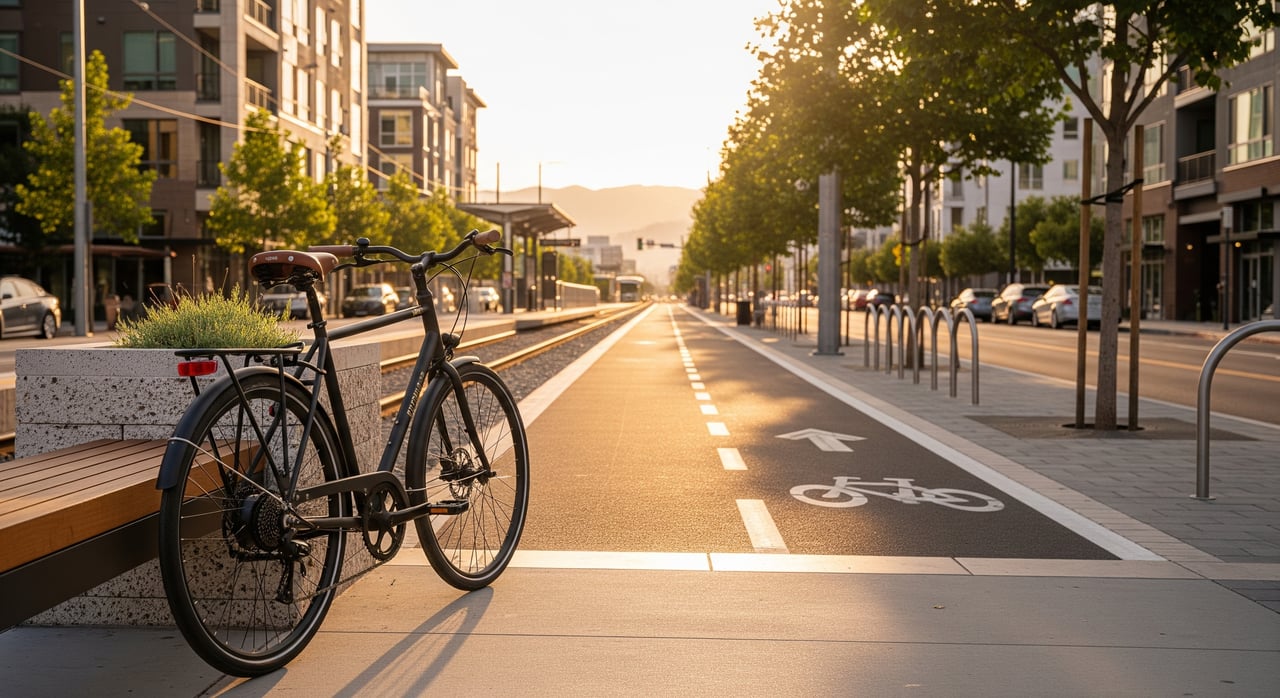
Two more everyday conveniences: San Jose International Airport is an eight-to-twelve-minute drive from most of the city, and the paved San Tomas Aquino Creek Trail runs north–south through town toward Levi's Stadium and the Bay, giving cyclists and runners a continuous route away from traffic.
Santa Clara maintains more than 400 acres of parkland, and two spaces stand out. Central Park, a 52-acre flagship off Kiely Boulevard, is the civic center of recreation: a lake, mature shade trees, lighted tennis and pickleball courts, the all-abilities Magical Bridge Playground, the Central Park Library, a 30,000-square-foot recreation center, and the International Swim Center, a training facility that has hosted Olympic-caliber swimmers and divers.
For something wilder, Ulistac Natural Area offers a different experience entirely. This 40-acre preserve along the Guadalupe River is the last undeveloped open space in the city, restored to showcase seven native California ecosystems—oak savannah, grasslands, sycamore woodlands, and wetlands among them. It shelters more than 180 bird species and is designed for low-impact recreation like walking, jogging, and birdwatching.
Beyond these anchors, the San Tomas Aquino Creek Trail connects neighborhoods to the Bay shoreline, and modern facilities like Reed & Grant Sports Park and the Santa Clara Youth Soccer Park near Levi's Stadium serve organized leagues and youth tournaments. Smaller neighborhood parks—Ponderosa, Lick Mill, and others—fill in with playgrounds, courts, and dog-friendly space throughout the residential districts.
Santa Clara's retail and dining scene punches above its size, largely because of what sits on and near its borders. Westfield Valley Fair, straddling the Santa Clara–San Jose line, is one of California's highest-grossing shopping centers, home to luxury houses like Louis Vuitton and Gucci, an expansive Eataly marketplace, and—just across the way—the dining and nightlife of Santana Row. Closer to home, Rivermark Village serves the north side with an open-air neighborhood center, and Santa Clara Square on Augustine Drive anchors an upscale lifestyle center around Whole Foods.
The food culture reflects the city's diversity in a way that's genuinely distinctive. El Camino Real holds one of Northern California's densest concentrations of authentic Korean cuisine—Korean BBQ, tofu houses, bakeries, and boba shops line the corridor—alongside excellent South Indian, Vietnamese, and Chinese spots tucked into strip centers and office plazas. At the upper end, steakhouses at Santa Clara Square and the food halls of Eataly round out the range.
Entertainment is a signature strength. Levi's Stadium, the 68,500-seat home of the San Francisco 49ers, hosts marquee events—it drew Super Bowl LX and will feature matches in the 2026 FIFA World Cup—along with major stadium concert tours. Next door, California's Great America spreads across 100 acres of roller coasters, the South Bay Shores waterpark, and seasonal festivals, making the city a genuine regional destination for a day out.
For all its high-tech identity, Santa Clara holds onto deep historical roots. Mission Santa Clara de Asís, founded in 1777, sits at the center of the university campus, surrounded by gardens and the de Saisset Museum's collection of early California artifacts and regional art. Across from Central Park, the free Triton Museum of Art highlights Bay Area and California artists through rotating exhibitions and community classes. The Intel Museum offers an interactive look at semiconductor history, and the Harris-Lass House Museum preserves a farmstead from the city's agricultural past—a reminder of what the valley was before the chips arrived.
The community calendar keeps the "Mission City" feeling alive throughout the year:
Performing arts round things out, from youth productions at the Roberta Jones Junior Theatre to university and professional shows at SCU's Louis B. Mayer Theatre.
Santa Clara is consistently regarded as one of the safer, more family-friendly cities in the South Bay. Violent crime rates run low relative to state and national averages. As in most job centers along the US-101 corridor, property crime—package theft, vehicle break-ins, opportunistic shoplifting—is the main day-to-day concern, and it tends to concentrate near large commercial plazas and transit points rather than in residential neighborhoods. The city runs its own police and fire departments independent of the county, which supports fast response times and a visible community presence.
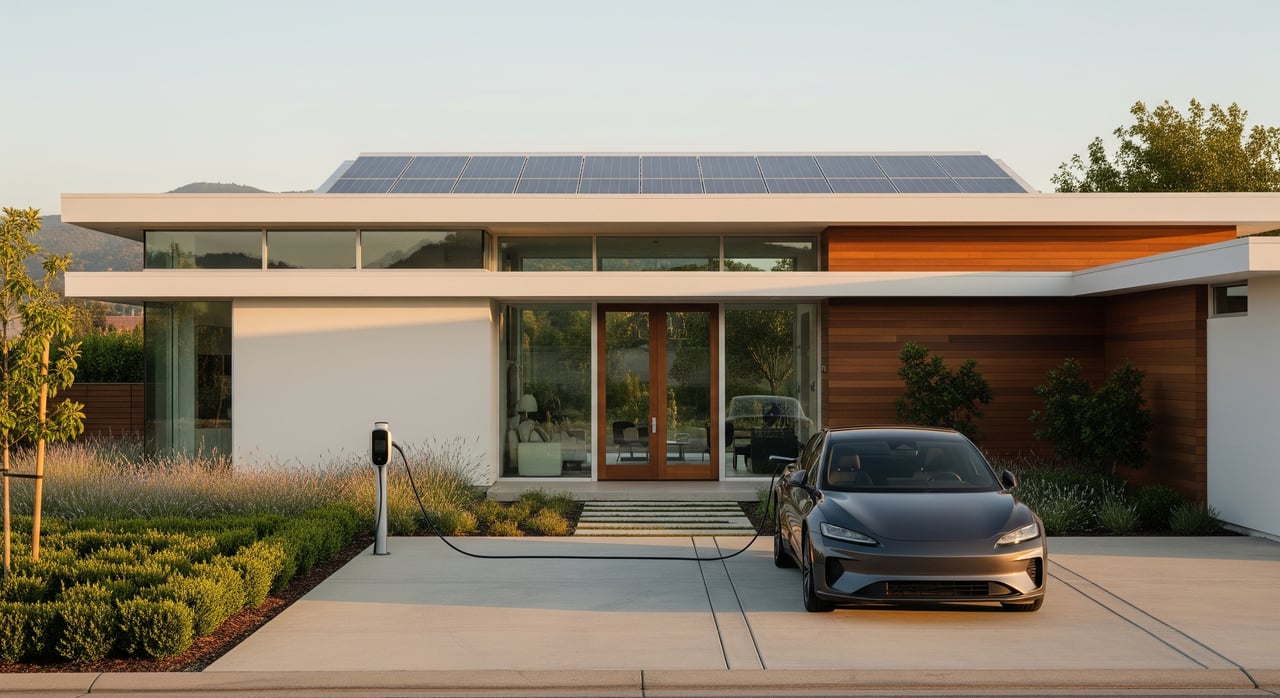
The standout livability advantage, though, is Silicon Valley Power. Because the city owns its electric utility, residential rates run roughly 20% to 40% below neighboring PG&E territory, and the grid maintains strong reliability metrics. In practical terms, that means home EV charging, summer air conditioning, and everyday electricity use cost meaningfully less here than a few blocks across the municipal line in Sunnyvale or San Jose—a difference that compounds year after year.
There's no avoiding it: Santa Clara is expensive, with an overall cost of living roughly 80% to 100% above the national average. Housing drives nearly all of that gap. Groceries and transportation run 20% to 35% higher than the national norm, reflecting Bay Area labor costs and California fuel prices. The one category that breaks in residents' favor is utilities, which sit 10% to 20% below average thanks to Silicon Valley Power.
Property taxes follow standard California rules under Proposition 13. The base rate is 1% of assessed value at the time of purchase, and once local school bonds and special assessments are added, the effective rate typically lands between 1.15% and 1.25%. Prop 13's real benefit is predictability: after purchase, assessed value can't rise more than 2% per year regardless of how fast the market climbs, which protects long-term owners from runaway tax bills.
To make that concrete, a single-family home purchased at the median of around $1,700,000 would carry a first-year property tax bill of roughly $19,500 to $21,250. The combined sales tax rate in the city is 9.75%.
Santa Clara rewards a few specific profiles especially well. Tech professionals and executives at NVIDIA, Intel, AMD, or nearby Apple Park and the Googleplex get something increasingly rare in the Bay Area—a genuine micro-commute that trades freeway hours for minutes. Families and long-term homeowners find the combination they're usually forced to choose between: solid public schools, quiet established neighborhoods, mature parks, and lower utility costs, all at single-family prices below the pricier peninsula towns.
University-affiliated residents—SCU faculty, staff, and students—gravitate to the walkable Old Quad and easy transit access, while long-term investors are drawn less by immediate rental yield (which is modest by out-of-state standards) than by the fundamentals: low vacancy, steady demand from surrounding campuses, and a durable history of appreciation in a supply-constrained market.
If there's a common thread, it's the buyer who wants Silicon Valley access without giving up a grounded, livable neighborhood feel.
Santa Clara remains a competitive, inventory-constrained market where single-family homes attract multiple offers and move fast—often pending within ten to fifteen days, with sale-to-list ratios frequently landing between 103% and 106%. That pace rewards preparation on both sides of a transaction.
For buyers, three things matter most. Get fully underwritten pre-approval—or cash proof—before you shop, because homes in areas like West Santa Clara and Ponderosa Park go pending in under two weeks and short-contingency offers win. Factor the Silicon Valley Power savings into your budget; lower monthly electric bills quietly offset costs a comparable home across the municipal line can't match. And if single-family pricing pushes past your range, the townhomes and condos of Rivermark and the north side offer real entry points in the $700K–$1.2M band with far less maintenance.
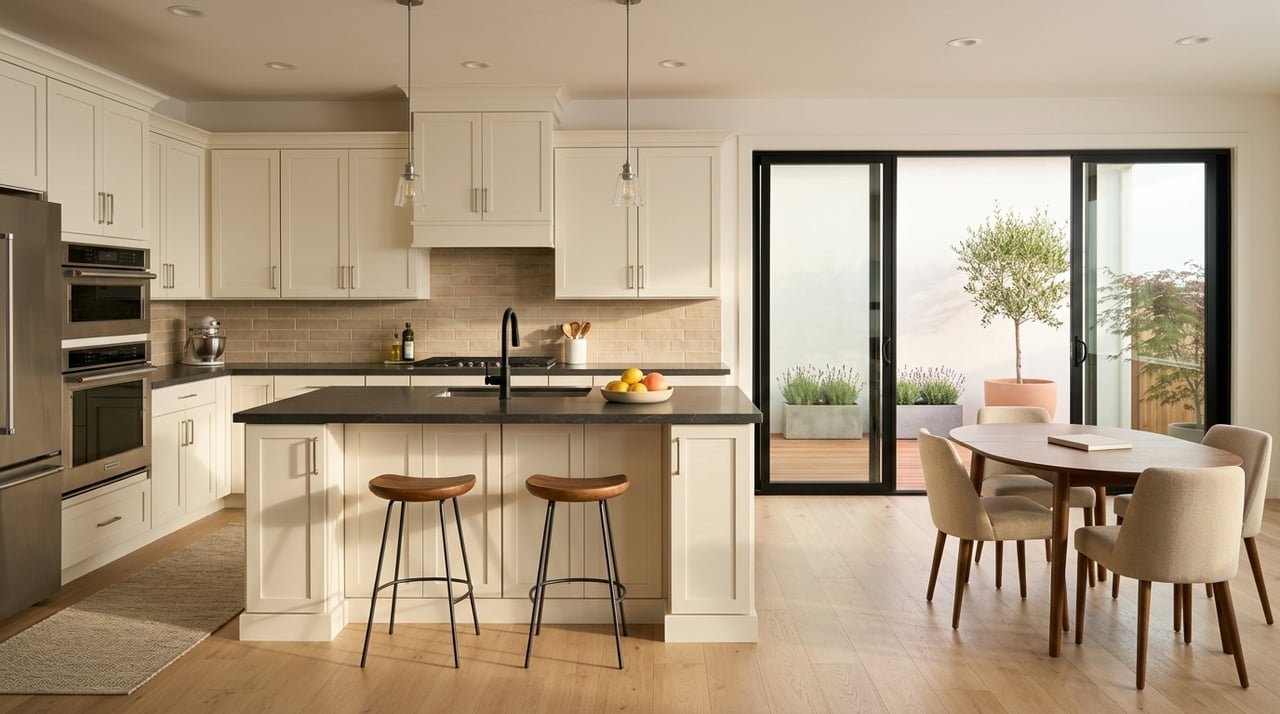
For sellers, precision pricing beats aspirational pricing—buyers here are data-savvy and interest-rate sensitive, and an overpriced home can stall past the two-week window and require visible cuts to recover momentum. Turn-key presentation pays off, so strategic updates to kitchens, flooring, paint, and professional staging routinely spark bidding wars. Timing helps too: inventory and buyer activity tend to peak between March and June, aligning with tech vesting cycles and the school-year calendar.
Navigating a market this fast is where experienced representation earns its keep, and that's exactly what the Samit Shah Real Estate Group brings to Santa Clara buyers and sellers. Ranked in the top 0.5% of REALTORS® nationwide, honored among the Leading 100 in the Bay Area for five consecutive years, and recognized as the #1 team in San Jose, Samit and his team have guided hundreds of families through Silicon Valley transactions with a calm, data-driven, results-focused approach. Whether you're preparing a listing for maximum return or crafting a winning offer in a multiple-bid situation, the goal is simple: to be your Realtor for life. Reach the Samit Shah Team at (408) 314-1828 or [email protected], or visit the office at 1133 Minnesota Ave, San Jose, CA 95125. (Samit Shah | CA DRE# 01906486)
There's plenty to do around Santa Clara, including shopping, dining, nightlife, parks, and more. Data provided by Walk Score and Yelp.
Explore popular things to do in the area, including San Jose Valley Veal, Awake Up Call Mobil Espresso, and QT Pie Creations.
| Name | Category | Distance | Reviews |
Ratings by
Yelp
|
|---|---|---|---|---|
| Dining · $$ | 0.52 miles | 3 reviews | 5/5 stars | |
| Dining | 1.1 miles | 5 reviews | 5/5 stars | |
| Dining | 1.1 miles | 0 reviews | 0/5 stars | |
| Shopping | 0.29 miles | 0 reviews | 0/5 stars | |
| Shopping | 0.83 miles | 0 reviews | 0/5 stars | |
| Shopping | 1.01 miles | 3 reviews | 2.7/5 stars | |
| Active | 0.81 miles | 1 review | 5/5 stars | |
| Active | 1.01 miles | 0 reviews | 0/5 stars | |
| Active | 1.18 miles | 14 reviews | 5/5 stars | |
| Nightlife | 1.1 miles | 0 reviews | 0/5 stars | |
| Beauty | 0.52 miles | 0 reviews | 0/5 stars | |
| Beauty | 0.81 miles | 0 reviews | 0/5 stars | |
| Beauty | 0.89 miles | 1 review | 1/5 stars | |
| Beauty | 0.93 miles | 3 reviews | 4/5 stars | |
| Beauty | 0.98 miles | 60 reviews | 4.9/5 stars | |
| Beauty | 0.98 miles | 2 reviews | 5/5 stars | |
| Beauty | 0.98 miles | 53 reviews | 4.3/5 stars | |
| Beauty | 0.98 miles | 0 reviews | 0/5 stars | |
| Beauty | 0.98 miles | 0 reviews | 0/5 stars | |
| Beauty | 0.98 miles | 0 reviews | 0/5 stars | |
| Beauty | 1.1 miles | 0 reviews | 0/5 stars | |
| Beauty | 1.1 miles | 0 reviews | 0/5 stars | |
| Beauty | 1.12 miles | 1 review | 1/5 stars | |
| Beauty | 1.2 miles | 0 reviews | 0/5 stars | |
|
|
||||
|
|
||||
|
|
||||
|
|
||||
|
|
||||
|
|
Santa Clara has 48,587 households, with an average household size of 2.925. Data provided by the U.S. Census Bureau. Here’s what the people living in Santa Clara do for work — and how long it takes them to get there. Data provided by the U.S. Census Bureau. 129,521 people call Santa Clara home. The population density is 7,939 and the largest age group is Data provided by the U.S. Census Bureau.
Total Population
Population Density Population Density This is the number of people per square mile in a neighborhood.
Median Age
Men vs Women
Population by Age Group
0-9 Years
10-17 Years
18-24 Years
25-64 Years
65-74 Years
75+ Years
Education Level
Total Households
Average Household Size
Average individual Income
Households with Children
With Children:
Without Children:
Blue vs White Collar Workers
Blue Collar:
White Collar:
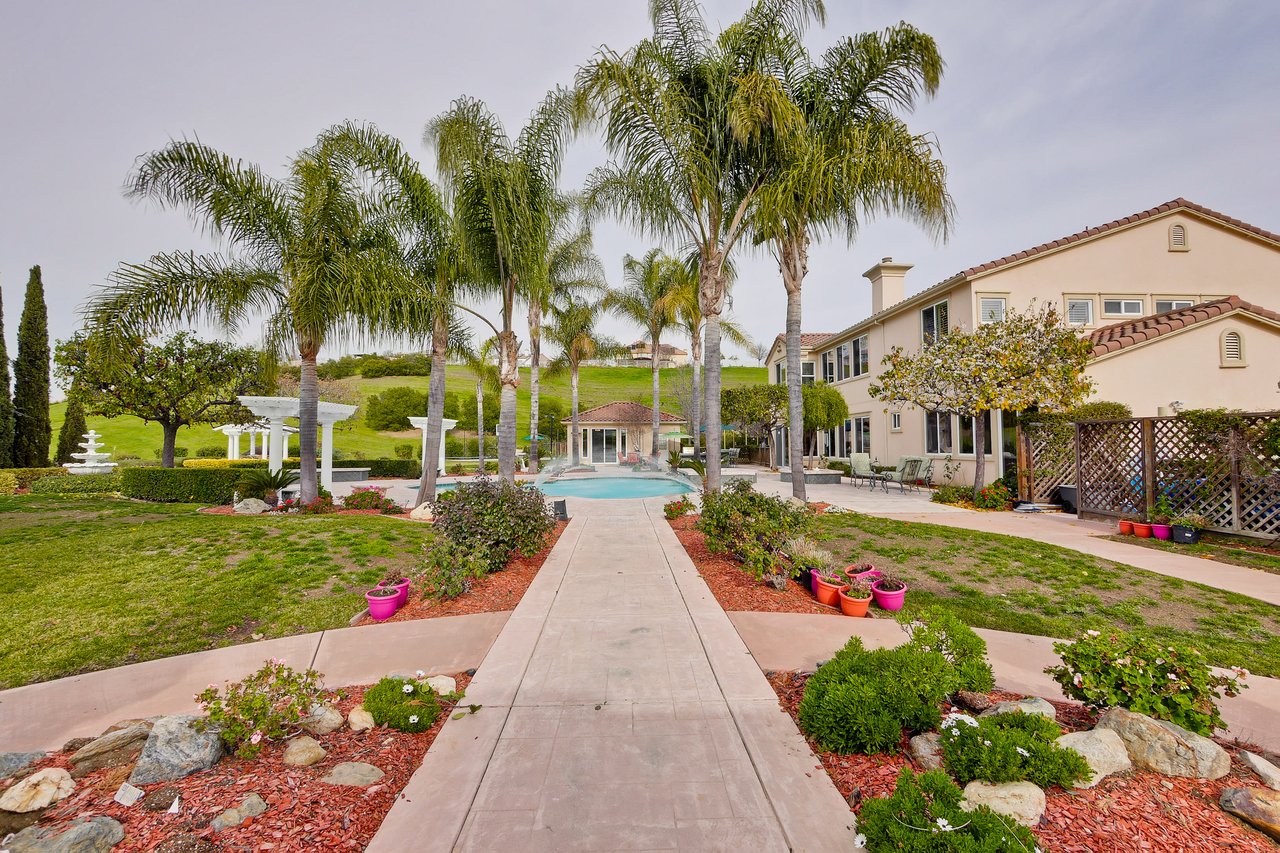
Search Blossom Valley, San Jose homes for sale, including luxury homes and new listings
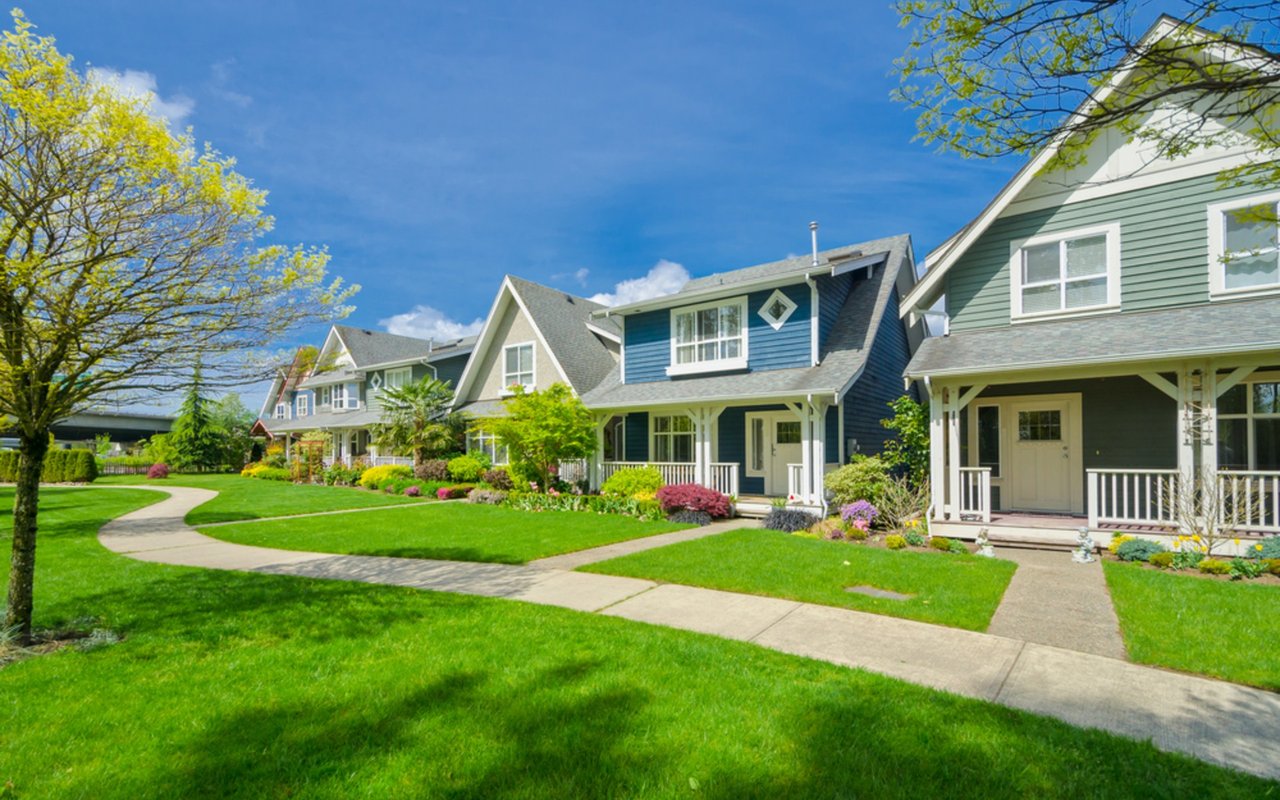
Search Cambrian Park, San Jose homes for sale, including luxury homes and new listings
1133 Minnesota Ave San Jose, CA 95125
1133 Minnesota Ave San Jose, CA 95125