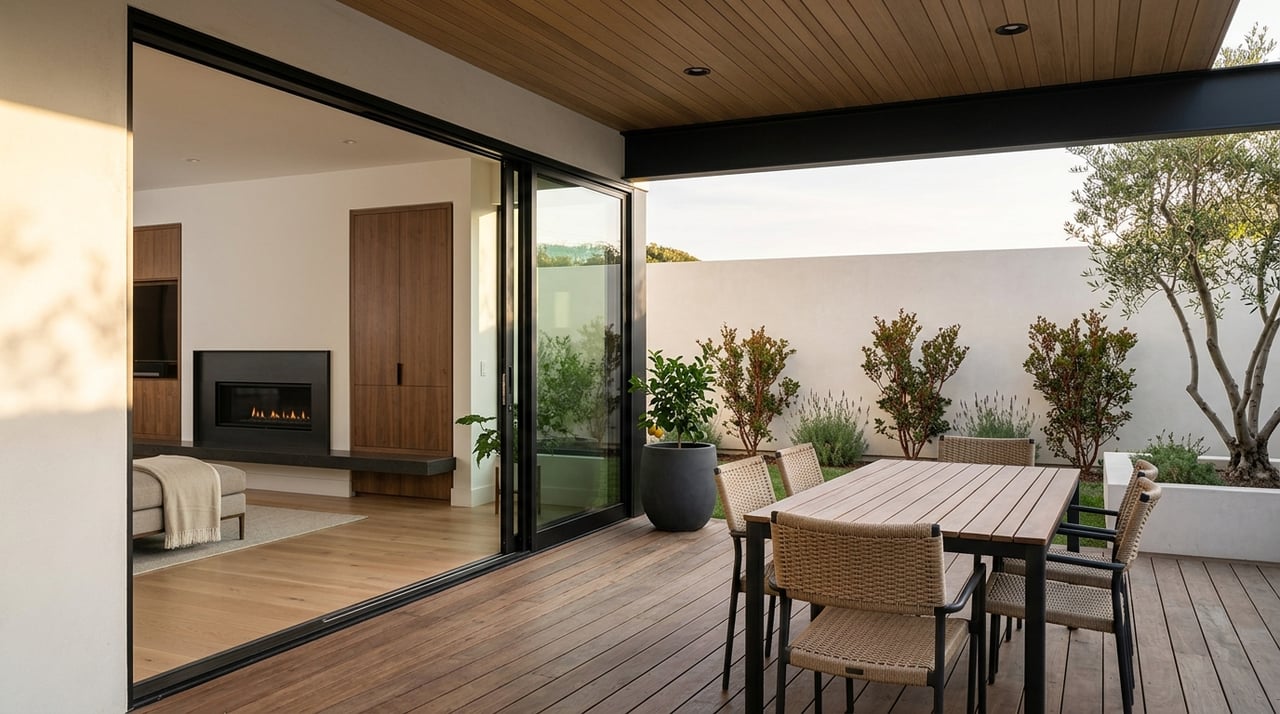
Milpitas Homes for Sale & Luxury Real Estate
Search Milpitas, CA homes for sale, including luxury homes and new listings
78,479 people live in Milpitas, where the median age is 36.4 and the average individual income is $67,493. Data provided by the U.S. Census Bureau.
Total Population
Median Age
Population Density
Average individual Income
Milpitas occupies a position that almost no other Bay Area city can claim. It sits at the seam where the South Bay meets the East Bay, with I-880, I-680, and CA-237 converging inside city limits, and with a BART station that connects directly to VTA Light Rail at a single transit center. For two decades, that geography made Milpitas a practical choice. Since BART arrived, it has made Milpitas a strategic one.
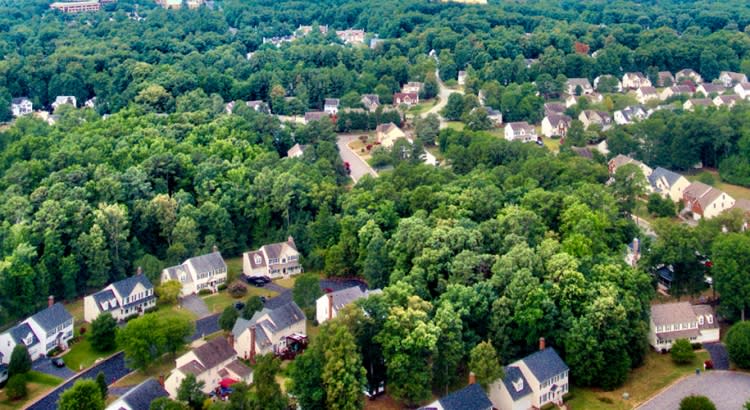
What surprises buyers who only know Milpitas by reputation — the Great Mall, the freeways, the industrial parks along Barber Lane — is how sharply the city changes as you move west to east. Drive from the transit district near Montague Expressway up toward the Diablo foothills and you pass through three distinct housing eras in about fifteen minutes: podium-style condo towers built in the last decade, then block after block of 1960s ranch homes on 7,000-square-foot lots with mature trees, then custom hillside estates with view corridors over the entire Santa Clara Valley. Few Silicon Valley cities compress that much variety into 13 square miles.
The city is also one of the most genuinely international places in the Bay Area. That shows up less in civic branding than in daily life — in the fact that you can buy Sichuan peppercorns, Korean banchan, Filipino pandesal, and South Asian spices within a four-mile radius, and that the restaurants serving those communities are cooking for them rather than for a tourist audience.
Milpitas is not a picturesque city. There is no historic downtown with sidewalk cafés and boutique storefronts. What it offers instead is access, value, and a housing stock that gives you meaningfully more square footage per dollar than Cupertino, Mountain View, or Palo Alto. For a specific kind of buyer, that trade is not a compromise at all.
Milpitas doesn't organize itself into named neighborhoods the way San Jose or Fremont do. Locals tend to think in terms of three geographic bands, and those bands correspond almost perfectly to three different housing products, three different cost structures, and three different daily experiences.
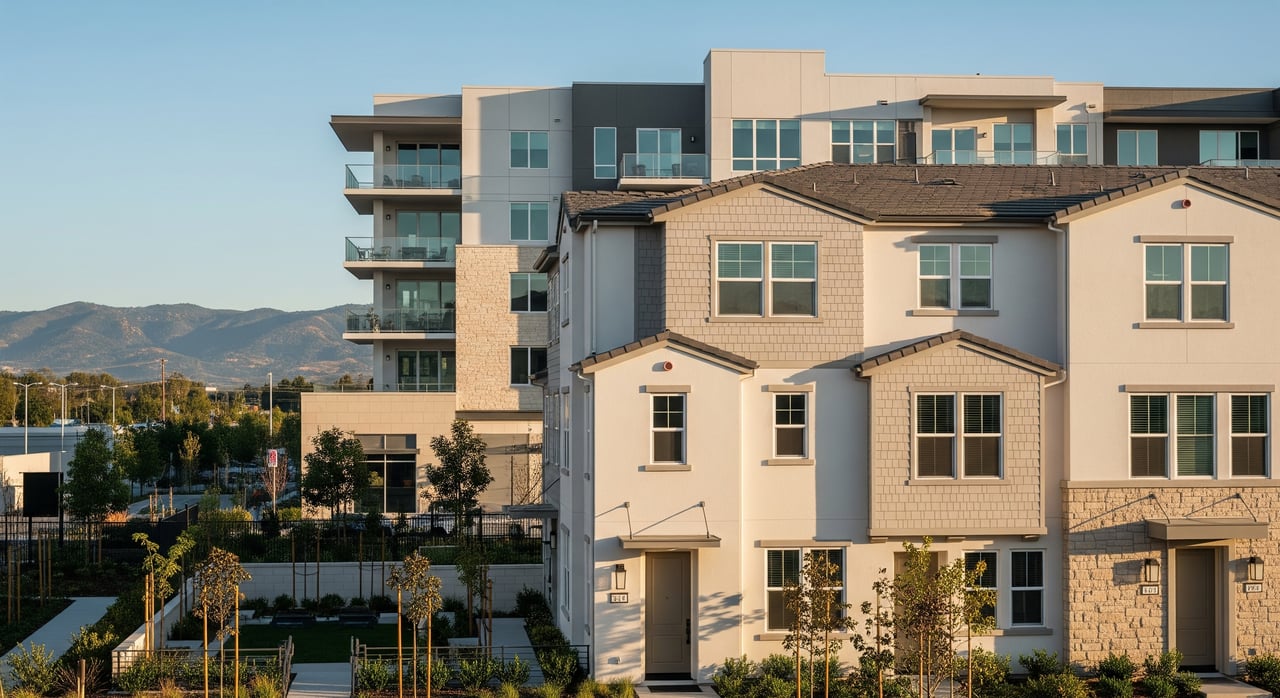
The Midtown and Transit District runs along Montague Expressway and the McCandless Drive corridor, anchored by the Milpitas Transit Center and the Great Mall. This is the newest part of the city and the densest — mid-rise condo buildings, four-story vertical townhomes, and ground-floor retail. Buyers here are usually trading yard space for a walkable commute to BART. It's also where HOA dues and Mello-Roos assessments concentrate, which is the single most important thing to understand before making an offer in this zone.
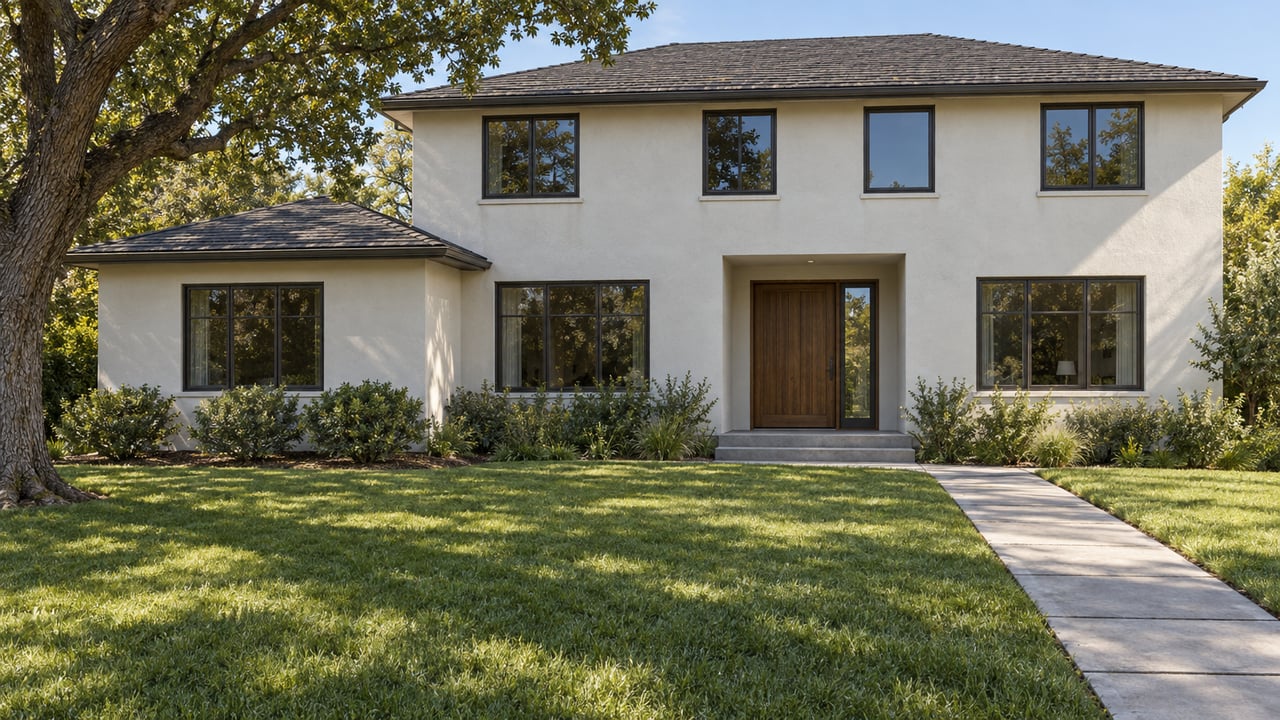
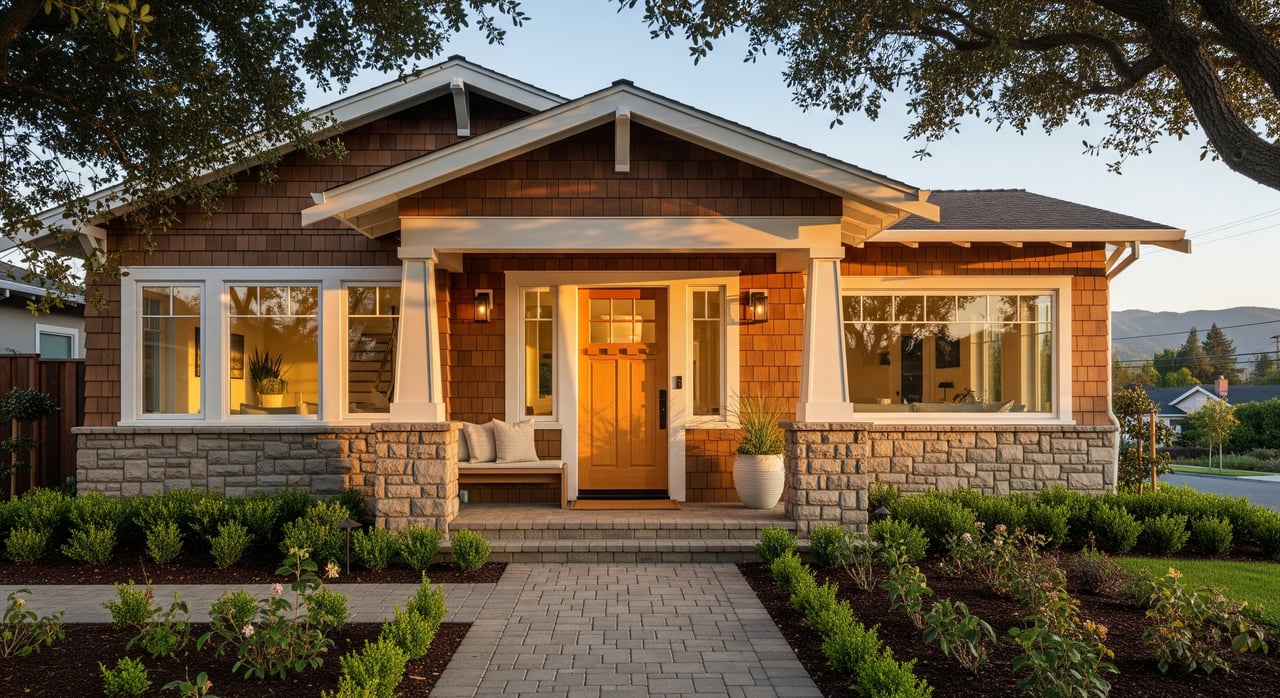
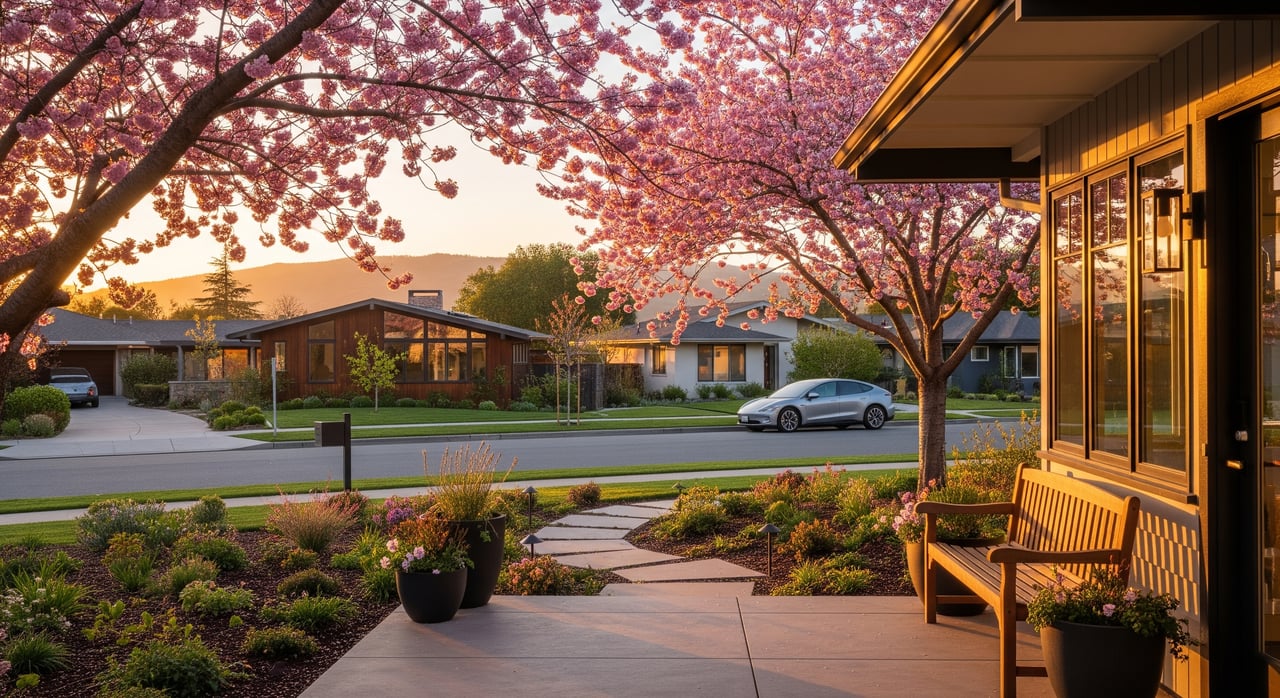
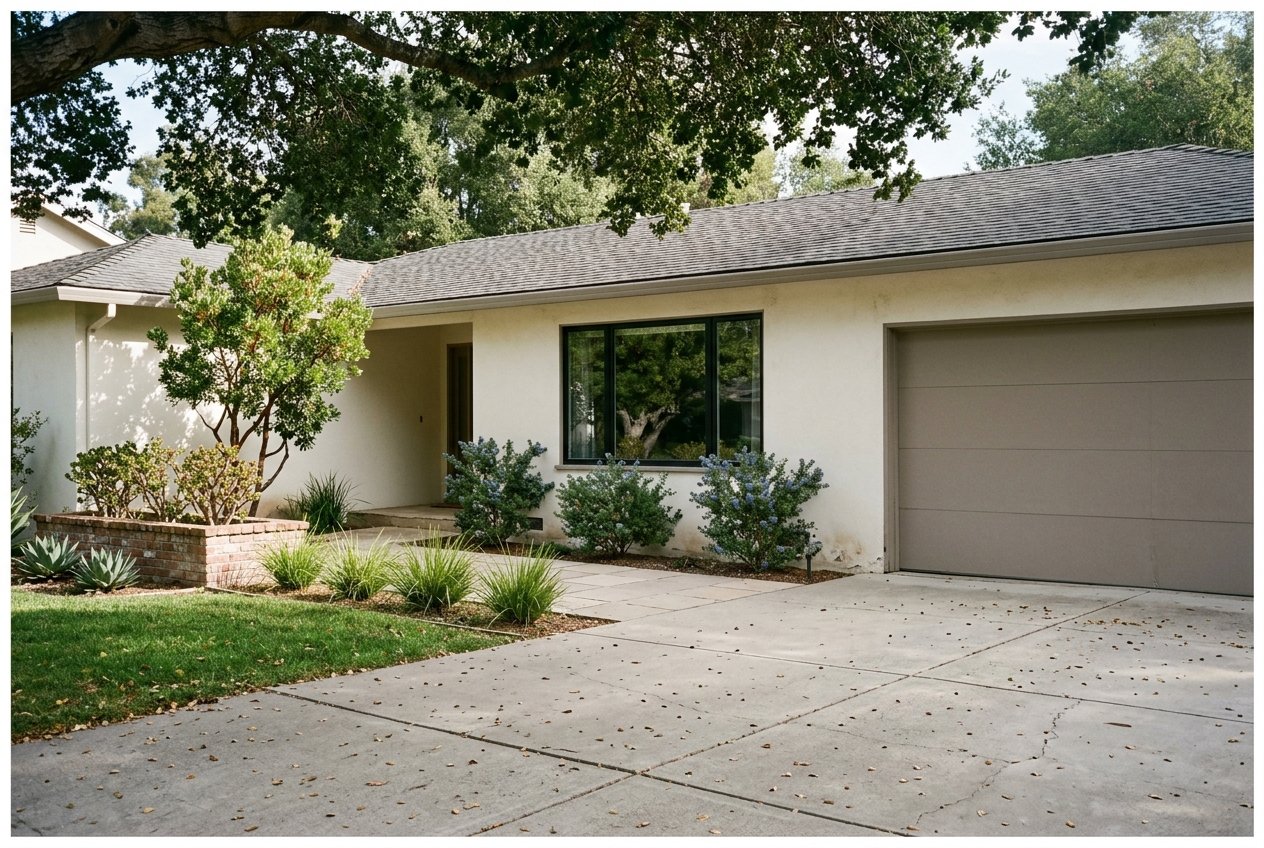
Central Milpitas — Sunnyhills, Starlite Pines, the Manor neighborhoods, and the area around Milpitas Town Center — is the city's mid-century core. These are single-story ranches and split-levels built between the 1950s and 1970s, on lots that are generous by modern Silicon Valley standards. Sunnyhills carries some genuine history: it was developed in the mid-1950s as one of the first racially integrated subdivisions in California, backed by the United Auto Workers local at the nearby Ford plant. Most of these neighborhoods have no HOA and no Mello-Roos, which makes the carrying cost math very different from Midtown.
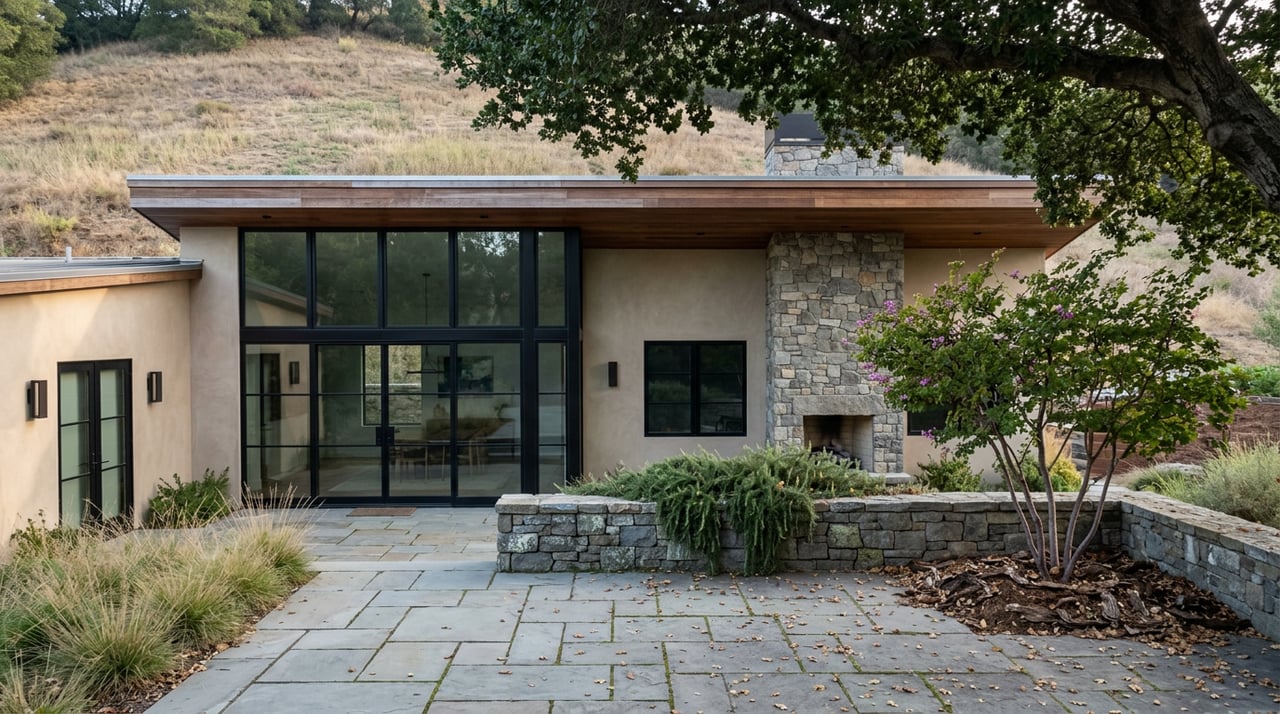
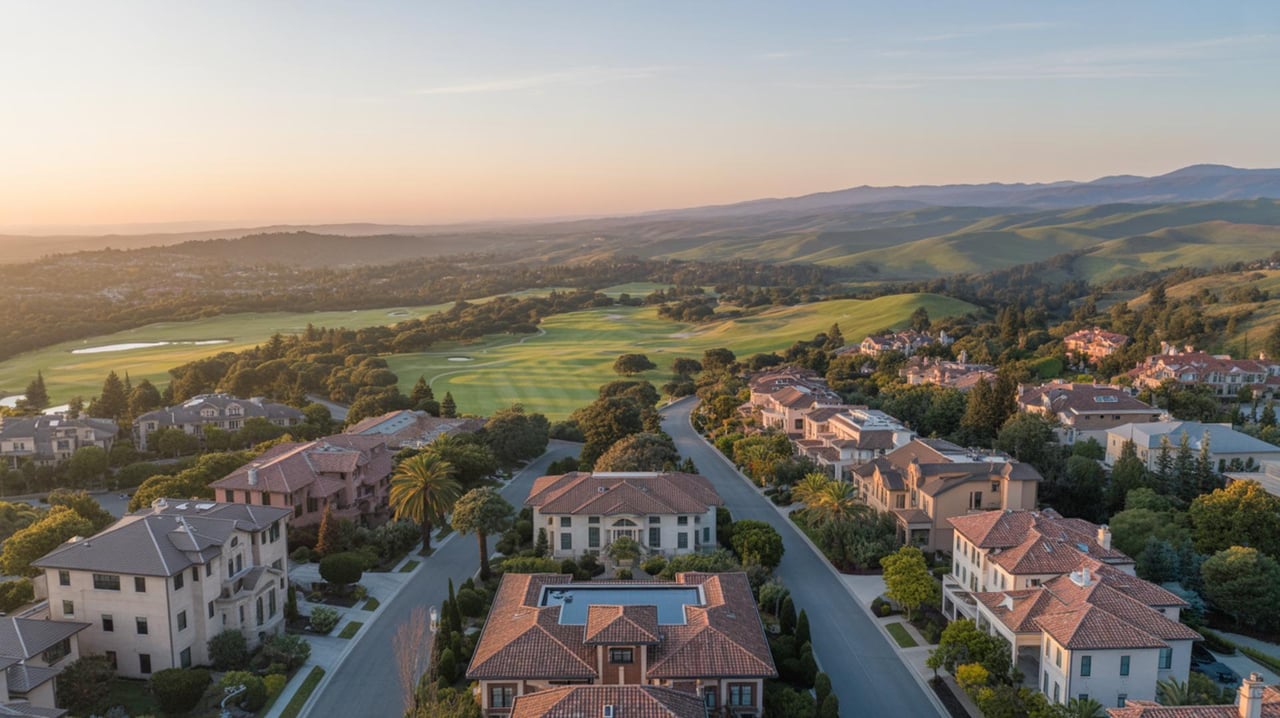
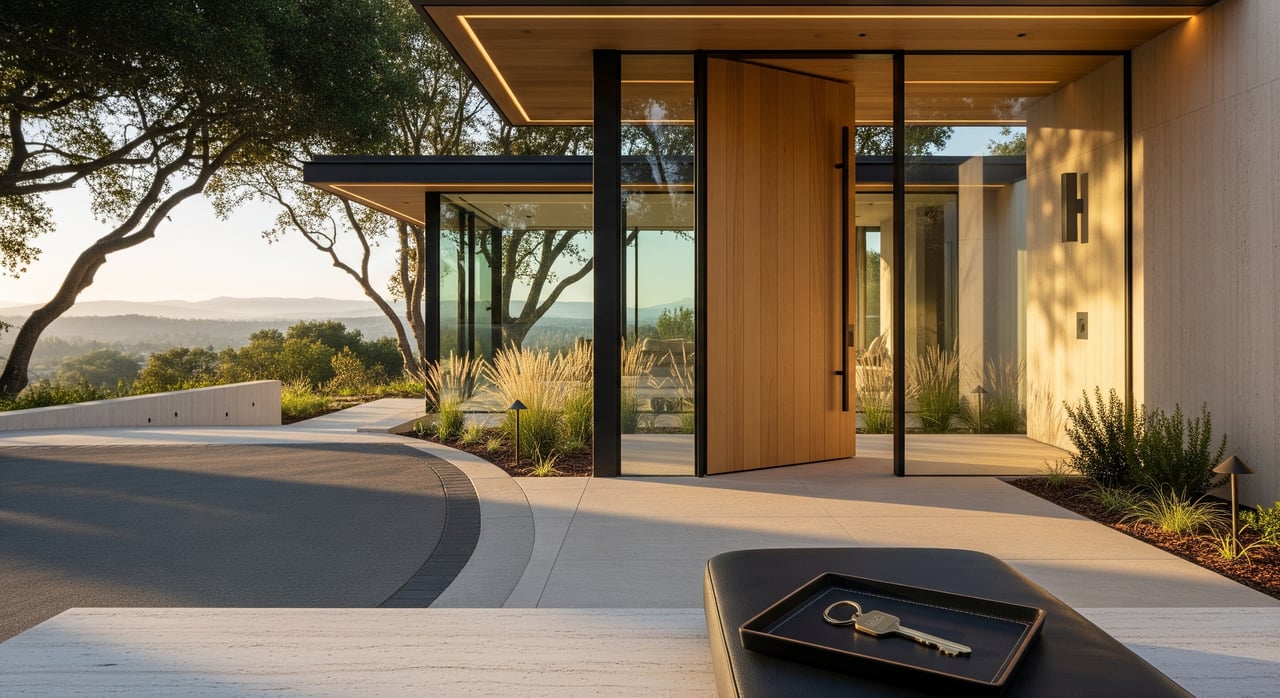
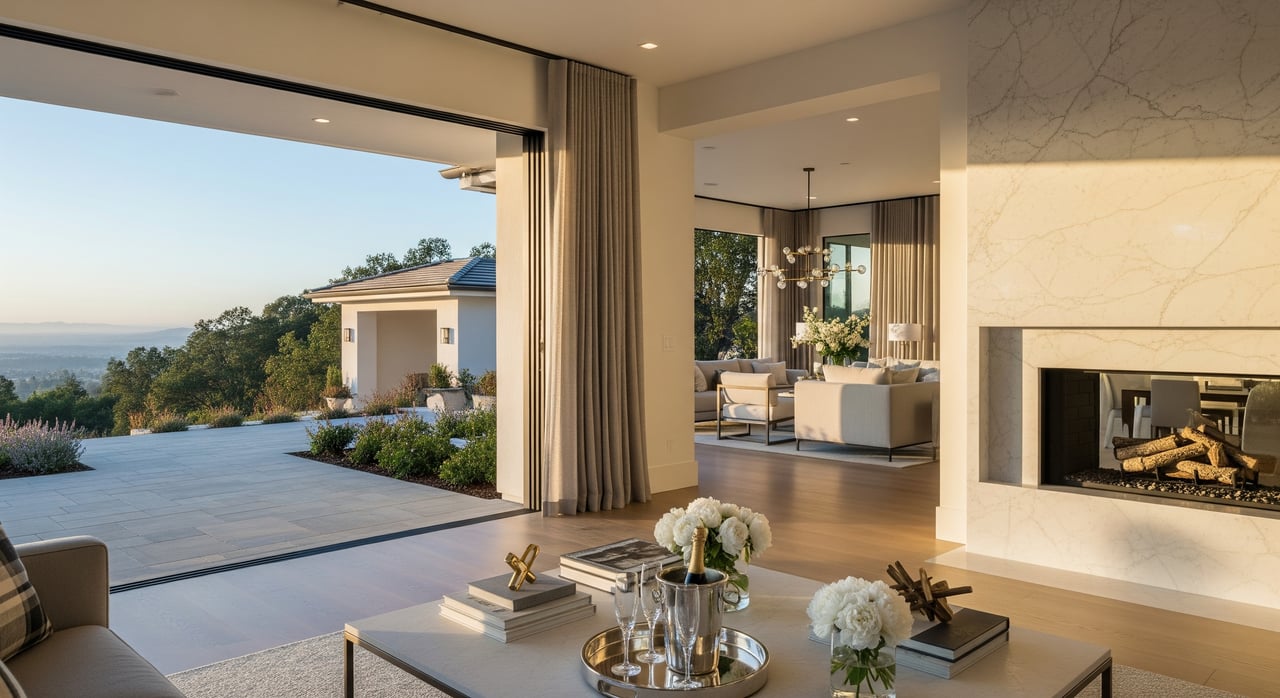
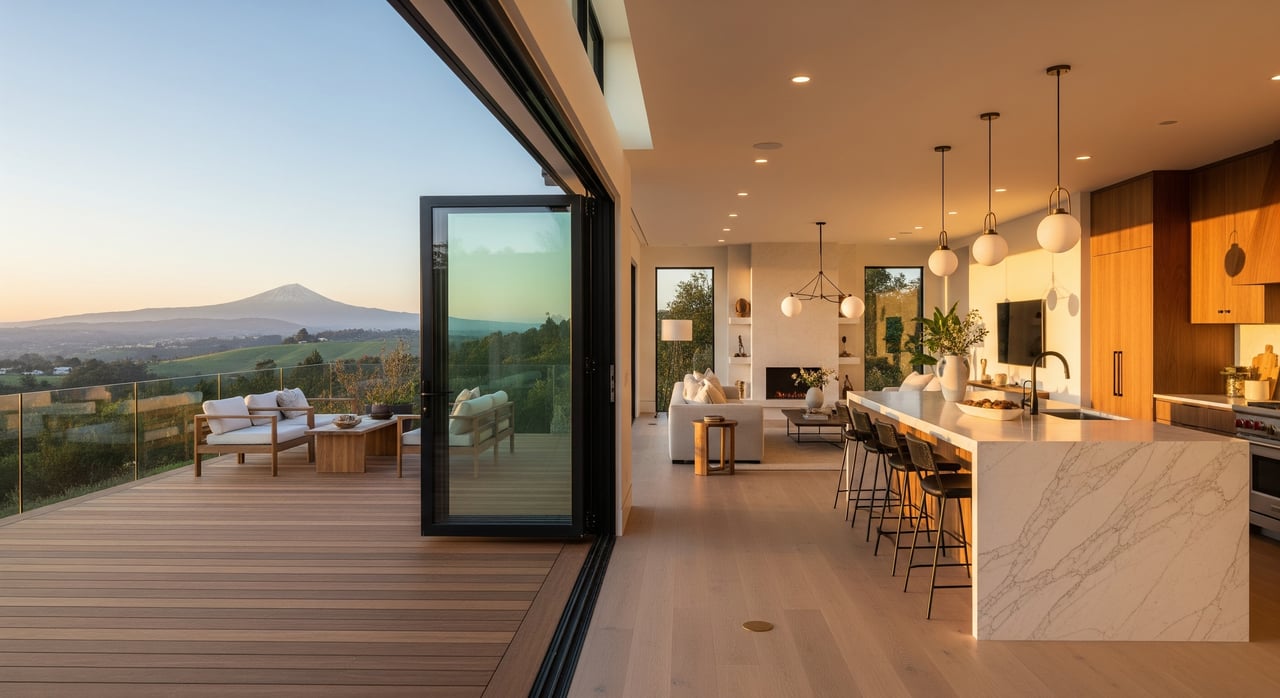
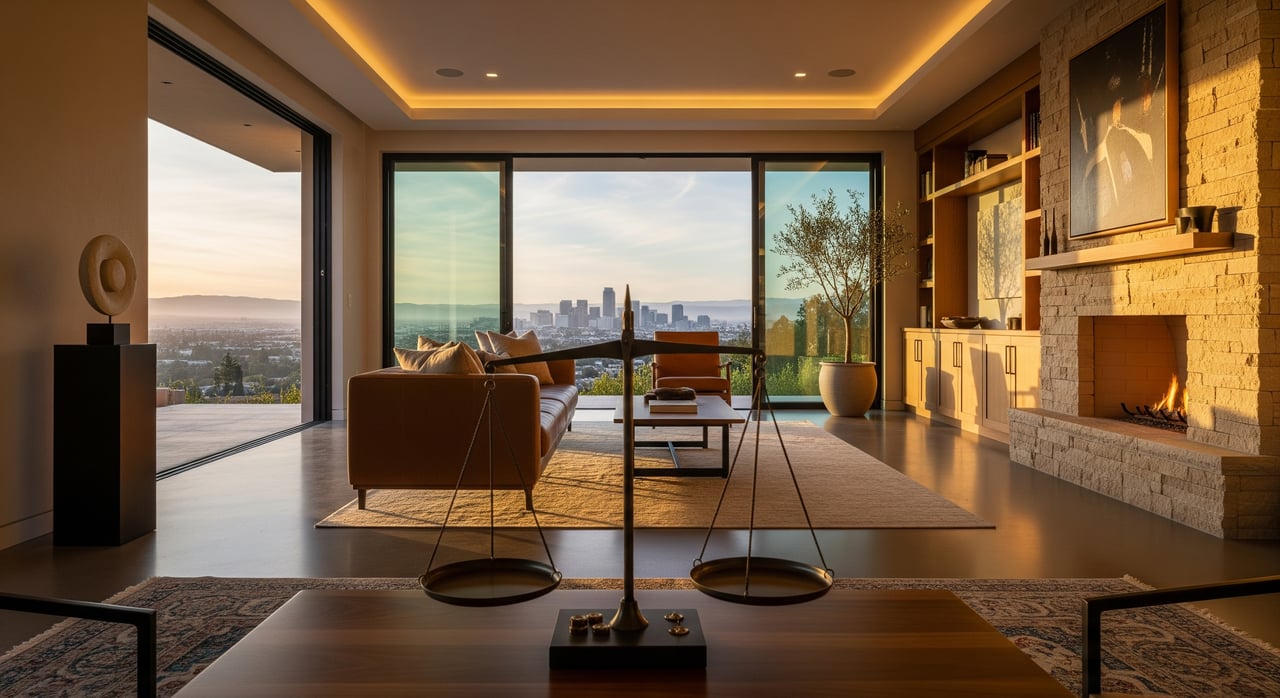
The Eastern Foothills — Calera Creek Heights, Victoria Park, and the tracts climbing toward Ed R. Levin County Park — hold the city's luxury inventory. Custom builds, Mediterranean and contemporary designs, 3,000 to 5,000+ square feet, and views that run from the Diablo Range across the valley floor. Prices here start where the rest of the city tops out. So do the engineering requirements, since hillside lots come with slope stability, drainage, and wildland-urban interface fire considerations that flat-lot buyers never encounter.
Area | What You're Buying | Typical Carrying Costs |
|---|---|---|
Midtown / Transit District | Condos and vertical townhomes, 2010s–present | HOA $250–$650+/mo, plus Mello-Roos in many parcels |
Central Milpitas | 1950s–70s ranches and split-levels, 6,000–8,000+ sq. ft. lots | Typically no HOA, no Mello-Roos |
Eastern Foothills | Custom estates and executive homes, 1980s–present | HOA $0–$250/mo depending on tract; some CFD exposure in newer builds |
Milpitas moves fast. Well-prepared homes typically go pending in roughly two to four weeks, and turnkey single-family properties routinely close at or above list — sale-to-list ratios in the 100% to 104% range are normal rather than exceptional. The pace is driven by a simple imbalance: the city sits adjacent to one of the densest employment corridors in the country, and it produces far fewer resale single-family homes per year than that job base demands.
The market splits cleanly into four tiers, and buyers should understand that these tiers behave differently.
Segment | Typical Price Range | Price per Sq. Ft. | Market Character |
|---|---|---|---|
Condos and flats | $700,000 – $975,000 | ~$670 – $750 | Entry point for first-time buyers and investors; most sensitive to interest rate shifts and HOA increases |
Townhomes | $1,050,000 – $1,350,000 | ~$750 – $850 | Strong demand from dual-income tech households wanting new construction without full maintenance |
Single-family detached | $1,350,000 – $1,800,000+ | ~$850 – $1,000+ | The most competitive segment; lot size, school pathway, and condition drive the spread |
Hillside estates | $2,100,000 – $3,500,000+ | Varies widely | Thin inventory, longer marketing periods, valuation driven by views and build quality |
The practical takeaway from that table is the price-per-square-foot inversion. Condos carry the lowest per-foot cost and single-family homes the highest, which is the opposite of what many buyers assume. You are not paying a premium for land in the condo tier — you're paying for it in the detached tier, and that premium is exactly what makes Central Milpitas ranch homes worth analyzing carefully.
The condo segment deserves a specific caution. Newer buildings in the transit district have been delivered in volume over the past several years, which means resale condos compete against builder inventory. If you're buying a two-year-old condo, you should know what the developer is still selling down the street and at what incentive level. That comparison rarely shows up in a standard comp report, and it matters.
On the detached side, the winning offers in Milpitas are usually not the highest ones — they're the cleanest. Pre-approved financing, a short or waived inspection period on a home with a pre-listing report, and a close timeline matched to the seller's needs frequently beat a higher number with more conditions attached.
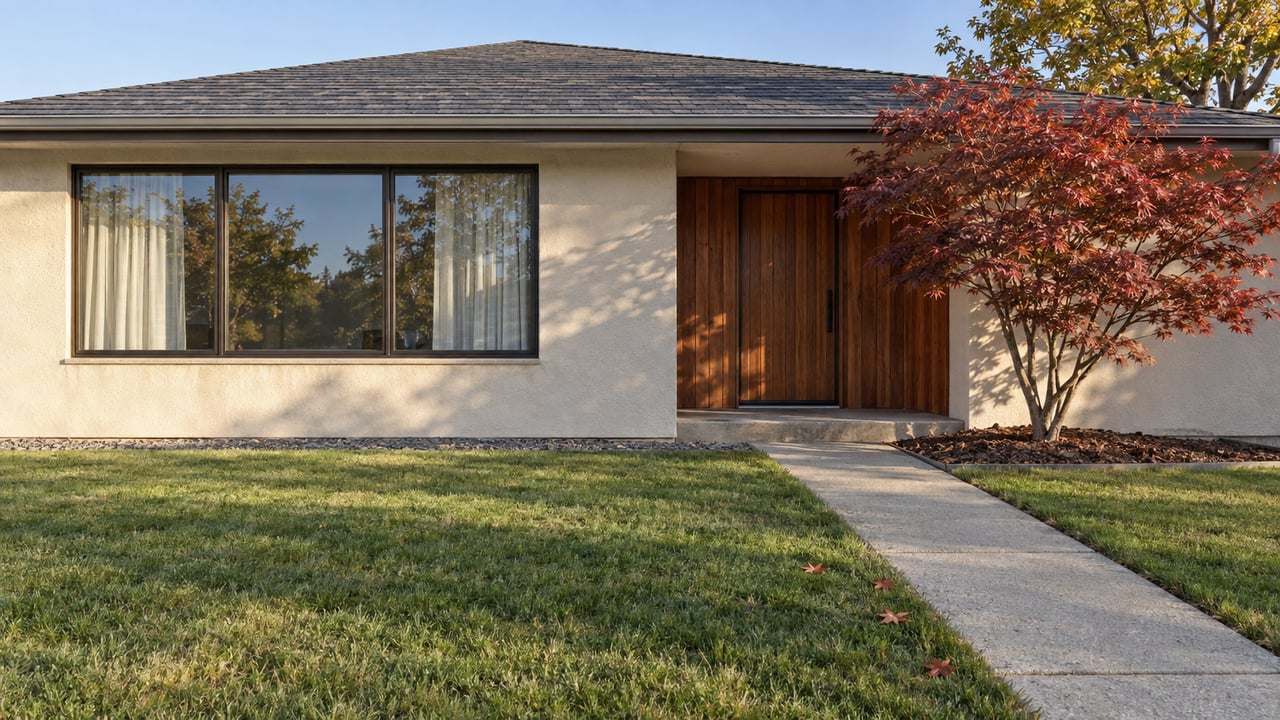
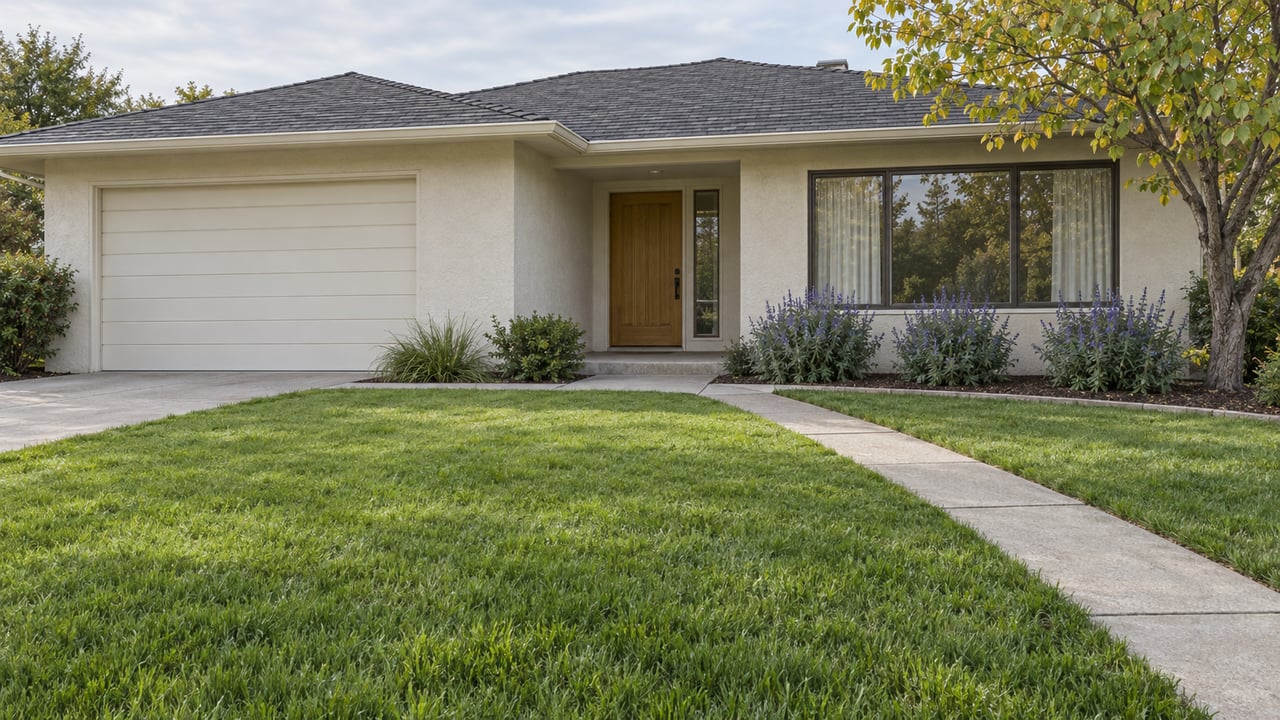
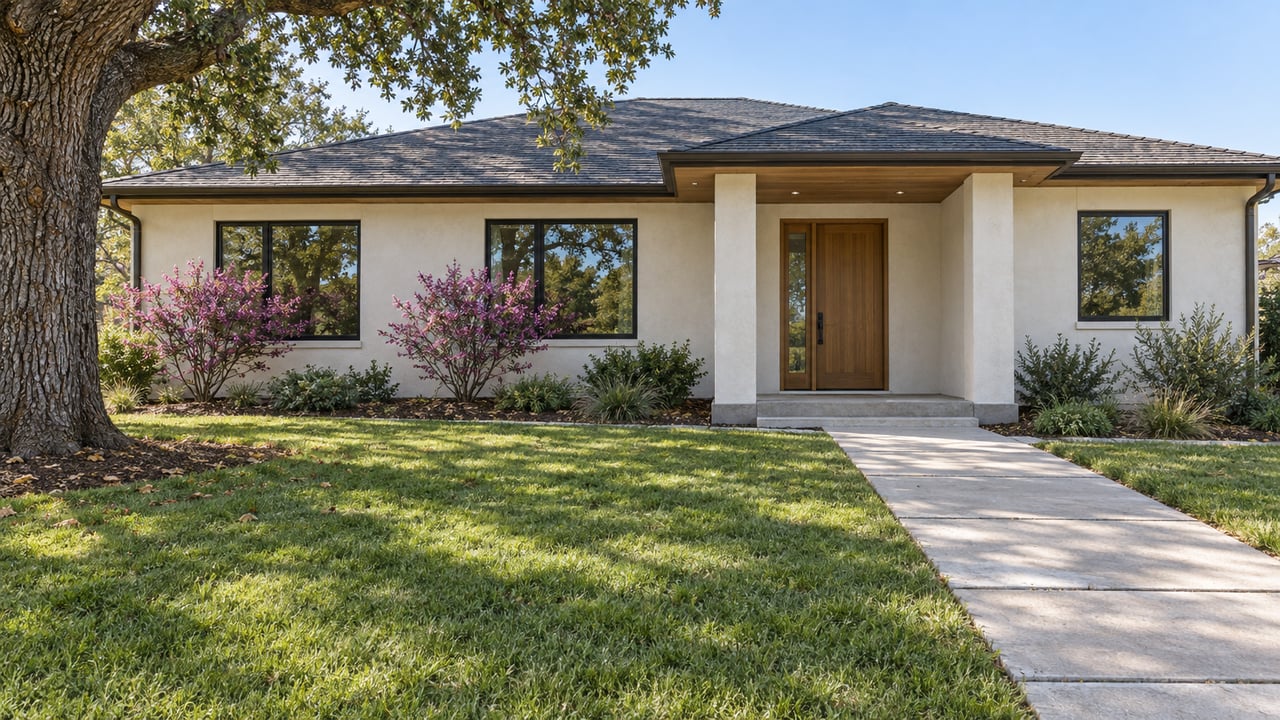
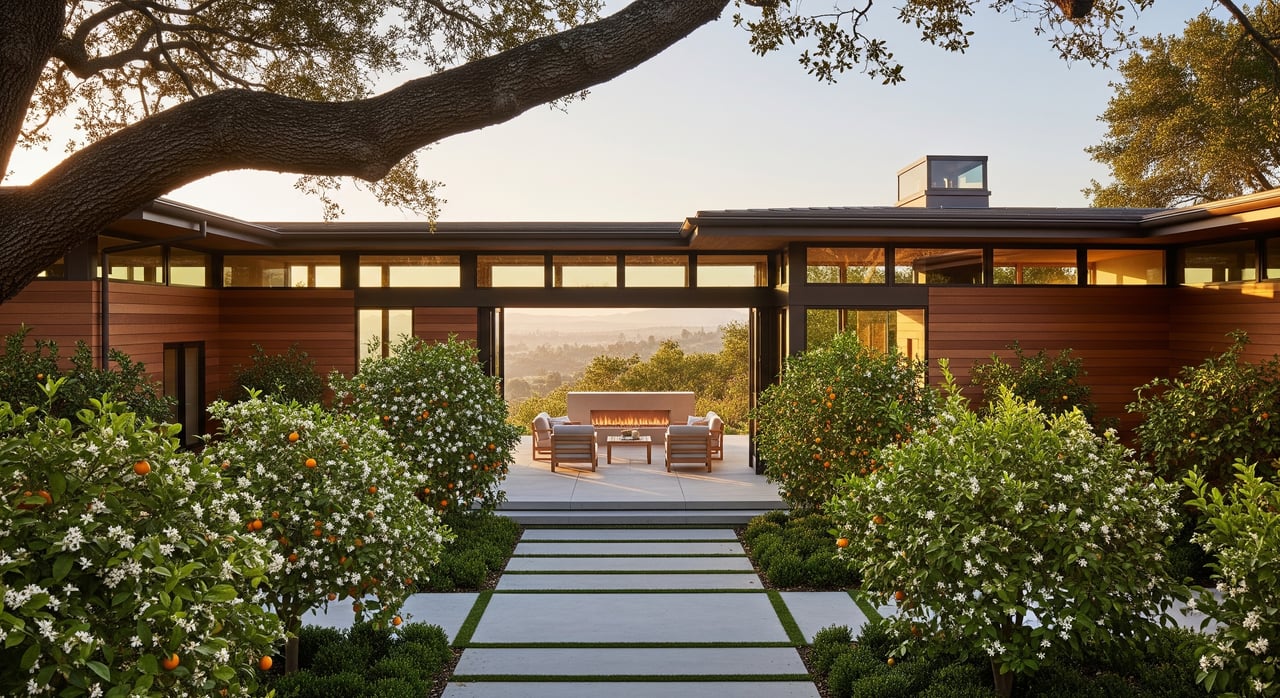
Concentrated in Sunnyhills, Starlite Pines, the Manor neighborhoods, and central Milpitas, these are the homes that built the city. Low-pitched roofs, attached two-car garages, single-story or split-level layouts, and lots that commonly run 6,000 to 8,000+ square feet.
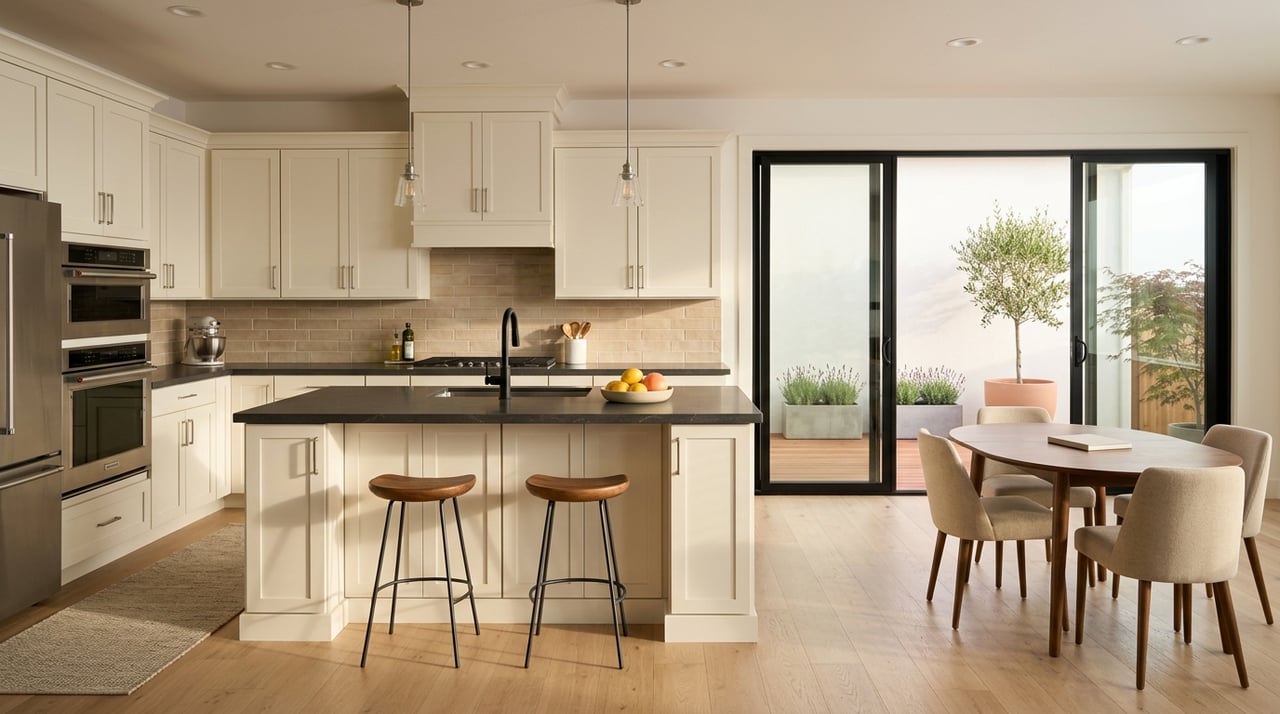
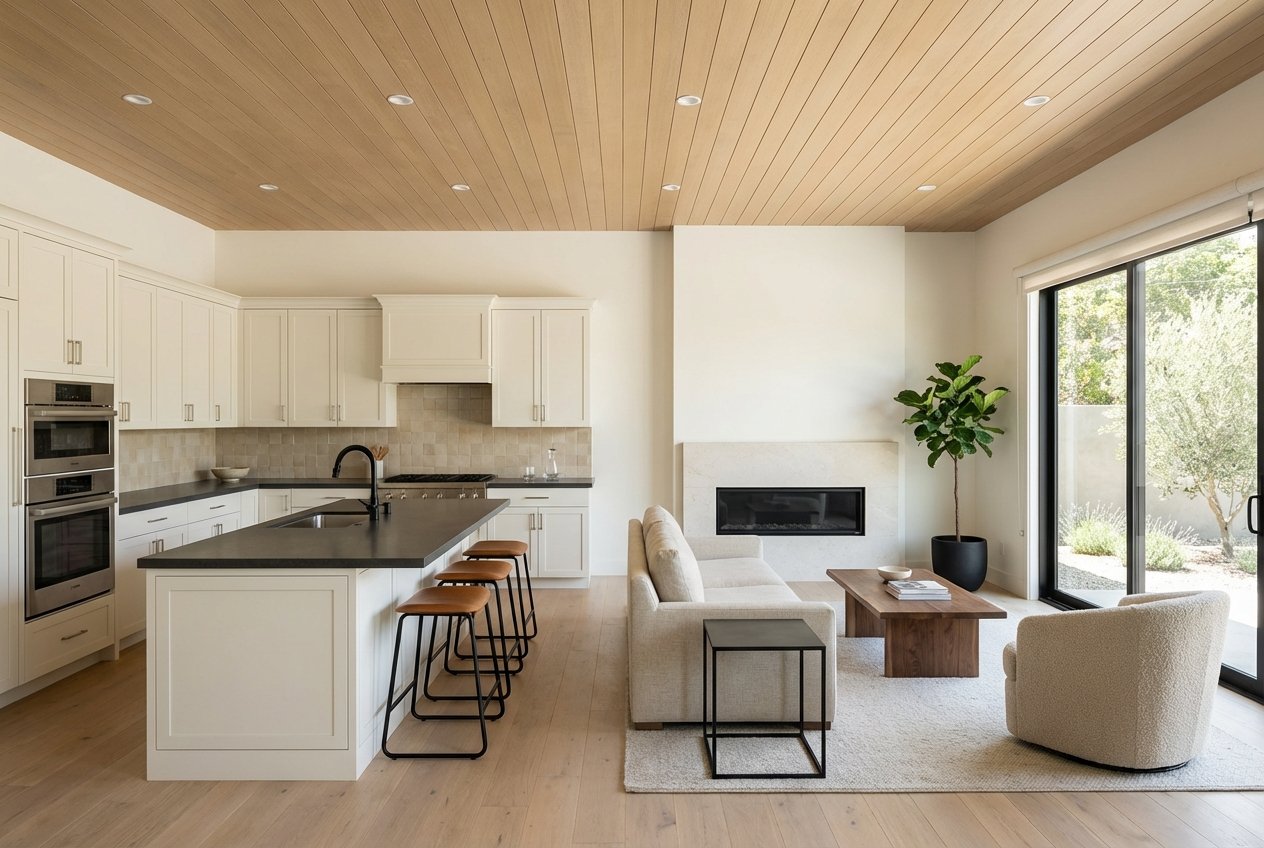
Their appeal is almost entirely about what you can do to them. Original floor plans were compartmentalized, so the standard renovation play — removing the kitchen and living room wall to create an open plan — delivers an outsized transformation. The deep backyards also make these strong ADU candidates, which matters in a city where rental demand from tech workers is constant and multigenerational households are common.
The costs are predictable but real. Homes from this era often need electrical service upgrades before they can support an EV charger and a heat pump simultaneously. Original galvanized or cast iron plumbing, single-pane windows, and pre-1978 paint are all standard findings. None of these are deal-breakers, but they belong in your budget before you write the offer, not after.
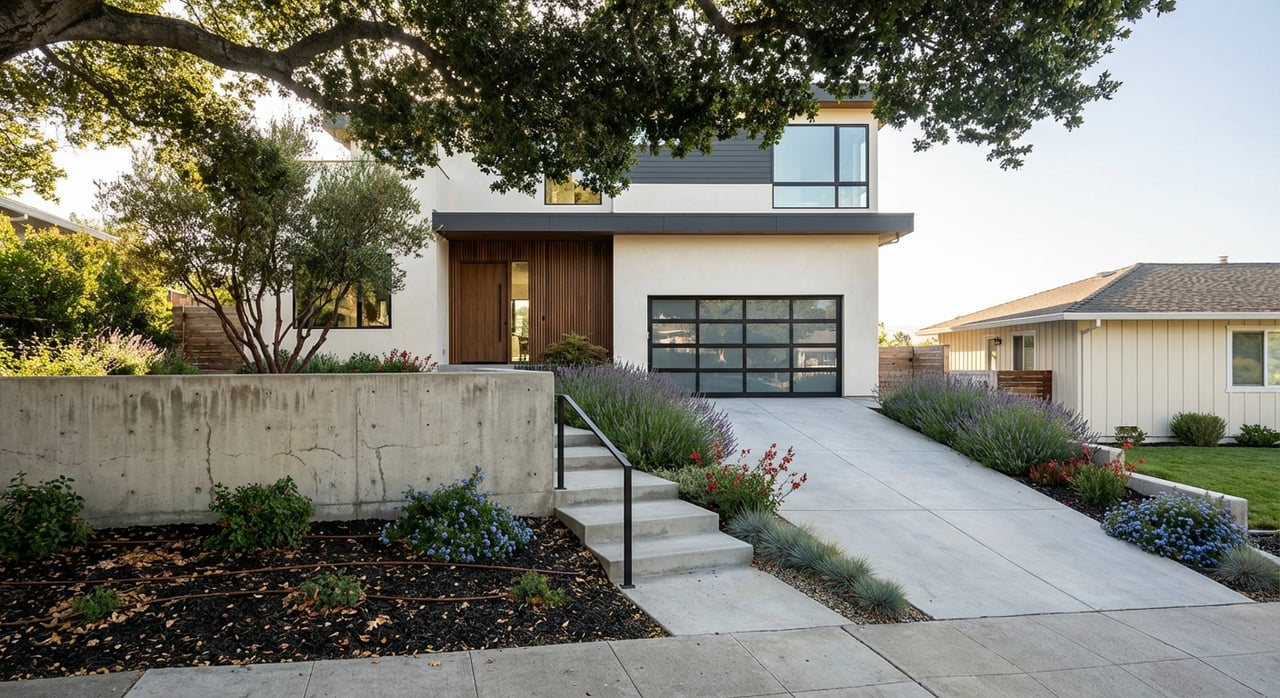
Built through Midtown, the McCandless Drive corridor, and the Great Mall basin, these are three- and four-story vertical townhomes and podium-style mid-rise condos. The layout logic is consistent: garage and a flex room or entry foyer on the ground level, open-concept kitchen, dining, and living with a balcony on the second, and bedrooms above.
Buyers get turnkey finishes, modern insulation and systems, smart home wiring, and a walk to BART. The stairs are the honest trade-off — a four-story townhome is a different daily experience at 40 than at 70, and buyers planning to age in place should think that through.
The financial trade-off is the layered carrying cost. Between HOA dues and Mello-Roos, a Midtown townhome can carry $500 to $800 per month in obligations beyond mortgage, insurance, and base property tax. That figure changes what you can afford, and it should be in your lender conversation from day one.
In Calera Creek Heights, Victoria Park, and the eastern foothills, the inventory is custom and semi-custom — Mediterranean, Spanish contemporary, and modern builds with floor-to-ceiling glass, multi-car garages, terraced outdoor space, and 3,000 to 5,000+ square feet.
These properties trade on privacy, views, and proximity to Ed R. Levin County Park. They also carry a due diligence burden that flat-lot buyers never face: hillside zoning constraints, soils and slope stability engineering, retaining wall condition and permit history, drainage adequacy, and wildland-urban interface fire mitigation. A geotechnical review is not optional on a foothill purchase, and neither is a hard look at insurance availability and pricing before your contingency period closes.
Milpitas Unified serves roughly 10,000 students across ten elementary schools, two middle schools, and one comprehensive high school. That structure is unusual for a Silicon Valley city of this size, and it produces one of the district's most distinctive features.
Elementary is where the boundary math matters. Curtner Elementary on the west and central side, John Sinnott Elementary toward the east and foothills, and Marshall Pomeroy Elementary consistently rank well statewide, and their attendance areas influence resale value in a measurable way. Mabel Mattos Elementary was built specifically to absorb growth from the Midtown and McCandless transit-village developments — and because that growth has been rapid and uneven, Mattos has seen periodic overflow and boundary adjustment. If you are buying in the transit district specifically for a school assignment, verify the current attendance area with MUSD by street address. Do not rely on a real estate portal's school map, and do not rely on proximity. In a district that has actively redrawn lines to manage enrollment, the nearest school is not always the assigned one.
Middle school narrows to two options. Students feed into either Thomas Russell Middle or Rancho Milpitas Middle, both of which maintain solid academic performance. The stakes at this transition are lower than at the elementary level.
High school unifies the city. Nearly every public high school student in Milpitas attends Milpitas High School, with alternative pathways available through Calaveras Hills High and the Middle College program. This is genuinely different from Fremont, San Jose, or Cupertino, where families sort into competing high school attendance areas and where the wrong side of a boundary line can cost six figures in home value. In Milpitas, the high school question is settled the moment you buy in the city. Milpitas High is known for a deep STEM elective catalog, a broad AP offering, and a well-established robotics program.
The honest framing for families: MUSD is a strong district with excellent individual schools, but buyers specifically chasing the nationally ranked, ultra-competitive high school profile found in Cupertino Union or Fremont Union High School District territory will find a different tier there — and will pay several hundred thousand dollars more for the address. Whether that gap is worth the premium is a household decision, not a market fact.
Milpitas is the only city in Santa Clara County where a household can reasonably support commutes in four different directions without anyone having a punishing drive. That is the core of its value proposition.
I-880 (Nimitz) is the north-south spine, running to Fremont and Oakland northbound and San Jose southbound. It is genuinely congested at peak hours; express toll lanes provide relief for carpools and for solo drivers willing to pay. I-680 runs along the eastern foothills and is the better route for anyone heading toward Pleasanton, the Tri-Valley, or Contra Costa County. CA-237 (Calaveras Boulevard) is the east-west connector that matters most to the tech workforce — it feeds directly into Sunnyvale, Mountain View, and, via US-101, the Palo Alto corridor, with express lanes that make peak-hour timing far more predictable than 880. Montague Expressway functions as a local alternative into North San Jose and is often faster than the freeway for short trips.
The Milpitas Transit Center, at South Milpitas Boulevard and Montague Expressway, is what separates Milpitas from its neighbors. It is a genuine multimodal hub:
One practical detail that trips up new residents: parking at the Milpitas Transit Center is managed by VTA, not BART, and requires daily payment. It operates on a different system than the East Bay BART stations most commuters are used to. Budget for it, and if you're buying a condo within walking distance of the station, recognize that walkability is quietly worth a few hundred dollars a month in avoided parking and fuel.
Milpitas is not a bedroom community. It is an employment center in its own right, with a concentration in semiconductor capital equipment, contract electronics manufacturing, and networking infrastructure — the hardware layer of Silicon Valley rather than the consumer software layer.
KLA Corporation, headquartered on Technology Drive, is the city's flagship employer. As a global leader in semiconductor process control and inspection equipment, KLA drives sustained local demand for hardware engineers, optical physicists, and software developers. Flex, headquartered on Gibraltar Drive, is one of the largest electronics manufacturing services and supply chain companies in the world, with extensive operational and administrative facilities in the city. Cisco Systems keeps its principal headquarters campus just across the line in North San Jose but maintains a meaningful Milpitas footprint, including facilities along Alder Drive.
Immediately south, the North San Jose Innovation Zone functions as a continuous extension of the Milpitas job market — a five-to-fifteen-minute drive via Montague Expressway or 237. That corridor includes Micron Technology, Microchip Technology, Broadcom, and Western Digital on the semiconductor side, and PayPal, Cadence Design Systems, Hewlett Packard Enterprise, and Samsung Semiconductor's North American headquarters on the enterprise and design side.
This matters for two reasons beyond the obvious commute convenience. First, hardware and semiconductor employment has a different cyclical rhythm than consumer software, which gives the local housing demand base a somewhat different risk profile than, say, Mountain View or Menlo Park. Second, many of these roles are on-site by necessity — you cannot run a fab tool validation from a laptop in Tahoe. That structural in-person requirement has kept Milpitas housing demand more stable through the remote work era than cities dependent on fully remote-capable workforces.
Milpitas punches far above its size as a regional commercial destination, and the reason is that it serves two very different retail audiences at once.
The Great Mall of the Bay Area is the largest enclosed outlet and value-retail center in Northern California, built inside the shell of a former Ford Motor Company assembly plant — a piece of industrial history that's still legible in the building's footprint. It runs more than 200 stores anchored by Off 5th, Burlington, Kohl's, and Marshalls, plus Dave & Buster's, a 20-screen Century Theatres, and LEGOLAND Discovery Center Bay Area. It draws traffic from across the South and East Bay, which is a genuine amenity if you shop there and a genuine traffic consideration if you live adjacent to it.
Milpitas Square, near the 237/880 interchange on Barber Lane, is the other half of the city's commercial identity and arguably the more interesting one. Anchored by 99 Ranch Market, it has become one of the most significant regional Chinese dining destinations in Northern California — Sichuan, Cantonese dim sum, Taiwanese, and Hunan restaurants alongside hot pot, ramen, and a dense cluster of boba cafés. People drive from San Francisco and the Peninsula to eat here.
The broader international grocery network extends well beyond that one center. H Mart on the Park Victoria and Calaveras corridor serves the Korean community with fresh produce, marinated meats, house-made banchan, and an attached food hall. Seafood City in Milpitas Town Center is a full Filipino-American supermarket with fresh seafood, regional produce, and in-store bakeries. Marina Food on South Main Street covers general Asian grocery needs, and a network of South Asian grocers across the city's plaza centers stocks spices, staples, and prepared foods.
For a household that cooks across multiple cuisines — or that simply doesn't want to drive to Cupertino or Fremont for specific ingredients — this density is a daily quality-of-life factor that's easy to underestimate until you've lived with it.
What Milpitas does not have is a traditional walkable downtown. There is no historic Main Street with tree-lined sidewalk dining. Commercial life happens in centers and corridors, and it's accessed by car. Buyers who want the Los Gatos or downtown Mountain View experience will not find a substitute here.
Milpitas is bracketed by two entirely different landscapes, and residents get access to both.
Ed R. Levin County Park in the eastern foothills is the headline. At over 1,500 acres, it's the city's primary open space and one of the better regional parks in Santa Clara County. Sandy Wool Lake sits at its center, stocked with trout and catfish, with picnic areas and an off-leash dog area that draws a steady weekend crowd. The trail network climbs steeply toward Monument Peak, connecting into the Mission Peak Regional Preserve system — a serious hike with panoramic views over the entire valley floor. The park is also one of the premier hang gliding and paragliding launch sites in the Bay Area, thanks to reliable foothill thermals. On a clear afternoon you can watch a dozen gliders working the ridge from the parking lot.
The San Francisco Bay Trail on the western edge, near Dixon Landing and the Alviso boundary, is the opposite experience: flat, gravel-paved paths across restored salt ponds and tidal marshland, built for distance cycling, running, and birdwatching. It connects north into Fremont and west toward Sunnyvale and Mountain View, which makes long training rides possible without ever touching a stoplight.
Between them, the city maintains 31 community parks. Cardoza Park near the foothills, Peter Gill Memorial Park, and Dixon Landing Park are among the most-used neighborhood spaces, and Bay View Golf Club sits in the foothill area for golfers.
The practical point for buyers: your daily outdoor life in Milpitas depends heavily on which side of the city you live on. Foothill residents hike. West-side residents ride the Bay Trail. Both are genuinely good, but they're not interchangeable, and it's worth knowing which one you'd actually use before you choose a neighborhood.
Every market has its local due diligence issues. Milpitas has three that come up in nearly every transaction, and an agent who doesn't raise them early is not serving you well.
The Newby Island Resource Recovery Park — a landfill and composting facility — sits just west of I-880 along the San Jose/Milpitas border. Under certain wind patterns and temperature conditions, odors (primarily hydrogen sulfide from decomposition) can drift east into Midtown, the McCandless corridor, and parts of North Milpitas. Central Milpitas and the foothills are generally minimally affected.
The Bay Area Air Quality Management District monitors the facility closely and has issued abatement orders requiring automated landfill gas collection, continuous emissions tracking, and real-time perimeter monitoring. Conditions have improved substantially over the past decade. But "improved" is not "eliminated," and the honest advice is behavioral rather than technical: visit any property you're serious about at multiple times of day, including late afternoon, and ideally during warm weather. Sensitivity varies enormously between individuals. Some buyers never notice anything. Others find it a dealbreaker. You need to find out which you are before you're in contract, not after.
Roughly a quarter of Milpitas falls within a FEMA-designated Special Flood Hazard Area, largely 100-year floodplain designations in Zone AH or AE. Properties near Berryessa, Calera, Penitencia, and Los Coches Creeks carry elevated risk.
The financial consequence is direct: a mortgaged property inside a mapped SFHA requires flood insurance, and that premium is a permanent addition to your monthly cost. Before you finalize your budget, pull the flood zone determination for the specific parcel and, where available, request the elevation certificate. An elevation certificate can sometimes reduce a premium significantly — and the absence of one can leave you paying a default rate far above what the property's actual elevation warrants.
The city's geology splits at the freeways. West of I-880, on former bay mud with a high water table, soil is susceptible to earthquake-induced liquefaction. Newer transit-oriented developments in this zone are built on deep-pile engineered foundations specifically to address it, which is reassuring — but it also means that any older or lightly engineered structure in the lowlands deserves a closer look at foundation condition and any history of differential settlement.
East of I-680, hillside properties face landslide and slope stability considerations, requiring engineered retaining walls, managed drainage, and geologic disclosure during the transaction. Permit history on retaining walls and grading work is the detail most often missed. An unpermitted retaining wall on a hillside lot is not a paperwork problem — it's a liability and an insurance problem.
In Milpitas more than most Silicon Valley cities, two homes at the same purchase price can have monthly costs that differ by $700 or more. Understanding why is one of the highest-return exercises a buyer can do here.
Property tax baseline. Under Proposition 13, California's base rate is 1% of assessed value, which is set at your purchase price when you buy. Adding local school bonds, water district levies, and municipal assessments, the effective rate in Milpitas generally lands between 1.18% and 1.30%. Assessed value can rise no more than 2% per year thereafter unless the property changes hands or undergoes major new construction. On a $1.5M purchase, budget roughly $17,700 to $19,500 annually before any special assessments.
Mello-Roos (Community Facilities Districts). These are special tax assessments layered onto the annual property tax bill to fund infrastructure — schools, roads, utilities, parks — in newer developments. In Milpitas they're concentrated in Midtown, the McCandless and transit district, and newer master-planned foothill developments. Typical exposure runs $1,500 to $4,500+ per year, or roughly $125 to $375+ monthly, and the assessment usually runs 20 to 40 years from the date of construction.
Two things buyers consistently get wrong about Mello-Roos. First, it is not tied to the loan and does not disappear when you refinance or sell — it transfers to the next owner. Second, it is frequently not deductible in the way base property tax is, because it funds specific improvements rather than general government. Ask your tax professional about your specific CFD.
Older Central Milpitas neighborhoods — Sunnyhills, Starlite Pines, the Manor tracts — generally carry zero Mello-Roos. That is a meaningful part of why a mid-century ranch can pencil better than its sticker price suggests.
HOA dues by product type:
Product | Typical Monthly HOA | What It Covers |
|---|---|---|
Established single-family (Central / Foothills) | $0 | Nothing — owner handles all maintenance |
Newer gated single-family | $100 – $250 | Private roads, common landscaping, gates |
Transit-village townhomes (Midtown) | $250 – $450 | Exterior maintenance, roof reserves, hazard insurance, common areas |
Mid-rise condos and towers | $450 – $650+ | Elevators, podium structure, pool/fitness, secure parking, trash, water |
When you review HOA documents, the dues figure is the least important number on the page. Read the reserve study. A condo association with underfunded reserves and an aging podium structure or elevator system is carrying a special assessment that hasn't been announced yet. Check the reserve funding percentage, the minutes for any discussion of deferred maintenance, and the litigation disclosure. This is where a careful buyer's agent earns their fee.
Milpitas is a strategic choice rather than an emotional one. That framing helps clarify who should be looking here.
Multi-directional commuter households benefit more from Milpitas than from anywhere else in the region. If one person works in North San Jose or Mountain View and the other commutes to San Francisco, Oakland, or the Tri-Valley, there is no other Santa Clara County city where both of those trips are reasonable. BART, VTA Light Rail, I-880, I-680, and SR-237 all converge here, and that convergence is the product.
Relative-value buyers priced out of the West Valley find the math works. Buyers comparing Milpitas to Cupertino, Mountain View, or Palo Alto typically find they can buy newer construction, more square footage, and an attached garage for meaningfully less — while remaining 15 to 25 minutes from the same employers.
Households that cook internationally and eat out often get an amenity here that's difficult to replicate. The concentration of Asian grocers and regional restaurants is a genuine daily-life advantage, not a marketing line.
Outdoor-oriented buyers with a weekend hiking or cycling habit get Ed R. Levin and the Bay Trail within minutes, plus the Mission Peak connection for serious hikers.
Where Milpitas is the wrong answer: Buyers who want a walkable historic downtown with boutique retail and sidewalk dining should look to Los Gatos, downtown Mountain View, or Willow Glen — Milpitas is suburban and center-based, and no amount of new construction is going to change that in the near term. Buyers who are highly sensitive to ambient air quality should take the Newby Island question seriously and test it in person before committing to Midtown or North Milpitas. Families specifically targeting the most competitive high school districts in the state will find a stronger fit, at a higher price, in Cupertino Union or Fremont Union High territory. And buyers who dislike density, mid-rise construction, and high-traffic retail corridors should focus on Central Milpitas or the foothills rather than the transit district — or consider whether the city's trajectory toward more density is compatible with what they want long-term.
That last point deserves emphasis. Milpitas is actively adding housing around its transit infrastructure and will continue to. If you are buying in or near Midtown, you are buying into a neighborhood that will look different in ten years than it does today. For many buyers that's the appeal. For some it isn't. Being clear about which camp you're in is the most useful thing you can do before you start touring.
Buying or selling in Milpitas rewards people who know the details — which blocks sit inside a Mello-Roos district, how a Mattos Elementary boundary adjustment might affect a transit-district condo, what a foothill retaining wall's permit history should look like, and how to read a condo association's reserve study before it becomes your problem.
Samit Shah brings that level of attention to every Silicon Valley transaction. Ranked in the top 0.5% of REALTORS® nationwide, named to the Leading 100 in the Bay Area for five consecutive years, and recognized as the #26 Medium-Size Team in California and #1 in San Jose in 2025, Samit and The Samit Shah Team have guided hundreds of families through Bay Area purchases and sales across more than a decade. With a background in building and managing multiple companies before entering real estate, Samit approaches negotiation and marketing analytically — and approaches clients personally. More than 200 five-star reviews and a client base that keeps returning reflect a simple goal he's held from the start: to be his clients' Realtor for Life.
Whether you're weighing a Sunnyhills ranch against a Midtown townhome, preparing a foothill estate for market, or simply trying to understand what your Milpitas home is worth today, the conversation is worth having before you make a decision.
The Samit Shah Team | Compass
📞 (408) 314-1828
✉️ [email protected]
📍 1133 Minnesota Ave, San Jose, CA 95125
Samit Shah | CA DRE# 01906486
There's plenty to do around Milpitas, including shopping, dining, nightlife, parks, and more. Data provided by Walk Score and Yelp.
Explore popular things to do in the area, including M Cafe, Victoria Liquors & Food, and Onclick Grocery.
| Name | Category | Distance | Reviews |
Ratings by
Yelp
|
|---|---|---|---|---|
| Dining | 0.72 miles | 11 reviews | 4.1/5 stars | |
| Dining · $$ | 0.79 miles | 7 reviews | 2/5 stars | |
| Dining | 1.61 miles | 0 reviews | 0/5 stars | |
| Shopping | 0.88 miles | 59 reviews | 4.9/5 stars | |
| Shopping | 0.9 miles | 1 review | 3/5 stars | |
| Shopping | 1.66 miles | 3 reviews | 4/5 stars | |
| Active | 1.01 miles | 6 reviews | 5/5 stars | |
| Active | 1.21 miles | 2 reviews | 5/5 stars | |
| Active | 1.21 miles | 0 reviews | 0/5 stars | |
| Active | 1.37 miles | 0 reviews | 0/5 stars | |
| Active | 1.59 miles | 7 reviews | 5/5 stars | |
| Active | 1.61 miles | 0 reviews | 0/5 stars | |
| Active | 1.76 miles | 37 reviews | 4/5 stars | |
| Active | 1.85 miles | 100 reviews | 3.1/5 stars | |
| Beauty | 0.42 miles | 0 reviews | 0/5 stars | |
| Beauty | 0.86 miles | 39 reviews | 3.9/5 stars | |
| Beauty | 1.08 miles | 1 review | 5/5 stars | |
| Beauty | 1.21 miles | 3 reviews | 5/5 stars | |
| Beauty | 1.21 miles | 4 reviews | 5/5 stars | |
| Beauty | 1.21 miles | 1 review | 5/5 stars | |
| Beauty | 1.21 miles | 22 reviews | 5/5 stars | |
| Beauty | 1.61 miles | 0 reviews | 0/5 stars | |
| Beauty | 1.71 miles | 28 reviews | 2.3/5 stars | |
| Beauty | 1.79 miles | 38 reviews | 4.3/5 stars | |
|
|
||||
|
|
||||
|
|
||||
|
|
||||
|
|
||||
|
|
Milpitas has 24,801 households, with an average household size of 3.08. Data provided by the U.S. Census Bureau. Here’s what the people living in Milpitas do for work — and how long it takes them to get there. Data provided by the U.S. Census Bureau. 78,479 people call Milpitas home. The population density is 3,498 and the largest age group is Data provided by the U.S. Census Bureau.
Total Population
Population Density Population Density This is the number of people per square mile in a neighborhood.
Median Age
Men vs Women
Population by Age Group
0-9 Years
10-17 Years
18-24 Years
25-64 Years
65-74 Years
75+ Years
Education Level
Total Households
Average Household Size
Average individual Income
Households with Children
With Children:
Without Children:
Blue vs White Collar Workers
Blue Collar:
White Collar:
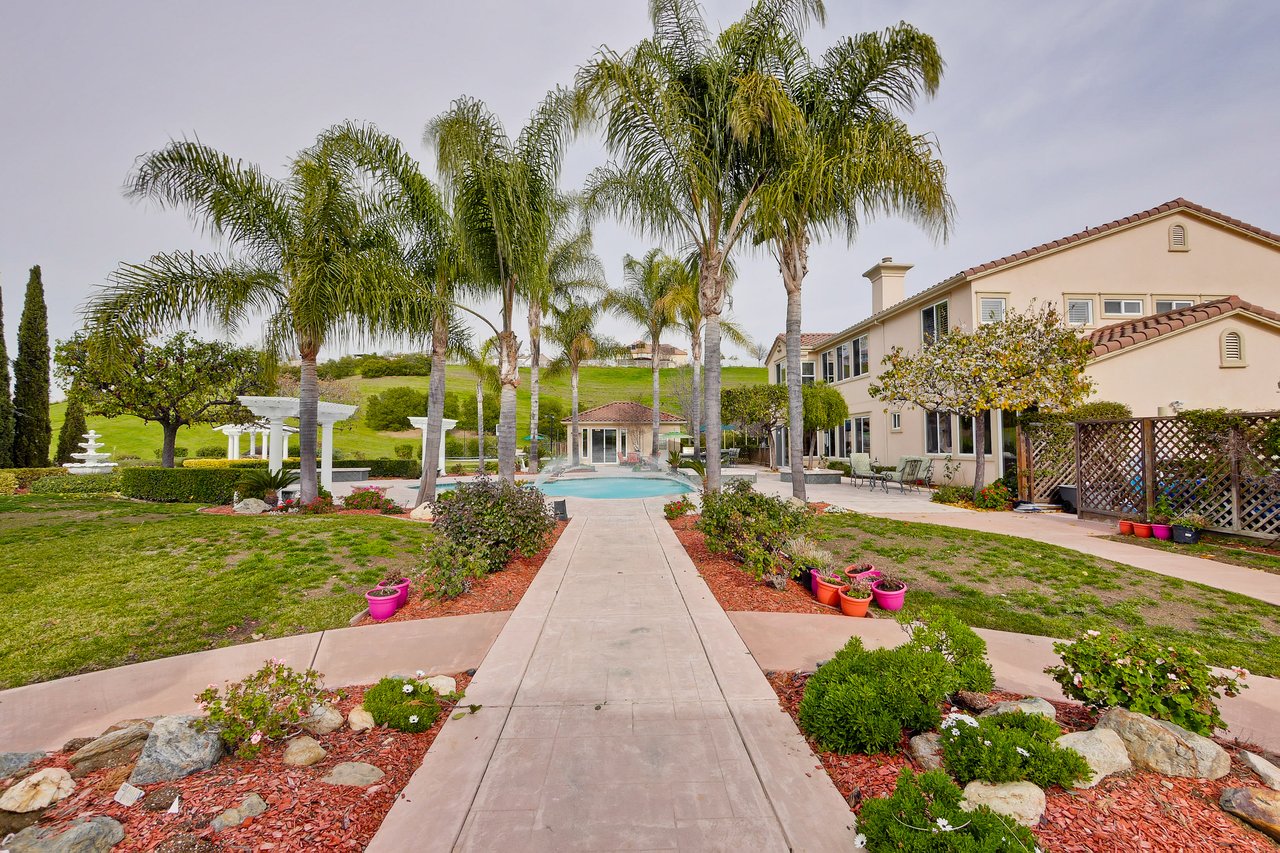
Search Blossom Valley, San Jose homes for sale, including luxury homes and new listings
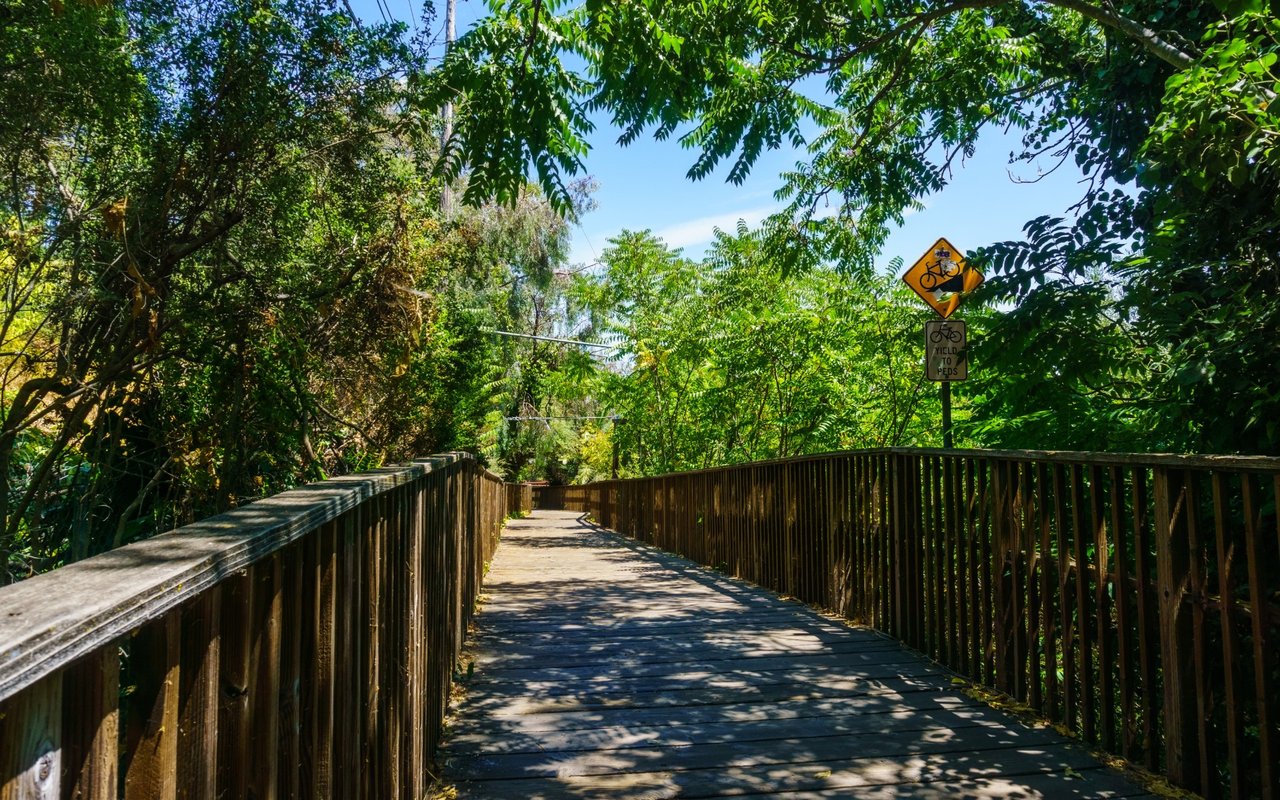
Search Los Gatos homes for sale, including luxury homes and new listings
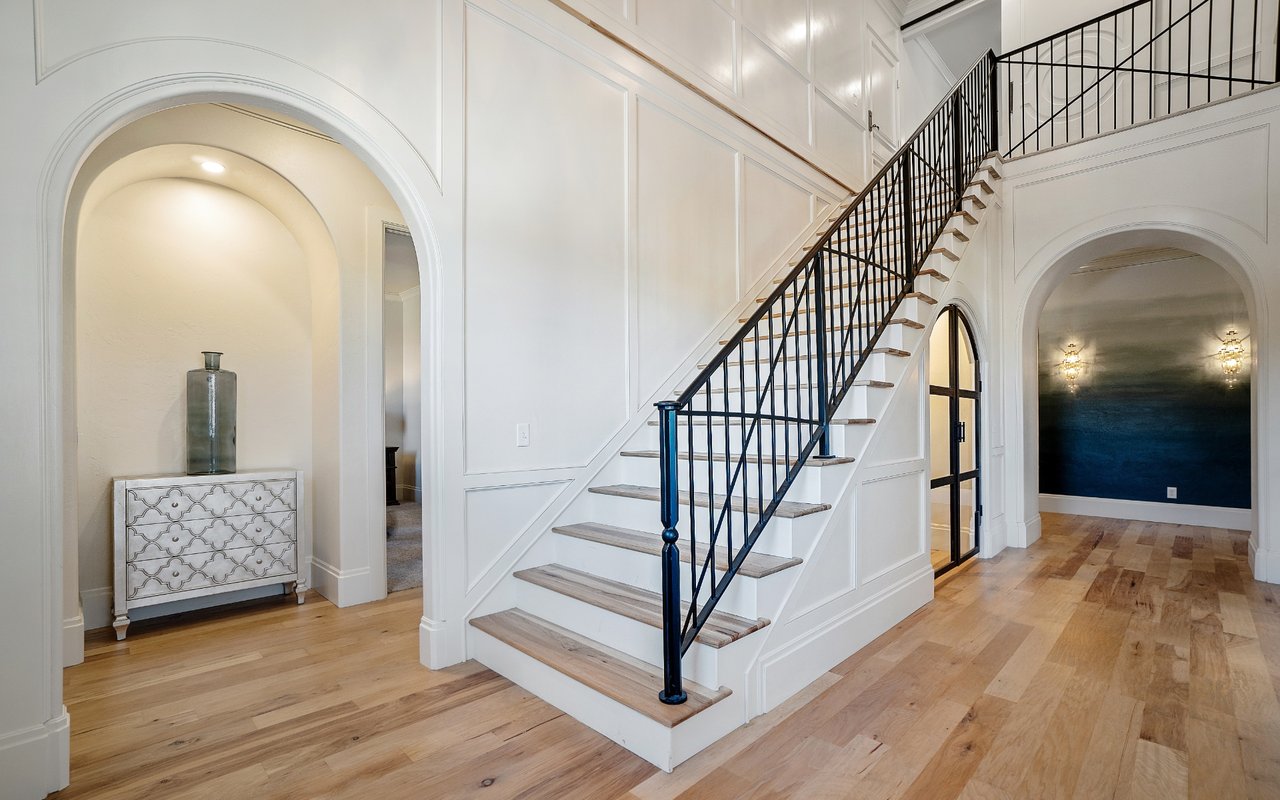
1133 Minnesota Ave San Jose, CA 95125
1133 Minnesota Ave San Jose, CA 95125