Condos for Sale in San Jose, CA
Available Condos in San Jose, CA
By the Numbers
San Jose, CA Housing Market
Our impressive track record sets us as top
leaders in the industry.

$1.5M
Median Sale Price
$877
Median Sale Price per Sq. Ft.
1,632
Total Homes Sold
13
Median Days on Market
Why Get Condos in San Jose, CA
-
Navigating the Nation's Steepest Single-Family Premium
The primary driver for purchasing a condo specifically in San Jose is the staggering "product-type price gap" that is virtually unmatched anywhere else in the United States. While standard real estate wisdom says condos are cheaper than houses, San Jose takes this to an extreme: the median price for a single-family home in the metro area sits at roughly $2.02 million, whereas the median condo price hovers closer to $700,000 to $900,000 depending on the neighborhood. This creates an unparalleled million-dollar-plus affordability gap. In most other U.S. cities, or even softer California markets, a buyer might choose a single-family home slightly further out to save money. In San Jose, moving further out just lands you in another highly priced Silicon Valley suburb; therefore, choosing a condo is the definitive, geographically viable mechanism to cross the threshold into property ownership without requiring an unattainable tech-executive salary.
-
Capitalizing on a Divergent Buyer's Window
The San Jose real estate market has currently split into two completely different realities, creating a highly localized investment opportunity for condo buyers that doesn't exist in the broader U.S. market. While single-family home prices in Santa Clara County continue to rise due to an acute shortage of land, the local condo and townhome segments have experienced a year-over-year price softening of roughly 2% to 4%, accompanied by a significant 8% rise in active inventory. Nationally, housing inventory remains tightly locked down across all sectors, but San Jose sellers who overprice their condos are facing longer days on market and forced price reductions. Because affluent local buyers compete fiercely for detached houses, the condo market has quietly transformed into a rare "buyer's window" of leverage. Purchasing a condo here right now allows you to negotiate terms, request contingencies, and avoid the frantic bidding wars that characterize the rest of the Silicon Valley landscape.
-
Alignment with Hyper-Local Corporate Ecosystems and High Rental Yields
Unlike destination condo markets (such as Miami or San Diego) which rely heavily on tourism and secondary vacation buyers, San Jose's condo market is anchored by the dense, localized employment hubs of the world's largest tech giants. Condos in North San Jose, Central San Jose, and Downtown are intentionally built alongside light rail lines and massive corporate campuses like Adobe, Zoom, and nearby Google and Apple transits. This proximity provides a severe lifestyle premium for young tech professionals who prioritize a walk-to-work or short-transit lifestyle over suburban yard maintenance. Furthermore, for a buyer looking at long-term asset value, this corporate density guarantees an incredibly resilient rental safety net. With median local rents hovering around $3,100 to $3,400 a month—well over 60% higher than the national average—owning a San Jose condo secures a highly lucrative rental commodity tied directly to Silicon Valley's robust, high-earning job market.
What to Consider When Getting Condos in San Jose, CA
Navigating the San Jose condominium market requires a framework completely distinct from buying a condo in standard suburban communities, or even other dense metropolitan regions. Because San Jose functions as the dense, economic engine of Silicon Valley, the condo market here is governed by highly localized infrastructure shifts, corporate zoning realities, and regional climate-risk economics.
While California’s Proposition 13 limits base property taxes, newer condo developments across San Jose—particularly in expanding tech hubs like North San Jose, Evergreen, and parts of Berryessa—often carry significant hidden costs via Mello-Roos Community Facilities Districts (CFDs). These are special tax bonds levied on newer master-planned communities to build local public infrastructure, such as transit extensions, parks, and schools. Because these fees can add an extra $3,000 to $8,000 annually directly onto your Santa Clara County property tax bill for 25 to 40 years, two virtually identical condos down the street from each other can have radically different monthly carrying costs. Unmasking these hidden line items early is crucial to understanding your true monthly payment.
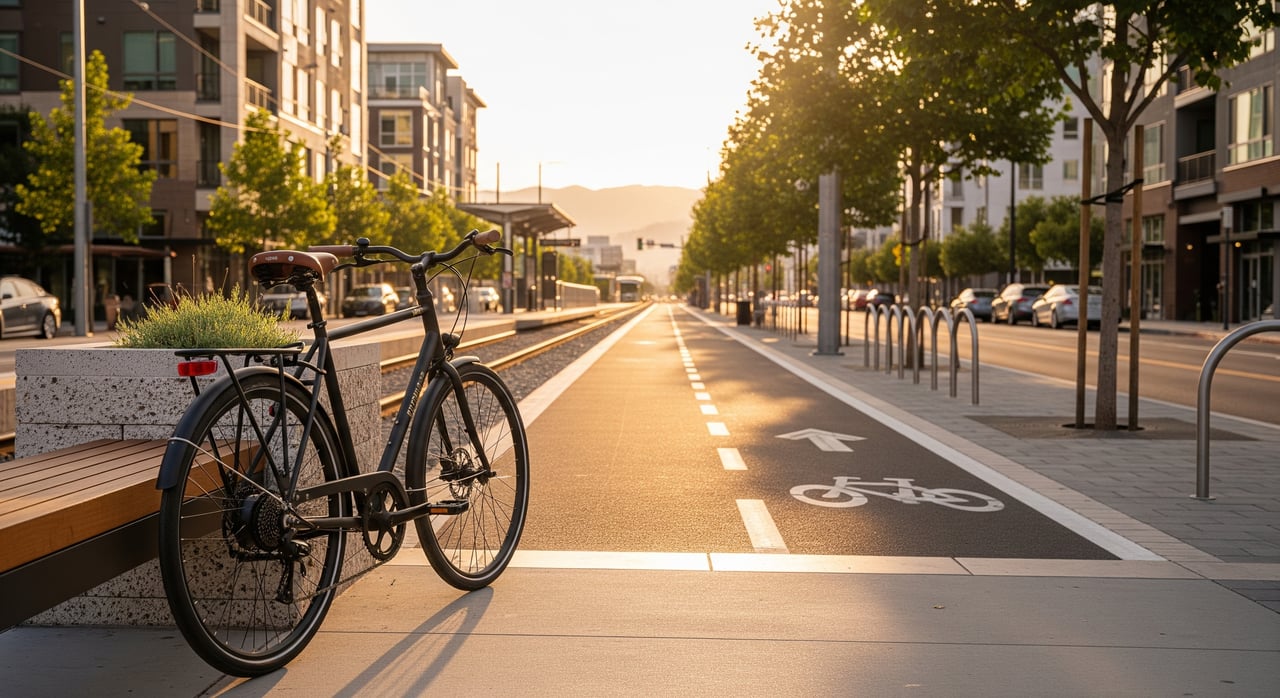
San Jose’s transit-oriented development blueprint has intentionally concentrated a vast majority of its mid-rise and high-rise condo inventory directly along the Valley Transportation Authority (VTA) Light Rail lines. In neighborhoods like Downtown, Japantown, and the North San Jose tech corridor, sharing a wall or a property line with the VTA creates a unique paradox. While direct proximity to a station commands a "transit premium" that boosts long-term resale value and appeals heavily to tech commuters, it also introduces localized noise, bells, and wheel-screech factors. Reviewing the unit’s specific orientation, double-pane window specifications, and precise distance from the tracks is a mandatory micro-geographic step unique to San Jose condo hunting.
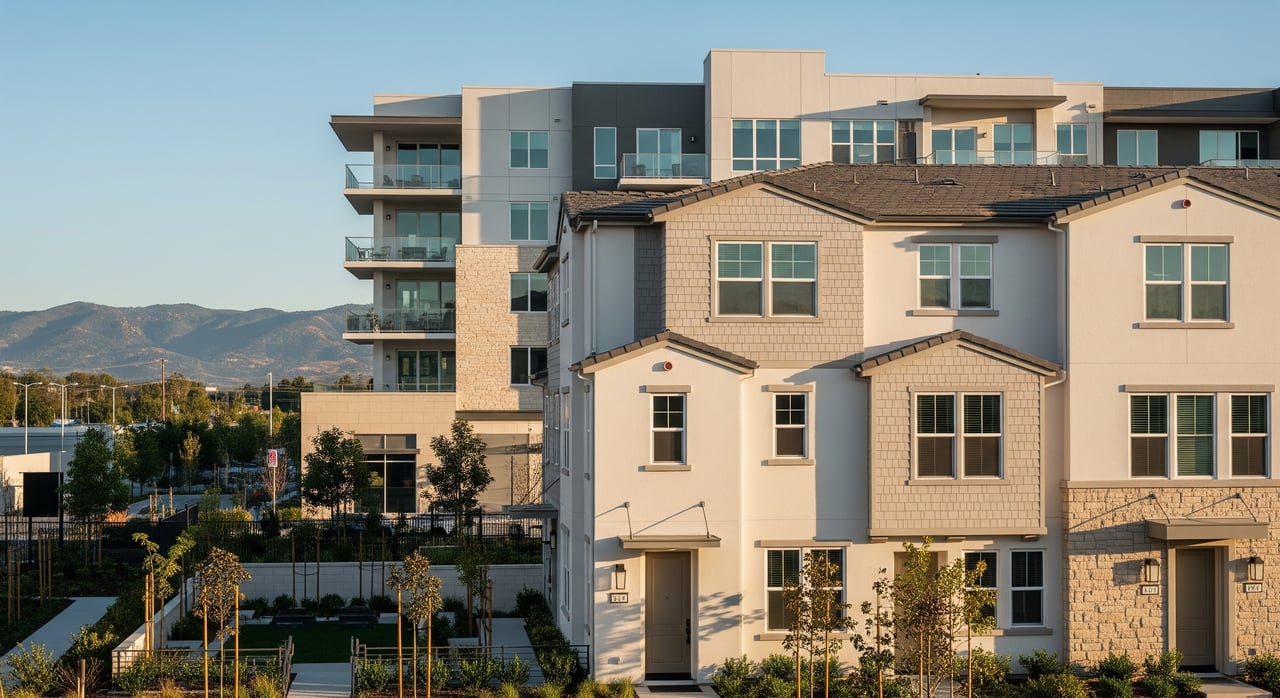
San Jose underwent a massive construction boom over the last decade, resulting in a wave of modern, amenity-rich mid-rise condo complexes. Under California law, homeowners associations (HOAs) have a specific window to sue developers for construction defects, such as structural issues, premature window leaks, or mechanical failures. In San Jose's high-density complexes, it is highly common to find HOAs actively engaged in or recovering from developer litigation. Buying into a building with ongoing litigation can temporarily freeze your ability to secure standard conventional financing (as many lenders will reject the building entirely), or it can expose you to sudden special assessments to cover legal fees. Deeply analyzing the HOA's minutes and legal disclosures is vital before making an offer.
In San Jose, a condo’s appreciation and rental safety net are directly tied to its proximity to current and future tech megaprojects. For instance, condos in Downtown San Jose and Diridon Station are uniquely positioned around Google's long-term master-planned transit village footprint, while condos in the north are anchored by tech giants like Adobe, Cisco, and Samsung. Because tech companies frequently adjust their remote-work policies and shuttle routes, the demand for specific condo complexes can shift block by block. Evaluating a condo here requires mapping out the property against localized corporate shuttle stops, local light rail connections, and corporate expansion plans to ensure you are buying into a pocket with sustained, high-earning demand.
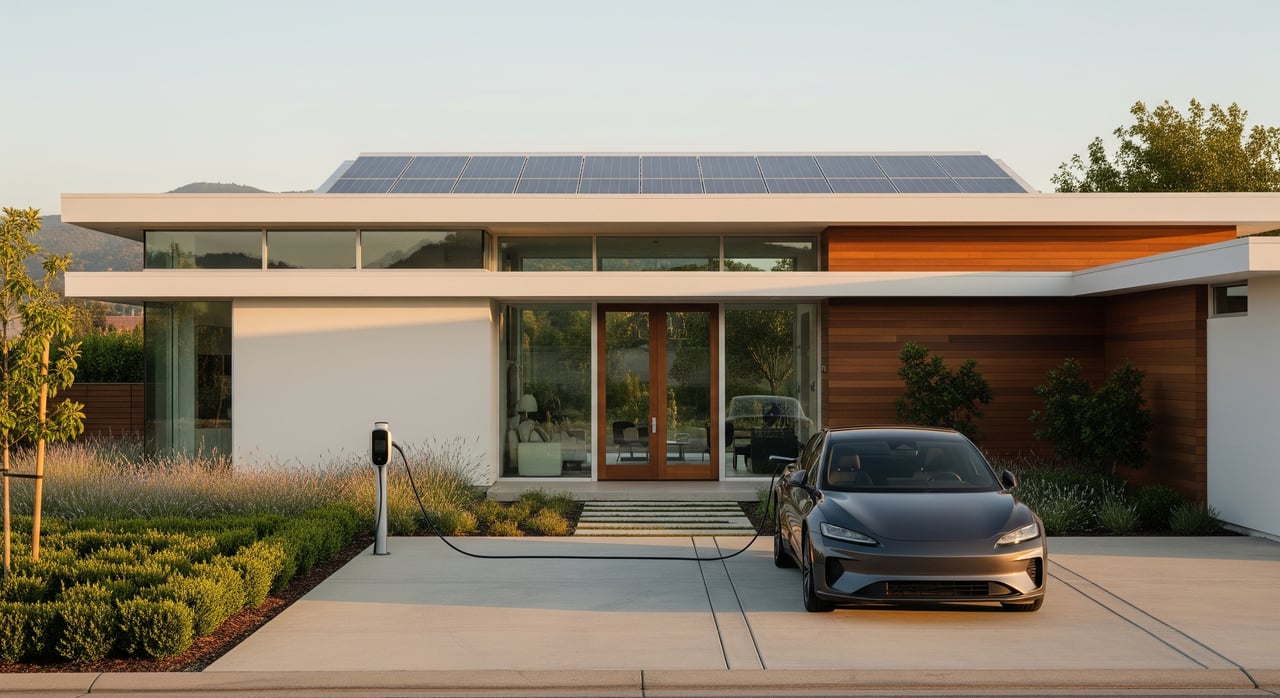
Silicon Valley has one of the highest rates of electric vehicle (EV) adoption in the nation, making an assigned parking spot with EV charging capabilities a critical factor for both daily life and future resale value in San Jose. Many older or even mid-aged condo complexes in the city feature parking garages that lack the necessary electrical infrastructure or grid capacity to support widespread EV charging stations. Retrofitting an entire high-rise or mid-rise parking garage can cost an HOA hundreds of thousands of dollars. If the building’s reserve funds are low, this can result in mandatory, massive special assessments levied against the owners. Ensuring the building is "EV-ready" or financially prepared for future infrastructure upgrades is a distinct South Bay priority.
Unlike many cities where closing cost customs are standard across the county, the City of San Jose imposes its own steep, localized property transfer tax (currently $3.30 per $1,000 of the sale price). On an $800,000 condo, this adds an unexpected $2,640 expense onto the standard county transfer taxes. Furthermore, who pays this tax—the buyer or the seller—is a highly localized negotiation custom that fluctuates heavily based on how competitive a specific San Jose neighborhood is at any given moment. In a fast-moving market, understanding these local transactional nuances can save you thousands of dollars at the closing table.
Ready to Find Your San Jose Condo? Let's Talk.
Whether you're just starting to explore the San Jose condo market or you're ready to make a move, the Samit Shah Real Estate Group is here to help. From understanding HOA fees and building amenities to navigating pricing and the latest listings, we're happy to answer any questions—no pressure, no obligation. Reach out anytime and let's find the right fit for you.

Find Out What Your Home is Really Worth Today
Discover your property's value through our accurate evaluation and tailored insights.















Get in Touch
1133 Minnesota Ave San Jose, CA 95125
Get in Touch
Get in Touch
1133 Minnesota Ave San Jose, CA 95125