Lands for Sale in San Jose, CA
Available Lands in San Jose, CA
By the Numbers
San Jose, CA Housing Market
Our impressive track record sets us as top
leaders in the industry.

$1.5M
Median Sale Price
$877
Median Sale Price per Sq. Ft.
1,632
Total Homes Sold
13
Median Days on Market
Why Get Lands/Lots in San Jose, CA
-
Building in One of the Nation's Most Supply-Constrained Markets
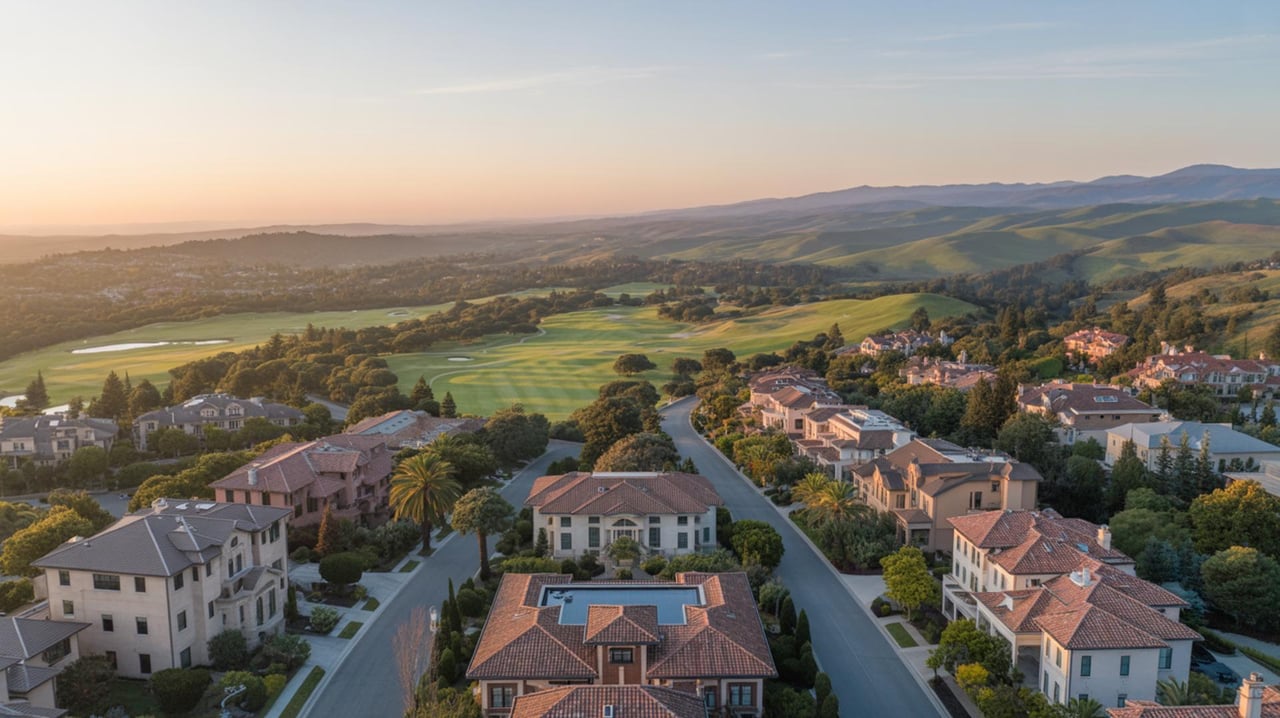
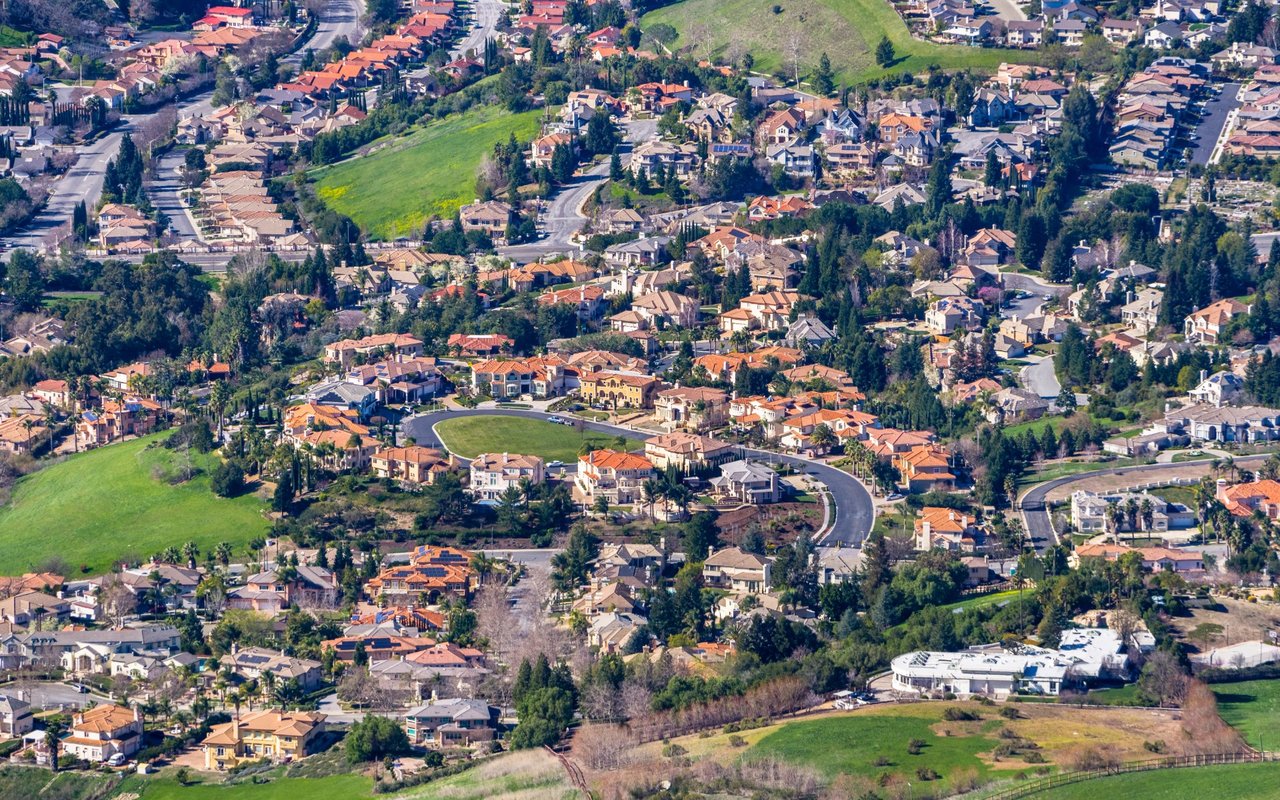
Land is genuinely scarce in San Jose, and that scarcity is what makes buying a lot here fundamentally different from purchasing land almost anywhere else in California or the country. Hemmed in by foothills, protected open space, and decades of dense development, San Jose has very little undeveloped land left, especially in desirable areas. While buyers in markets like Texas, Arizona, or even parts of California's Central Valley can find abundant, affordable parcels, land in San Jose is a finite resource in the heart of Silicon Valley. That scarcity translates into lasting demand and value, meaning a lot here isn't just a place to build, it's a stake in one of the most coveted and constrained real estate markets in America.
-
The Freedom to Build a Custom Home in a Premium Location
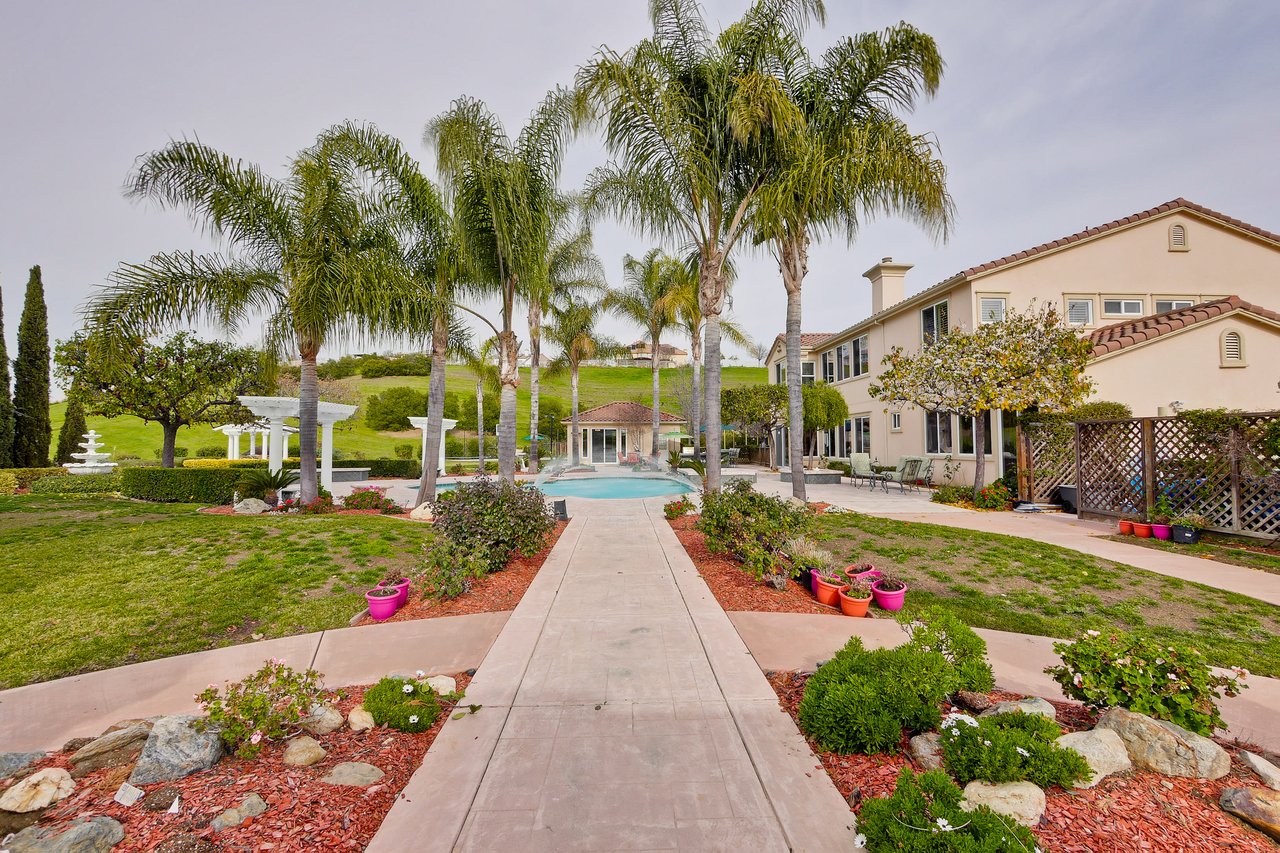
Buying a lot in San Jose gives you something increasingly hard to find in Silicon Valley: the ability to design and build exactly the home you want, in a location where the existing housing stock is often older or doesn't match modern luxury expectations. Rather than competing for and renovating an aging property, you can create a brand-new custom residence tailored to your vision, whether that's a contemporary hillside estate in Almaden Valley or a modern home in an established neighborhood. This level of control over design, layout, and finishes is a rare privilege in a market this built-out, and it lets you produce a property that stands apart in both livability and long-term appeal, situated minutes from the world's leading technology employers.
-
A Strategic, Appreciating Asset in Silicon Valley
Land in San Jose functions as one of the most strategic long-term assets a buyer can hold, precisely because of where it sits. Unlike speculative land in remote or developing regions, where value depends on future growth that may or may not materialize, a San Jose lot is anchored by the existing strength of the Silicon Valley economy, its high-income population, and its persistent housing shortage. This combination of established demand and limited supply gives land here a resilience and appreciation potential that's difficult to match elsewhere. Whether you intend to build now, develop later, or simply hold the parcel as a foothold in a market with extraordinary barriers to entry, owning land in San Jose positions you within an economy and a real estate landscape that continue to draw capital and talent from around the world.
What to Consider When Getting Lands in San Jose, CA
If any of these considerations raise questions, or if you'd like help evaluating a specific parcel, the Samit Shah Real Estate Group is here to guide you. Reach out to us anytime for further information, expert insight into San Jose's land market, or to schedule a showing. We'd be glad to help you navigate your purchase with clarity and confidence.
San Jose has one of the more complex and intentional land-use frameworks in the state, shaped by its Envision San José 2040 General Plan and a defined Urban Growth Boundary that deliberately limits where development can occur. For anyone buying a lot here, understanding the parcel's zoning designation, allowable density, and entitlement path is essential, because what you can actually build is governed by layers of city policy designed to manage growth and protect open space. A lot that looks buildable on paper may carry restrictions tied to its location relative to the growth boundary or its General Plan land-use category. This regulatory environment is distinctly San Jose, and navigating it correctly is the difference between a smooth project and years of costly delays.
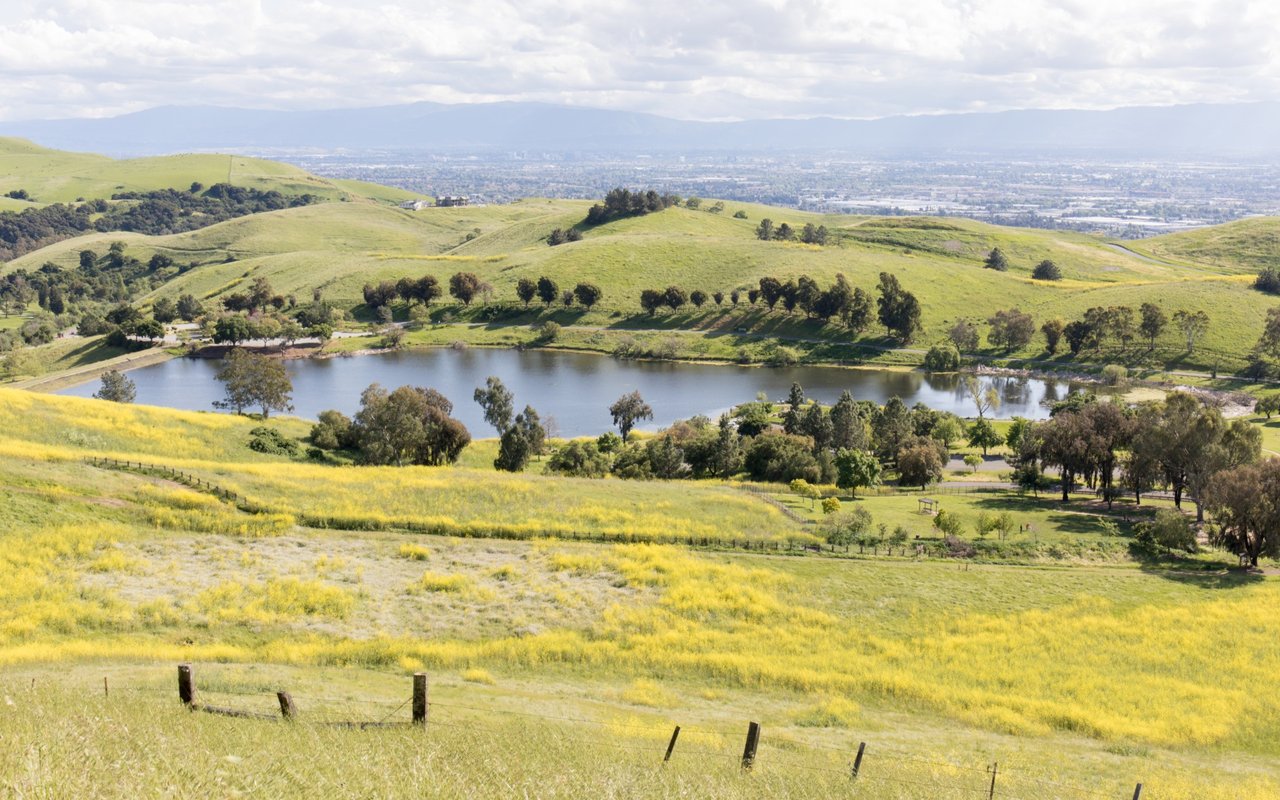
Much of San Jose's remaining undeveloped land sits in the Almaden, Evergreen, and eastern foothills, where the city's Hillside Development Standards impose specific rules that don't apply to flatter valley-floor parcels. These standards regulate grading, the percentage of slope that can be built upon, building height relative to terrain, visibility from valley viewsheds, and the preservation of natural features. A steep parcel with a beautiful view may carry significant limitations on the buildable footprint, driveway grade, and overall design. For buyers drawn to the privacy and scenery of San Jose's hillsides, understanding exactly how these ordinances shape what's possible, and what they add to construction cost and timeline, is critical before committing to a lot.
Because San Jose sits between the active Calaveras and Hayward fault systems, some parcels fall within state-designated Alquist-Priolo Earthquake Fault Zones, which place strict limits on building near a known fault trace. Even outside those zones, the region's seismic activity means soil stability, liquefaction potential, and geotechnical conditions deserve careful study before you purchase land here, particularly in hillside or valley-edge locations. Required geological investigations and engineered foundations can substantially affect both feasibility and budget. This level of seismic due diligence is far more consequential in San Jose than in many other land markets across the country, and overlooking it can turn a promising lot into an unbuildable one.
Not all land in San Jose comes ready to build, and the gap between a finished urban lot and a raw foothill parcel can be enormous. Bringing water, sewer or septic, electricity, gas, and proper road access to an undeveloped hillside site can require significant investment and coordination with multiple agencies. Some foothill properties rely on wells or septic systems rather than municipal connections, which introduces additional permitting, testing, and capacity considerations. Understanding the true cost and complexity of servicing a specific parcel is one of the most important and frequently underestimated parts of buying land in San Jose, and it varies dramatically from one location to the next.
San Jose's valley floor is laced with waterways like Coyote Creek and the Guadalupe River, and parcels near them can fall within FEMA-designated flood zones or be subject to riparian setbacks and oversight from Valley Water (the Santa Clara Valley Water District). A lot's proximity to a creek or its position within a floodplain can affect buildable area, insurance requirements, permitting, and the elevation at which structures must be built. These water-related considerations are highly location-specific in San Jose, and a parcel's relationship to the area's drainage and flood-control infrastructure should be verified carefully before purchase to avoid unexpected constraints.
San Jose's land carries a distinctive history, having transformed from "the Valley of Heart's Delight," covered in orchards, into the heart of the semiconductor industry. Both legacies can leave their mark on the soil. Former agricultural land may retain residues from decades of orchard chemicals, while the region is home to a number of Superfund and environmental-cleanup sites tied to early tech manufacturing. For land buyers, this makes environmental due diligence, including soil testing and a review of a parcel's prior uses, especially important here. Understanding a lot's environmental history protects both your investment and your ability to build safely, and it's a consideration uniquely shaped by San Jose's particular past.
Ready to Find the Right Land in San Jose?
Whether you have questions about zoning, buildability, or you're ready to start your search, the Samit Shah Real Estate Group is here to guide you every step of the way. Reach out today and let our local expertise help you secure the perfect parcel in San Jose with confidence.
Find Out What Your Home is Really Worth Today
Discover your property's value through our accurate evaluation and tailored insights.












Get in Touch
1133 Minnesota Ave San Jose, CA 95125
Get in Touch
Get in Touch
1133 Minnesota Ave San Jose, CA 95125